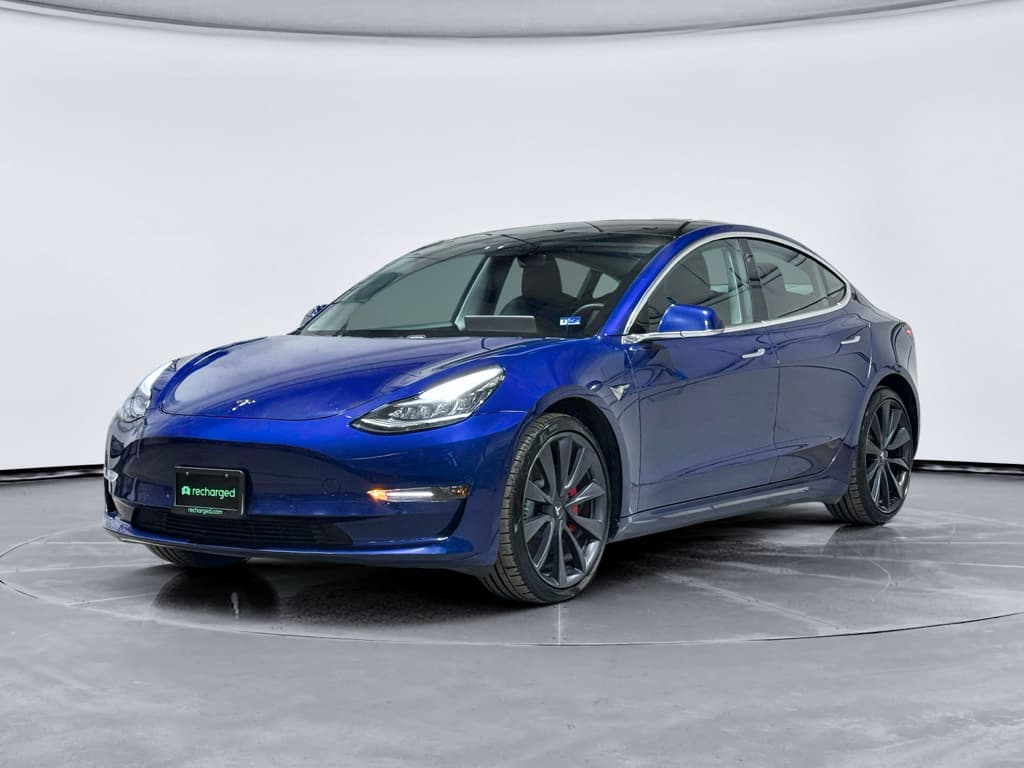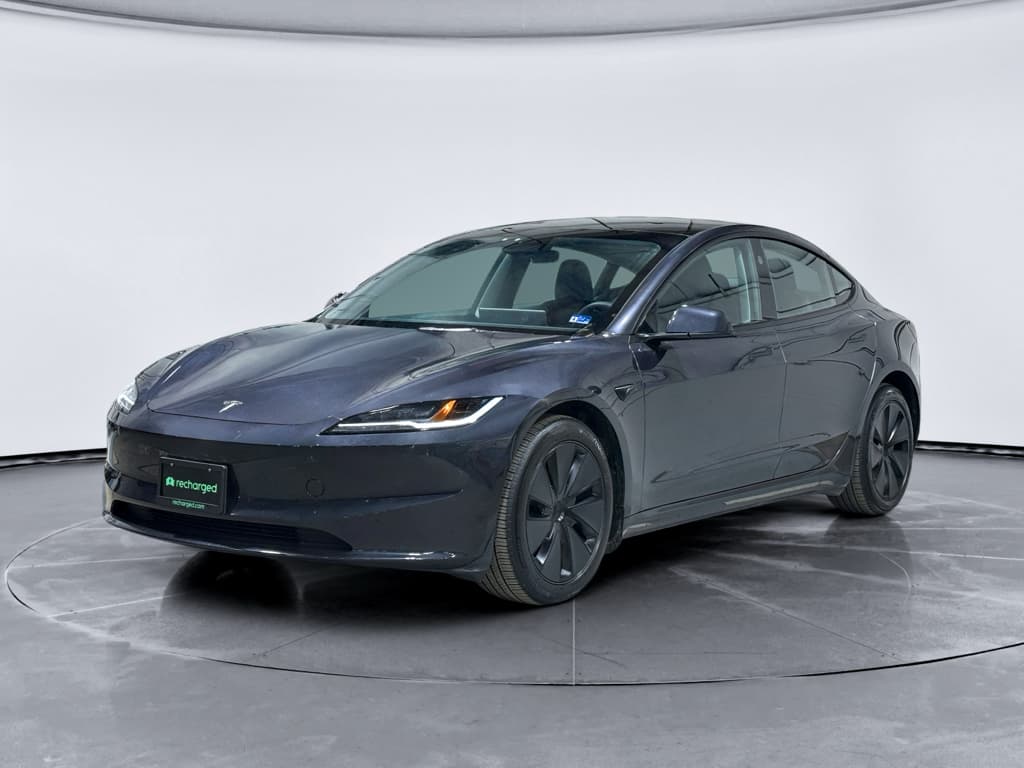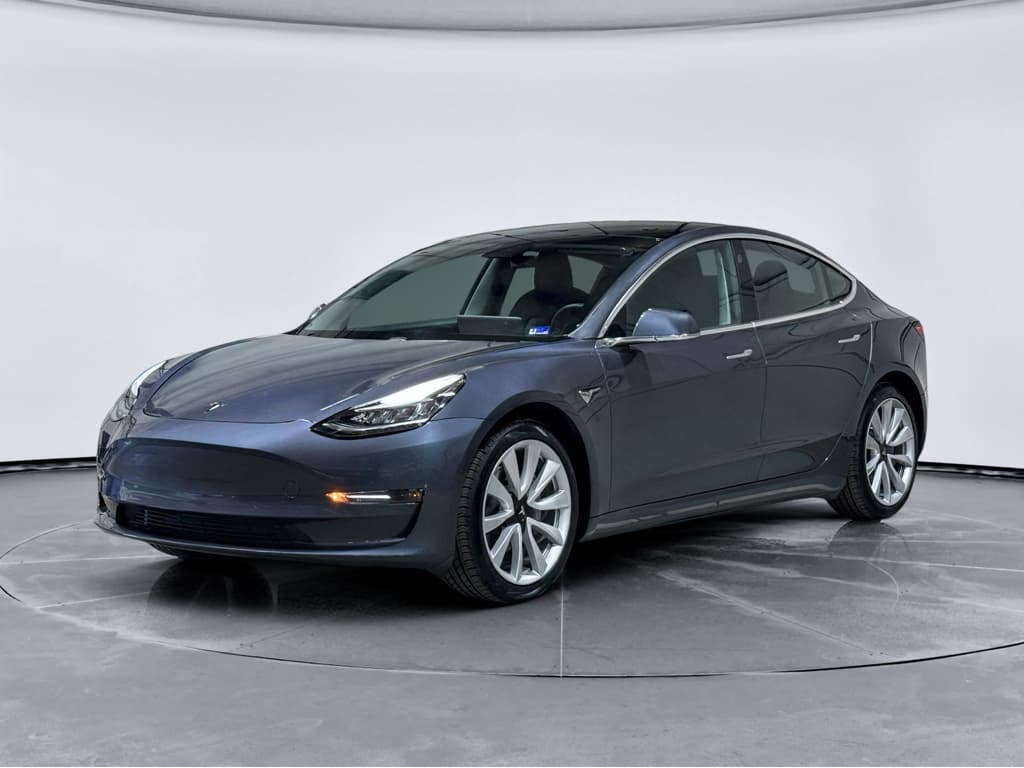
If you’re wondering whether a 2020 Tesla Model 3 is a good buy in 2026, you’re not alone. That model year now sits in a sweet spot: old enough to be affordable, new enough to still have modern tech and battery life. The question is whether the value, remaining warranty, and real‑world reliability line up with your expectations, and your budget.
Context: Where 2020 fits in the Model 3 timeline
Quick answer: Is a 2020 Model 3 a good buy?
2020 Model 3 used: Pros and cons at a glance
The short version before we dive into details
Where the 2020 Model 3 shines
- Strong value: Typically cheaper than 2021–2023 cars while offering similar range and performance.
- Battery longevity: Real‑world data suggests modest degradation for most owners with normal use.
- Software and charging: Over‑the‑air updates, access to Tesla’s Supercharger network, and mature Autopilot hardware.
- Resale strength: Model 3 generally holds value better than many non‑Tesla EVs.
Where you need to be careful
- Out of basic warranty: By 2026, every 2020 is past the 4‑year / 50,000‑mile basic coverage.
- Build quality and squeaks: Owners still report paint, trim, and suspension‑noise issues on some cars.
- Service experience: Tesla service can be slow or inconvenient in some regions.
- Battery risk is asymmetric: Most packs age well, but a bad one is very expensive, diagnostics matter.
For many shoppers, a 2020 Model 3 is a smart used buy if you prioritize range, tech, and charging access over having the latest styling, and if you’re disciplined about battery and condition checks. If you want a low‑maintenance commuter or road‑trip car and you’re comfortable owning an EV outside its basic warranty, the numbers often add up.
When a 2020 Model 3 is a bad buy
2020 Model 3 variants and specs: What you’re actually buying
The 2020 Model 3 lineup in the U.S. included three main trims. Knowing which one you’re looking at matters more than the model year itself, range, performance, and even tire wear can differ a lot.
Key 2020 Tesla Model 3 trims
Approximate EPA ranges and performance figures when new. Real‑world numbers vary with temperature, driving style, and wheel size.
| Trim | Drivetrain | Approx. EPA range (new) | 0–60 mph (approx.) | Typical wheel size |
|---|---|---|---|---|
| Standard Range Plus (RWD) | Single‑motor RWD | ~250 miles | ~5.3 seconds | 18" or 19" |
| Long Range (AWD) | Dual‑motor AWD | ~322 miles | ~4.4 seconds | 18" or 19" |
| Performance (AWD) | Dual‑motor AWD | ~299 miles | ~3.2 seconds | 20" |
Check the VIN build sheet or window sticker to confirm exact configuration.
Match the trim to your use case
Reliability: What 2020 Model 3 owners report
What to expect on 6‑year‑old Model 3s
Compared with many early EVs, the 2020 Model 3 has a decent reliability record, especially on the core electric hardware. Most headaches owners talk about involve secondary systems and build quality rather than motors or the high‑voltage battery.
- Paint quality and panel alignment issues, especially on darker colors, leading to cosmetic concerns and, occasionally, corrosion risk in harsh climates if chips go untreated.
- Suspension clunks or rattles over time, often traced to control‑arm bushings or links; not catastrophic, but annoying and not always cheap.
- 12‑volt battery failures that can immobilize the vehicle until replaced, something you should expect at least once in the vehicle’s life cycle.
- Door handles, seals, or window calibration needing adjustment, particularly on cars that see lots of door use in very hot or cold climates.
Crash and safety performance
What this means for you: If your bar is “never visit a service center,” a used Tesla of any year will probably disappoint you. If your bar is “few major mechanical surprises and mostly software‑driven ownership,” a well‑cared‑for 2020 Model 3 can deliver.
Battery life and degradation on a 2020 Model 3
Battery health is the single biggest swing factor in whether a 2020 Tesla Model 3 is a good buy. The good news: real‑world data from high‑mileage Model 3 owners suggests gradual degradation, not catastrophic drop‑offs, when the pack is treated reasonably well.
What owners commonly report
- First few years often see an initial 3–7% drop in displayed range, then a slower decline.
- Many long‑range owners with 80k–120k miles still see 85–95% of original range, depending on use patterns.
- Home Level 2 charging and avoiding frequent 0–100% cycles tend to correlate with better results.
Why degradation risk still matters
- A pack that has lost 20%+ capacity can noticeably change your winter and highway range.
- Battery replacement out of warranty is a five‑figure event; even partial repairs are expensive.
- Range loss is gradual and easy to ignore until your use case changes, like a longer commute or a move to a colder region.
How to sanity‑check battery health on a test drive
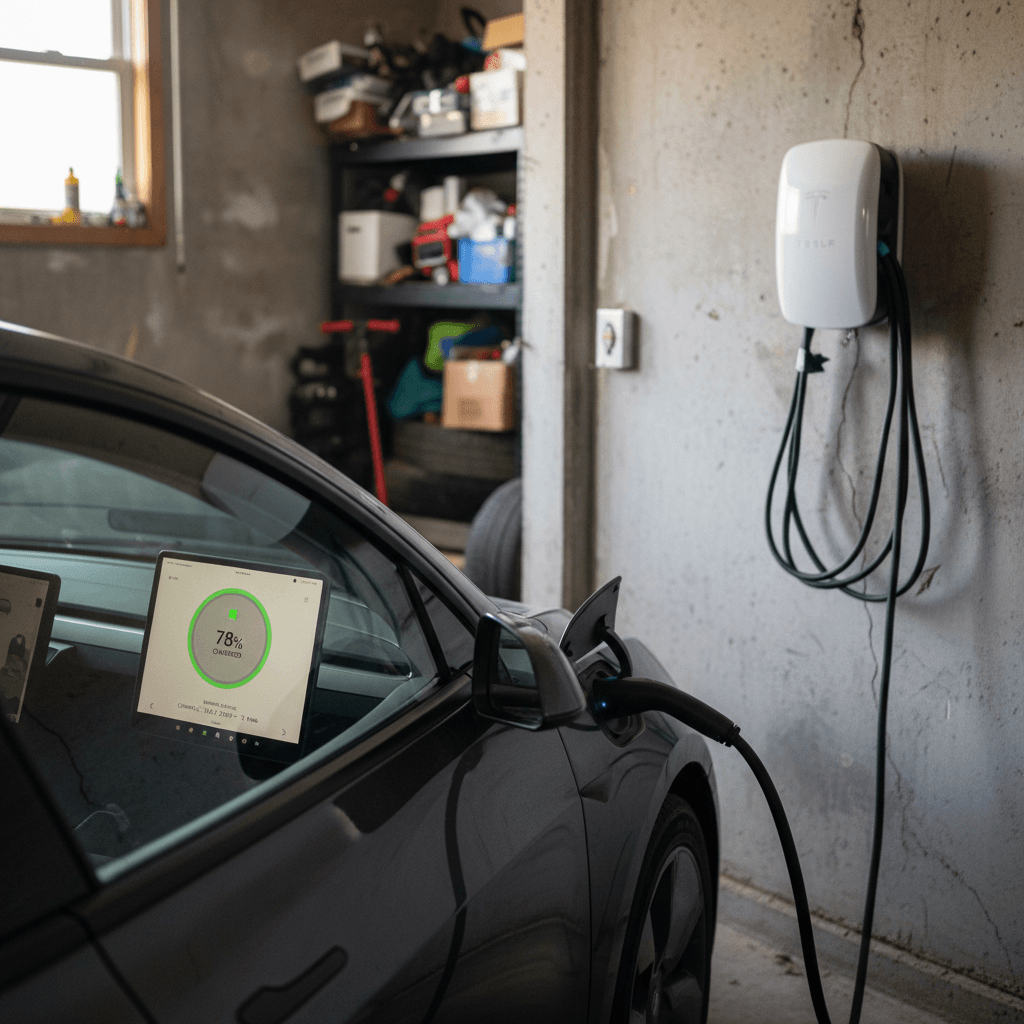
Don’t buy blind on battery health
Warranty coverage: What’s still left in 2026
Every 2020 Model 3 sold in the U.S. came with two key factory warranties: a Basic Vehicle Limited Warranty and a separate Battery and Drive Unit Warranty. By 2026, the basic coverage is gone, but the battery and drive unit may still be protected, depending on mileage and trim.
Tesla factory warranty on 2020 Model 3 (U.S.)
Approximate coverage terms for the 2020 model year. Always confirm with Tesla by VIN, as some terms vary by configuration.
| Component | Typical term for 2020 Model 3 | Status in 2026 for most cars | What it covers |
|---|---|---|---|
| Basic vehicle warranty | 4 years / 50,000 miles from in‑service date | Expired on all 2020 cars | Most non‑wear components: screens, interior electronics, some suspension and body hardware. |
| Battery & Drive Unit – SR+ | 8 years / 100,000 miles, to 70% capacity | Many SR+ cars still covered if under 100k miles | Repair or replacement of high‑voltage battery and drive unit if they fail or drop below capacity threshold. |
| Battery & Drive Unit – Long Range / Performance | 8 years / 120,000 miles, to 70% capacity | Many cars still under time, but some high‑mileage commuters may be over 120k | Same as above, with higher mileage cap. |
In 2026, focus on what remains of the battery and drive unit warranty, not the basic coverage.
Extended coverage options
When you evaluate a specific 2020 car, note the original in‑service date (when it was first delivered), current mileage, and whether any extended coverage is attached and transferable. That combination tells you how much of the expensive stuff is still protected.
Pricing, depreciation, and what counts as a good deal
Used EV prices shifted sharply between 2022 and 2025, and the Model 3 was in the middle of that volatility. As of late 2025 and early 2026, used data across EVs suggests a five‑year depreciation band of roughly 45–55% for Model 3s, meaning many 2019–2021 cars retain around half of their original MSRP, depending on condition, trim, and mileage.
Typical 2020 Model 3 price ranges in 2026 (U.S.)
Ballpark transaction bands for private‑party and retail sales with clean history and average mileage. Your local market and options can move these numbers several thousand dollars either way.
| Trim / condition | Rough price band | What that usually gets you |
|---|---|---|
| SR+ around 60k–80k miles, average condition | Low–mid $20,000s | Good commuter spec, some cosmetic wear, basic Autopilot, often still under battery warranty. |
| Long Range AWD around 50k–80k miles, clean history | Mid–high $20,000s to low $30,000s | Strong range, dual‑motor traction, popular spec for mixed city/highway driving. |
| Performance AWD, lower miles (<50k), well‑optioned | Low–mid $30,000s+ | Premium wheels and brakes, quickest acceleration, higher tire and wheel‑damage risk. |
Always cross‑check with current listings and VIN‑specific history.
How to judge if the price is fair
If a 2020 car is priced like a much newer EV, it should justify that gap with low miles, spotless history, and excellent battery health. If it’s discounted well below market, you need to understand why before you pounce, sometimes you’ve found a deal, and sometimes you’ve found someone else’s problem.
2020 Model 3 buyer’s checklist
Pre‑purchase checklist for a 2020 Tesla Model 3
1. Confirm trim, options, and software
Verify if the car is SR+, Long Range, or Performance. Check for paid software options like Enhanced Autopilot or FSD in the Tesla account or vehicle screen, they may not transfer automatically in all cases.
2. Review battery health
Obtain recent battery‑health data from a trusted diagnostic tool or a service like the <strong>Recharged Score</strong>. At minimum, compare current full‑charge range to original EPA estimates for that trim.
3. Check warranty status by VIN
Ask the seller for the in‑service date and current odometer, then confirm remaining battery and drive unit warranty coverage with Tesla. Note any extended warranties and whether they’re transferable.
4. Inspect exterior, glass, and wheels
Look for paint mismatches, rust at rock chips, cracked glass, and curb‑rashed wheels, especially on Performance models with 20‑inch tires. These can indicate rough use or hidden repairs.
5. Listen for suspension and cabin noises
On the test drive, go over rough pavement at low speed with the radio off. Clunks, rattles, or squeaks from the suspension or interior trim could signal wear that might require parts or labor soon.
6. Test all tech and ADAS features
Confirm that Autopilot engages properly, cameras are clear, the touchscreen is responsive, Bluetooth and phone key work, and over‑the‑air update capability is intact.
7. Pull a full history report
Use a VIN history tool to spot accidents, structural damage, flood histories, or odometer issues. Pay special attention to repeated body repairs on the same corner of the car.
8. Get a third‑party EV‑savvy inspection
A shop or platform that understands Teslas and batteries will catch issues a generic pre‑purchase inspection can miss, especially on high‑voltage and thermal systems.
How Recharged helps with this homework
Ready to find your next EV?
Browse VehiclesHow Recharged evaluates a 2020 Model 3
1. Battery and high‑voltage system
- Measure usable capacity and compare it to typical degradation curves for that model and mileage.
- Check charging behavior on AC and, where possible, DC fast charging.
- Scan for high‑voltage fault codes or thermal‑management issues.
2. Software and settings
- Confirm current software version and update history.
- Verify Autopilot hardware generation and active feature set.
- Ensure phone key, app connectivity, and remote functions are working.
3. Physical condition and test drive
- Inspect body, paint, and glass for prior repairs or corrosion risk.
- Evaluate suspension noises, steering feel, and brake performance.
- Check interior wear on seats, steering wheel, and high‑touch surfaces.
4. Market value and transparency
- Compare the car’s spec and battery health to similar listings nationwide.
- Price it inside a fair‑market band, with battery condition baked in.
- Publish findings in the Recharged Score so buyers see the same data our analysts use.
Shop from the couch or at the Experience Center
Who should, and shouldn’t, buy a 2020 Model 3
Is a 2020 Tesla Model 3 right for you?
Match your situation to the right decision
Great fit if…
- You drive enough miles to benefit from low EV running costs but not so many that you’ll blast past the battery‑warranty mileage quickly.
- You value access to the Tesla Supercharger network and fast home charging more than having the latest interior refresh.
- You’re comfortable owning a car outside its basic warranty as long as the battery and drive unit are still covered and you’ve seen hard data.
- You want a compact sedan that still feels modern in 2026, with strong performance and active safety tech.
Think twice or consider newer if…
- You’re extremely risk‑averse about potential out‑of‑warranty repairs or software quirks.
- You live far from Tesla or independent EV service options, making any visit a major hassle.
- You need maximum range in harsh winters and can stretch to a newer, lower‑mileage Long Range model instead.
- You strongly prefer traditional controls and instrument clusters to Tesla’s minimalist, screen‑centric layout.
FAQ: 2020 Tesla Model 3 as a used buy
Frequently asked questions about buying a 2020 Model 3
Bottom line: Is the 2020 Tesla Model 3 a good buy?
For many shoppers in 2026, a 2020 Tesla Model 3 is a genuinely compelling used buy. You’re getting a mature version of Tesla’s mass‑market sedan, access to the Supercharger network, and a driving experience that still feels modern, often for the price of a new compact gas car.
The key is to treat each car not as “a 2020 Model 3” in the abstract, but as this specific 2020 Model 3: its battery health, warranty status, mileage, history, and how it’s been driven and charged. With solid diagnostics, a careful inspection, and realistic pricing, the 2020 can hit that rare combination of value, performance, and low running costs.
If you’d rather not navigate that evaluation alone, you can shop 2020 Model 3s that already have a Recharged Score Report, pre‑qualified financing options, and trade‑in support. However you choose to buy, taking the time to understand the specific car in front of you is what ultimately turns a used Model 3 from a gamble into a smart long‑term decision.