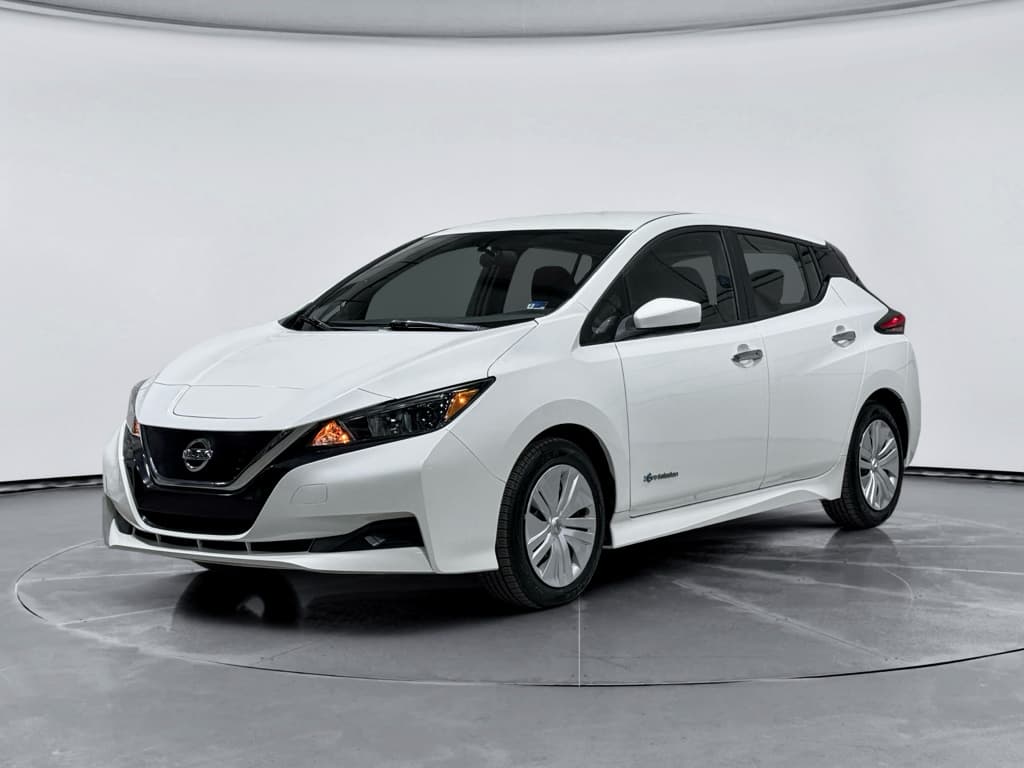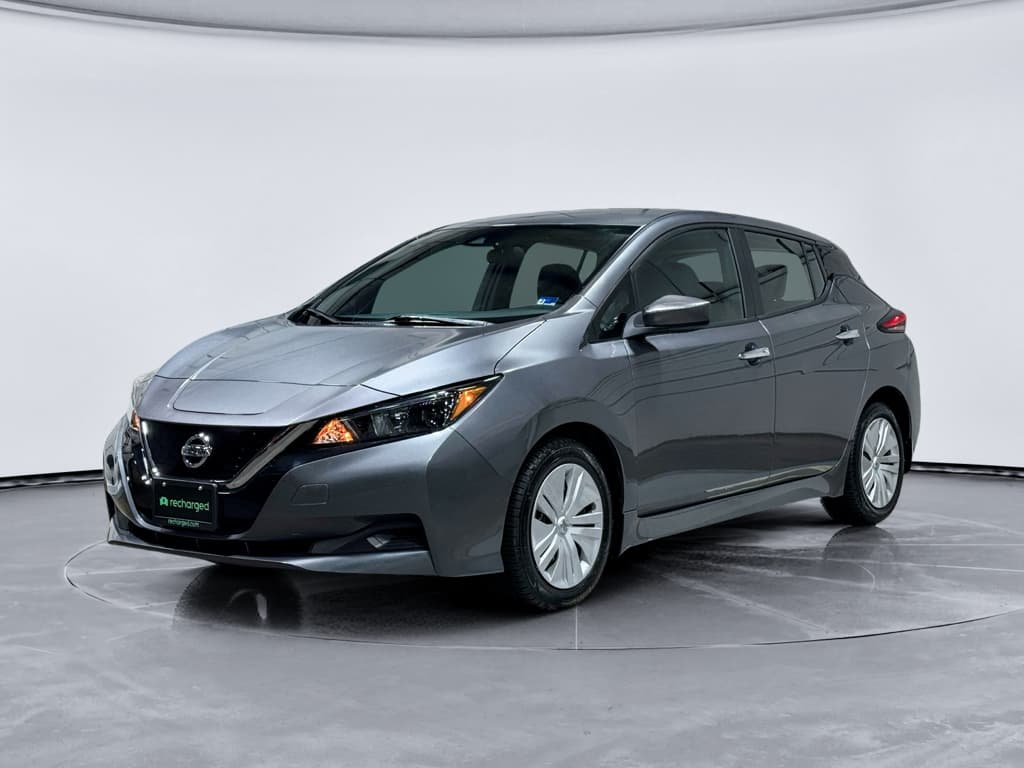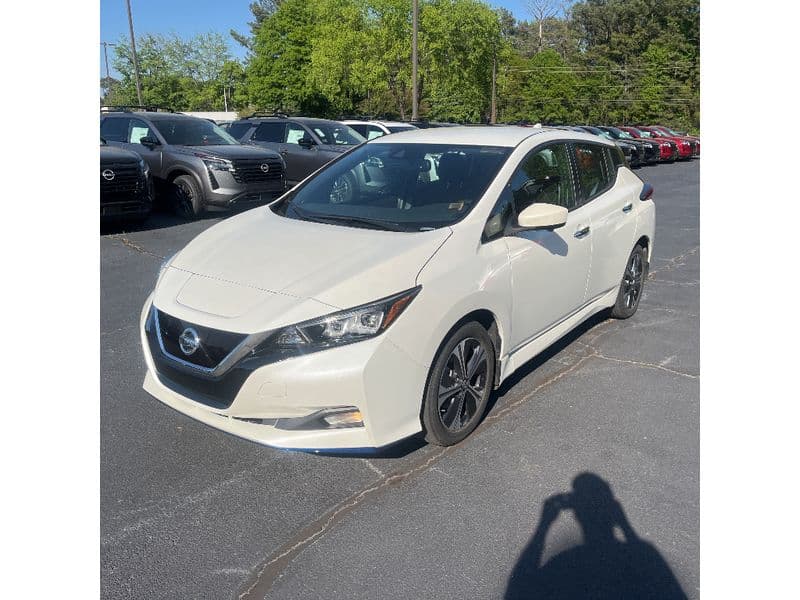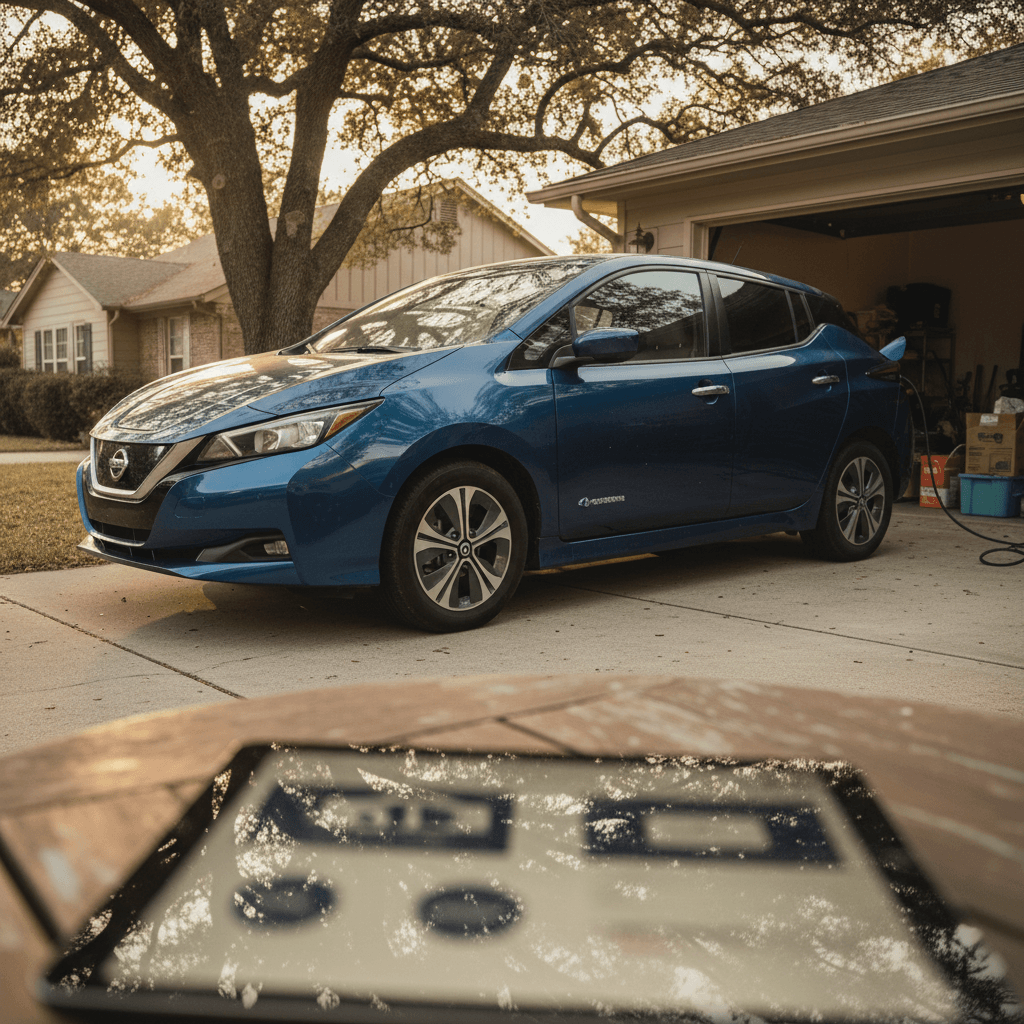
If you’re shopping used EVs on a budget, the question naturally pops up: is a 2020 Nissan Leaf a good buy in 2026? The short answer is that it can be a terrific value for the right driver with a short, predictable commute, but a frustrating mistake if you need road-trip range or fast‑charging flexibility.
The 10‑second verdict
Quick answer: is the 2020 Nissan Leaf a good buy?
When the 2020 Leaf is a good buy
- You drive mostly under 60 miles a day and can charge at home.
- You find a Plus model (62 kWh) with documented good battery health.
- The price is solidly below comparable used EVs thanks to the Leaf’s heavy depreciation.
- You don’t need Tesla Superchargers or the fastest CCS chargers for long trips.
When the 2020 Leaf is not a good buy
- You plan frequent highway road trips or 150+ mile days.
- You live where CHAdeMO fast chargers are scarce or disappearing.
- The car shows signs of rapid battery degradation or erratic state‑of‑charge behavior.
- You can afford a newer EV with liquid‑cooled battery and CCS/NACS fast charging instead.
Big‑picture warning
Key specs: 2020 Nissan Leaf at a glance
2020 Nissan Leaf core numbers
2020 Nissan Leaf trims & range
Understanding the difference between the standard 40 kWh car and the higher‑range Plus versions is critical before you buy.
| Trim | Battery | Original EPA range (mi) | Quick take |
|---|---|---|---|
| S | 40 kWh | ~149 | Budget commuter special; fine for short, predictable daily driving. |
| SV | 40 kWh | ~149 | Adds more features but same modest range. |
| SL | 40 kWh | ~149 | Fully loaded, still limited by 40 kWh pack. |
| S Plus | 62 kWh | ~226 | Best value sweet spot if battery is healthy. |
| SV Plus | 62 kWh | ~215 | More equipment, slightly lower range due to weight. |
| SL Plus | 62 kWh | ~215 | Top trim; focus on condition and price rather than badges. |
Approximate original EPA ranges; expect lower numbers on a five‑ to six‑year‑old battery.
How much range do you really get?
On paper, the 2020 Nissan Leaf looks reasonable: roughly 149 miles of EPA‑rated range for 40 kWh cars and up to about 215–226 miles for Plus models. In the real world, you’re buying a five‑ to six‑year‑old EV whose battery has already given up some capacity. The important question isn’t what the sticker said in 2020, it’s what the car can reliably do today.
- Many owners see about 10% capacity loss by year four or five on well‑cared‑for batteries, with more in hot climates or heavily fast‑charged cars.
- A healthy 40 kWh Leaf might be a 110–125 mile car today in mixed driving, less in winter or at 75 mph.
- A healthy 62 kWh Plus can still feel like a 170–190 mile car in normal use, again depending on weather and speed.
- Once the state‑of‑charge gauge starts behaving erratically or the last 30% of the battery drops quickly on the highway, you may be looking at bad cells and a future warranty fight, not just normal degradation.
Range rule of thumb
Battery health and warranty: what you must know
The 2020 Leaf’s battery is the whole ballgame. Nissan provides an 8‑year/100,000‑mile capacity warranty against excessive loss: if the dashboard gauge drops below 9 of 12 bars within that window, the pack is eligible for replacement. That sounds comforting, but real‑world stories are mixed, some owners have had full pack replacements approved, others have been told severe degradation is “normal.”
Battery health: what to check on a 2020 Leaf
Spend more time evaluating the pack than the paint.
1. Capacity bars on dash
With the car fully charged, look at the small battery capacity bars to the right of the main gauge, not just the big state‑of‑charge meter.
- 12 bars = essentially full original capacity.
- 11–10 bars = typical moderate degradation.
- 9 bars or fewer = borderline or warranty‑claim territory.
2. LeafSpy scan
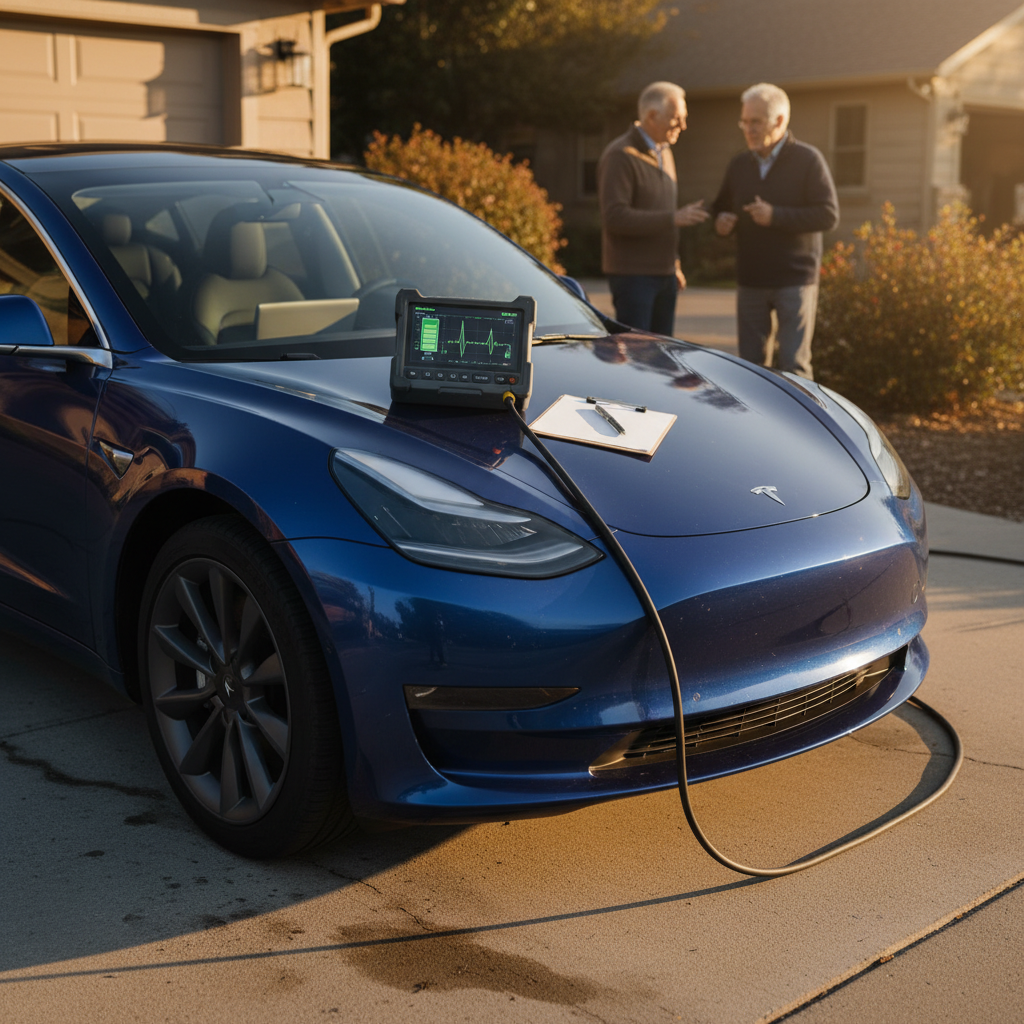
If the seller allows it, use the LeafSpy app and an OBD‑II dongle to read State of Health (SOH) and cell balance.
For a 2020 car, you ideally want SOH in the mid‑80s or better, and very low cell‑to‑cell voltage differences.
3. Warranty & service history
Ask for service records and check in Nissan’s system whether any battery work has been done.
Confirm the in‑service date so you know exactly how much time is left on the 8‑year/100,000‑mile battery warranty.
Hot‑climate caution
Depreciation, prices, and value for money
If you hate losing money on cars, the first owner of a 2020 Leaf did you a favor. This model is one of the hardest‑depreciating EVs on the market. New, many 2020 Leafs carried MSRPs in the low‑to‑high $30,000s depending on trim and battery. Today, a clean 2019–2020 car in the U.S. often asks around $10,500–$13,500, sometimes less for high‑mileage 40 kWh cars.
What that depreciation means for you
Where the 2020 Leaf shines on value
Charging and CHAdeMO limitations
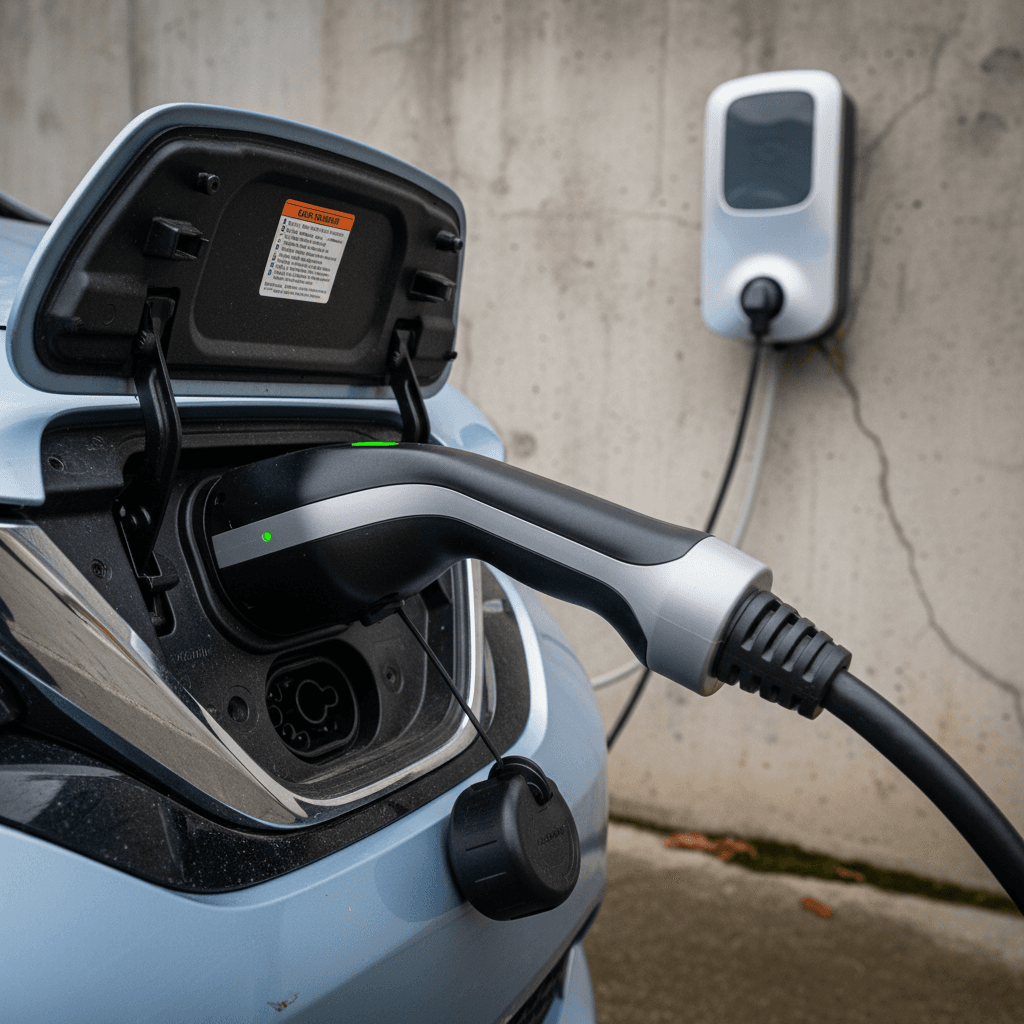
Here’s the catch most first‑time EV shoppers miss: the 2020 Leaf uses the CHAdeMO fast‑charging standard, not the CCS or NACS plugs found on most newer U.S. public fast chargers. Around town, that may not matter if you mostly charge at home. On the open road, it can be a deal‑breaker.
- Every 2020 Leaf can charge at Level 2 (240V) using its J1772 port, perfect for overnight home charging or workplace chargers.
- For DC fast charging, the Leaf relies on CHAdeMO. Many networks are freezing or shrinking CHAdeMO support as they build out CCS and, increasingly, NACS (Tesla style) ports.
- Fast‑charging speeds are modest by modern standards. Even the Plus models lag newer EVs that can take 150 kW or more.
- Adapters to bridge CHAdeMO to other standards are rare, expensive, or simply not available in the U.S. market, so you should assume you’re stuck with whatever CHAdeMO infrastructure exists near you.
Plan your charging life first
2020 Leaf common issues and reliability
Mechanically, the Leaf is a pretty simple machine: no transmission to service, no oil changes, and far fewer moving parts than a gas car. The weak spot is the battery pack, plus a handful of age‑and‑mileage wear items you’d expect on any six‑year‑old compact hatchback.
Known 2020 Leaf pain points
Most shoppers should focus on these four areas.
1. Bad cells / erratic range
Some owners report dramatic drops in indicated range at higher speeds or when the battery falls below ~50% charge. Others see the state‑of‑charge jump around unexpectedly.
That’s often a sign of one or more faulty cells, not just normal aging. These cases can qualify for warranty repair, but only if the 8‑year/100,000‑mile window is still open and you can get a cooperative dealer.
2. Heat‑related degradation
The 2020 Leaf’s air‑cooled battery doesn’t have the thermal safety net of liquid‑cooled rivals. In very hot climates, or when fast‑charged repeatedly in high heat, these packs can lose capacity faster.
Look closely at cars from hot regions, and prioritize those with gentle usage histories.
3. Safety & driver‑assist tech
On the plus side, the 2020 Leaf offers modern safety features: automatic emergency braking, lane‑departure warning, available ProPILOT Assist, and more.
Verify that all ADAS features work correctly on a test drive, especially adaptive cruise and lane centering if equipped.
4. Normal used‑car wear
Like any 5–6‑year‑old hatchback, expect tires, brakes, and suspension components to show wear.
A pre‑purchase inspection can flag unusual tire wear, accident repairs, or rust before you sign anything.
“With the 2020 Leaf, you’re not buying cutting‑edge tech. You’re buying a deeply depreciated, city‑friendly EV that either fits your life like a glove, or doesn’t fit at all.”
Who is the 2020 Leaf actually right for?
Match the 2020 Leaf to your driving life
Best fit: budget commuter
Daily driving under 60–70 miles, mostly city or suburban.
You can install or already have a <strong>Level 2 home charger</strong>.
You like the idea of an EV but don’t want a car payment that feels like a mortgage.
You’re fine owning a car whose road‑trip talents are frankly limited.
Good fit: second household EV
Your household already has a gas car or longer‑range EV for trips.
The Leaf lives as the <strong>school‑run, grocery, and work commuter</strong>.
You value low running costs and quiet, smooth driving around town.
You’re less worried about resale value because you bought at a deep discount.
Tough fit: road‑tripper or apartment dweller
You rely heavily on <strong>public fast charging</strong> or street parking.
You routinely drive long highway stretches in regions with sparse CHAdeMO coverage.
You want the flexibility of the expanding CCS/NACS networks and Tesla Superchargers.
You’re eyeing multi‑state road trips several times a year.
Used 2020 Leaf buying checklist
Essential checks before you commit
1. Confirm battery warranty window
Get the <strong>in‑service date</strong> from the seller or a Nissan dealer so you know exactly how much of the 8‑year/100,000‑mile battery warranty is left. A car put into service late in 2020 may have coverage until late 2028.
2. Count capacity bars and scan SOH
Fully charge the Leaf and verify it still shows <strong>11–12 capacity bars</strong>. If possible, use LeafSpy to check State of Health and cell balance. Walk away from cars with very low SOH or glaring cell imbalances unless they’re priced accordingly.
3. Map your CHAdeMO options
Before you fall in love, open PlugShare or a similar app and look at <strong>CHAdeMO stations</strong> around your home and regular routes. If you don’t have reliable home charging and CHAdeMO is scarce, this may not be the car for you.
4. Drive it like you own it
On the test drive, include highway speeds and some mild hills. Watch for <strong>sudden drops in range estimate or state of charge</strong>, sluggish performance at lower battery levels, or any warning lights.
5. Inspect for crashes and corrosion
Just like any used car, get a pre‑purchase inspection. Look for <strong>uneven panel gaps, mismatched paint, rust, or underbody damage</strong> that might have affected the battery pack or high‑voltage cabling.
6. Compare total cost vs newer EVs
Price out a few alternatives, like a used Chevy Bolt, Hyundai Kona Electric, or a newer Leaf, so you know if the 2020 model you’re eyeing is <strong>truly a bargain or just cheap up front</strong>.
How Recharged helps with a 2020 Leaf purchase
Shopping a used 2020 Leaf on classifieds can feel like guesswork, especially when you’re trying to read a battery’s future from a few bars on a dash. At Recharged, every EV comes with a Recharged Score Report that includes verified battery health, fair‑market pricing, and our techs’ notes on charging performance and range, so you’re not buying blind.
- We run battery health diagnostics and translate the results into plain English: what the range looks like now and how that compares to new.
- Our pricing tools look at the Leaf’s steep depreciation curve so you can see whether a specific 2020 car is genuinely well‑priced.
- You can trade in your current car, arrange financing, and handle paperwork in a fully digital flow, with optional nationwide delivery.
- If you’re comparing a 2020 Leaf to other used EVs, our EV specialists can walk you through side‑by‑side range and charging trade‑offs before you decide.
See how a Leaf stacks up for you
Ready to find your next EV?
Browse VehiclesFAQ: 2020 Nissan Leaf as a used buy
Frequently asked questions
Bottom line: should you buy a 2020 Nissan Leaf?
So, is the 2020 Nissan Leaf a good buy? If you think of it as a heavily discounted, all‑electric city and suburban runabout, with modest range, aging fast‑charging tech, and a battery that demands a close look, the answer can absolutely be yes. For the right driver, a healthy 2020 Leaf delivers quiet, low‑stress commuting for compact‑car money and a fraction of the running costs of gas.
But if you need one EV to do it all, cross‑country drives, heavy fast‑charging, and future‑proof connectors, you’re asking too much of this humble hatchback. In that case, your money is often better spent on a newer, longer‑range EV with CCS or NACS fast charging. Whichever camp you fall into, tools like the Recharged Score Report, battery diagnostics, and EV‑specialist guidance can help you decide whether a specific 2020 Leaf is the right car, or a near miss, for your life.