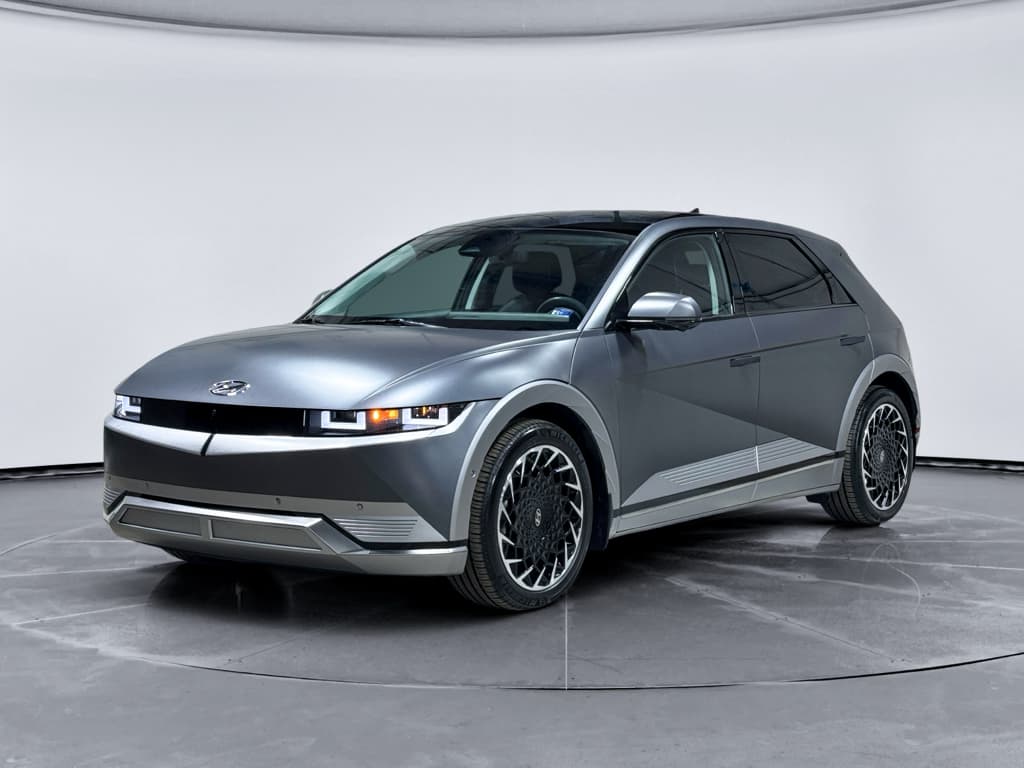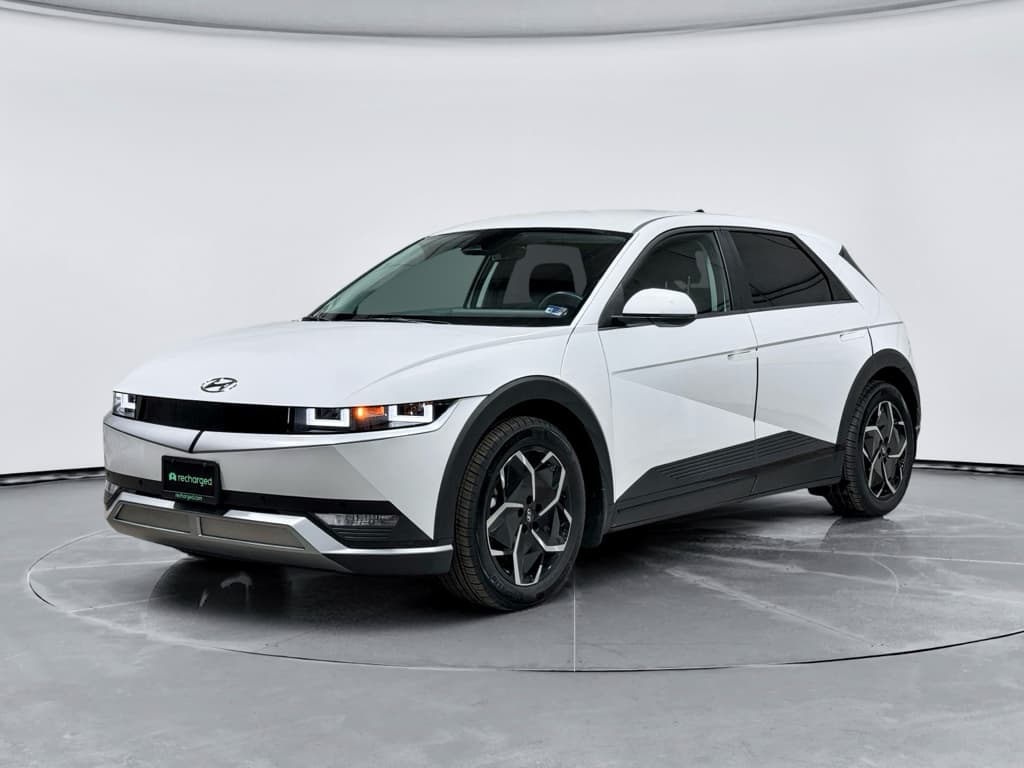
If you’re eyeing a 2025 Hyundai Kona Electric, you’re probably wondering less about its EPA range and more about **real‑world problems and fixes**. The 2025 Kona EV rides on the same second‑generation platform introduced for 2024, so we can blend early 2025 owner feedback with what we already know about this design to build a realistic picture of reliability, and how to protect yourself if you’re buying used.
Important context
Overview: 2025 Kona Electric reliability so far
2025 Kona Electric: early reliability snapshot
Big picture, early tests from mainstream outlets describe the **2025 Hyundai Kona Electric** as a zippy, efficient subcompact SUV with improved comfort versus the first‑generation Kona EV. Owners praise its range and user‑friendly controls, but note some rough edges: more road noise than some rivals, lots of hard plastics inside, and a few nagging electronics and charging quirks that echo what we’ve seen on the 2024 model and Hyundai’s broader EV lineup.
How to read early reliability
What’s new on the 2025 Kona Electric, and why it matters for problems
What carries over from 2024
- Same basic **second‑gen Kona Electric platform**, with a larger body and roomier interior than the first generation.
- Two battery options: ~48.6 kWh and 64.8 kWh, both with ~260‑mile max EPA range when new on the larger pack.
- 11 kW onboard AC charger and **400‑volt DC fast‑charging** architecture.
- Available **Vehicle‑to‑Load (V2L)** function using an adapter, similar to Hyundai’s other EVs.
What’s tweaked for 2025
- Trim and feature reshuffles (for example, N Line availability) but no radical hardware changes.
- Incremental **software updates** for infotainment, driver‑assist systems, and charging logic.
- Ongoing quiet running changes as Hyundai reacts to early 2024 owner complaints and part failures.
- More real‑world data from 2024 cars, which dealers can use to diagnose the 2025 more efficiently.
Because Hyundai didn’t overhaul the powertrain between 2024 and 2025, **most mechanical problems and fixes apply to both years**. That’s helpful if you’re shopping a used 2025 Kona Electric in 2026: there’s already a year’s worth of warranty claims, owner forums and service bulletins teaching dealers what breaks and how to repair it.
Most common 2025 Hyundai Kona Electric issues (early reports)
Likely 2025 Kona Electric problem areas
Drawn from 2024–2025 Kona EV owner reports and related Hyundai EVs
Charging & ICCU issues
Some 2024+ Hyundai EVs (and a few Kona Electric owners) report **"Check electric vehicle system" warnings**, 12‑volt battery drain and DC fast‑charging failures tied to the Integrated Charging Control Unit (ICCU).
Software & infotainment bugs
Glitchy **touchscreen, laggy navigation**, stuck or delayed Bluelink/MyHyundai app commands and occasional reboots. Usually fixed with software updates or module resets.
Driver‑assist quirks
Overly sensitive **lane keeping, forward‑collision warnings or automatic emergency braking** in traffic or bad weather. Tuning and camera calibration often help.
Noises & vibrations
Wind and tire noise above expectations for an EV; occasional suspension or brake noises over bumps, especially in cold climates.
HVAC and heat pump
Inconsistent cabin heating or A/C performance in some early cars, often tied to heat‑pump controls or refrigerant issues.
Minor trim & build issues
Misaligned panels, rattles, squeaks, loose interior trim and weatherstrip wind noise, annoying more than dangerous, but worth fixing under warranty.
Don’t overreact to one horror story
Battery & charging problems on the 2025 Kona Electric
The powertrain is the heart of any EV purchase decision. The 2025 Kona Electric uses proven 400‑volt lithium‑ion hardware, but like its 2024 sibling and Hyundai’s Ioniq family, the model isn’t entirely immune to **ICCU and charging‑system gremlins**.
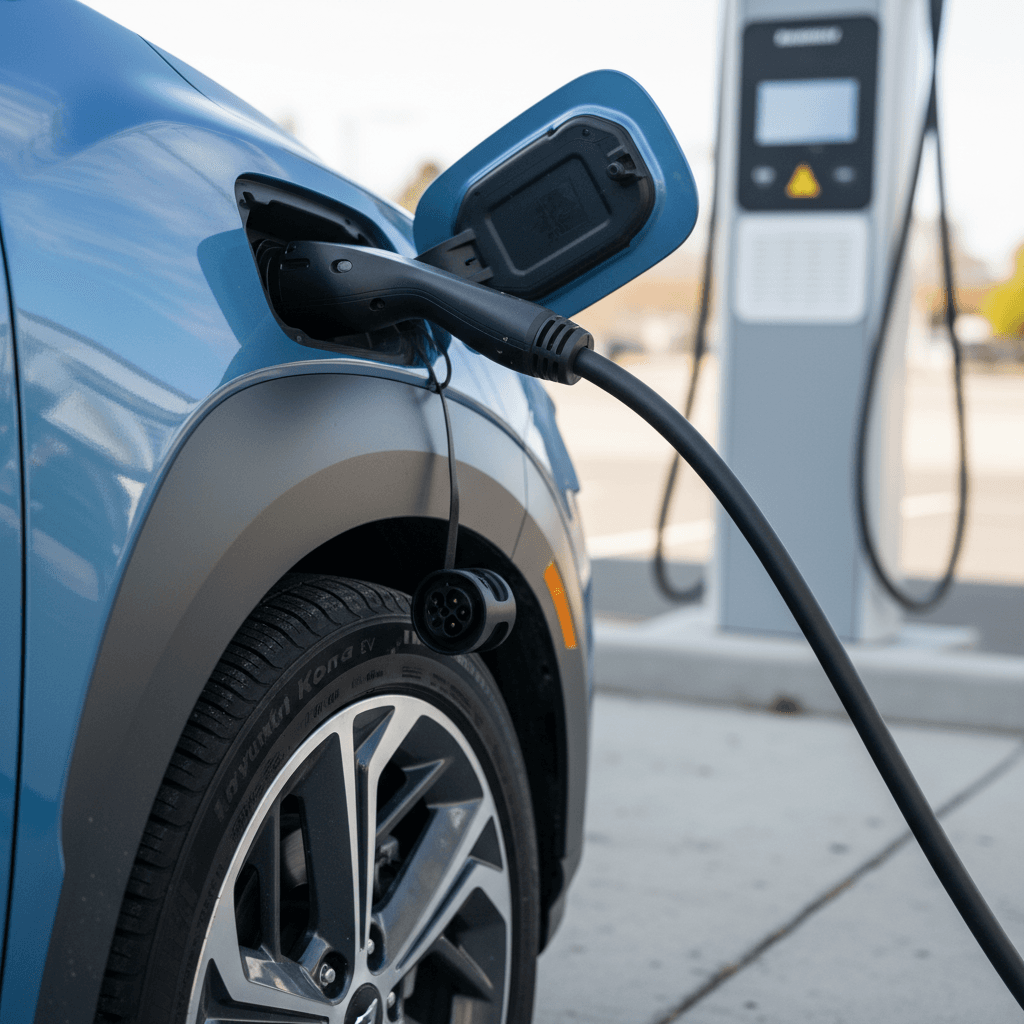
- Intermittent "Check electric vehicle system" warnings and car refusing to DC fast charge until restarted.
- DC fast‑charging sessions stopping early, especially in cold weather or at older public chargers.
- Slower‑than‑advertised DC speeds when the battery is cold or repeatedly fast‑charged on road trips.
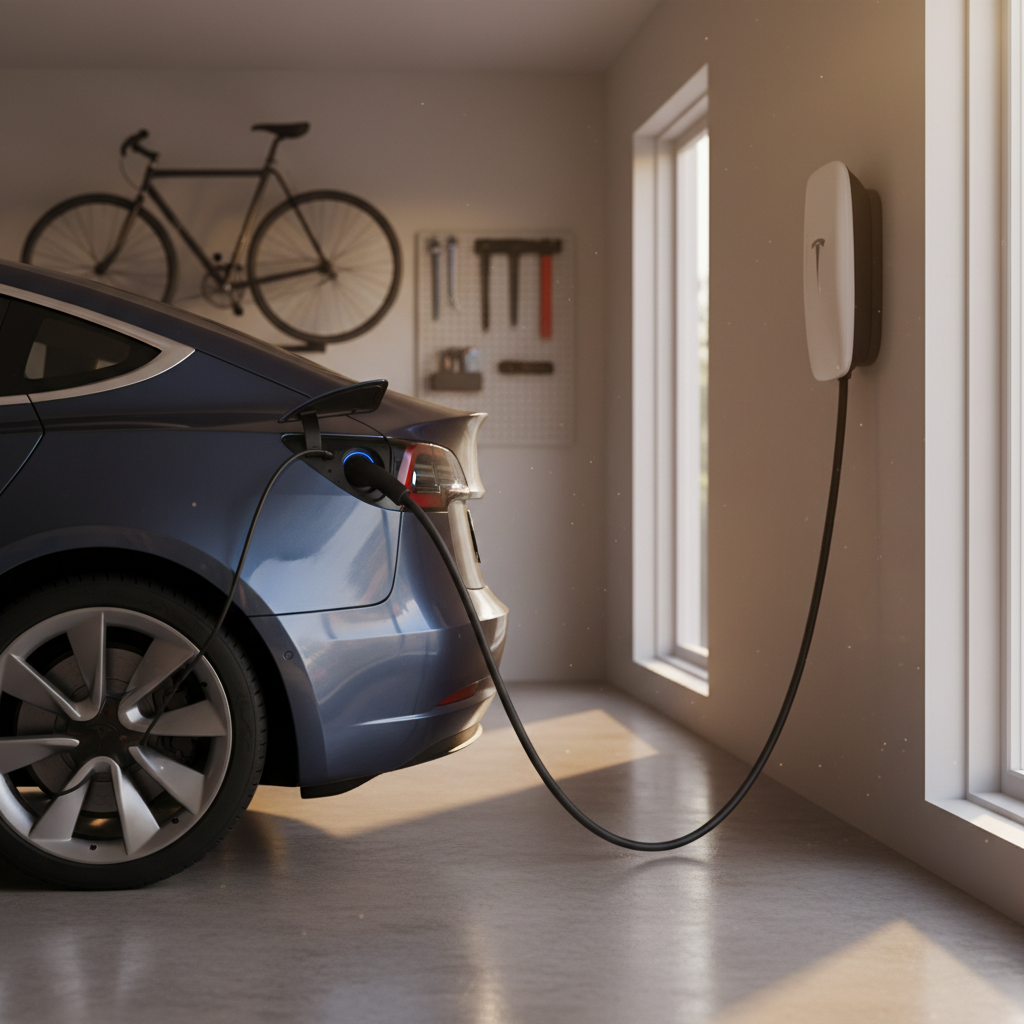
- Occasional home charging failures with certain Level 2 wall boxes or public AC posts.
Quick triage if your Kona EV won’t fast charge
Common Kona Electric battery & charging symptoms, and likely fixes
These patterns are based on early 2024–2025 Kona EV reports and similar Hyundai EVs. Always have a high‑voltage tech confirm the diagnosis.
| Symptom | Likely cause | How it’s usually fixed | Risk if ignored |
|---|---|---|---|
| Frequent "Check electric vehicle system" and 12V battery warnings | ICCU fault or software bug in charging control | Dealer diagnostic; ICCU or related harness replaced, software updated under warranty | Can strand you or disable DC fast charging; don’t ignore. |
| DC fast charge stops within a few minutes | Overheated charger, poor station, or conservative battery temp logic | Try another station; dealer can update software and check cooling | Mostly inconvenience, but repeated failures may signal hardware trouble. |
| Very slow DC speeds in cold weather | Cold battery and conservative thermal management | Precondition by driving before fast charging; in some markets, software allows pre‑conditioning via nav | Minimal long‑term risk but frustrating on road trips. |
| Home Level 2 works, but some public AC posts fail | Communication issue between EVSE and onboard charger | Check for EVSE firmware updates; dealer can reflash onboard charger | Low risk; more about compatibility than a broken car. |
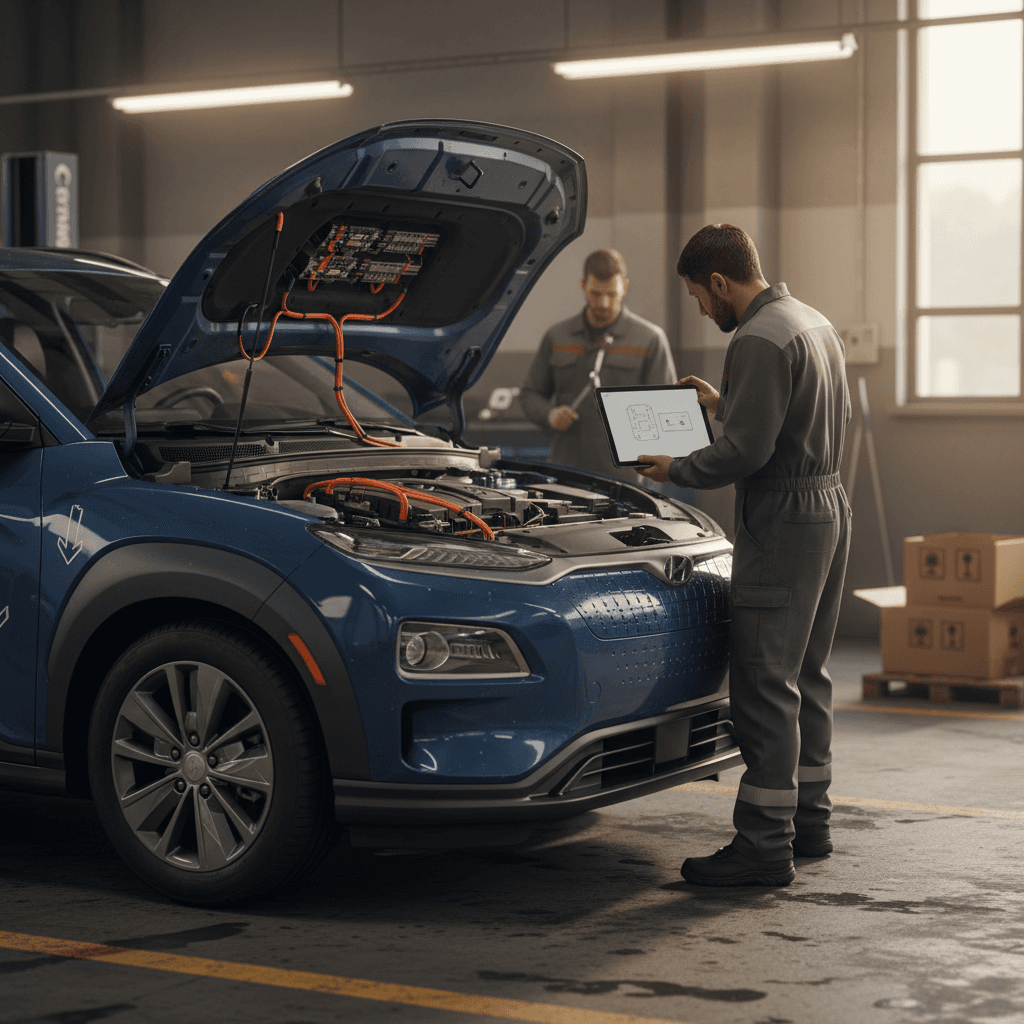
When in doubt, err on the side of letting a dealer or qualified EV shop handle high‑voltage work.
High‑voltage safety warning
Software, infotainment and connected-services glitches
On the second‑gen Kona Electric, **software is as important as hardware**. Infotainment, over‑the‑air updates, the MyHyundai/Bluelink app and digital driver aids all run through a complex stack. Owners of 2024 and 2025 Konas have reported a familiar cluster of nuisances:
- Head unit freezing or rebooting while using navigation or CarPlay/Android Auto.
- Slow boot‑up of the main screen on cold starts.
- Inconsistent MyHyundai app performance: delayed climate pre‑conditioning commands, incorrect state‑of‑charge display or failed remote lock/unlock.
- Random warning lights tied to parking sensors or cameras that disappear after a restart.
Easy software & infotainment fixes to try first
1. Power‑cycle the head unit
Hold the volume/power button until the screen goes black and reboots. This clears many temporary glitches without wiping your settings.
2. Delete and re‑pair your phone
On both your phone and the car, remove the Bluetooth/CarPlay connection and set it up from scratch. Out‑of‑date pairing data causes lots of phantom issues.
3. Update the MyHyundai app
Make sure you’re on the latest app version and logged into the correct VIN. App problems are often cloud‑side or phone‑side, not in the car.
4. Ask the dealer about software updates
During service visits, request a check for **infotainment and control‑unit updates**. Many Kona EV bugs are quietly fixed with revised code, not new parts.
Good news on software fixes
Driver-assistance and safety-system quirks
Like most modern EVs, the 2025 Kona Electric stacks on driver‑assist tech: **lane‑keeping assist, adaptive cruise, forward‑collision avoidance, blind‑spot monitoring** and more. These systems tend to be conservative, which is good for safety but can frustrate owners with false alerts or abrupt braking.
- Lane‑keeping nudging the wheel aggressively on narrow roads or in construction zones.
- Beeping or warnings when lane markings are faded, dirty or snow‑covered.
- Forward‑collision system braking harder than expected when another vehicle cuts in.
- Parking sensors or blind‑spot alerts chiming near bushes, snowbanks or guardrails.
Dial in the assist systems to your taste
If you see persistent warning lights for cameras or radar sensors, especially after even a minor bump or windshield replacement, have a dealer **re‑aim and recalibrate** the system. Misaligned sensors can reduce effectiveness in a real emergency.
Noises, vibrations and ride-quality concerns
Instrumented tests of the current‑generation Kona Electric point to **more wind and tire noise** than some rival EVs. That isn’t strictly a “problem,” but owners coming out of quieter crossovers like an Ioniq 5 or Tesla Model Y notice it right away. Beyond that, a few specific complaints surface:
- Light **creaks from the dash or door panels** over rough pavement, typically in cold weather.
- Thumps or clunks from the rear suspension when going over speed bumps or potholes.
- Slight steering nibble at highway speeds on grooved concrete.
- Rattle from the cargo area or rear seats if cargo floor panels aren’t latched tightly.
Normal vs. abnormal noises
Recalls & service campaigns for the 2025 Kona Electric
As of April 2026, the 2025 Hyundai Kona Electric has **not been the subject of a major U.S. safety recall specific only to this model year**. That’s a positive sign, especially considering Hyundai’s earlier first‑generation Kona EV battery recall overseas.
However, Hyundai has issued multiple EV‑wide campaigns and software updates in recent years, particularly around **charging components, battery monitoring and ICCU behavior**. It’s reasonable to expect the 2025 Kona Electric to receive similar updates over its life.
How to check a 2025 Kona Electric for open recalls
1. Run a VIN lookup
Use the NHTSA recall lookup tool or Hyundai’s owner site to check the **full 17‑digit VIN** for any open recalls or service campaigns.
2. Ask for a warranty printout
Have a Hyundai dealer print the vehicle’s **warranty and campaign history**. This shows what’s already been done and what’s still open.
3. Confirm ICCU / charging updates
Specifically ask whether the latest **ICCU, battery‑management and charging software updates** have been applied.
4. Keep paperwork
File any recall or campaign invoices with the car’s records. That documentation matters when you sell or trade the EV later.
DIY fixes vs. when to see the dealer
Reasonable DIY or owner fixes
- Resetting the infotainment system or re‑pairing phones.
- Updating the MyHyundai app and checking account/VIN settings.
- Testing multiple charging stations and cables before assuming the car is faulty.
- Adjusting tire pressures, especially after seasonal temperature swings.
- Tracking down obvious rattles from loose cargo, seatbacks or parcel shelves.
Leave to a dealer or EV specialist
- Any **high‑voltage battery, ICCU or inverter** warning or repair.
- Persistent **12‑volt battery drain** or no‑start conditions.
- Recalls, safety campaigns, or control‑unit software flashes.
- Driver‑assist system calibration after a collision or glass replacement.
- HVAC performance issues that may require refrigerant work or heat‑pump diagnosis.
Choose the right shop
Used 2025 Kona Electric buying checklist
By 2026, more **off‑lease and low‑mileage 2025 Kona Electrics** will start showing up on the used market. That’s where you need a sharper eye: the car is new enough to feel fresh, but old enough that its first owner may have already shaken out some defects.
Pre‑purchase checklist for a used 2025 Kona Electric
1. Verify battery health and DC fast charging
Take the car from roughly 20% to 60–80% at a **DC fast charger**, watching for strange warnings or very low charging speeds. A healthy Kona Electric should climb steadily once the session starts.
2. Scan for warning lights and messages
On startup and after a short test drive, check for any **persistent alerts**, especially anything mentioning the high‑voltage system, battery, or driver‑assist sensors.
3. Test all driver assists
On a safe road, try lane‑keeping, adaptive cruise and collision warnings. Look for **excessive false alarms** or systems that refuse to engage, which could hint at camera or radar issues.
4. Inspect tires and brakes
Uneven tire wear or pulsing brakes during gentle stops can indicate suspension alignment or brake‑hardware problems, both are fixable but good negotiation leverage.
5. Listen for rattles and wind noise
On the highway, note **wind whistling** around mirrors and the A‑pillars, or rattles from the dash. These are often fixable under warranty but are worth flagging early.
6. Review service and recall history
Ask for an itemized service history. Confirm that **open recalls and key software updates** have been handled, especially anything tied to the battery, ICCU or charging behavior.
How Recharged evaluates Kona Electric battery health
Because the **battery pack and charging system are the most expensive components** on the 2025 Hyundai Kona Electric, they’re front‑and‑center in every inspection we perform at Recharged. Each Kona EV on our marketplace comes with a **Recharged Score Report**, which includes quantified battery health and charging performance data.
What our Recharged Score checks on a Kona Electric
Beyond a simple code scan, we look at how the EV behaves in the real world.
Battery capacity & health
AC & DC charging behavior
On‑road performance
Safety systems & recalls
Service history insight
Purchase support & delivery
Ready to find your next EV?
Browse VehiclesWhy this matters for 2025 buyers
FAQ: 2025 Hyundai Kona Electric problems
Frequently asked questions about 2025 Kona Electric issues
Bottom line: Is the 2025 Kona Electric a risky buy?
The **2025 Hyundai Kona Electric** isn’t a trouble‑free unicorn, but it also isn’t a problem child. Early owner reports and our experience with the 2024 redesign suggest a car with solid fundamentals, efficient powertrain, usable range and approachable pricing, tempered by some electronic quirks, charging niggles and the occasional build‑quality complaint. In other words, typical early‑generation EV behavior, not a red flag.
If you go in with eyes open, verify **battery health, charging performance and software update status**, and lean on specialists who understand used EVs, a 2025 Kona Electric can be a smart way to get into a modern electric crossover without paying new‑car money. That’s exactly where Recharged tries to earn its keep: vetting the battery, surfacing the story behind each car and helping you decide whether a given Kona Electric is a smart buy, or one you should walk away from.