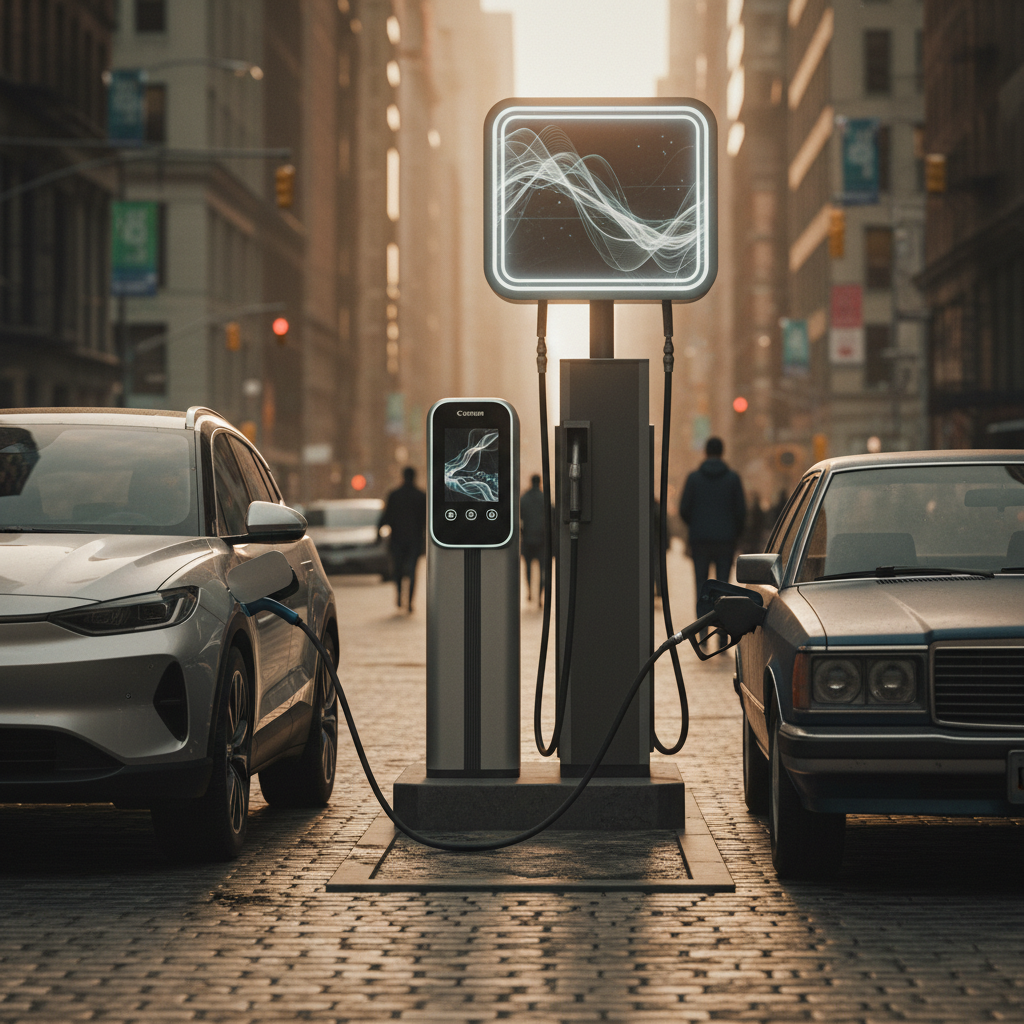
If you’ve been typing “inspected used EV for sale near me” into search bars, you already know the hard part isn’t finding electric cars, it’s figuring out which ones you can trust. With EVs, a clean Carfax and a quick visual check aren’t enough. You need real insight into battery health, charging performance, software, and how the car was actually used.
Why this guide is different
Why “Inspected” Matters So Much With Used EVs
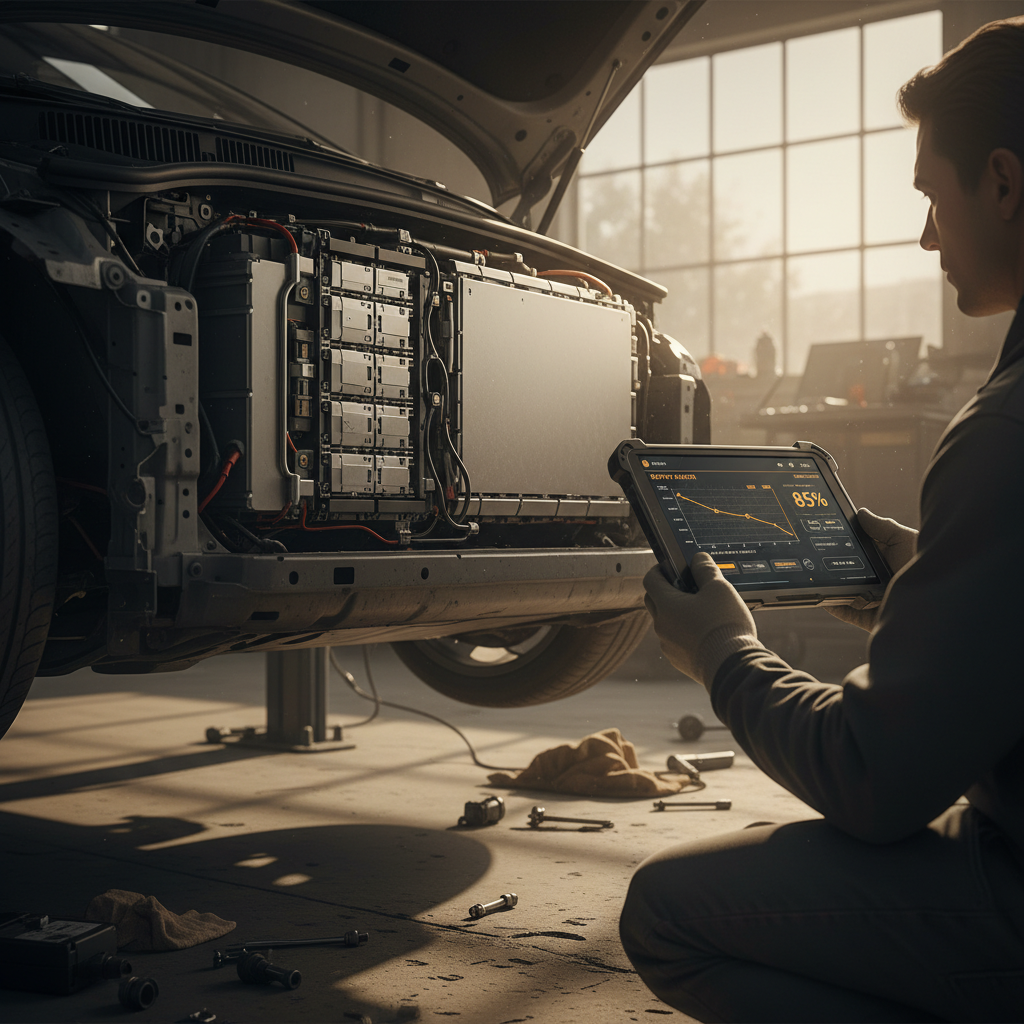
On a gas car, a pre-purchase inspection is mostly about mechanical wear: engine leaks, transmission behavior, exhaust, and so on. With a used EV, those parts don’t exist, but the traction battery pack can represent 30–40% of the vehicle’s value. That makes the quality of the inspection, and the data behind it, far more important than on a comparable gas car.
Why Battery-Backed Inspections Sell Used EVs
The takeaway for you: any seller advertising an “inspected” used EV should be able to show concrete data about battery state of health (SOH) and charging behavior, not just a generic multipoint checklist borrowed from gas cars.
Inspection ≠ Battery Report
What an “Inspected” Used EV Really Includes
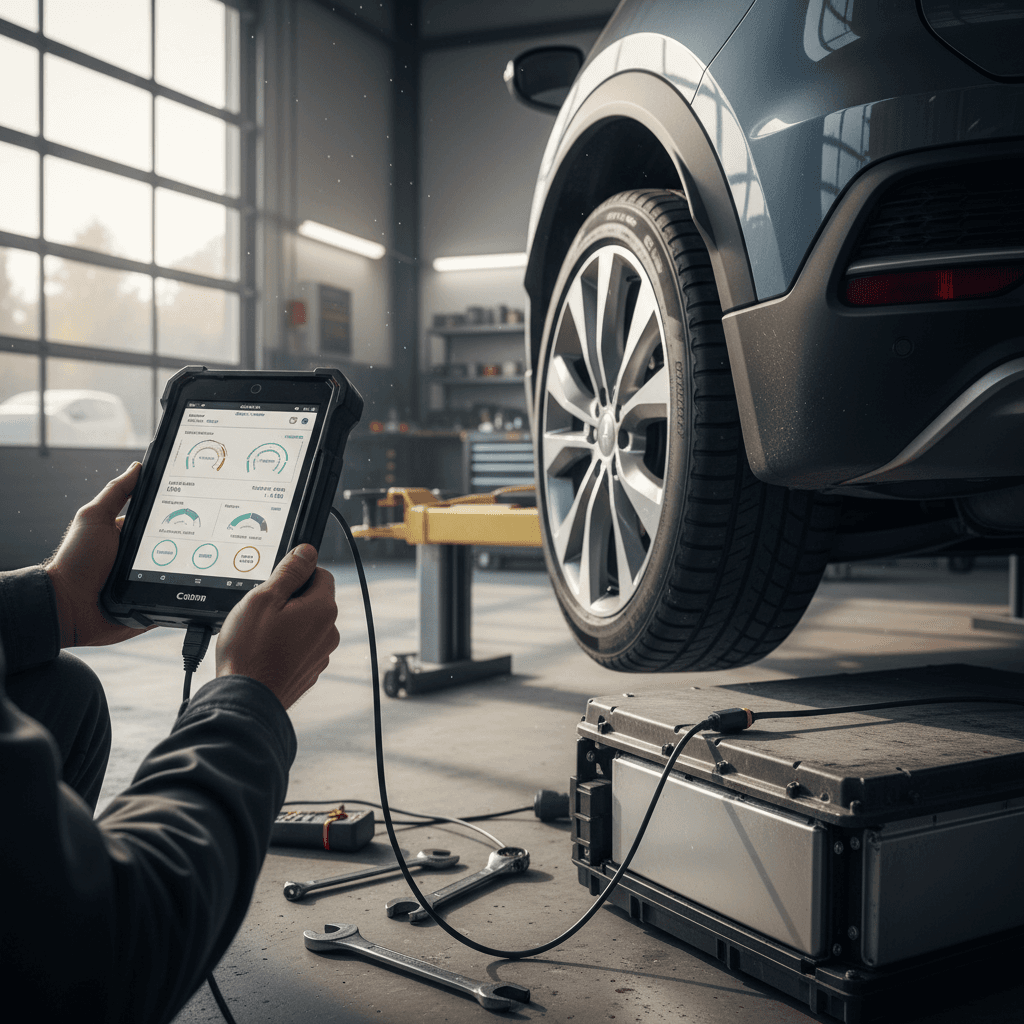
Different dealers and marketplaces use “inspected” very loosely. When you’re shopping for an inspected used EV for sale near you, look for a process that explicitly covers three buckets: battery and charging, high‑voltage and safety systems, and standard used‑car items like tires, brakes, and body condition.
The 3 Pillars of a Real EV Inspection
If a seller can’t explain how they cover each of these, keep shopping.
1. Battery & Range
- State of Health (SOH) vs. when new
- Estimated real‑world range at current health
- Evidence of fast‑charging abuse or overheating
- Any battery‑related warnings or fault codes
2. Charging & High Voltage
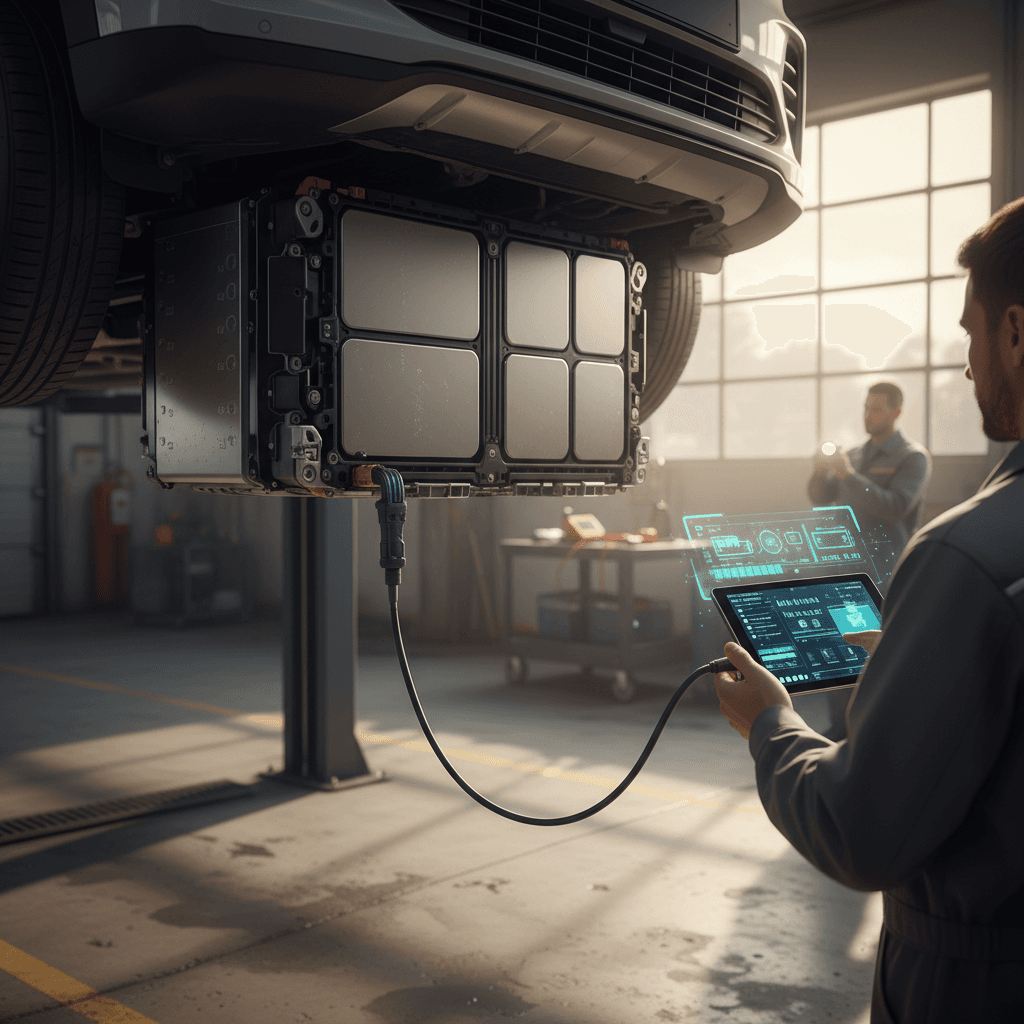
- AC and DC fast‑charging tests where possible
- Onboard charger operation
- Charging port and cable condition
- High‑voltage cabling and connectors inspected
3. Usual Used‑Car Checks
- Accident, flood, or structural damage
- Suspension, brakes, and tires
- Interior electronics and safety systems
- Service and recall history verified
Ask this question word‑for‑word
Battery Health Reports: The New Carfax for EVs
Battery health is quickly becoming the make‑or‑break factor in used EV deals. Auction platforms, OEMs and data companies are all racing to surface a simple number that tells you how much usable life is left in the pack. For you as a shopper, that means you should expect more than a vague comment like “battery seems fine.”
With a battery health report
- State of Health (SOH): A percentage estimate of remaining capacity vs. new.
- Projected range: What you can realistically expect on a full charge today.
- Risk indicators: Flags for abnormal degradation or possible damage.
- Transparency: You and your lender can price the car with confidence.
Without a battery health report
- You’re guessing whether the car still has 97% or 75% of its capacity.
- Any price comparison to other listings is on shaky ground.
- Resale value becomes a question mark.
- You may be the one absorbing a hidden five‑figure risk.
How Recharged handles battery health
Ready to find your next EV?
Browse VehiclesWhere to Find Inspected Used EVs for Sale Near You
Once you know what a proper inspection looks like, the next step is finding inspected used EVs near you that actually meet that standard. You’ve got four main options, each with pros and cons.
Where to Shop for an Inspected Used EV
How the major channels stack up when you care about inspection quality and battery transparency.
| Channel | Pros for EV Shoppers | Common Gaps | Best For |
|---|---|---|---|
| Franchise dealer CPO | Brand‑backed inspections, added warranty, easier financing | Battery data quality varies by brand, higher prices | Shoppers prioritizing warranty and brand network |
| Independent dealer | Local inventory, quick test drives, sometimes aggressive pricing | “Inspected” often means traditional checks only, not EV‑specific | Bargain hunters willing to ask tough questions |
| Online marketplaces | Large selection, easy comparison, digital paperwork, home delivery | Inspection standards differ by seller; battery data not always visible | Busy buyers who prefer a fully digital experience |
| Recharged used EV marketplace | EV‑only inventory with a Recharged Score Report, battery and charging diagnostics, nationwide delivery | Inventory limited to EVs (no gas/hybrid), currently focused on select markets | Shoppers who want maximum transparency on EV condition and battery health |
When in doubt, prioritize sellers who publish inspection and battery reports right in the listing.
If you’re in or near Virginia, Recharged also operates an Experience Center in Richmond, where you can see inspected used EVs in person, review battery health reports with a specialist, and still complete the rest of the process online.
Turn “near me” into actual options
How to Read an EV Inspection or Score Report
Once you’ve found an inspected used EV for sale near you, the next challenge is decoding the paperwork. Whether you’re looking at a factory CPO report or a Recharged Score, focus on these key sections first.
Key Items to Scan in Seconds
Battery State of Health (SOH)
Look for a clear percentage, ideally with context. For many late‑model EVs, something in the low‑to‑mid‑90s is normal. If SOH is unusually low for the age and miles, ask why and factor that into price.
Estimated Current Range
You care less about the original EPA number and more about <strong>today’s usable range</strong>. Good reports translate SOH into realistic range so you can see whether the car fits your commute and trips.
Charging Performance
Check whether the report includes recent AC and DC fast‑charging behavior, especially if you’ll road‑trip. Slower‑than‑expected charging can point to thermal issues, software limits, or prior abuse.
High‑Voltage & Safety Checks
Scan for any noted faults or repairs in high‑voltage cabling, inverter, on‑board charger, or battery cooling. These are specialized components, it’s worth knowing they’ve been inspected.
Recalls & Software Updates
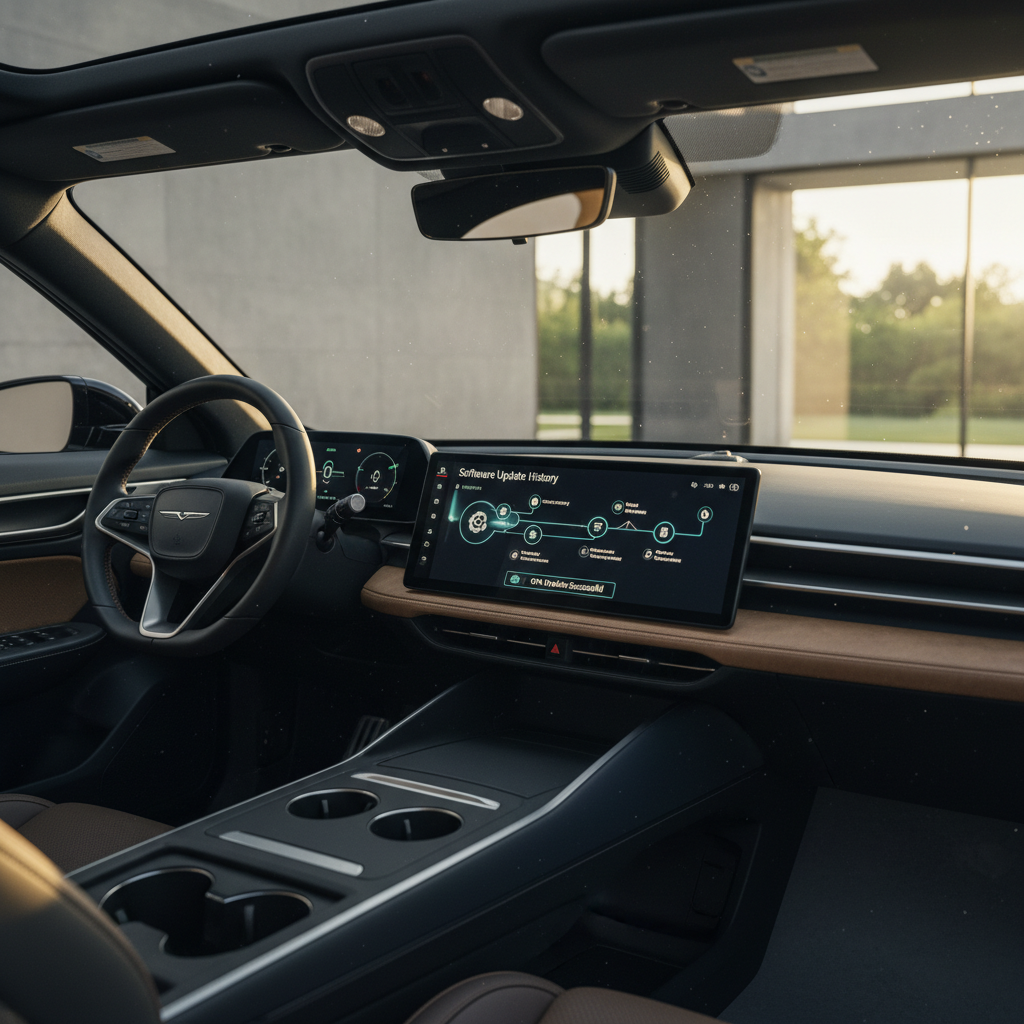
Many EVs receive important software and safety fixes over the air or at the dealer. A good report will note whether recall and software campaigns are up to date.
Overall Score or Grade
If the report gives a single score or letter grade, use it as a quick filter, but always read the notes. A strong score doesn’t excuse mismatched tires or old brake fluid, and a mid‑range score could be fine if you drive very little.
Inside the Recharged Score Report
Pricing, Warranty, and Financing for Inspected Used EVs
An inspected used EV often carries a small premium over a similar‑looking listing without documentation. But that premium can buy you two valuable things: predictability and resale value. When battery health is known and documented, lenders and future buyers have more confidence in the car.
How inspection affects price
- EVs with strong battery reports routinely sell faster and closer to asking price.
- A transparent SOH can justify a higher price than a similar car with unknown health.
- You can negotiate more precisely: a car at 85% SOH may be worth less than one at 95%, even if mileage is similar.
Why warranty still matters
- Many EVs keep their factory battery warranty for 8 years or more from original in‑service date.
- An inspection should note how many years and miles of battery coverage are left.
- Certified or inspected programs may add limited warranties on non‑battery components.
Use inspection to strengthen your financing
Recharged also offers financing options tailored to used EVs, plus trade‑in and instant offer tools if you’re moving out of a gas car. Because every car on the platform has a Recharged Score Report, the financing discussion can focus on what you can comfortably afford instead of arguing about what the car is worth.
Checklist: Before You Buy an “Inspected” Used EV
Use this quick checklist to stress‑test any inspected used EV listing near you, whether it’s on a big marketplace, at a local dealer, or on Recharged.
Pre‑Purchase Checklist for Inspected Used EVs
1. Confirm a real EV‑specific inspection
Ask for the inspection document and skim for EV‑specific items: battery SOH, charging tests, high‑voltage checks. If it looks identical to a gas‑car checklist, that’s a red flag.
2. Get a battery health report, not just a comment
You want something objective, a percentage, a graph, or a third‑party or platform‑branded report. “Drives fine” isn’t enough for a component that can cost five figures.
3. Compare current range to your daily reality
Take the reported current range and compare it to your routine: commute, school runs, and weekend trips. Add a buffer for winter or highway speeds so you’re not constantly charging at 5%.
4. Verify warranty and recall status
Confirm remaining battery and powertrain warranty, and ask whether open recalls, especially battery or charging‑related, have been addressed.
5. Check home and public charging fit
Make sure the car’s connector type works with chargers near you and that your home can support at least Level 2 charging eventually. A great EV with nowhere convenient to charge is a headache.
6. Take an EV‑focused test drive
On your drive, watch for charging behavior (if possible), range estimate stability, odd noises from the battery area, and how the car responds at different states of charge.
Common Red Flags to Avoid in Used EV Listings
Most of the horror stories you hear about used EVs share the same pattern: no battery data, vague descriptions, and a rushed buyer. When you know what to look for, those deals are easy to skip.
- Listing says “inspected” but provides no report or details when you ask.
- Seller can’t or won’t share any battery SOH data, even from the car’s own display or service menu.
- Fast‑charging is disabled or “hasn’t been tested,” with no explanation.
- The price looks too good compared with similar EVs that clearly publish battery health.
- EV is out of battery warranty, and there’s no third‑party battery assessment documented.
- Dealer or seller dismisses your questions about charging history or software updates.
When to walk away
Frequently Asked Questions About Inspected Used EVs
Inspected Used EVs: Your Questions Answered
Bottom Line: Finding the Right Inspected EV Near You
When you search for an inspected used EV for sale near me, don’t stop at the word “inspected.” For electric vehicles, the quality of that inspection, and especially the depth of the battery health data, is what protects your budget and your peace of mind.
Start by narrowing your search to sellers who publish EV‑specific inspections and battery reports. Use the checklists in this guide to pressure‑test any listing, and be ready to walk away from cars that hide the most important numbers. If you want a simpler path, consider shopping through Recharged, where every used EV includes a Recharged Score Report, expert EV support, financing, trade‑in options, and even an in‑person Experience Center in Richmond, VA, backed by a fully digital buying experience when you’re ready to make the move.