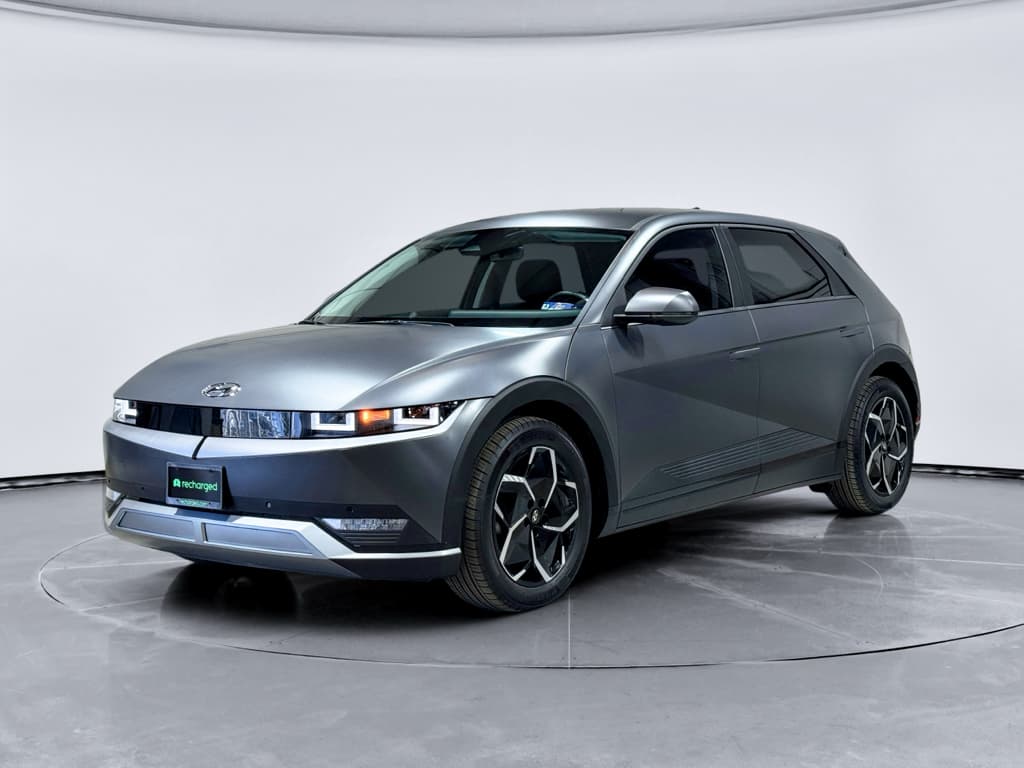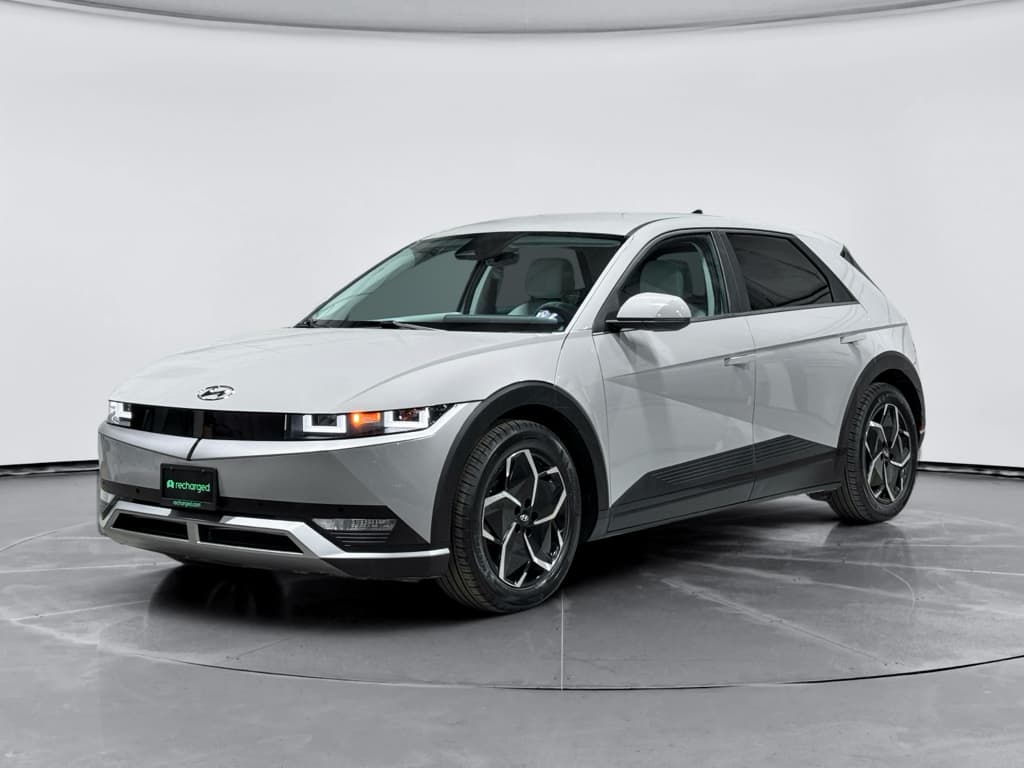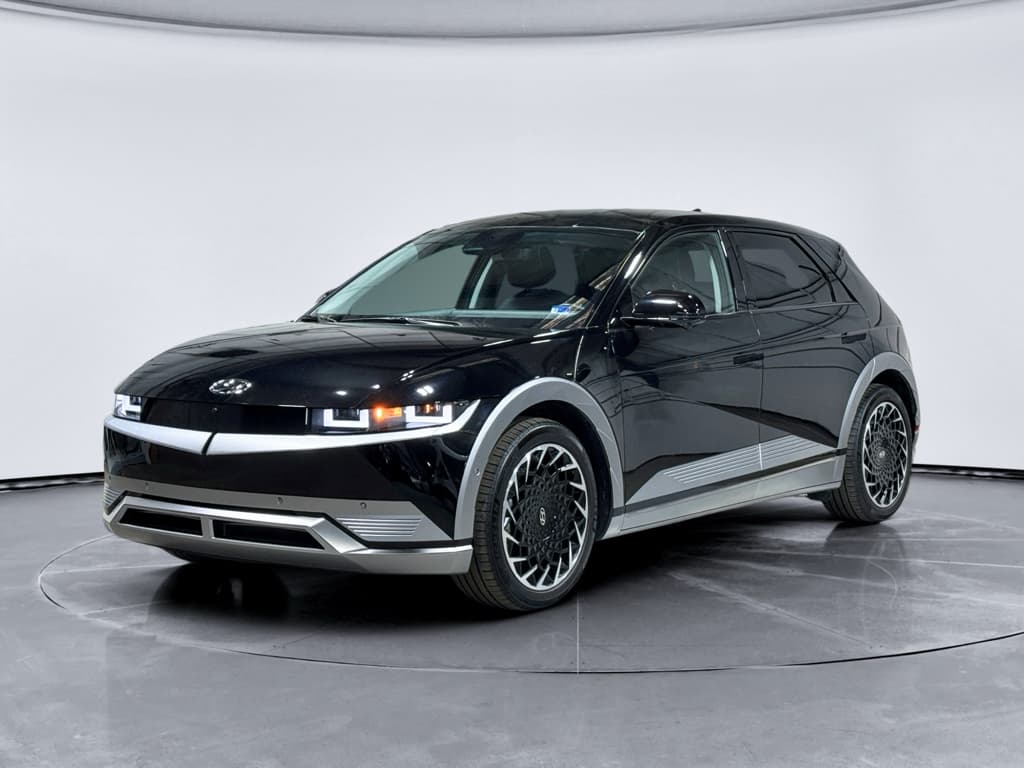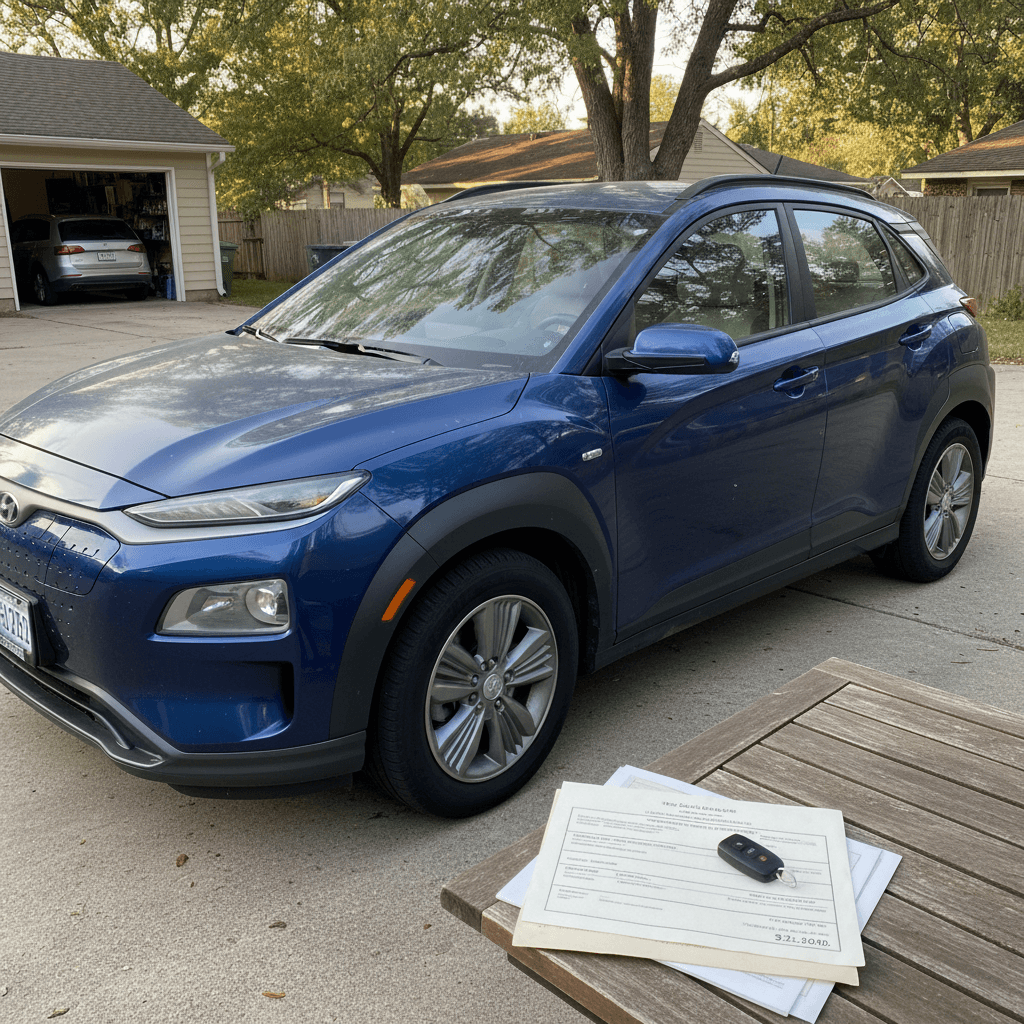
If you’re eyeing a five‑year‑old Hyundai Kona Electric, or thinking about selling yours, the big question is simple: how well does the Kona Electric hold its value after 5 years? Unlike the first wave of EVs that fell off a cliff, the Kona Electric has quietly emerged as one of the stronger value stories in the compact EV segment.
Why the 5‑Year Mark Matters
Kona Electric 5‑Year Value at a Glance
Hyundai Kona Electric 5‑Year Value Snapshot
Those are averages, not promises. A Kona Electric that’s been fast‑charged hard and driven 100,000 miles will be in a different place than a low‑mileage commuter car that lived on Level 2. The rest of this guide breaks down what actually drives Hyundai Kona Electric value after 5 years, and how to read the market whether you’re buying or selling.
How Much Does a Hyundai Kona Electric Depreciate in 5 Years?
Across valuation tools and resale data, the Hyundai Kona Electric clusters around a 55–60% loss in value after 5 years. In other words, a typical Kona Electric retains about 40–45% of its original MSRP at that point, noticeably better than some early EVs, but still steeper than many comparable gas crossovers.
Illustrative 5‑Year Depreciation for Hyundai Kona Electric
These are rounded, example numbers using typical MSRP and depreciation percentages. Actual values vary by trim, mileage, region, incentives at purchase, and used‑market conditions.
| Model Year (Example) | Original MSRP (Approx.) | Estimated 5‑Year Depreciation | Estimated 5‑Year Value |
|---|---|---|---|
| 2021 Kona Electric SEL | $38,000 | −58% | ≈ $16,000 |
| 2021 Kona Electric Limited/Ultimate | $44,000 | −60% | ≈ $17,500 |
| 2022 Kona Electric SEL | $39,000 | −57% | ≈ $16,800 |
| 2025 Kona Electric (projected at 5 years) | $34,500 | −55% | ≈ $15,500 |
Use this as a directional guide, not a pricing sheet. Always check live market data for accurate pricing.
What That Depreciation Means in Real Dollars
If you bought a 2021 Kona Electric SEL new at around $38,000 before incentives, a "typical" outcome at year five might be a resale value in the mid‑teens. Stack in federal and state incentives many buyers received at purchase, and the real‑world cost of depreciation often feels closer to a mainstream gas SUV.
Don’t Ignore Incentives in the Math
How the Kona Electric Compares to Other EVs
Versus Other Mass‑Market EVs
- Chevy Bolt EV/ EUV: Historically attractive used pricing, but hit by high‑profile battery recalls. That pushed used values down in some years, though replacement packs can actually make certain Bolts more appealing.
- Nissan Leaf: Earlier Leafs suffered from heavy battery degradation and limited range, which has hurt 5‑year values. The Kona’s liquid‑cooled pack and 250+ mile EPA rating put it in a different league.
- VW ID.4, Kia Niro EV, etc.: Still building a resale track record. Many depreciate at a similar or slightly worse rate than the Kona Electric, depending on region and incentives.
Versus Tesla and the Broader EV Market
- Recent studies of 5‑year EV depreciation show that only a handful of battery‑electric models, most notably the Tesla Model 3 and Hyundai Kona Electric, consistently beat the segment average.
- The Kona Electric benefits from solid range, mainstream pricing, and a compact SUV body style, all of which support used demand.
- Luxury EVs and low‑range compliance cars tend to fall much harder over the same period.
Put simply: the Kona Electric doesn’t behave like an early, experimental EV. It behaves like a well‑sorted compact crossover that happens to be electric.
Residual Value Recognition
Battery Health & Warranty: The Real 5‑Year Wildcards
When you’re talking about Hyundai Kona Electric value after 5 years, you’re really talking about two things: how healthy the battery is and how much warranty is left. That’s where EVs diverge sharply from gas cars.
- Most U.S.‑market Kona Electrics carry an 8–10 year / ~100,000–160,000 mile high‑voltage battery warranty, depending on model year and region.
- Hyundai generally warrants that the pack won’t degrade below about 70% of original capacity during the warranty period.
- Owner reports from early‑build Konas suggest modest degradation over the first 5 years for typical mileage and mostly Level 2 charging.
- Isolated battery issues and recall campaigns have occurred in some markets, but these tend to be VIN‑specific rather than universal.
How Recharged Handles Battery Uncertainty
Other Factors That Shape 5‑Year Value
Key Drivers of 5‑Year Kona Electric Value
Battery is just part of the story, trim, use case, and geography all matter.
Trim & Equipment
Higher trims (Ultimate/Limited) add features like active safety tech, premium audio, and nicer interiors. At 5 years old you usually see:
- Smaller dollar gap between trims than new, but
- Higher trims still command a premium on the used market.
Mileage & Use Pattern
A 5‑year‑old Kona Electric with 30,000 miles and mostly home charging will price differently than one with 90,000 miles doing DC fast charging every day.
For many buyers, mileage plus battery health is the real value formula.
Region & Incentives Legacy
Markets that heavily subsidized new EVs often see softer used prices because more cars hit the market sooner.
Conversely, states with strong EV demand and limited supply (or HOV perks) can support surprisingly strong 5‑year values.
Watch Out for These Red Flags
5‑Year Cost of Ownership: Fuel & Maintenance Savings
Depreciation is only half the story. One reason the Kona Electric remains compelling at the 5‑year mark is that owners have typically clawed back a lot of that lost value through fuel and maintenance savings during the first five years.
Illustrative 5‑Year Fuel Cost Comparison
Example based on 60,000 miles of driving over 5 years (12,000 miles per year), using recent fuel and electricity assumptions.
| Vehicle | Energy Cost Assumption | 5‑Year Fuel/Energy Cost (60,000 mi) |
|---|---|---|
| Gas Compact SUV (27 mpg, $4/gal) | $4.00 per gallon | ≈ $8,900 |
| Hyundai Kona Electric (4.0 mi/kWh, $0.16/kWh home charging) | $0.16 per kWh | ≈ $2,400 |
| Kona Electric (mixed home/public, blended $0.22/kWh) | $0.22 per kWh | ≈ $3,300 |
Numbers are simplified to illustrate the order of magnitude; your actual costs will depend on local energy prices, driving style, and charging mix.
Layer in lower routine maintenance, no oil changes, fewer brake jobs thanks to regen, simpler driveline, and a lot of Kona Electric owners find that 5‑year total cost of ownership looks more like a frugal gas crossover, even if resale dollars on paper seem harsh.
Why This Matters for Used Buyers
What to Look For in a 5‑Year‑Old Kona Electric
5‑Year‑Old Kona Electric Buying Checklist
1. Verify Battery Health, Don’t Guess
Ask for <strong>objective battery health data</strong>, not just a dash estimate. On Recharged, every Kona Electric comes with a Recharged Score battery report so you can see actual usable capacity and compare it against similar vehicles.
2. Confirm Remaining Battery & EV Warranty
Use the in‑service date (not the model year on the window sticker) to estimate how much of the original <strong>8–10 year EV battery warranty</strong> is left. A Kona with 5 years and 50,000 miles may still have several years of strong warranty protection.
3. Check DC Fast‑Charge History
Repeated DC fast charging isn’t automatically bad, but a heavy fast‑charge history on a high‑mileage car warrants a closer look at battery health. If possible, review owner charging habits or look for clues in trip logs and usage patterns.
4. Inspect Tires, Brakes & Suspension
EVs are heavy. By year five, you may be looking at a <strong>second set of tires</strong> and potentially wear on suspension components, especially if the car has lived on rough roads. Factor these near‑term costs into the price you’re willing to pay.
5. Evaluate Software & Infotainment
Make sure the car is on current software, that <strong>driver‑assist systems and infotainment functions</strong> work as intended, and that over‑the‑air or dealer‑applied updates are up to date. A neglected infotainment system often signals broader owner neglect.
6. Review Charging Hardware & Cables
Confirm that the OEM Level 1/Level 2 charging cable is included and in good shape. Replacing missing cables or damaged equipment can eat into the value of what otherwise looks like a good deal.
Make the Inspection Easier
Selling Your 5‑Year‑Old Kona Electric: Maximizing Resale
If you own a 5‑year‑old Kona Electric, the same factors buyers care about are the ones that protect your resale value. You can’t change your car’s birthdate, but you can absolutely influence how the market sees it.
- Document your charging habits. Showing that you mostly charged on Level 2 at home, with occasional DC fast charging, can reassure buyers about battery health.
- Stay current on maintenance. Even though EVs need less work, fresh cabin filters, brake inspections, and software updates send the message that the car has been cared for.
- Fix small cosmetic issues. Curb rash, windshield chips, and interior damage may not strand anyone, but they do drag down what buyers will pay, especially online.
- Get a battery health report before you list. Coming to market with verified diagnostics is one of the cleanest ways to move your car to the top of a shopper’s list.
Ways Recharged Can Help You Sell
Ready to find your next EV?
Browse VehiclesIs a 5‑Year‑Old Hyundai Kona Electric a Good Buy?
Why a 5‑Year‑Old Kona Electric Makes Sense
- Most of the depreciation is behind you. You’re buying closer to the bottom of the curve, not the top.
- Battery and range are still competitive. A healthy pack still supports real‑world road‑trip and daily‑driver use.
- Compact SUV practicality. A small footprint with hatchback versatility fits a wide range of lifestyles.
- Lower running costs. Home charging and minimal maintenance make operating costs predictable and low.
Where You Need to Be Picky
- Battery health, not just mileage. A low‑mileage car with hidden degradation is a worse buy than a well‑maintained higher‑mileage car with a strong pack.
- Regional quirks. In some markets, used EV pricing is still volatile. Be patient and compare across regions if you can.
- Charging fit. Make sure the public and home charging options you have access to actually match how you’ll use the car.
For many buyers, the right 5‑year‑old Kona Electric is a sweet spot of modern range, manageable depreciation, and very low day‑to‑day costs.
Viewed through a 5‑year lens, the Hyundai Kona Electric has matured into one of the more rational EV choices on the market. It doesn’t have the hype of a Tesla, but it also doesn’t have the resale cliff of early short‑range EVs. If you focus on verified battery health, remaining warranty, and documented care, a five‑year‑old Kona Electric can deliver a lot of EV for the money, whether you’re cashing out of yours or hunting for a used one on platforms like Recharged.