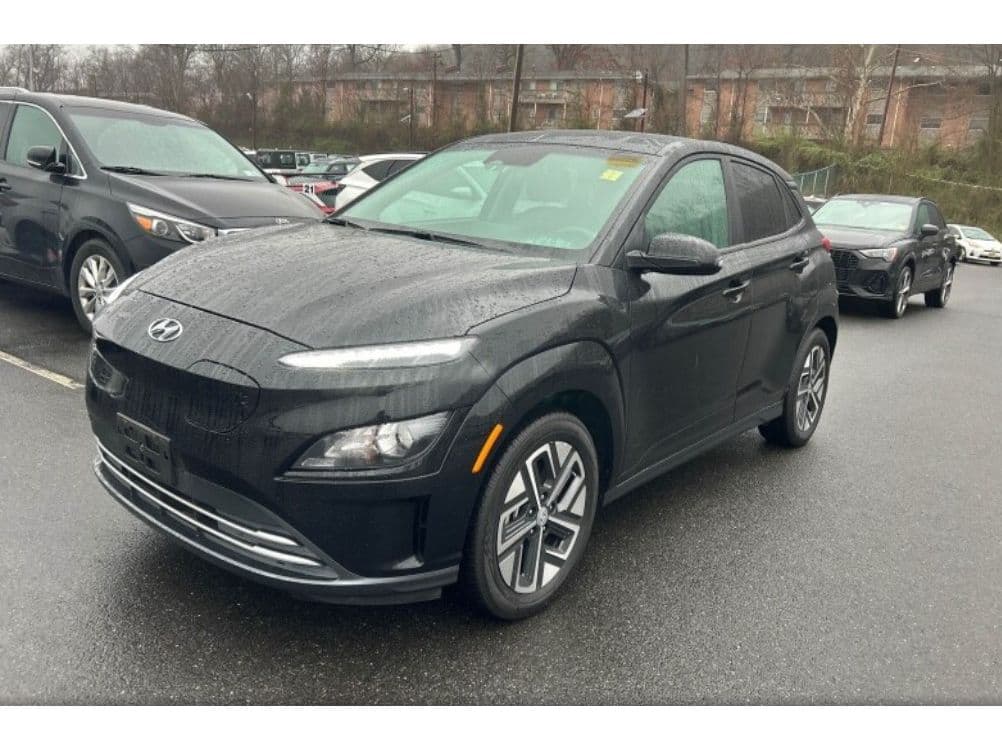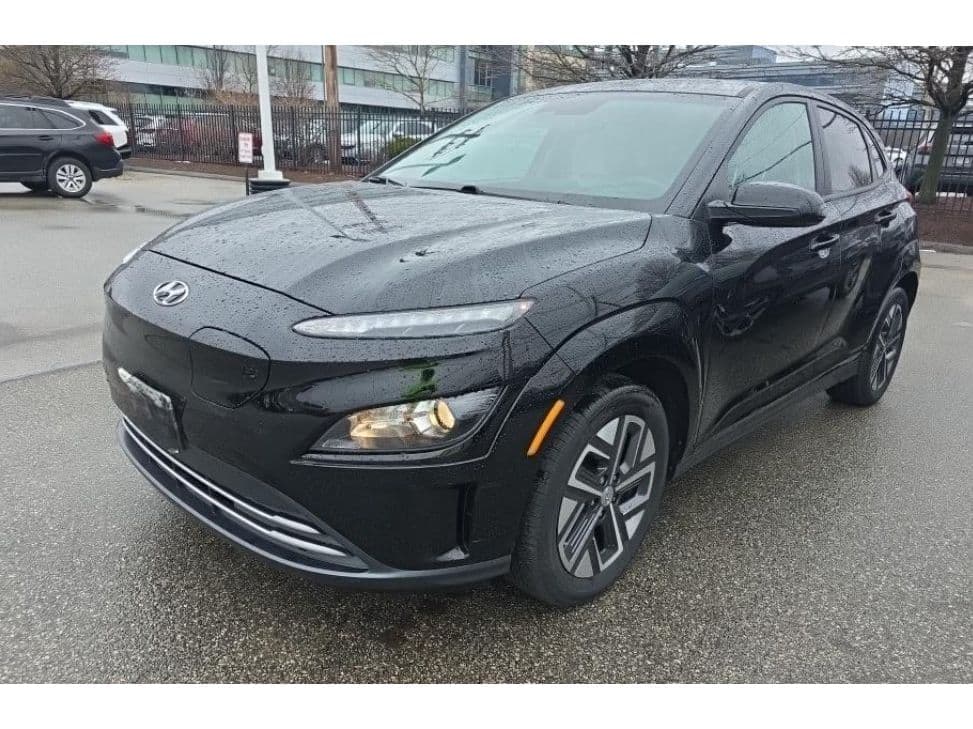
If you’re shopping for a used Hyundai Kona Electric, or already own one, the recall history can look intimidating. Battery fire headlines, software updates, brake and ABS issues: it’s a lot to sort through. This guide pulls everything into one easy-to-skim Hyundai Kona Electric recalls list, explains what each recall actually means, and shows you how to verify that your car (or a car you’re considering) has been properly repaired.
Quick take
Overview: Hyundai Kona Electric recalls by year
Hyundai Kona Electric recall snapshot (U.S.)
- 2019–2020: High-voltage battery fire risk recall that led to BMS software changes and, in many cases, full battery pack replacement.
- 2021–2023: Fewer headline-grabbing issues; focus shifts to software refinements, safety-system components, and routine EV improvements.
- 2024–2025: New-generation Kona Electric with updated hardware and new campaigns mostly around electronics and software, not the fundamental battery chemistry problem of the early cars.
The big one: 2019–2020 Kona Electric battery fire recall
When people talk about Hyundai Kona Electric recalls, they’re almost always referring to the lithium‑ion battery fire risk on early cars. If you’re looking at a 2019 or 2020 Kona EV, you need to understand this recall first.
2019–2020 Hyundai Kona Electric battery recall summary
Key details of the high‑voltage battery fire recall campaigns affecting early Kona Electric models.
| Recall ID / Name | Model Years Affected | Core Issue | Typical Remedy |
|---|---|---|---|
| NHTSA 20V630 (Hyundai Recall 196) | 2019–2020 Kona Electric | Battery may short‑circuit after full charge, increasing fire risk | Update Battery Management System (BMS) software and inspect battery; replace if certain fault codes are found. |
| NHTSA 21V127 (Hyundai Recall 200) | 2019–2020 Kona Electric; 2020 Ioniq Electric | Manufacturing defect (folded anode tab) in some LG‑supplied cells can cause internal short and fire | Expanded campaign to replace the complete battery pack (Battery System Assembly) in affected vehicles, plus updated BMS software. |
Exact wording varies between NHTSA documents and Hyundai technical bulletins, but the core issue and remedy are consistent.
Why this recall matters
- Only a BMS software update and inspection, or
- A full high‑voltage battery replacement under warranty/recall.
Upside for used buyers
BMS software updates and battery inspections on later models
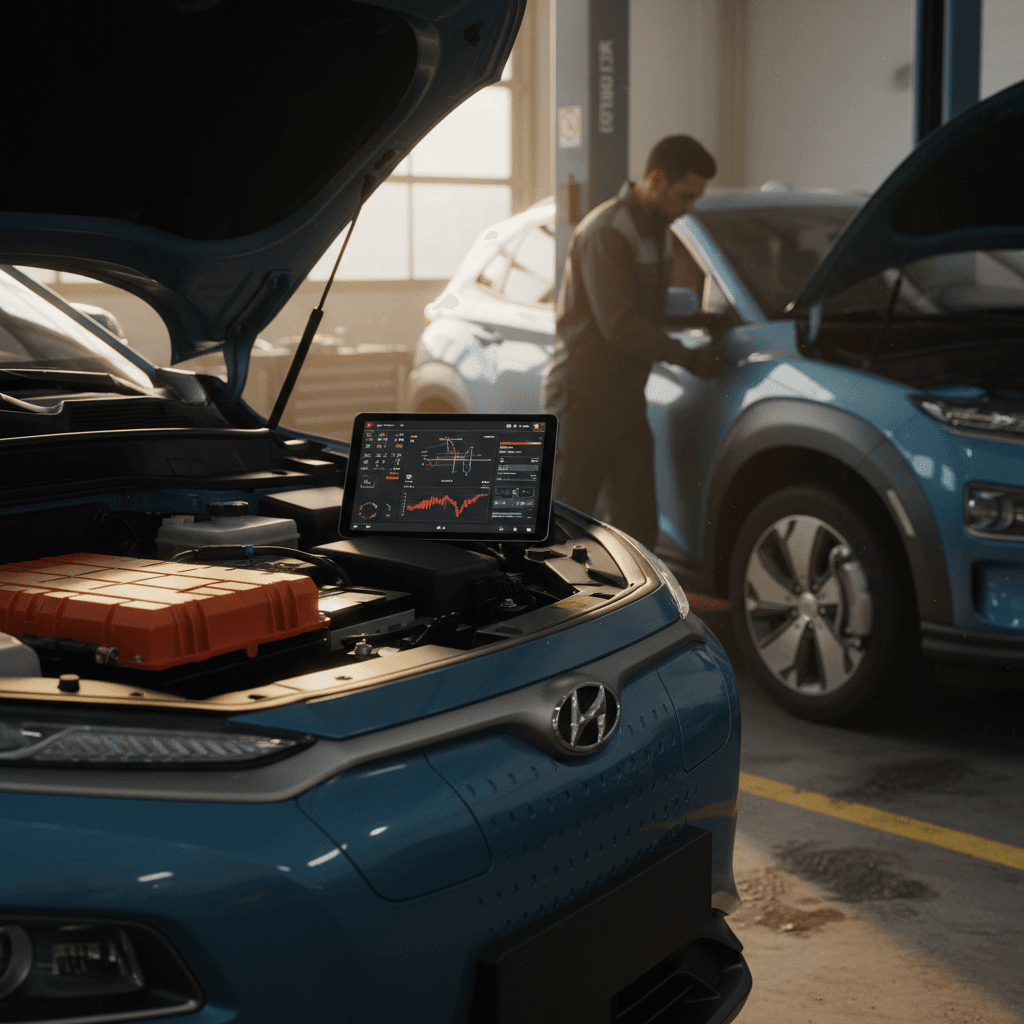
Even beyond the high‑profile fire recall, Hyundai has continued to roll out Battery Management System (BMS) software updates and inspection campaigns for the Kona Electric. Owners of 2019–2024 cars frequently report recall notices for BMS updates and “Battery System Assembly” inspections that may or may not lead to hardware replacement.
What BMS recalls and campaigns usually do
Most recent Kona Electric campaigns are about prevention and monitoring, not fixing an active failure.
Refined battery monitoring
Updated BMS firmware can better detect cell‑level faults and temperature anomalies, and may adjust charging behavior to reduce stress on the pack.
Adjusted charging behavior
Some updates tweak DC fast‑charging curves or state‑of‑charge estimates. You might notice different displayed range or slightly different charge times.
Trigger for pack replacement
If the new software detects certain fault codes, Hyundai may authorize replacement of the entire battery system assembly under a recall or warranty campaign.
Watch for side effects
- Recall or service campaign codes for BMS or high‑voltage battery monitoring updates.
- Instructions to bring the car in for inspection and possible Battery System Assembly replacement if needed.
- Dealer notes about “HV battery software update” during routine service visits.
Other common Hyundai Kona Electric recalls
Apart from the headline battery campaigns, Kona Electric owners may encounter several smaller recalls that overlap with gasoline Konas. These tend to be conventional safety‑system or electronics issues rather than EV‑specific defects.
- ABS/Brake system recalls: In some Hyundai models, anti‑lock braking system (ABS) modules have been recalled for potential internal short circuits that can lead to electrical fires. Certain Kona Electric model years may be covered by similar ABS or brake‑system recalls, often with advice to park outside until repairs are done.
- Electronic control unit (ECU) or instrument cluster issues: Newer Hyundais, including Kona and Kona Electric, have seen recalls for software problems that can blank the digital display or misreport warning lights, requiring a software update.
- Seat belt, airbag, or safety sensor recalls: Like any modern car, the Kona Electric can be subject to component‑specific recalls affecting side airbags, seat belt pre‑tensioners, or crash sensors, which aren’t unique to EVs but still matter for safety.
- Minor hardware campaigns: Occasional campaigns may address items such as wiring harness routing, charge‑port door operation, or waterproofing of connectors. On their own, these are rarely deal‑breakers if fixed promptly.
How to prioritize recalls
Hyundai Kona Electric recall timeline by model year
Every individual car has its own history, but model‑year trends are useful when you’re quickly triaging a listing. Here’s a high‑level view of how recall exposure typically looks for U.S.‑market Kona Electrics:
Kona Electric recalls by model year (high‑level view)
Always confirm recall status by VIN. This table summarizes common patterns, not a definitive list for every car.
| Model Year | Key Recall Themes | What to Ask a Seller |
|---|---|---|
| 2019 | High‑voltage battery fire recall (BMS update + many full pack replacements); possible ABS or brake‑system campaigns | Has the main battery recall been completed? Was the battery pack replaced, and do you have documentation? |
| 2020 | Continued battery fire campaigns (Recall 196/200), overlapping with early‑build issues; possible ABS/electronics campaigns | Same as 2019, plus: have all follow‑up BMS or battery inspections been done since 2021? |
| 2021 | Lower battery‑fire exposure but still subject to BMS refinements and standard Hyundai recalls (safety systems, electronics) | Any high‑voltage battery inspections or monitoring updates? Any open safety recalls today? |
| 2022 | Incremental software and safety‑system recalls; more mature battery supply, but still subject to BMS updates and general Hyundai campaigns | Service records for software updates? Any issues with charging behavior after updates? |
| 2023 | Late first‑gen Kona Electric (in most markets) with continued software and safety campaigns; fewer serious battery headlines | Has the car received all available software updates and recall fixes? Any history of pack replacement? |
| 2024–2025 | Redesigned Kona Electric generation with newer platform pieces and updated electronics; early‑run software/electronics recalls more likely than major battery defects | Any recalls or service campaigns already applied? If it’s very new, ask whether there are open campaigns waiting to be scheduled. |
If you’re buying used, treat this as a risk‑screening tool, then verify specifics with a VIN lookup.
How to check your Kona Electric for open recalls
Lists like this are useful context, but recalls are applied at the VIN level. Two Kona Electrics built the same month can have different recall histories depending on where they were sold, how they were used, and which remedies have already been completed. Here’s how to check any specific car.
Step‑by‑step: verify Kona Electric recalls by VIN
1. Locate the full 17‑digit VIN
You’ll find it on the lower driver‑side windshield, on the driver‑door jamb sticker, and on the registration/title. For an online listing, ask the seller to share it; a serious seller should be comfortable doing this.
2. Run the VIN on NHTSA’s recall lookup
Go to NHTSA’s recall lookup tool and enter the VIN. It will show <strong>all open safety recalls</strong> that still need to be performed. If nothing appears, there are no outstanding safety recalls at that moment.
3. Check Hyundai’s own recall portal
Hyundai maintains a brand‑specific site where you can enter a VIN and see <strong>Hyundai recall numbers and service campaigns</strong>. These can include campaigns that aren’t strictly NHTSA safety recalls but still matter for long‑term reliability, especially battery and BMS updates.
4. Ask for dealer service records
Request printouts showing recall repair codes (e.g., 196, 200) and any notation of <strong>Battery System Assembly replacement</strong>. This is particularly important on 2019–2020 cars; you want proof of what was actually done.
5. Confirm there are no “in progress” campaigns
Sometimes a recall is announced but parts or replacement packs are back‑ordered. Ask the dealer to confirm whether the car is <strong>fully remedied</strong> or still waiting for a part or pack.
6. Set up ongoing monitoring
Whether you own a Kona Electric or are about to, add the VIN to NHTSA’s SaferCar app and Hyundai’s owner portal so you’ll get push/email notifications if <strong>new recalls</strong> are issued.
What about Carfax or AutoCheck?
Used Kona Electric buying checklist: recalls & battery health
When you’re buying a used EV, recalls and battery health are two sides of the same coin. The Kona Electric is no exception. A clean recall record doesn’t guarantee a healthy pack, and a car with a recall replacement pack can represent hidden value if you know what to look for.
1. Recall status and documentation
- Use the VIN to confirm there are no open safety recalls, especially for the high‑voltage battery or ABS.
- Ask for dealer repair orders showing BMS software updates and, if applicable, Battery System Assembly replacement.
- On 2019–2020 cars, treat missing battery‑recall paperwork as a major red flag.
2. Independent battery health verification
- Request recent charging and range records from the owner where possible.
- On Recharged vehicles, review the Recharged Score Report, which includes verified battery health data rather than just a dashboard guess‑o‑meter.
- On any used Kona Electric, compare displayed range at 100% charge to original EPA range to spot obvious degradation or software anomalies.
On‑the‑ground checks during a Kona Electric test drive
Test AC and DC charging behavior
If feasible, plug into both Level 2 and a public DC fast charger. Confirm that charging starts promptly, no error messages appear, and that any scheduled‑charging settings behave as expected after prior BMS updates.
Watch for warning lights
Scan the cluster for ABS, ESC, or battery warning lights that flicker or stay on. These can point to unresolved recall issues or pending service campaigns.
Check for leftover recall stickers or notes
Look for under‑hood labels or door‑jamb stickers referencing recall campaigns and dates. These can help you line up physical evidence with dealer service records.
Ask about parking and charging habits
A car that sat at 100% charge in hot climates constantly is more likely to show accelerated degradation, even if all recalls were performed. Daily use between 20–80% is generally healthier.
How Recharged simplifies this
Ready to find your next EV?
Browse VehiclesHow Kona Electric recalls affect value and ownership costs
Recalls create anxiety, but in the used‑EV market they can sometimes work in your favor. The Kona Electric is a good example of how context matters more than headlines.
Recalls, value, and your long‑term costs
What a smart buyer should take away from Kona Electric’s recall history.
Repaired vs. unrepaired
A 2019 Kona Electric with a documented new battery pack under the fire recall can be more desirable than one that somehow escaped the campaign. An unrepaired car is harder to insure, finance, or resell.
Impact on resale price
High‑profile recalls can push down prices broadly, which creates opportunity. If you verify that recalls were completed and battery health is strong, you may be getting more car for the money.
Long‑term peace of mind
Properly executed recalls reduce risk over the life of the car. A complete paper trail of recall work and regular service makes a used Kona Electric easier to live with and easier to sell later.
Where recalls can hurt is when they’re half‑finished: the car has an open campaign, the seller is vague about whether the battery was replaced, or the dealership can’t confirm exactly what was done. That’s when you either walk away or negotiate aggressively to price in the time and uncertainty required to sort things out.
FAQ: Hyundai Kona Electric recalls
Frequently asked questions about Hyundai Kona Electric recalls
The Hyundai Kona Electric has had its share of recall headlines, particularly in its early years, but those headlines don’t tell the whole story. A well‑maintained Kona Electric with documented battery‑recall repairs and up‑to‑date software can be a practical, efficient EV with ownership costs that undercut many gasoline crossovers. The key is to treat recalls as data, not drama: use VIN lookups, dealer records, and independent battery‑health checks to separate great cars from risky ones. And if you’d like expert help comparing specific used Kona Electrics, Recharged is built to make that process simple, transparent, and grounded in real battery and recall data, not guesswork.