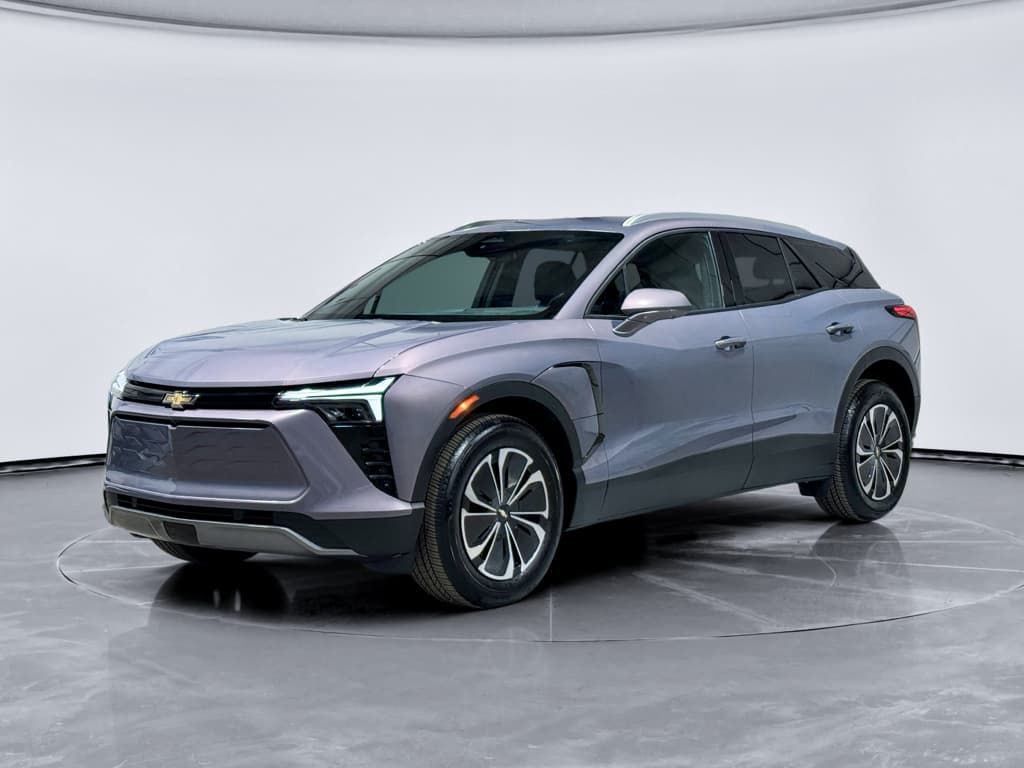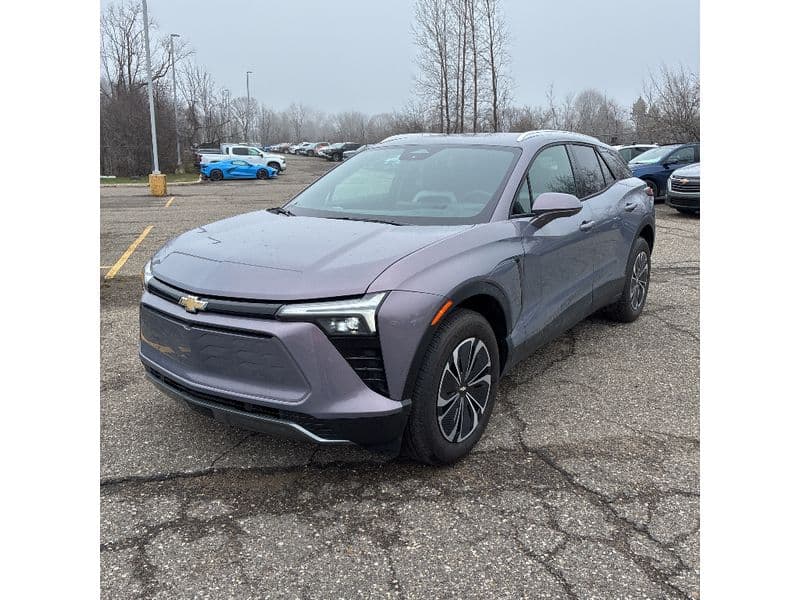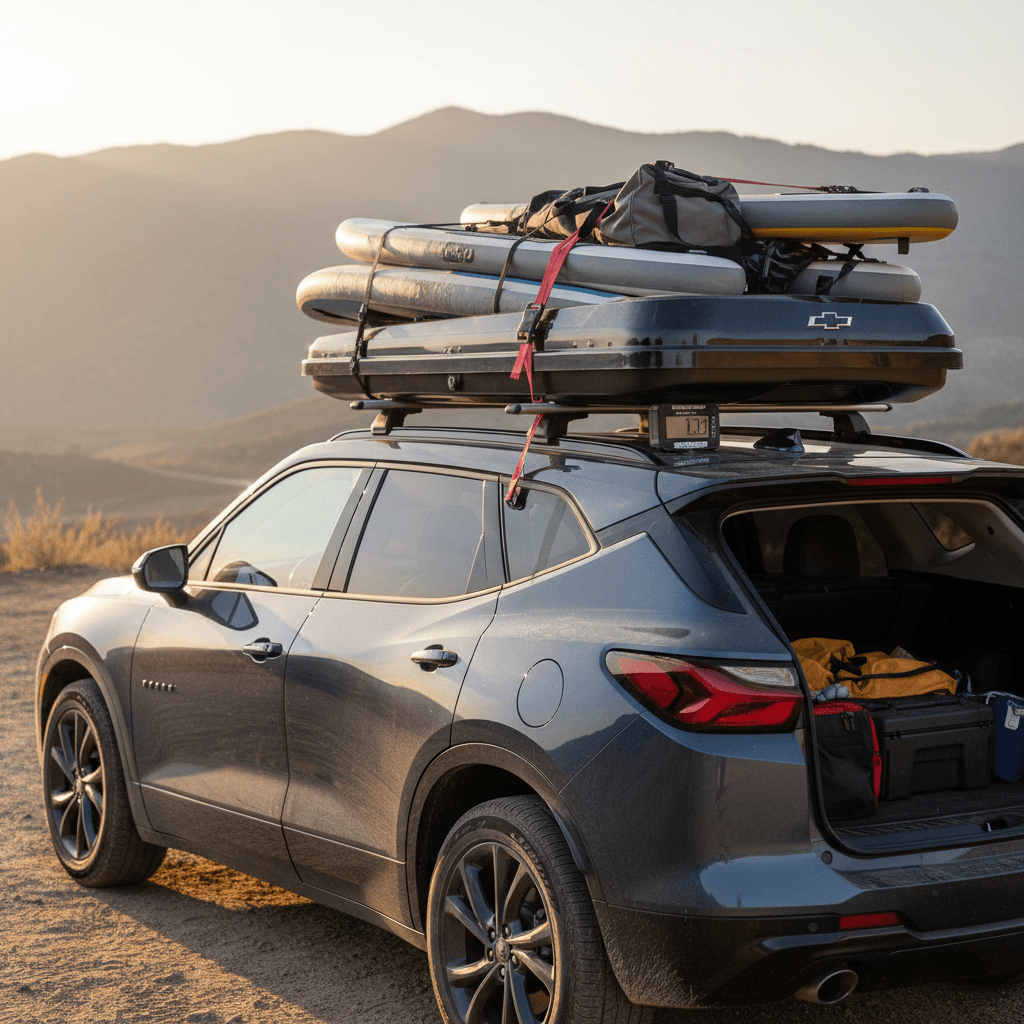
If you’re planning to haul bikes, skis, or a cargo box on your Chevrolet Blazer EV, the first number you need to know is the roof rack weight limit. GM publishes a hard cap for the Blazer EV’s roof rack system, and overloading it can damage the vehicle, hurt efficiency, and even become a safety risk. This guide walks you through the official rating, how to interpret it with real-world accessories, and how to keep your Blazer EV safe and efficient on every trip.
Official Blazer EV roof rack limit
Chevrolet Blazer EV roof rack weight limit: quick overview
- GM lists a maximum roof rack cargo weight of 100 kg (220 lb) for the Blazer EV in recent owner’s manuals.
- That 220 lb is the combined weight of crossbars, mounting hardware, carriers (bike racks, box, kayak mounts) and your gear.
- You also must stay within the Blazer EV’s overall payload rating (passengers + cargo inside + cargo on the roof).
- If an accessory (for example, an aftermarket crossbar rated for 165 lb) is rated lower than 220 lb, you must respect the lower rating.
- GM advises against loading cargo directly on the painted roof and against letting it hang off the sides or rear of the vehicle.
Roof load is separate from towing
Understanding the 100 kg (220 lb) roof rack rating
GM’s 100 kg (220 lb) figure for the Chevrolet Blazer EV is a roof rack system cargo limit. It’s not a blank check to strap 220 lb of gear to any bars you find on the internet. Here’s how to interpret it correctly.
How the Blazer EV roof rack rating works
What’s included in the 100 kg (220 lb) limit and what isn’t.
| Item | Included in 220 lb? | Notes |
|---|---|---|
| Roof side rails (factory-integrated) | No | These are part of the body structure and not counted as cargo. |
| Crossbars (GM or aftermarket) | Yes | Their weight counts against the 220 lb limit. |
| Mounts/adapters (feet, clamps, locks) | Yes | Treat all mounting hardware as part of cargo weight. |
| Carriers (bike trays, cargo box, kayak cradle) | Yes | All carrier systems count toward the limit. |
| Actual cargo (bikes, skis, luggage, kayak) | Yes | Whatever you’re hauling is part of the 220 lb total. |
| Passengers inside the vehicle | No (but affect payload) | Still count toward the vehicle’s gross payload rating. |
| Cargo inside the cabin or trunk | No (but affect payload) | Also count toward the vehicle’s overall load limits. |
Use this table as a quick reference when you’re planning a load for your Blazer EV roof rack.
In GM’s wording, you should never exceed the maximum cargo weight for the roof rack system, including crossbars and accessories. At the same time, the owner’s manual reminds you that all of this roof weight still counts toward the Blazer EV’s overall load limits, so if you’ve got five people and a full trunk, you may want to be conservative on the roof.
Think of 220 lb as a ceiling, not a target
OEM vs aftermarket crossbars on the Blazer EV
When you start shopping for a rack, you’ll see two different numbers: GM’s vehicle roof limit (100 kg / 220 lb) and the crossbar manufacturer’s limit (often 130–165 lb for EV-rated bars). You are bound by the lower of these two ratings.
Choosing crossbars for your Blazer EV
How GM accessory bars compare with popular aftermarket options.
GM accessory crossbars
Pros
- Designed specifically for the Blazer EV roof rails.
- Integrates cleanly with factory styling.
- Clear instructions and load guidance in GM documentation.
Cons
- Usually priced above aftermarket equivalents.
- Limited bar shapes and lengths.
Aftermarket aero bars
Pros
- Wide choice of lengths and profiles.
- Often higher bar ratings (for example, 150–165 lb) when used on compatible vehicles.
- Accessory ecosystem for bikes, skis, and cargo boxes.
Cons
- Fit kits must be correct for the Blazer EV rails.
- You’re still capped by GM’s 220 lb roof limit.
Which rating wins?
The safe rule is simple:
- Never exceed the lower number between GM’s 220 lb roof rating and the bar manufacturer’s rating.
- If bars are rated to 165 lb, treat 165 lb as your true maximum, even though GM allows 220 lb for the vehicle.
Avoid no-name or incompatible racks
How to calculate a safe load for your Blazer EV roof rack
Before you throw a bike fleet or a stuffed cargo box on top of your Blazer EV, it pays to run the numbers. Here’s a simple three-step method you can use every time you change your setup.
Step-by-step roof rack load calculation
1. Confirm your bar rating
Check the documentation or label for your crossbars. Note the maximum load (for example, 150 lb). If you’re using GM accessory bars, confirm whether GM lists a separate bar rating vs. the 220 lb system limit.
2. Weigh or estimate all components
Add the approximate weight of the crossbars, feet, locks, and each carrier (bike trays, cargo box, kayak mounts). Manufacturers usually publish these weights; if not, use a bathroom scale.
3. Add your cargo weight
Total the weight of the items you’re hauling, bikes, skis, boxes full of gear. Be honest; a fully packed roof box typically weighs much more than you expect.
4. Compare to both limits
Add carrier + cargo. Make sure this total is below <strong>both</strong> GM’s 220 lb roof limit and your crossbar rating. Stay at least 10–20% under the lower of the two for real-world conditions.
5. Check vehicle payload
Look at the Blazer EV’s tire-and-loading label and owner’s manual. Confirm that passengers, interior cargo, and roof load combined do not exceed the vehicle’s payload capacity.
6. Re-check before long trips
For road trips, re-check your math after you’ve packed. It’s easy for extra bags, tools, or water to push you above your original estimate.
Example: three bikes on the roof
What can you realistically carry on a Blazer EV roof rack?
Because the Blazer EV is a mid-size electric SUV with good width between the rails, you can run a surprisingly flexible mix of carriers, as long as you stay within the roof and bar limits. Here are common setups that usually work within GM’s 100 kg (220 lb) rating when carefully planned.
Typical Blazer EV roof rack setups
Approximate system weights for planning (your hardware may vary).
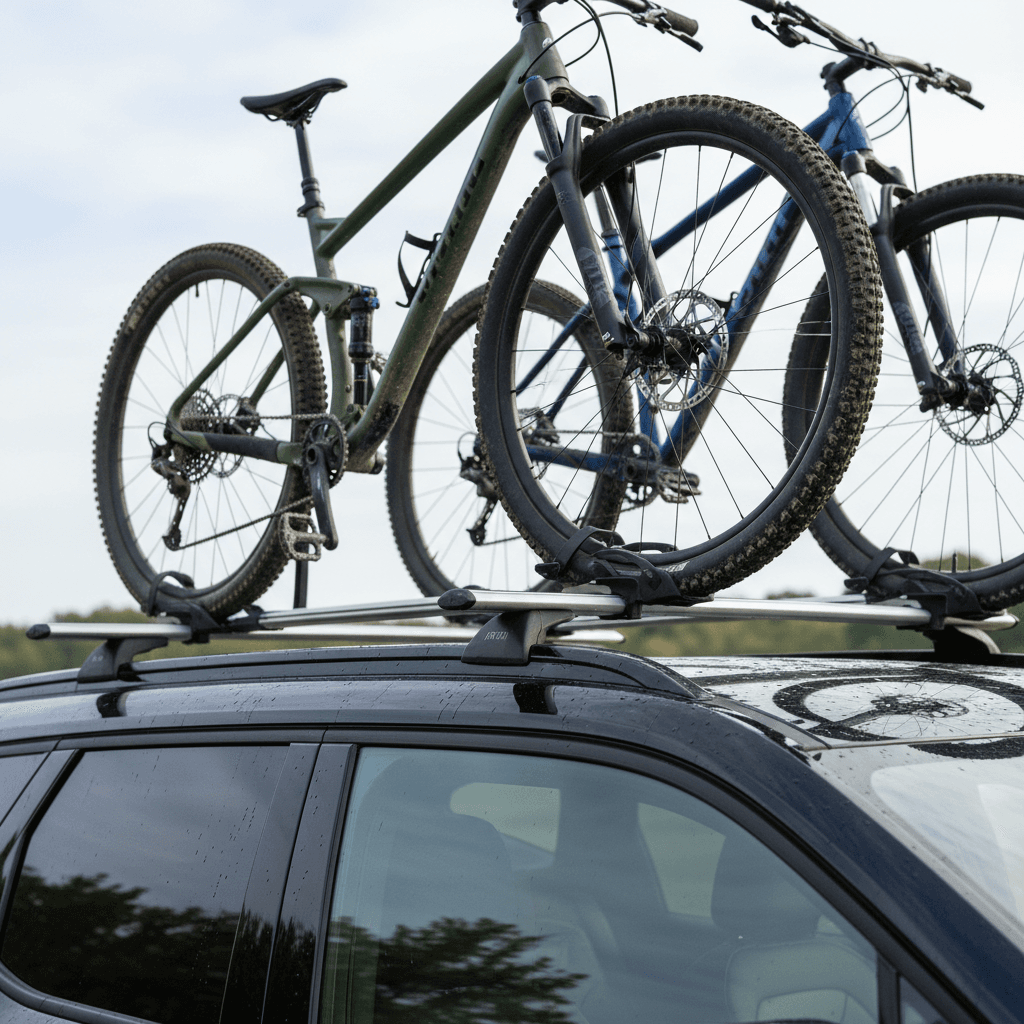
Two or three bikes
- Crossbars + feet: ~15–20 lb
- 2–3 bike trays: ~20–30 lb total
- 2–3 modern bikes: ~60–105 lb total
- Ballpark total: 95–155 lb
Most owners can safely carry two or three bikes while staying under both the bar and 220 lb roof limits.
Medium roof cargo box
- Crossbars + feet: ~15–20 lb
- Mid-size box (13–18 cu ft): ~35–50 lb empty
- Gear inside: aim for 80–120 lb
- Ballpark total: 130–190 lb
Keep a tight eye on what you pack, tools, water, and camping gear build weight quickly.
One kayak + small gear
- Crossbars + feet: ~15–20 lb
- Kayak cradle system: ~10–20 lb
- Single kayak: ~40–70 lb
- Extra small items: ~10–20 lb
- Ballpark total: 75–130 lb
Two kayaks can still be possible, but you’ll need light boats and carefully chosen cradles.
Ski/snowboard trip
- Crossbars + feet: ~15–20 lb
- Ski/snowboard rack: ~10–15 lb
- 4–6 skis/boards: ~40–90 lb
- Ballpark total: 65–125 lb
Air resistance will matter more than weight on winter highway runs, expect some range hit.
Watch for overhang and hatch clearance
Roof racks, range and efficiency on the Blazer EV
Weight isn’t the only concern with a roof rack on an electric SUV. Even an empty set of crossbars adds drag, and bulky cargo boxes or upright bikes can noticeably cut into your Blazer EV’s range, especially at highway speeds.
How a roof rack affects range
- Aerodynamic drag: Upright bikes and tall cargo boxes disturb airflow over the Blazer EV’s roof, forcing the motor to work harder at speed.
- Extra weight: Another 100–150 lb on the roof means more energy to get moving, especially in stop‑and‑go driving.
- Wind sensitivity: High crosswinds can make a heavily loaded roof feel less stable and further hurt efficiency.
Practical range planning tips
- Remove crossbars or boxes when you’re not using them, an empty rack still costs range.
- On long trips with bikes or a big box, plan for a 10–25% range reduction depending on speed and weather.
- Use your Blazer EV’s trip computer to watch energy consumption and adjust speed accordingly.
For long trips, slower is cheaper
Roof rack safety tips for Blazer EV owners
Once you’ve done the math, the last piece is how you actually drive with weight on the roof. The Blazer EV is heavy and planted, but a fully loaded rack still raises the center of gravity and changes how the SUV reacts in emergency maneuvers.
Blazer EV roof rack safety checklist
Secure all fasteners and locks
Before every trip, confirm that crossbar clamps, tower bolts, and carrier locks are fully tightened and latched. Re‑check them after the first 15–20 minutes of driving.
Keep heavy items inside when possible
When you have a choice, put the densest gear in the cargo area instead of on the roof. Use the roof rack for bulkier but lighter items to reduce body roll and emergency‑maneuver risk.
Distribute weight evenly
Load the rack so weight is centered between the crossbars and left/right balanced. Avoid a single heavy item offset to one side.
Respect speed and weather
With a fully loaded rack, dial back aggressive acceleration, braking, and cornering. Be especially cautious in strong crosswinds, on rough roads, or in sudden lane changes.
Mind height clearances
Measure your Blazer EV’s new overall height with rack and cargo loaded. Keep that number in mind for garages, drive‑thrus, and parking structures.
Inspect the roof rails periodically
If you frequently carry heavy roof loads, inspect the factory rails and mounting points for damage or corrosion, particularly important when considering a used Blazer EV.
Emergency maneuvers feel different
Used Blazer EV buyers: what to check on roof racks
If you’re shopping for a used Chevrolet Blazer EV, a roof rack can be a nice bonus, or a sign that the vehicle has been worked hard. Either way, it’s something you’ll want to inspect carefully before signing paperwork.
Roof‑rack checks for used Blazer EVs
Quick ways to spot a solid setup versus a potential headache.
Inspect the hardware
- Look for branded, model‑specific crossbars rather than generic clamp‑on systems.
- Check for bent bars, deep scratches, rust, or cracked plastic feet.
- Confirm that all keys and locks are included.
Check the roof and rails
- Stand on a stool and inspect the rails and paint for dents, creases, or flaking clear coat around mounting points.
- Ask the seller how they used the rack, light ski trips or constant contractor use?
Ask about load habits
- Did they regularly carry building materials or oversized cargo?
- Have they ever exceeded the 220 lb rating or driven with items hanging over the sides?
- Any incidents with low garages or tree branches?
Consider battery and range impact
Heavy and draggy roof loads, especially over many miles, mean the pack and tires worked harder. That’s not an automatic red flag, but it’s one more reason to ask for a professional battery health check before you buy.
Where Recharged fits in
FAQ: Chevrolet Blazer EV roof rack weight limit
Frequently asked questions about the Blazer EV roof rack
Key takeaways for Blazer EV roof rack loading
For the Chevrolet Blazer EV, the big number to remember is the 100 kg (220 lb) maximum roof rack cargo weight, and the fact that it includes everything you bolt above the roof rails. Choose quality, Blazer‑specific crossbars, respect both the bar and vehicle limits, and keep the heaviest items inside the cabin when you can. If you’re evaluating a used Blazer EV that’s clearly done rack duty, a close inspection and a solid battery‑health report will tell you whether it’s ready for many more years of road‑trip service.
If you’re exploring a Blazer EV or any other used EV, Recharged can help you compare options, understand battery health through the Recharged Score, arrange financing and trade‑ins, and even deliver the vehicle to your driveway. A safe, well‑equipped EV starts with clear information, and that includes knowing exactly how much you can carry on the roof.