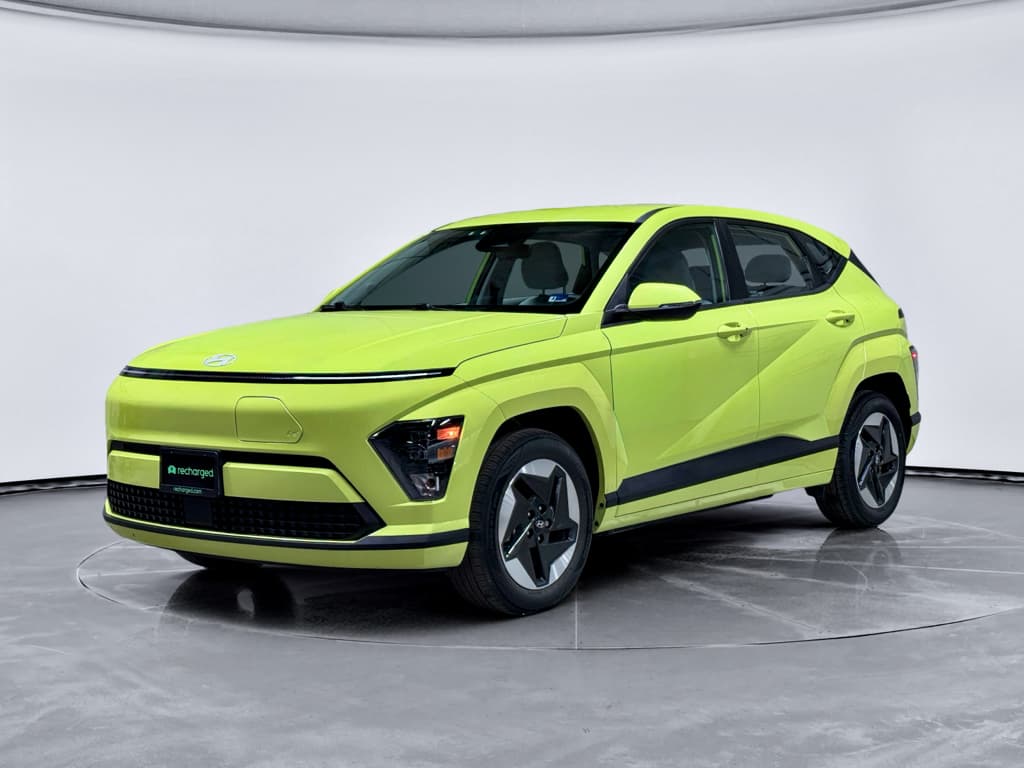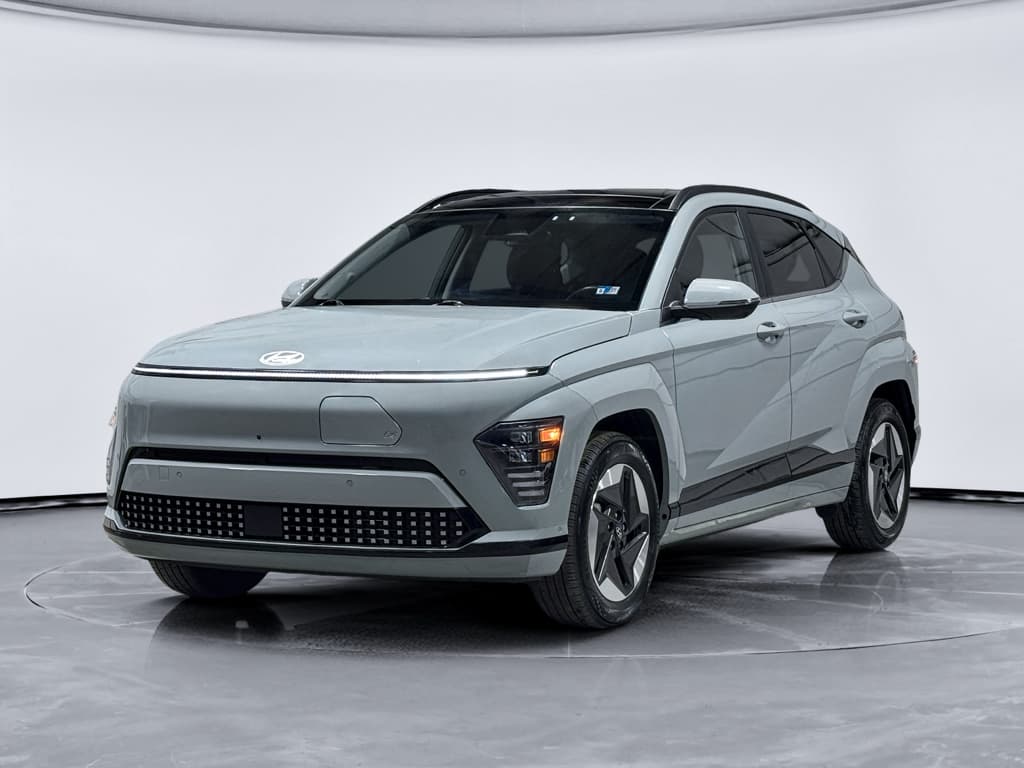
If you’re looking for a small, efficient EV that won’t destroy your budget, the Hyundai Kona Electric should be near the top of your list. In this Hyundai Kona Electric long term review for 2026, we’ll look past the window sticker and focus on what really matters after several years and tens of thousands of miles: battery health, range, reliability, and total cost of ownership, especially if you’re buying one used.
At a glance
Why the Kona Electric Still Matters in 2026
Hyundai launched the Kona Electric in the U.S. for the 2019 model year as a compact crossover with a surprisingly large battery and standout efficiency. Early cars carried a 64 kWh pack and EPA range north of 250 miles, quietly beating some bigger-name competitors. The second-generation 2024–2026 Kona Electric added more space, updated tech and two battery sizes (a smaller standard-range pack and a larger long-range option), keeping it relevant even as the EV market has exploded.
For long-term owners, the real story is how little drama the Kona Electric tends to generate. No exotic air suspensions, no multi-motor gimmicks, just a front-drive powertrain, hatchback practicality, and an 8–10 year battery warranty depending on market and model year. That makes it an especially compelling used EV for value-focused shoppers in 2026.
Hyundai Kona Electric by the Numbers (2026 Snapshot)
Model Years and Versions to Know
Before you judge long-term performance, it helps to know which Kona Electric you’re actually looking at. Hyundai has evolved the model in meaningful ways since launch.
Hyundai Kona Electric Generations & Key Differences
Use this to understand what you’re likely seeing on the used market in 2026.
| Model years (U.S.) | Generation | Battery options | EPA range (approx.) | Key notes |
|---|---|---|---|---|
| 2019–2021 | 1st gen | 64 kWh | 258 miles | Original, compact body; simple interior; excellent efficiency; early high-voltage battery recall on some cars. |
| 2022–2023 | 1st gen (facelift) | 64 kWh | 258 miles | Updated styling and infotainment; largely the same powertrain; strong value on used market. |
| 2024–2026 | 2nd gen | ~48 kWh & 64.8 kWh | ~200 & 230–260 miles | Longer wheelbase, more rear-seat and cargo room, two battery sizes, improved driver assistance and tech. |
Battery size, range and key notes vary by generation; warranty terms also differ by year and region.
Trim tip
Real-World Range and Efficiency
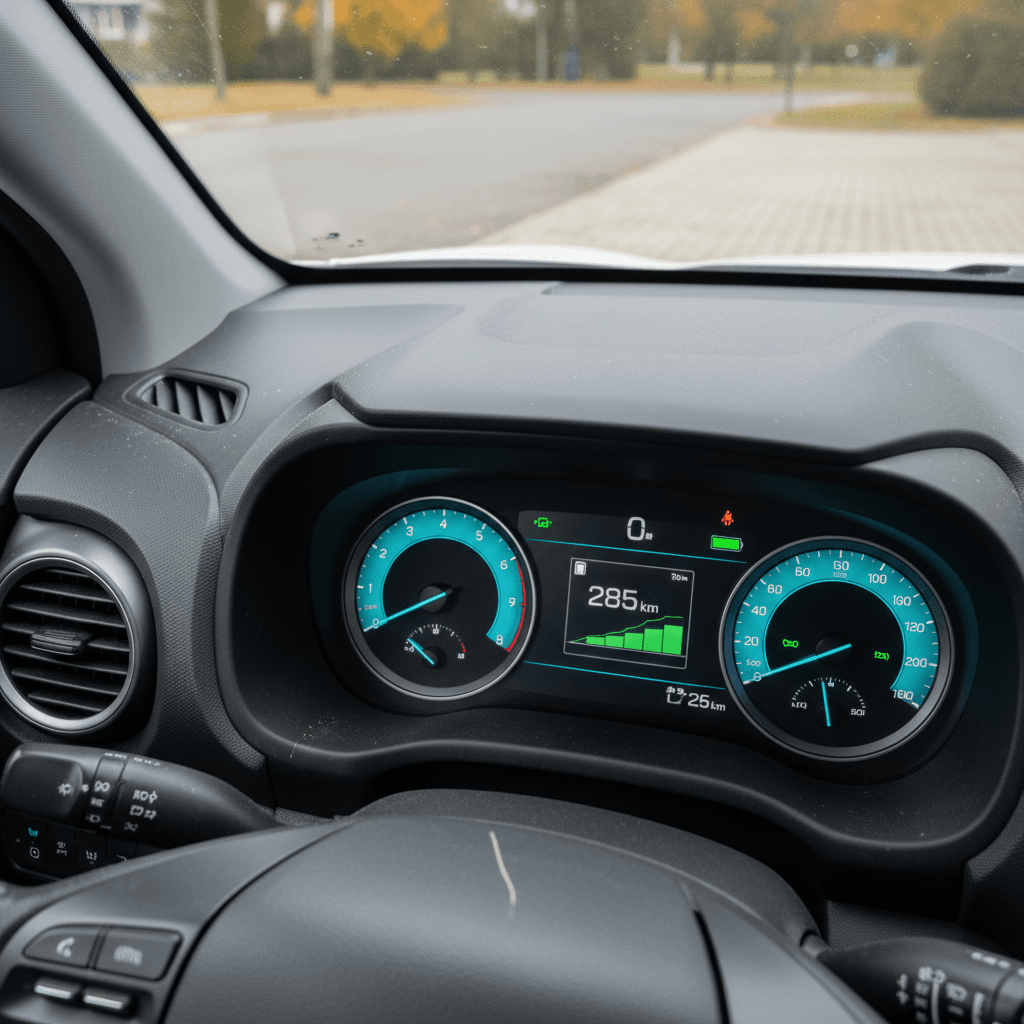
The Kona Electric built its reputation on efficiency. Even in 2026, when nearly every automaker sells an EV, it’s still one of the thriftiest choices. Drivers commonly see 4.0–4.5 miles per kWh in mixed driving with sensible speeds. With the 64–64.8 kWh battery, that translates to 250–270+ miles per charge under favorable conditions.
Everyday commuting
- Mild climates (50–80°F): Plan on 240–270 miles from the larger pack if you’re not hammering the left pedal.
- Suburban duty: Stop‑and‑go actually plays to the Kona Electric’s strengths thanks to strong regen; 4.5 mi/kWh is realistic.
- Short‑trip city use: Efficiency drops slightly with frequent cabin heat or AC, but the small footprint makes it easy to park and maneuver.
Highway and winter driving
- 75–80 mph highways: Expect 190–220 miles from a full charge in many cases, air resistance is the enemy.
- Cold weather (below freezing): Range can drop 20–30% with heater use. Preconditioning while plugged in helps a lot.
- Mountain driving: Long climbs eat energy, but regeneration on descents can claw back surprising range.
Highway reality check
Battery Health and Long-Term Degradation
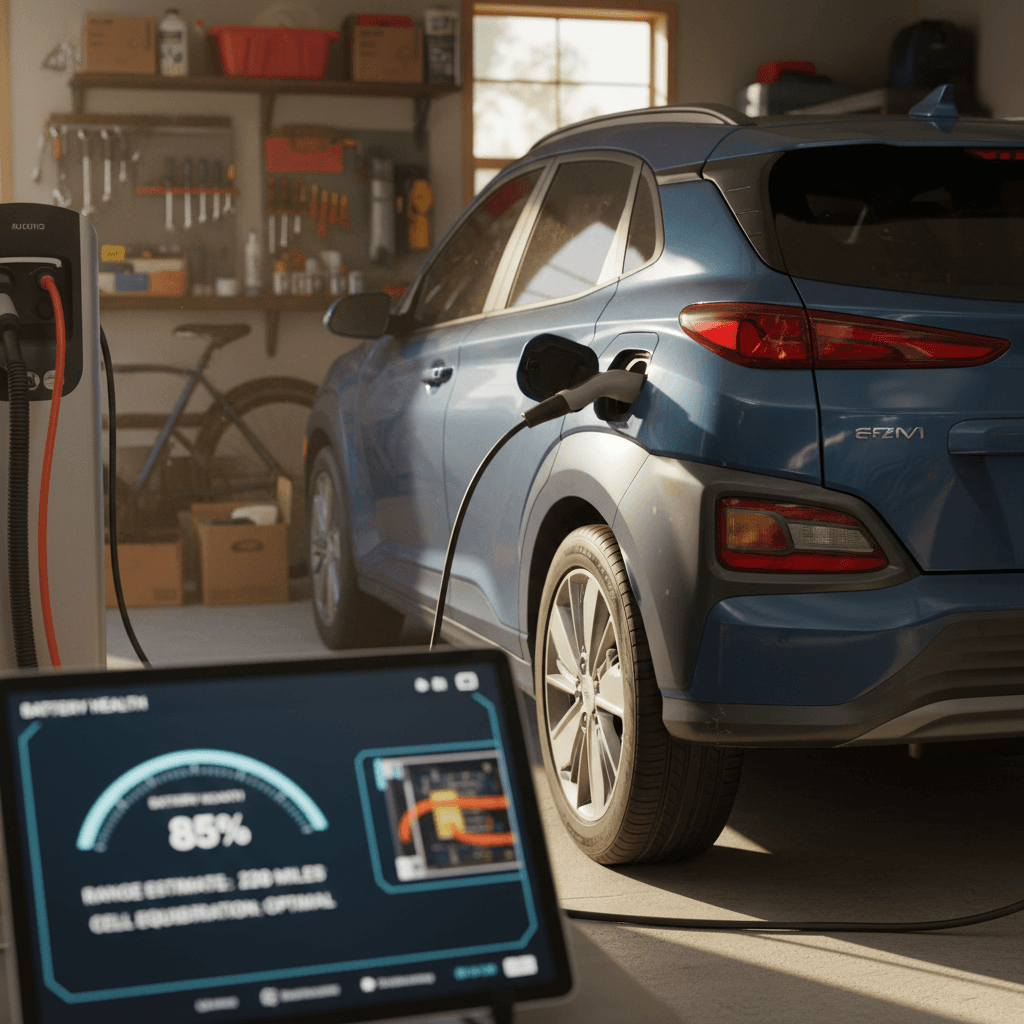
Long-term battery health is the make‑or‑break factor for any used EV. The encouraging news is that the Kona Electric’s pack, an NMC chemistry with a generous buffer, has generally held up well in real-world use. Owners with 60,000–100,000 miles frequently report single‑digit capacity loss when they or their dealer check state of health.
What We’ve Seen From Kona Electric Battery Packs
Patterns from long‑term owners, diagnostics, and warranty behavior.
Slow, predictable degradation
Fast DC charging isn’t a killer
Warranty safety net
About the early battery recall
Charging Experience: Home and Road Trips
The Kona Electric doesn’t chase headline charging numbers, but for most owners the experience is trouble‑free. Later cars support around 10–11 kW Level 2 AC charging and DC fast charging that can bring the battery from 10–80% in roughly 40–45 minutes when conditions are right. Earlier cars are a bit slower but still perfectly usable for road‑trip duty if you’re patient and plan ahead.
Home charging
- Level 2 (240V): With a 40‑amp home charger, a near‑empty 64–64.8 kWh pack typically refills overnight, often in 7–9 hours.
- Level 1 (120V): Doable for very light users, but you’ll only add dozens of miles per night, not hundreds.
- Off‑peak scheduling: The Kona’s built‑in charge scheduling lets you take advantage of cheaper overnight electricity where utilities offer time‑of‑use rates.
Public and road‑trip charging
- DC fast charging: Expect peak rates in the 70–100 kW neighborhood on newer models, a bit less on first‑gen cars, with speeds tapering as you approach 80%.
- Connector standards: First‑gen Konas are CCS; second‑gen U.S. models are transitioning toward NACS support via adapters and upcoming port changes.
- Best use: For comfort, plan to fast‑charge between ~10–70% instead of waiting to 100%.
Home charging + used EV = sweet spot
Daily Driving, Comfort, and Practicality
In everyday use, the Kona Electric feels like a slightly taller compact hatchback, because that’s effectively what it is. You get a high seating position, easy ingress/egress, and strong low‑speed torque that makes city driving relaxed. Ride quality on first‑generation cars leans firm; the 2024 redesign adds wheelbase and rear‑seat room, improving overall comfort but still not matching larger EV crossovers.
- Cabin quality is solid rather than luxurious; controls are straightforward and less screen‑driven than some newer rivals.
- Noise levels are generally quiet at city speeds, though tire noise can creep in on rough concrete highways.
- Cargo space is adequate for grocery runs and small families, but if you’re used to a midsize SUV you’ll notice the difference.
- Driver‑assist tech (adaptive cruise, lane‑keeping, blind‑spot warning) is competent and tends to age better than over‑complicated semi‑autonomous systems.
City-friendly footprint
Reliability Issues and What to Watch For
No EV is perfect, and the Kona Electric has had its share of headlines, most notably the early high‑voltage battery recall. Outside of that, long‑term owners generally report a straightforward, low‑drama ownership experience. Common complaints lean more toward annoyances than deal‑breakers.
Common Long-Term Kona Electric Complaints
Most are manageable if you know what to look for when buying used.
Early battery recall history
Brake and suspension wear
Infotainment glitches
Don’t ignore a noisy reduction gear
Ownership Costs and Used Pricing in 2026
The Kona Electric’s secret weapon is cost. It’s not just efficient on the road; it’s also one of the more affordable ways to get into a relatively modern EV in 2026. With the model now redesigned, 2019–2023 examples have slipped into genuinely attractive territory on the used market, often undercutting Tesla Model 3 and Hyundai’s own Ioniq 5.
Typical Kona Electric Cost Picture in 2026 (U.S.)
Insurance costs will vary by driver profile and region, but because the Kona Electric is a relatively modestly priced compact crossover, and not a premium performance EV, many owners find premiums more reasonable than they feared. Tires and brakes can last a long time if you lean on regenerative braking instead of late, hard stops.
Let the car save the brakes
How the Kona Electric Compares to Rivals
Shopping for a used EV in 2026 often means cross‑shopping the Kona Electric against cars like the Chevrolet Bolt EV, Nissan Leaf Plus, Kia Niro EV, and older Tesla Model 3s. Each has its own personality and trade‑offs.
Kona Electric vs. Popular Used EV Alternatives
High‑level comparison for shoppers focused on value, efficiency, and long‑term confidence.
| Model | Strengths | Weak points | Best for |
|---|---|---|---|
| Hyundai Kona Electric | Excellent efficiency, strong warranty history, compact size, good equipment levels. | Firm ride, average DC fast charging speeds, smaller cabin than some rivals. | Drivers who prioritize efficiency, value, and easy urban maneuverability. |
| Chevrolet Bolt EV | Great efficiency, roomy cabin for footprint, often the cheapest used EV. | Early battery recall; some shoppers wary of long‑term GM EV support. | Budget shoppers okay with a hatchback form factor and CCS public charging. |
| Kia Niro EV | Similar powertrain to Kona with slightly more space and a more conventional crossover look. | Prices can run higher; some interior bits feel budget. | Families wanting a bit more cargo and rear‑seat room without going to a big SUV. |
| Nissan Leaf Plus | Often very affordable; smooth and quiet in town; simple to operate. | CHAdeMO fast charging is fading; thermal battery management less robust in hot climates. | Shorter commutes in mild climates where CHAdeMO access is still decent. |
| Tesla Model 3 (older RWD/LR) | Fast charging network, software updates, strong performance, good efficiency. | Higher insurance and repair costs; minimalist interior not for everyone. | Drivers who value the Supercharger network and a more premium experience. |
Exact numbers vary by year and trim, but these broad traits hold across most of the used market in 2026.
Kona’s niche in 2026
Buying a Used Kona Electric: Checklist
If you’re considering a Kona Electric on the used market in 2026, a disciplined inspection will tell you more than any spec sheet. Here’s a structured way to evaluate a candidate.
Used Hyundai Kona Electric Inspection Checklist
1. Confirm battery recall and software history
Run the VIN with a Hyundai dealer or trusted shop to confirm all recall work, especially high‑voltage battery campaigns, has been completed, and that the latest software is installed.
2. Ask for a recent battery health report
Ideally, have the battery state of health (SoH) checked via dealer diagnostic tools or a trusted third‑party scan. Single‑digit degradation at 50–80k miles is common; big drops warrant deeper investigation.
3. Inspect tires and brakes
Uneven tire wear can hint at alignment issues or hard use. Feel for pulsation or grinding under braking. A smooth brake pedal and even tire wear are good signs of careful ownership.
4. Test DC fast charging if possible
On a pre‑purchase test, try a nearby DC fast charger. Abnormally low charging speeds on a warm battery can indicate software limits, station issues, or something more serious with the pack or cooling.
5. Check for water leaks and cabin wear
Inspect the cargo area, door seals, and underfloor storage for signs of moisture. Excessive interior wear relative to mileage can be a red flag for prior commercial or rideshare use.
6. Review warranty status and coverage
Verify how many years and miles of battery and powertrain warranty remain. A car with several years of coverage left is worth paying a little extra for.
How Recharged can help
Ready to find your next EV?
Browse VehiclesFrequently Asked Questions: Hyundai Kona Electric Long Term
Kona Electric Long-Term Ownership FAQ
Is the Hyundai Kona Electric a Smart Buy in 2026?
Look at the Hyundai Kona Electric purely as a spec sheet and it might seem modest next to the latest 300‑plus‑mile, ultra‑fast‑charging crossovers. Look at it the way a long‑term owner or used‑EV shopper does, and a different picture emerges. This is an EV that is efficient, manageable in size, relatively simple to own, and now attractively priced on the used market, all while posting encouraging battery‑health results as the miles add up.
If you crave the latest screen‑heavy luxury interior or lightning‑fast charging, you might be happier elsewhere. But if your priorities are dependable range, low running costs, and a reasonable purchase price, the Kona Electric remains one of the standout small EVs to own in 2026. And if you want to skip the guesswork, browsing Kona Electrics on Recharged gives you battery‑health data, fair‑market pricing, and EV‑savvy support from the first click to the day it rolls into your driveway.