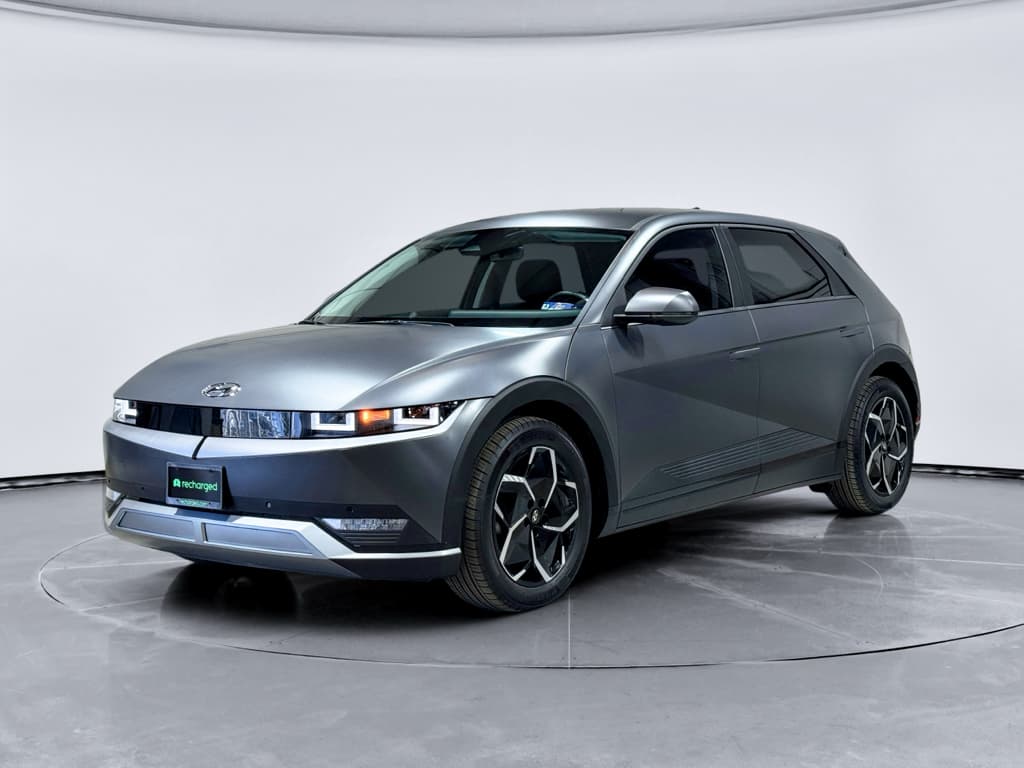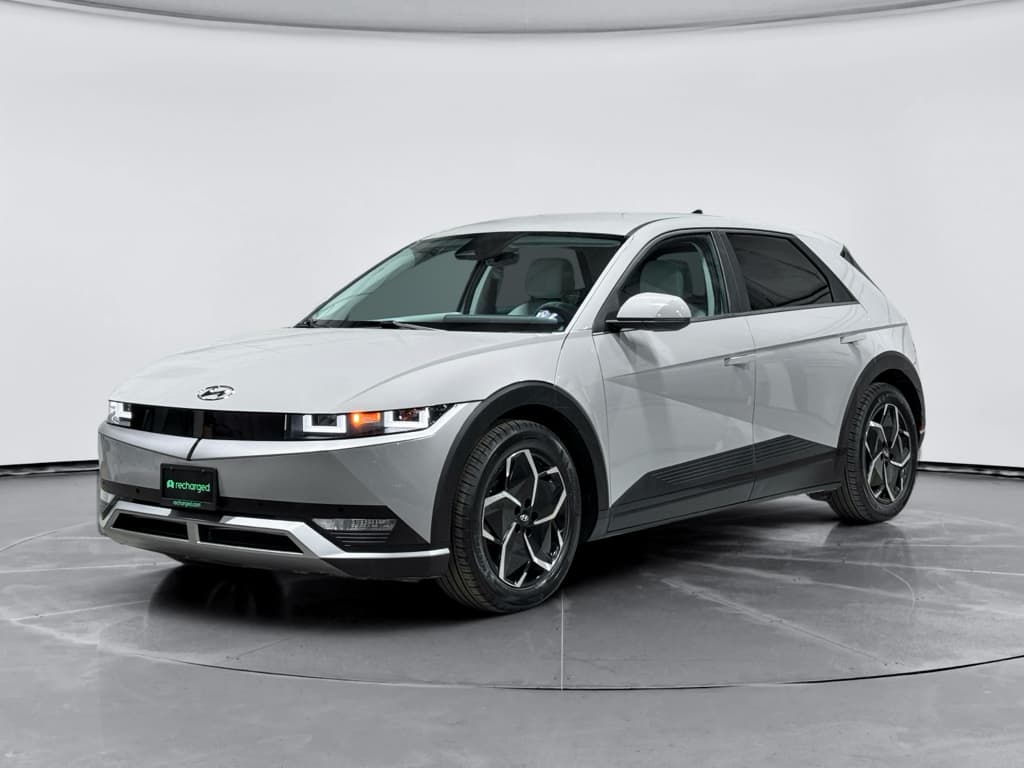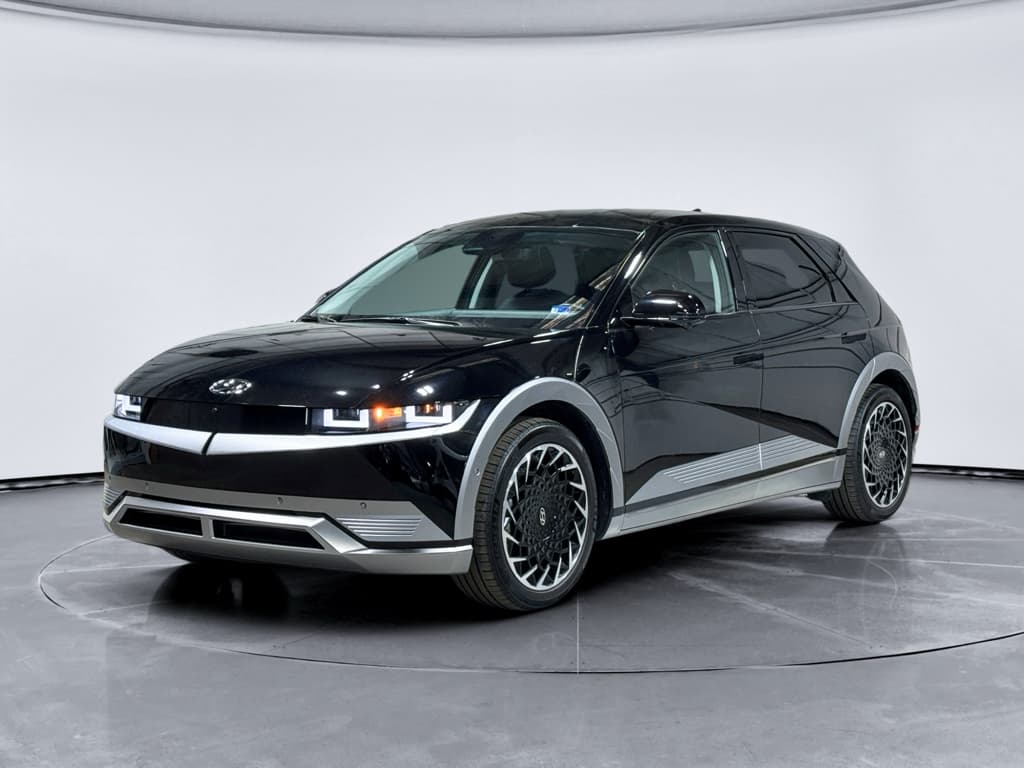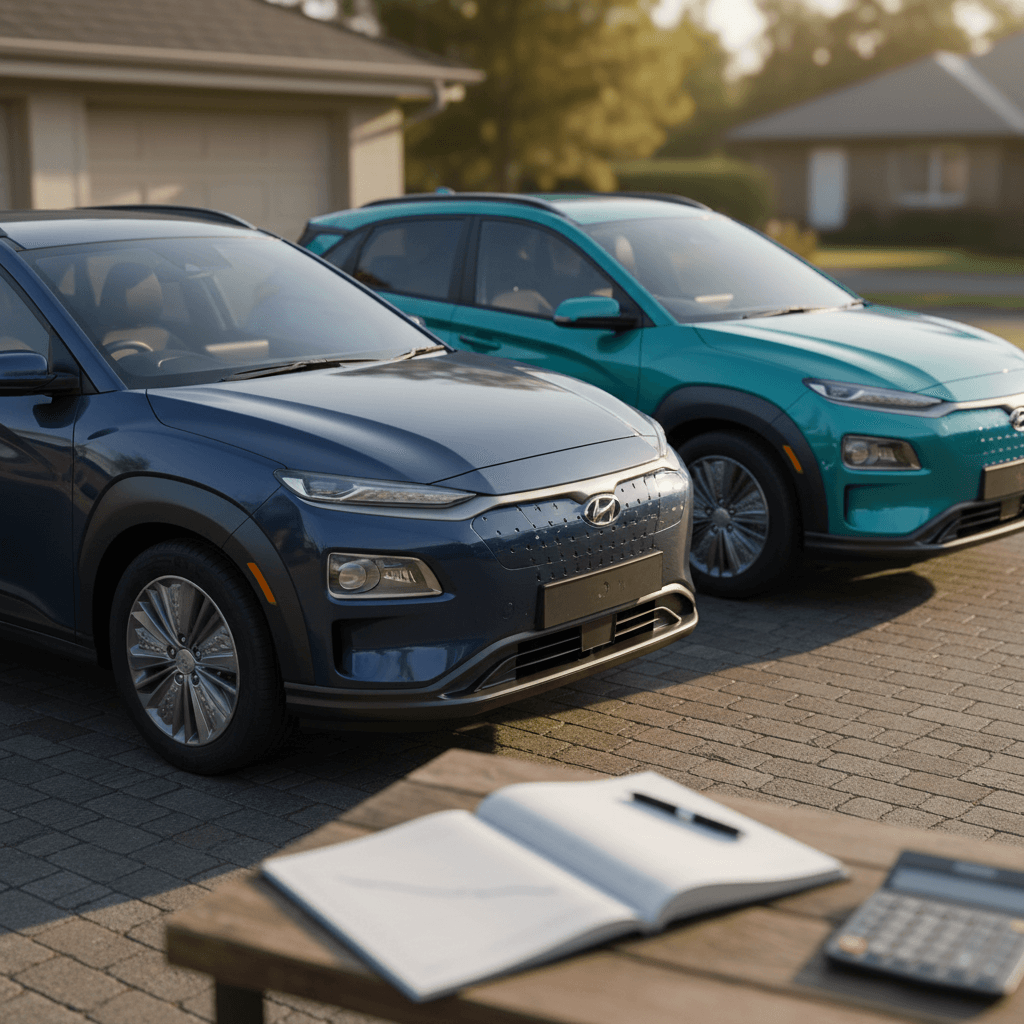
If you’re eyeing a Hyundai Kona Electric, or already own one, the big money question is simple: what does its depreciation curve over 5 years really look like? Understanding how quickly a Kona EV loses value, and why, helps you decide whether to buy new or used, when to sell, and what “fair price” actually means.
Depreciation in one sentence
Why the Hyundai Kona Electric’s depreciation curve matters
EV shoppers have learned quickly that not all electric vehicles age the same. Some early EVs lost value fast because of short range, fading incentives, or weak demand. The Hyundai Kona Electric landed in a sweet spot: solid real‑world range, compact SUV practicality, and a relatively affordable new price. That combination gives it a more predictable 5‑year depreciation curve than many first‑generation EVs.
- You’re buying used and want to know if the seller’s price is reasonable for the age and miles.
- You’re comparing a used Kona Electric to a similar gas Kona or another small EV like a Chevy Bolt EUV or Nissan Leaf.
- You already own a Kona Electric and want to plan when to trade in, sell, or keep it long term.
How Recharged fits in
Quick look: 5‑year Hyundai Kona Electric depreciation curve
Exact numbers vary by trim, mileage, incentives and region, but you can think of the Hyundai Kona Electric 5‑year depreciation curve in broad, realistic bands based on typical U.S. market behavior to date.
Illustrative 5‑year Hyundai Kona Electric depreciation curve
Approximate retained value as a percentage of original MSRP for a typical Kona Electric in average condition and mileage. These are directional, not guarantees.
| Vehicle age | Typical miles | Approx. value vs. original MSRP | What this usually looks like |
|---|---|---|---|
| New (Year 0) | 0 mi | 100% | Sticker price before taxes and incentives. |
| Year 1 | 10,000–15,000 mi | 80–85% | Some discount from new, but still relatively high due to warranty coverage and fresh tech. |
| Year 2 | 20,000–30,000 mi | 70–75% | Bigger drop as more used supply hits the market and the "new car" premium fades. |
| Year 3 | 30,000–45,000 mi | 60–65% | Where many off‑lease or first‑owner cars land; this is often the value "sweet spot" for used buyers. |
| Year 4 | 40,000–60,000 mi | 50–60% | Curve begins to flatten; condition and battery health start to matter more than model year alone. |
| Year 5 | 50,000–75,000 mi | 45–55% | Value stabilizes if range remains strong and maintenance is documented; outliers are usually about battery or accident history. |
Kona Electric depreciation is front‑loaded in the first 3–4 years, then flattens as long as battery health stays strong.
Not an official price guide
How Kona Electric depreciation compares to gas cars and other EVs
Kona Electric vs. gas Kona
- Similar first‑year hit: Both tend to lose around 15–20% of MSRP in the first 12 months once you account for rebates and discounts.
- EVs drop faster if fuel is cheap: When gas prices are low, some used‑car shoppers lean back toward gas, which can soften Kona EV demand.
- Operating costs differ: Lower fueling and maintenance costs on the EV side often make up for higher upfront depreciation over 5+ years.
Kona Electric vs. other small EVs
- Better than short‑range EVs: Models with 100–150 miles of range usually depreciate faster than the Kona Electric’s 250‑mile‑class range.
- More stable than niche brands: Mainstream Hyundai branding and dealer coverage support resale better than some low‑volume EVs.
- Not immune to tech shifts: As newer EVs with 300+ miles of range and quicker DC fast charging arrive, older Kona EVs feel less cutting‑edge, which shows up in pricing.
Kona Electric value snapshots over 5 years (directional)
Key factors that shape the Kona Electric’s depreciation curve
The Kona EV’s 5‑year depreciation isn’t just about age. Three big buckets drive what your specific car is worth at trade‑in or on the private market: macro forces (EV supply and incentives), vehicle‑specific details (miles, trim, accident history) and local demand (charging infrastructure, fuel prices, and EV adoption where you live).
What moves a Kona Electric’s value up or down?
Think beyond model year, these factors are what buyers actually pay for.
Charging & range expectations
Buyers care whether your Kona EV still comfortably covers their daily commute and road‑trip patterns. Strong battery health and realistic DC fast‑charging speeds support higher prices.
Region & infrastructure
In areas with dense public charging and high EV adoption, used Kona EVs typically attract more buyers and hold value better than in regions where infrastructure is sparse.
Incentives & tax rules
Big federal or state incentives on new EVs can compress used prices overnight. Conversely, if incentives shrink, lightly used Konas often look more attractive by comparison.
Mileage & use pattern
A 5‑year‑old Kona Electric with 35,000 highway miles will price differently than one with 80,000 stop‑and‑go miles. Depreciation curves assume “average” usage; reality is always more specific.
Accident & service history
Clean Carfax‑style histories, documented maintenance and no structural repairs help a Kona EV track closer to the top of its depreciation range for its age.
Interest rates & monthly payment
Higher auto loan rates can push buyers toward cheaper used EVs, but they can also limit what some shoppers can pay, especially for newer, higher‑MSRP trims.
How Recharged handles these variables
Battery health, range and their impact on value
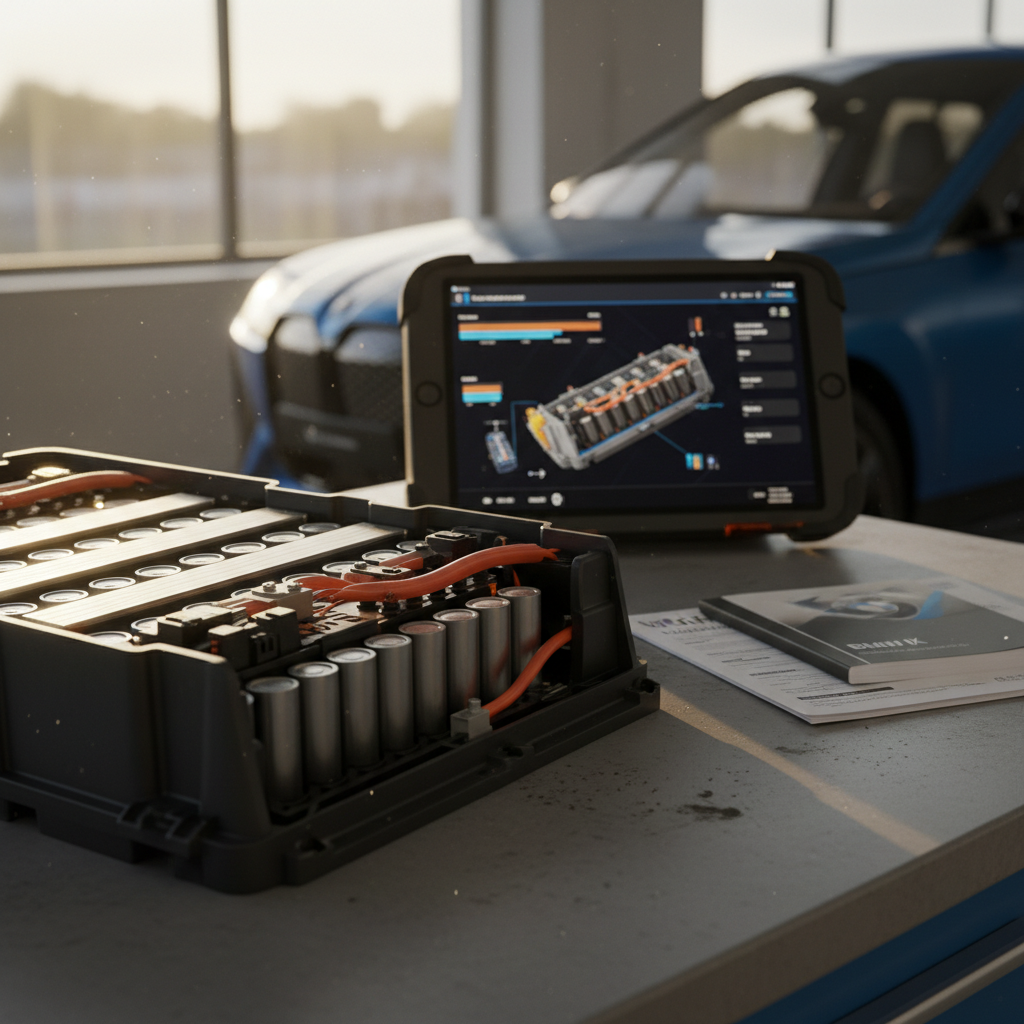
For most used EV shoppers, battery health is the whole ballgame. Two Kona Electrics with the same age and mileage can sit thousands of dollars apart if one has noticeably more usable range left. That’s why depreciation curves for EVs are best read as bands, not single lines.
How battery condition shapes Kona Electric depreciation
Degradation vs. warranty coverage
The Kona Electric’s battery warranty helps support resale confidence in the first 8 years. If diagnostics show modest degradation that’s well within normal tolerance, depreciation tends to follow the “healthy battery” band of the curve.
Real‑world range vs. window‑sticker range
Shoppers look at what the car actually delivers today, especially in highway and cold‑weather scenarios. A Kona EV that still feels like a 200+‑mile car commands more money than one that struggles to clear 150 miles between charges.
DC fast‑charging behavior
If the vehicle fast‑charges close to its original curve, that reassures road‑trippers. Sudden throttling or thermal issues can scare off savvy buyers, pulling the car toward the bottom of the depreciation range.
Evidence, not guesses
Battery health needs data. At Recharged, the Recharged Score Report includes <strong>verified battery diagnostics</strong>, so you’re not guessing where on the depreciation curve a given Kona EV really belongs.
Red flag for used buyers
Trims, model years and incentives: what moves prices up or down
The Kona Electric story is really a tale of multiple micro‑markets. Early model years, mid‑cycle refreshes, equipment changes and tax credits all bend the 5‑year depreciation curve in their own ways.
How trims, years and incentives influence Kona EV depreciation
Use this as a guide when comparing otherwise similar Kona Electrics across different years.
| Factor | Effect on 5‑year depreciation | What to watch for as a buyer |
|---|---|---|
| Trim level (SE vs. Limited) | Higher trims depreciate more in dollars but can retain a similar or slightly lower percentage of original MSRP. | Compare features you’ll actually use, sunroof, premium audio, safety tech, against any price premium over a mid‑trim car. |
| Model refresh / facelift | When a refresh lands with interior or tech upgrades, outgoing model years often see faster price cuts in years 3–5. | Older styling is fine if range and battery health check out. Let that styling gap pay you in a lower price. |
| Original tax credits | If a prior owner captured a big federal credit, they may have effectively paid less than MSRP, so their break‑even price may be lower than you think. | A deeply discounted used price might still represent a great outcome for the first owner; your focus is the car’s value today, not what they paid. |
| Local rebates & HOV perks | States and utilities with rich EV incentives or HOV access create stronger new‑EV demand, then later feed more supply into the used market. | In high‑incentive regions, a 3‑year‑old Kona EV may be plentiful and cheaper, but you’ll have more choice, use that to insist on strong condition. |
A low advertised price might reflect a weaker feature set, lower incentives at the time of sale, or just a softer local market, always dig one layer deeper.
A 5‑year total cost of ownership view for Kona Electric
Depreciation is the single biggest “hidden” cost of owning almost any vehicle, but the Kona Electric fights back with lower fueling and maintenance outlays. When you zoom out over 5 years, you get a clearer picture of what you’re really spending.
Typical 5‑year Kona Electric owner
- Higher initial hit if you buy new, especially in year 1–2.
- Lower energy cost, especially if you can charge at home on off‑peak rates.
- Less routine maintenance: no oil changes and fewer wear items over 60,000+ miles.
When you line up all 5‑year costs, many owners find that the Kona Electric’s higher early depreciation is partly offset by ongoing savings.
Used Kona Electric sweet spot
- Buying at 3–5 years old lets you skip the steepest depreciation drop.
- You still capture years of battery warranty coverage and EV savings.
- If you finance, a lower used price keeps the monthly payment in check, even with higher rates.
This is why many value‑oriented shoppers start by filtering for 3–4‑year‑old Konas with clean histories and strong battery health reports.
Why many buyers prefer a 3–5‑year‑old Kona Electric
How to read Kona Electric prices and spot a fair deal
Market listings for Kona Electrics can look all over the map. One car might be thousands cheaper than a similar‑looking one two states away. Rather than fixating on asking prices, line each vehicle up against the 5‑year depreciation curve and then adjust for its specific story.
Pricing sanity check for a used Kona Electric
1. Normalize for age and mileage
Start by comparing the car’s age and miles to the depreciation table bands. A 4‑year‑old, 55,000‑mile Kona Electric should not be priced like a lightly used 2‑year‑old example.
2. Factor in battery diagnostics
If you have recent battery‑health data, mentally place the car in the upper, middle or lower half of the value range for its age. Better‑than‑average packs justify higher prices; unknown or weak packs should sit at the low end.
3. Adjust for options and trim
Panoramic roof, advanced safety features, premium audio and winter packages can nudge values up, but only if you’ll actually use them. Don’t pay thousands more for features that don’t matter to you.
4. Account for local EV demand
In EV‑heavy metro areas with robust charging, prices often run hotter. In regions with less infrastructure, buyers expect a discount, or they walk. Benchmark against multiple markets if you can.
5. Compare to new after incentives
If generous incentives make a brand‑new Kona Electric surprisingly close in monthly payment to a used one, depreciation on that new car may bite harder. Used only makes sense if there’s a meaningful total‑cost gap.
6. Use objective tools
Platforms like Recharged use battery‑aware valuation models and the <strong>Recharged Score</strong> to anchor prices. Use that kind of data to reality‑check private‑party or dealer numbers.
When a used Kona Electric is a win
Selling or trading in your Kona Electric after 3–5 years
If you’re on the other side of the table, thinking about what your Kona Electric is worth, your goal is to present the car in a way that keeps it in the upper tier of its depreciation band. That starts with transparency and documentation.
Ways to exit your Kona Electric and capture its value
Each path interacts differently with the depreciation curve.
Trade‑in to a dealer or marketplace
Fast and convenient. You usually won’t capture top‑of‑market retail prices, but you save time, avoid private‑sale hassles, and reduce tax on your next purchase in many states.
Private‑party sale
You might earn more, especially if your Kona EV has exceptional battery health and desirable options. But you handle marketing, test drives and paperwork yourself.
Consignment or instant‑offer services
Platforms like Recharged can give you an instant offer or sell your Kona Electric on consignment, pairing professional pricing and EV‑savvy marketing with less effort on your part.
Boosting your Kona EV’s exit value
Checklist: key questions before you buy a used Kona Electric
Before you sign for a used Hyundai Kona Electric, walk through these questions. They’ll help you decide where the car truly sits on the 5‑year depreciation curve and whether the price makes sense.
Pre‑purchase checklist for a used Hyundai Kona Electric
1. What’s the battery’s verified health?
Request recent diagnostics or a Recharged Score Report. Compare the indicated health to the car’s age and mileage; healthy packs support prices at the top of the band.
2. Does the real‑world range meet your needs?
Ask how far the owner comfortably drives on a full charge today, and test it yourself if possible. If your daily routine stresses the range, look for a newer or healthier example.
3. Any fast‑charging limitations or quirks?
Confirm that the Kona EV charges normally at DC fast stations and see if the owner has noticed unusual throttling or error messages. Sudden slow‑downs may hint at battery or thermal‑management issues.
4. Are there open recalls or major repairs?
Search for open recalls and ask for documentation of any battery‑related work. Structural or flood damage should trigger a steep discount, or a hard pass.
5. How does price compare across markets?
Look at multiple listings for similar year, trim and miles nationally. If the car is priced well above its peers, the seller needs an extraordinary story, and proof, to justify it.
6. Does the seller’s story make sense?
Short ownership periods, missing paperwork or vague answers about charging habits are all yellow flags. A clean, well‑documented history generally tracks with healthier depreciation.
FAQ: Hyundai Kona Electric depreciation and resale value
Frequently asked questions about the Kona Electric’s 5‑year depreciation curve
Bottom line: making the Hyundai Kona Electric depreciation curve work for you
The Hyundai Kona Electric’s 5‑year depreciation curve is neither a horror story nor a miracle, it’s a predictable, front‑loaded drop that rewards smart timing and good information. If you buy new, expect the biggest value hit in the first 3–4 years. If you shop used, target well‑documented 3–5‑year‑old cars with strong battery health, and compare prices to realistic age‑and‑mileage bands rather than single‑point guesses.
Tools like the Recharged Score Report turn that curve from a guess into a data‑driven decision, pulling battery diagnostics, market pricing and vehicle history into one place. Whether you’re buying, selling or just planning your next move, understanding how the Kona Electric depreciates over 5 years lets you keep more of your EV budget working for you, not disappearing in the gap between what a car is worth and what someone hopes to get for it.