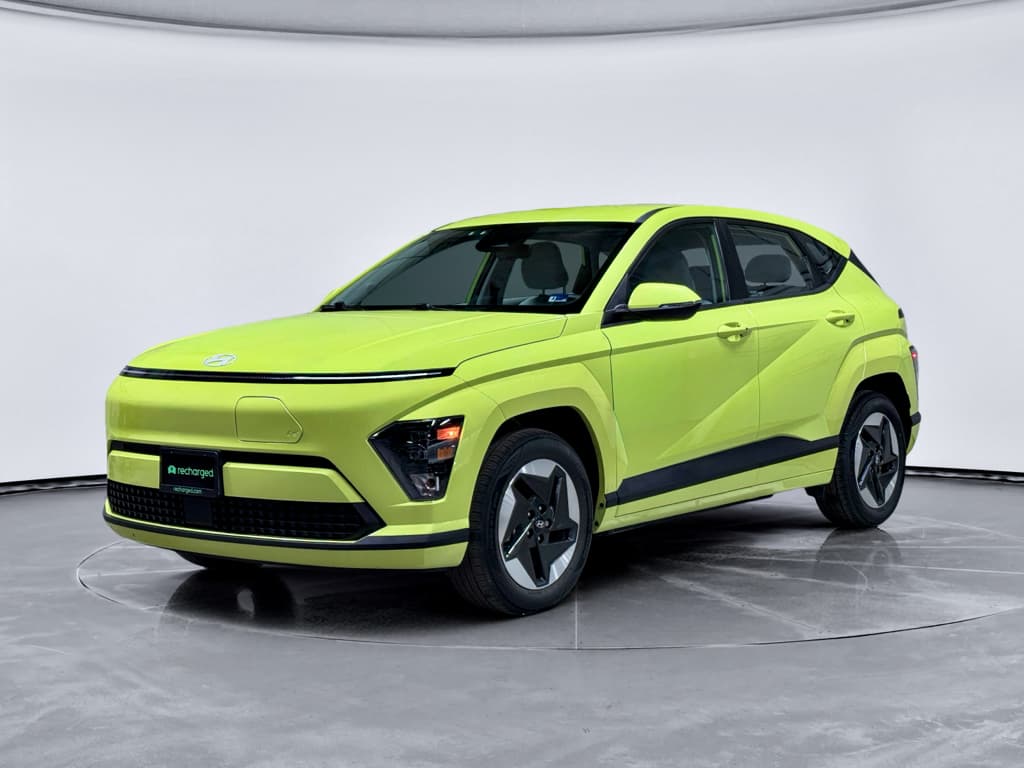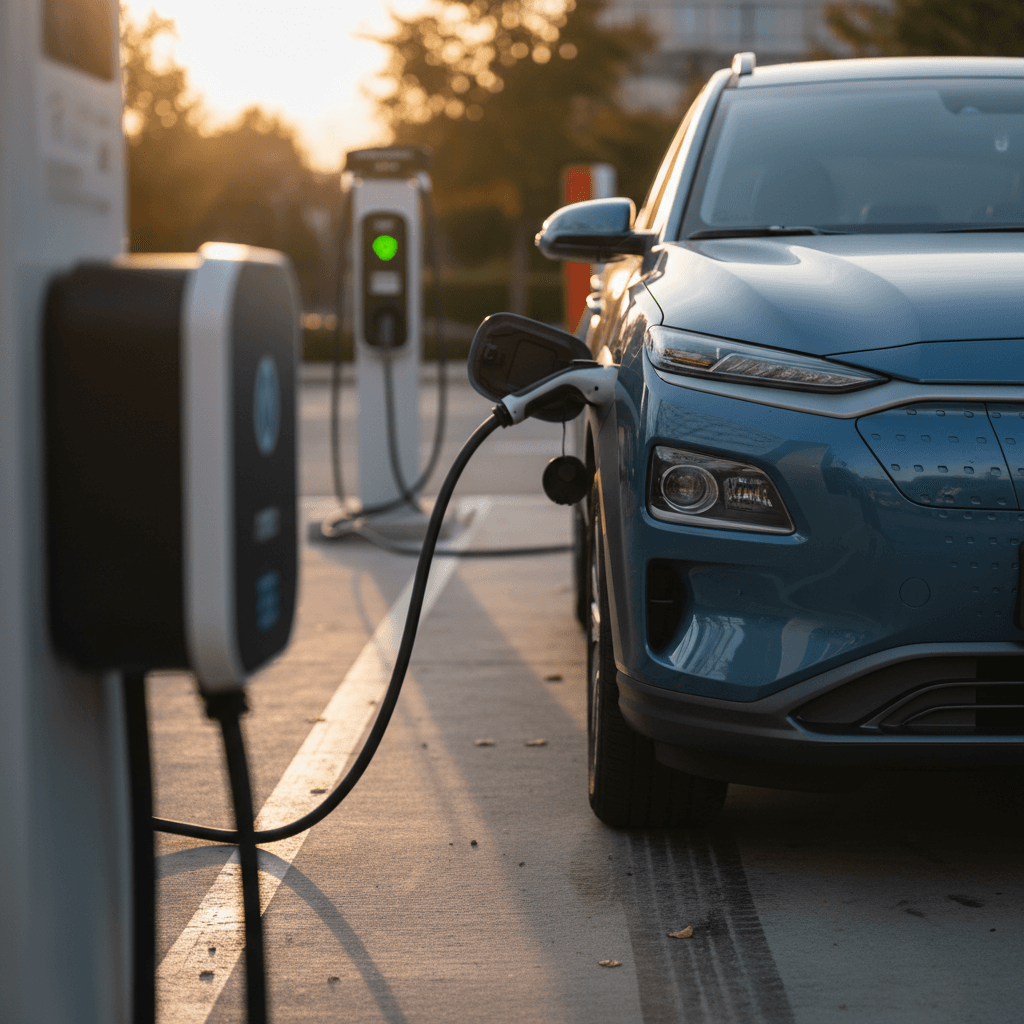
If you’re driving or shopping for a Hyundai Kona Electric, charging speed is what makes this efficient little crossover feel either brilliant or frustrating. This Kona Electric charging speed guide breaks down how fast it really charges at home, at work, and on the road, so you can plan your life, not your plugs.
Key takeaway on Kona charging
Kona Electric battery and charging basics
Hyundai has offered several versions of the Kona Electric over the years, but the charging story is similar across them. You’ll see two main battery sizes and a couple of different on‑board AC charger ratings, which together set the ceiling for your charging speed.
Hyundai Kona Electric battery & charging specs (global overview)
Exact specs vary slightly by market and model year, but this table captures the most common Kona Electric configurations you’re likely to see in North America and Europe.
| Generation / Battery | Approx. Gross Battery (kWh) | Typical EPA / WLTP Range | On‑board AC Charger | Max DC Fast Charge (claimed) |
|---|---|---|---|---|
| 1st‑gen 39 kWh | ~39–40 | ~155–190 mi (EPA/WLTP) | 7.2 kW AC (single‑phase) | ~70 kW DC (10–80% in ~45–50 min) |
| 1st‑gen 64 kWh | ~64 | ~250–258 mi EPA | 7.2 kW AC (single‑phase), some later cars 11 kW overseas | ~75 kW DC (10–80% in ~54 min) |
| 2nd‑gen 48.6 kWh (2024+ short‑range) | 48.6 | ~200–220 mi (EPA est.) | Up to ~10.4–11 kW AC in many markets | Up to ~100–105 kW DC (10–80% low‑40‑minute range) |
| 2nd‑gen 64.8–65 kWh (2024+ long‑range) | 64.8–65 | ~230–260 mi EPA / ~390 km WLTP | Up to ~10.4–11 kW AC | Up to ~100–105 kW DC (10–80% in low‑30s to low‑40s minutes, depending on spec) |
Battery size and on‑board AC charger rating determine your maximum realistic Level 2 charging speed.
U.S. vs. European specs
Official charging speeds and real‑world times
Charging times are always “up to” numbers. They depend on temperature, starting state of charge (SoC), the station you’re using, and even how many other cars are plugged in. Still, Hyundai’s own specs and owner data give us realistic ballpark figures.
Hyundai Kona Electric headline charging numbers
The detail that matters to you isn’t just peak kW, it's how long it takes to add useful miles. Because the Kona Electric is so efficient (4.0–4.3 mi/kWh in many real‑world tests), even modest charging power translates into respectable miles per hour.
Approximate miles of range added per hour of charging
Estimates assume roughly 4.0–4.3 mi/kWh efficiency and good conditions.
Level 1 (120V, 12A)
1.4–1.8 kW into the car.
~5–7 miles of range per hour. Good for overnight top‑ups if you drive less than ~40–60 miles a day.
Level 2 (240V, 32A)
~7 kW into the car on many Konas.
~25–30 miles of range per hour. A full long‑range battery from empty in roughly 9–10 hours.
DC fast (50–100 kW)
Average 45–70 kW over most of the 10–80% window.
~150–220 miles of range in 35–45 minutes, depending on battery size and conditions.
Think in miles, not kilowatts
Home charging: Level 1 vs. Level 2 on the Kona Electric
Most Kona Electric owners live on home charging. The car comes with a portable Level 1 cord, and many owners add a Level 2 wallbox or plug‑in charger later. Here’s how those options shake out for the Kona specifically.
Level 1 (120V household outlet)
- Power: Around 1.2–1.8 kW, depending on amperage and losses.
- Speed: Roughly 5–7 miles of range per hour of charge.
- Best for: Apartment dwellers or light‑mileage drivers who can plug in every night.
- Full charge: From near‑empty to full on a long‑range battery can take 30+ hours, more of a “topping off” solution.
Level 2 (240V home or workplace)
- Power: Up to 7.2–11 kW, but limited by your car’s on‑board charger and circuit size.
- Speed: 25–30+ miles of range per hour on most Konas.
- Best for: Daily commuters, families, or anyone who frequently arrives home with a low state of charge.
- Full charge: 0–100% in about 7–10 hours on a long‑range battery, easy to do overnight on a timer.
How much power can your Kona actually use?
Quick checklist to size home charging for a Kona Electric
1. Know your daily miles
If you drive 30–40 miles a day, a standard 120V outlet can technically keep up, though slowly. Above that, a dedicated Level 2 charger starts to feel essential.
2. Check your panel capacity
Have a licensed electrician confirm you have room for a 40–60A 240V circuit. Don’t guess; this affects both safety and how fast your Kona can charge at home.
3. Match charger amps to your car
For most Konas, a 32–40A Level 2 charger is a sweet spot. It takes advantage of the on‑board charger without over‑building the circuit.
4. Consider future EVs
If you might upgrade to a larger EV later, oversizing the circuit slightly (within code) now can save you a second electrician visit.
5. Use scheduled charging
Use the Kona’s built‑in scheduling to charge during off‑peak utility rates or when your solar system is producing the most.
DC fast charging: how quick is the Kona really?
On paper, newer 65 kWh Kona Electrics can hit ~100–105 kW on DC fast chargers. In the real world, owners often see peaks in the 70–90 kW range and averages lower than that, with a fair amount of variation by region and model year.
- Earlier 64 kWh Konas (1st‑gen) typically peak in the 70–75 kW range and take roughly 50–55 minutes to go 10–80% under ideal conditions.
- 2nd‑gen 65 kWh Konas (especially in Europe) are rated for around 105 kW and can do 10–80% in as little as the mid‑30‑minute range on a strong charger in mild weather.
- North American 2024+ Konas sometimes charge a bit more conservatively than the headline numbers, with owners reporting 10–80% times closer to 40–45 minutes on typical public networks.
Charging curves matter more than peak kW
Time‑saving DC fast‑charging strategy for Kona Electric
Use the Kona’s strengths, work around its limits.
Arrive low, leave mid‑high
Try to arrive at fast chargers between 10–25% and leave around 70–80%.
Below 10%, the car may protect the battery by limiting power; above 80%, tapering gets very slow.
Prefer 100–150 kW stations
The Kona can’t fully exploit a 350 kW charger. A stable 100–150 kW unit is usually cheaper and just as fast for this car.
Stack shorter stops
On long trips, two 25–30 minute stops from 10–70% are usually faster than one 60+ minute push to 95%.
Why your Kona might be charging slower than expected
If you’re staring at the screen wondering why you’re only seeing 42 kW on a “150 kW” charger, or 6 kW at home when you were promised 11, your car is probably doing exactly what it’s supposed to. Several hidden variables conspire against headline numbers.
- Battery temperature: A cold or very hot pack will charge slower. The Kona doesn’t always pre‑condition aggressively, so the first 5–10 minutes of a fast‑charge can be sluggish in winter.
- State of charge: Charging usually starts fastest between about 10–40%, then gradually slows as you approach 70–80%, regardless of what the station says it can deliver.
- Charger limitations: Many “150 kW” plugs will share power between stalls or step down when grid voltage sags. If another car is plugged in, you may not get full power.
- On‑board AC charger limit: At home or Level 2 public stations, you’re capped by your car’s on‑board AC charger (7.2–11 kW, depending on model) and your breaker size.
- Software settings: Kona models let you cap charge limits and, on some years, AC charge speed. If someone set a lower limit, it may be quietly slowing things down.
Easy diagnostic on a slow home charge
How to choose the right home charging setup
The best home setup for a Kona Electric is the one that fits your driving pattern and your electrical panel, not the biggest number on a box at the hardware store. Here’s a simple framework to dial it in.
Kona Electric home charging by driver type
Pick the scenario that sounds most like you.
Urban commuter
Daily miles: 20–40.
Recommendation: Level 1 can work, but a 240V/30–32A Level 2 makes life easier and future‑proofs for longer trips.
Heavy commuter
Daily miles: 50–90.
Recommendation: 40A Level 2 on a 50A circuit to reliably refill a long‑range pack overnight.
Occasional road‑tripper
Daily miles: Low, but frequent weekend trips.
Recommendation: Same as heavy commuter. Add a portable Level 2 in the trunk for cabins, relatives, or RV parks.
Where Recharged fits in
Ready to find your next EV?
Browse VehiclesCharging-speed tips for road trips
The Kona Electric is a surprisingly capable road‑trip companion when you play to its strengths: efficiency and predictability. You won’t be leapfrogging 800‑volt sports sedans at chargers, but you also don’t need to, because your battery wrings out more miles per kWh than most.
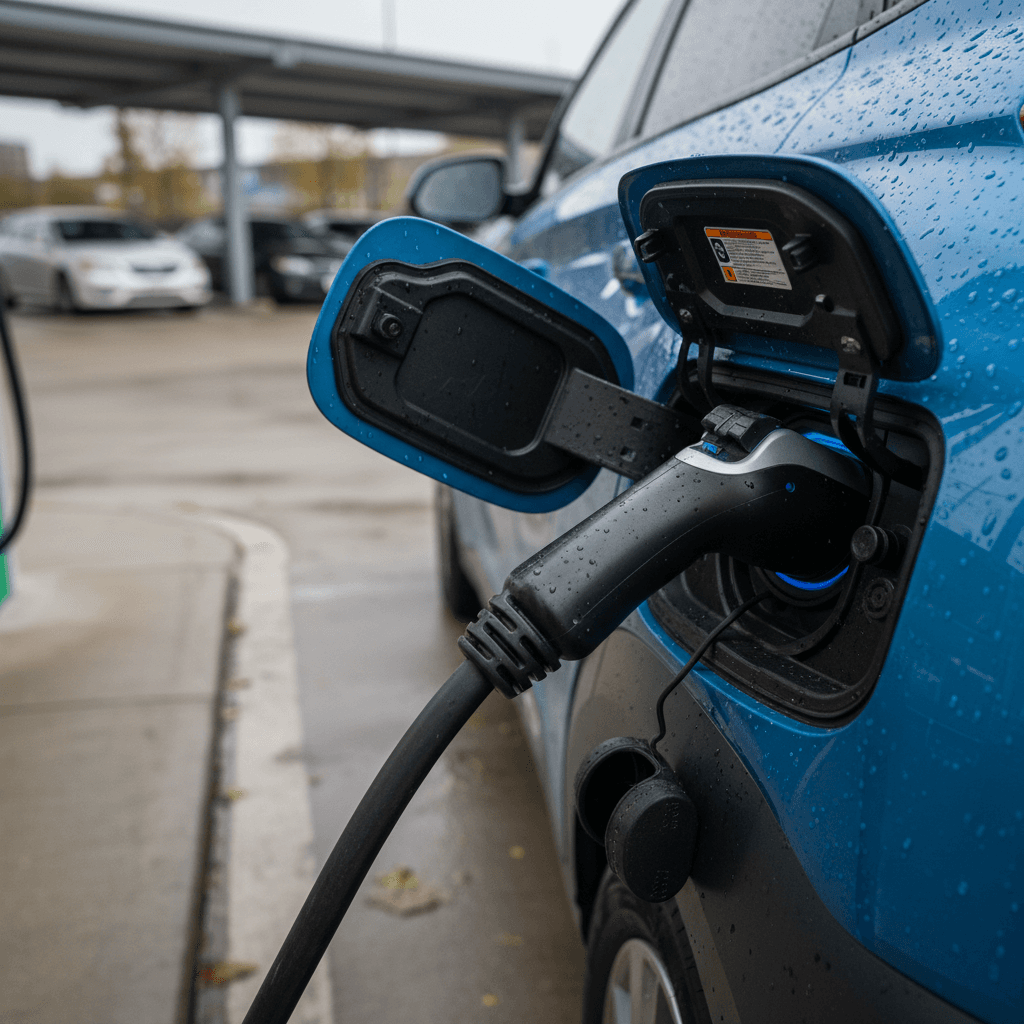
Road‑trip charging playbook for Kona Electric drivers
1. Plan chargers around 10–20% arrival
Use apps like PlugShare or your preferred network’s app to target stops when you’ll arrive under 25% state of charge. That’s where the Kona charges strongest.
2. Favor reliable networks, not just big numbers
A steady 70 kW on a reliable 100 kW station beats a flaky 350 kW unit any day. Read recent station check‑ins before you commit.
3. Stop more often, charge less each time
Two 25‑minute boosts (10–70%) usually get you farther, faster, than one hour‑long session to 95% followed by slow tapering.
4. Watch the weather
In winter, expect slower charging and shorter range. Consider one extra planned stop and don’t arrive at chargers with single‑digit range unless you know the station is healthy.
5. Use cabin pre‑conditioning
Pre‑heat or pre‑cool the cabin while still plugged in so that initial miles after a fast‑charge don’t get chewed up by HVAC load.
Charging speed vs. battery health on a used Kona Electric
Fast charging doesn’t automatically ruin a Kona Electric battery, but like all EVs, it’s harder on the pack than slow, cool home charging. When you’re shopping used, how a previous owner charged the car can matter almost as much as how far they drove it.
How charging habits affect Kona battery health
- Lots of DC fast charging: Slightly faster degradation over many years, especially if the car frequently sat at 100% afterwards.
- Gentle AC charging: Mostly overnight Level 1 or Level 2 charging to 80–90% is the friendliest pattern for long‑term health.
- High average state of charge: Leaving the car at 100% for days is harder on the pack than cycling between, say, 20–80%.
What to look for on a used Kona Electric
- Consistent real‑world range: Compare the seller’s daily range to original estimates. Meaningful drop‑offs can hint at degradation.
- Charging behavior: If possible, observe a Level 2 charging session. Very low power at reasonable SoC can indicate either settings or a battery/charger concern.
- Professional battery report: A diagnostic like the Recharged Score battery‑health check gives a clearer picture than dash bars alone.
Watch for chronic fast‑charge dependence
Should you buy a used Kona Electric if you fast-charge a lot?
If your life involves frequent highway drives and you know you’ll be leaning on DC fast charging more than the average commuter, the Kona Electric can still work, you just need to be honest about your expectations.
- If your trips are 200–250 miles apart, a long‑range Kona Electric with a single fast‑charge stop in the middle is comfortable and predictable.
- If you’re routinely doing 300–400‑mile days, plan on multiple shorter DC stops and accept that you’ll spend a bit more time plugged in than owners of 800‑volt, big‑battery SUVs.
- If you almost never charge at home or work, consider whether a larger‑battery EV or one with a much faster DC curve might better match your lifestyle, and compare total cost of ownership, not just sticker price.
How Recharged can help you choose
Hyundai Kona Electric charging FAQ
Frequently asked questions about Kona Electric charging speeds
The Hyundai Kona Electric isn’t the fastest‑charging EV on the market, but it doesn’t have to be. Its real magic trick is squeezing serious miles out of every kilowatt‑hour, which means that a modest‑sized home charger and sensible DC fast‑charging strategy are more than enough to keep it moving. If you’re exploring a used Kona Electric, pairing this charging‑speed knowledge with a solid battery‑health check, like the Recharged Score Report on every car at Recharged, turns a spec sheet into a confident, real‑world decision.