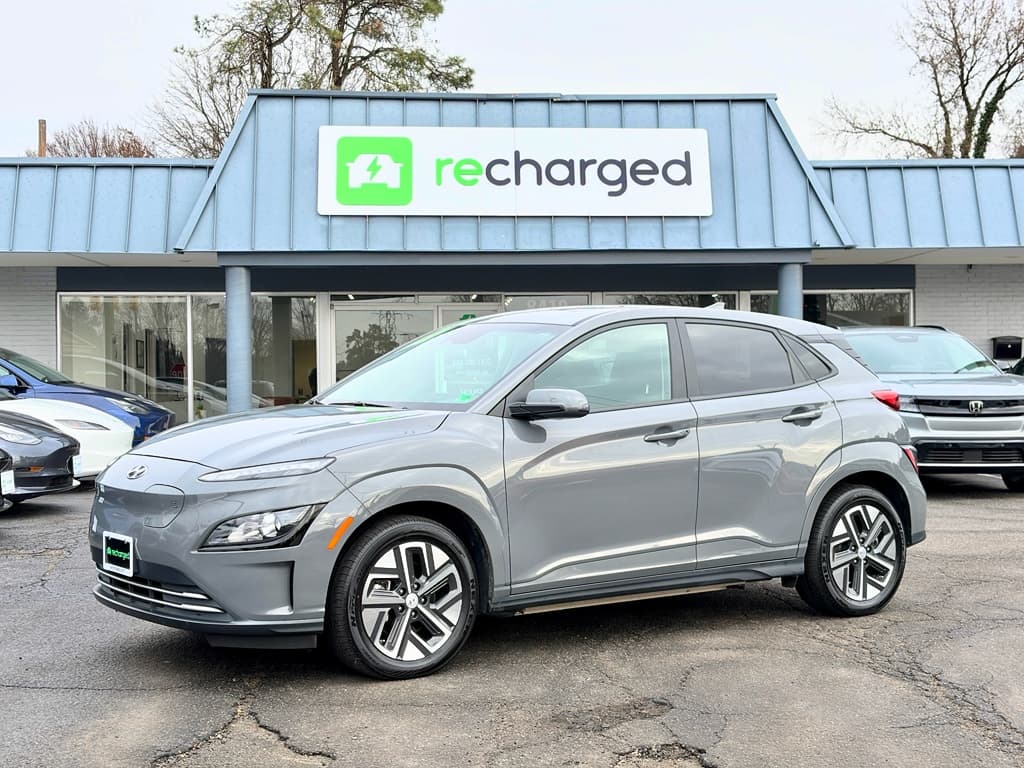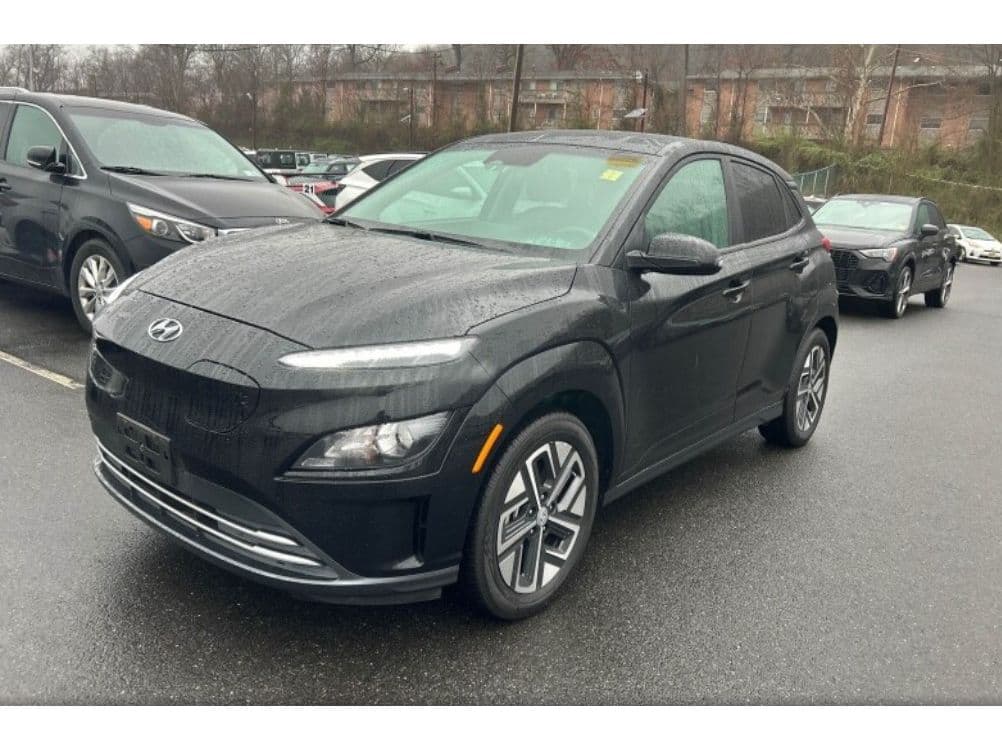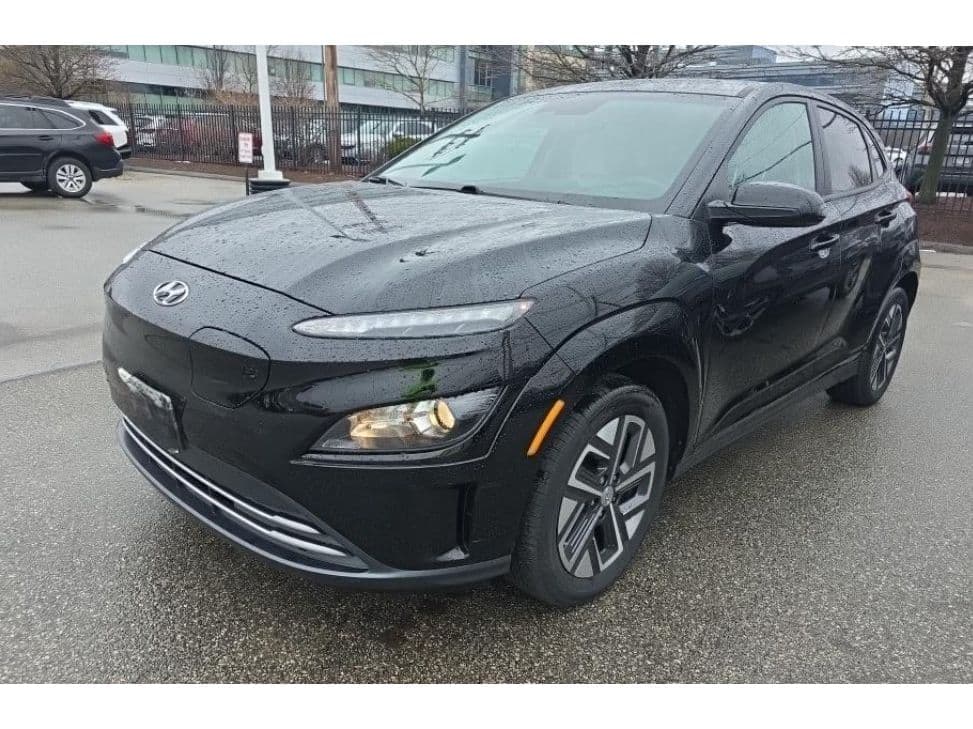
If you’re considering a Hyundai Kona Electric, or already own one, the high‑voltage battery warranty is the single most important part of the paperwork. The battery pack is the most expensive component in the car, so understanding what the Hyundai Kona Electric battery warranty covers, how long it lasts, and where the fine print hides can make the difference between years of confident driving and anxious guesswork.
At a glance
Hyundai Kona Electric battery warranty: quick overview
Kona Electric battery warranty in plain numbers
- New Vehicle Limited Warranty – typically 5 years/60,000 miles, covering most non‑wear items.
- Powertrain or EV System Warranty – usually 10 years/100,000 miles on key electric drivetrain components.
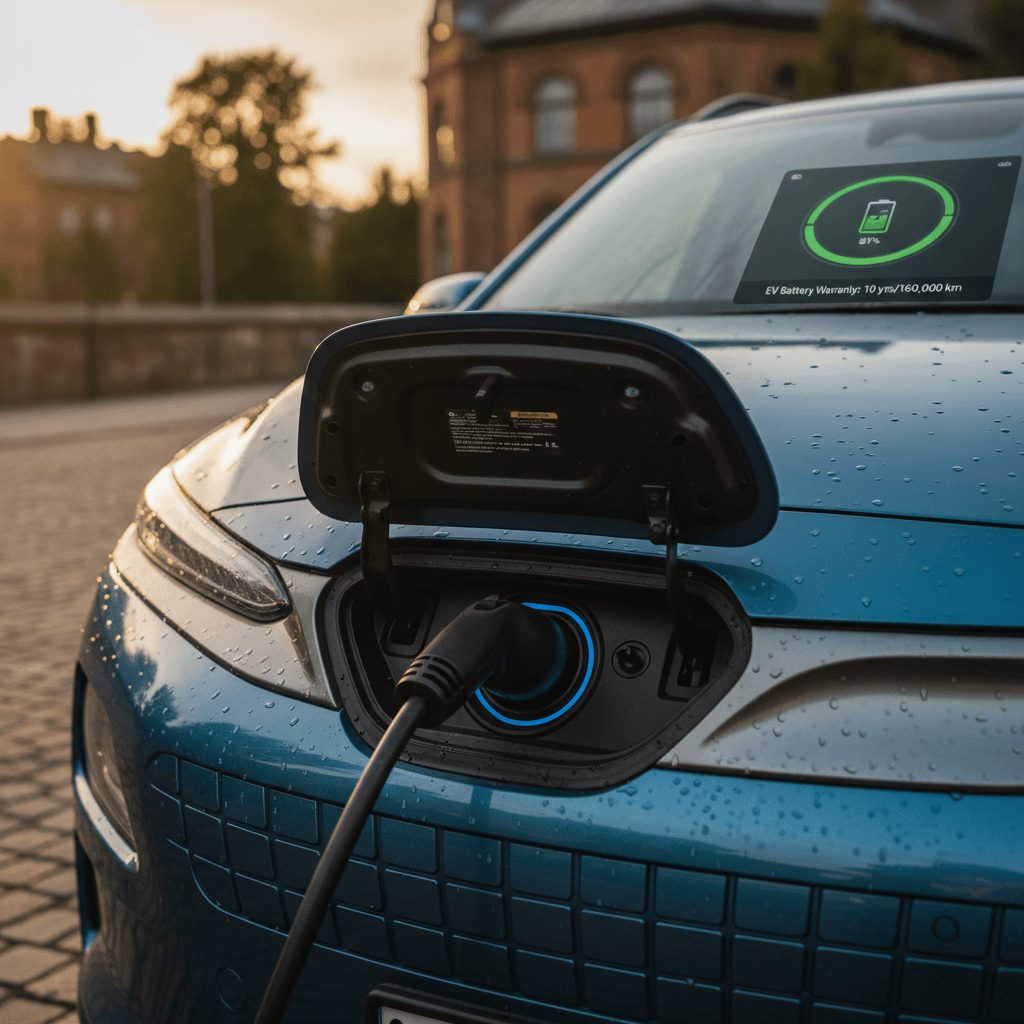
- High‑Voltage Battery Warranty – the part we care about here: coverage for manufacturing defects (and, in practice, severe capacity loss) in the main traction battery.
How long the Kona Electric battery warranty lasts
Kona Electric warranty basics (U.S. market, typical)
Exact coverage can vary with model year and region, but this table reflects the common structure for recent U.S. Hyundai Kona Electric models.
| Coverage type | What it protects | Typical term (years/miles) | Notes |
|---|---|---|---|
| New Vehicle Limited Warranty | Most non‑wear components | 5 years / 60,000 miles | Bumper‑to‑bumper style coverage, excluding items like tires and brakes. |
| Powertrain / EV System Warranty | Motor, reduction gear, EV control units | 10 years / 100,000 miles | Covers core electric drive components against defects. |
| High‑Voltage Battery Warranty | Traction battery pack | 10 years / 100,000 miles | Covers battery defects; early marketing sometimes referenced lifetime coverage for first owners on some 2019 cars. |
| 12‑Volt Battery | Auxiliary battery (if equipped) | Shorter term (often 3 years/36,000 miles) | Treated more like a wear/consumable item, not part of HV battery warranty. |
Always confirm details for your specific VIN with a Hyundai dealer or in the electronic warranty booklet.
For most U.S. buyers, the headline is simple: your Kona Electric’s high‑voltage battery is covered for 10 years or 100,000 miles from the original in‑service date, whichever comes first. That in‑service date is when the first owner took delivery, not when you bought the car used. Hyundai has, at times, marketed some early Kona Electric models with a lifetime battery warranty for the original owner in the U.S. and Canada. If you’re eyeing a 2019 car, it’s worth double‑checking the original warranty booklet or asking a Hyundai dealer to run the VIN so you know whether that specific vehicle carried enhanced or lifetime language.
Watch the fine print on “lifetime”
What the Hyundai Kona Electric battery warranty actually covers
Core protections in the Kona Electric battery warranty
Here’s what Hyundai is really promising when it comes to your high‑voltage pack.
Defects in materials or workmanship
The foundation of the warranty is simple: if the battery pack or its internal modules were built incorrectly or contain defective components, Hyundai will repair or replace the affected parts.
This includes issues such as internal cell defects or manufacturing problems that cause error codes, safety shutdowns, or dramatic loss of usable capacity.
Repair or full pack replacement
If a covered defect shows up during the warranty period, Hyundai’s remedy is to repair the affected components or replace the battery pack with a new or remanufactured unit.
In practice, many serious battery issues on Kona Electric models have resulted in full pack replacements, especially when tied to recall campaigns.
Capacity below acceptable threshold
Hyundai’s global EV battery warranties typically guarantee the pack will retain at least around 70% of its original capacity during the warranty term.
If your Kona Electric’s range drops far below normal for its age and mileage, and testing confirms abnormal degradation, the battery warranty can come into play.
In everyday terms, the battery warranty is there to protect you from outlier failures, not from every mile of wear‑and‑tear. If your Kona Electric suddenly starts throwing high‑voltage battery warnings, refuses to fast‑charge, or loses half its range in a year, that’s the kind of event the warranty is designed to address. If you’re driving a 2019–2020 Kona Electric, there’s an extra layer: Hyundai issued a major recall campaign for certain battery packs built with defective cells. Many owners saw their entire packs replaced under recall or warranty, which, in effect, reset the clock on real‑world battery health even if the calendar didn’t change.
What the Kona Electric battery warranty does NOT cover
Don’t count on the warranty for abuse or neglect
- Normal, gradual battery capacity loss over time that still stays above Hyundai’s minimum threshold (typically around 70% of original capacity during the warranty).
- Damage from accidents, collisions, flooding, or other external impacts, even if the high‑voltage battery is involved.
- Damage stemming from improper towing, jacking, or lifting that affects the battery pack.
- Problems caused by non‑Hyundai modifications to the high‑voltage system, including aftermarket battery heaters, unauthorized tuning, or homebrew fast‑charging setups.
- Issues linked to using improper charging equipment, such as incompatible or damaged DC fast chargers, or repeated use of severely out‑of‑spec power sources.
- Cosmetic concerns, minor noises, or non‑safety‑critical quirks that don’t indicate a real defect in battery materials or workmanship.
Hyundai’s warranty documents include long lists of conditions, but the spirit is pretty straightforward: if you treat the car reasonably and use approved charging equipment, you’re likely covered for genuine defects. If you’ve been running experimental charging hardware, driving through deep water, or skipping every recommended check, expect awkward conversations at the service counter.
Battery degradation and capacity guarantees explained
Every lithium‑ion battery loses capacity as it ages. The real question for a Kona Electric owner is: when does “normal aging” become a warranty problem? Hyundai doesn’t always shout the exact number from its TV ads, but internal documentation and independent research point to a capacity guarantee of around 70% of the original usable capacity by the end of the warranty period.
Normal degradation
Normal Kona Electric battery aging looks something like this:
- A modest range drop in the first couple of years (often 5–10%).
- Slow, gradual capacity loss after that, with most cars still well above 70% capacity at 8–10 years if well cared for.
- Seasonal swings in range, especially in cold climates, that disappear when temperatures warm up.
If your range loss feels incremental and lines up with age, mileage, and climate, Hyundai will typically call it normal wear.
Abnormal degradation
Warranty territory starts when the pack behaves like an outlier:
- Range drops dramatically over a short window without a clear explanation.
- Fast charging speed plunges and doesn’t recover in warm weather.
- Dealer battery diagnostics show capacity below Hyundai’s minimum threshold (again, typically around 70%).
In those cases, Hyundai may authorize repairs or even a full pack replacement under the battery warranty.
A practical way to track capacity
Model years, lifetime warranty talk, and battery recalls
If you’ve spent more than five minutes on an EV forum, you’ve probably seen three recurring Kona Electric themes: lifetime battery warranties, battery recalls, and whether a replacement pack “resets” your coverage. Here’s how those threads line up with reality.
What changes by Kona Electric model year?
Not all Kona EVs were sold under identical battery warranty marketing.
2019–2020: early cars & recall era
Early North American Kona Electric models (2019–2020) were sometimes marketed with a lifetime battery warranty for the original owner, and later became the focus of a major battery recall campaign targeting certain LG‑built cells.
Many owners ultimately received full pack replacements, handled as recall repairs rather than standard warranty claims.
2021–2023: standard 10‑year / 100,000‑mile
Later first‑generation cars generally settled into Hyundai’s now‑familiar EV structure: 10 years or 100,000 miles on the high‑voltage battery, plus matching coverage on core EV system components.
Marketing language is clearer, but the basic promise, defects and excessive degradation are covered, remains similar.
2024+ redesigned Kona Electric
The second‑generation Kona Electric keeps the long battery warranty playbook but with updated packaging and tech. For U.S. buyers, you’re typically still looking at a 10‑year/100,000‑mile high‑voltage battery warranty.
Software, chemistry, and thermal‑management tweaks are all aimed at better long‑term durability, not shorter promises.
Does a recall replacement reset your warranty?
How the Kona Electric battery warranty works if you buy used
This is where a lot of shoppers get nervous, and where Recharged spends much of its time helping buyers cut through the static. The good news: Hyundai’s high‑voltage battery warranty on the Kona Electric is tied to the car, not just the first owner, with the exception of those early lifetime‑warranty marketing offers that were strictly original‑owner perks.
Used Kona Electric? 5 battery‑warranty checks you should always do
1. Verify the in‑service date
Ask the seller, or any Hyundai dealer, to pull the car’s in‑service date from its records. Subtract that from today and you’ll know exactly how many of the original 10 years are left.
2. Confirm current mileage
Because the battery warranty is <strong>years or miles, whichever comes first</strong>, a high‑mileage commuter Kona may age out of coverage sooner than a lightly used one.
3. Ask about recall history
For 2019–2020 cars, confirm whether the battery recall work was completed and whether the pack was replaced. A recall‑replaced pack with documented work can be a plus, not a minus.
4. Get a written warranty status printout
A Hyundai dealer can print a <strong>warranty status report</strong> by VIN showing which coverages remain and when they expire. It’s the cleanest way to avoid misunderstandings.
5. Look for independent battery health data
When you shop on Recharged, every Kona Electric comes with a <strong>Recharged Score battery health report</strong>, so you’re not guessing about degradation. You see how that pack is actually performing today.
Why used Kona Electrics can be smart buys
Ready to find your next EV?
Browse VehiclesHow to protect your Kona Electric battery and its warranty
You can’t change the calendar, but you can influence how hard your Kona’s battery has to work between now and the end of its warranty (and long after). Treat the pack well, and you’re less likely to need that safety net at all.
Real‑world habits that help your Kona Electric battery age gracefully
Simple routines can make a big difference in long‑term capacity.
Charge smart, not just fast
- Use Level 2 home charging for most top‑ups.
- Reserve DC fast charging for road trips, not everyday errands.
- Avoid habitually charging from 0% to 100% in one shot unless needed for a long drive.
Be kind in extreme temperatures
- In very hot weather, avoid parking at 100% charge in direct sun for long periods.
- In very cold weather, pre‑condition the cabin while plugged in when possible.
- If you live in a harsh climate, expect a bit more seasonal range swing, but that’s not automatically a warranty issue.
Stay inside the lines
- Use approved charging equipment and outlets installed to code.
- Keep up with Hyundai’s recommended inspections, even on an EV.
- If a warning light pops up, don’t ignore it, document it and get a dealer to check it while you’re under warranty.
Document everything
Hyundai Kona Electric battery warranty: FAQ
Common questions about the Kona Electric battery warranty
Bottom line: making Hyundai’s Kona Electric battery warranty work for you
The Hyundai Kona Electric battery warranty is one of the strongest tools you have to tame the biggest unknown in EV ownership: long‑term battery life. For most U.S. cars, you’re looking at 10 years or 100,000 miles of protection against manufacturing defects and serious, abnormal capacity loss, coverage that often extends well into a vehicle’s second or third owner.
To make that promise work in your favor, you need three things: a clear understanding of what’s actually covered, proof of how the battery has aged so far, and a realistic sense of how many years and miles of coverage remain. That’s exactly the lens Recharged uses when we evaluate used Kona Electrics, pairing Recharged Score battery health reports with transparent pricing, EV‑specialist guidance, and financing and delivery options that make stepping into an electric crossover feel less like a gamble and more like a well‑informed decision.
Whether you buy from a Hyundai dealer, a private party, or through Recharged, go into your Kona Electric search armed with the details of its battery warranty and the story its pack is telling today. Do that, and the Kona’s long warranty stops being a vague marketing line and becomes what it was meant to be: real peace of mind for real‑world EV driving.