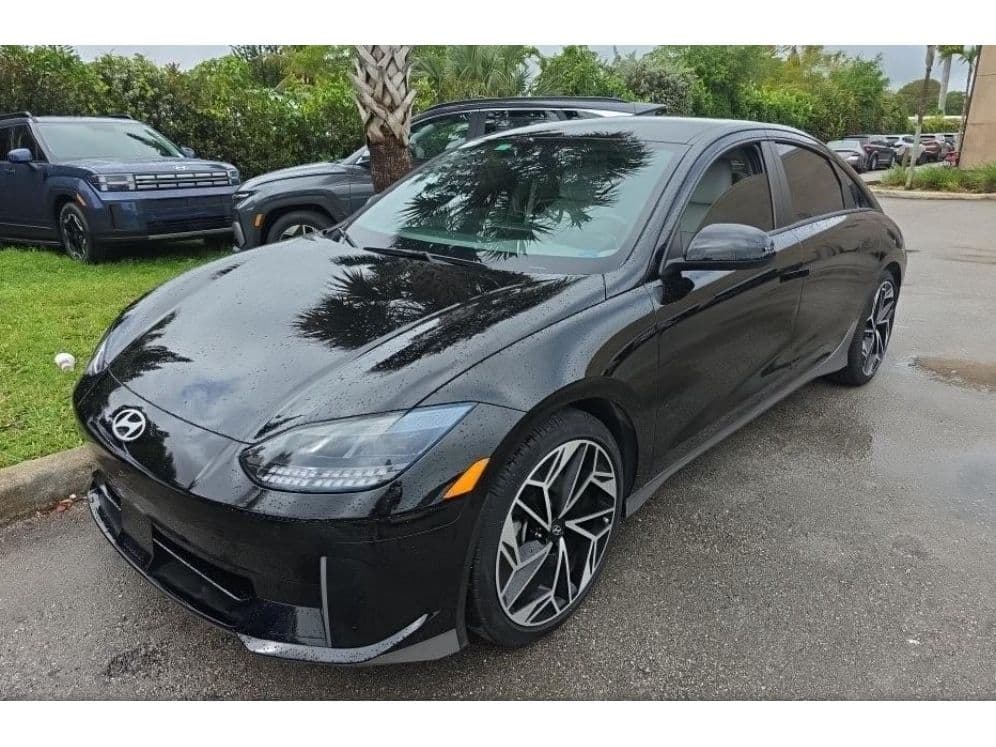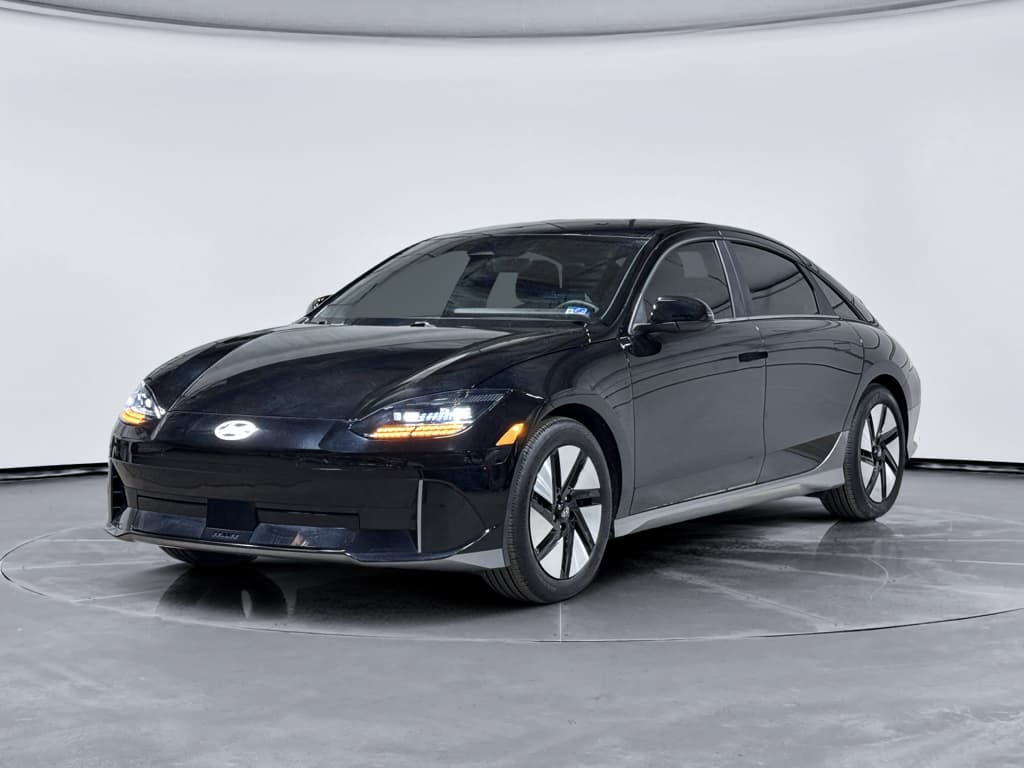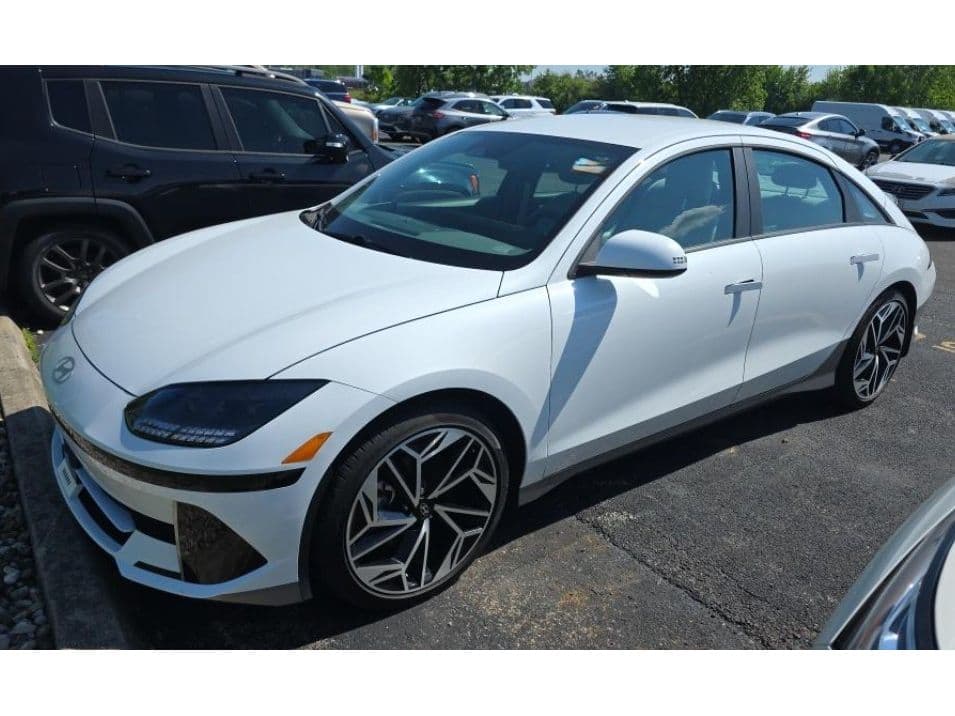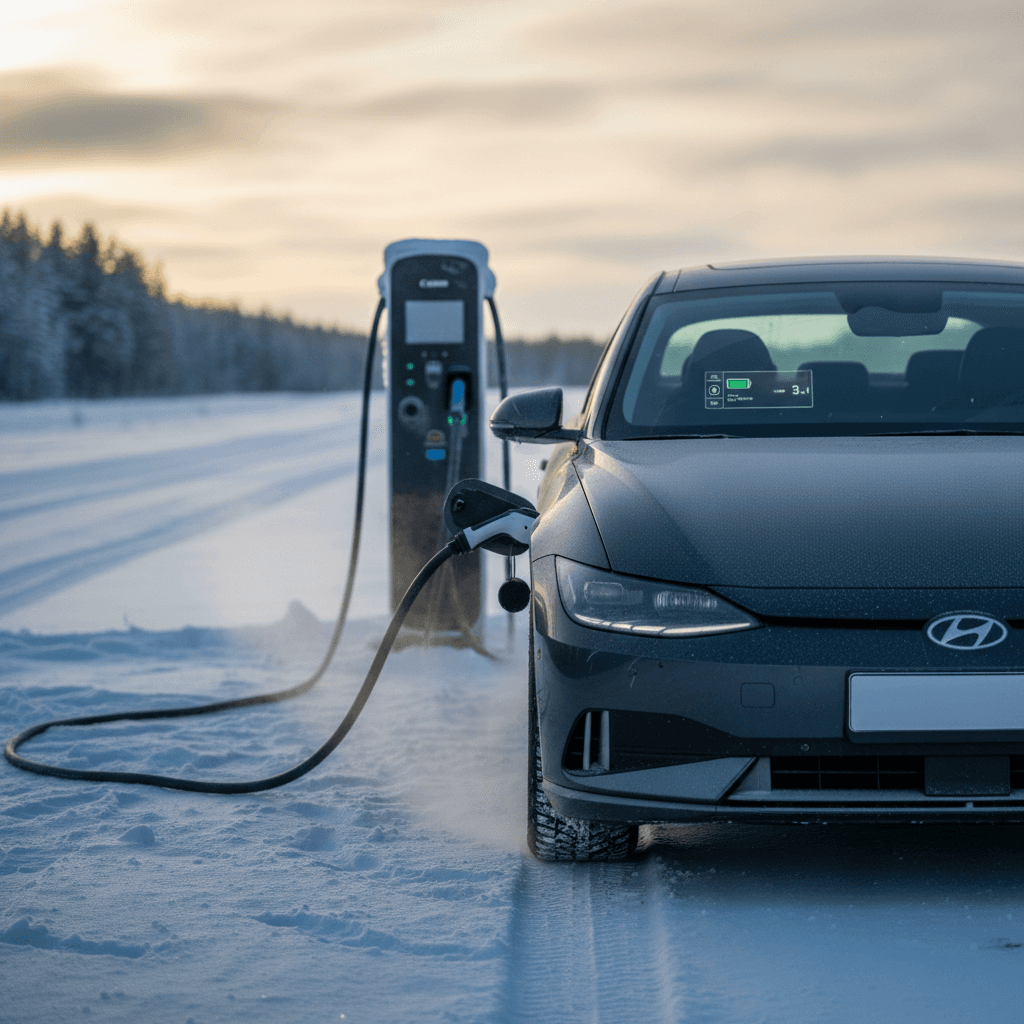
If you live somewhere with real winters, you don’t care what the sticker says, you care how far your Hyundai Ioniq 6 will actually go on a frigid Tuesday night. The headline: most drivers see a Hyundai Ioniq 6 winter range loss percentage in the 20–35% range in typical cold weather, with more extreme dips in deep-freeze conditions or at high speeds. Let’s dig into what that really looks like day to day and how to keep it under control.
Cold-weather reality check
Hyundai Ioniq 6 range basics before winter hits
Before you talk percentages, you need a baseline. The long-range Hyundai Ioniq 6 with the 77.4 kWh battery and rear-wheel drive is rated up to around 361 miles EPA in the U.S., depending on wheel size. In Europe, the same basic setup on 18-inch wheels carries a WLTP rating of about 614 km (381 miles). That’s your warm-weather, mixed-driving starting point on paper, not your January commute number.
- Standard-range battery (around 53 kWh) models carry shorter rated range and will feel winter losses sooner.
- All-wheel-drive versions trade some efficiency for traction, so their baseline range is lower than rear-wheel drive even before the temperature drops.
- Bigger wheels and aggressive winter tires add rolling resistance and cost you miles compared with smaller, low-rolling-resistance tires.
Think in usable miles, not brochure miles
Typical Hyundai Ioniq 6 winter range loss percentage
Across modern EVs, good independent testing finds that most cars retain roughly 75–85% of their rated range in freezing weather, with heat-pump-equipped models on the high side of that band. The Ioniq 6 uses Hyundai’s latest, very efficient heat-pump and drivetrain tech, and real owners tend to land right in that sweet spot, better than some rivals that fall into the 35–40% loss territory.
Hyundai Ioniq 6 winter range: quick percentage guide
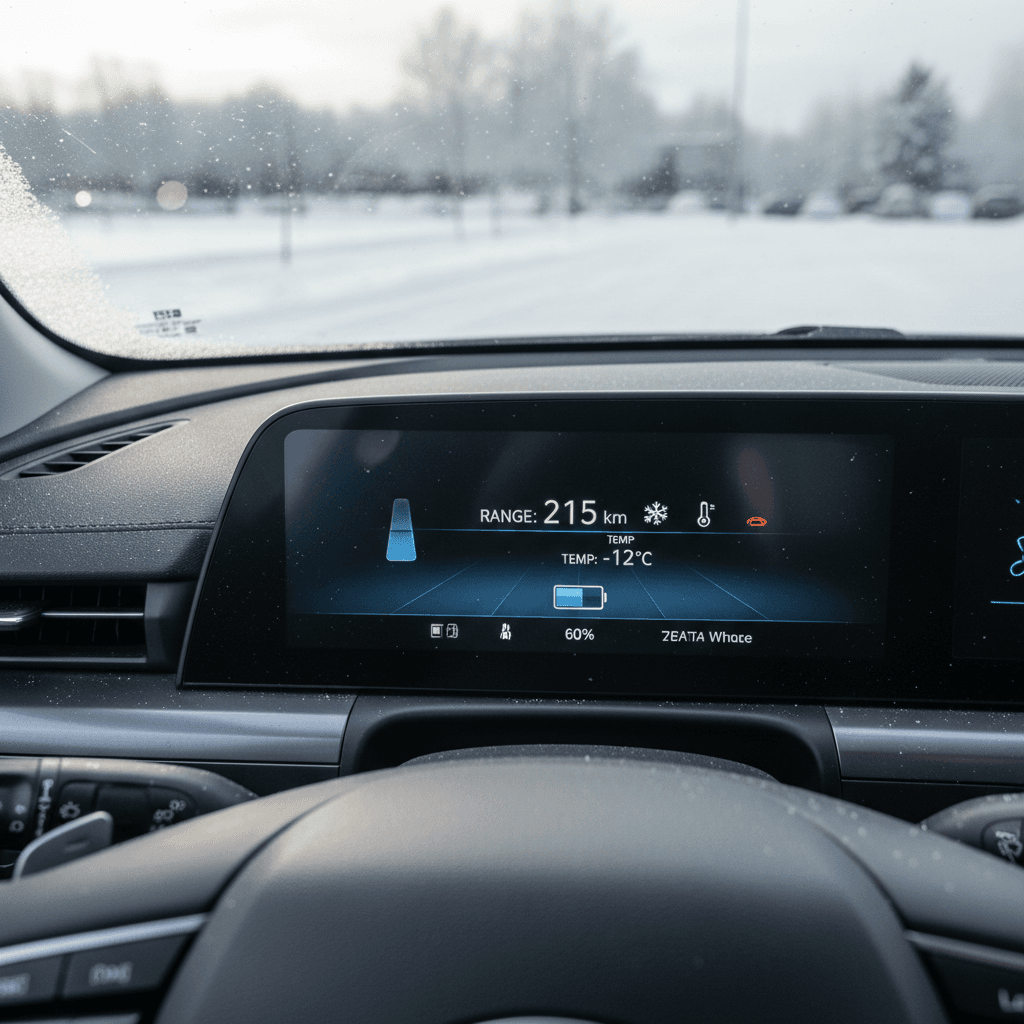
Put a pin in that middle band: for most Hyundai Ioniq 6 drivers in normal cold-weather use, a 25–35% winter range loss is a realistic planning assumption. If you’re in a mild climate or drive gently at lower speeds, you may sit closer to 15–25%. If you’re hammering down an icy interstate at 75 mph in a blizzard, expect more.
Real-world Ioniq 6 winter range examples
Numbers on a chart are one thing; it’s more useful to translate winter range loss percentages into what you’ll actually see on the dash. Here are a few simplified, realistic scenarios for a long-range (77.4 kWh) Ioniq 6:
Sample Hyundai Ioniq 6 winter range scenarios
Illustrative examples to help you visualize what 20–35% winter range loss looks like in everyday driving.
| Scenario | Weather & Speed | Approx. Loss | Warm-Weather Working Range* | Typical Winter Working Range* |
|---|---|---|---|---|
| Daily commute – mixed city/highway | 35°F, speeds 30–65 mph | ~20% | ~225 miles | ~180 miles |
| Suburban errands & short trips | 28°F, mostly 30–45 mph, lots of stops | 25–30% | ~200 miles | ~140–150 miles |
| Highway road trip | 20°F, steady 70–75 mph | 30–35% | ~230 miles | ~150–160 miles |
| Arctic blast | 5°F and below, mixed, frequent cold starts | 35–40% | ~210 miles | ~125–135 miles |
These figures are simplified estimates, not guarantees. Your actual range will vary with speed, terrain, payload, tires, and climate settings.
Short trips hurt more than you think
Why the Ioniq 6 loses range in cold weather
The Ioniq 6 is slippery and efficient, but it still obeys the same laws of physics as every other EV in winter. Understanding what’s happening under the floor helps you separate normal behavior from a real problem.
Four main culprits behind winter range loss
All four show up in the Hyundai Ioniq 6, some more than others, depending on how and where you drive.
Cold battery chemistry
At low temperatures, the lithium-ion cells in the Ioniq 6 can’t move ions as efficiently. Internal resistance rises, so you get less usable energy out of the same pack until it warms up. That shows up as fewer miles per kWh and slower fast-charging.
Cabin and battery heating
Unlike a gas car, there’s no free waste heat. The Ioniq 6 uses electric heaters and an efficient heat pump to warm the cabin and condition the battery. It’s comfortable, but that warmth is coming straight out of your battery.
Thicker air and headwinds
Cold air is denser. At 70 mph, your sleek Ioniq 6 is pushing through noticeably more resistance than it does in spring. Add winter headwinds and your aero advantage shrinks, especially at highway speeds.
Roads, tires, and rolling resistance
Snow, slush, cold pavement, and aggressive winter tires all increase rolling resistance. That’s great for grip and safety, but it’s another quiet drain on your winter range.
Heat pump helps, but isn’t magic
How driving style and speed change your winter range
Once the temperature falls, your right foot matters even more. The Ioniq 6 is one of the slipperiest sedans on sale, which means you’re rewarded when you let the aerodynamics do their work. Mash the throttle, sit in the left lane, or tailgate, and you’ll watch the winter range loss percentage creep up.
Speed: the silent range killer
- Above ~65 mph, aero drag climbs quickly. In winter’s dense air, the penalty is even steeper.
- Going from 65 to 75 mph can easily cost you another 10–15% of your usable winter range.
- On a 77.4 kWh Ioniq 6, that might be the difference between a comfortable 170-mile winter stretch and a nervous 145-mile one.
Driving style and traffic
- Smooth acceleration and early lifting for regen let the Ioniq 6’s efficiency electronics shine.
- Stop‑and‑go traffic in the cold hurts range less than you’d expect if the car and cabin are already warm, your average speed is low and aero losses are modest.
- Sudden bursts of power on a cold battery use disproportionately more energy than they do once everything’s warmed through.
Use Eco mode strategically
How to minimize winter range loss in your Ioniq 6
You can’t bargain with Mother Nature, but you can absolutely stack the deck in your favor. A few simple habits can trim your Hyundai Ioniq 6 winter range loss percentage by a meaningful amount, especially on days when you’re asking a lot from the battery.
Winter range optimization checklist
1. Precondition while plugged in
Use the Ioniq 6’s app or in‑car scheduling to preheat the cabin and battery while you’re still on shore power. That means the battery hits the road warm and full instead of spending the first 20 minutes burning its own energy just to get comfortable.
2. Lean on seat and steering wheel heaters
Heated seats and wheel sip energy compared with blasting hot air. Setting the climate a few degrees lower and relying more on surfaces that touch you is one of the simplest ways to save kWh in winter.
3. Check tire pressures regularly
Cold weather drops tire pressure, sometimes dramatically. Underinflated tires can cost you 5–10% range. Bump your pressures back to the door‑jamb spec (or slightly higher within safe limits) when temperatures swing.
4. Use Eco or Normal instead of Sport
Sport mode is fun, but it also encourages the kind of sudden accelerations that waste energy on a cold pack. In winter, think of Sport as your occasional treat, not your default.
5. Combine short errands
Stringing your errands together into one longer outing lets the battery and cabin stay warm, which is much more efficient than repeatedly starting from stone‑cold throughout the day.
6. Precondition before DC fast charging
If your Ioniq 6 supports battery preconditioning for fast charging on your route, use it. A warm battery not only charges faster but also tends to deliver better on‑road efficiency right after the stop.
Don’t ignore software updates or warnings
Planning trips around winter range loss
Once you’ve seen how your Ioniq 6 behaves through a couple of cold snaps, planning gets much easier. The anxiety usually comes from guessing. The goal is to bake a conservative winter range loss percentage into your planning so you arrive with a cushion instead of clenched teeth.
Suggested buffers for winter trip planning
How conservatively to plan, based on your climate and route type.
| Climate & Route | Winter Loss Band | Suggested Planning Buffer | Example |
|---|---|---|---|
| Cool, above freezing, mostly city | 15–20% | Plan using 75–80% of your mild‑weather range | Assume ~175–185 miles usable instead of ~220–230. |
| Typical freezing winters, mixed driving | 25–30% | Plan using 65–70% of mild‑weather range | Assume ~150–165 miles usable. |
| Very cold, highway‑heavy driving | 30–35% | Plan using 60–65% of mild‑weather range | Assume ~135–150 miles usable. |
| Deep freeze, remote stretches | 35–40%+ | Plan using 55–60% of mild‑weather range | Assume ~120–135 miles usable and more frequent stops. |
These buffers assume a healthy battery and a long‑range Ioniq 6. If you’re towing, heavily loaded, or running on aggressive snow tires, add extra margin.
Let the nav shoulder the math
Used Hyundai Ioniq 6 winter checklist
If you’re shopping the used market, winter performance isn’t just an abstract concern, it’s the difference between a car you love and a car you resent every February. The Ioniq 6’s battery chemistry has been aging well so far, but individual history matters a lot. This is exactly where a structured health check pays for itself.
Four winter questions to ask about a used Ioniq 6
These checks help separate a healthy, efficient car from one that might disappoint you when temperatures tumble.
1. How’s the battery health?
Ask for documented battery health information, not just a range guess on the dash. At Recharged, every vehicle includes a Recharged Score Report that shows verified battery health so you’re not guessing how much capacity you’re starting winter with.
2. Does it have a heat pump?
Trims and regional specs differ. An Ioniq 6 equipped with a heat pump will generally lose a smaller percentage of range in the cold than one that relies primarily on resistive heat. Confirm the exact equipment on the car you’re considering.
3. Any recalls or software updates?
Ask whether all campaigns and updates have been done, especially if there were complaints tied to sudden range changes. A well‑maintained car is far more predictable in winter.
4. How and where was it driven?
A car that spent its life doing long highway commutes in a mild climate may behave differently in your snowy, short‑trip world. If possible, test‑drive in similar conditions or at least at similar speeds to your daily routine.
Leaning on Recharged for a winter‑ready Ioniq 6
Hyundai Ioniq 6 winter range loss FAQ
Frequently asked questions about Ioniq 6 winter range
Bottom line: Winter range and the Hyundai Ioniq 6
Winter doesn’t turn the Hyundai Ioniq 6 into a different car, it just shrinks the margins. Plan on a 25–35% winter range loss percentage in typical cold‑climate use, understand how your specific routes and speeds tweak that number, and use preconditioning plus a few smart habits to claw some of it back. Do that, and the Ioniq 6 stays what it is the rest of the year: a smooth, efficient electric sedan with range that’s genuinely easy to live with.
If you’re considering a used Ioniq 6, winter is exactly the moment when battery health, trim choice, and charging access either shine or fall short. Recharged was built for that crossroads: from verified Recharged Score battery diagnostics to expert EV support, financing, trade‑in options, and nationwide delivery, you can line up the right car for your climate instead of hoping those brochure numbers will somehow survive January. That’s how you turn cold‑weather range from a worry into just another part of the drive.