If you live in Virginia Beach and you’re shopping for an electric vehicle, you’ve probably heard a mess of half‑true statements about “the EV tax credit.” Some of those were accurate in early 2025; many are wrong now. The landscape for EV rebates in Virginia Beach changed dramatically after September 30, 2025, but there are still real savings on the table if you know where to look, and how to time your purchase.
Why this year feels different
Overview: EV rebates in Virginia Beach in 2026
Quick snapshot: EV incentives relevant to Virginia Beach in 2026
Let’s sort the incentives into three buckets you can actually plan around as a Virginia Beach driver in 2026:
- Federal incentives – the big new and used EV tax credits largely ended for vehicles acquired after September 30, 2025, but the home charger credit lives on into mid‑2026.
- State & local policies – Virginia offers no direct state rebate at the moment, but it does shape registration fees and taxes; various city‑level perks (like preferred parking) come and go.
- Utility & private programs – Dominion Energy’s EV Charger Rewards program and Off‑Peak Plan can be worth more than most people realize when you run the math over a few years.
Federal EV tax credits: what changed after 2025
From January 2023 through September 30, 2025, the headline act was the federal Clean Vehicle Credit, up to $7,500 off a qualifying new EV and up to $4,000 off a qualifying used EV. That play is essentially over for vehicles acquired after September 30, 2025. The IRS guidance now makes two points crystal clear:
- The New Clean Vehicle Credit and Previously‑Owned Clean Vehicle Credit are not available for vehicles acquired after September 30, 2025.
- You can still claim the credit for an eligible EV you ordered or bought on or before September 30, 2025, even if you took delivery later, as long as the contract and payment happened by that date.
Don’t confuse leases with purchases
If you did snag a qualifying EV before the deadline and you’re just now figuring out the paperwork, you typically claim the credit on your federal tax return for the year the car was placed in service, using IRS Form 8936. The credit is non‑refundable, which means it can reduce what you owe to zero but can’t turn a zero‑tax situation into a cash refund.
Federal credit for home EV chargers through mid‑2026
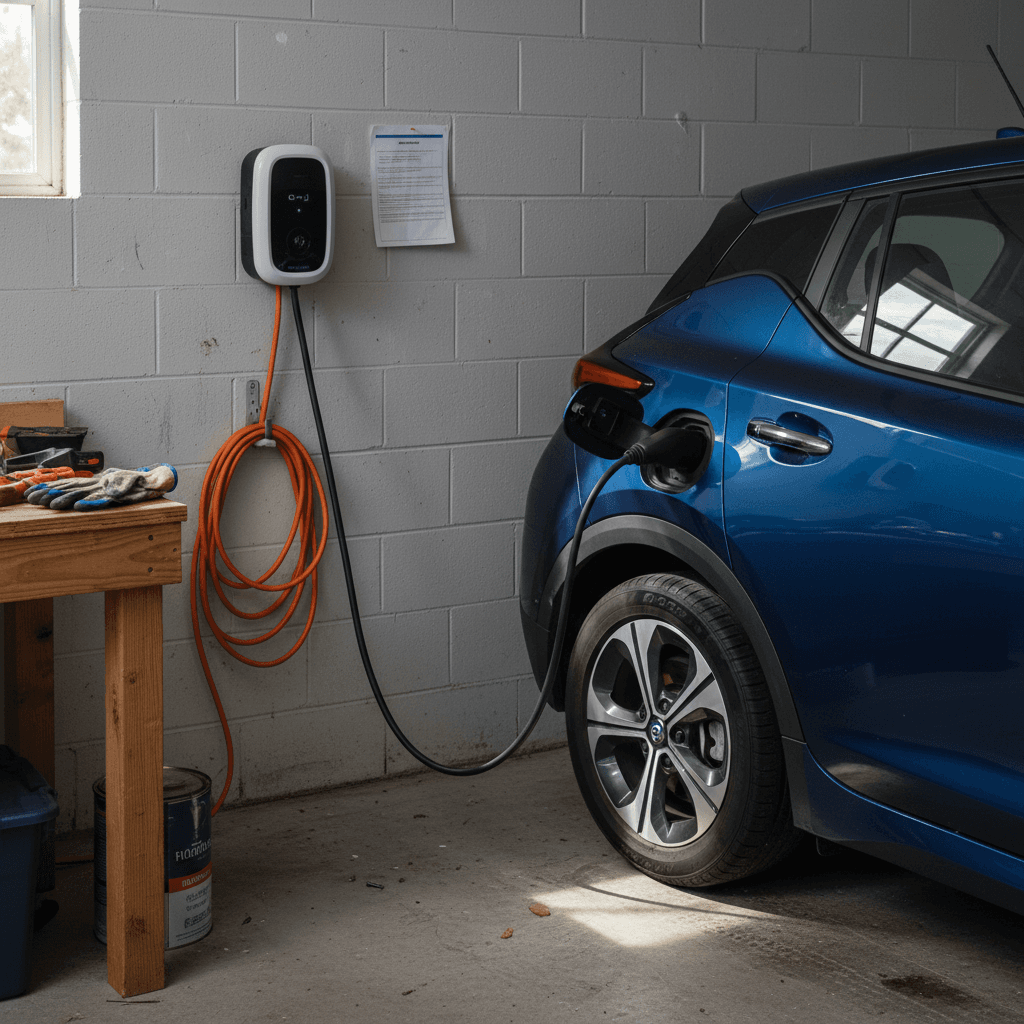
Here’s the sleeper deal a lot of Virginia Beach homeowners are missing: while the vehicle purchase credits fade, the federal tax credit for home charging equipment is still alive. The Alternative Fuel Vehicle Refueling Property Credit lets you claim up to 30% of the cost of qualifying EV charging hardware and installation, subject to a dollar cap, if it’s placed in service at your home before July 1, 2026.
- Covers qualifying Level 2 home chargers and associated installation costs (wiring, panel work, permits).
- Applies to the year you place the charger in service, not the year you ordered it.
- Claimed on your federal tax return; in prior years it was filed on Form 8911 or via the clean‑energy credits sections, your tax pro or software will walk you through it.
- You must have a tax liability large enough to use the credit; like the EV purchase credit, it’s generally non‑refundable.
Smart sequence for maximum savings
State of Virginia EV incentives
Virginia has flirted with various EV incentives over the years, rebates, grants, and high‑occupancy‑vehicle (HOV) perks, but as of early 2026 there is no active, statewide point‑of‑sale cash rebate for buying an EV in Virginia Beach. What you get instead is a patchwork of policies that affect the total cost of ownership rather than handing you a check at the dealership.
How Virginia policy affects EV ownership costs
Not all support looks like a rebate line item, some of it shows up quietly on your annual balance sheet.
Registration & fees
Virginia has periodically debated EV‑specific registration surcharges to backfill gas‑tax revenue. As of 2026, you should always check the latest DMV fee schedule, but for most Virginia Beach drivers the extra cost is modest compared with what you save on fuel and maintenance.
HOV, parking & local perks
Some Virginia localities and private garages offer preferred parking or reduced rates for EVs or vehicles while charging. These incentives change frequently and tend to be small, but they can make day‑to‑day ownership nicer, especially around Town Center and the Oceanfront.
Watch for local pilots
Dominion Energy programs for Virginia Beach drivers
Where Virginia Beach EV owners really find ongoing value is on their electric bill. If Dominion Energy is your utility, and it is for most of the region, you have two major levers: EV Charger Rewards and the Off‑Peak Plan. Together, they can quietly pay you back for going electric.
Dominion programs that matter for EV owners
Key details for Virginia Beach households charging at home.
| Program | What it does | Typical value | Key fine print |
|---|---|---|---|
| EV Charger Rewards | Pays you to let Dominion remotely manage charging on an eligible Level 2 smart charger during peak demand events. | $125 one‑time enrollment incentive + $40 per year as long as you stay enrolled. | Must be a Dominion Virginia residential customer in a single‑family home with a qualifying internet‑connected Level 2 charger; not compatible with the Off‑Peak Plan time‑of‑use rate. |
| Off‑Peak Plan (TOU rate) | Shifts your cost per kWh based on time of day, making overnight charging much cheaper than afternoon/evening charging. | If you do most charging from midnight to 5 a.m., your effective cost per mile can drop dramatically vs. standard rates. | Requires a smart meter; you can’t combine this with EV Charger Rewards. Works best if your household can consistently avoid running large loads during on‑peak hours. |
Program terms and prices can change; always confirm current details with Dominion before you enroll.
Why a smart Level 2 charger pays for itself
Stacking savings with used EVs and smart financing
With new‑EV purchase credits mostly gone, the value horizon has shifted toward used EVs. That’s where platforms like Recharged come in: instead of chasing a shrinking federal carrot, you focus on buying the right car at the right price and using local incentives and financing to smooth the rest.
1. Start with a fairly priced used EV
A used EV with verified battery health will often undercut a new EV by five figures. On Recharged, every vehicle includes a Recharged Score Report with objective battery diagnostics and fair‑market pricing, so you’re not guessing about degradation or overpaying for range you’ll never use.
In the real world, avoiding a bad battery pack is worth far more than a one‑time rebate.
2. Layer in financing & utility perks
Once you know the car is right, you can:
- Use Recharged financing to spread the cost over time, often with competitive rates compared with traditional dealers.
- Install a smart Level 2 charger while the federal refueling property credit still applies and enroll in Dominion’s EV Charger Rewards.
- Consider the Off‑Peak Plan if you can’t or don’t want to participate in Charger Rewards but can shift most charging to late‑night hours.
Checklist: A practical savings stack for a Virginia Beach EV buyer
1. Decide on new vs. used with clear eyes
Ignore the ghost of the $7,500 credit and compare total cost of ownership. A well‑priced used EV with solid battery health can beat a new EV even without federal help.
2. Check your home charging situation
Do you have off‑street parking and access to a panel that can support a 240V circuit? If yes, plan a Level 2 charger install while the federal credit is live.
3. Choose your Dominion strategy
If you already own or will buy a supported smart charger, EV Charger Rewards is easy money. If you’re more schedule‑driven, Off‑Peak Plan may save more over time.
4. Use expert help on financing
With Recharged, you can get pre‑qualified for financing online, compare payment options, and understand how your monthly energy savings offset the car payment.
5. Factor in insurance and maintenance
EVs often cost less to maintain but can be pricier to insure. Get quotes up front so you’re not blindsided, and compare them to what you spend now on fuel and service.
How to actually claim your EV rebates
Talking about “rebates” in the abstract is one thing. Actually getting money back, or lowering your bill, is another. Here’s how Virginia Beach drivers typically claim each kind of incentive.
Where and how you claim each kind of EV incentive
Use this as a filing roadmap once you’ve bought the car or installed the charger.
| Incentive type | Who you deal with | How you claim it | When it hits your wallet |
|---|---|---|---|
| Federal EV purchase credit (legacy) | IRS / your tax preparer | Form 8936 as part of your federal return for the year the car was placed in service (only if you acquired the car on or before Sept. 30, 2025). | Reduces your federal income tax bill for that year; you see the benefit at tax time. |
| Federal home charger credit | IRS / your tax preparer | Claim the Alternative Fuel Vehicle Refueling Property Credit for qualifying hardware and installation placed in service before July 1, 2026. | Shows up as reduced federal tax in the year the charger goes live. |
| Dominion EV Charger Rewards | Dominion Energy | Apply online after buying and registering an eligible smart Level 2 charger; upload documentation as requested. | $125 enrollment incentive after approval, then $40 credits on your power bill for each year you stay enrolled. |
| Dominion Off‑Peak Plan | Dominion Energy | Opt in through your Dominion online account if you have a smart meter and meet eligibility rules. | Saves you money gradually through lower overnight kWh rates, especially if you schedule most charging between midnight and 5 a.m. |
Tax forms evolve; always verify details with the IRS and your tax professional before filing.
Keep a simple incentives folder
Common pitfalls for Virginia Beach EV buyers
The post‑2025 incentive landscape is, frankly, booby‑trapped. Here are the mistakes we see over and over from well‑intentioned buyers in Hampton Roads.
- Counting on a federal purchase credit that no longer exists. If the vehicle was acquired after September 30, 2025, the new and used clean vehicle credits are gone. No amount of dealer optimism will resurrect them.
- Overlooking the charger credit. Many buyers obsess about the car and then pay full freight for a rushed, last‑minute charger install. In 2026, the charger is where the federal help still lives.
- Ignoring utility programs. Treating your power bill as a fixed cost is a mistake. If you’re charging an EV at home without either EV Charger Rewards or a time‑of‑use plan, you’re leaving money on the table.
- Buying the wrong used EV. A bargain with a tired battery is not a bargain. That’s precisely why Recharged bakes a battery‑health report into every vehicle listing, so you’re not trading a federal rebate you can’t get for a range problem you definitely can.
The “phantom rebate” red flag
FAQ: EV rebates in Virginia Beach
Frequently asked questions about EV rebates in Virginia Beach
Bottom line: Making EV rebates in Virginia Beach work for you
The 30‑second summary? The age of the giant, universal federal EV rebate is over, at least under today’s rules. In Virginia Beach in 2026, the smart money is on right‑sized used EVs, verified battery health, and thoughtful charging setup, not chasing a credit that expired on September 30, 2025.
That doesn’t mean you’re out of options. The federal home‑charger credit still runs into mid‑2026. Dominion’s EV Charger Rewards and Off‑Peak Plan quietly tilt the math in your favor every month. And platforms like Recharged help you start from a better place: a used EV with transparent pricing, a clear picture of battery health, optional financing, and even trade‑in or consignment support if you’re coming out of a gas car.
If you’re serious about going electric in Virginia Beach, treat rebates as the gravy, not the main course. Focus on the fundamentals, battery, price, charging, and then use the remaining incentives to sharpen the deal. That’s how you end up with an EV that feels like you beat the system, rather than one that depends on a tax line that vanished last year.