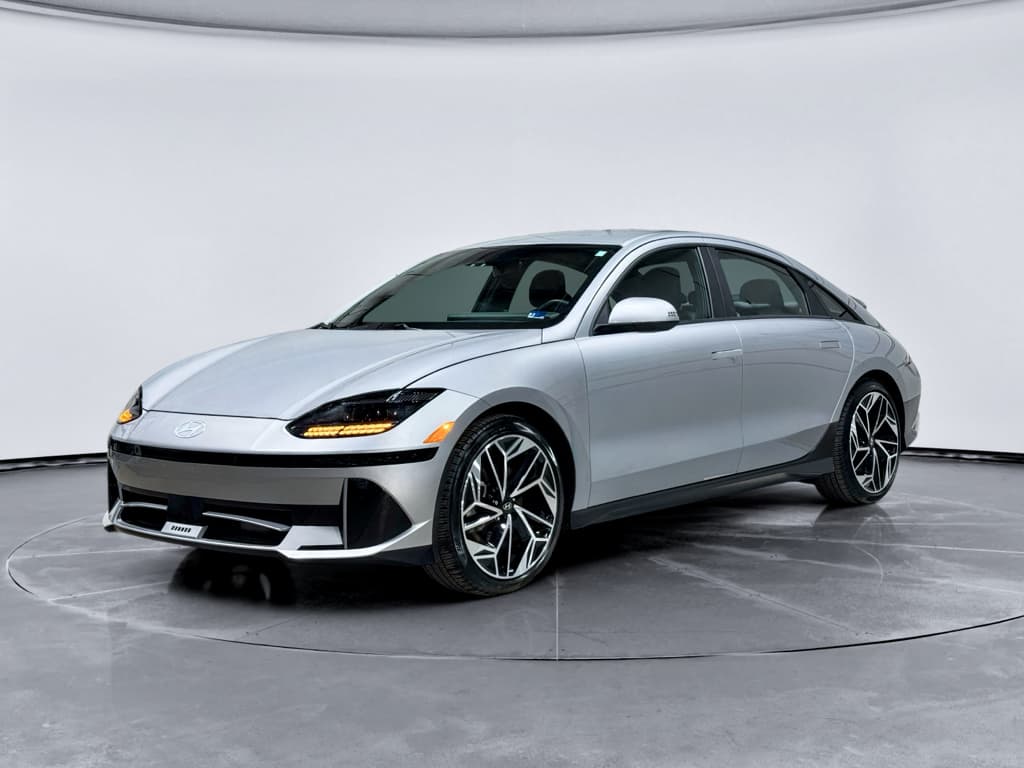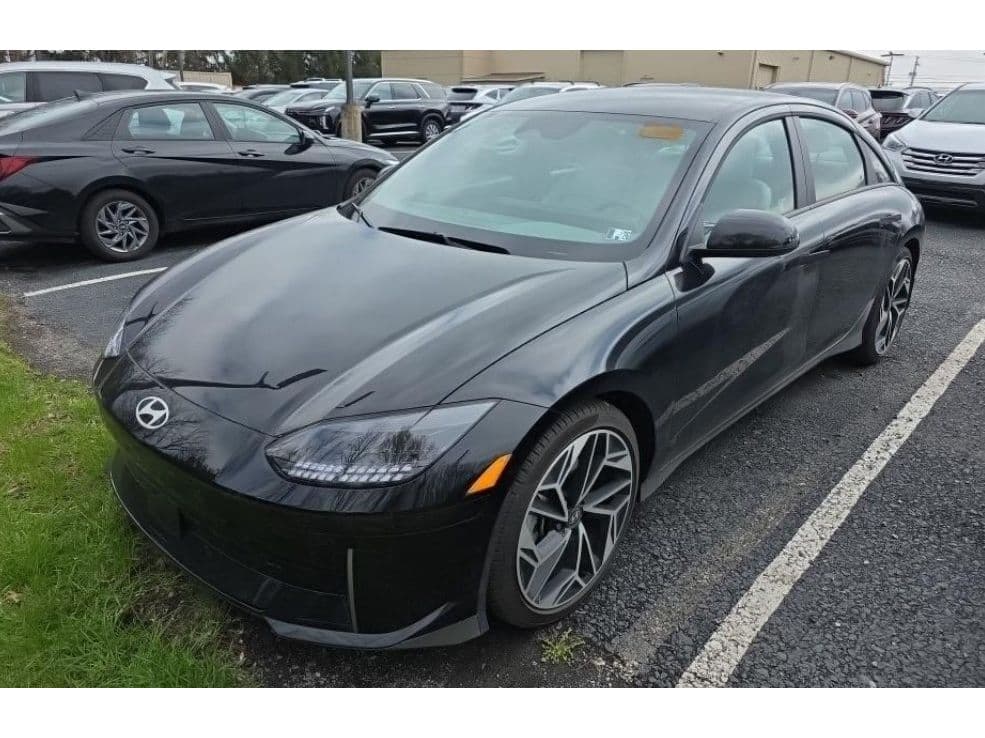
If you’re driving a Hyundai IONIQ 6 and thinking about your next move in 2026, you’re probably asking a simple question with a complicated answer: what’s my IONIQ 6 trade‑in value in 2026? Between big EV incentives, fast‑moving tech, and nervous dealers, offers can feel all over the map. This guide breaks down where values actually sit, what affects your specific car, and how to avoid leaving thousands on the table when you trade or sell.
Why IONIQ 6 values feel confusing in 2026
Hyundai IONIQ 6 trade‑in value in 2026: big picture
IONIQ 6 value trends heading into 2026
The Hyundai IONIQ 6 came to market as a tech‑forward, 800‑volt EV with strong efficiency, but it also got caught in the first big wave of EV price corrections. New‑car discounts and heavy lease incentives pushed effective transaction prices down, which in turn pulled used values down faster than many owners expected. The good news is that by 2026, values are stabilizing: depreciation is still real, but it’s more predictable, and you can position your car to land at the top of the range rather than the bottom.
How much is my Hyundai IONIQ 6 worth right now?
Let’s set expectations with a rough, scenario‑based view. These are directional ranges for U.S. trade‑in offers in early 2026, assuming clean condition and typical options. Your actual number will depend on region, color, exact trim, miles, and how hungry a dealer is for used EVs.
Typical 2026 Hyundai IONIQ 6 value ranges (U.S. trade‑in)
Approximate dealer trade‑in ranges for common IONIQ 6 configurations in early 2026, based on national pricing data and real‑world listings. These are estimates, not offers.
| Model year & trim | Approx. mileage (2026) | Likely trade‑in range | Likely retail / private‑party range |
|---|---|---|---|
| 2023 SE Standard Range RWD | 25,000–35,000 mi | $19,000–$23,000 | $22,000–$26,000 |
| 2023 SEL RWD | 25,000–35,000 mi | $21,000–$25,000 | $24,000–$29,000 |
| 2023 Limited AWD | 25,000–35,000 mi | $23,000–$27,000 | $27,000–$32,000 |
| 2024 SEL RWD | 15,000–25,000 mi | $23,000–$27,000 | $27,000–$32,000 |
| 2024 Limited AWD | 15,000–25,000 mi | $25,000–$30,000 | $30,000–$35,000 |
| 2025 SEL RWD (early 2025 build) | 10,000–15,000 mi | $26,000–$31,000 | $31,000–$36,000 |
Use this as a sanity check before you walk into a dealership, then get a vehicle‑specific number from a live appraisal or a Recharged offer.
Treat these as lanes, not laser‑precise numbers
What actually drives Hyundai IONIQ 6 trade‑in value
6 levers that move your IONIQ 6 trade‑in price
Understanding these levers makes it easier to negotiate, or to decide not to trade at all.
1. Model year & trim
2. Mileage & usage pattern
3. Battery health & fast‑charging history
4. Original incentives & MSRP
5. Condition, tires & cosmetics
6. Local EV demand & inventory
Real‑world 2026 value examples by year, trim, and miles
To make this concrete, it helps to think in simple buckets: year, trim, and mileage. Here’s how typical 2026 trade‑in value for a Hyundai IONIQ 6 tends to move across those three knobs.
- 2023 vs. 2024: For similar trims and miles, 2024 models often pull $1,000–$2,000 more in trade than a 2023, simply because they sit one step newer on a dealer’s lot and in online filters.
- SE vs. SEL vs. Limited: Lower‑content SE Standard Range cars lag SELs by roughly $1,500–$3,000, while Limited trims with more equipment typically add another $1,500–$2,500 over SEL values.
- RWD vs. AWD: AWD is attractive in snow states and for performance‑minded buyers, but it also costs more to run and insure. In many markets, it adds a modest premium; in warm‑weather regions it might not move the needle much at all.
- Mileage bands matter: Dropping from ~35,000 miles to ~20,000 miles can be worth a few thousand dollars on a 2023–2024 car. Crossing big psychological thresholds, like 30k, 50k, or 75k miles, often triggers step‑down pricing in dealer software.
Use a real listing search as a reality check
How dealers calculate IONIQ 6 trade‑in offers
The software view
Most franchise dealers start with pricing tools that blend auction data, prior appraisals, and national guides. For an IONIQ 6, those tools will estimate what the car is worth at wholesale based on year, trim, miles, zip code, and recent EV transaction data.
That wholesale number is really what they think they can get at auction or via another dealer. Your first trade‑in quote is usually that figure minus a cushion for reconditioning, transport, and market risk.
The human (and risk) layer
Then the appraiser adds judgment: How fast do I think this IONIQ 6 will sell on our lot? Do we already have too many EVs aging in inventory? Are new IONIQ 6s or rivals being heavily discounted this month?
If the answers are negative, they’ll pad in a risk discount. If they have a waiting list of EV shoppers or a strong CPO program, they may be willing to get closer to retail value. This is why two dealers, in the same week, can be thousands of dollars apart on the same car.
Watch for the over‑allowance shell game
7 ways to boost your Hyundai IONIQ 6 trade‑in value
Practical steps before you ask for offers
1. Get ahead of obvious reconditioning
Fix easy, high‑impact items, curbed wheels, a cracked windshield, worn wipers, minor paint touch‑ups, before you show the car. Dealers deduct more for these items than they actually cost to repair.
2. Put on fresh, matching tires if they’re shot
Tires are a big line item in dealer appraisals. If your tread is borderline or mismatched, installing a reasonable, matching set can bump offers and widen your buyer pool. Avoid overspending on ultra‑premium rubber you won’t get paid back for.
3. Gather service history and charging habits
Print or download your Hyundai service records and any <strong>DC fast‑charging history</strong> or range data you can show. A clean record, no battery or high‑voltage system concerns, helps buyers and appraisers trust that the pack still has a long life ahead.
4. Get a battery‑health report (Recharged Score)
Battery uncertainty is the number one fear point for used‑EV buyers. A third‑party battery health diagnostic like the <strong>Recharged Score report</strong> converts that unknown into a simple, verified metric, which can justify stronger offers.
5. Detail the car properly
A professional or high‑effort DIY detail, interior steam clean, exterior polish, decontamination, pays dividends. Appraisers are human. A car that looks and smells like it’s been cared for routinely gets graded a condition level higher.
6. Get multiple, written offers
Don’t stop at one dealer. Collect offers from at least two franchise dealers, a national online buyer, and a specialist like Recharged. Even if you plan to trade, having other numbers in hand gives you leverage.
7. Separate the sell from the buy
If you can, treat selling your IONIQ 6 and buying your next car as two distinct moves. That might mean selling to Recharged or another buyer first, then shopping for your replacement with cash or pre‑approved financing.
Trade‑in at a dealer vs. selling through Recharged
You’ve got three broad paths in 2026: traditional dealer trade‑in, selling your Hyundai IONIQ 6 privately, or using a specialist marketplace like Recharged that’s built for used EVs. Each comes with different numbers and different hassle levels.
Which path makes sense for your IONIQ 6?
It comes down to how much time you’re willing to trade for how much money.
Franchise dealer trade‑in
- Pros: Fast, convenient, one‑stop transaction. Good if you’re deeply underwater on a loan and need everything rolled together.
- Cons: You’re selling at or near wholesale. EV‑shy dealers may lowball aggressively or refuse to bid at all on an IONIQ 6.
Private‑party sale
- Pros: Highest potential price if you find the right buyer and can prove battery health.
- Cons: Time‑consuming, lots of no‑shows and tire‑kickers, and you’re handling paperwork, payoff, and safety concerns yourself.
Selling with Recharged
- Pros: Built for used EVs. Recharged verifies battery health with a Recharged Score, markets nationwide, and can offer instant purchase or consignment.
- Cons: As with any marketplace, your final number depends on how your specific car scores and how it’s priced relative to the market.
Many IONIQ 6 owners end up netting more than a typical dealer trade while still avoiding the full grind of a private sale.
Where Recharged fits in your decision
Ready to find your next EV?
Browse VehiclesTiming the market: when to sell your IONIQ 6
EV values move faster than traditional gas cars because incentives, technology, and charging infrastructure change quickly. The IONIQ 6 is no exception. You can’t predict every twist, but you can use a few patterns to your advantage.
- Years 2–3 are often the “sweet spot.” The steepest part of the depreciation curve is usually in year 1–2, especially if Hyundai is discounting new cars. By years 2–3, your car has already taken that hit but still looks fresh and has relatively low miles, an ideal time to sell or trade.
- Avoid major new‑model announcements when you can. Big refreshes or price cuts on new EVs tend to drag used values down in the short term. If you know a heavily updated IONIQ 6 or direct rival is coming, it can make sense to move a few months earlier.
- Watch interest‑rate and incentive moves. When rates fall or new‑EV incentives spike, payments on new cars drop, and used‑car buyers expect similar monthly payments. That can put downward pressure on the trade‑in value of your IONIQ 6.
- Seasonality still matters. In snowy states, AWD IONIQ 6s are easier to sell heading into winter; in sunbelt markets, demand tends to be more stable, but tax‑refund season often brings more buyers into the market.
Use your payoff as a hard anchor
Why IONIQ 6 battery health matters more than you think
With any used EV, the single most important, and most misunderstood, component is the battery. The IONIQ 6 benefits from Hyundai’s long 10‑year/100,000‑mile high‑voltage battery warranty, which stays with the car. That’s a big comfort for second or third owners, but it doesn’t erase buyer anxiety about range loss or abuse.
- Perceived risk is already priced in. Many buyers assume worst‑case scenarios for EV batteries, even though most modern packs hold up well. That fear is a big reason IONIQ 6s (and many peers) have seen sharper early‑life depreciation.
- Hard data can reverse the discount. Showing that your IONIQ 6 still charges quickly, delivers consistent real‑world range, and hasn’t thrown battery‑related alerts can help you climb toward the top of the value range instead of the bottom.
- Third‑party diagnostics change the conversation. A Recharged Score battery‑health report gives both you and a buyer a clear, quantified view of pack health. That’s powerful when you’re asking for more than a generic book value would suggest.
- Warranty isn’t everything. A warranty can replace a failed pack, but most shoppers don’t want to deal with that headache at all. Proving that your battery is healthy today is what supports a stronger price in 2026.
How Recharged uses battery data to price IONIQ 6s
Hyundai IONIQ 6 trade‑in value 2026: FAQ
Common questions from IONIQ 6 owners in 2026
Key takeaways for Hyundai IONIQ 6 owners in 2026
The Hyundai IONIQ 6 has taken a faster depreciation hit than many owners expected, but that doesn’t mean you’re powerless in 2026. Understanding where trade‑in values actually sit, what drives them, and how your specific car looks on paper, year, trim, miles, and battery health, can easily swing offers by several thousand dollars.
If you’re on the fence about trading, start by tightening up condition, gathering records, and getting a battery‑health report. Then compare dealer appraisals with a Recharged valuation so you know whether a trade‑in, a private sale, or a Recharged‑facilitated sale makes the most economic sense. In a market this dynamic, the owners who do a little homework, and insist on transparent EV‑specific data, are the ones who come out ahead.