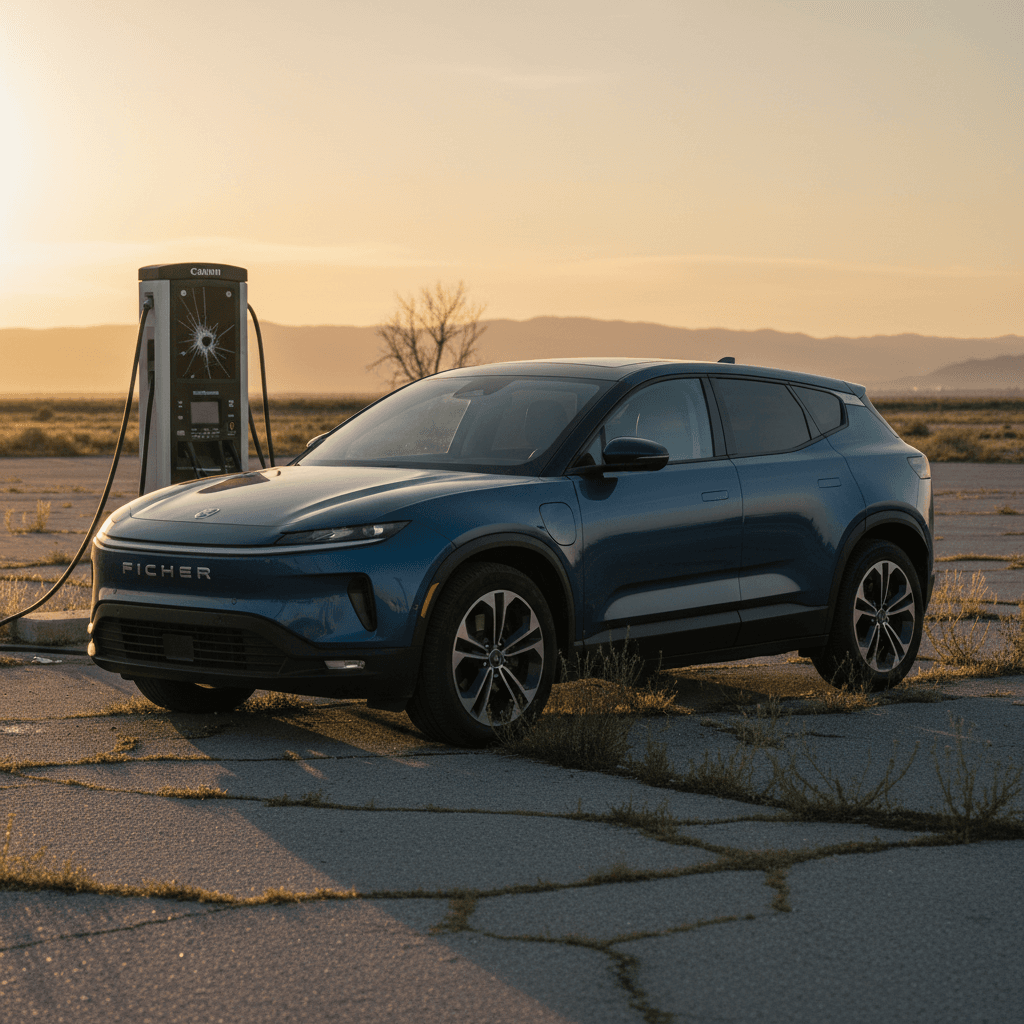
The 2024 Fisker Ocean should have been a feel‑good EV story: bold styling, impressive range on paper, and pricing that undercut the Tesla Model Y and many rival electric SUVs. Instead, Fisker’s mid‑2024 bankruptcy turned the Ocean into something else entirely, an orphan EV with strong specs, serious software flaws, and no traditional factory support. If you’re seeing bargain‑basement prices on used Oceans today, this review walks you through what’s genuinely good, what’s broken, and how much risk you’re taking on.
Important context: this is a post‑bankruptcy review
Overview: Should You Consider a Fisker Ocean Now?
What the Fisker Ocean gets right
- Strong specs on paper: competitive range, quick acceleration in dual‑motor trims.
- Roomy interior and good outward visibility for an EV SUV.
- Distinctive design: boxy, modern look that stands out next to mainstream crossovers.
- Used prices have dropped hard, making it look like a bargain next to newer rivals.
Where it falls apart
- Buggy software affecting the touchscreen, driver‑assistance systems, and basic usability.
- Jerky brake feel from the blend of regenerative and friction braking.
- No Apple CarPlay or Android Auto support, even though most EVs offer it.
- Fisker is gone: traditional dealer and manufacturer support effectively doesn’t exist.
If the Ocean came from a healthy automaker with a robust service network, this review would read very differently. As it stands, the 2024 Ocean is best viewed as a **high‑risk used EV** that might work for a very specific type of buyer, someone who understands the risks, is comfortable with limited support, and is laser‑focused on price. For everyone else, there are safer options.
2024 Fisker Ocean: Key Numbers at a Glance
Trim Levels, Pricing, and Key Specs
Fisker positioned the Ocean squarely in the heart of the EV crossover market. For 2024, U.S. buyers mostly encountered three trims, Sport, Ultra, and Extreme, each defined as much by powertrain as by equipment.
2024 Fisker Ocean Trims and Approximate New Pricing
Original price structure for the 2024 Fisker Ocean before Fisker’s collapse. Used market prices today are often far lower, but vary widely by condition and mileage.
| Trim | Drivetrain | Approx. New MSRP* | Power (est.) | Key Highlights |
|---|---|---|---|---|
| Sport | Single‑motor FWD | ≈ $41,000 | ≈ 275 hp | Entry model with large touchscreen, heated front seats, panoramic roof, power liftgate. |
| Ultra | Dual‑motor AWD | ≈ $55,000 | ≈ 540 hp | More power and range, all‑wheel drive, California Mode full‑open windows, extra driver tech. |
| Extreme | Dual‑motor AWD | ≈ $64,000 | ≈ 550 hp | Top trim with Boost performance mode, solar roof, premium audio, rotating center screen. |
Always evaluate a used Ocean on current condition, software status, and support options, not just the initial window sticker.
Pricing today is a very different story
Range, Battery, and Charging Performance
Range was the Ocean’s calling card. Fisker advertised attention‑grabbing numbers, especially on European WLTP tests, but U.S. shoppers should focus on EPA figures and real‑world behavior.
- Ocean Sport: EPA‑rated around 231 miles of range on its smaller battery pack, respectable, but not segment‑leading.
- Dual‑motor trims (Ultra/Extreme): Larger battery with significantly more real‑world range; WLTP estimates topped 400 miles, but expected EPA figures land well below that.
- Battery chemistry: higher trims use an NMC pack for energy density; the base Sport uses LFP chemistry, prioritizing durability and frequent 100% charges.
Battery chemistry matters for how you charge
Charging performance is competitive but not class‑leading. The Ocean supports DC fast charging via CCS and typical home Level 2 charging. In practice, peak DC speeds are less important here than **software stability at chargers**, several owners have reported handshake issues or inconsistent charging behavior that trace back to software bugs rather than pure hardware limits.
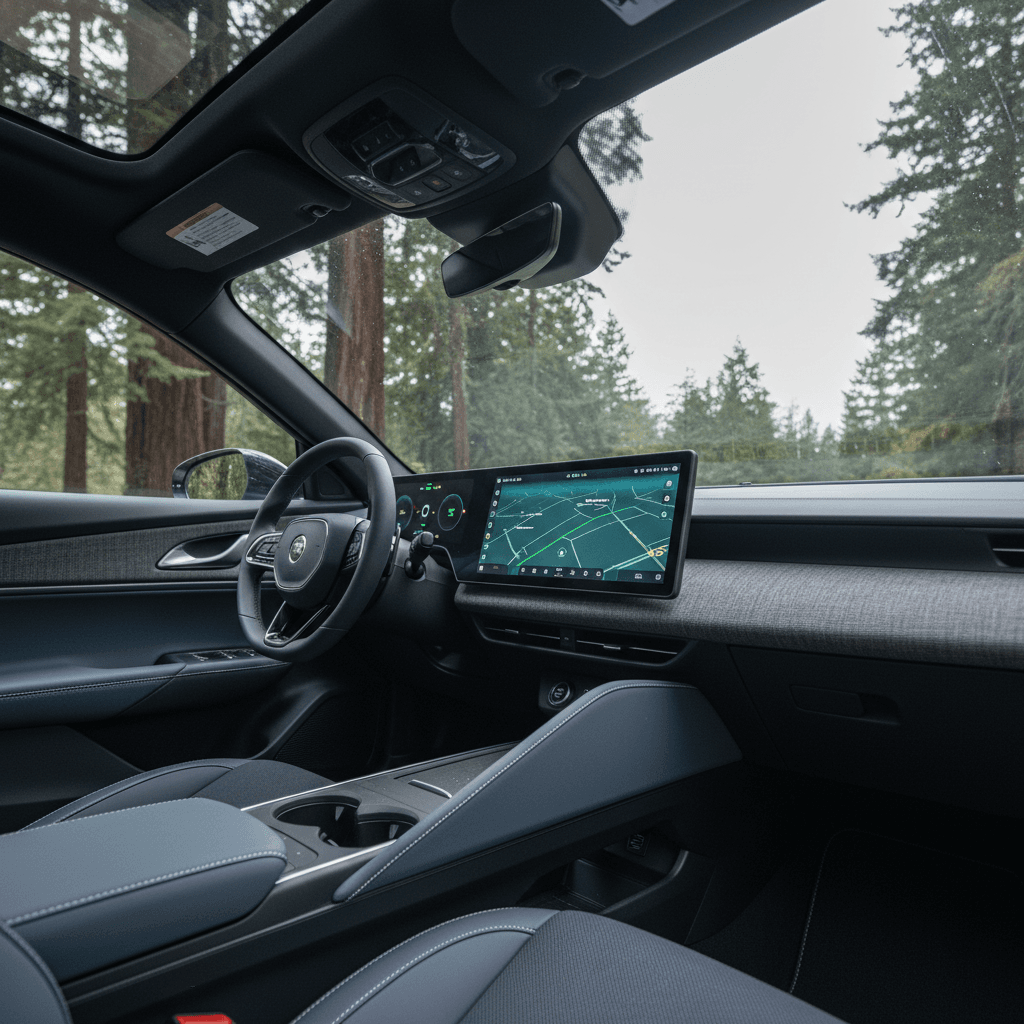
On-Road Driving Review: Performance, Comfort, and Braking
Behind the wheel, the 2024 Fisker Ocean is a mixed bag. The fundamentals, power, traction, cabin space, are mostly solid. The details, especially brakes and controls, can be frustrating enough to overshadow the good parts.
Driving Impressions: The Good and the Bad
From smooth power to inconsistent braking, here’s what stands out on the road.
Strong acceleration
Comfort & ride
Braking issues
Why the braking complaints matter
Steering feel is light and somewhat vague, which fits the Ocean’s role as a family crossover more than a performance SUV. Road and wind noise are competitive for the class, and the tall glass area makes it easy to see out of parking lots and tight urban streets.
Software and Tech: Where the Ocean Really Struggles
If you’ve watched or read early 2024 Fisker Ocean reviews, you’ve seen this theme before: **the hardware is decent, but the software lets it down**. That didn’t change enough before Fisker folded, and now there’s no official roadmap for long‑term fixes.
Key Software Pain Points Reported by Owners and Reviewers
1. Unstable infotainment system
Lag, freezes, and random restarts have all been reported. That’s a problem when almost every major function, HVAC, drive modes, navigation, flows through the center screen.
2. No Apple CarPlay or Android Auto
In 2024, an EV SUV at this price point lacking both major smartphone platforms is a glaring omission, especially when rivals offer wired or wireless integration as standard.
3. Quirky UI decisions
Touchscreen‑controlled air vents and nested menus look futuristic but add friction to simple tasks. Adjusting airflow or basic settings requires more taps than it should.
4. Driver‑assist inconsistencies
Reviews and owners have raised concerns about lane‑keeping, adaptive cruise behavior, and warning calibrations. When software is shaky, trust in driver aids erodes quickly.
5. App and remote feature uncertainty
With Fisker gone, factory apps and cloud services are in flux. Third‑party solutions exist, but they can’t match the stability and accountability of an OEM‑run ecosystem.
Look for third‑party support if you already own an Ocean
Reliability, Bankruptcy, and the Orphan EV Problem
When Fisker filed for bankruptcy in mid‑2024, thousands of Ocean owners were suddenly driving a vehicle with **no conventional factory backing**. Software bugs, parts availability, and recall work all became far more complicated overnight.
What “orphan EV” really means
- No new vehicles being produced by the original automaker.
- Limited or no factory parts pipeline; independent shops and salvage channels fill the gap.
- Cloud‑based services at risk unless another entity maintains servers and licensing.
- Resale values fall fast because mainstream buyers and lenders view the car as high‑risk.
How Ocean owners are coping
- Grassroots owner organizations have emerged to source parts and develop unofficial software solutions.
- Some fleets and investors have purchased IP and assets, aiming to keep basic connectivity alive.
- Real‑world experiences vary widely, some owners drive their Oceans daily with few issues, others struggle with bricked cars or unresolved faults.
Expect limited backing if something goes wrong
Living With a Fisker Ocean: Space, Practicality, and Ownership Experience
Strip out the corporate drama, and the 2024 Fisker Ocean is a fairly practical midsize electric SUV. The cabin is airy, the cargo hold is generous, and everyday usability is mostly shaped by how comfortable you are living with unfinished software.
Everyday Practicality: Where the Ocean Works Well
From cabin space to unique features, the fundamentals are solid.
Spacious cabin
Useful cargo area
Signature features
Interior materials land mid‑pack for the segment, better than bare‑bones economy EVs but not at luxury‑SUV levels. The design language leans clean and modern, with a large center screen dominating the dash and minimal physical buttons below.
Sustainability was part of the pitch
Who the 2024 Fisker Ocean Still Might Make Sense For
Given everything above, it’s fair to ask: is there *any* buyer who should pursue a 2024 Fisker Ocean today? The honest answer is yes, but it’s a narrow slice of the market.
- You’re a technically savvy early adopter who’s comfortable troubleshooting software, joining owner forums, and leaning on independent shops.
- You can buy an Ocean at a **deep discount compared with similar‑size EVs**, and you’re realistic about resale values staying low.
- You have **another reliable car** in the household and can tolerate periods of downtime if parts or software support lag.
- You live in an area with a strong independent EV specialist scene, or you’re willing to transport the vehicle to one when needed.
A niche, not mainstream, EV choice
How to Approach a Used Fisker Ocean Purchase
If you’re still interested after reading this far, you need to treat a used Ocean differently than a typical used EV. Think of it more like buying a rare imported car with spotty parts support than a mainstream crossover.
Used Fisker Ocean Buying Checklist
1. Prioritize a professional EV inspection
You want a **battery‑focused health check**, not just a quick test drive. A report like the Recharged Score digs into battery capacity, charging behavior, and high‑voltage systems so you know what you’re signing up for.
2. Verify current software status
Document which software version the vehicle runs, what issues the seller has experienced, and whether any updates or third‑party fixes have been applied. Ask for written records or screenshots, not just verbal assurances.
3. Test all driver‑assist and safety systems
On a long test drive, check adaptive cruise, lane‑keeping, emergency braking warnings, and especially **brake feel in mixed traffic**. If anything feels unpredictable, assume it won’t magically fix itself later.
4. Confirm charging behavior
Plug into both a home Level 2 charger and a DC fast charger if possible. Watch for handshake failures, random stops, or error messages on the dash or charger.
5. Map out your support network
Before you buy, identify at least one **independent EV shop** or specialist familiar with Fisker Oceans. Reach out and confirm whether they’re willing to work on the car and what limitations they see.
6. Be realistic about financing and resale
Some lenders may be hesitant with orphan EVs, and future buyers will see the same risks you do today. Plan on holding the car longer and treating any future sale as a bonus, not a guarantee.
How Recharged can help with risky used EVs
FAQ: 2024 Fisker Ocean
Frequently Asked Questions About the 2024 Fisker Ocean
Bottom-Line Verdict on the 2024 Fisker Ocean
Judged purely as a machine, the 2024 Fisker Ocean is an intriguing EV: strong range, quick acceleration in dual‑motor form, useful space, and a design that doesn’t blend into traffic. Judged as a long‑term ownership proposition in 2026, it’s something else: a **high‑risk, orphaned EV SUV** whose future depends on independent specialists and passionate owners rather than the company that built it.
If you’re a hands‑on enthusiast with a backup vehicle, access to an EV‑savvy shop, and the chance to buy an Ocean at a deep discount, you may be able to turn that risk into a bargain. For mainstream shoppers who just want a reliable electric family SUV, the safer play is a used Tesla Model Y, Hyundai Ioniq 5, Kia EV6, or similar, ideally purchased with **verified battery health and transparent pricing** from a specialist like Recharged.
Wherever you land, go in with eyes wide open. With the 2024 Fisker Ocean, the story behind the badge matters just as much as the specs on the brochure.