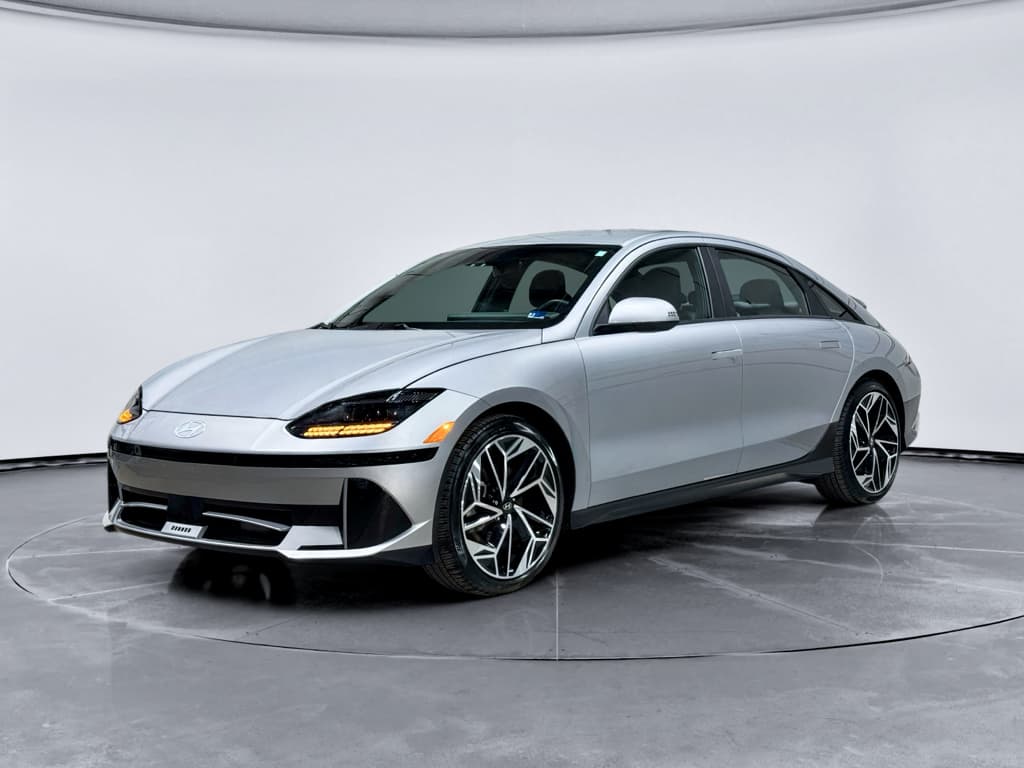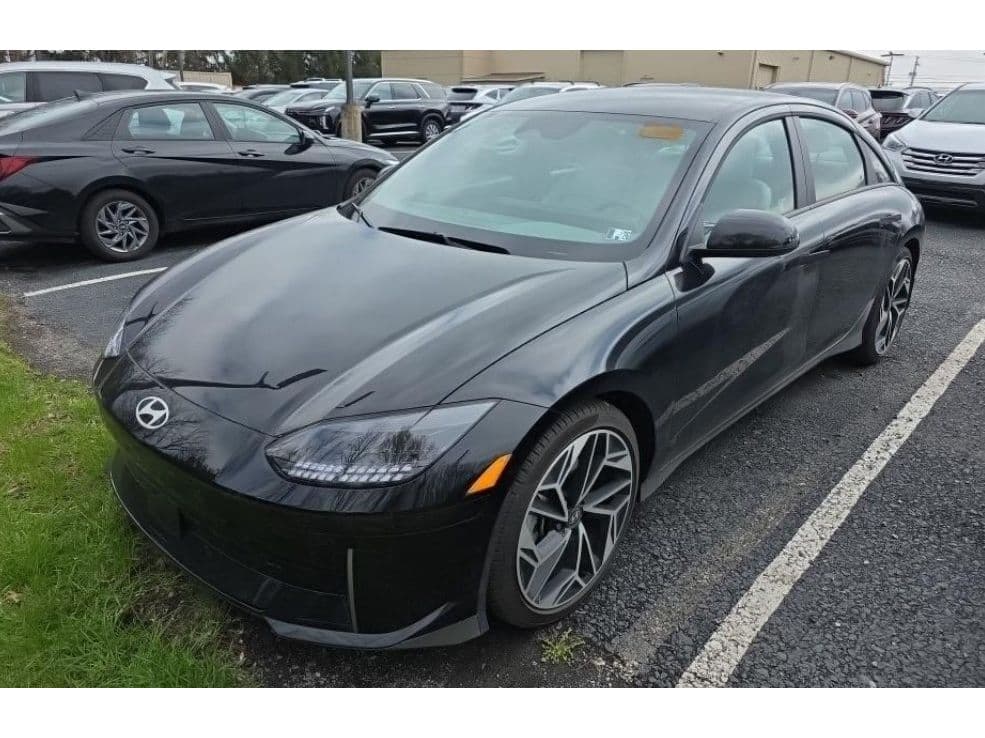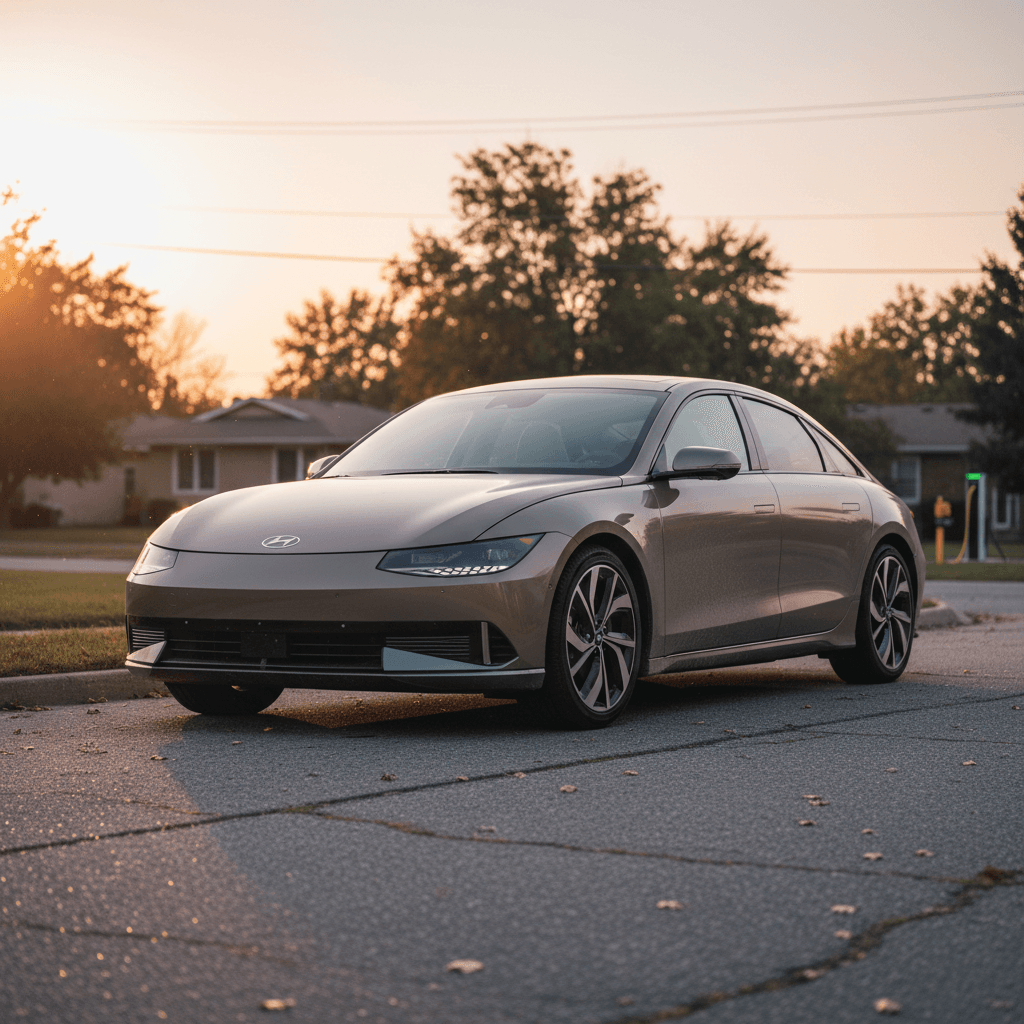
If you love the streamlined Hyundai IONIQ 6 but occasionally need to tow a small trailer or just want to understand its real-world range, you’re not alone. Shoppers routinely ask two questions: **can the Hyundai IONIQ 6 tow, and how far will it go on a charge, especially when loaded down?** This guide breaks down official towing figures, EPA range by trim, and what you can realistically expect on the road.
Key takeaway
Hyundai IONIQ 6 towing and range overview
- In North America, Hyundai does **not universally promote the IONIQ 6 as a tow vehicle**, and many trims are sold without a factory tow rating or hitch hardware.
- In Europe, Australia and other markets, long‑range IONIQ 6 models are commonly rated to tow up to **1,500 kg (about 3,300 lbs) braked** and **750 kg (about 1,650 lbs) unbraked**, with a **100 kg (220 lb) tongue weight** limit.
- EPA‑rated range for U.S. models spans from **240 miles** (Standard Range) up to **361 miles** (SE Long Range RWD on 18" wheels).
- Expect towing to cut usable range by **30–50%** depending on trailer size, speed, weather, and terrain.
Check your specific car’s rating
Can the Hyundai IONIQ 6 tow at all?
Mechanically, the Hyundai IONIQ 6 shares the **E‑GMP platform** with the IONIQ 5, Kia EV6 and Genesis GV60. Those relatives are rated to tow in many markets, and the underlying motors, battery and structure are capable of pulling a modest trailer. The question is: **what does Hyundai officially allow in your region, and what are you comfortable with?**
Where the IONIQ 6 is rated to tow
- Most European and Australian spec sheets list towing capacity for long‑range models.
- Typical figures: 1,500 kg braked, 750 kg unbraked, 100 kg max tongue weight.
- These ratings assume a properly installed tow bar and trailer brakes on heavier loads.
Where it often isn’t rated (or is limited)
- In the U.S. and Canada, Hyundai’s consumer materials focus on range and comfort, not towing.
- Some North American owners add aftermarket hitches for bike racks or light utility trailers, but that doesn’t change the official rating.
- Insurance and warranty implications can vary if you tow beyond what your manual allows.
Don’t assume it tows like an SUV
Official Hyundai IONIQ 6 towing capacity by market
Typical IONIQ 6 towing limits (check your market)
Approximate published ratings for long‑range IONIQ 6 models in markets where towing is allowed. Always verify your specific vehicle’s documentation.
| Region / market | Battery / powertrain | Max braked trailer | Max unbraked trailer | Max tongue weight | Notes |
|---|---|---|---|---|---|
| Europe (example: DYNAMIQ/TECHNIQ/EPIQ long‑range) | 77.4 kWh, RWD or AWD | 1,500 kg (≈3,307 lbs) | 750 kg (≈1,653 lbs) | 100 kg (≈220 lbs) | Factory tow bar and trailer pre‑wiring available |
| Australia / NZ (similar trims) | 77.4 kWh, RWD or AWD | 1,500 kg (≈3,307 lbs) | 750 kg (≈1,653 lbs) | 100 kg (≈220 lbs) | Ratings similar to Europe; speed limits often lower when towing |
| U.S. & Canada (most trims) | 77.4 kWh or 53.0 kWh | Varies; often not advertised or rated | Varies | Varies | Sold primarily without factory tow rating; check manual and dealer |
| Nordic markets (Norway example) | 77.4 kWh long‑range | Up to 1,500 kg quoted by dealers | 750 kg | 100 kg | Local guidance mirrors broader European spec |
Hyundai’s own literature outside North America generally supports modest towing with the IONIQ 6, but regional rules and hardware vary.
Rule of thumb if you’re shopping used
Hyundai IONIQ 6 range by battery, wheels, and drivetrain
Range is where the IONIQ 6 really shines. Thanks to its slippery shape and efficient drivetrain, it posts some of the best EPA numbers in its class. But wheel size and drivetrain choice make a **big difference**, and that matters more once you start towing or loading up the car.
EPA-rated range for 2024–2025 Hyundai IONIQ 6 (U.S.)
Hyundai IONIQ 6 EPA range by trim (U.S.)
Approximate official EPA combined range ratings for popular U.S. IONIQ 6 configurations. Numbers can shift slightly by model year but the pattern stays the same.
| Trim / configuration | Battery | Drive | Wheels | EPA range (combined) |
|---|---|---|---|---|
| SE Standard Range | ≈53 kWh | RWD | 18" | ≈240 miles |
| SE Long Range | 77.4 kWh | RWD | 18" | 361 miles |
| SE Long Range | 77.4 kWh | AWD | 18" | 316 miles |
| SEL & Limited Long Range | 77.4 kWh | RWD | 20" | ≈305 miles |
| SEL & Limited Long Range | 77.4 kWh | AWD | 20" | 270 miles |
Wheel size and all‑wheel drive are the big range killers. Stick with 18‑inch wheels and RWD if you care most about distance between charges.
2025–2026 updates
How much range you lose towing with an IONIQ 6
There’s no single number that fits every trailer, but patterns from EV towing tests and IONIQ 6 efficiency data are clear: **drag and weight are brutal on range.** Even with its excellent aero, the IONIQ 6 will see a sharp drop once you hang a trailer off the back and drive at highway speeds.
Typical range loss when towing with an IONIQ 6
These are ballpark estimates assuming moderate speeds (55–65 mph), mild weather, and a properly loaded trailer within rated limits.
Very light trailer or small utility
Think: single‑axle utility trailer with garden gear, or a light teardrop under 1,000 lbs.
- Expected range loss: 20–30%
- Best for: SE Long Range RWD or SEL/Limited RWD on 18–20" wheels.
Compact camper or heavier cargo
Around 1,000–2,000 lbs with some frontal area.
- Expected range loss: 30–45%
- Plan stops every 80–140 miles on a 77.4 kWh car.
Tall or boxy trailer (borderline use case)
Small box trailer, tall enclosed motorcycle hauler, or anything near max weight.
- Expected range loss: 40–50% or more
- Only advisable for short hops with plenty of fast chargers on the route.
Speed matters more than you think
Real-world IONIQ 6 efficiency and range examples
Owners and reviewers consistently praise the IONIQ 6 for its efficiency. On the 77.4 kWh pack, many drivers report **3.5–4.5 miles per kWh** in mixed driving, and over **5 mi/kWh in gentle city use**. That lines up with EPA figures and gives us a useful baseline for towing math.
Daily driving, no trailer
- SE Long Range RWD drivers often see 4.0–4.5 mi/kWh in mild weather.
- On a 77.4 kWh battery, that’s roughly 300–335 miles of real‑world range between 100% and near‑empty.
- Cold weather, high speeds, or lots of HVAC use can drag that down closer to 250–280 miles.
Highway and spirited driving
- Reviewers have logged around 3.0–3.2 mi/kWh on fast, hilly routes with AWD and 20" wheels.
- That translates to roughly 230–250 miles of range, still respectable, but well below the EPA sticker.
- Add a trailer and those numbers can sink into the 2.0–2.5 mi/kWh range or worse.
Quick back-of-the-envelope math
Planning a trip with an IONIQ 6 and a trailer
Pre‑trip checklist for towing with an IONIQ 6
1. Confirm your specific car’s tow rating
Open the **owner’s manual and build sheet** for your exact VIN. If Hyundai didn’t rate your car for towing in your market, decide whether you’re comfortable staying strictly within lightweight, local use only.
2. Choose the right trailer and load
Stay **well under rated limits**, especially tongue weight, and avoid big, flat‑fronted trailers. A compact teardrop or cargo trailer is a better match than a tall box.
3. Plan more frequent fast-charging stops
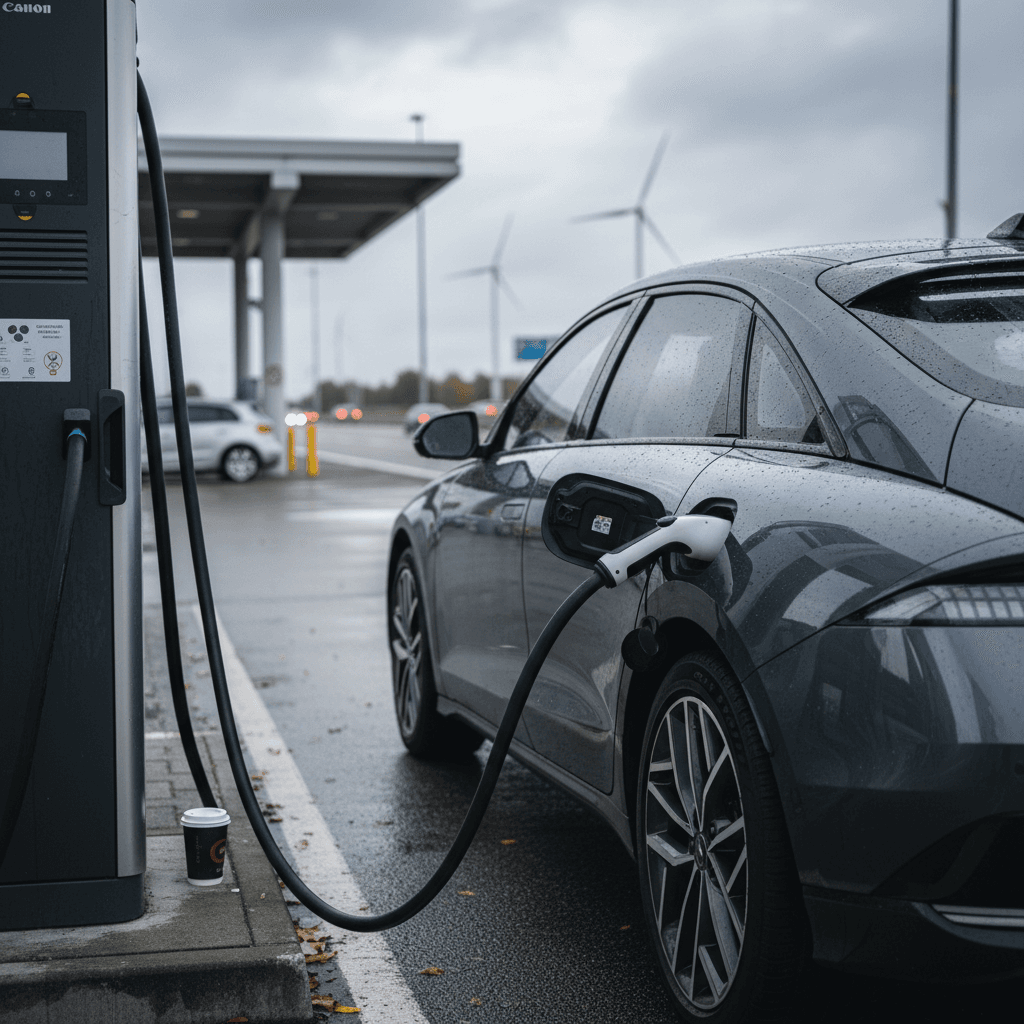
Use apps like A Better Routeplanner, PlugShare, or your car’s built‑in nav to **shorten leg distances**. Instead of 150–200 miles between stops, assume 80–130 miles while towing.
4. Target a 10–80% charging window
Like most EVs, the IONIQ 6 charges fastest between about **10% and 80%**. Multiple quick, shallow charges usually get you there faster than one deep charge to 100%.
5. Dial back your speed
Set cruise closer to **60–65 mph** when possible and avoid sudden bursts of acceleration. Range drops sharply when your aero‑sensitive trailer meets strong headwinds.
6. Monitor temps and weight on hills
On long grades, keep an eye on **battery temperature warnings and trailer behavior**. If you smell brakes or feel sway, slow down and rebalance the load.
Good news for road-trippers
Towing vs. hauling: When you shouldn’t tow with an IONIQ 6
Even if your local IONIQ 6 spec sheet lists a tow rating, there are scenarios where **you’re better off using the trunk, folding seats, or a small roof box** instead of a trailer. Electric sedans have low ground clearance and rely heavily on airflow for their efficiency.
- Your car is a **North American model with no documented tow rating** and you’re considering a heavy or long-distance tow.
- You’d need to exceed about **220 lbs of tongue weight** to make the trailer balance safely.
- The route involves **steep unpaved roads, deep ruts, or rough boat ramps** that could scrape the rear overhang or hitch.
- You’re planning to travel at **70–80 mph for long stretches**, which will punish both range and stability with a trailer attached.
- You only need occasional extra cargo space, cases where a **roof box, hitch‑mounted cargo tray, or simply folding the rear seats** might solve the problem.
When it’s time for an SUV instead
Battery health, towing, and resale value
Occasional towing within the IONIQ 6’s rated limits isn’t likely to destroy your battery, but it does **stress the pack and thermal system more than normal commuting.** That’s why it pays to understand how your usage patterns show up in long‑term battery health, especially if you’re thinking about resale value or buying used.
How towing affects long-term battery health and value
The key is not just how much you tow, but how you charge, store, and drive the car the rest of the time.
Thermal and charging stress
- Towing at highway speeds keeps the battery working harder for longer.
- Frequent DC fast charging from low state‑of‑charge to 100% adds extra wear.
- Try to keep most charging at home on Level 2 and reserve frequent fast charging for road trips.
Protecting future resale value
- Buyers increasingly ask for objective battery health data on used EVs.
- Detailed service records and conservative charging habits can offset concerns about occasional towing.
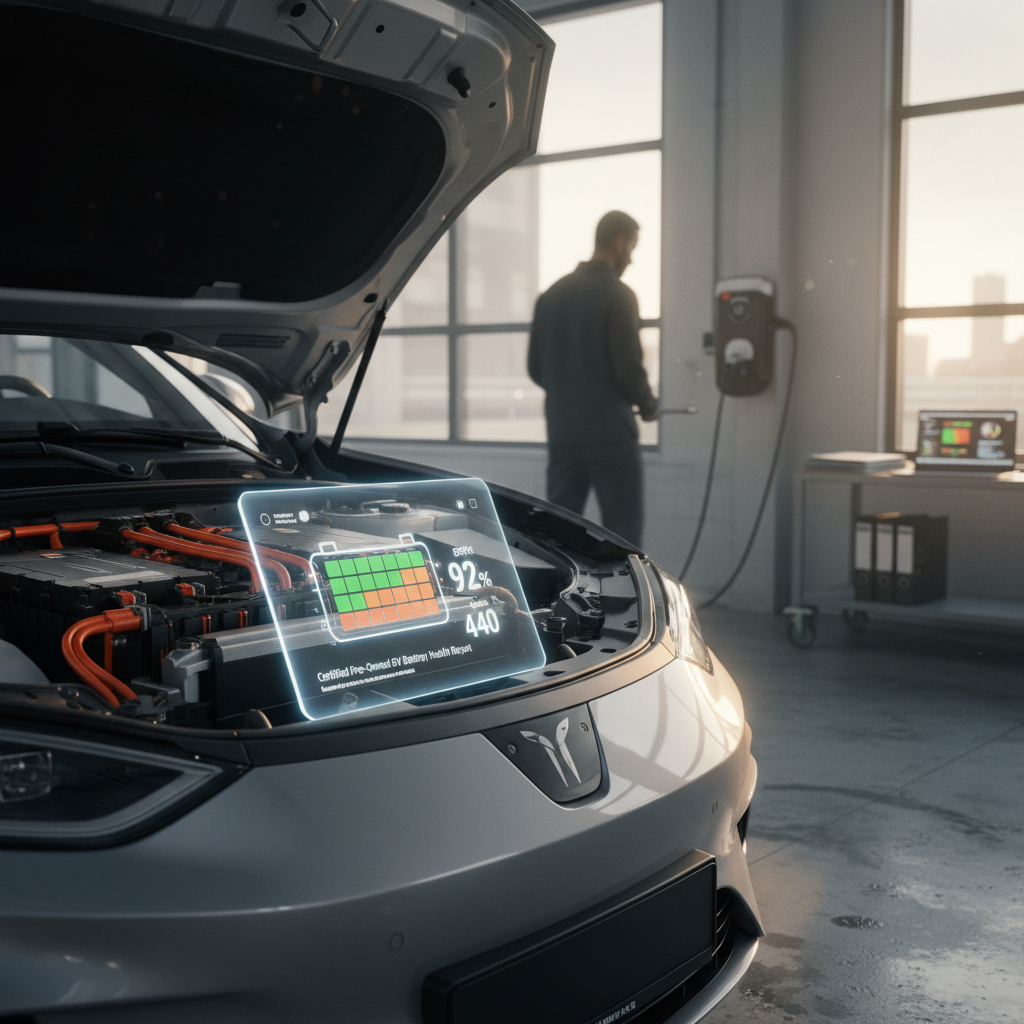
- Marketplaces like Recharged use tools like the Recharged Score to verify pack health on used EVs, including IONIQ 6 sedans.
How Recharged can help if you’re buying used
Frequently asked questions: IONIQ 6 towing capacity and range
Hyundai IONIQ 6 towing & range FAQs
Should you buy an IONIQ 6 if you plan to tow?
The Hyundai IONIQ 6 is first and foremost an **ultra‑efficient electric sedan**, not a heavy‑duty tow rig. If your towing needs are modest, an occasional light camper, a small cargo trailer, or weekend toys, and your market officially rates the car to tow, it can handle the job as long as you plan for reduced range and drive within its limits.
If, on the other hand, you routinely pull heavier trailers or want to cruise at high interstate speeds with a camper in tow, you’ll be happier in an electric SUV or truck with higher tow ratings and more ground clearance. In that case, an IONIQ 6 still makes a fantastic **daily driver** to pair with a dedicated tow vehicle.
Working with a specialist used‑EV retailer like Recharged can make the decision easier. Every vehicle on the platform comes with a **Recharged Score battery health report**, fair‑market pricing, and expert EV guidance. If you’re cross‑shopping an IONIQ 6 against other tow‑capable EVs, or just want to be sure a used example hasn’t been abused, those insights can help you find the right balance of **towing ability, range, and long‑term value**.