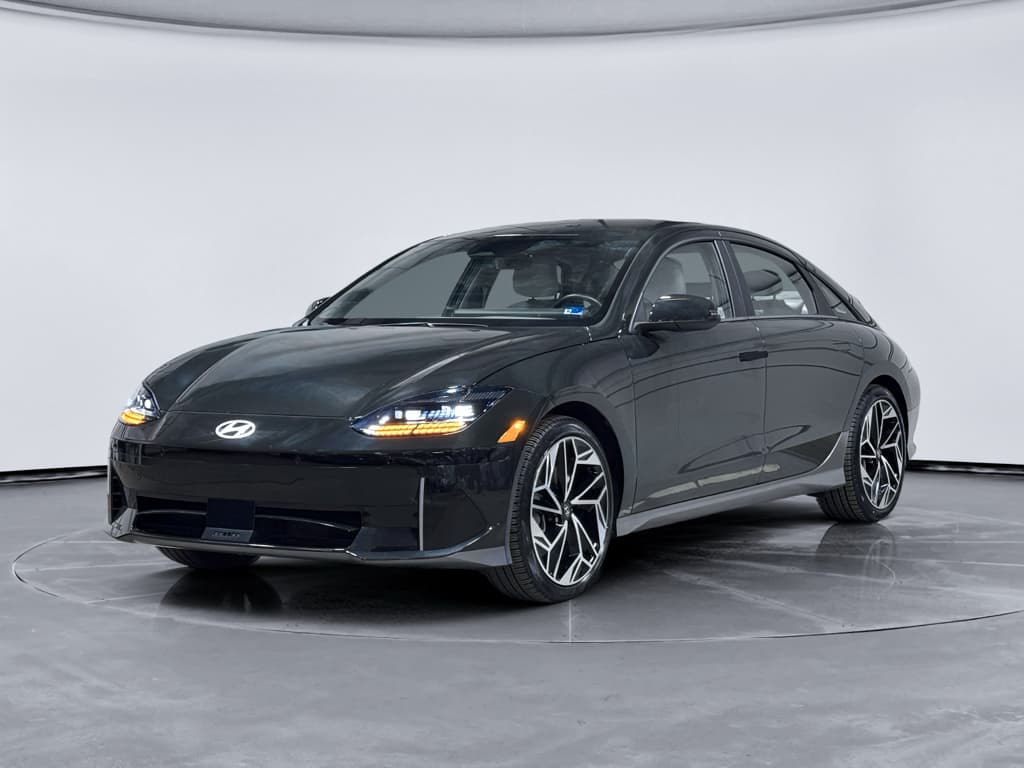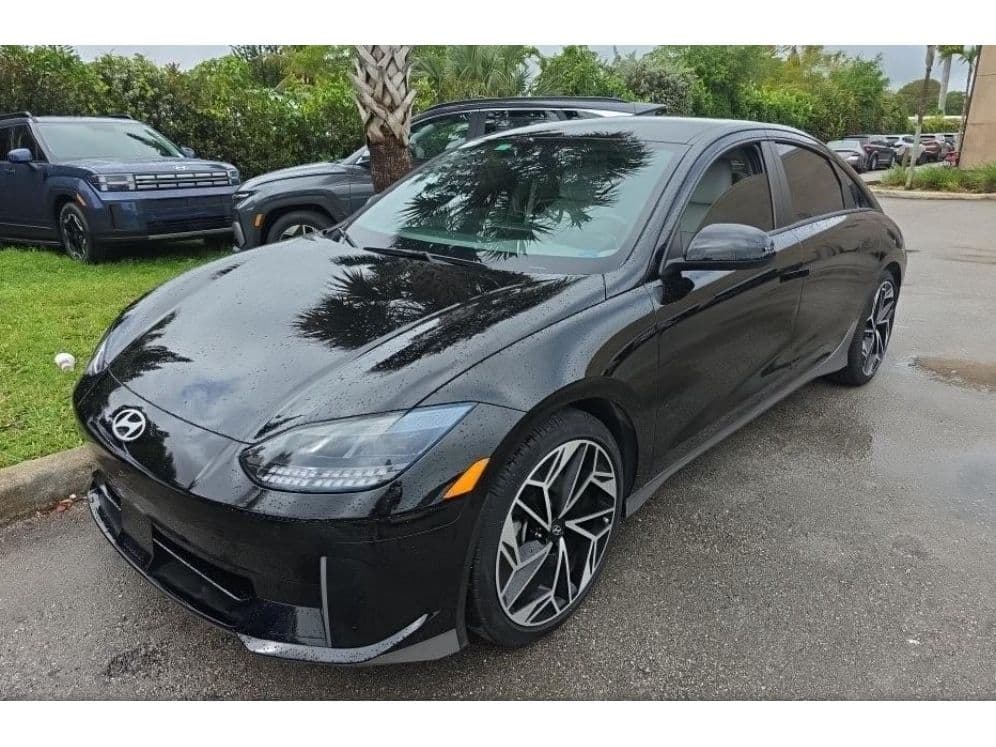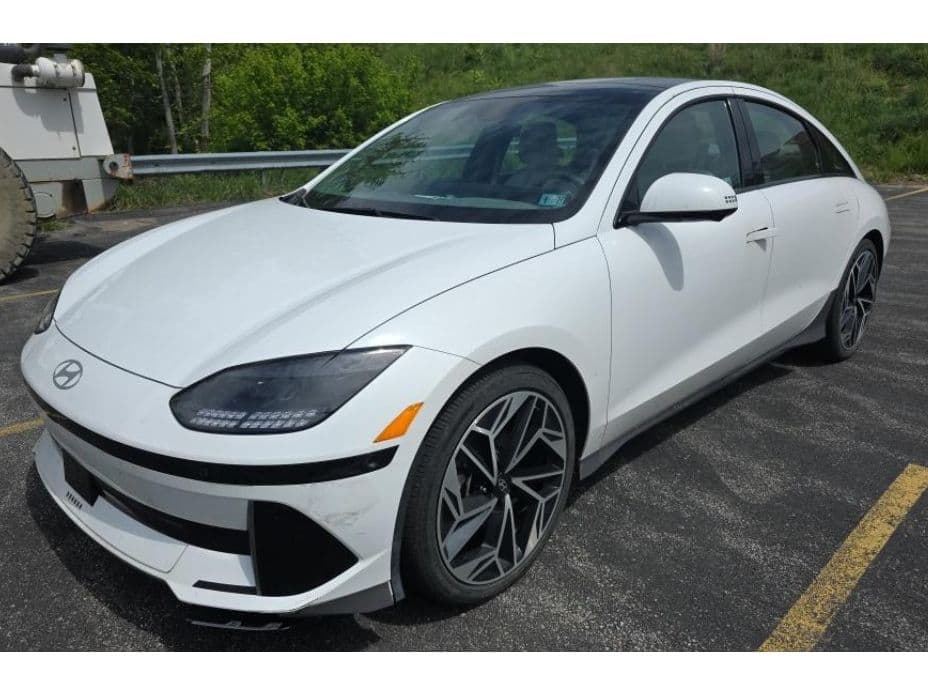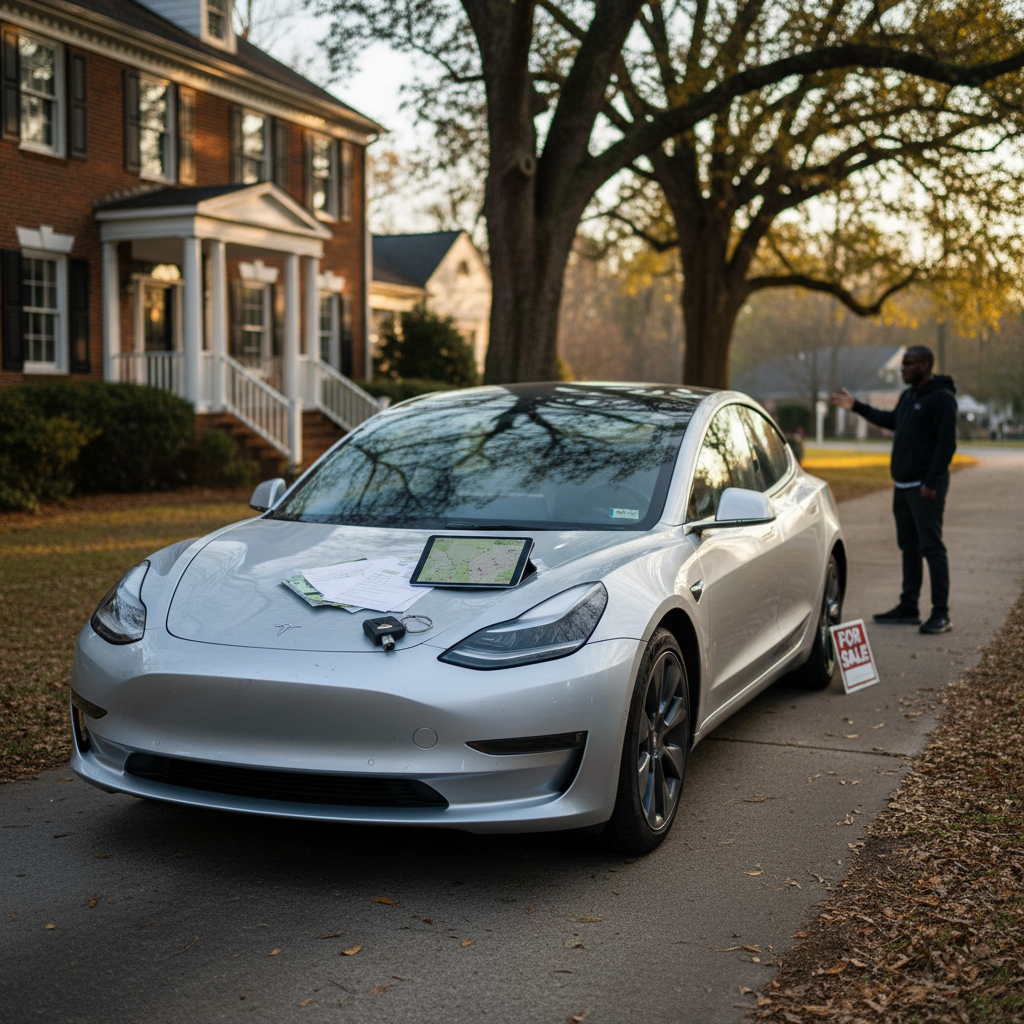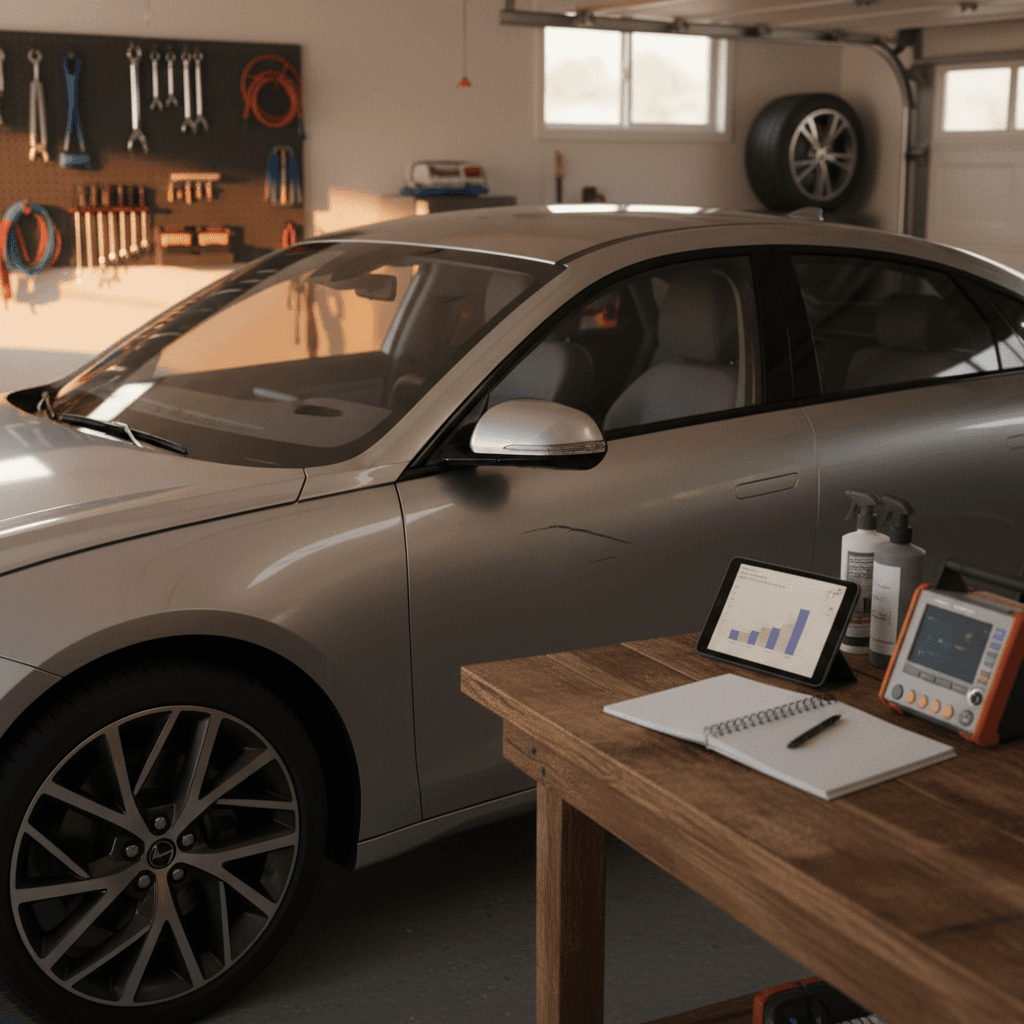
If you’re staring at your sleek Hyundai Ioniq 6 and thinking, “Is it time to sell?”, you’re not alone. With prices moving quickly and lots of EV shoppers hunting for the right used car, a model‑specific Hyundai Ioniq 6 selling checklist can be the difference between a fast, confident sale and weeks of lowball offers and tire‑kickers.
What’s unique about selling an Ioniq 6?
Why a model‑specific Hyundai Ioniq 6 selling checklist matters
- Battery health and remaining warranty
- Charging speed and real‑world efficiency
- Software features and driver‑assist tech
- Fastback styling and interior space vs. other EV sedans
Hyundai Ioniq 6 resale snapshot in 2025
Step 1: Decide when to sell your Ioniq 6
Before you worry about vacuuming floor mats, ask the bigger question: is now the right time to sell? EV values move faster than traditional sedans because technology, incentives, and new‑model pricing are constantly shifting.
- Aim to sell between years 2 and 3 of ownership if you want to maximize value while still enjoying the car for a while.
- If your Ioniq 6 lease is ending soon, compare your buyout price to current used values, many lessees have equity they can cash out.
- Watch local listings: if there’s a flood of nearly identical Ioniq 6s, you may need to price sharper or lean on a marketplace like Recharged that brings in buyers nationwide.
- If a major redesign or big range/charging update has just been announced, selling sooner can avoid an extra hit to your car’s perceived tech “freshness.”
Pro tip: Think like a buyer
Step 2: Know your Ioniq 6’s value and market position
Next on your Hyundai Ioniq 6 selling checklist is understanding where your car fits in the market. An SE Standard Range isn’t going to pull the same number as a fully optioned Limited AWD, and shoppers know it.
Key factors that drive Ioniq 6 resale value
Dial these in before you pick a price
Trim & options
List your exact trim (SE, SEL, Limited) and drivetrain (RWD or AWD). Features like the larger battery, tech packages, and driver‑assist systems all move the needle.
Mileage & usage
EV buyers scrutinize mileage because it hints at battery wear and tear. A well‑documented commuter with mostly highway miles is easier to sell than a mystery road‑warrior.
Charging story
How you charged matters. Home Level 2 charging and moderate DC fast‑charging use is more appealing than a life spent on highway fast chargers.
Warranty remaining
Spell out what’s left of the factory bumper‑to‑bumper and high‑voltage battery warranties. That’s real money in a buyer’s pocket.
Service history
EVs need less service, but proof of tire rotations, brake inspections, and software updates reassures shoppers that you didn’t ignore the basics.
Model year & software
Later model years and cars kept up to date on OTA updates or dealer software flashes will generally command more attention.
Don’t chase the very highest comps
Step 3: Document battery health – the Ioniq 6 deal‑maker
With an EV, your battery is the engine and the fuel tank. Proving that your Ioniq 6’s 53.0 kWh or 77.4 kWh pack is still in good shape is the single best way to justify your asking price and put buyers at ease.
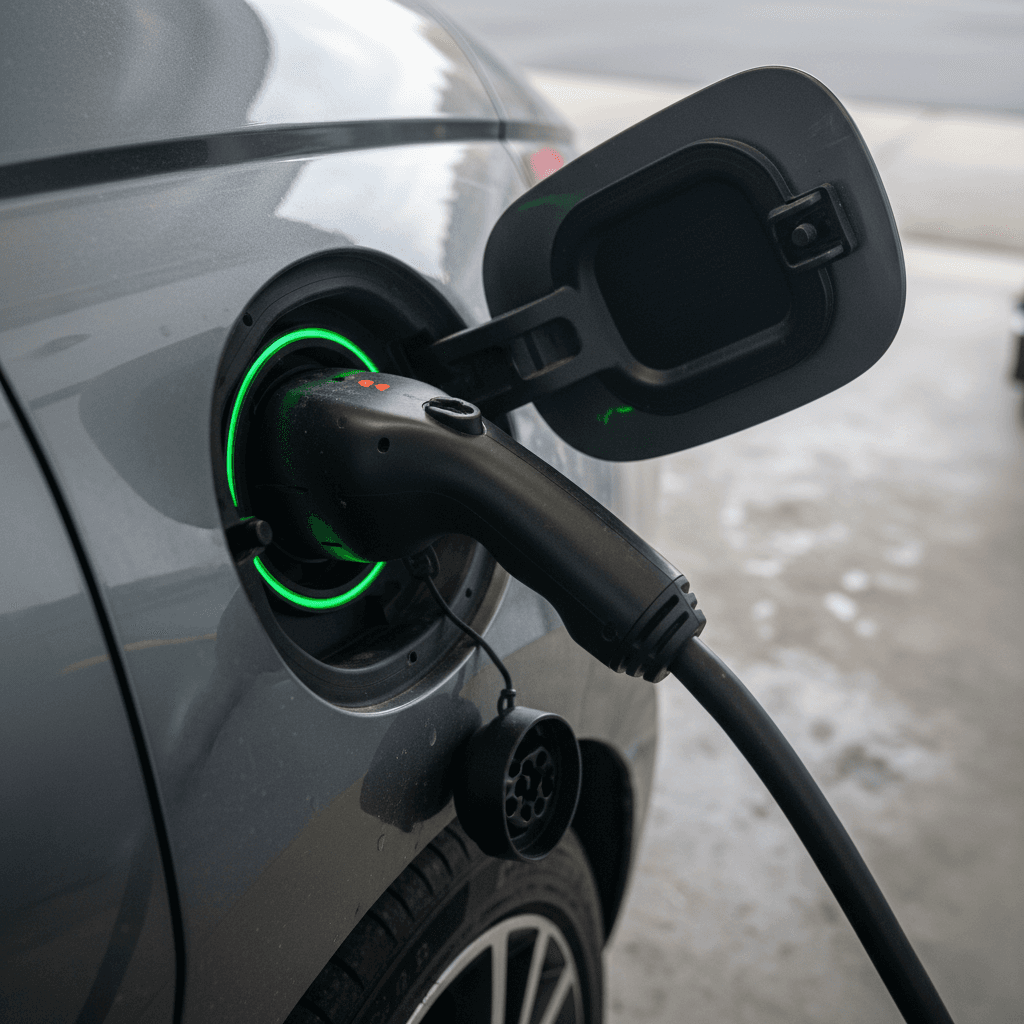
Battery health checklist for your Hyundai Ioniq 6
1. Capture real‑world range
On a typical drive, fully charge, reset the trip computer, drive down to around 10–20% state of charge, and note the miles driven and mi/kWh. This gives buyers a realistic snapshot of your car’s range in your climate and driving style.
2. Explain your charging routine
Be ready to explain whether you mostly used home Level 2 charging, workplace charging, or DC fast chargers. Buyers prefer cars that weren’t fed a diet of constant high‑power fast charging.
3. Note battery warranty status
Check your owner’s manual or Hyundai’s site for the exact battery warranty term on your model year and mileage. Include how many years and miles remain as a bullet point in your listing.
4. Avoid speculative claims
Don’t guess at an exact degradation percentage unless you have a professional report. It’s better to present honest range and usage information than over‑promise and have a buyer feel misled.
5. Consider a third‑party battery report
Services like the Recharged Score use specialized diagnostics to measure EV battery health. Including an objective report with your listing is one of the strongest trust signals you can offer.
Where Recharged fits in
Step 4: Take care of maintenance and wear items
EVs like the Ioniq 6 don’t need oil changes, but that doesn’t mean buyers ignore maintenance. Most shoppers will ask about tires, brakes, and basic inspections, and if your car fails the driveway walk‑around, they’ll wonder what else you skipped.
High‑impact maintenance items before you sell
Focus on the simple, visible items that reassure buyers without over‑spending.
| Item | When to address | Why it matters | Cost level |
|---|---|---|---|
| Tire tread & rotation | If tread is low or wear is uneven | Fresh, matched tires and even wear patterns scream “responsible owner.” | $$ |
| Brake inspection | Before listing, especially at higher mileage | EVs use regen, so pads can last, but seized calipers or rusty rotors scare buyers. | $ |
| Cabin & air filters | If service history is thin or filters are old | Cheap, routine items that show you didn’t ignore scheduled maintenance. | $ |
| Wipers & washer fluid | If streaking or empty | Tiny details buyers notice on a test drive and during inspection. | $ |
| Recalls & TSBs | Before listing, check with a Hyundai dealer | Ensures you’re not handing a known issue to the next owner. | $ (often free) |
You don’t need to make your Hyundai Ioniq 6 new, just clearly well‑cared‑for.
Don’t over‑invest right before selling
Step 5: Cosmetic detailing and repairs that pay back
Cosmetics won’t make your Ioniq 6 younger or its battery healthier, but they absolutely change how quickly it sells and how confident a buyer feels when they see it in person.
Cosmetic upgrades worth doing before sale
Aim for “well‑cared‑for,” not “concours winner”
Full wash & interior detail
Hand wash, clay, and wax if the paint needs love. Inside, shampoo carpets, steam clean if needed, and de‑crumb every surface. EV shoppers expect a clean, near‑new cabin.
Touch‑up paint & wheels
Fix obvious chips on the nose and small curb rash on wheels. Buyers will see these close‑ups in your photos and on test drives.
Declutter completely
Remove personal items, chargers you’re not including, garage clickers, kids’ gear, and extra floor mats. A clean EV feels newer and more “ready to own.”
Clean seats & touch surfaces
Spend extra time on the steering wheel, door pulls, center console, and seat bolsters. That’s where a buyer’s hands and eyes go first.
Eliminate odors
No one wants to sit in a car that smells like last week’s take‑out. Use cabin filters, deep cleaning, and an ozone treatment if needed, never just cover it with heavy fragrance.
Prep it for photos
Detail the car in daylight, park somewhere clean and open, and leave yourself enough time to shoot proper listing photos right after.
When a minor repair is worth it
Step 6: Gather paperwork and Ioniq 6–specific info
Paperwork isn’t glamorous, but it’s where a lot of used‑car deals slow down, or fall apart. With an Ioniq 6, you’re juggling both traditional documents and EV‑specific evidence.
- Title (or lease payoff letter) and registration, matching your ID
- All service records, dealer invoices, independent shop receipts, tire receipts, recall paperwork
- Any battery or high‑voltage system diagnostics, including a Recharged Score Report if you have one
- Window sticker or original build sheet, if available, to prove options and MSRP
- Owner’s manuals, spare key(s), charge‑port adapters, and any accessories included in the sale
- Logins or settings you’ll need to remove or transfer, such as Hyundai’s connected‑services app or navigation favorites
Clear your data before handover
Step 7: Shoot photos that actually sell your Ioniq 6
Online shoppers scroll past thousands of forgettable car photos every day. The goal with your Hyundai Ioniq 6 listing is simple: make buyers stop, click, and feel like they already understand the car before they ever message you.
- Shoot right after your detail, in bright but indirect light (early morning or late afternoon).
- Pick a clean background, an empty parking lot, quiet street, or simple building wall.
- Get a full set of exterior angles: front 3/4, rear 3/4, straight side, and straight front/rear.
- Show distinctive Ioniq 6 details: swoopy fastback profile, pixel‑style lighting, charge‑port, and wheels.
- Inside, photograph both rows, driver’s view of the cockpit, infotainment screen on, and trunk/frunk (if equipped).
- Add honest close‑ups of flaws: curb rash, chips, dings. Buyers trust transparent sellers and are less likely to haggle hard on arrival.
Include EV‑specific shots
Step 8: Write a compelling Hyundai Ioniq 6 listing
Your description should read like a conversation with a well‑informed friend, not like it was copied and pasted from a brochure. Hit the details that matter to an Ioniq 6 shopper and answer questions before they’re asked.
Must‑include facts
- Year, trim, drivetrain, battery size (53.0 kWh or 77.4 kWh), and color
- Current mileage and whether it’s a clean title, one‑owner, or leased vehicle
- Any standout options: tech/safety package, premium audio, heated/ventilated seats
- Charging story: where you normally charge, home Level 2 setup, and typical range
- Warranty remaining (bumper‑to‑bumper and battery) with dates/miles
Nice‑to‑have details
- Best and typical efficiency (mi/kWh) from your trip computer
- Road‑trip notes: “Comfortable at 70–75 mph, easy to DC fast‑charge on long drives”
- Recent maintenance and tire/brake condition
- Any included extras: floor mats, wall charger, extra adapter
- Why you’re selling (upgrade, move, lifestyle change), a simple, honest line helps.
Sample Ioniq 6 listing opener
Step 9: Choose how to sell – trade‑in, private, or Recharged
You’ve cleaned, documented, photographed, and written the ad. Now you have to pick your battlefield. Each path has a different balance of price, time, and stress, especially for a tech‑heavy EV like the Ioniq 6.
Where to sell your Hyundai Ioniq 6
Compare your options before you commit
Dealer trade‑in
Pros: Fastest and easiest, hand over keys, sign, you’re done the same day. Can be rolled into a new‑car deal.
Cons: Usually the lowest number. Many dealers are still conservative on used EV values, especially sedans.
Private‑party sale
Pros: Potentially the highest sale price, especially if you find a buyer who understands the Ioniq 6.
Cons: You handle showings, screening buyers, paperwork, test drives, and safe payment.
Sell through Recharged
Pros: EV‑specialist marketplace with nationwide reach, battery health diagnostics (Recharged Score), financing and trade‑in options for buyers, and help with paperwork and logistics.
Cons: You won’t handle the sale entirely on your own, Recharged is built for people who want expert support and a smoother process.
How Recharged helps Ioniq 6 sellers
Step 10: Test drives, payment, and handover
The finish line is in sight. A few smart boundaries around test drives and payment keep your Ioniq 6 sale safe and drama‑free.
Safe and smooth handover checklist
1. Screen buyers with a few questions
Before setting a meeting, ask how they plan to pay, whether they’ve driven an EV before, and what they’re looking for in an Ioniq 6. This filters out time‑wasters and curious browsers.
2. Meet in a safe, public place
Choose a well‑lit public area, ideally near a bank or your credit union. Bring a friend if possible and keep test drives to a reasonable loop that shows off the car’s strengths.
3. Explain how to drive and charge it
Not every shopper will be EV‑savvy. Spend two minutes on drive modes, regen levels, and plugging in. A calm, clear walkthrough builds confidence and avoids surprises on the drive.
4. Control documents & keys
Never hand over the title until payment is verified. Keep a signed bill of sale, remove your plates where required, and ensure insurance and registration are properly ended or transferred in your state.
5. Use secure payment methods
For private sales, cashier’s checks drawn with you present at the bank or verified wire transfers are safest. Avoid complex payment arrangements you don’t fully understand.
6. Final EV reset
Before you say goodbye, remove the car from Hyundai’s connected‑services app, clear Bluetooth pairings, erase navigation history and home/work addresses, and reset garage‑door buttons.
Hyundai Ioniq 6 selling checklist: quick reference
One‑page Hyundai Ioniq 6 selling checklist
Timing & pricing decided
You’ve checked market listings, understood your trim and mileage, and picked a realistic asking price based on your Ioniq 6’s spec and condition.
Battery story ready
You can clearly explain your charging habits, typical range, and remaining battery warranty, and ideally have a Recharged Score or similar report in hand.
Maintenance & cosmetics done
Tires, brakes, basic inspections, and small but obvious fixes are handled. The car has been fully washed, detailed, and decluttered.
Paperwork organized
Title/lease payoff, registration, service records, charger receipts, manuals, spare keys, and included accessories are gathered in a single folder.
Photos & listing complete
You’ve shot bright, clear photos (including EV‑specific shots) and written a detailed, honest listing that covers options, condition, range, and warranty.
Sales channel chosen
You’ve decided whether you’re trading in, selling privately, or working with Recharged, and you know the trade‑offs between speed, effort, and price for each path.
Hyundai Ioniq 6 selling FAQ
Frequently asked questions about selling an Ioniq 6
Selling a Hyundai Ioniq 6 in 2025 isn’t just about wiping off the fingerprints and hoping for the best. It’s about telling a complete, believable story, how the car was charged, how far it really goes, what’s left on the battery warranty, and why the next owner should be excited to climb in. Follow this Ioniq 6 selling checklist step‑by‑step and you’ll walk into every conversation knowing you’ve done the homework. And if you’d rather have EV specialists in your corner, from battery health diagnostics to pricing, financing, and delivery, Recharged is built to make that next step as simple and transparent as the car you’re saying goodbye to.