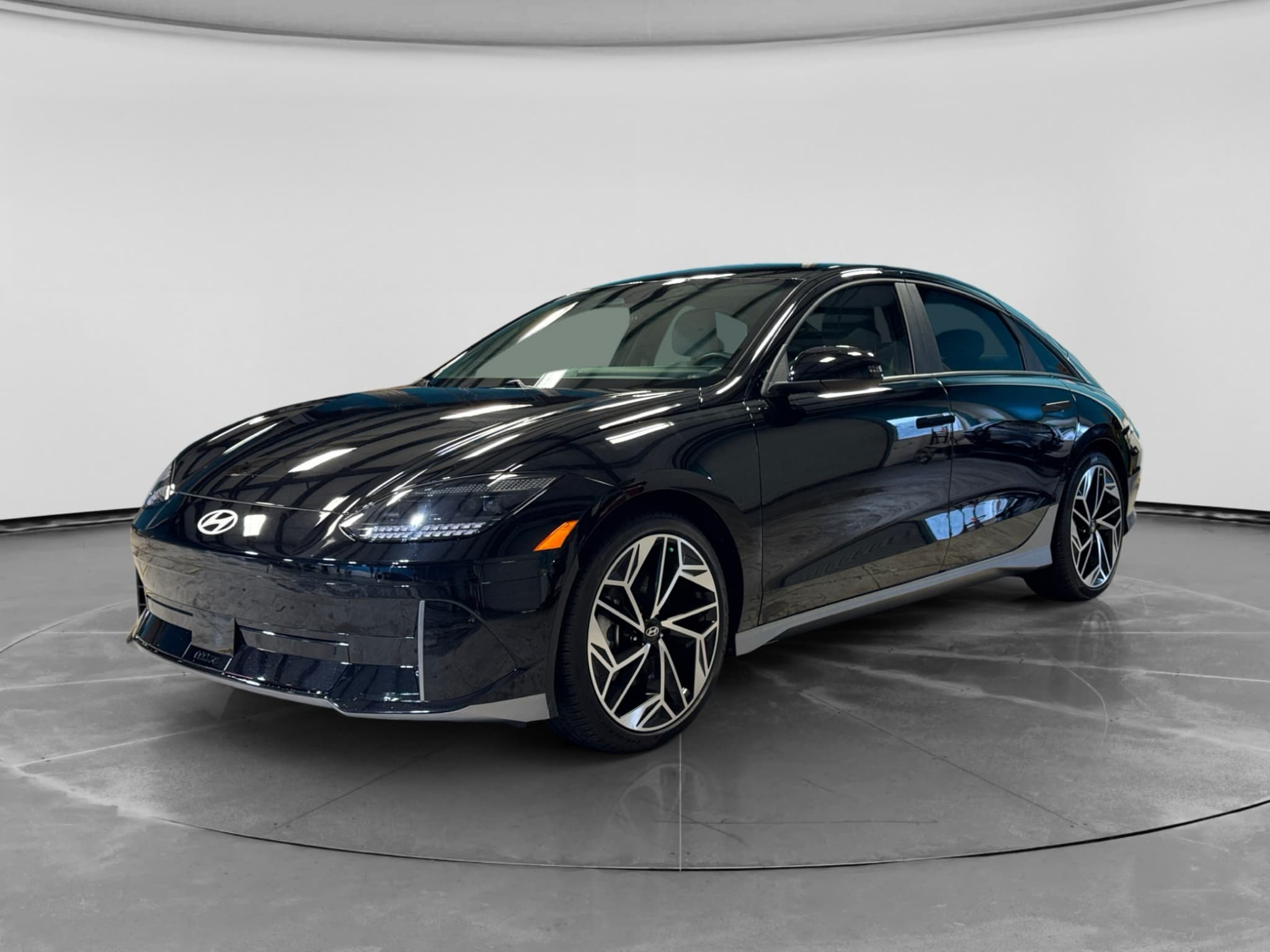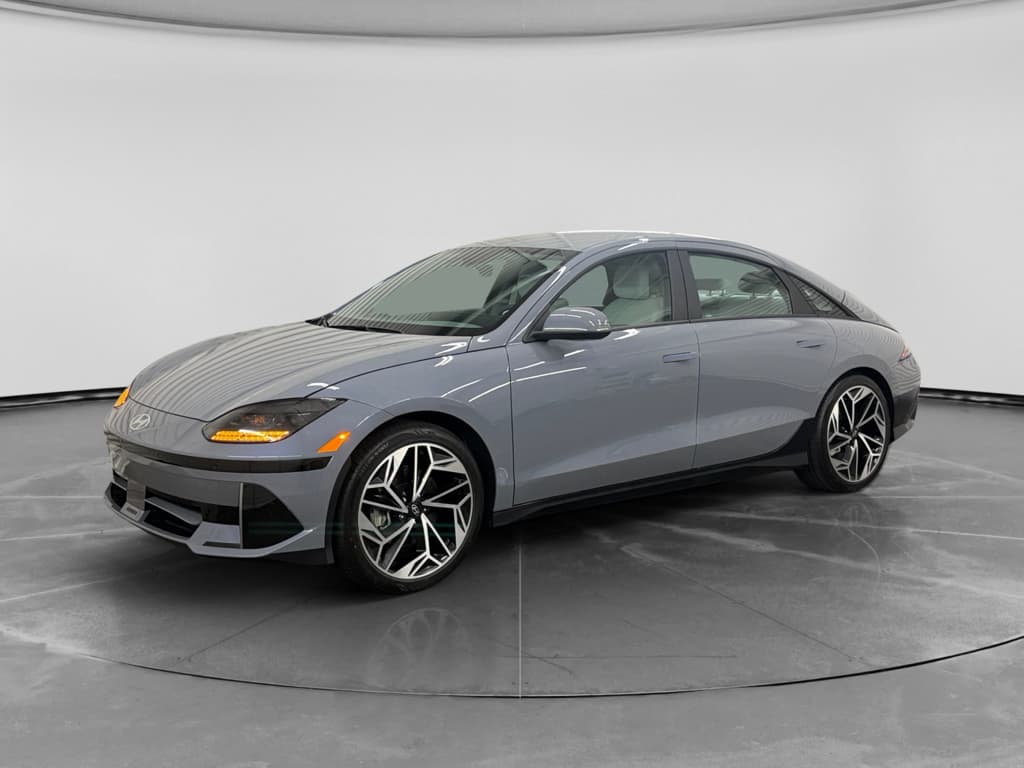
Recall coverage depends on the individual car’s vehicle identification number, or VIN, rather than its model name alone. Production date, equipment, prior repair history, and campaign updates can all affect the result. That makes a fresh VIN search more useful than a copied model-year list when you’re evaluating a used Hyundai IONIQ 6.
The current recall list is VIN-specific
The only complete current list is the set of safety recalls attached to the specific IONIQ 6 VIN you’re checking. Search both Hyundai’s campaign portal and the NHTSA recall lookup, because a static article can become outdated or include vehicles outside an affected production range. Ask a Hyundai dealer to check for service campaigns as well, since those may be tracked separately from safety recalls.
How to read the recall result
The wording may vary by lookup system, but these are the practical outcomes to watch for.
| VIN result | What it means | Your next step |
|---|---|---|
| Open recall | Repair not recorded | Schedule dealer service |
| Remedy unavailable | Fix not yet ready | Ask about timing |
| Completed campaign | Repair is recorded | Request documentation |
| No open recalls | None currently shown | Save dated results |
Confirm the exact campaign status with a Hyundai dealer before purchase or delivery.
Don’t rely on a seller’s verbal assurance
How do you check an IONIQ 6 VIN?
You can check an IONIQ 6 by copying its 17-character VIN into the official Hyundai and NHTSA lookup tools. Get the VIN from the lower windshield, driver-door label, title, or listing, and make sure every location matches. If the result identifies a campaign, record its number and ask whether the remedy is available and whether the car has already received it.
VIN-check checklist
Match the VIN
Compare the windshield, door label, title, and sales documents.
Run both lookups
Check Hyundai’s campaign portal and the NHTSA recall database.
Record each result
Save the campaign number, status, remedy availability, and lookup date.
Call a Hyundai dealer
Confirm open recalls, completed repairs, and separate service campaigns.
Recheck before delivery
Run the VIN again if time has passed since your first search.
What should you do about an open recall?
An open recall should be documented and discussed with an authorized Hyundai dealer before you take delivery. Ask what the defect involves, whether the remedy is available, how the repair is performed, and whether the car should be driven while you wait. If you’re buying remotely, put the agreed repair plan in writing rather than assuming the seller will complete it.
- Ask the dealer to verify the recall against the complete VIN.
- Confirm whether the required parts or software remedy are available.
- Request a repair order if the work has already been completed.
- Recheck the official databases after the repair record is processed.
- Keep the lookup results and repair paperwork with the vehicle records.
A completed recall isn’t automatically a reason to reject the car, but the documentation should make sense. If records conflict or the remedy is unavailable, pause the transaction until you understand the implications. The used-EV buying checklist can help you organize the recall search alongside title, charging, tire, and inspection checks.
What Recharged battery data shows
Recharged battery diagnostics show strong tested capacity among the IONIQ 6 vehicles in our sample, but battery health and recall status remain separate checks. Across 100 Recharged Score inspections, tested remaining capacity averaged 98.9% of original capacity, with a 100% median and a range from 90.6% to 100%. Tested real-world range averaged 318 miles, with results spanning 276 to 361 miles.
Current Recharged listing data also provides context for used-car shopping. Among 11 matching IONIQ 6 listings, asking prices ranged from $22,402 to $32,599, with an average of $27,328 and a median of $28,498. The takeaway is straightforward: compare recall status, verified battery condition, configuration, mileage, and physical condition, not price alone.
A high-capacity battery result does not prove that every campaign has been completed, just as an empty recall search does not measure battery degradation. Treat the official VIN lookup and a diagnostic such as the Recharged Score as complementary evidence. For more context, see how to check used-EV battery health before you buy.
Recharged data
Used Hyundai Ioniq 6 battery health
99%
avg remaining capacity
From Recharged battery inspections, not manufacturer estimates.
- Lowest
- 91%
- Median
- 100%
- Highest
- 100%
- Est. range
- 318 mi avg
- Cell balance pass
- 100%
- Quick charges
- 29 avg
- Slow charges
- 71 avg
Average cell imbalance: 3.2 mV
Based on vehicles Recharged tested
Recharged data
Used Hyundai Ioniq 6 prices at Recharged
$28,498
median list price
Current list prices for matching inventory at Recharged.
- Lowest
- $22,402
- Average
- $27,328
- Highest
- $32,599
Average Recharged Score on these listings
4.8 / 5
Range
4.7 – 5.0
Based on available listings
Every EV is battery-tested with a Recharged Score. Nationwide delivery.
A recall lookup is not a full inspection
A clean recall result cannot reveal unreported collision damage, hail damage, tire wear, charging problems, or cosmetic repairs. Recharged once received an IONIQ 6 with hail damage across the roof that wasn’t obvious in the initial condition report, particularly because of the matte finish. The car was rejected from inventory, illustrating why an in-person or independent used-EV pre-purchase inspection still matters.
We’ve had an IONIQ 6 arrive with roof-wide hail damage that wasn’t obvious in the condition report. That’s why we treat the VIN lookup as the start of due diligence, not the entire inspection.
Your inspection should cover the body under strong directional lighting, the tires and wheels, charge-port operation, warning messages, driver-assistance systems, and both AC and DC charging where practical. Review the title and service records, then compare the car’s physical configuration with the listing. For a used EV, verified battery capacity is especially valuable because the recall database doesn’t evaluate degradation or tested driving range.
Instant offer, trade-in, or consignment. Pickup available.
Hyundai IONIQ 6 recall FAQ
The bottom line
The safest way to use any Hyundai IONIQ 6 recalls list is to treat it as a prompt for a fresh VIN search, not as final proof of the car’s status. Check Hyundai and NHTSA, confirm the findings with a dealer, and keep dated records of open or completed campaigns. Then pair that work with a physical inspection and verified battery diagnostic before you buy.