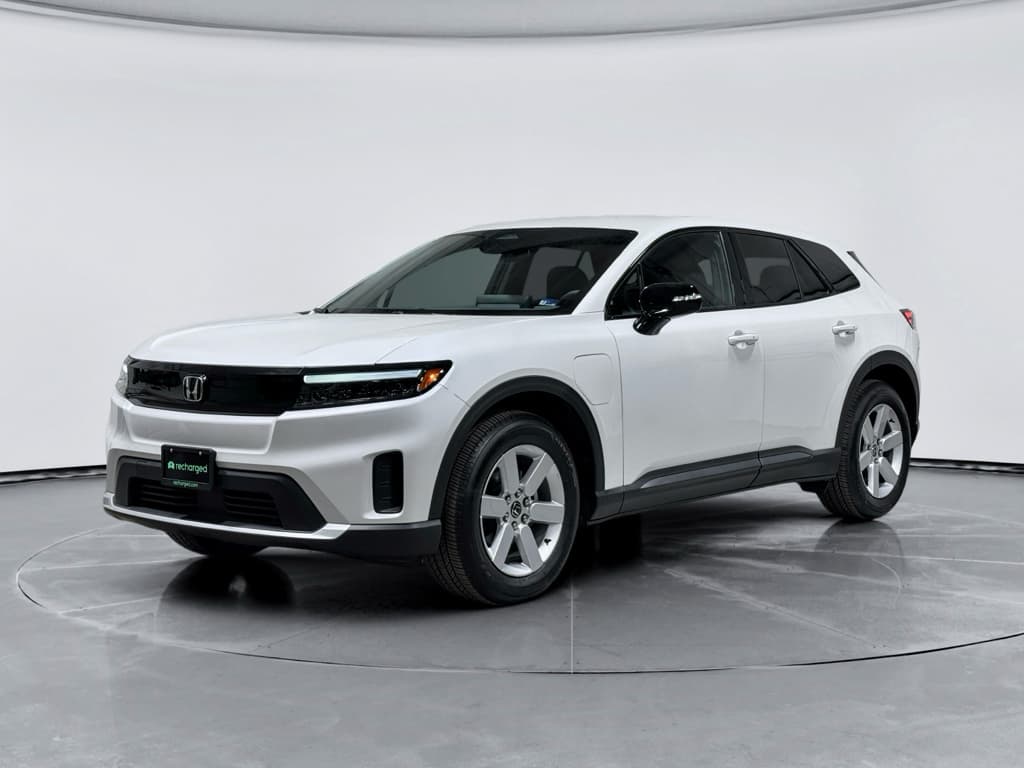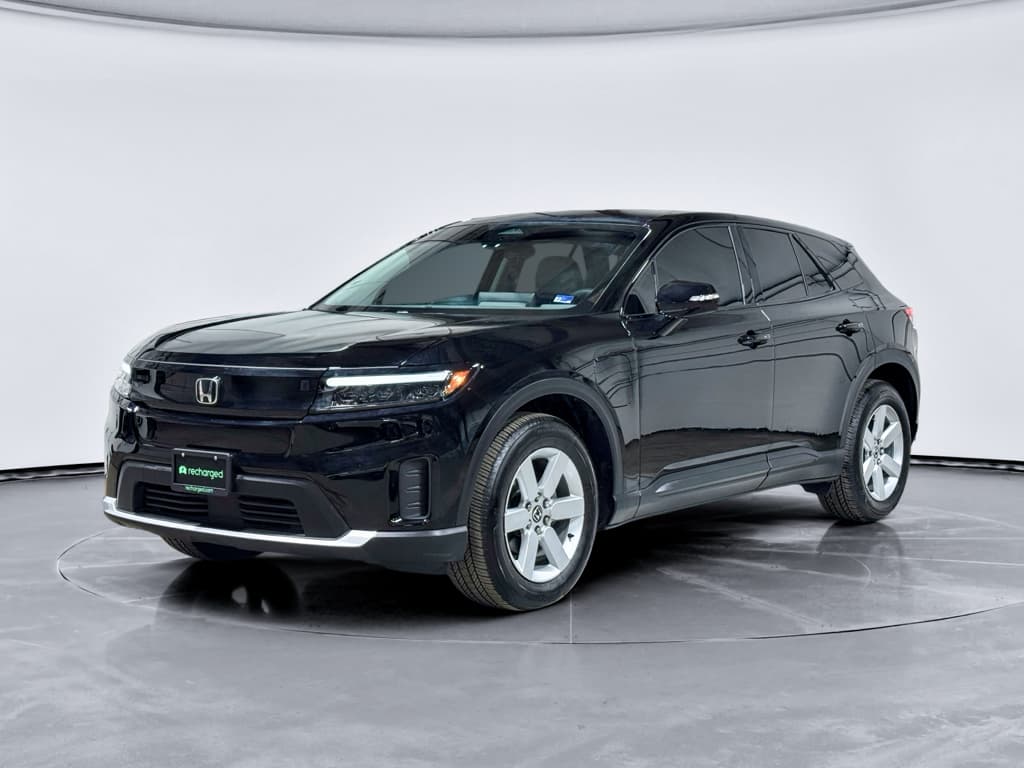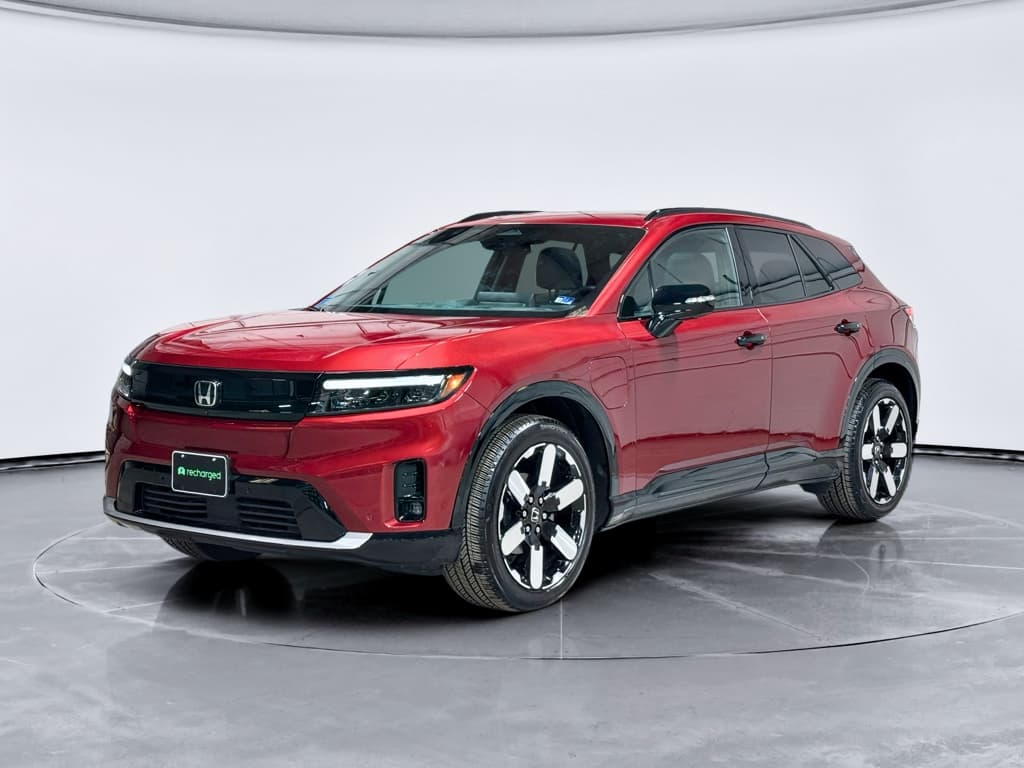
The Honda Prologue buying checklist is different from a typical SUV checklist. You’re not just choosing a trim and color; you’re making a call on range, charging access, incentives, and long‑term battery health. If you like Honda’s reliability and want a spacious all‑electric SUV without going full luxury price, the Prologue is worth a close look, but only if it fits your daily life and charging situation.
Big Picture
Who the Honda Prologue Fits Best (and Who It Doesn’t)
Great Fit If You:
- Drive mostly in town with occasional highway trips and want near‑luxury comfort without premium‑brand pricing.
- Have access to home Level 2 charging or reliable workplace charging.
- Value Honda’s reputation for dependability and simple controls.
- Prefer a smooth, quiet EV with standard driver‑assist features over raw performance.
Might Not Be Ideal If You:
- Regularly tow heavy trailers or need three rows of seats.
- Lack easy home charging and rely on spotty public infrastructure.
- Want the quickest DC fast‑charging or blazing 0–60 times.
- Are extremely price‑sensitive and simply want the cheapest EV possible.
Step 1: Compare Prologue Trims and Pricing
Start your Honda Prologue buying checklist by choosing the right trim level. For 2024–2025, the Prologue comes in three core trims, EX, Touring, and Elite, with front‑wheel drive standard on EX and Touring and all‑wheel drive standard on Elite. Pricing shifts slightly year to year, but expect the Prologue to live in the upper‑$40Ks to upper‑$50Ks new, before incentives.
Honda Prologue Trim Snapshot
Use this to narrow your trim before you show up at a dealership or start shopping used.
| Trim | Drivetrain | Key Comfort Features | Approx. New MSRP* |
|---|---|---|---|
| EX | FWD (AWD optional) | Heated front seats, power driver seat, dual‑zone climate, cloth upholstery, wireless phone charging | High‑$40Ks |
| Touring | FWD (AWD optional) | Adds leather, Bose 12‑speaker audio, panoramic moonroof, power passenger seat, hands‑free power tailgate | Low‑to‑mid‑$50Ks |
| Elite | AWD only | Adds 21" wheels, ventilated front seats, head‑up display, ambient lighting, surround‑view camera | Upper‑$50Ks to low‑$60Ks |
Exact pricing varies by model year, region, and incentives. Always verify the latest MSRP and offers.
Trim Choice Tip
Trim & Features Checklist
Confirm your drivetrain needs
Do you truly need AWD for snow and rough weather, or will FWD plus good tires do the job? AWD typically costs more and sacrifices a bit of range.
Decide on must‑have comfort features
List must‑haves (heated seats, moonroof, leather, premium sound). If you can’t live without them, that may push you from EX to Touring, or Touring to Elite.
Review advanced safety features
All Prologues come with Honda Sensing driver‑assist tech. If surround‑view camera and rear pedestrian alert are important, note they’re typically Elite‑only features.
Check wheel size and ride quality
The Elite’s 21‑inch wheels look sharp but can ride firmer and reduce range. If comfort and efficiency matter most, smaller wheels may be the smarter play.
Step 2: Check Range, Battery, and Warranty Coverage
EVs live and die by range and battery health. The Honda Prologue uses GM’s Ultium battery platform and offers competitive range for a midsize SUV. For recent model years, front‑wheel‑drive Prologues can crest the 300‑mile mark in ideal conditions, while all‑wheel‑drive versions land a bit lower. The exact EPA numbers vary by year and trim, so always confirm the ratings for the specific Prologue you’re considering.
Honda Prologue Range & Battery Snapshot (Recent Model Years)
Range Reality Check
Range & Battery Checklist
Map your real daily miles
Add up your typical weekday and weekend driving. If you’re under 60–80 miles a day, even the lower‑range AWD Prologue trims are plenty for home‑charged ownership.
Decide if AWD range is enough
If you want AWD, verify that its rated range still covers your longest regular trips without stressful charging detours.
Review battery and EV component warranty
Confirm terms for the specific model year: new Prologues typically have an 8‑year/100,000‑mile high‑voltage battery warranty, plus standard new‑vehicle and powertrain coverage.
For used: ask about battery health
On a used Prologue, request a <strong>battery health report</strong>. At Recharged, every used EV includes a Recharged Score Report with verified battery diagnostics so you know what you’re getting.
Step 3: Understand Charging Options – Home, Public, and Tesla
Before you buy any EV, Prologue included, you need a clear charging plan. The Prologue supports Level 1 (120V), Level 2 (240V), and DC fast charging, with a peak DC rate around 150 kW. That’s plenty for road‑tripping, but your day‑to‑day happiness will come from the convenience of home or workplace charging.
Honda Prologue Charging Options
Decide how you’ll charge before you decide what to buy.
Home Charging
Best for daily convenience.
- Level 1: Standard 120V outlet, slow but usable for low‑mileage drivers.
- Level 2: 240V wallbox or plug‑in charger for overnight full charges.
- Plan electrician work and hardware cost into your budget.
Public Networks
Good backup, not a primary plan.
- Works with major CCS fast‑charging networks.
- Use apps to see real‑time availability and pricing.
- Factor in wait times on busy travel weekends.
Tesla Superchargers
Growing access.
- Prologue uses a CCS port but can access selected Tesla Superchargers using an adapter or Magic Dock‑equipped stations.
- Access timing and adapter availability depend on model year and Honda’s agreements.
Adapter & Access Note
Charging Plan Checklist
Confirm where you’ll charge 80% of the time
Home driveway? Apartment garage? Workplace? If you don’t have reliable regular charging, solve that first, or consider a plug‑in hybrid instead.
Get a quote for home Level 2
Ask a licensed electrician what it would cost to add a 240V circuit and install or plug in a Level 2 charger. That can range from a few hundred dollars to several thousand depending on your panel and distance.
Compare public networks near you
Check apps for CCS fast chargers and destination chargers within 5–10 miles of your typical routes. Note pricing, reliability, and parking limitations.
Clarify Tesla Supercharger access
For the exact Prologue you’re buying, ask: Does it currently have Supercharger access? Is an adapter included? Are there Magic Dock stations on your regular routes?
Step 4: Estimate Real‑World Costs and Incentives
Sticker price is only one part of the Honda Prologue equation. Between federal incentives, state rebates, dealer discounts, and low‑APR financing or aggressive lease deals, your effective cost can be significantly lower than MSRP. At the same time, you’ll want to account for home charging setup, insurance, and long‑term EV service costs.
One‑Time & Up‑Front Costs
- Down payment or trade‑in: How much cash or existing vehicle equity you’ll bring.
- Home charging: Hardware plus electrician work.
- Taxes & fees: Vary widely by state and local jurisdiction.
- Dealer add‑ons: Paint protection, accessories, most are negotiable or skippable.
Ongoing Ownership Costs
- Electricity vs. gas: EVs typically cost less per mile, especially if you can charge off‑peak at home.
- Insurance: Can be higher than a comparable gas Honda; get quotes in advance.
- Maintenance: No oil changes, but budget for tires, cabin filters, and occasional brake service.
- Public charging: Road‑trip fast charging is pricier than home charging, plan that into travel budgets.
Don’t Forget Incentives
Costs & Incentives Checklist
Get pre‑approved or pre‑qualified
Know your budget before you negotiate. Recharged can help you <strong>pre‑qualify for EV financing online with no impact to your credit</strong>, so you walk in with real numbers.
Research federal and state incentives
Check current federal EV tax credit rules and your state’s EV or charger rebates. Note income caps and vehicle price caps if applicable.
Compare lease vs. buy
Some EVs, including the Prologue in certain regions, have <strong>very attractive lease specials</strong> that may beat buying once you factor in tax credits and interest rates.
Estimate your fuel and maintenance savings
Compare your current gas spend and maintenance schedule against a Prologue’s electricity use and simpler service schedule to see the true monthly impact.
Step 5: Compare the Prologue to Other EV SUVs
To know if the Honda Prologue is a smart buy, you have to see it in context. Its natural rivals include midsize EV SUVs like the Chevy Blazer EV (which shares its platform), Hyundai Ioniq 5, Kia EV6, Tesla Model Y, and Ford Mustang Mach‑E. Each plays a slightly different game on price, performance, charging speed, and interior feel.
Where the Prologue Stands Out, and Where It Doesn’t
Use this high‑level comparison to focus your test drives.
Honda Prologue Strengths
- Familiar Honda ergonomics with a Google‑built‑in interface that’s easy to live with.
- Comfort‑oriented ride and quiet cabin rather than track‑day handling.
- Standard Honda Sensing safety tech across the lineup.
- Competitive range, especially in FWD trims, versus many rivals.
Potential Weak Spots
- Not as quick or sporty as some alternatives like Kia EV6 GT‑Line or Model Y Performance.
- Charging curve and speed are solid but not class‑leading.
- Brand‑new EV platform for Honda buyers, less long‑term track record than their gas models.
Smart Cross‑Shopping Tip
Step 6: Decide Between a New vs. Used Honda Prologue
Because the Prologue is a new nameplate, the used market is just beginning to form, but it will grow quickly as leases turn over and early adopters trade for newer models or different EVs. A lightly used Prologue can be a strong value if you pay close attention to battery health, remaining warranty coverage, and any software or hardware updates.
When a New Prologue Makes Sense
- You want the latest range and feature updates.
- You plan to keep the vehicle for 8–10 years and want full factory coverage from day one.
- You can take advantage of strong lease or finance deals and potential tax credits.
When a Used Prologue Shines
- You’d rather avoid the steepest first‑year depreciation.
- You value lower monthly payments over having the newest tech.
- You buy from a source that provides transparent battery health data and history.
How Recharged Can Help
Extra Checklist Items for a Used Prologue
Verify battery and EV warranty remaining
Ask for in‑writing details on remaining basic, powertrain, and EV component coverage by date and mileage.
Request a battery health diagnostic
Look for evidence of capacity tests, DC fast‑charging history, and any software updates related to the battery or charging system.
Check service and recall history
Confirm regular maintenance was done and that any safety or software recalls have been addressed.
Look for accident and flood red flags
Review a vehicle history report and, when in doubt, have a third‑party inspection to check for structural or water damage.
Step 7: Pre‑Test‑Drive Checklist
A focused test drive starts before you ever touch the steering wheel. Spend a few minutes preparing so you’re comparing apples to apples and not getting distracted by showroom glitter.
- Narrow your choice to 1–2 trims and drivetrains (for example, Touring FWD vs. Elite AWD).
- Decide whether you’re targeting new, used, or certified‑pre‑owned inventory.
- Get pre‑qualified for financing so you know your realistic price ceiling.
- Schedule test drives close together so impressions stay fresh.
- If possible, bring the same passengers or car seats you use now to check comfort and space.
Timing Tip
Step 8: Inspection and Test‑Drive Checklist
Use this Honda Prologue buying checklist during your in‑person visit. Don’t rush it. Take notes or photos so you can compare vehicles calmly at home instead of from the showroom desk.
On‑Site Inspection & Drive
Walk‑around and cargo check
Inspect body panels for misalignment, paint quality, and wheel/tire condition. Open the hatch, fold the rear seats, and confirm cargo space works for strollers, sports gear, or luggage.
Cabin ergonomics and tech
Verify seat comfort, driving position, visibility, and rear‑seat space. Test the 11.3‑inch touchscreen, Google built‑in navigation, wireless CarPlay/Android Auto, and the audio system at highway volume.
Driver‑assist and safety features
On a safe, low‑traffic road, test adaptive cruise control, lane‑keeping assist, blind‑spot monitoring, and parking sensors. Make sure alerts are helpful, not annoying.
Acceleration, braking, and noise
Do a few brisk on‑ramp pulls, then cruise at 65–70 mph. Listen for wind or tire noise and get a feel for brake modulation and regenerative braking behavior.
Charging and settings demo
Have the salesperson walk you through starting a DC fast charge, locating chargers in the navigation system or app, and adjusting charge limits and departure‑time scheduling.
For used: scan for warning lights
On startup and during the drive, look for any persistent warning lights related to the battery, charging system, or driver‑assist features.
Step 9: Paperwork and Final Delivery Checklist
Once you’ve chosen your Prologue, the last step of the buying checklist is protecting yourself in the paperwork and delivery stage. This is where rushed decisions and upsells can quietly undo all your careful planning.
Before You Sign or Drive Away
Match VIN, trim, and options
Confirm the VIN on the contract matches the vehicle on the lot, and that trim level, color, wheels, and major options are correct.
Review out‑the‑door price
Look for add‑ons you didn’t request and don’t be afraid to decline paint protection, nitrogen tires, or overpriced accessories.
Confirm incentive and rate details
If your deal depends on a tax credit, lease cash, or special APR, make sure those numbers are clearly listed and explained.
Get all charging equipment
Verify that any included portable charging cable, adapters, or wallbox hardware (if part of the deal) are present and documented.
Collect owner resources
Make sure you get the digital or printed owner’s manual, app instructions, and contact info for EV support or roadside assistance.
Inspect at delivery
Do a final walk‑around in good light and check for chips, scratches, or curb rash. It’s easiest to fix these before you sign final acceptance.
Honda Prologue Buying Checklist: Quick Summary
If you walk through this Honda Prologue buying checklist step by step, trims, range, charging plan, incentives, cross‑shopping, new vs. used, test drives, and paperwork, you’ll be well ahead of the average shopper. The Prologue can be an excellent all‑electric SUV for drivers who value comfort, safety tech, and Honda familiarity over max‑performance bragging rights. The key is matching its strengths to your daily life and not skipping the unglamorous homework on charging and total cost.
If a used Prologue ends up on your shortlist, buying through Recharged adds another layer of confidence. Every vehicle includes a Recharged Score Report with verified battery health, transparent pricing, and guidance from EV specialists who do this all day. That way, whether you choose a Prologue or another EV, you’re not just excited on delivery day, you’re still happy years down the road.