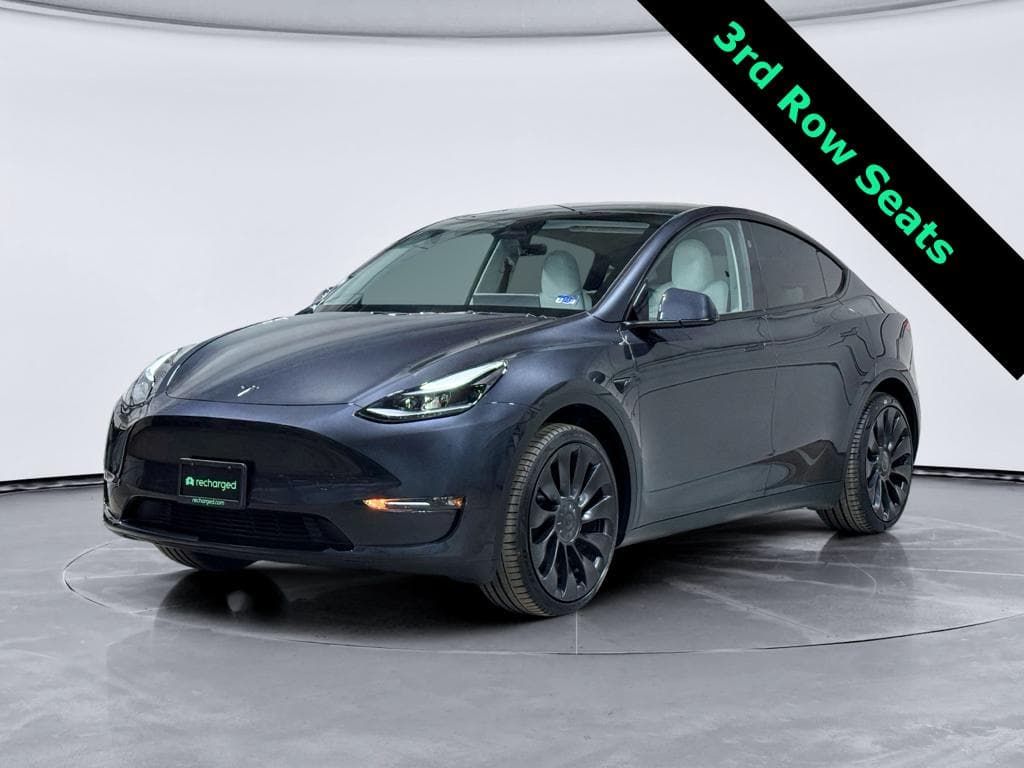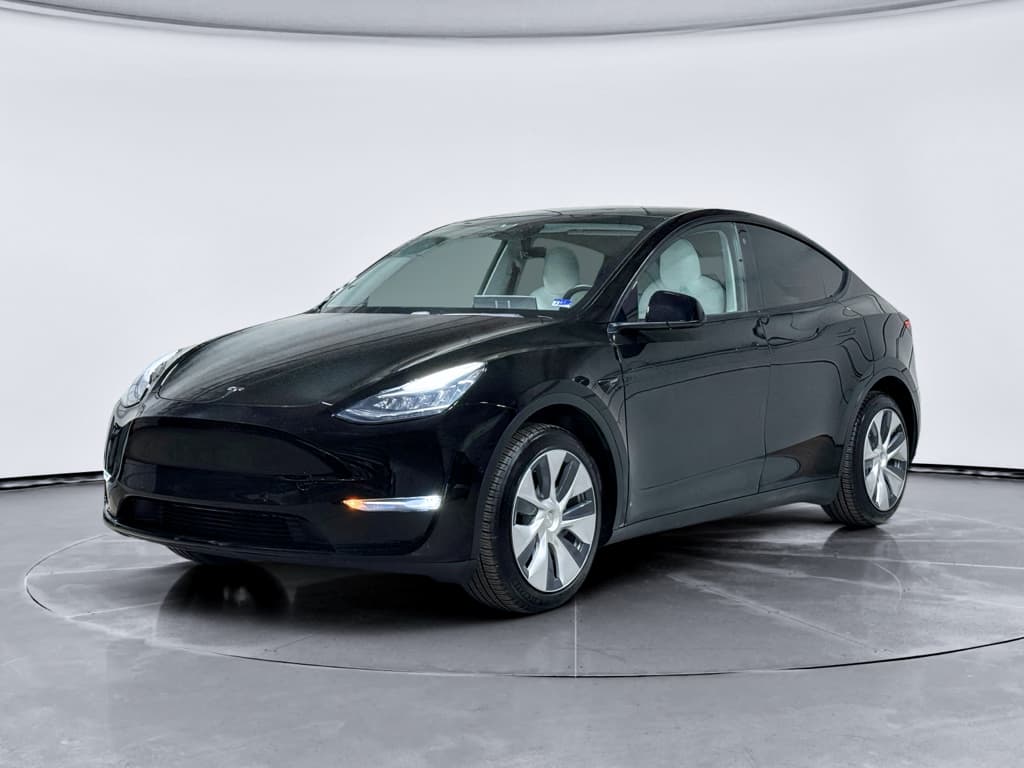
Search for “2025 Tesla Model Y problems” and you’ll find a confusing mix of glowing owner reviews, harsh reliability reports, and viral videos of misaligned panels. If you’re considering a Model Y, especially a used one, it’s hard to know what’s signal and what’s noise.
Context matters
Overview: Should you worry about 2025 Model Y problems?
Let’s start with the big picture. The 2025 Tesla Model Y is one of the best-selling EVs in the world, and it combines strong performance, range, and charging access. At the same time, independent data from Germany’s TÜV inspection authority shows that early Model Y builds have had the highest defect rate of any almost-new car in the last decade, driven mostly by suspension, brake, and lighting issues rather than catastrophic drivetrain failures.
Where the 2025 Model Y is strong
- Efficient powertrain with excellent real-world range.
- Access to Tesla’s Supercharger network (and growing NACS adoption by other brands).
- Over-the-air software updates for features and many fixes.
- Simple, low-maintenance EV drivetrain compared to gas SUVs.
Where most problems show up
- Build quality: panel alignment, trim, paint.
- Body hardware: door seals, handles, hatch, windows.
- Suspension components and noisy suspensions on rough roads.
- Brake corrosion from heavy regenerative braking use.
- Electronics: cameras, infotainment glitches, and occasional sensor faults.
Global vs U.S. experience
How 2025 Model Y reliability looks in the data
What the numbers suggest so far
Consumer-oriented testing outlets currently rate the 2025 Model Y’s predicted reliability as below average relative to other new vehicles, primarily because of the track record of earlier years and early owner feedback on body hardware and trim. On the other hand, mainstream buyer guides still highlight strong safety scores and the relative mechanical simplicity of the powertrain.
How to interpret this as a shopper
Most common 2025 Tesla Model Y problems
Not every Model Y will experience problems. But if you’re scanning forums, NHTSA complaints, and inspection reports, a few themes come up again and again. Here’s where owners and inspectors are seeing the most issues on 2020–2024 Model Y vehicles that are mechanically similar to the 2025 model year.
Problem areas to watch on a 2025 Model Y
These are the things most likely to annoy you, not necessarily leave you stranded
1. Build quality & trim
Owners still report:
- Panel gaps and misaligned doors or hatch.
- Wind noise from door seals and frameless windows.
- Rattles from the hatch, seats, and interior trim.
These issues are frustrating but usually fixable under warranty if documented early.
2. Paint & exterior finish
Paint has been a weak point on many Teslas, including the Model Y:
- Thin clearcoat that chips easily.
- Premature swirling or micro-scratches.
- Rust risk in harsh winter climates if chips go unaddressed.
3. Body hardware & glass
Typical complaints include:
- Door handles not presenting or sticking.
- Power trunk/hatch closing inconsistently.
- Window indexing issues causing wind noise or seal wear.
Mechanical and electronic trouble spots
Less common than cosmetic issues, but more important for safety
4. Suspension wear & noise
German TÜV failures highlight:
- Control arm and bushing wear.
- Clunks or knocks over bumps.
- Premature play in suspension joints.
On a test drive, listen for noises over rough pavement and speed bumps.
5. Brake corrosion
Because the Model Y relies heavily on regenerative braking:
- Friction brake discs may rust from lack of use.
- Surface rust can escalate to pitting in wet or salty climates.
- In Germany, this has caused many inspection failures.
Occasionally braking hard to a stop helps keep rotors clean.
6. Cameras & sensors
Software-heavy design means:
- Infotainment reboots and freezes.
- Autopilot cameras occasionally failing or fogging.
- Parking sensors and alerts behaving inconsistently.
Some issues are solvable via over-the-air updates; others require service visits.
Don’t ignore noises or warning lights
Recalls affecting 2024–2025 Tesla Model Y
Like most modern vehicles, the 2025 Model Y has already been touched by a few recalls. The twist with Tesla is that many fixes are delivered via over‑the‑air (OTA) software updates, so you may never see a service bay, but you still want to verify they were completed.
Key recent recalls that touch 2024–2025 Model Y
Always run a VIN check at NHTSA or Tesla to confirm recall status for a specific vehicle.
| Issue | Model years affected | Risk | Typical fix |
|---|---|---|---|
| Rearview camera circuit board failure | 2024–2025 | Loss of rear camera image, FMVSS violation | OTA software update to reduce stress on the circuit board plus replacement of affected computers. |
| TPMS warning light behavior | 2017–2025 3 / 2020–2025 Y | Low tire pressure may not trigger persistent warning | OTA update to Tire Pressure Monitoring System logic so warnings stay active between drive cycles. |
This table focuses on high‑impact safety or compliance recalls as of early 2026.
How to check recall status
Battery and drive unit: Are they actually a problem?
If you’re cross‑shopping gas SUVs and EVs, it’s easy to fixate on horror stories about battery pack failures. In reality, the Model Y’s high‑voltage battery and drive unit are not where most problems show up, and that’s backed up by the long 8‑year/120,000‑mile warranty and relatively low failure rates compared to traditional engines and transmissions.
- Most owners see gradual, manageable battery degradation, roughly a few percent in the first years, then a slower decline, depending on climate and charging habits.
- Thermal management on Tesla packs is robust compared with early EVs, which helps protect long‑term capacity.
- Catastrophic pack failures are rare, but extremely expensive if they occur, another reason a used buyer should insist on verified battery health data.
- What matters most for range in daily life is how the car was charged (lots of DC fast charging vs mostly home AC) and driven (sustained high speeds vs mixed driving).
Good news for used buyers
What 2025 Model Y problems mean if you’re buying used
If you’re considering a 2025 Model Y in the used market over the next few years, the takeaway isn’t “run away.” It’s that you should price the car like a strong EV powertrain wrapped in an imperfect shell. That shell may need more attention than a Toyota RAV4, and that should be reflected in the inspection and the deal.
How problems affect ownership
- Cosmetic and trim issues impact resale value and cabin experience.
- Suspension and brake concerns can show up as extra maintenance costs in the 40k–70k mile window.
- Electronics and camera glitches can temporarily disable driver‑assist features you rely on.
How problems affect price
- Visible paint and interior wear are negotiating leverage.
- Fresh suspension work or brake service is a plus; deferred work should lower the price.
- Documented battery health and clean recall history support paying a premium over a mystery-car auction special.
Leverage flaws, not fear
Inspection checklist for a used Tesla Model Y
Whether you’re buying from a private seller, a traditional dealer, or an online marketplace, you should treat a used 2025 Model Y like any other high‑tech product: verify, don’t assume. Here’s a practical checklist you can work through, or confirm has already been done for you.
Key checks before you buy a 2025 Model Y
1. Panel gaps, paint, and glass
Walk the car in good light. Check for mismatched paint, resprays, cracking clearcoat, or uneven gaps around doors and hatch. Look for chips along rocker panels and behind wheels, especially in snowy states where road salt accelerates rust.
2. Doors, windows, and hatch operation
Open and close every door and the rear hatch multiple times. Make sure windows index up and down smoothly with no scraping, and that the hatch powers open/close consistently without squeaks or binding.
3. Suspension noises and alignment
On a test drive, find a rough road and some speed bumps. Listen for knocks, clunks, or squeaks from the front or rear. Afterward, check for uneven tire wear that could indicate alignment or suspension issues.
4. Brake condition
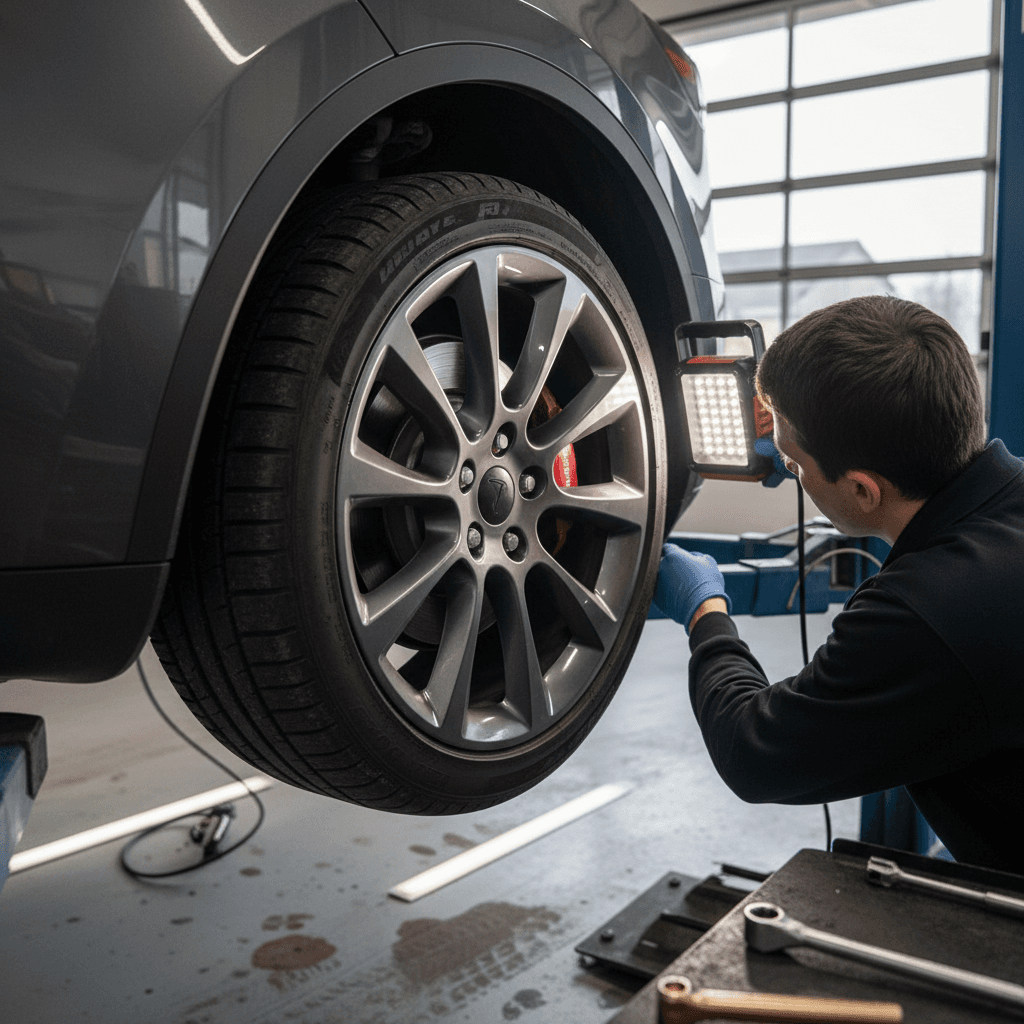
Look through the wheels (or ask to remove one) to inspect the rotors. Surface rust is normal, but heavy flaking, deep grooves, or pitting suggests the car may need new pads/rotors sooner than expected.
5. Software, cameras, and sensors
Cycle the touchscreen, test Autopilot/driver‑assist (where legal), and check that all cameras display clean images. Any persistent alerts about sensors, TPMS, or driver‑assist should be resolved before you buy.
6. Battery health and charging history
At minimum, compare displayed range at 100% charge to the original EPA figure. Ideally, use a professional diagnostic like the <strong>Recharged Score</strong> to measure pack health and understand how the car was charged over its life.
Don’t skip a professional inspection
How Recharged evaluates used Model Y battery and condition
Because the Model Y combines a robust EV core with hit‑or‑miss build quality, the key to a good purchase is objective data. That’s exactly what Recharged is built around.
What you get with a Recharged Model Y
Transparency around the exact problems shoppers worry about most
Recharged Score battery diagnostics
Every vehicle listed on Recharged includes a Recharged Score Report with verified battery health, charging behavior analysis, and range expectations, so you’re not guessing about pack life.
Underbody & suspension inspection
EV‑specialist technicians check control arms, bushings, shocks, and steering components for play, leaks, and abnormal wear, exactly the areas flagged by TÜV and owner complaints.
Condition, pricing & support
You see fair‑market pricing, cosmetic condition details, and open‑recall status up front. Recharged can also help with financing, trade‑in, and nationwide delivery, supported by EV specialists instead of commission‑driven salespeople.
Ready to find your next EV?
Browse VehiclesWhy this matters more for Tesla than a Camry
FAQ: 2025 Tesla Model Y problems
Frequently asked questions about 2025 Model Y problems
Bottom line: Is the 2025 Model Y worth it?
The 2025 Tesla Model Y is a paradox: an EV with a very strong core and a messy wrapper. The battery, motor, and charging experience are competitive or better than most alternatives, while inspection data and owner surveys clearly show more issues with build, suspension, brakes, and electronics than you’d expect from the best traditional brands.
If you’re comfortable with that tradeoff, and you approach a purchase with solid inspection data, complete recall history, and realistic expectations, the Model Y can still be a compelling daily EV. If you’d rather never visit a service center, it may not be your car.
Either way, the solution isn’t to panic about every headline, but to separate structural problems from manageable quirks. That’s where tools like the Recharged Score, expert EV inspections, and transparent used‑market pricing give you an edge. The more you know about how the 2025 Model Y actually fails, and how it mostly doesn’t, the better positioned you are to decide whether it belongs in your driveway.