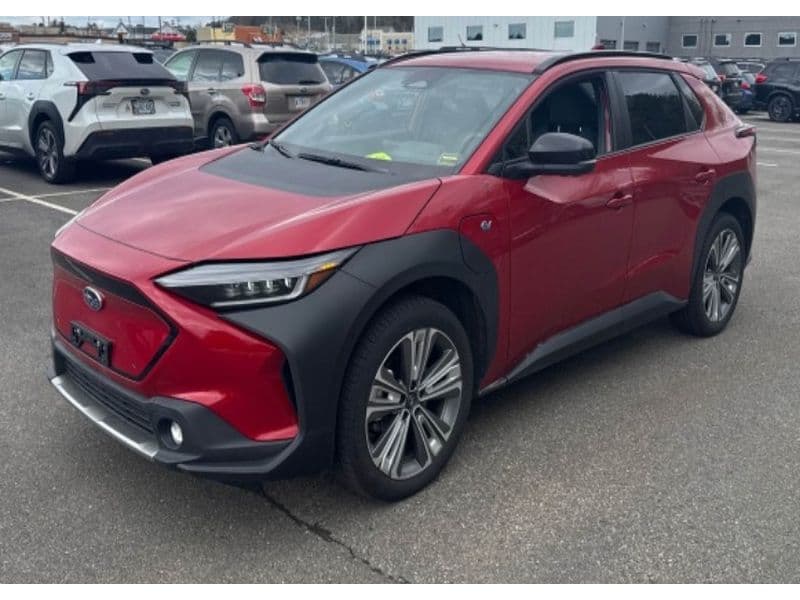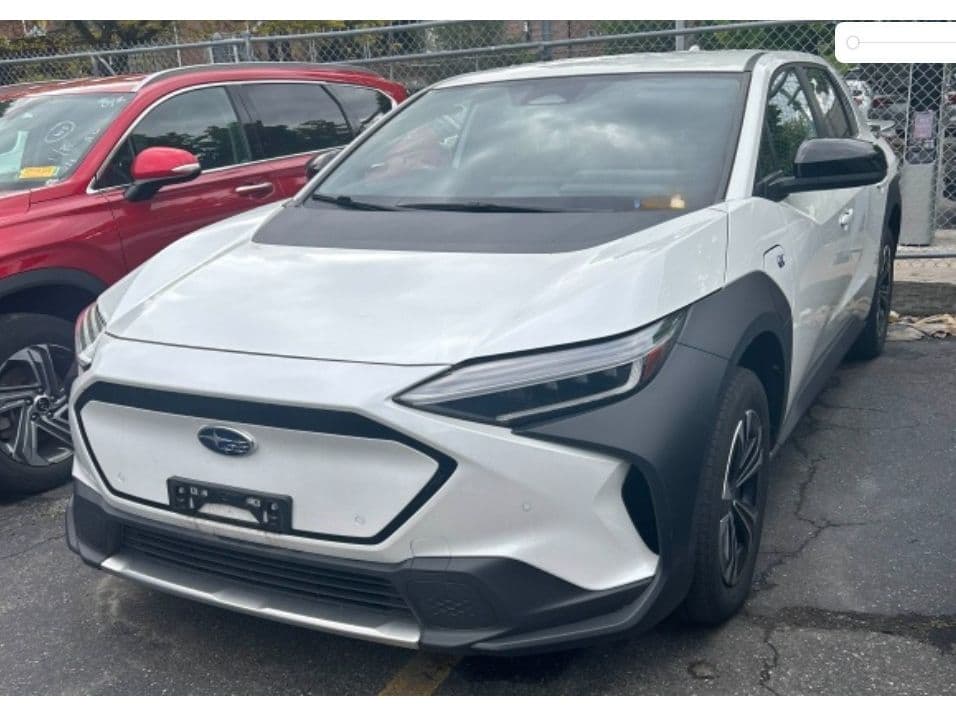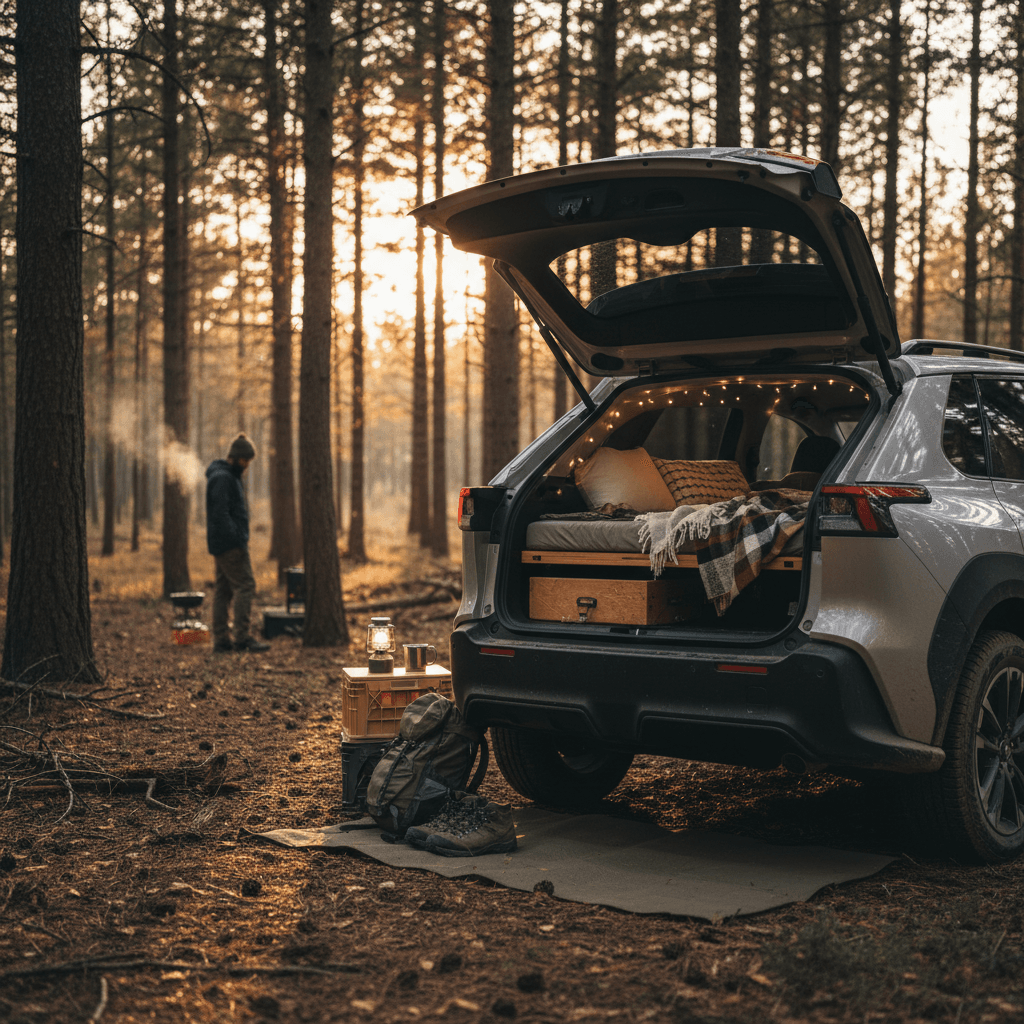
You can absolutely sleep in a Subaru Solterra, but it’s not a mini RV out of the box. With roughly 73 inches of maximum cargo length and 63.5 cubic feet of space with the rear seats folded, a Solterra can work well for one or two people who pack smart, choose the right mattress, and understand the quirks of an electric SUV when it comes to climate control and battery use.
Short answer
Solterra interior dimensions that matter for sleeping
Key Subaru Solterra interior numbers for camping
Across the 2023–2026 model years, Subaru keeps the Solterra’s basic interior package very consistent. You get 23.8 cubic feet of cargo space behind the second row, expanding to **63.5 cubic feet with the rear seats folded**. More important for sleeping is the **maximum cargo length of about 73 inches (6 feet 1 inch)** with the seatbacks down. That’s enough for many people to lie flat if you angle slightly or slide the front seats forward.
- Overall length: 184.6 inches (compact–midsize SUV footprint)
- Max cargo length with rear seatbacks down: 73.0 inches
- Headroom front/rear: ~38.8 / 38.0 inches (slightly less with the panoramic roof)
- Legroom front/rear: 42.1 / 35.3 inches
- Ground clearance: 8.3 inches, helpful on rutted campground roads
Reality check on length
Does the Subaru Solterra fold flat?
For camping, the big question isn’t just space; it’s how **flat** that space is. The Solterra’s 60/40 split rear seatbacks do fold down to create a long load floor, but like most compact SUVs there’s a mild slope where the seatbacks meet the cargo floor.
What to expect when you fold the Solterra seats
Good enough for sleeping, if you smooth the transitions
What works well
- Seatbacks fold nearly flat, giving a continuous surface from tailgate to back of front seats.
- Low lift‑over height makes loading mattresses and gear easy.
- Split folding lets you sleep on one side and leave the other up for a passenger or more storage.
What’s challenging
- Slight incline toward the front of the car, which you can feel with thin pads.
- Small step or gap between the cargo floor and folded seatbacks on some trims.
- No dedicated "bed mode", you’re improvising with camping gear, not using a factory sleep kit.
Don’t expect minivan-level flatness
Best sleeping layouts for the Solterra
Because the Solterra’s interior is flexible but not cavernous, your sleeping layout matters a lot. Here are three patterns that work well in practice, depending on how many people are sleeping inside and how much gear you’re hauling.
1. Solo sleeper, full length
This is the simplest and most comfortable option.
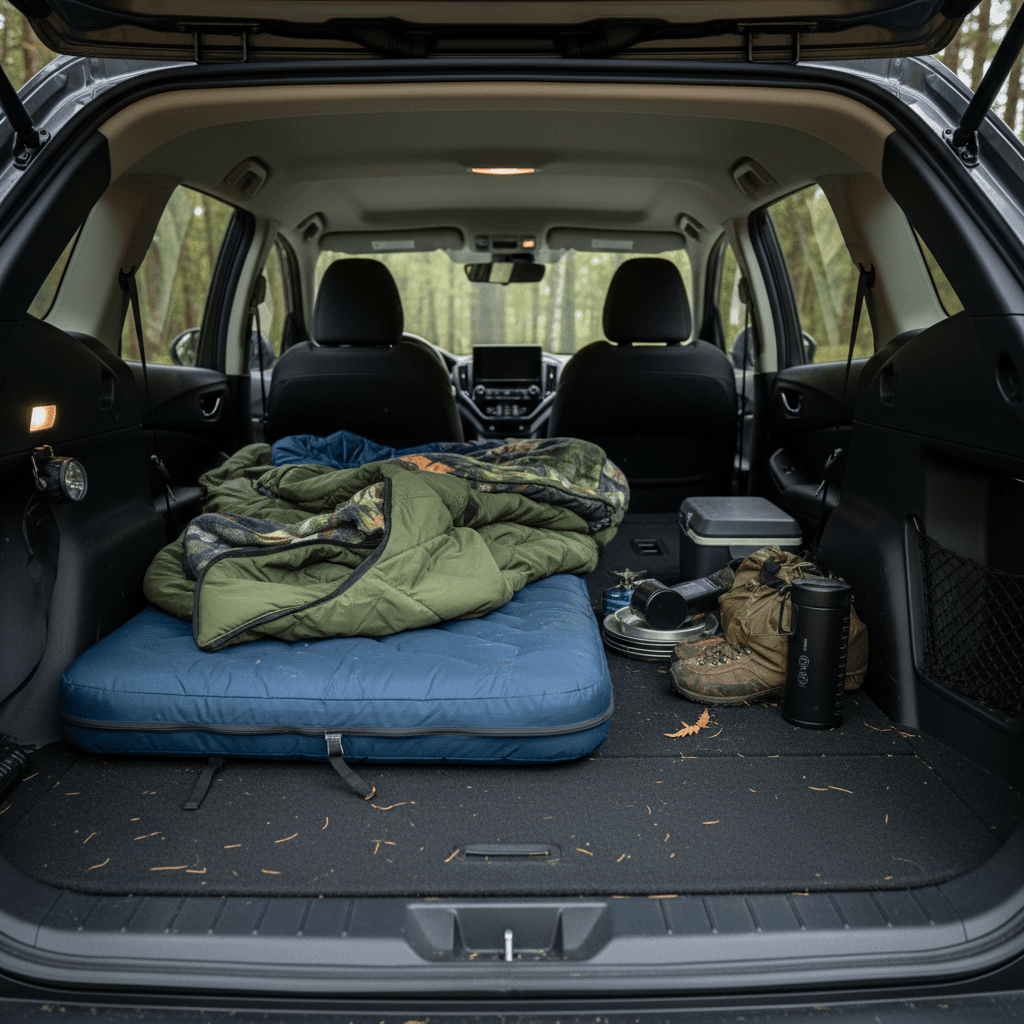
- Fold both rear seatbacks down.
- Slide the front passenger seat forward and/or recline it so its backrest is out of the way.
- Lay a **72–75 inch camping mattress or foam pad** on the passenger side, running front‑to‑back.
- Use the driver’s side of the cargo area for a cooler, duffels, or bins.
Most people up to about 6 feet can lie flat; taller sleepers may angle slightly.
2. Two people, head‑to‑tail or diagonal
Two adults can sleep in a Solterra, but you’ll need to be strategic.
- Fold both rear seatbacks.
- Use a **full‑width pad** (48–52 inches) or two narrow pads side by side.
- Sleep slightly diagonal so heads are staggered and shoulders have space.
- Store bulky gear in the front seats or under a low platform.
This works best if at least one person is shorter than 6 feet or doesn’t mind curling up.
3. One seat up, one seat down
Handy for road trips when you may pick up a rider.
- Fold only the larger (60%) side of the rear seat for your bed.
- Keep the smaller section upright for an occasional rear passenger or for stacking soft bags.
- Run a single pad along the folded side and use the upright side as a backrest during the day.
Great if you’re solo but want easy access to the rear seat without rebuilding your entire setup.
Use the terrain to fix the slope
Mattress and gear choices that actually fit
The Solterra’s approximately 73‑inch cargo length and compact width between the wheel wells mean you can’t just toss any old mattress in the back and expect a good night’s sleep. A thoughtful combination of pad thickness and size will make far more difference than arguing over an extra half‑inch of listed cargo length.
Common mattress sizes vs. Solterra cargo area
Use this as a starting point; exact fit depends on pad brand and how far forward you slide the front seats.
| Mattress type | Typical size | Will it fit flat? | Notes for Solterra owners |
|---|---|---|---|
| Regular camping pad | 72" x 20–25" | Yes | Best for solo sleepers; easy to position on one side and leave room for gear. |
| Wide camping pad | 72" x 30" | Yes | Good comfort upgrade while still preserving some side storage. |
| Double camping pad | 72"–78" x 40–52" | Usually | Works for two people; may need to curve or slightly compress corners around wheel arches. |
| Full mattress | 75" x 54" | Tight | Width can be an issue at the wheel wells. Look for flexible foam rather than rigid air coils. |
| Queen mattress | 80" x 60" | No (without bending) | Too long and wide unless you’re okay with curling the ends up and losing side storage. |
Aim for 72–75 inches of length and no more than ~50 inches of width for the easiest fit.
Why medium pads beat thick air beds
Essential gear to make sleeping in a Solterra work
1. Right‑sized mattress or pad
Choose a pad that’s 72–75 inches long and no more than about 50 inches wide. Two separate pads can be easier to position than one big one.
2. Gap filler for the seat hinge
Use foam blocks, a folded blanket, or a simple DIY plywood insert to level the transition between the cargo floor and folded seatbacks.
3. Blackout window coverings
Reflectix panels, magnetic curtains, or fitted shades add privacy, reduce condensation on cold nights, and help manage cabin temperature.
4. Soft-sided storage bins
Stackable bins or duffels let you move gear into the front seats at bedtime and keep the sleeping area clear.
5. Small 12V fan or vent solution
A low‑draw fan plus cracked windows or slightly open rear hatch (with a bug screen) dramatically improves sleep comfort without overusing HVAC.
6. Dedicated bedding
Keep a compact sleeping bag or duvet + sheet set that lives in the car. It’s easier than repurposing bulky home bedding every time.
EV-specific camping tips: “room mode” and climate control
Sleeping in an EV like the Solterra is fundamentally different from sleeping in a gas Subaru: you have a huge traction battery and efficient electric HVAC, but you also need to think about **state of charge (SoC)** and overnight consumption. Subaru doesn’t advertise a named “camp mode” like some rivals, but you can approximate it with a few habits.
Smart battery and climate habits for Solterra car camping
Stay comfortable without waking up to a low‑battery warning
Use HVAC thoughtfully
- Pre‑condition the cabin while plugged in at the campsite to start with a comfortable temperature.
- Overnight, use **moderate** heating or cooling, not the max setting.
- Rely on blankets and a hat for cold nights rather than cranking the heat all night.
Start with enough charge
- For most mild‑weather nights, climate control might use a few percent of the battery, but always build in margin.
- As a rule of thumb, aim to arrive at camp with **at least 40–50% SoC** if you’ll be running HVAC for hours.
- If you’re plugged into shore power, even Level 1, you can offset much of the overnight draw.
Avoid running the battery too low overnight
Approximating a "room mode" in the Solterra
Because Subaru doesn’t (yet) market a specific camp or room mode, you’re improvising:
- Set the vehicle to "Ready" with climate at a modest temperature and fan speed.
- Turn off unneeded loads: seat heaters, steering wheel heat, and high‑power defrosters once the glass is clear.
- Use the **timer or temperature hold** settings, if available, rather than blasting air constantly.
Practice this on a driveway night before trusting it deep in the backcountry.
Charging while you sleep
If your campsite offers power, even a basic 120V outlet is helpful:
- Use your portable EVSE to trickle charge overnight.
- Schedule charging to run during cooler hours to reduce thermal stress on the battery.
- Remember that campground circuits can be shared, avoid overloading them with space heaters, induction cooktops, and charging all at once.
If you’re new to home and campsite charging, our EV charging basics guide is a good primer.
Comfort, privacy, and storage while you sleep
Interior volume numbers don’t tell you how it **feels** to sleep inside. The Solterra cabin is bright and glassy, especially with the panoramic roof, which is great for driving but can feel exposed at night. A few small tweaks make a big difference in perceived space and comfort.
- Install simple window covers or curtains so you can change clothes and sleep without feeling on display.
- Use the rear cargo underfloor compartment (if equipped) for shoes and small valuables you don’t want visible.
- Keep only soft gear, jackets, duffels, pillows, near your head; hard items should be anchored or up front.
- Treat the **front seats as a gear garage** at night: move your cooler and big totes up there so the sleeping area stays clear.
- Crack opposite‑side windows slightly, and pair with a small fan and bug screens in buggy climates.
Test it before the big trip
When the Solterra is, and isn’t, the right car‑camping rig
Every vehicle is a compromise. The Solterra makes a lot of sense as a **daily driver that doubles as a weekend micro‑camper**, but it’s not the ideal choice for everyone who wants to sleep in their car.
Pros and cons of sleeping in a Subaru Solterra
How it stacks up as a camping platform
Where the Solterra shines
- Standard all‑wheel drive and 8.3 inches of ground clearance handle rough access roads better than many EV crossovers.
- Quiet electric drivetrain means no idling engine droning away while you get ready for bed.
- Rear seats fold quickly, and cargo length is enough for most sleepers with minimal gymnastics.
- Plenty of charging options on the road if you plan around DC fast chargers and Level 2 networks.
Where it falls short
- No factory camp mode or dedicated sleep kit, so you’re improvising your setup.
- Less interior volume than a big wagon, minivan, or three‑row SUV if you need to carry bikes and sleep inside.
- Panoramic roof can add heat gain and reduce headroom slightly, depending on trim.
- Charging access at remote campsites is still hit‑or‑miss in many regions.
Think of it as an EV Outback, not a camper van
Buying a used Solterra for camping: how Recharged helps
If camping utility is high on your list, buying used can make a lot of sense. The Solterra’s core dimensions haven’t changed much since launch, so you can shop 2023–2025 (and newer) models based on **condition, battery health, and price** rather than chasing some magic camping package.
Why battery health matters for campers
When you’re using your Solterra as a bedroom and a climate‑controlled shelter, range isn’t just a spec sheet number, it’s your margin of safety. A degraded battery means:
- Less real‑world range to reach trailheads and remote campgrounds.
- Less buffer for running HVAC or accessories at night.
- More reliance on whatever public charging happens to be nearby.
Every EV listed on Recharged comes with a Recharged Score Report, which includes verified battery health diagnostics so you know how much usable capacity you’re really working with.
Shopping and selling with camping in mind
Recharged is built to make EV ownership simple and transparent, including for buyers who care about camping and road trips:
- Browse used electric SUVs like the Solterra entirely online with clear, fair market pricing.
- Get EV‑specialist support if you want to understand how a specific Solterra build will work for weekend camping.
- Use financing, trade‑in, or consignment options to move out of a less practical vehicle and into something more adventure‑ready.
- Take advantage of nationwide delivery or visit our Experience Center in Richmond, VA if you want to see vehicles in person.
If you eventually decide you’ve outgrown car camping in the Solterra, you can also get an instant offer or consign it through Recharged to fund your next setup.
Subaru Solterra sleeping FAQ
Frequently asked questions about sleeping in a Solterra
So, can you sleep in a Subaru Solterra? Yes, comfortably, if you treat it like what it is: a capable electric crossover with enough interior volume to double as a minimalist micro‑camper. With the right mattress, a few DIY tweaks to level the floor, and some basic understanding of how EVs behave when you run climate control for hours, the Solterra can carry you to trailheads, campgrounds, and dispersed sites and still give you a dry, quiet place to crash. If you’re curious whether a used Solterra belongs in your own adventure fleet, Recharged can help you find one with strong battery health and transparent pricing, then support you from test‑drive to your first night under the stars.