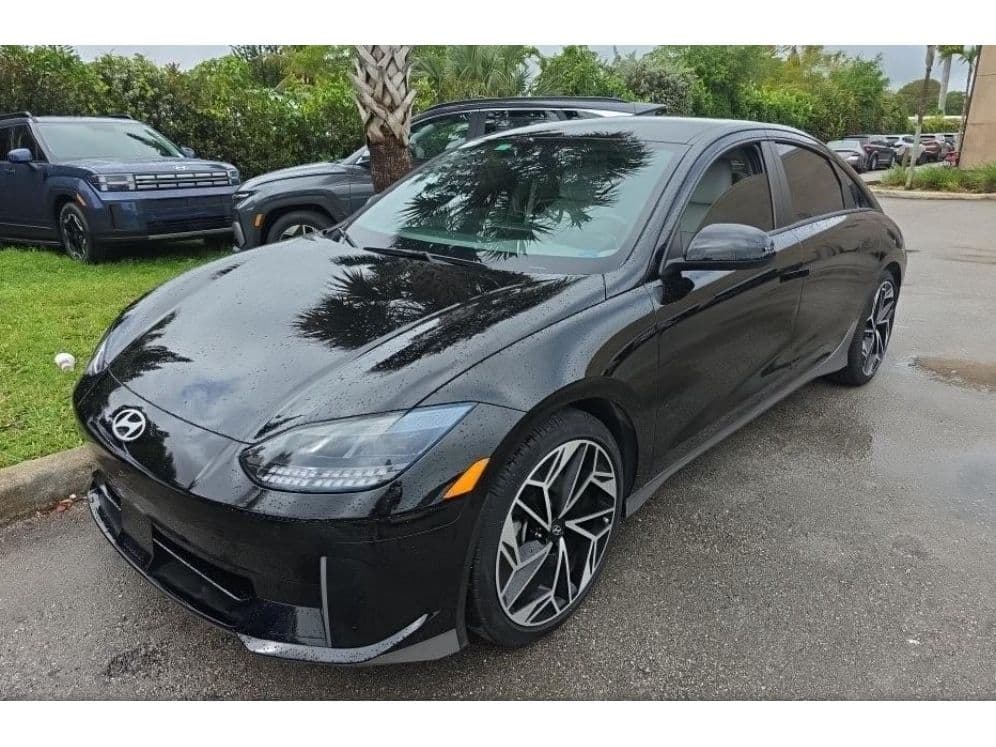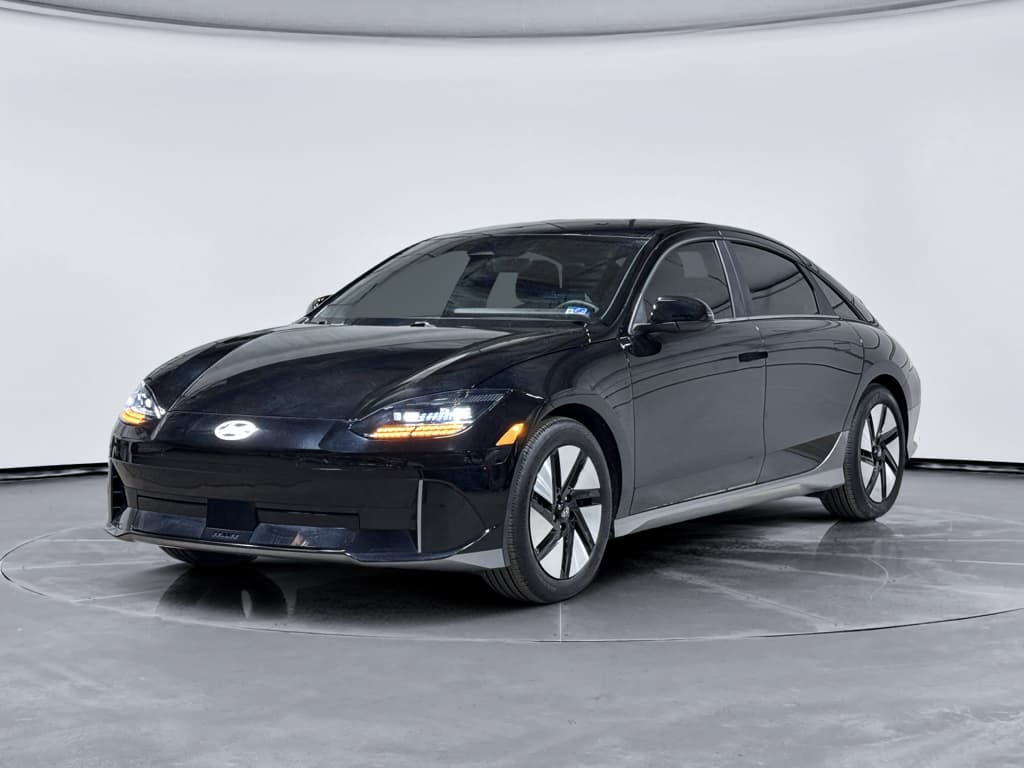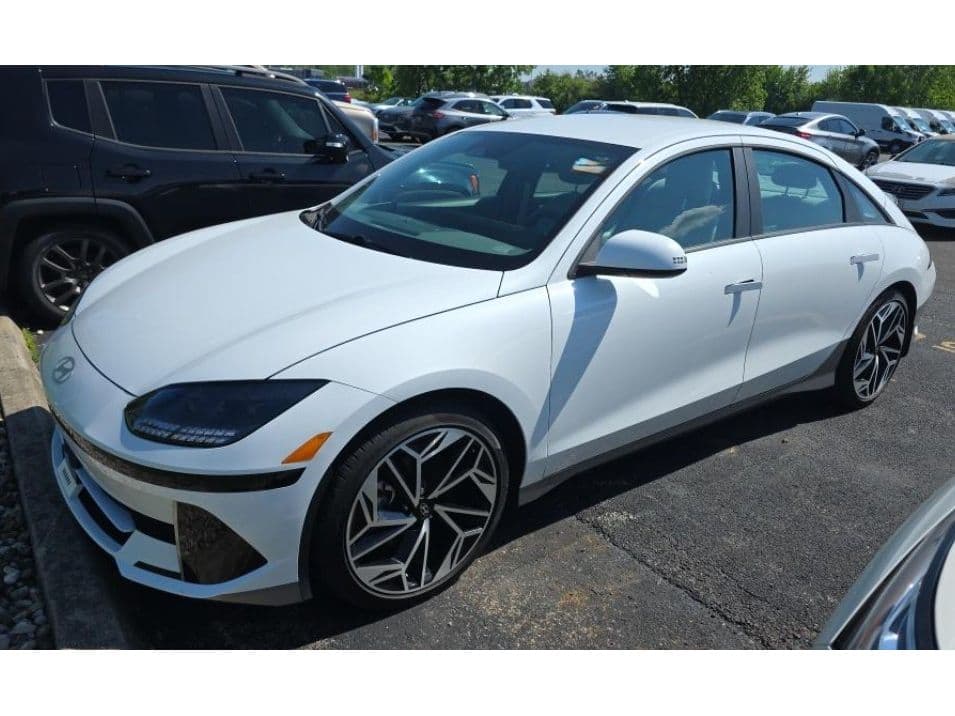
If you drive a Hyundai Ioniq 6, you’re already ahead of the game: it rides on Hyundai’s advanced E‑GMP platform with an efficient, liquid‑cooled battery and ultra‑fast charging capability. But like any lithium‑ion pack, it will slowly lose capacity over time. Smart habits can make the difference between modest, hardly noticeable fade and a battery that feels tired well before the warranty is up. This guide shows you exactly how to maximize Hyundai Ioniq 6 battery life in everyday use.
Quick reality check
Why battery care matters on the Hyundai Ioniq 6
All EV batteries degrade, but the way you use and charge your Ioniq 6 can speed that up or slow it down. Hyundai backs the Ioniq 6 high‑voltage battery for 10 years or 100,000 miles against defects and excessive capacity loss, and many owners will never come close to that limit. Good habits help keep your real‑world range close to new for longer, which matters whether you plan to drive the car for a decade or sell it in a few years.
Hyundai Ioniq 6 battery at a glance
Hyundai Ioniq 6 battery basics: what you’re working with
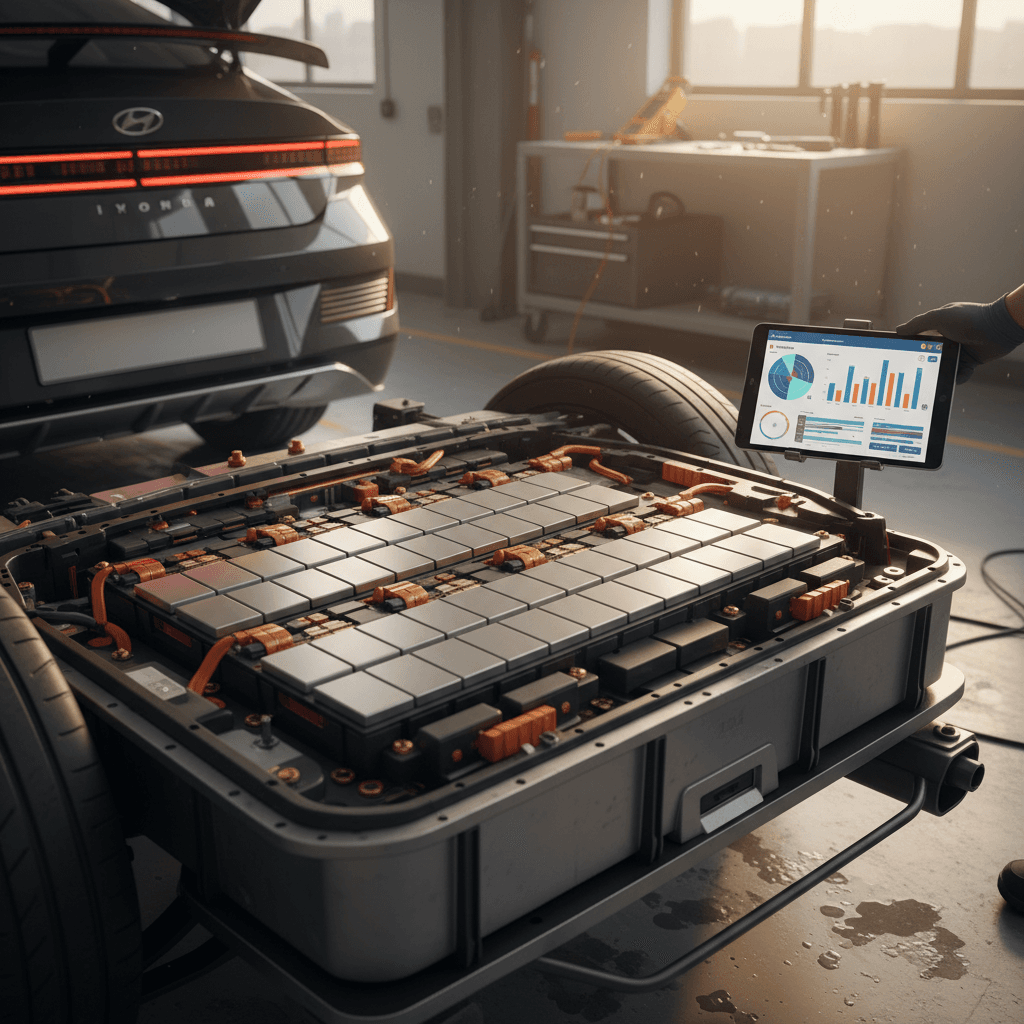
Understanding the Ioniq 6 battery helps you understand which habits matter. The pack is a liquid‑cooled, nickel‑manganese‑cobalt (NMC) lithium‑ion battery mounted low in the floor. It’s managed by a sophisticated battery management system (BMS) that controls charging, temperature, and how much of the pack’s total capacity is actually usable. That last point is key: Hyundai keeps a small buffer at the top and bottom of the state‑of‑charge range that you never see. That buffer is there specifically to help protect the cells from damage, especially at 0% and 100% indicated.
- Hyundai’s BMS prevents you from truly hitting 0% or 100% at the cell level in normal driving.
- The pack is actively heated and cooled, which reduces stress during fast charging and extreme weather.
- Most “battery damage” comes from spending long periods at very high or very low state of charge, especially in heat.
Good news for everyday drivers
Daily charging habits that maximize Ioniq 6 battery life
Your day‑to‑day charging routine is the single biggest lever you have to maximize Hyundai Ioniq 6 battery life. The science is straightforward: lithium‑ion cells age faster when they sit at very high state of charge, and when they are repeatedly cycled through a very wide range. You can’t avoid driving, but you can choose how far you routinely swing that gauge.
Core charging rules for a long‑lived Ioniq 6 battery
Fine‑tune these for your commute, but stick to the spirit of each rule.
1. Pick a smart daily limit
For most drivers, setting the charge limit to 70–80% for daily use is ideal. If your round‑trip commute plus errands is modest, you may be comfortable with 60–70%.
Reserve 90–100% for road trips or days when you genuinely need the extra range.
2. Time charging to finish before departure
Use the Ioniq 6’s charge scheduling so the car reaches your target state of charge shortly before you leave. That way the battery doesn’t sit at a high percentage for hours.
This is especially helpful if you occasionally charge to 100% for a trip.
3. Prefer Level 2 over constant DC fast charging
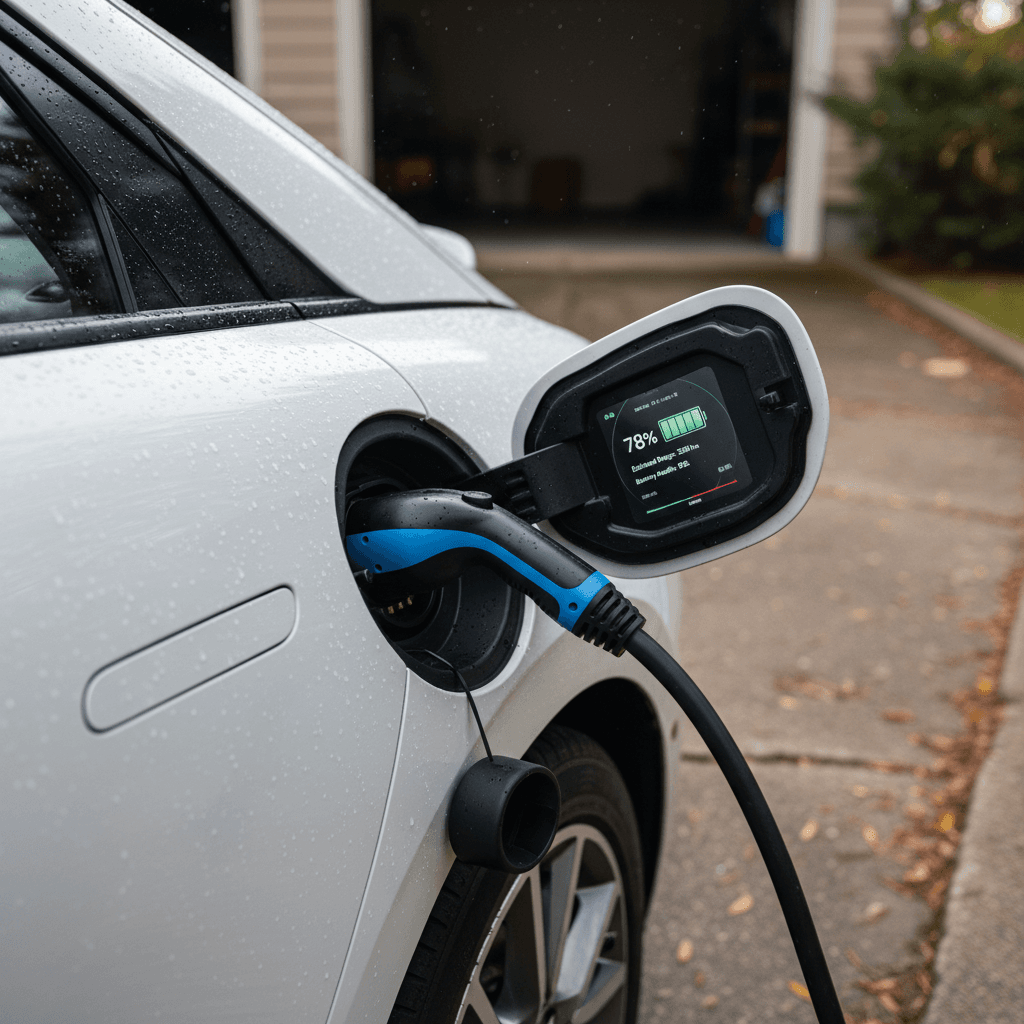
Home or workplace Level 2 charging is gentler on the battery and typically cheaper. DC fast charging is great for trips, but using it as your primary charging source will add a bit more long‑term stress.
Home charging checklist for healthier Ioniq 6 batteries
Set a sensible daily charge limit
In the Ioniq 6 settings, set your normal limit around 70–80%. Adjust if you regularly arrive home with very low state of charge.
Avoid sitting at 0–5% for long
If you arrive home nearly empty, plug in soon rather than letting the pack sit deeply discharged overnight, especially in extreme temperatures.
Use off‑peak electricity when possible
Many utilities offer cheaper overnight rates. Scheduling charging for off‑peak hours saves money and often lines up nicely with cooler ambient temperatures.
Keep the charging area cool when you can
A garage is already better than blazing sun. If you live in a hot climate, parking and charging in shade helps the battery cooling system do less work.
Unplug after reaching 100% for trips
When you do charge to 100% before a road trip, depart soon after it hits full rather than letting the car sit “topped off” for hours.
Don’t overthink the occasional exception
How often can you DC fast-charge an Ioniq 6?
One of the Ioniq 6’s party tricks is its ability to gulp down energy at a rapid pace on 800‑volt DC fast chargers. In ideal conditions it can go from about 10% to 80% in under 20 minutes. Used correctly, that speed is a huge advantage, with only a modest impact on long‑term battery health.
Best practices for DC fast charging
- Use it when you need it: Road trips, long days, or when you’re far from home charging are good reasons. Using fast charging once or twice a week on trips is generally fine.
- Target 10–70% or 80%: The fastest charging happens in the mid‑range. Past ~80%, charge speeds naturally slow and stress on the cells increases.
- Arrive warm but not overheated: The Ioniq 6 will pre‑condition its battery when you navigate to some fast chargers, but even without that, driving 15–20 minutes before a session helps the pack come up to temperature smoothly.
Habits to avoid with DC fast charging
- Living at fast chargers: If you rely on DC fast charging multiple times per week for most of your energy, expect somewhat faster degradation over many years.
- Charging to 100% on DC regularly: It’s fine for trips, but try not to make 0–100% DC sessions your default routine.
- Repeated back‑to‑back fast charges: Chaining multiple long DC sessions on an extremely hot day is about the hardest thing you can do to any EV battery.
Road‑trip reality
Driving techniques that are easy on the battery
While driving style doesn’t affect chemical aging as directly as temperature and state of charge, it does influence how many full‑cycle equivalents you put on the battery each year and how hot the pack runs. The smoother and more efficient your driving, the fewer hard, high‑current peaks the cells see.
Simple driving habits that help preserve your Ioniq 6 battery
These also improve range and comfort, win‑win.
Drive smoothly, not slowly
Brisk but smooth acceleration is fine; constant full‑throttle sprints aren’t. Avoid repeated pedal‑to‑the‑floor launches and very high speeds for long stretches when you don’t need them.
Use Eco or Normal most of the time
Eco and Normal modes reduce peak power demand compared with Sport and nudge you toward gentler driving. Save Sport for on‑ramps or when you really want it.
Let regen do the work
Take advantage of the Ioniq 6’s adjustable regenerative braking. One‑pedal or strong regen turns more of your slowing‑down into usable energy instead of heat in the friction brakes.
- Plan your passes and lane changes rather than relying on sudden bursts of power.
- Keep tires properly inflated; under‑inflated tires increase rolling resistance, which raises energy use and can make the battery run hotter in extreme conditions.
- Use the climate control wisely, pre‑condition the cabin while plugged in when possible so the battery does less heating or cooling on its own dime.
Smart Ioniq 6 settings that quietly protect the battery
Hyundai gives you several software tools that, when set once, quietly work in the background to maximize Hyundai Ioniq 6 battery life. If you’ve never poked through the charging and EV menus, it’s worth a few minutes in the driveway.
Recommended Ioniq 6 settings for battery longevity
Exact menu names can vary slightly by software version, but these principles hold across model years.
| Setting | Recommended Use | Why It Helps |
|---|---|---|
| Charge limit | 70–80% for daily use; 100% only for trips | Reduces time spent at high state of charge, where cells age faster. |
| Charge scheduling | Finish charging 30–60 minutes before departure | Minimizes hours spent at high percentage, especially on 100% trip charges. |
| Battery conditioning (if available for DC) | Enable when planning DC fast‑charge stops on trips | Brings the pack to an optimal temperature for faster, safer fast charging. |
| Climate pre‑conditioning | Pre‑heat or pre‑cool while plugged in | Keeps the battery from doing as much energy‑intensive conditioning while you drive. |
| Eco driving mode | Default for daily commuting | Softens power delivery and encourages efficient, lower‑stress driving. |
Set these once, revisit them when your lifestyle or commute changes.
Set‑and‑forget protection
Cold and hot weather battery care for the Ioniq 6
Temperature is the other big factor in battery aging. The Ioniq 6’s liquid‑cooled pack and thermal management systems do a lot of the work for you, but your habits still matter, especially if you live in a region with harsh winters or scorching summers.
In cold weather
- Pre‑condition while plugged in: Use remote climate or scheduled departure so the car warms the cabin and, indirectly, the battery while drawing from the grid.
- Expect slower fast charging at first: A cold battery won’t accept high power right away; the car will ramp up as it warms the cells.
- Don’t panic about temporary range loss: Winter range reduction is normal and mostly reversible when temperatures rise again.
In hot weather
- Seek shade or a garage: Parking out of direct sun keeps the pack and cabin cooler, lowering the work the cooling system must do.
- Avoid storing at very high SOC in heat: Long periods at 90–100% in hot weather accelerate aging the most.
- Use cabin pre‑cooling when plugged in: Let shore power handle the heavy A/C work before you drive.
The battery’s worst environment
If your Ioniq 6 sits a lot: storage and low-mileage use
Not everyone daily‑drives their Ioniq 6. Maybe it’s a second car, a weekend toy, or a vehicle you leave at a vacation home. Long periods of inactivity call for slightly different habits, both for the high‑voltage pack and the 12‑volt system that runs accessories.
Long‑term storage tips for the Ioniq 6 battery
Store between ~40–60% state of charge
Before leaving the car for weeks, set the charge limit and unplug around the middle of the battery gauge. This is the least stressful range for long‑term storage.
Avoid parking at 0–5% or 90–100% for weeks
If you return home with almost no charge or you’ve just charged to full, adjust to roughly mid‑pack before leaving the car for a long stretch.
Decide whether to leave it plugged in
If you have reliable power and a sensible charge limit (50–60%), leaving the car plugged in can help maintain both the main battery and the 12‑volt system. If power is less reliable, storing at mid‑pack and unplugged is safer.
Check on it every month or so
If possible, check state of charge monthly. Top up gently with Level 2 if it has drifted near the bottom of the gauge.
What’s “normal” battery degradation on an Ioniq 6?
Real‑world data from Hyundai’s earlier EVs and the wider industry suggest a well‑treated pack will typically lose a modest amount of capacity in the first few years, then degrade more slowly. The Ioniq 6’s large, well‑managed pack and 800‑volt architecture put it in a favorable position.
- A few percent of range loss over the first couple of years is common and generally not a concern.
- Hyundai’s U.S. battery warranty covers excessive capacity loss, typically if usable capacity drops below around 70% within 10 years or 100,000 miles.
- Heavy DC fast‑charging, high mileage, and constant high‑SOC storage can increase degradation, but they don’t automatically doom the pack.
How to check your Ioniq 6 battery health
Battery health tips if you’re buying or selling an Ioniq 6 used
Battery condition is the single biggest unknown, and the biggest value driver, on a used electric car. If you’re shopping for a pre‑owned Ioniq 6, or preparing to sell yours, a little homework on the pack goes a long way.
For buyers vs. sellers: how to put Ioniq 6 battery health to work
Whether you’re on the lot or listing your car online, transparency pays off.
If you’re buying a used Ioniq 6
- Ask how the car was charged: A car that lived mostly on home Level 2 with moderate daily limits is ideal.
- Look at real‑world range: Compare the seller’s typical range at a known state of charge to published EPA figures.
- Get documentation: A dealer battery health printout or a third‑party Recharged Score battery report gives you hard data instead of guesses.
If you’re selling your Ioniq 6
- Gather service and charging records: Evidence of regular maintenance and mostly home charging reassures buyers.
- Highlight the remaining battery warranty: For many 2023+ Ioniq 6s, several years of 10‑year/100,000‑mile coverage remain.
- Consider a professional evaluation: Selling through a marketplace like Recharged, which includes a verified battery health report, can justify stronger pricing and a faster sale.
How Recharged can help
Frequently asked Hyundai Ioniq 6 battery questions
Hyundai Ioniq 6 battery FAQ
Key takeaways for a long‑lasting Ioniq 6 battery
You don’t need to turn yourself into a battery engineer to maximize Hyundai Ioniq 6 battery life. Set a reasonable daily charge limit, favor Level 2 home charging, time your charges so the car doesn’t sit full for hours, and avoid storing it at extreme states of charge, especially in heat. Use the Ioniq 6’s built‑in tools like charge scheduling, drive modes, and climate pre‑conditioning to let the car quietly protect itself in the background.
Treat the battery well and the Ioniq 6 will reward you with strong range and performance for many years, likely well beyond the warranty window. And if you’re moving into or out of a used Ioniq 6, a verified battery health report, like the Recharged Score included with every car on Recharged, turns that invisible asset into real‑world peace of mind and value.