If you’re trying to figure out how to sell a Mercedes EQE in 2026, you’re not imagining it: this is one of the toughest segments in the used‑car market. Luxury EV sedans and SUVs have taken a steep depreciation hit, and the EQE sits right in the middle of that storm. The good news is that if you understand timing, pricing, and how to showcase battery health, you can still exit your EQE without leaving thousands of dollars on the table.
Fast context: EQE values in 2026
Why selling a Mercedes EQE feels tricky right now
Luxury EV depreciation is brutal
Across the board, luxury EVs are depreciating faster than comparable gas sedans and SUVs. Generous lease deals, heavy discounts on new EQ models, and shifting incentives have pushed used prices down faster than many owners expected.
For the EQE, that means buyers can cross‑shop nearly new inventory with big discounts and certified pre‑owned examples, all competing with your car.
But the EQE is still a desirable product
On the other hand, the EQE offers solid range, quiet comfort, and a modern cabin. Many shoppers who were priced out at $75,000 now see a chance to get in around the mid‑$40,000s to $50,000s.
Your job as a seller is to position the car clearly: strong battery, clean history, and priced correctly for the current EV mood.
Think like a buyer
Step 1: Decide if this is the right time to sell your EQE
Mercedes EQE value snapshot in 2026 (typical cases)
- Good time to sell: You’re early in the depreciation curve (years 1–3), mileage is low, and there’s plenty of battery warranty left.
- Consider waiting: You’re deeply underwater on a loan and don’t need to exit right away, or your mileage is unusually high and another year won’t change the story much.
- Strong reason to sell now: You rarely use the range, insurance and payment costs feel heavy, or you’re eyeing a different EV that better fits your needs.
Watch your warranty cliff
Step 2: Understand what your Mercedes EQE is worth
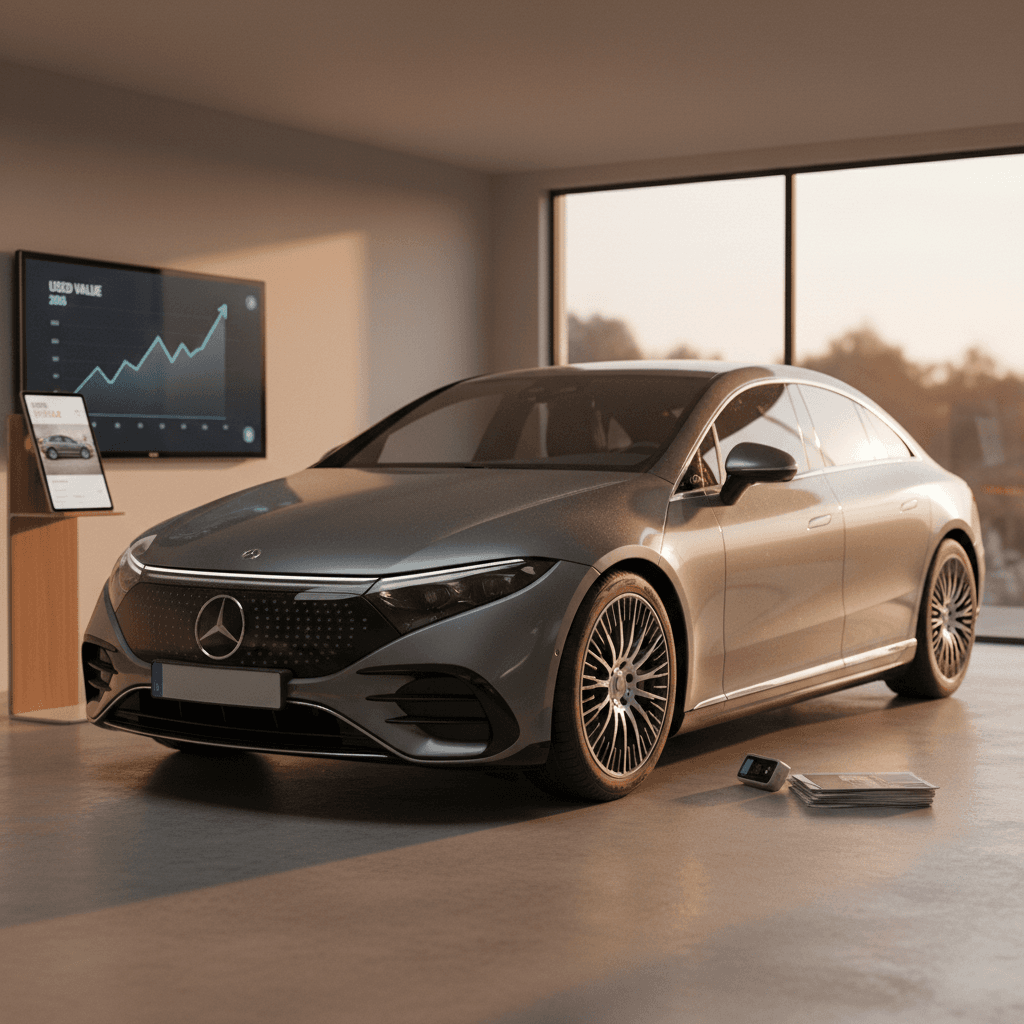
Your EQE’s value isn’t just about model year. Trim, options, mileage, service history, region, and market mood all move the needle. A 2023 EQE 350+ sedan with 20,000 miles and clean history might sit in the mid‑$40,000s in one market, while a heavily optioned SUV with similar mileage could be listed closer to $50,000–$55,000 elsewhere.
Key inputs that shape your EQE’s price
Use this as a checklist before you start pulling numbers from pricing tools.
| Factor | Why it matters | How to check it |
|---|---|---|
| Trim & body style (sedan vs SUV) | AMG, 4MATIC, and SUV variants command different prices. | Decode your VIN; match exact trim on valuation sites. |
| Mileage & usage pattern | Low, consistent mileage is easier to sell than high mileage or big spikes. | Pull your odometer and average annual miles. |
| Options & packages | Premium audio, driver‑assist, multi‑contour seats and larger battery packs can add value. | Print your original window sticker or build sheet if available. |
| Service & repair history | A clean history with documented maintenance reassures EV shoppers. | Download service records from your Mercedes account or dealer. |
| Local EV demand | Some regions are softer on EVs than others; winter‑range worries can hurt prices. | Browse local listings for EQE and rival EVs to see what’s actually moving. |
Combine online valuation tools with real‑world listings to zero‑in on a realistic asking price.
Start with a three‑way cross‑check
Step 3: Get your Mercedes EQE market‑ready
Pre‑sale checklist for a Mercedes EQE
1. Pull service and warranty documents
Gather maintenance records, recall paperwork (if any), and proof of completed services. EV buyers are especially tuned into software updates and any past high‑voltage system work.
2. Check battery health and range
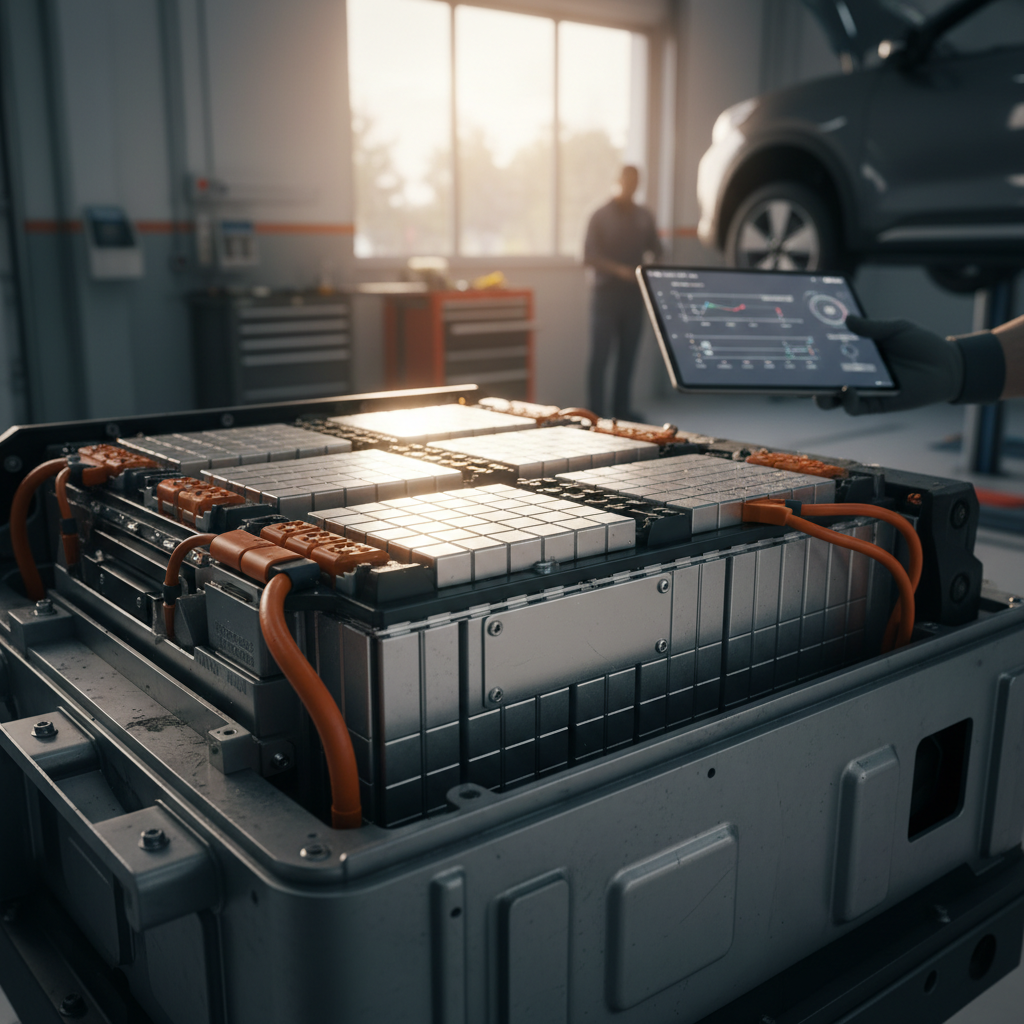
Note your typical real‑world range at 80–90% charge and recent energy consumption. If you sell through Recharged, your car receives a <strong>Recharged Score</strong> with verified battery diagnostics that you can share with buyers.
3. Fix obvious cosmetic issues
Touch up curb rash on wheels, repair windshield chips, and address glaring interior wear. You don’t need perfection, but you do want to avoid giving buyers easy excuses to grind down the price.
4. Resolve warning lights and recalls
No one wants to test‑drive an EQE lit up like a Christmas tree. Clear any check‑engine or system warnings and confirm recall work is completed before you list.
5. Clean the car like a dealer would
Deep‑clean the interior, charge the car to a practical level (60–80%) before showings, and photograph it in good daylight from all angles, including close‑ups of the screen and charging port.
6. Prepare both keys and accessories
Have both key fobs, the charging cord(s), wheel lock key, and any cargo covers ready. A complete kit signals a cared‑for car and makes buyers more comfortable paying top of market.

Why battery transparency pays
Step 4: Choose how to sell, trade‑in, instant offer, consignment, or private sale
Four main ways to sell a Mercedes EQE
Each path trades off speed, effort, and final price. Decide which matters most to you.
Dealer trade‑in
Best for: Convenience when you’re buying another car.
- Fast and simple, roll equity into your next deal.
- Lower price than private sale; dealer must leave room for profit.
- Good if you’re upside‑down and need help structuring the deal.
Instant offer / EV marketplace
Best for: Quick, EV‑savvy pricing without DIY listing work.
- Online appraisal, firm offer, and quick funding or trade‑in.
- Specialists like Recharged understand EQE battery, options, and incentives.
- Usually better than a random dealer offer, with less work than private sale.
Consignment with specialist
Best for: Maximizing price without handling every buyer.
- Marketplace lists and markets the EQE for you.
- You benefit from their audience and EV expertise.
- Vehicle may stay in your driveway or at their hub depending on program.
Private sale
Best for: Top‑end price if you’re patient and hands‑on.
- Highest potential sale price, but also the most hassle.
- Requires screening buyers, managing test drives, and paperwork.
- EV‑specific questions can be a hurdle if you’re not prepared.
A practical rule of thumb
Step 5: Highlight what buyers actually care about on an EQE
Battery, range and charging story
- State of charge and usage habits: Mention if you typically charged to 80–90% and avoided frequent DC fast charging, that’s exactly what informed buyers want to hear.
- Real‑world range: Share honest highway and city numbers you see in your climate, not just the EPA estimate.
- Charging setup: If you’ve been using Level 2 at home, say so. Some buyers may also want to purchase your home EVSE if you’re switching brands.
Comfort, tech and ownership costs
- Interior and tech: Highlight adjustable suspension, advanced driver‑assist, augmented‑reality navigation, and premium audio if equipped.
- Recent tires and brakes: EQE‑specific tires and big wheels are not cheap. Fresh rubber is a tangible value point.
- Warranty remaining: Spell out the in‑service date and years/miles left on both the new‑vehicle and high‑voltage battery warranty.
Must‑include details in your EQE listing
Exact trim, options and packages
Don’t just write “EQE SUV.” Call out EQE 350+ vs 500, 4MATIC, AMG Line, Pinnacle Package, and key tech or comfort options that set your car apart.
Battery and charging information
State battery size (if known), typical charging routine, whether DC fast charging was rare or frequent, and any battery diagnostics you have (like a <strong>Recharged Score</strong> report).
Range you actually see
Give shoppers highway and city range at your normal driving style. Honest, real‑world numbers build trust, especially in cold‑weather regions.
Service and damage history
Summarize any warranty repairs, recall work, and whether the car has ever had bodywork or paint. Attach a clean vehicle‑history report if you have it.
High‑quality photos
Include exterior, interior, screen close‑ups, wheels, tires, cargo area, and a shot of the car plugged in and charging. Aim for bright, consistent lighting.
Think like an online buyer
Step 6: Avoid the most expensive mistakes EQE sellers make
Top mistakes that quietly cost EQE sellers thousands
These errors don’t always show up on a checklist, but buyers notice.
Overpricing based on what you paid
Many EQE owners anchor on their purchase price instead of today’s market. EV incentives, discounts, and lease returns have changed the math. Price off current comps, not what you remember from the showroom.
Hiding EV‑specific concerns
Skimming past battery or range questions, or dodging how often you used DC fast charging, makes serious buyers nervous. Be candid; if you’ve taken care of the pack, say so clearly.
Limiting your buyer pool
Selling only through a single local dealer or a tiny marketplace reduces competition for your car. Listing with a nationwide EV‑focused platform can surface buyers willing to pay more for the right spec.
Safety and fraud basics for private sellers
Using Recharged to sell a Mercedes EQE
If you’d rather not become an EV sales expert overnight, a specialist marketplace can do a lot of the heavy lifting. Recharged is built specifically around used electric vehicles, including the Mercedes EQE, with tools that address the exact questions buyers have about range, battery health, and long‑term costs.
How Recharged helps EQE owners sell smarter
Designed around EV‑specific concerns, not generic used‑car playbooks.
Recharged Score battery health report
Every vehicle listed through Recharged gets a Recharged Score Report with verified battery diagnostics, charging behavior insights, and fair‑market pricing context. That tackles the #1 fear buyers have about a used EQE: its battery.
Accurate EV‑specific pricing
Recharged’s pricing tools account for EQE‑specific depreciation patterns, incentives when new, mileage, and options, so you’re not guessing between conflicting generic valuations.
Flexible selling options & nationwide reach
Choose from instant offer, trade‑in, or consignment, with nationwide delivery options and EV‑specialist support. You can manage the whole process digitally or visit the Recharged Experience Center in Richmond, VA, if you prefer an in‑person handoff.
Ready to find your next EV?
Browse VehiclesA calmer way to exit your EQE
FAQ: Selling a Mercedes EQE
Frequently asked questions about selling a Mercedes EQE
Selling a Mercedes EQE in 2026 means working with a market that’s still figuring out how to price luxury EVs, but that uncertainty cuts both ways. If you’re realistic about depreciation, transparent about battery health, and strategic about how and where you list the car, you can move on from your EQE without feeling burned. Whether you choose a quick instant offer, a trade‑in, or a more patient consignment or private sale, grounding your decisions in data, and leaning on EV specialists like Recharged where it makes sense, will make this one of the smoother transactions in a segment that’s anything but predictable.