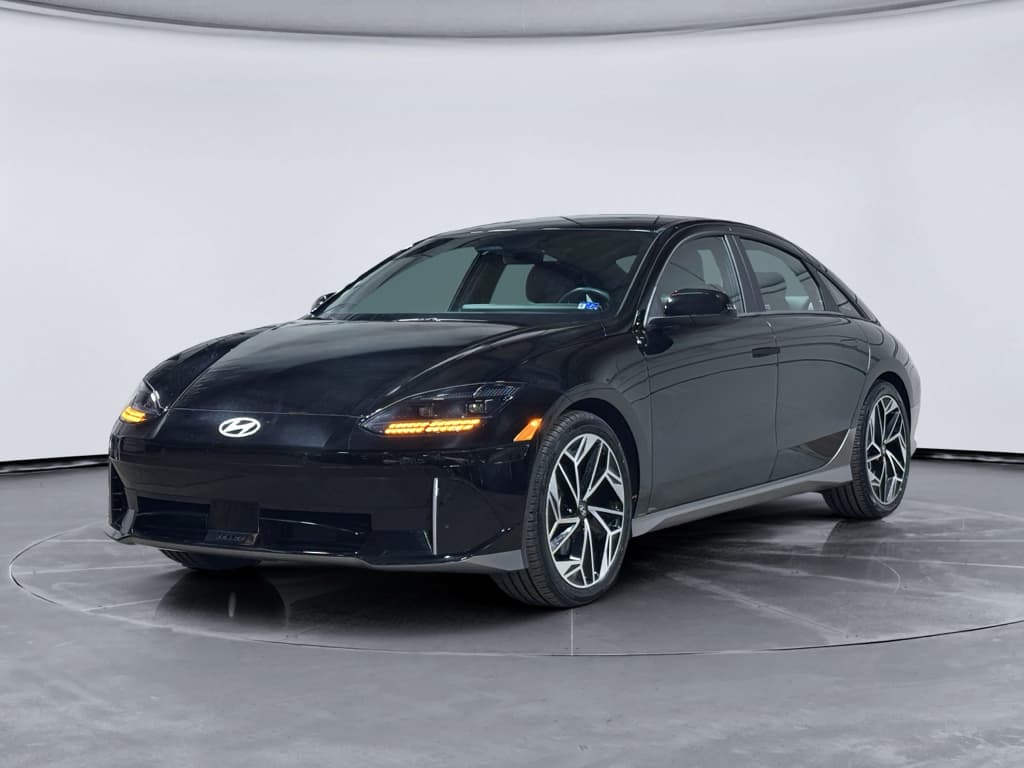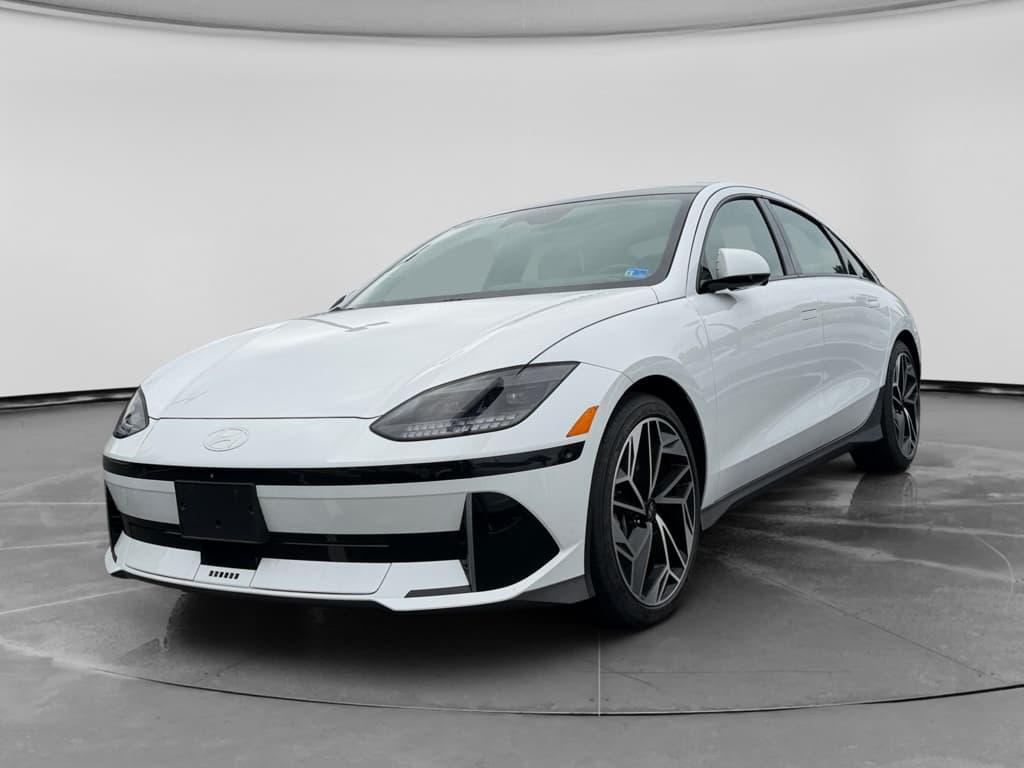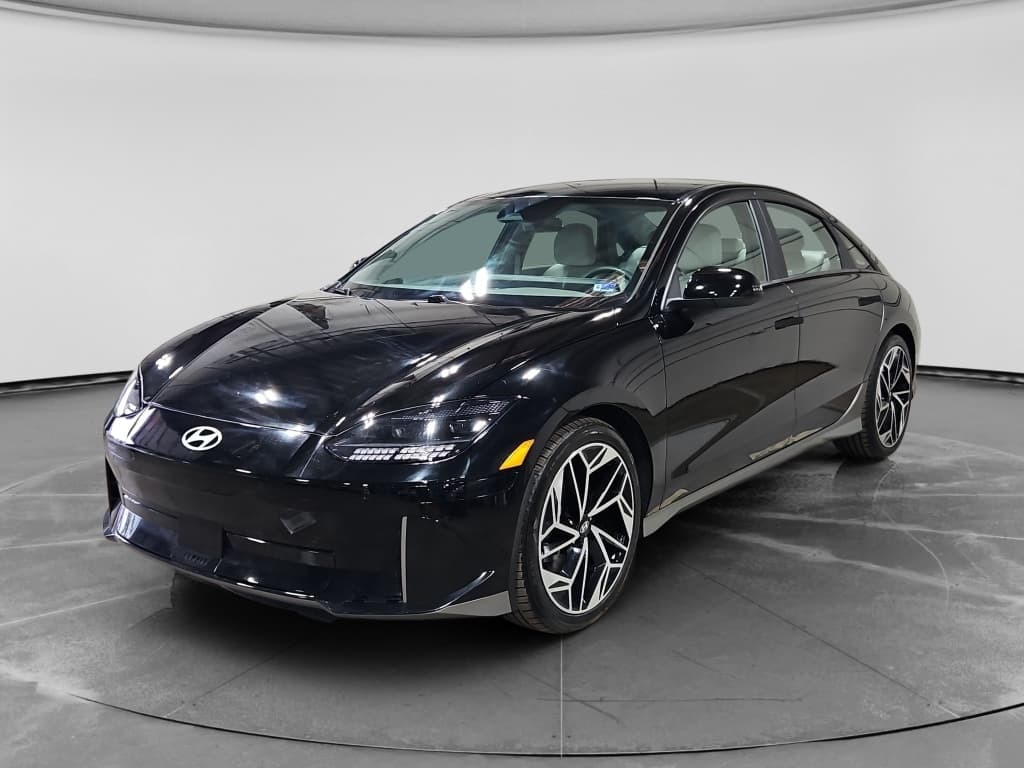
The Hyundai Ioniq 6 is one of the fastest-charging EVs you can buy, but what does that actually look like when you plug in at home or hit a DC fast charger on a road trip? This Hyundai Ioniq 6 charging speed guide breaks down real-world times, from Level 1 trickle charging to 230+ kW fast charging, so you know exactly what to expect before you buy, or before you shop for a used Ioniq 6 on Recharged.
Why the Ioniq 6 is a charging standout
Hyundai Ioniq 6 charging overview
Every Hyundai Ioniq 6 sold in North America uses the same basic recipe: a large lithium-ion battery under the floor, an 11 kW onboard AC charger for Level 2 charging, and an ultra-fast 800‑volt DC fast charging system with a published peak over 230 kW. Trim and battery size make a bigger difference to range than to peak charging speed, but they do change how long it takes to fill from low to high state of charge (SoC).
- Connector standard (North America): CCS1 for DC and J1772-style Type 1 for AC on current models
- Onboard AC charger: up to 11 kW on Level 2 (48 amps at 240 V)
- DC fast-charging capability: up to ~233–235 kW peak on a 350 kW charger in ideal conditions
- Vehicle-to-load (V2L): up to 3.6 kW to power tools, camping gear, or even another EV slowly
Ioniq 6 headline charging numbers
Battery sizes and onboard charger: what your Ioniq 6 can actually take
To understand Hyundai Ioniq 6 charging speeds, you need two numbers: battery capacity (kWh) and maximum charging power (kW) the car can accept. Hyundai has offered two pack sizes globally, though in the U.S. most cars use the larger Long Range pack.
Hyundai Ioniq 6 batteries & charging hardware
Approximate battery sizes and charging hardware relevant to charging speed.
| Battery option | Approx. capacity (kWh) | Typical trims | Onboard AC charger | Max DC fast-charge power |
|---|---|---|---|---|
| Standard Range | 53.0 | Entry SE models in some markets | Up to 11 kW | Same 800 V system, >200 kW peak |
| Long Range | 77.4 | Most SE, SEL, Limited | Up to 11 kW | ≈230–235 kW peak on 350 kW chargers |
Exact options vary by market and model year, but the Long Range 77.4 kWh pack is by far the most common in the U.S.
Know your pack size before you do the math
Home charging speeds: Level 1 vs Level 2 for Ioniq 6
At home, your Hyundai Ioniq 6 will charge at whatever rate your outlet or wallbox can safely supply, up to the car’s 11 kW onboard charger limit. In practice, most owners see between 7 kW and 11 kW on Level 2, depending on their circuit and charger.
Level 1 (120 V household outlet)
- Uses the included portable charger.
- Typically ~1.3 kW (12 A at 120 V).
- Adds roughly 3–4 miles of range per hour on a Long Range Ioniq 6.
- Useful for overnight top-offs or occasional use, not ideal as your only solution.
Level 2 (240 V home or workplace)
- Requires a 240 V outlet or hardwired wallbox.
- Common setups: 30–48 amps (≈7.2–11.5 kW).
- Adds about 25–35 miles of range per hour, depending on amperage.
- Best choice for daily charging if you drive more than ~25–30 miles a day.
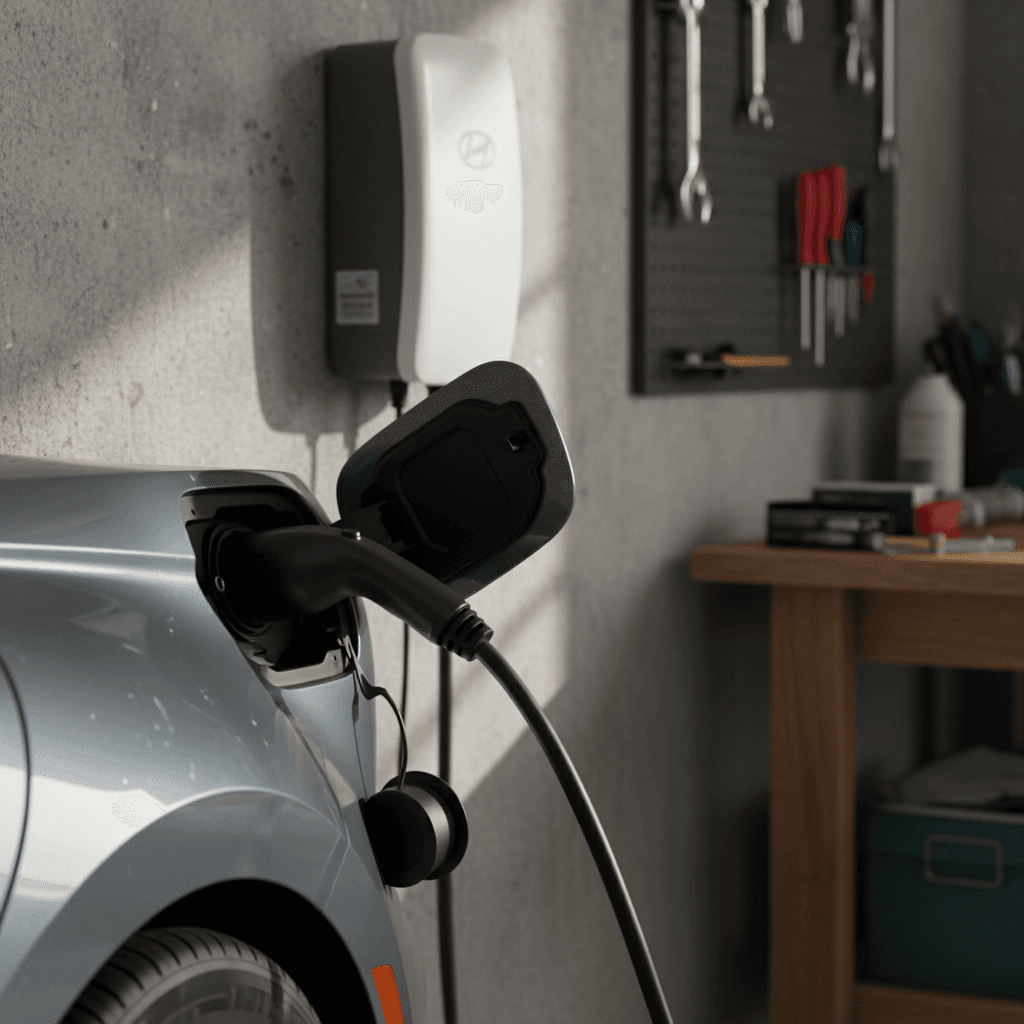
Approximate Hyundai Ioniq 6 home charging times (Long Range 77.4 kWh)
Rough estimates from 10% to 80% state of charge for common home charging setups in North America.
| Charger type | Circuit / setting | Approx. power | 10–80% time | Range added per hour* |
|---|---|---|---|---|
| Level 1 portable | 120 V / 12 A | ≈1.3 kW | ≈30–32 hours | ≈3–4 mi/hr |
| Level 2 wallbox | 240 V / 24 A | ≈5.7 kW | ≈7 hours | ≈15–18 mi/hr |
| Level 2 wallbox | 240 V / 32 A | ≈7.7 kW | ≈5–5.5 hours | ≈20–24 mi/hr |
| Level 2 wallbox | 240 V / 40 A | ≈9.6 kW | ≈4–4.5 hours | ≈25–30 mi/hr |
| Level 2 wallbox | 240 V / 48 A (max) | ≈11.5 kW | ≈3.5–4 hours | ≈30–35 mi/hr |
Actual times vary with temperature, voltage, and battery management, but these numbers are a realistic planning baseline.
Watch your circuit, not just the charger label
DC fast charging: how fast can the Ioniq 6 really go?
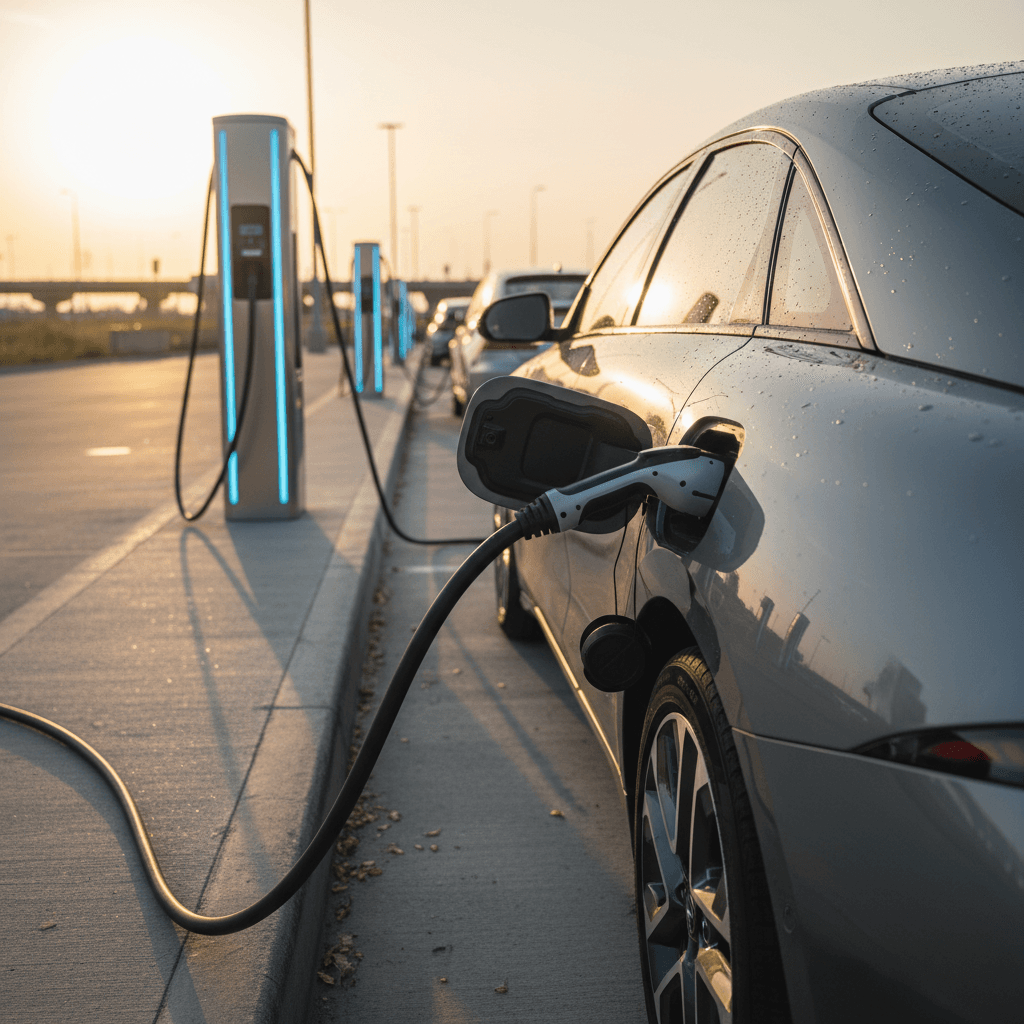
On a high-power DC fast charger, the Hyundai Ioniq 6 is genuinely impressive. Thanks to its 800‑volt architecture, owners regularly see peaks over 200 kW, and independent testing shows 10–80% charge sessions in roughly 18–20 minutes when conditions are right.
DC fast charging basics for the Hyundai Ioniq 6
What to expect when you plug into 150 kW and 350 kW public stations.
Connector & networks
In North America, the Ioniq 6 uses the CCS1 connector for DC fast charging. You’ll find compatible stations on networks like Electrify America, EVgo, and many utility or retailer-branded sites.
Peak vs average speed
Hyundai quotes peak power around 230–235 kW on a 350 kW charger, but what matters is the average power across your session. Owners often see 170–200 kW averages from low state of charge up to about 60–70%.
Ideal 10–80% window
The Ioniq 6 charges fastest between roughly 10% and 60–70% SoC, then tapers down to protect the battery. For road trips, it’s usually quicker to stop more often and stay in that efficient window.
Battery preconditioning makes a real difference
Typical Hyundai Ioniq 6 DC fast charging times (Long Range)
Approximate times in good conditions on modern, properly functioning chargers.
| Charger rating | SoC window | Expected average power | Approx. time | Notes |
|---|---|---|---|---|
| 150 kW DC fast | 10–80% | ≈120–150 kW | ≈25–30 min | Common at many highway sites; still very quick. |
| 350 kW DC fast | 10–80% | ≈170–200 kW | ≈18–22 min | Where the Ioniq 6 really shines; peak can exceed 230 kW. |
| Any DC fast | 20–80% | Lower average | ≈20–25 min | Starting at higher SoC shortens the session but lowers average speed. |
These are broad planning numbers; real sessions will vary with temperature, charger quality, and how busy the site is.
Avoid living at DC fast chargers
Real-world charging time examples by scenario
Charts are helpful, but it’s easier to picture your life with an Ioniq 6 through real scenarios. Below are ballpark numbers for the Long Range battery that line up with owner reports and lab testing.
Common Hyundai Ioniq 6 charging scenarios
1. Overnight top-up on Level 2
You arrive home with 40% left after a 60‑mile day. On a 40‑amp Level 2 charger (~9.6 kW), going from 40% to 80% takes about 2 hours. You’ll wake up with plenty of range, using off‑peak electricity.
2. Empty-to-full weekend charge at home
You roll in nearly empty after a long Saturday. From 10% to 100% on a 48‑amp Level 2 (~11.5 kW) takes roughly 6–7 hours. Set a schedule and let it run overnight or during cheaper daytime solar hours.
3. Highway fast-charge stop on a road trip
You pull into a 350 kW station at 15% and stop at 75%. With a strong charger and warm battery, you might spend only 15–18 minutes plugged in and gain roughly 200+ miles of usable highway range.
4. Emergency top-up on a household outlet
You’re visiting family and only have a 120 V outlet. Plug in overnight for 12 hours and you’ll gain maybe 40–50 miles of range, enough to get home or to a proper DC fast charger.
Road trip charging strategy for the Ioniq 6
The difference between a frustrating EV road trip and a relaxing one often comes down to charging strategy. The Hyundai Ioniq 6’s fast curve lets you keep stops short if you play to its strengths.
Smart road-trip habits for Ioniq 6 drivers
Use the car’s strengths instead of fighting them.
Stay in the fast-charging window
Plan legs so you arrive at fast chargers around 10–20% SoC and unplug around 60–70%. That’s where the Ioniq 6 pulls its highest average power, so you’re getting maximum miles per minute.
More short stops, fewer long ones
Two 15‑minute 10–60% sessions are usually faster than one 40‑minute 10–100% blast. Once you see power drop significantly above 70–80%, it’s often better to unplug and drive to the next station.
Use apps and in-car nav
Use apps like PlugShare or your network’s app to confirm stations, but also feed the charger into your Ioniq 6’s navigation so it can precondition the battery for faster initial charging, when equipped.
Sync charging with breaks
Because the Ioniq 6 can add a big chunk of range in 15–20 minutes, try to align charging stops with meals, coffee breaks, or rest stops. You’ll often finish your break before the car is ready to go.
Used Ioniq 6 + smart planning = road-trip bargain
Ready to find your next EV?
Browse VehiclesProtecting battery health while charging quickly
Hyundai backs the Ioniq 6’s high-voltage battery with a long warranty, but your charging habits still matter, especially if you plan to keep the car for many years or buy used and want to preserve value.
- Use Level 2 at home whenever possible; save DC fast for trips and true needs.
- If your daily driving is modest, set a charge limit around 70–80% instead of 100%.
- Try not to arrive at a fast charger with a stone-cold battery in winter, drive a bit first, or use preconditioning when available.
- Avoid letting the battery sit at 0% or 100% for long periods; charge soon after arriving home and don’t leave it full for days.
- Don’t stress about occasional full charges to 100%, they’re fine for road trips and occasional range-max days.
Battery health and used values
Choosing the right home charger for an Ioniq 6
Because the Hyundai Ioniq 6 can accept up to 11 kW on AC, it’s tempting to jump straight to the biggest, baddest charger you can find. For most households, though, the right answer balances speed, cost, and your panel’s capacity.
Home charging options that pair well with the Ioniq 6
Match your daily driving and electrical panel, not just the car’s max rating.
Light commuter (≤30 miles/day)
A 32‑amp Level 2 on a 40‑amp circuit (~7.7 kW) is usually plenty. You’ll gain a day’s worth of driving in well under 2 hours, so overnight charging is effortless, even on time‑of‑use plans.
Heavier driver (40–80 miles/day)
Consider a 40‑amp or 48‑amp wallbox (~9.6–11.5 kW) on a 50–60 amp circuit. That keeps charge times short even after long commutes, and it better supports multiple short trips per day.
Apartment or shared parking
If you rely on shared or workplace charging, look for a building-installed Level 2 spot and use the portable charger as backup. The Ioniq 6’s strong DC fast performance also makes occasional public fast charging more tolerable.
Hire an electrician, seriously
Charging checks when buying a used Hyundai Ioniq 6
If you’re shopping for a used Ioniq 6, especially from the early 2023 model year, it pays to look closely at charging behavior. Most cars are trouble-free, but you want to confirm it charges as quickly as spec, both for your daily life and for resale value down the road.
Used Ioniq 6 charging checklist
1. Confirm all charging hardware works
Ask the seller to demonstrate Level 2 charging and, if possible, a DC fast-charge session. Watch the car’s display to ensure it climbs to appropriate kW levels and doesn’t repeatedly drop out or throw errors.
2. Review battery health data
On Recharged, every Ioniq 6 listing includes a Recharged Score Report with independent battery health diagnostics. Look for state-of-health figures that align with age and mileage, and avoid cars showing abnormal degradation.
3. Inspect the charge port and cables
Look for melted plastic, discoloration, or loose connectors around the charge port. Those can indicate overheating or repeated use with a damaged plug.
4. Ask about charging habits
A previous owner who mainly used Level 2 at home and rarely sat at 100% is ideal. Heavy DC fast use isn’t an automatic red flag, but you’ll want battery health data to match.
5. Check for software updates
Hyundai has issued updates to refine charging behavior on its E‑GMP platform. Make sure the car has been kept up to date by a dealer, especially if the owner mentioned any past charging quirks.
Hyundai Ioniq 6 charging speed FAQ
Frequently asked questions about Ioniq 6 charging speeds
Key takeaways: getting the most from Ioniq 6 charging
If you’re cross-shopping EVs, or eyeing a used Hyundai Ioniq 6, its charging performance should be high on your pros list. At home, a reasonably sized Level 2 charger can refill the Long Range battery overnight without breaking a sweat. On the road, the 800‑volt system and 230+ kW DC fast-charge peak let you add serious range in roughly the time it takes to stretch your legs and grab coffee.
To make the most of that capability, stay in the 10–70% sweet spot on road trips, lean on Level 2 for daily use, and keep an eye on battery health if you’re buying used. When you shop on Recharged, every Ioniq 6 listing includes a Recharged Score Report with verified battery diagnostics and fair market pricing, so you can pick the right car, and charge it the right way, from day one.