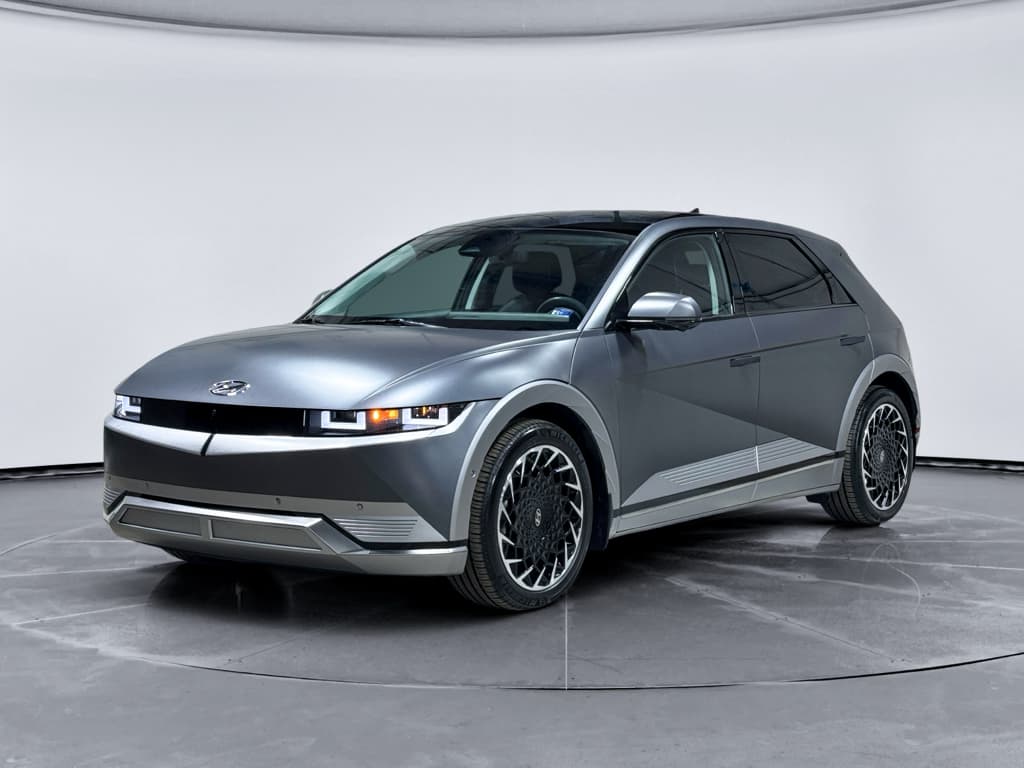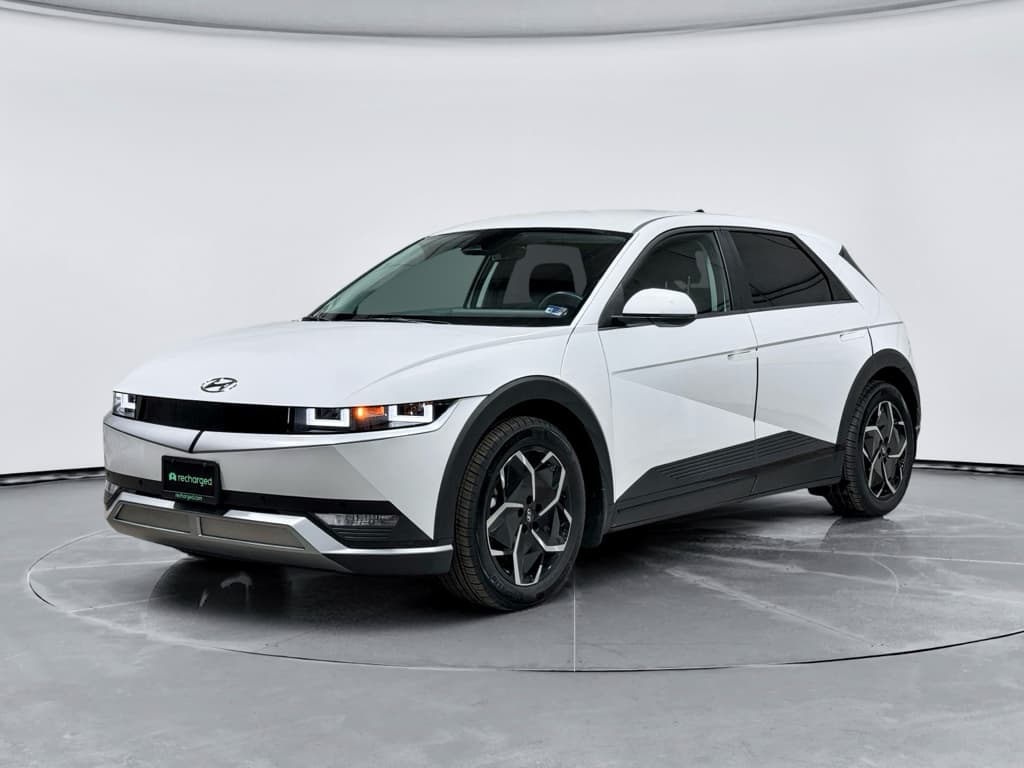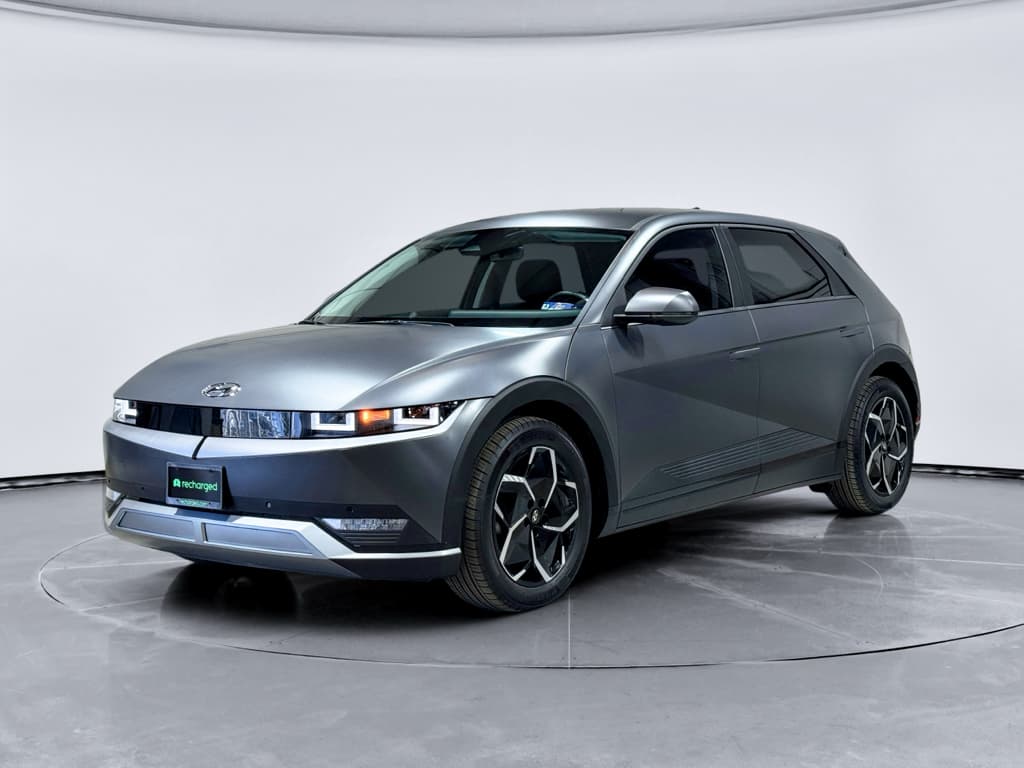
If you’re shopping the used EV SUV market, a used Hyundai IONIQ 5 vs Cadillac Lyriq is a classic head-versus-heart decision. The IONIQ 5 is a smart, efficient all‑rounder with ultra‑fast charging. The Lyriq is a larger, more luxurious SUV that leans hard into comfort and style. Both are compelling used buys, but for very different reasons.
Two very different takes on an electric SUV
Overview: Used IONIQ 5 vs Cadillac Lyriq
Used Hyundai IONIQ 5
- Segment: Compact/midsize electric crossover
- Battery: ~58 kWh or ~77–84 kWh packs, depending on year and trim
- Range: Roughly 220–320 miles EPA when new, depending on pack and drivetrain
- Charging: 800V architecture, among the fastest DC fast‑charging in its class
- Drive: RWD or AWD, 168–320 hp (not counting the high‑performance N model)
- Character: Futuristic design, very efficient, strong tech value
Used Cadillac Lyriq
- Segment: Larger luxury midsize electric SUV
- Battery: ~102 kWh usable Ultium pack
- Range: Around 300+ miles EPA in many RWD trims when new
- Charging: Big pack, solid DC charging speeds, strong onboard AC charging
- Drive: RWD or AWD, roughly 340–500+ hp depending on trim
- Character: Quiet, plush, tech‑heavy, more traditional luxury feel
On paper, the Lyriq offers more space, power, and luxury, while the IONIQ 5 fights back with lower prices, excellent efficiency, and some of the quickest real‑world charging you’ll find in any used EV. Your best choice comes down to budget, how much space you need, and how often you road‑trip.
Quick take: which used EV SUV fits you?
Who should buy which used EV?
Match the IONIQ 5 or Lyriq to your real‑world needs
Choose a used Hyundai IONIQ 5 if you…
- Want a more affordable used EV SUV with strong value retention.
- Care most about charging speed and efficiency for frequent road trips.
- Prefer a slightly smaller footprint that still fits a family.
- Are OK with a cabin that’s modern and comfortable, but not ultra‑luxury.
- Like features such as vehicle‑to‑load (V2L) for powering gear or tools.
Choose a used Cadillac Lyriq if you…
- Want a luxury experience: quiet cabin, high‑end materials, big screens.
- Need more rear seat and cargo space than a typical compact crossover.
- Value a smooth, upscale ride more than maximum charging speed.
- Are comfortable with higher purchase price, insurance, and tax costs.
- Plan to keep the vehicle a long time and want a more premium feel every day.
How Recharged can help
Key specs and range comparison
Hyundai IONIQ 5 vs Cadillac Lyriq: core specs (when new)
Representative figures for common trims; exact numbers vary by model year and configuration.
| Spec | Used Hyundai IONIQ 5 | Used Cadillac Lyriq |
|---|---|---|
| Size / segment | Compact–midsize crossover | Midsize luxury SUV |
| Battery capacity (approx.) | ~58 kWh or ~77–84 kWh | ~102 kWh |
| Typical EPA range (RWD trims) | ~220–320 miles | ~300–325 miles |
| Drivetrain options | RWD or AWD | RWD or AWD |
| Power (non‑performance trims) | ~168–320 hp | ~340–500+ hp |
| Seats | 5 | 5 |
| Tow rating (select trims) | Up to ~2,300 lbs (varies by market) | Up to ~3,500 lbs on many AWD trims |
Both SUVs offer 300‑mile‑class range, but the Lyriq delivers it with a larger battery; the IONIQ 5 does it with efficiency and 800V charging.
In normal driving, both EVs can comfortably cover most commutes and regional trips on a single charge. The Lyriq’s larger pack gives it a buffer for heavier loads and higher speeds, but you’re also hauling more weight. The IONIQ 5 relies more on its efficient platform and fast charging to keep trip times short.
Don’t chase range numbers alone

Charging experience: home and road trips
Charging highlights (new‑vehicle manufacturer data)
From a charging perspective, the IONIQ 5 plays the efficiency and speed game, while the Lyriq leans on capacity and strong home charging. On long trips with modern fast‑charging networks, either can work well, but the IONIQ 5’s quick 10–80% times can make it feel more Tesla‑like at busy stations.
Charging: what to expect with each used EV
IONIQ 5: road‑trip specialist
Its 800V system lets it jump from roughly 10–80% in around 20–25 minutes on high‑power DC chargers under good conditions. That keeps highway stops short, even with the smaller pack.
IONIQ 5: home charging
Most used IONIQ 5s support typical 32–48 amp Level 2 charging, fully refilling overnight on a 240V circuit. You don’t need a huge home charger to make it work.
Lyriq: big‑pack strategy
The Lyriq’s ~102 kWh pack offers robust range but takes longer to fill from low SOC. On DC fast charge it can still add dozens of miles in 10–15 minutes, but full charges take longer than the Hyundai.
Lyriq: powerful Level 2
Higher‑spec Lyriq trims can accept up to about 19 kW on AC, enough to add roughly 50 miles of range per hour at home if your electrical panel and charger can support it.
Adapters and networks
Earlier IONIQ 5s typically relied on CCS fast‑charging, while newer models adopt NACS. Cadillac sells NACS DC adapters so Lyriq owners can tap into the Tesla Supercharger network as it opens up.
Used‑market reality
On a used vehicle, actual charge speeds can vary with software updates and previous use. When you buy through Recharged, we review charging history patterns and can walk you through what to expect from a specific VIN.
Think in terms of daily habits
Comfort, space, and tech
Space and practicality
- IONIQ 5: Feels airy and open inside thanks to its long wheelbase and flat floor. Rear legroom is generous for a compact crossover, and the cargo area works well for families, groceries, and weekend trips.
- Lyriq: Bigger in every direction. Rear passengers get more legroom and shoulder room, and cargo space is stronger with the rear seats up or down. If you routinely haul adults in the second row or pack for long trips, the extra size matters.
Technology and user experience
- IONIQ 5: Dual‑screen setup with a clean interface, physical buttons for core functions, and good smartphone integration. Later model‑years improve driver‑assist features and infotainment speed.
- Lyriq: Massive curved display stretching across the dash, ambient lighting, and a more traditional luxury vibe. Expect more sound‑deadening, higher‑end materials, and more standard luxury touches on most trims.
Tech sweet spot
Driving feel: performance and ride
- Hyundai IONIQ 5: In RWD form it feels light and responsive, with enough power for easy highway passing. AWD trims deliver brisk acceleration that’s more than enough for daily use, though the ride can be firm on big wheels.
- Cadillac Lyriq: Even base RWD models feel strong thanks to their higher horsepower and torque. AWD versions can be genuinely quick. The suspension is tuned for comfort and quiet rather than sharp cornering, which suits its luxury mission.
Neither vehicle is a track toy in its regular trims, but both are genuinely quick compared to gas SUVs. The Lyriq hides speed behind insulation and weight; the IONIQ 5 communicates more of the road. If you like a planted, quiet cruiser, lean Lyriq. If you want something that feels a bit more nimble around town, the Hyundai has the edge.
Reliability, battery health, and warranty
Battery and warranty basics (used market)
What matters most once the first owner is done
High‑voltage battery coverage
Battery health over time
Why independent battery reports matter
Don’t assume every EV was treated gently
Software support also matters. Both Hyundai and Cadillac continue to update their EV lineups with fixes and improvements. When comparing specific used vehicles, look for examples that have documented dealer or OTA software updates, and plan to keep both the infotainment and powertrain software current.
Used pricing, depreciation, and value
Typical used‑market positioning (U.S., early 2026)
Exact prices vary by mileage, trim, region, and incentives, but this reflects how the two models generally stack up.
| Factor | Used Hyundai IONIQ 5 | Used Cadillac Lyriq |
|---|---|---|
| Initial MSRP (non‑performance trims) | Generally lower | Generally higher |
| Used price band | More options under many buyers’ budgets | Often significantly higher purchase price |
| Depreciation profile | Mainstream EV; discounts but lots of demand | Luxury EV; larger dollar drops but strong incentives when new |
| Value perception | Seen as a smart, efficient buy | Seen as a statement luxury choice |
The Lyriq sits in a higher price band as a luxury midsize SUV; the IONIQ 5 competes more with mainstream crossovers on the used market.
Because the Lyriq launched at higher MSRPs and often sold with aggressive lease and finance incentives, its dollar depreciation can look steep, but you’re starting from a higher number. The IONIQ 5, by contrast, has leaned on its volume and efficiency story, with many used examples pricing within reach of shoppers who were previously looking at compact gas crossovers.
How Recharged looks at value
Ownership costs: insurance, maintenance, and energy
Insurance and taxes
- IONIQ 5: As a smaller, lower‑priced EV, it typically comes with more manageable insurance premiums and registration fees than luxury SUVs, though exact numbers depend on your driving record and location.
- Lyriq: Higher original MSRP, more expensive bodywork, and luxury branding usually mean higher insurance and tax bills. Factor this into your monthly budget, not just the payment.
Maintenance and energy
- Both EVs: Benefit from fewer moving parts than gas SUVs, no oil changes, no exhaust, no traditional transmission. Expect tire rotations, brake service, cabin filters, and coolant changes on manufacturer schedules.
- Energy costs: The IONIQ 5’s smaller, efficient pack can be slightly cheaper to keep topped up, especially if you’re on residential time‑of‑use rates. The Lyriq’s bigger pack costs more per full charge but may reduce how often you need to plug in.
Run the full monthly math
How to choose: IONIQ 5 vs Lyriq as a used buy
Step‑by‑step: deciding between a used IONIQ 5 and Lyriq
1. Define your space and use‑case needs
List who rides with you most days, how often you fill the cargo area, and whether you tow. If you regularly haul adults and luggage, the Lyriq’s extra size and tow rating may be worth the cost.
2. Set a realistic total budget
Include not just the purchase price, but also insurance, taxes, charging equipment, and a home electrical check. Many buyers find the IONIQ 5 lands in a more comfortable total‑cost band.
3. Map your charging access
Apartment dwellers and frequent road‑trippers should prioritize the IONIQ 5’s fast‑charge capability and efficiency. Suburban homeowners with robust panels might appreciate the Lyriq’s strong Level 2 charging and bigger battery buffer.
4. Compare real battery health, not just age
Two 3‑year‑old EVs can have very different packs depending on how they were charged. A Recharged Score battery report gives you an apples‑to‑apples comparison across different vehicles and brands.
5. Test the driving experience
Drive both if you can. Pay attention to ride comfort, visibility, parking ease, and how intuitive the controls feel. The Lyriq will feel more insulated; the IONIQ 5 more nimble and light on its feet.
6. Use expert help
Recharged EV specialists can walk you through specific VINs, explain feature and software differences by model year, and even arrange <strong>trade‑ins, financing, and nationwide delivery</strong> so you can focus on the right car, not the paperwork.
In the end, the used Hyundai IONIQ 5 vs Cadillac Lyriq debate isn’t about which EV is “better” in the abstract. It’s about which one matches your budget, your space needs, and the way you actually drive. If you want maximum value, everyday usability, and top‑tier charging in a stylish package, a good‑battery IONIQ 5 is hard to beat. If you’re ready to spend more for a larger, quieter, and more luxurious electric SUV, a carefully vetted Lyriq can feel special every time you get behind the wheel. With Recharged’s battery diagnostics, fair‑market pricing, and EV‑savvy support, you can shop either path with a lot more confidence.