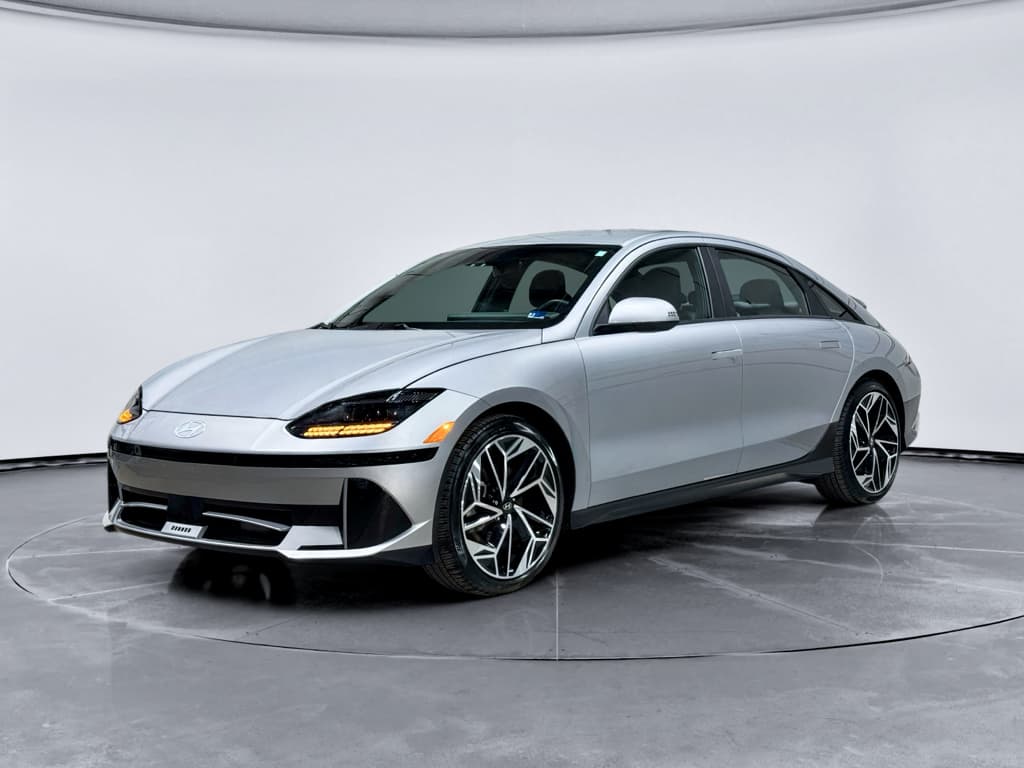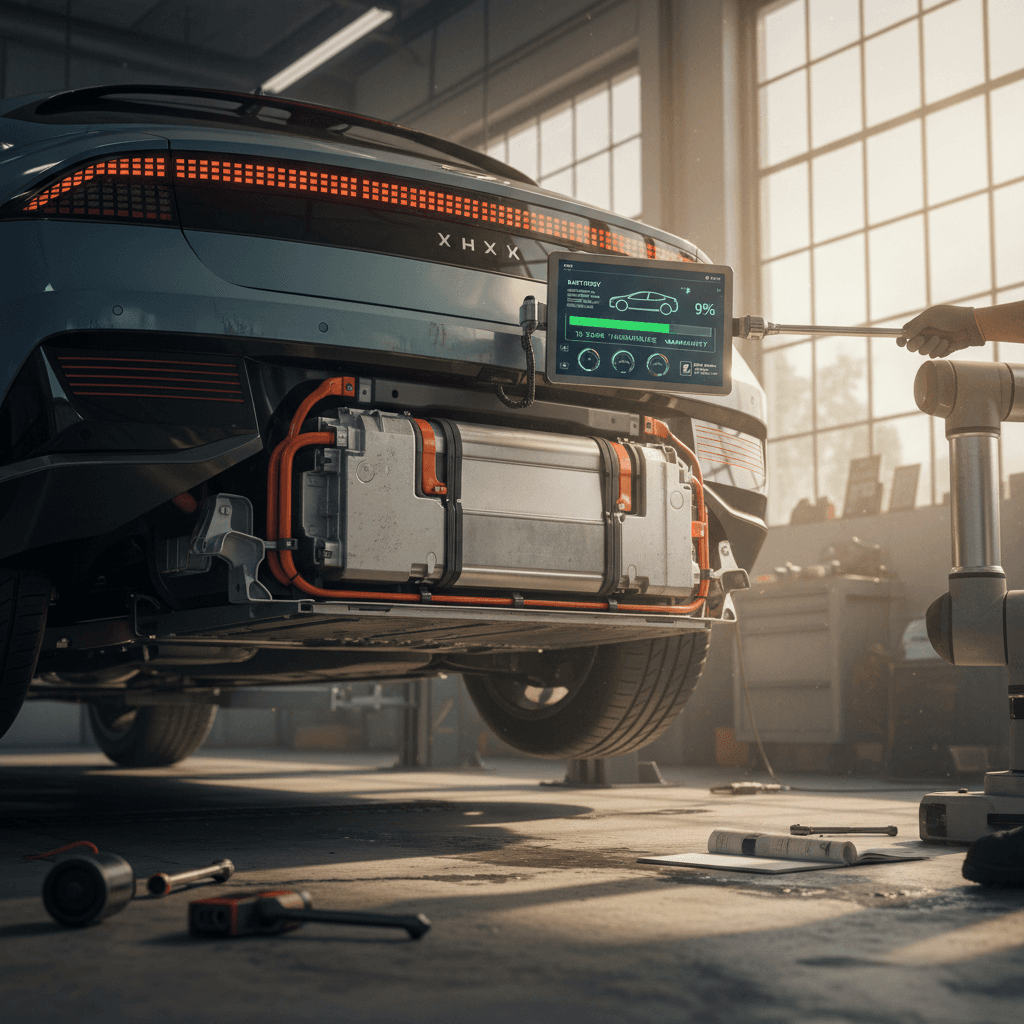
If you’re considering a Hyundai Ioniq 6, new or used, the battery warranty is one of the biggest pieces of the puzzle. The high‑voltage pack is the most expensive component in the car, so understanding what the Hyundai Ioniq 6 battery warranty covers, how long it lasts, and where the fine print lives can make the difference between a confident purchase and a costly surprise down the road.
Quick answer
Hyundai Ioniq 6 battery warranty basics
Let’s start with the big picture. In the U.S., 2024–2026 Hyundai Ioniq 6 models are backed by Hyundai’s well‑known “America’s Best Warranty” package. For the battery specifically, that means a High Voltage Battery Warranty layered on top of the normal new‑car and powertrain coverage.
- High Voltage Battery Warranty: generally 10 years / 100,000 miles on U.S. Ioniq 6 models
- New Vehicle Limited Warranty: 5 years / 60,000 miles covering most non‑wear items
- Powertrain / EV System Warranty: up to 10 years / 100,000 miles for key electric drive components
- Federal emissions and EV components: additional coverage on certain parts, depending on state and model year
Always verify your specific car
How long the Ioniq 6 battery warranty lasts
Typical U.S. Ioniq 6 warranty timelines
For most U.S. buyers, the key number to remember is 10 years/100,000 miles for the Ioniq 6’s high‑voltage battery. Time and mileage are counted from the in‑service date, the day the car was first sold or leased to its original owner, not from the build date or the day you buy it used.
- If you buy new in 2026, coverage typically runs until 2036 or 100,000 miles, whichever comes first.
- If you buy a 2023 Ioniq 6 with 30,000 miles in 2026, you’d generally have about 7 years or 70,000 miles of battery coverage left, assuming U.S. market and no special limitations.
- The warranty clock does not reset for subsequent owners; it simply continues until the original time/mileage limit is reached.
Check the in‑service date
What the Hyundai Ioniq 6 battery warranty actually covers
Hyundai’s High Voltage Battery Warranty on the Ioniq 6 focuses on defects in materials or workmanship. In plain English, if something was built wrong, assembled incorrectly, or fails prematurely under normal use, Hyundai is on the hook during the warranty period.
Core coverage areas for the Ioniq 6 battery
Think of the warranty as protection against abnormal failure, not normal aging.
Battery pack assembly
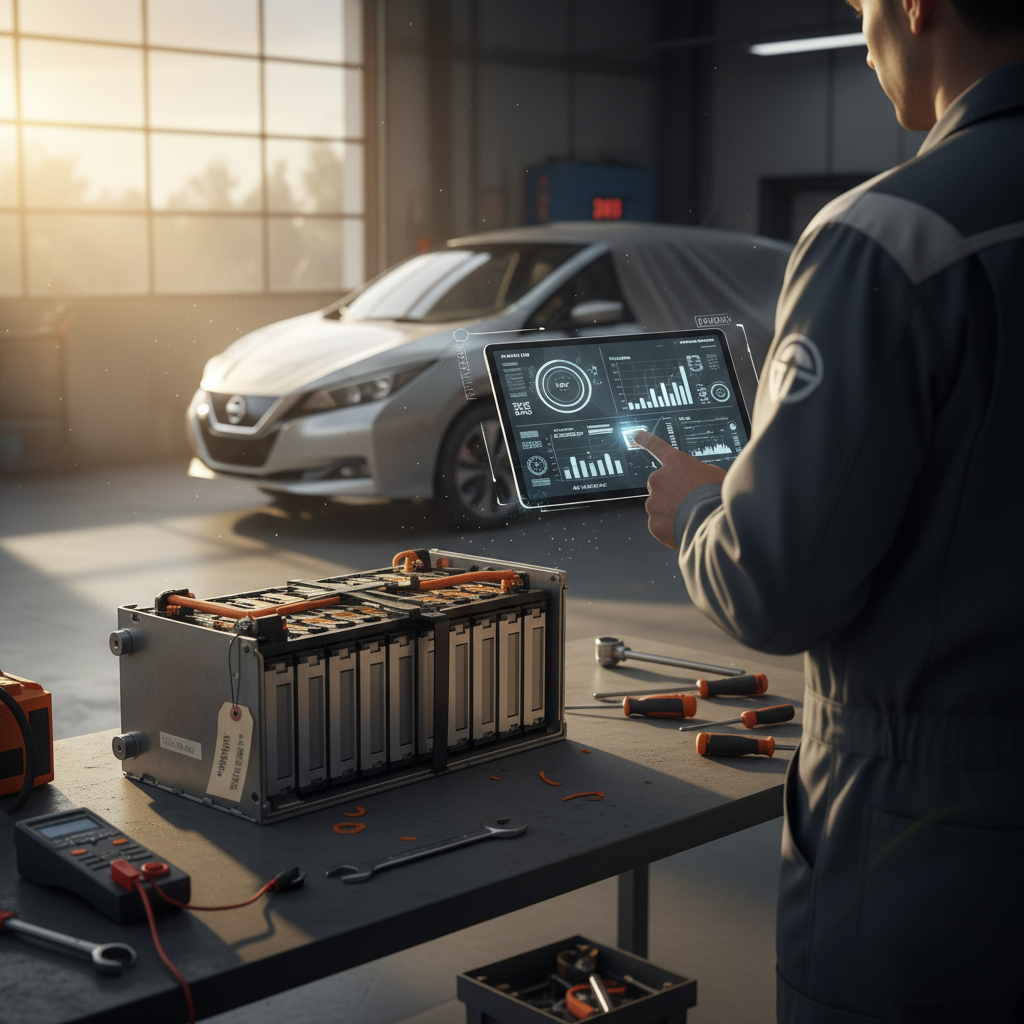
Covers the high‑voltage lithium‑ion pack under the floor, including modules and internal connections, if a manufacturing defect causes failure.
Internal battery electronics
Coverage typically extends to internal sensors, monitoring circuits, and control units that are integral to the battery pack’s operation.
Capacity loss from defects
If a covered defect leads to unusual degradation, for example, capacity dropping below a set threshold (often around 70%) within the warranty term, Hyundai may repair or replace the pack.
When a valid claim is approved, Hyundai’s remedy is usually to repair or replace the high‑voltage battery with a new or remanufactured unit to restore performance. You won’t be writing a five‑figure check for a pack that failed because of a factory defect during the warranty window.
Good news for daily drivers
What the Ioniq 6 battery warranty does not cover
Every warranty has limits, and the Ioniq 6 is no exception. A big part of understanding what the Hyundai Ioniq 6 battery warranty covers is knowing where that coverage stops. Here are the most important exclusions you should be aware of.
Common exclusions from the Ioniq 6 battery warranty
Not a complete list, always check the official warranty booklet, but these are the big ones owners run into.
| Area | What’s not covered | Who pays if it happens |
|---|---|---|
| Normal degradation | Gradual capacity loss over time from normal charging and driving, unless it crosses Hyundai’s defined threshold within warranty. | Owner (considered normal wear, like tire tread). |
| Accident or impact damage | Battery damage from crashes, curbs, road debris, improper jacking, or structural damage. | Your insurance company, not the battery warranty. |
| Water/fire damage | Floods, deep‑water fording, hurricanes, garage fires or other environmental events. | Typically insurance or disaster coverage, not Hyundai warranty. |
| Misuse or abuse | Racing, off‑roading beyond design limits, ignoring warning lights, or disabling safety systems. | Owner, warranty can be denied if misuse is documented. |
| Unauthorized modifications | Non‑approved tuning, aftermarket high‑voltage hardware, or DIY battery surgery. | Owner, modifications can void coverage on affected components. |
| Improper maintenance | Skipping required inspections or using non‑approved fluids/parts when the manual specifies otherwise. | Owner, especially if Hyundai can link it directly to the failure. |
Use this as a checklist when reviewing the fine print for your specific model year.
Don’t count on coverage after a wreck
Degradation thresholds: When will Hyundai replace an Ioniq 6 battery?
Lithium‑ion batteries naturally lose some capacity over time. Hyundai’s Ioniq 6 warranty doesn’t promise the pack will stay at 100% forever; instead, it typically promises that if a defect causes capacity to fall below a certain percentage of the original rating within 10 years/100,000 miles, Hyundai will step in.
Typical capacity threshold
While you should always confirm the exact language in your warranty booklet, Hyundai documentation and dealer guidance around its EVs commonly reference a threshold of about 70% of original capacity as the trigger for warranty action.
- If your Ioniq 6 was rated for, say, 300 miles of range when new, then 70% capacity would be about 210 miles under similar test conditions.
- Hyundai may perform diagnostic tests to measure usable energy rather than just relying on the dashboard guess‑o‑meter.
What this looks like in practice
In the real world, range varies with weather, driving style, and speed. A winter highway trip at 75 mph will always yield less range than a mild‑weather city drive, even with a healthy battery.
To evaluate a potential degradation claim, Hyundai will typically look at:
- Actual measured battery capacity using factory diagnostic tools.
- Charging history and any high‑temperature abuse or repeated deep discharges.
- Whether the car has been kept within recommended software and maintenance guidelines.
Track your battery health over time
Buying a used Ioniq 6: Does the battery warranty transfer?
One of the most common questions we hear is whether the Hyundai Ioniq 6 battery warranty still applies if you’re not the first owner. For U.S. market cars, the high‑voltage battery warranty is generally fully transferable to subsequent owners, as long as the car stays within the original 10‑year/100,000‑mile limits and hasn’t been salvaged or branded.
How the Ioniq 6 battery warranty works for used buyers
The details you should double‑check before you buy.
Transfers to new owners
The remaining portion of the 10‑year/100,000‑mile battery warranty typically follows the car, not the first owner. Buy a 3‑year‑old Ioniq 6 and you may have 7 years of coverage left.
Same end date, no reset
The clock doesn’t restart when you buy used. If the in‑service date was July 1, 2023, the battery warranty still expires around July 1, 2033, regardless of how many times the car changed hands.
Salvage and severe damage
Salvage titles, flood damage, and major structural repairs can void or drastically limit coverage. Always run a vehicle history report and ask for documentation on prior repairs.
Get help reading the fine print
If you’re shopping used, an EV‑specialist retailer like Recharged can decode the factory warranty for a specific VIN, estimate remaining coverage, and help you decide whether an extended plan makes sense.
CPO vs. regular used Ioniq 6
How the battery warranty fits into the rest of the Ioniq 6 warranty
It’s easy to lump everything together as “the warranty,” but your Ioniq 6 actually carries several overlapping coverages, each with its own time and mileage limits. Understanding which is which helps you know who pays for what.
Where the battery warranty sits in the bigger picture
Approximate coverage terms for recent U.S. Ioniq 6 model years. Always confirm specifics for your VIN.
| Coverage type | Typical term (U.S.) | What it focuses on |
|---|---|---|
| New Vehicle Limited Warranty | 5 years / 60,000 miles | Most non‑wear components: electronics, body hardware, climate control, infotainment, etc. |
| Powertrain / EV System Warranty | Up to 10 years / 100,000 miles | Key electric drive components such as motors, reduction gear, some power electronics. |
| High Voltage Battery Warranty | 10 years / 100,000 miles | Defects in materials/workmanship in the Ioniq 6’s main traction battery. |
| Federal Emissions / EV components | Varies by part and state | Certain emissions‑related and EV components required by federal and CARB regulations. |
Battery coverage is only one piece of Hyundai’s overall warranty package.
Don’t confuse 12‑V and high‑voltage batteries
How to protect your Ioniq 6 battery, and its warranty coverage
You don’t need to obsess over every kilowatt‑hour, but a few simple habits will both keep your Ioniq 6 battery healthier and make it easier to get help if something goes wrong under warranty.
Smart habits to keep your Ioniq 6 battery (and warranty) in good shape
1. Follow Hyundai’s charging guidance
Use approved AC and DC chargers, avoid sketchy adapters, and pay attention to any charging‑speed limits Hyundai recommends for long battery life.
2. Avoid extreme, prolonged extremes of charge
Keeping the battery at 100% or near 0% for long stretches creates more stress. For day‑to‑day use, it’s healthy to hover somewhere in the middle of the pack’s state of charge when you can.
3. Keep software and recalls up to date
Hyundai may release software updates that improve battery management or address specific issues. Ignoring recalls or recommended updates could weaken a future warranty claim.
4. Document unusual behavior early
If you notice sudden range loss, repeated charging errors, or warnings, have them documented at a Hyundai dealer while the issue is small. Paper trails matter in warranty decisions.
5. Stick to the maintenance schedule
EVs need less routine service than gas cars, but what remains, brake fluid, inspections, coolant checks, still matters. Skipping official maintenance intervals can complicate warranty coverage.
6. Keep records when buying used
For a used Ioniq 6, ask for service history, recall completion, and any battery‑related work. At Recharged, this documentation feeds into the Recharged Score so you can see the battery story up front.
What happens when the Ioniq 6 battery warranty runs out?
Eventually, even the best warranty runs out. On a 10‑year/100,000‑mile schedule, many Ioniq 6s sold new in 2023–2024 will age out of battery coverage sometime in the early 2030s. That doesn’t mean the car suddenly becomes worthless, it just means future battery issues are your financial responsibility instead of Hyundai’s.
Realistic expectations after 10 years
- Most well‑treated EV packs retain a useful majority of their capacity beyond the warranty period, especially if they haven’t been abused thermally.
- You might notice shorter range and slower fast‑charging versus when the car was new, but the vehicle can still be perfectly viable for commuting.
- Future software updates and aftermarket support may further extend usable life.
Battery replacement cost reality
Out of warranty, a full high‑voltage battery replacement on an Ioniq 6 at a dealer can easily land in the five‑figure range parts‑and‑labor. That’s why:
- Buying within the 10‑year/100,000‑mile window can be a smart hedge against big, early‑life failures.
- Shopping through a platform like Recharged, which publishes battery health via the Recharged Score, helps you avoid problem cars that may be closer to an expensive repair.
How Recharged helps you manage risk
Ready to find your next EV?
Browse VehiclesHyundai Ioniq 6 battery warranty FAQ
Frequently asked questions about the Ioniq 6 battery warranty
Key takeaways for Ioniq 6 shoppers and owners
The Hyundai Ioniq 6 backs its sleek looks and strong efficiency with one of the more generous battery warranties on the market: typically 10 years or 100,000 miles on the high‑voltage pack, transferrable to future owners. That coverage is designed to protect you from abnormal failures and defect‑driven capacity loss, not from the gentle, gradual range reduction every EV experiences over time.
If you’re shopping used, a clean vehicle history, documented maintenance, and independent battery‑health data matter just as much as the remaining warranty clock. That’s where a platform like Recharged shines: every EV we list, Hyundai Ioniq 6 included, comes with a Recharged Score report, verified battery diagnostics, fair‑market pricing, and EV‑specialist guidance from first click to final delivery. Combine that transparency with Hyundai’s factory warranty, and you’ve got a roadmap to Ioniq 6 ownership that’s as reassuring as it is electric.