If you drive a Hyundai IONIQ 5 and winter is closing in, it’s natural to worry about winter range loss. Cold weather affects every EV, but the IONIQ 5 actually performs better than the average electric car in freezing conditions. The key is knowing how much range you’ll realistically have, why it drops, and what you can do to keep your winter driving stress‑free.
Quick take
Hyundai IONIQ 5 winter range loss at a glance
Typical Hyundai IONIQ 5 winter range impact
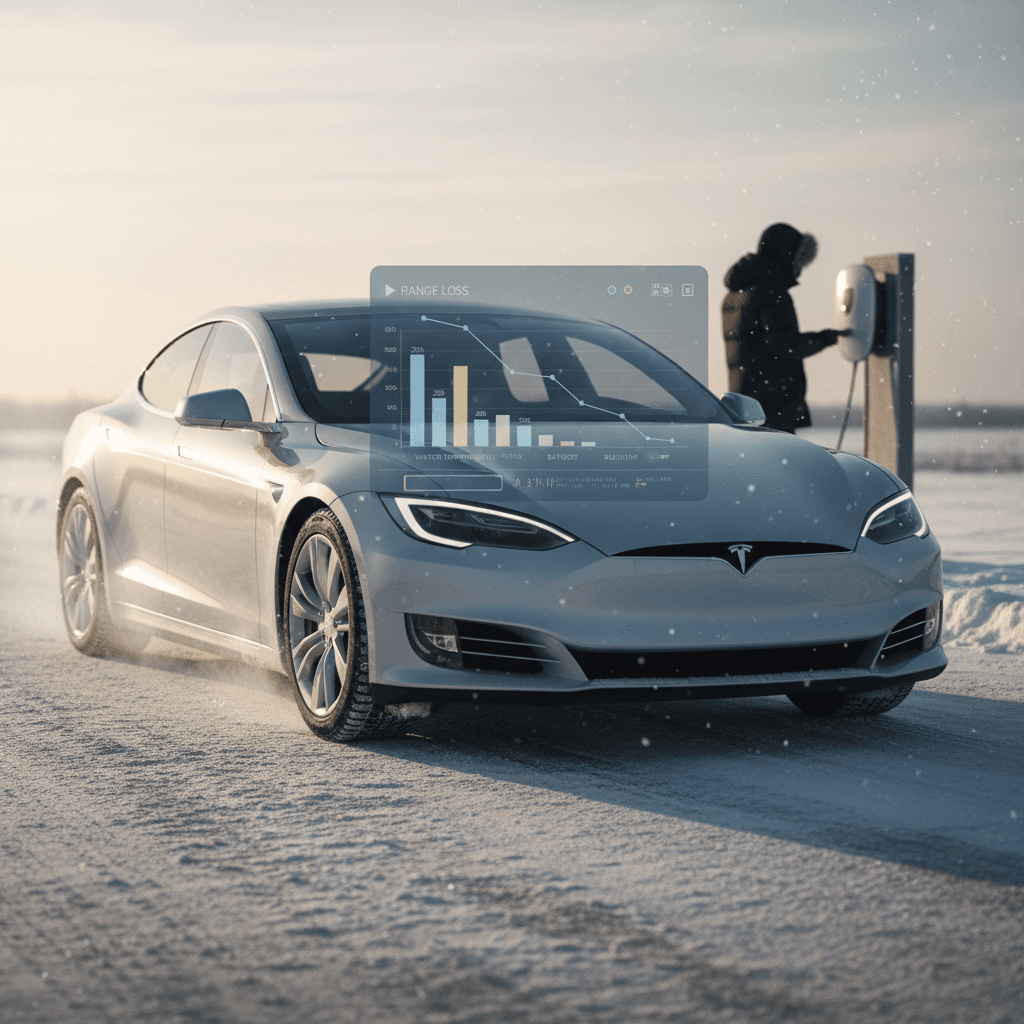
A major independent study of more than 18,000 EVs found that most electric vehicles keep about 80% of their rated range in freezing conditions. The Hyundai IONIQ 5 performed slightly better, hanging onto roughly 85% of its ideal range in the cold. That means if your trim is rated for 260 miles, you might reasonably plan around 210–220 miles on a steady, cold‑weather drive, before factoring in headwinds, snow, and speed.
How to use these numbers
Why the Hyundai IONIQ 5 loses range in winter
1. Cold batteries are less efficient
Like every modern EV, the Hyundai IONIQ 5 uses a lithium‑ion battery. In cold weather, chemical reactions inside the cells slow down, so the pack can’t accept or deliver energy as efficiently. The car’s thermal management system gently warms the battery, but that energy has to come from somewhere: your usable range.
On short drives, the pack may never reach its ideal temperature, so the loss feels especially dramatic.
2. Cabin heat is a big energy draw
Gas cars use waste engine heat to warm the cabin. Your IONIQ 5 doesn’t have that waste, so it has to burn battery energy to make heat. The good news is that most IONIQ 5 trims use an efficient heat pump, which is dramatically better in the cold than a basic resistance heater. Still, blasting the heat and seat warmers on a frosty morning will cost you range, especially at lower speeds where aerodynamic drag is minimal.
- Winter tires add rolling resistance and can shave a few more percent from range.
- Snow, slush, and wet roads increase drag and energy use.
- Higher highway speeds dramatically increase aerodynamic drag, especially in cold, dense air.
- Frequent short trips (preheating the cabin and battery over and over) are the worst‑case scenario for winter efficiency.
Don’t blame battery health for every winter drop
How much Hyundai IONIQ 5 winter range loss to expect
Numbers will vary by driver, road, and climate, but you can use these rough planning figures for a healthy Hyundai IONIQ 5 with a warmed‑up battery and steady driving:
Typical IONIQ 5 winter range vs. EPA rating
Approximate winter range retention for a Hyundai IONIQ 5 in different conditions. Use these as conservative planning numbers, not guarantees.
| Conditions | Outside temp | Driving pattern | Approx. range retained | What that feels like |
|---|---|---|---|---|
| Cool fall day | 40–50°F | Mixed city/highway | 90–95% | Range feels almost normal; heater use is light. |
| Typical winter day | 25–35°F | Steady highway | 80–90% | Noticeable but manageable drop; you plan one extra stop on long trips. |
| Cold snap | 10–25°F | Highway + some city | 70–80% | You’ll watch the gauge more closely and plan charging conservatively. |
| Deep freeze | Below 10°F | Short trips, lots of preconditioning | 60–70% | Worst‑case scenario, range can feel like it’s “melting” on the screen. |
Assumes a healthy battery and normal highway speeds. Short trips, strong wind, heavy snow, or towing can reduce range further.
How the IONIQ 5 compares to other EVs
IONIQ 5 battery sizes, trims, and how they behave in the cold
Winter range loss affects every Hyundai IONIQ 5, but which battery and drivetrain you have changes how much it hurts day to day. Newer model years have slightly updated packs, but the core ideas are the same.
Hyundai IONIQ 5 battery options & EPA range (recent U.S. models)
Representative ranges for recent IONIQ 5 model years. Always check your specific window sticker or owner’s manual for the exact rating.
| Battery / drivetrain | Example trims | EPA rated range* | Conservative winter planning (steady highway) |
|---|---|---|---|
| Standard Range RWD (~60 kWh) | SE Standard Range | ~220–245 miles | Plan ~165–190 miles in typical winter highway use. |
| Long Range RWD (~77–84 kWh) | SE, SEL, Limited RWD | ~260–303 miles | Plan ~200–230 miles in typical winter highway use. |
| Long Range AWD (~77–84 kWh) | SEL, Limited, XRT AWD | ~240–270 miles | Plan ~185–215 miles in typical winter highway use. |
| IONIQ 5 N (performance) | N | ~220–240 miles | Plan ~160–190 miles in typical winter highway use, less if you drive it hard. |
EPA ratings are approximate and vary slightly by year and wheel size, but these numbers are a solid reference point.
Know your own trim’s rating
Planning real-world winter range in an IONIQ 5
Common Hyundai IONIQ 5 winter driving scenarios
Use these examples as a sanity check for your own commute or road trip.
Daily commuting
If your round‑trip commute is under 80–100 miles, even a Standard Range IONIQ 5 will feel easy in winter. Plug in at home most nights, preheat while plugged in, and you’ll rarely think about range.
Weekend highway trips
For 150–250 mile winter drives, a Long Range RWD or AWD IONIQ 5 is very comfortable. Plan one extra fast‑charge stop compared with summer, especially if you’re driving 70–80 mph.
Ski trips & mountain driving
Climbing and cold will drain range faster, but you regain some energy on the way down thanks to regeneration. Use conservative planning (60–70% of EPA) on the way up and locate chargers near your destination in advance.
If you’re buying a used Hyundai IONIQ 5, a marketplace like Recharged can help here. Every vehicle includes a Recharged Score battery health report, so you’re not guessing how much usable range is left before winter even starts.
How Recharged can help
Ready to find your next EV?
Browse VehiclesDriving habits that dramatically cut winter range loss
Winter driving habits for better IONIQ 5 range
1. Precondition while plugged in
Use the Hyundai app or in‑car scheduling to preheat the cabin and warm the battery <strong>before you unplug</strong>. That way, most of the heating energy comes from the wall instead of your pack.
2. Use seat and steering wheel heaters first
The IONIQ 5’s seat and wheel heaters use far less energy than blasting the cabin heat. Set the cabin a bit cooler and rely on these targeted heaters whenever possible.
3. Dial back highway speeds
Aerodynamic drag rises quickly with speed, and cold air is denser. Dropping from 77 mph to 68–70 mph can easily save <strong>10–15% of your consumption</strong> in winter.
4. Avoid lots of short, cold starts
If your day is broken into many tiny trips, you’re reheating the cabin and battery over and over. Combine errands so the car stays warm, or plug in between trips when possible.
5. Use Eco or Eco+ modes when you don’t need max power
Eco modes soften throttle response, reduce peak power, and may tame HVAC use. You still have plenty of performance for normal driving, but you’ll stretch each kWh farther.
6. Keep tires properly inflated
Cold air drops tire pressures. Underinflated winter tires increase rolling resistance and can eat a few percent of your range. Check pressures often and use the door‑jamb spec, not the sidewall max.
Think in kWh/100 mi, not just miles
Smart charging strategies for cold weather
Your charging routine can make just as much difference as your driving habits. Here’s how to use the IONIQ 5’s hardware to your advantage when temperatures drop.
Home charging: time it right
- Schedule charging to finish near departure, so the battery is warm when you leave and you’re not wasting energy reheating it.
- If your utility has off‑peak rates, aim to charge in the last hours of the cheap window so the pack is still warm.
- Keep the IONIQ 5 plugged in overnight in very cold weather. The car can use shore power to maintain comfort and battery temperature.
Fast charging in the cold
- Expect slower DC fast‑charge speeds when the battery is cold; that’s normal battery protection.
- Use the car’s built‑in battery conditioning for fast charging (on newer software) so the pack is warm by the time you reach the station.
- On road trips, it’s often better to arrive at the charger with 10–20% state of charge after steady driving. The pack will be warmer and charge faster.
Don’t repeatedly fast‑charge a frozen battery
Does winter range loss hurt your battery long-term?
The good news: cold weather by itself is not bad for lithium‑ion battery life. In fact, heat is the real enemy of EV batteries. Winter is inconvenient for range, but it’s not usually when long‑term damage happens, unless you combine cold with harsh charging habits.
- Avoid repeated full‑throttle fast charging from a very low state of charge when the pack is still cold.
- Don’t leave the car at 100% state of charge outside in the cold for days; charge to 70–80% for long parking stretches when you can.
- Let the car’s thermal management system do its job, don’t try to defeat it by disabling every efficiency feature in deep cold just to gain a few miles.
- Use scheduled charging and preconditioning rather than hopping in and demanding full power and full regen from a cold‑soaked pack.
Why your battery “warms up slowly”
Hyundai IONIQ 5 winter range prep checklist
Pre‑winter checklist for IONIQ 5 owners
Confirm your trim, battery size, and EPA range
Know whether you have Standard Range or Long Range, and RWD vs. AWD. That’s your foundation for winter planning.
Baseline your summer efficiency
In mild weather, note your typical kWh/100 mi at your normal speeds. That makes it easy to see how much winter is really costing you later.
Inspect tires and pressures
If you switch to winter tires, expect a small range hit. Make sure pressures are set correctly for the colder season.
Set up charging schedules and preconditioning
Use the Hyundai app to schedule departure times, cabin preheat, and off‑peak charging windows before the first cold snap.
Map out nearby fast chargers
Before a big winter road trip, identify a couple of backup fast‑charging options along your route in case one station is busy or offline.
If you’re shopping used, get a battery health report
When buying a used IONIQ 5 through Recharged, review the <strong>Recharged Score</strong> report so you understand remaining battery health and realistic winter range from day one.
When a different EV or larger battery might make sense
For many drivers, even a Standard Range IONIQ 5 is more than enough in winter. But there are cases where your use‑case, not the car, is the problem:
Signs you may need more battery (or a different EV)
Use these as red flags, not automatic dealbreakers, but prompts to reassess.
You regularly arrive home below 5–10%
If winter commutes or kid‑shuttling runs regularly leave you on single‑digit state of charge, you’re living too close to the edge. Consider a Long Range trim or a second home charging option at work or nearby.
Your “must‑do” winter trips exceed 70% of EPA range
For example, if you often drive 240 winter miles with limited charging options and your IONIQ 5 is rated around 260 miles, you’ll be planning around the margins. A larger‑battery EV, different route, or mid‑trip charging stop might make more sense.
If you’re in this camp and considering a switch, Recharged can help you trade in or sell your current EV, then match you with a used electric SUV whose battery size truly fits your winter needs, without overpaying for range you’ll never use in the summer.
Hyundai IONIQ 5 winter range loss FAQ
Frequently asked questions about Hyundai IONIQ 5 winter range
Bottom line: How worried should you be about IONIQ 5 winter range loss?
If you’re in a genuine four‑season climate, you absolutely should plan around Hyundai IONIQ 5 winter range loss, but you don’t need to be afraid of it. In most real‑world situations, the IONIQ 5 keeps roughly 80–90% of its summer range, especially on steady drives, and it tends to outperform many EVs in the cold. The biggest problems show up when trips are short, charging is scarce, and expectations were set unrealistically by a sunny‑day EPA sticker.
Choose the right battery size and drivetrain, use preconditioning and smart charging, and keep your winter speeds reasonable, and the IONIQ 5 is an easy daily driver even in January. If you’re still shopping, working with a specialist marketplace like Recharged, with verified battery health, fair pricing, and EV‑savvy guidance, can make sure your next IONIQ 5 (or any used EV) fits both your warm‑weather lifestyle and your cold‑weather reality.