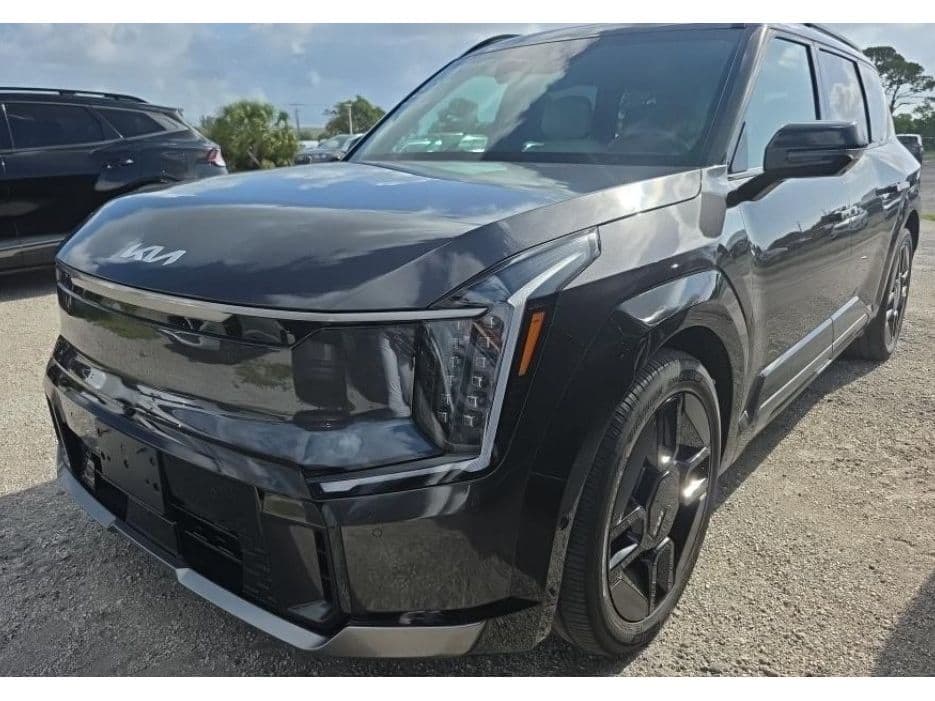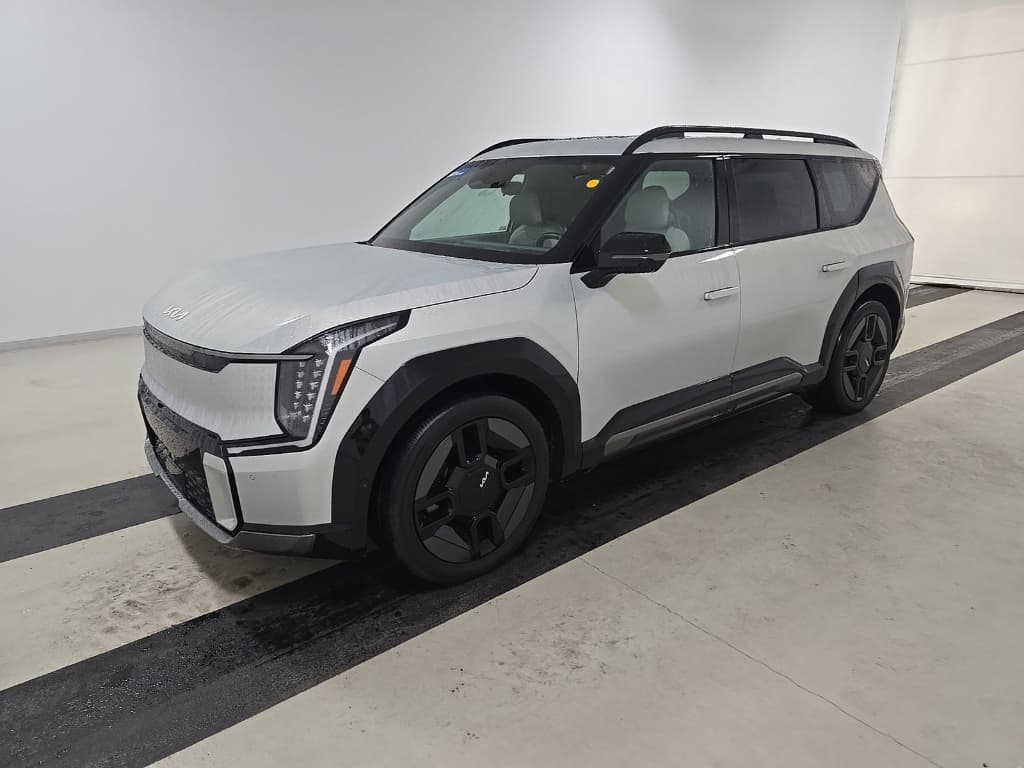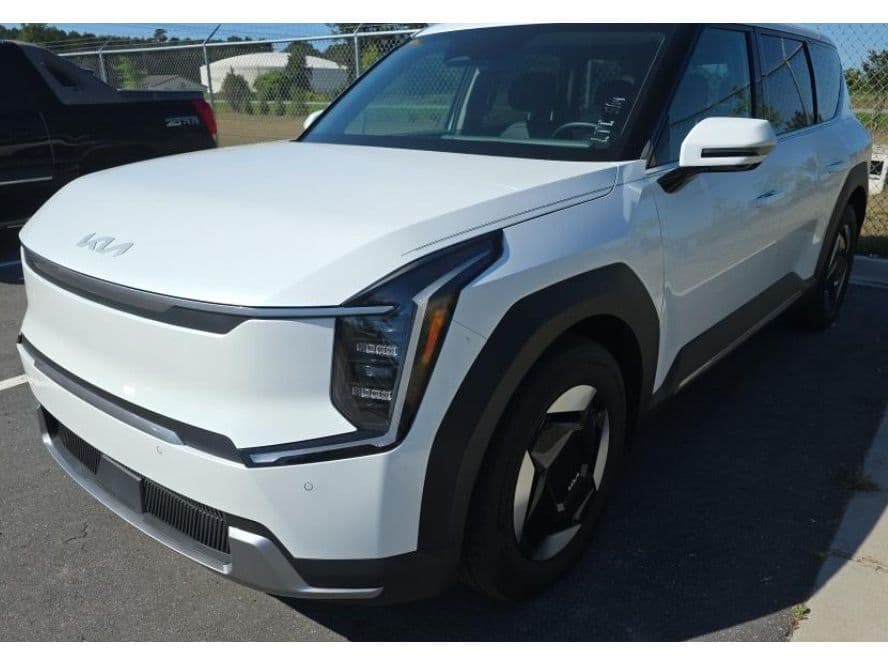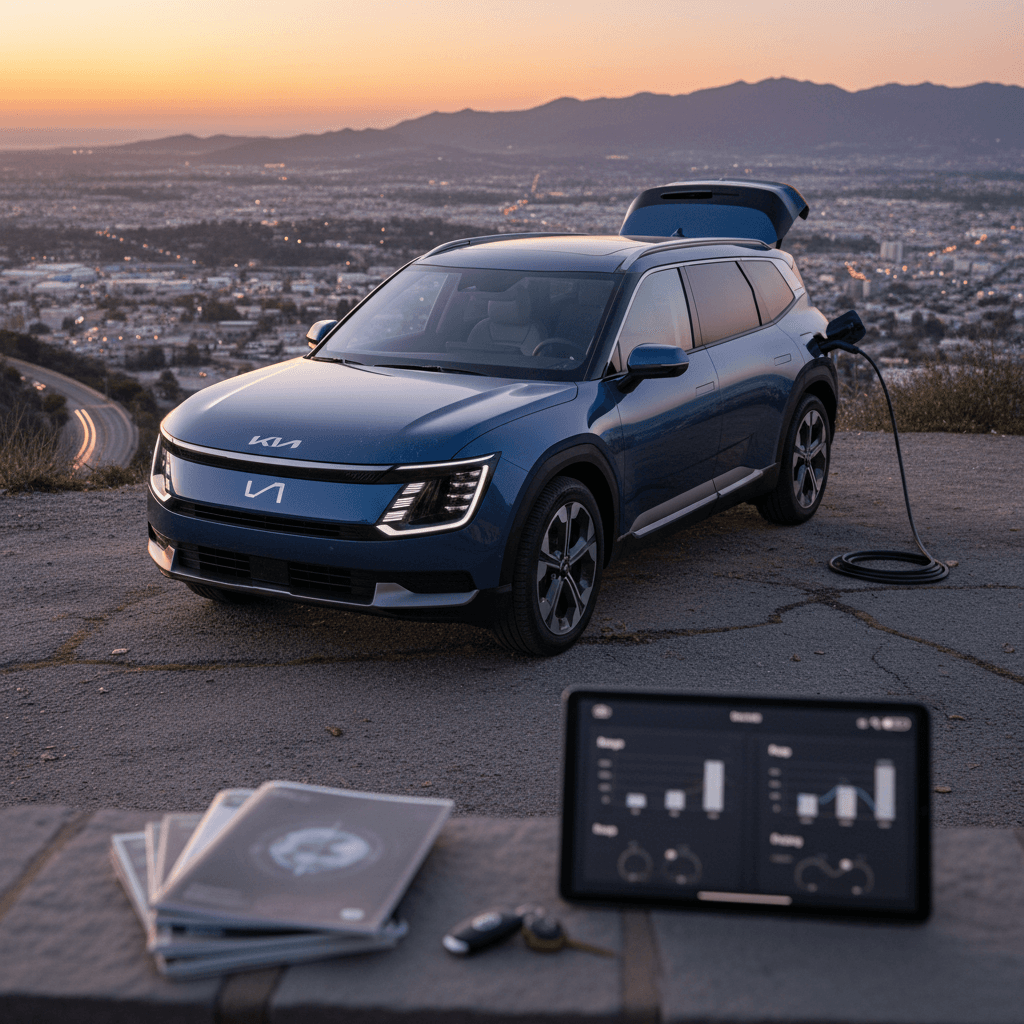
If you’ve been eyeing a three-row electric SUV, the 2026 Kia EV9 is probably on your short list. It promises real minivan practicality, big-battery range, and a cabin your family can actually live in. This 2026 Kia EV9 buying guide walks you through trims, range, charging, towing, pricing, and how to shop both new and used so you don’t just buy an EV9, you buy the right EV9 for your life.
Quick take
Who the 2026 Kia EV9 Is For
Perfect match
- You need three real rows and usable cargo space.
- You do a mix of commuting, school runs, and a few road trips a year.
- You want something nicer than a mainstream SUV but not luxury‑brand pricing.
- You have (or can add) reliable Level 2 home charging.
Think twice if…
- You tow heavy trailers every weekend and expect gas‑SUV range while doing it.
- You can’t install home charging and rely fully on public stations.
- You only rarely use the 3rd row, an EV6, Ioniq 5, or Model Y may make more sense.
Test this before you test‑drive
2026 Kia EV9 trims at a glance
By 2026, Kia’s EV9 lineup in the U.S. has settled into a logical set of trims that mirror the 2024–2025 strategy: value‑oriented rear‑wheel‑drive models at the bottom and all‑wheel drive with more power and features at the top. Exact equipment can change year to year, but the core personality of each trim stays consistent.
2026 Kia EV9 trim overview (U.S. market)
High-level snapshot of how the main 2026 EV9 trims differ. Always verify final specs and equipment on the window sticker for the specific vehicle you’re considering.
| Trim | Drivetrain | Battery | Seats | Est. EPA range (mi) | Towing (max) |
|---|---|---|---|---|---|
| Light | RWD | 76.1 kWh | 7 | ~230 | 2,000 lbs |
| Light Long Range | RWD | 99.8 kWh | 6 or 7 | ~300+ (up to ~304) | 2,000 lbs |
| Wind e‑AWD | Dual‑motor AWD | 99.8 kWh | 7 | ~280 | 5,000 lbs |
| Land e‑AWD | Dual‑motor AWD | 99.8 kWh | 6 or 7 | ~280 | 5,000 lbs |
| GT‑Line e‑AWD | Dual‑motor AWD (most powerful) | 99.8 kWh | 6 | ~270 | 5,000 lbs |
Battery sizes and estimated ranges are based on 2024–2025 EPA figures and early 2026 guidance; treat them as ballpark shopping numbers, not promises.
Model‑year fine print
How the main EV9 trims feel from behind the wheel
Same basic body, very different personalities depending on motor, battery, and suspension tuning.
Light / Light Long Range (RWD)
Best for efficiency and price. The single‑motor rear‑drive EV9 isn’t quick by EV standards, but it’s smooth and relaxed. The Light Long Range gives you the big 99.8 kWh battery and the longest range; think cruiser, not hot rod.
Wind e‑AWD
Best all‑rounder. Dual motors wake the EV9 up. Acceleration is strong enough to make passengers look up from their phones, and you get 5,000‑lb towing. If you like passing power but don’t need every bell and whistle, this is the sweet spot.
Land / GT‑Line
Comfort and toys. Land focuses on upscale materials and features, GT‑Line adds sharper styling and the highest performance. These trims are where you’ll see lounge‑style second‑row seats, big wheels, and the most tech.
Key EV9 numbers to keep in your back pocket
Range, battery and charging: what to expect
Official EPA numbers give you a starting point; real‑world range depends on speed, temperature, cargo, passengers, and how much you tow. The 2026 EV9 behaves a lot like earlier years: rear‑drive trims go farthest on a charge, while dual‑motor AWD trims trade some efficiency for traction and power.
- Light (76.1 kWh RWD): Think low‑ to mid‑200‑mile real‑world range if you’re doing mostly highway at American speeds, more in gentle city and suburban use.
- Light Long Range (99.8 kWh RWD): The range champ. Expect around 300 miles in mixed driving when new, give or take conditions.
- Wind/Land AWD (99.8 kWh): Officially around the high‑200s; on the highway you’ll typically see something closer to the 240–270‑mile band.
- GT‑Line AWD: Same big battery but more power and stickier tires; realistically a bit less range than the Wind or Land in similar use.
Cold‑weather reality check
Charging speeds and connector type
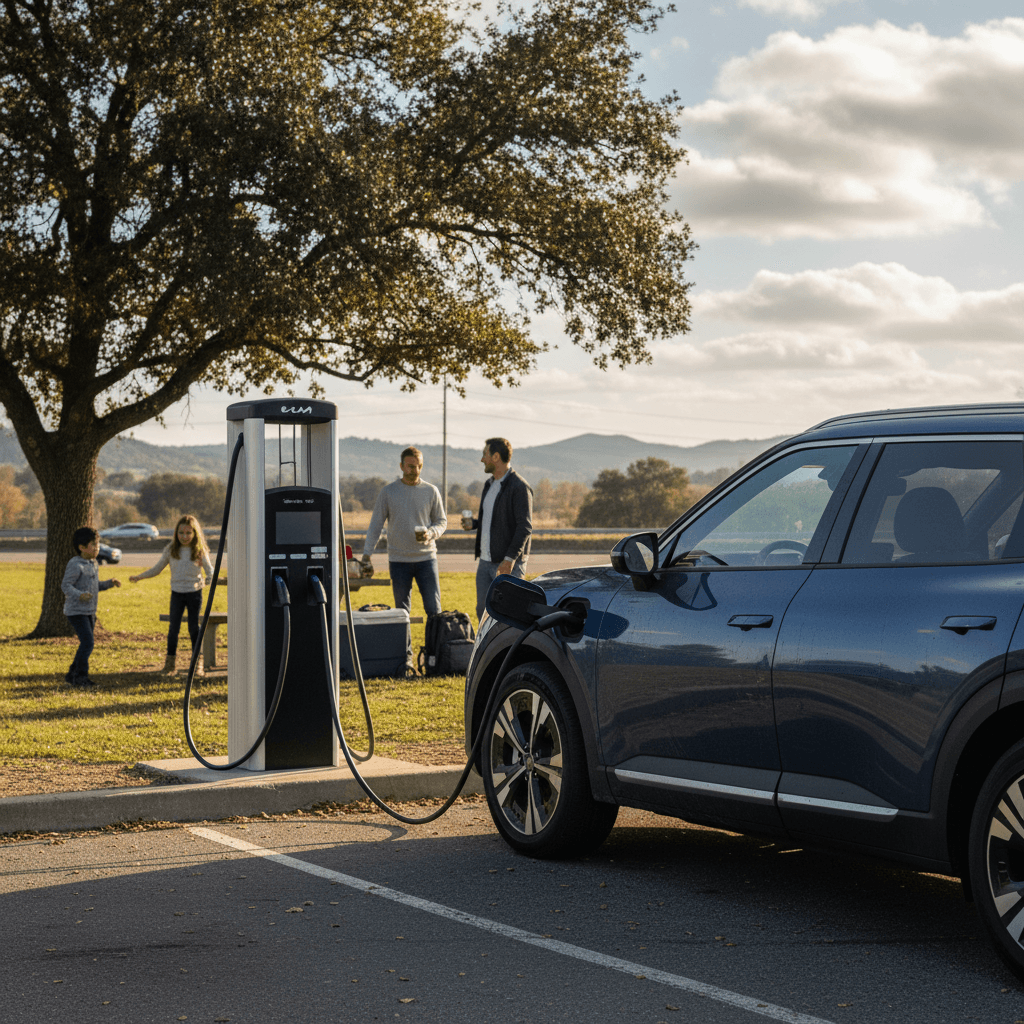
Every EV9 sold so far in North America has used the CCS1 fast‑charging connector, but starting in 2025 Kia committed to North American Charging Standard (NACS) support and adapter access to Tesla Superchargers. The 2026 EV9 lineup continues with the same 800‑volt platform and very strong DC charging performance.
How the EV9 actually charges in the real world
Home charging (Level 1 & 2)
- Level 1 (120V outlet): Emergency only, single‑digit miles of range per hour.
- Level 2 (240V, 40–48A): The sweet spot. Plan on roughly 9 hours for a full charge on the big battery from low state of charge.
- The EV9’s 10.9 kW onboard charger can take full advantage of a 48A Level 2 wall unit.
Public DC fast charging
- On a 350 kW DC charger, the EV9 can add roughly 10–80% in the mid‑20‑minute range when the battery is warm.
- Expect the charge rate to jump quickly above 200 kW, hold there into the middle of the pack, then taper as you approach 80%.
- Battery pre‑conditioning (when you navigate to a fast charger) helps you hit these best‑case speeds.
Public charging pro tip
Towing, cargo and family duty
If you’re cross‑shopping an EV9 against a three‑row gasoline SUV, you’re likely wondering what you give up in towing and cargo. The short answer: not much in capability, but you do give up a lot of range when you hook up a big trailer, just as you would in a gas truck, only you notice it more in an EV.
Towing and hauling in an EV9
Towing capacity
2,000 lbs on most rear‑drive trims, and up to 5,000 lbs on AWD models equipped with the factory tow package and self‑leveling rear suspension.
Cargo space
With all three rows up, cargo is modest but workable for groceries and school bags. Fold the third row and the EV9 opens up into a box on wheels, road‑trip‑friendly and comparable to family SUVs like the Telluride.
Kid and car‑seat duty
Wide‑opening rear doors, relatively flat floor, and available second‑row captain’s chairs make kid‑wrangling much easier than in most two‑row EVs. If you run multiple child seats, bring them along for your test drive and try every row.
Towing range expectations
Pricing, options and what really drives cost
Kia has already published pricing for the 2026 EV9 lineup, and it tracks closely with late‑2025 transaction prices. Exact MSRPs vary with destination charges and regional equipment, but you can think of the 2026 EV9 lineup in rough bands:
- Light (RWD, smaller battery): Entry point. Often stickers in the low‑ to mid‑$50,000s before incentives.
- Light Long Range: Adds the big battery and more features; expect a bump into the high‑$50,000s or low‑$60,000s.
- Wind / Land AWD: Dual‑motor power and 5,000‑lb towing push typical window stickers into the mid‑ to high‑$60,000s depending on options.
- GT‑Line AWD: The range‑topper, usually cresting into the low‑$70,000s when well equipped.
Don’t forget incentives and tax credits
What really moves the EV9’s price up and down
Battery, drivetrain & tow package
- Big battery = higher MSRP, but also higher resale and fewer range compromises.
- AWD adds cost and complexity but unlocks 5,000‑lb towing.
- The factory tow package is worth seeking out if you’ll ever tow more than a small utility trailer.
Seating, wheels & luxury add‑ons
- Captain’s chairs, lounge seats, and premium upholstery can add thousands.
- Big wheels look great but hurt range and tire replacement costs.
- Tech packages (HUD, premium audio, advanced driver assists) add comfort and resale appeal but aren’t must‑haves for every buyer.
Financing tip for EV9 shoppers
New vs. used Kia EV9: how to choose
By 2026, there’s finally meaningful inventory of used 2024–2025 EV9s joining the market. That gives you three basic paths: a factory‑fresh 2026 model, a lightly used recent‑year EV9, or a higher‑mileage example at a more approachable price. Each has its own sweet spot.
Reasons to buy new (2026)
- Latest software, safety tech, and any quiet hardware updates.
- Full new‑car warranty and battery warranty from day one.
- Ability to order exactly the color, seating, and options you want.
- Access to current factory incentives and low‑APR programs.
Reasons to buy used (2024–2025)
- Let someone else absorb the first two years of depreciation.
- Plenty of real‑world owner feedback on each trim and option bundle.
- You can often step up to a nicer trim (or bigger battery) for the same monthly budget.
- Battery health is the big question mark, something you want hard data on, not guesses.
Where Recharged fits in
Ready to find your next EV?
Browse VehiclesInspecting a used EV9 like a pro
A used EV9 hides its history well: there’s no exhaust note to betray hard driving, and the body is big enough that minor damage is easy to overlook. Here’s how to size up a used example beyond kicking the tires and tapping the touchscreen.
Used Kia EV9 buyer’s checklist
1. Start with the battery
Ask for a <strong>battery‑health report</strong>, not just the range number on the dashboard. You want to know how much of the original capacity is left and whether there are any weak modules. At Recharged, this is part of the Recharged Score; elsewhere, you may need a third‑party test or dealer printout.
2. Check DC fast‑charging history
Heavy fast‑charging isn’t automatically bad, but a vehicle that lived its life on 350 kW chargers may show more degradation. Ask the seller to pull charging history from the car or app if possible, and preference EV9s that were mostly home‑charged.
3. Inspect tires and wheels
The EV9 is heavy and torquey. Uneven tire wear can hint at alignment problems or curb‑strike damage. Big optional wheels look sharp but cost more to re‑tire and are easier to bend.
4. Look for towing clues
Even if the seller says they never towed, check the hitch receiver, wiring, and rear underbody for signs of use or rust. Towing itself is fine, just make sure the vehicle was rated and equipped for it, and factor heavier use into your battery expectations.
5. Test every seat and door
Power‑folding seats, sliders, and latches get a workout in family duty. Run every seat through its full range of motion, check for slow or noisy motors, and make sure both third‑row access and child‑lock functions work smoothly.
6. Do a DC fast‑charge test drive
If you can, end your test drive at a DC fast charger. Watch how quickly the EV9 ramps up to high power and whether it maintains strong speeds into the middle of the pack. Sluggish charging can point to battery‑thermal issues or past abuse.
Don’t buy blind online
Charging and road-trip strategy for EV9 owners
Living happily with a 2026 Kia EV9 is less about memorizing kilowatts and more about building a routine that fits your life. Home charging handles 95% of what most families do. Road trips and towing are where planning pays off.
Build your own EV9 charging playbook
Daily driver & commuter
Install (or confirm access to) a reliable Level 2 charger at home or work.
Set a daily charge limit, often 70–80%, for battery longevity.
Use scheduled charging to take advantage of off‑peak electricity rates if your utility offers them.
Pre‑condition the cabin while plugged in on very hot or cold days to save driving energy.
Road‑trip family
Plan your route with charging apps that support CCS and, where applicable, NACS via adapters.
Aim to arrive at DC fast chargers around 10–20% state of charge and leave around 70–80%.
Build stops around food and bathroom breaks rather than chasing 100% every time.
In cold weather, always navigate to the charger in advance so the EV9 can pre‑condition the battery.
Frequent towers
Know your loaded trailer weight and the EV9’s towing limit for your specific trim and tow package.
Assume roughly half your normal range when towing a big, boxy camper at highway speeds.
Favor charging sites with easy trailer access, pull‑through or plenty of dead‑end space.
Keep speeds moderate; a small reduction in speed can noticeably increase towing range.
Use your first trip as practice
2026 Kia EV9 FAQ
Frequently asked questions about the 2026 Kia EV9
Bottom line: is the 2026 Kia EV9 right for you?
The 2026 Kia EV9 isn’t just a science project, it’s a genuinely useful family hauler that happens to run on electrons. If you want three real rows, strong road‑trip charging, and the ability to tow a real trailer from time to time, it deserves a serious look. The key is matching trim, battery, and charging plan to the way you actually live, not the way a specs page looks.
If you’re shopping new, take your time on the test drive: load up the kids, try your car seats, and hit a fast charger on the way back. If you’re shopping used, insist on hard data about battery health and charging behavior instead of reassurances. And if you want help decoding all of that, Recharged can put a verified Recharged Score Report and an EV specialist on your side so your first big electric SUV is a confident buy, not a leap of faith.