If you’re researching 2023 Toyota bZ4X problems, you’ve probably seen headlines about recalls, slow DC fast charging, and mixed owner reviews. As Toyota’s first mass‑market EV on a new platform, the bZ4X had some early teething issues, but they’re not all deal‑breakers, especially if you’re buying used at today’s discounted prices.
Quick take
Overview: How serious are 2023 bZ4X problems?
Toyota’s reputation for bulletproof reliability is doing a lot of work in shopper’s minds, but the 2023 bZ4X is more complicated than a Corolla. The big picture looks like this:
- Several safety‑related recalls that must be completed (including HVAC/defrost and camera software).
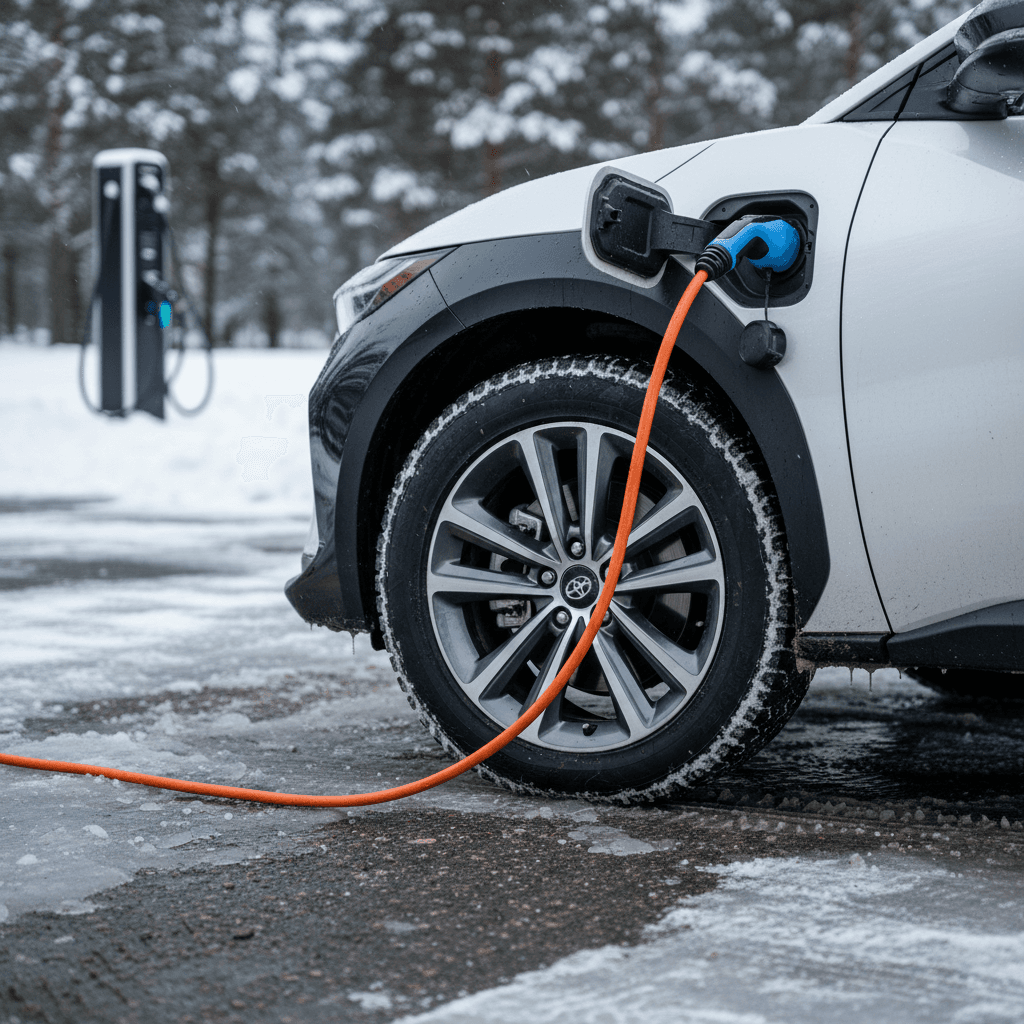
- Persistent complaints about slow DC fast charging, particularly on AWD models and in cold weather.
- Noticeable winter range loss versus EPA ratings, more than some rival EVs in similar conditions.
- Scattered reports of 12‑volt battery failures and cars going “dead” until jumped or towed.
- Software and infotainment glitches that are annoying more than dangerous.
Context matters
2023 bZ4X at a glance
Key 2023 Toyota bZ4X recalls to know about
Before you worry about day‑to‑day quirks, you want to know whether any 2023 bZ4X recalls have been addressed. There are three major buckets to pay attention to:
Major safety‑related issues on the bZ4X platform
Most are fixable via dealer software updates, if they’ve been done.
Early wheel‑hub recall (2022 build)
The earliest bZ4X builds were recalled because hub bolts could loosen and let wheels detach. Most affected vehicles were grounded, bought back, or repaired before regular retail sale, but some 2023‑titled cars may share that build window.
On a used car, confirm by VIN that all wheel‑hub recalls are marked complete.
HVAC/defrost recall (2023–2025)
A software issue in the HVAC control unit can put the system into failsafe if the electric compressor faults, shutting down heat and degrading defrost performance, especially dangerous in low temperatures.
Toyota dealers apply a software update to restore proper defrosting and heating logic.
Rear‑view camera software recall
On some 2022–2026 Toyota and Lexus models, including the bZ4X, a software bug in the parking assist system can cause the rear camera image to freeze or go blank while reversing.
The fix is a dealer software update. Make sure the camera image is stable and responsive in reverse.
How to check recall status
Most common 2023 bZ4X problems owners report
Once recalls are out of the way, most 2023 Toyota bZ4X problems fall into a few recurring categories. Not every car will have them, but these themes show up again and again in owner forums, NHTSA complaints, and long‑term reviews.
Typical 2023 bZ4X problems (and how worried to be)
Use this as a high‑level map. We’ll go deeper on charging and range in the next section.
| Issue | How it shows up | Typical severity | Fix or mitigation |
|---|---|---|---|
| HVAC / defrost failure | Poor windshield defogging or heat in cold weather | High (safety) | Dealer HVAC software update under recall |
| Rear camera glitch | Frozen or black rear‑view image | Medium (safety) | Dealer software update under recall |
| Slow DC fast charging | Sessions stuck around 30–70 kW, long time from 20–80% | Medium (convenience) | Software updates, charger choice, stay between ~10–60% on road trips |
| Winter range loss | Displayed / real range dropping 20–40% below EPA in cold | Medium (planning) | Preconditioning, driving style, realistic trip planning |
| 12‑volt battery going dead | Car won’t “start,” dash lights out or error storm after parking | Medium–High (stranding) | Battery replacement under warranty; software updates, avoid long accessory use while parked |
| Infotainment / CarPlay glitches | Audio drops, frozen screen, system reboots | Low–Medium (annoyance) | Software updates, cable / phone troubleshooting, sometimes head‑unit replacement under warranty |
Severity is a mix of safety impact, repair cost, and how often the issue strands the vehicle.
Don’t ignore HVAC and camera issues
Charging and range: Where the bZ4X struggles
Toyota positioned the bZ4X as a family EV for everyday use, not an ultra‑fast‑charging road‑trip hero. In practice, its charging behavior and real‑world range are the most common sources of owner frustration, especially on the 2023 models.
1. DC fast‑charging performance
On paper, some 2023 bZ4X trims can accept up to ~150 kW on a DC fast charger. In reality, many owners, especially with AWD models, report:
- Peak speeds in the 50–70 kW range in moderate weather.
- Charge rates dropping quickly below 40 kW as state of charge climbs.
- Sessions from ~20% to 80% taking 50–70 minutes instead of the 25–35 minutes you’ll see on the best newer EVs.
That doesn’t make road trips impossible, but it does mean you’ll spend more time parked and need to plan stops carefully.
2. Real‑world range, especially in winter
In mild weather, the FWD bZ4X can get reasonably close to its EPA rating if you drive gently. The problems start when temperatures drop or you lean on cabin heat:
- Owners in cold climates report 20–40% range loss in freezing conditions.
- Highway driving at U.S. speeds (70–80 mph) is harder on range than city use.
- Short trips with lots of heating and defrosting hit efficiency especially hard.
If you live somewhere with real winters, you should size your daily needs assuming much lower winter range than the window sticker suggests.
Road‑trip strategy for a bZ4X
How to reduce range and charging frustrations
Precondition when plugged in
If your climate allows, pre‑heat or cool the cabin while the car is still plugged into Level 2 at home. That keeps more energy in the high‑voltage battery for driving.
Use Level 2 at home or work
Relying on DC fast charging all the time is expensive and highlights the bZ4X’s weak spots. A 240‑volt Level 2 charger makes overnight charging a non‑event.
Plan realistic winter range
If your commute is 80 miles round‑trip, don’t assume an EPA‑rated 228+ miles is plenty. In tough winter conditions, that might feel closer to 130–160 miles.
Stick to 20–80% for daily use
Keeping the battery between roughly 20% and 80% for everyday driving can balance convenience, performance, and long‑term battery health.
Software and infotainment glitches
Software problems on the 2023 bZ4X haven’t been as high‑profile as some rivals, but they’re still part of the ownership story. Reviewers and owners have reported:
- Wireless Apple CarPlay and Android Auto sometimes failing to connect or dropping mid‑drive.
- Occasional system reboots while using Android Auto or the built‑in browser.
- Audio cutting out for a few seconds at random.
- Instrument cluster elements briefly disappearing before returning after a restart.
The good news on software
Is the 2023 Toyota bZ4X reliable overall?
Reliability on the 2023 bZ4X is a tale of two use cases. If you judge it as a local commuter with modest range, many owners report virtually zero issues over tens of thousands of miles beyond routine service and recall visits. If you expect it to behave like a Tesla or a Hyundai E‑GMP car on cross‑country trips, you’re far more likely to be disappointed.
Where the bZ4X has been solid
- Daily dependability: Many drivers report simply charging overnight and driving without drama.
- No major high‑voltage failures: Widespread traction battery failures or inverter issues have not emerged as a pattern.
- Familiar Toyota dealership network: Easy access to service compared with some startup brands.
- Reasonable long‑term costs: EVs avoid oil changes, timing belts, and other ICE maintenance items.
Where issues tend to show up
- HVAC and AC compressors: Enough reports of compressor failures and HVAC behavior problems that the recall and any repairs are worth verifying.
- 12‑volt battery behavior: Some owners have experienced repeated 12‑volt failures, often after the car sits or runs accessories in Park.
- Frequent DC fast‑charging: Owners who rely heavily on fast‑charging, especially in heat or cold, see more glitches and degraded charging performance.
Why used 2023 bZ4X can still be attractive
Buying used: What to check on a 2023 bZ4X
If you’re considering a used 2023 bZ4X, a generic used‑car checklist isn’t enough. You want to focus on the EV‑specific weak points and make sure you’re not inheriting someone else’s headaches.
Used 2023 bZ4X buyer checklist
1. Confirm recall completion by VIN
Have the seller show Toyota service records and cross‑check the VIN on NHTSA’s website. HVAC/defrost, camera, and any earlier wheel‑hub campaigns should all show as completed.
2. Inspect HVAC and defrost performance
On a test drive, run the climate system in different modes. Make sure the windshield clears quickly and the cabin reaches and maintains temperature without strange noises or compressor cycling.
3. Test DC fast‑charging once
If possible, start a DC fast‑charge session from a low state of charge (10–30%) and watch the rate. You’re unlikely to see the full advertised kW, but speeds stuck in the 20–30 kW range in mild weather may justify further diagnosis or a price adjustment.
4. Ask about 12‑volt battery history
Has the auxiliary battery been replaced? Any incidents where the car was completely dead or had to be towed? Repeated 12‑volt failures could hint at an unresolved software or hardware issue.
5. Check infotainment stability
Pair a phone with CarPlay or Android Auto, stream audio, and switch between functions. A one‑off glitch isn’t alarming; frequent freezes or reboots deserve attention and possibly a software update.
6. Review fast‑charging usage
A car that lived on DC fast chargers may have a bit more battery and charging‑curve wear than one that mostly used Level 2. It’s not a deal‑breaker, but it should factor into price and expectations.
How Recharged evaluates used bZ4X models
Because the 2023 bZ4X’s strengths and weaknesses are so tied to software, charging behavior, and climate control, a generic visual inspection doesn’t cut it. At Recharged, every EV we list, including Toyota bZ4X models, goes through a battery‑ and charging‑focused process that’s very different from a traditional dealer’s once‑over.
What our Recharged Score looks at on a bZ4X
Beyond a Carfax and a quick test drive.
Verified high‑voltage battery health
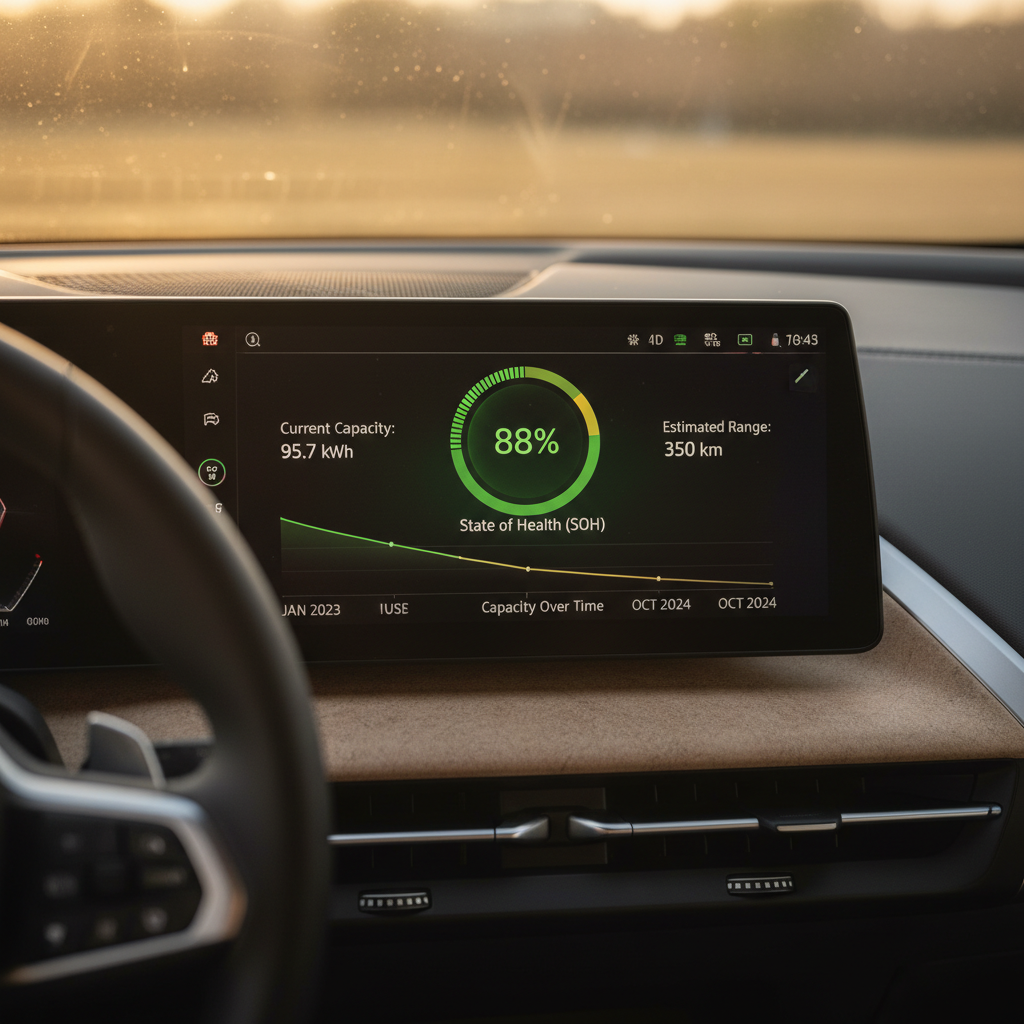
We use diagnostic tools and charging data to evaluate the bZ4X’s battery condition rather than guessing from odometer miles. That helps flag packs that are unusually degraded for their age.
Charging & HVAC behavior
Our process includes Level 2 and (when possible) DC fast‑charging checks, plus HVAC and defrost testing. On a bZ4X, we pay close attention to fans, compressor noises, and heater performance.
Transparent pricing & support
With fair‑market pricing, available financing, trade‑in or consignment options, and nationwide delivery, we try to make buying a used EV feel predictable. You also get access to EV‑specialist support if questions come up later.
Ready to find your next EV?
Browse VehiclesWhy this matters for bZ4X shoppers
FAQ: 2023 Toyota bZ4X problems & ownership
Common questions about 2023 bZ4X problems
Bottom line: Should you avoid a 2023 bZ4X?
You don’t need to automatically cross the 2023 Toyota bZ4X off your list, but you do need to be clear‑eyed about its problems. It’s not the quickest‑charging, longest‑range EV in its class, and the HVAC, software, and 12‑volt quirks mean due diligence is mandatory on any used example.
If you mostly drive locally, have or can install a Level 2 charger, and are shopping value in the used market, a well‑sorted 2023 bZ4X, especially one with a documented recall history and strong battery health, can be a smart, budget‑friendly way into EV ownership. If you expect frequent fast‑charging road trips or live with harsh winters, you may want to consider alternatives or look for a later‑build car with improved software.
Whichever path you choose, making your first, or next, EV a positive experience comes down to transparency. That’s exactly what a Recharged Score and EV‑specialist support are built to provide, whether you end up in a bZ4X or a different electric SUV entirely.