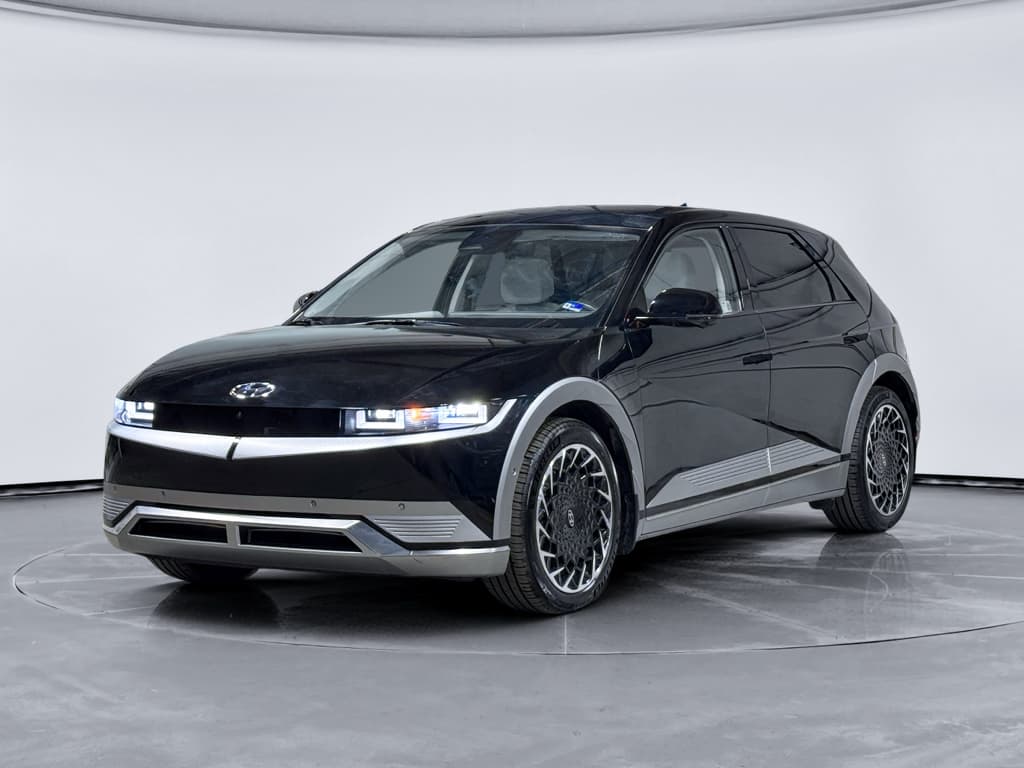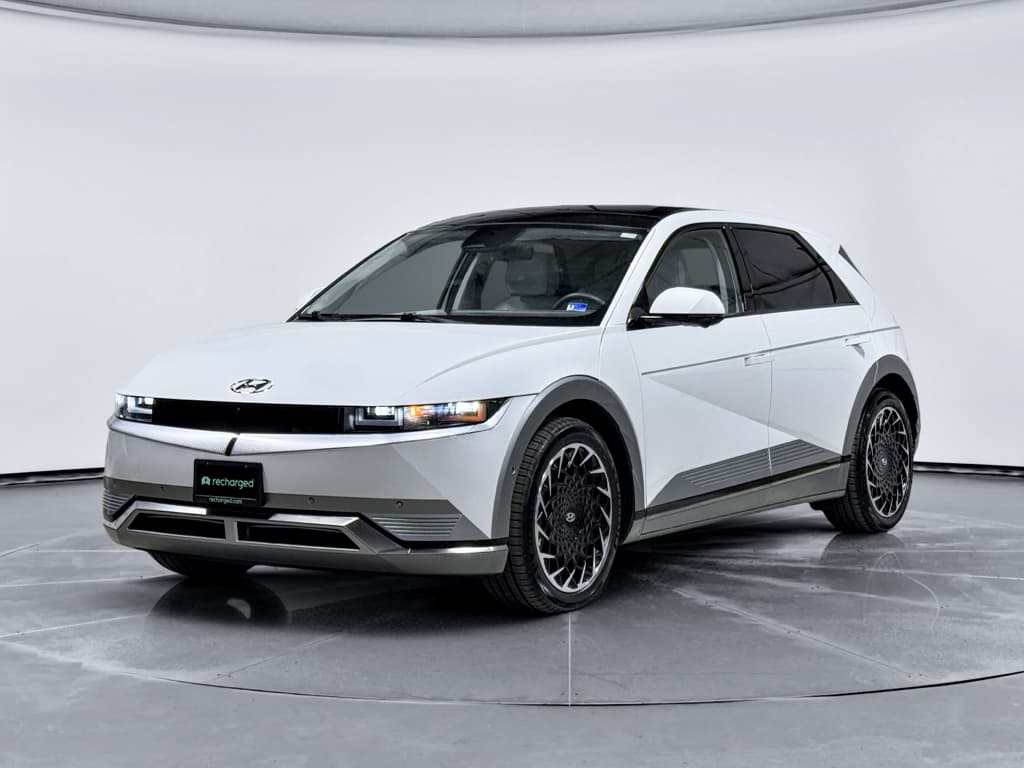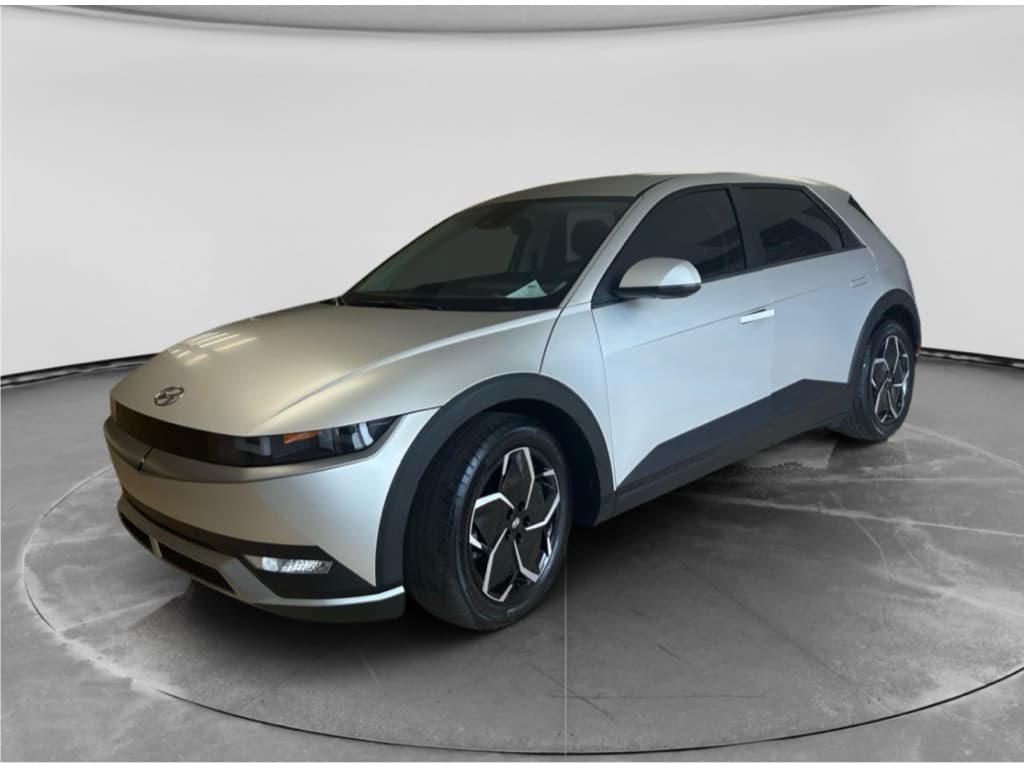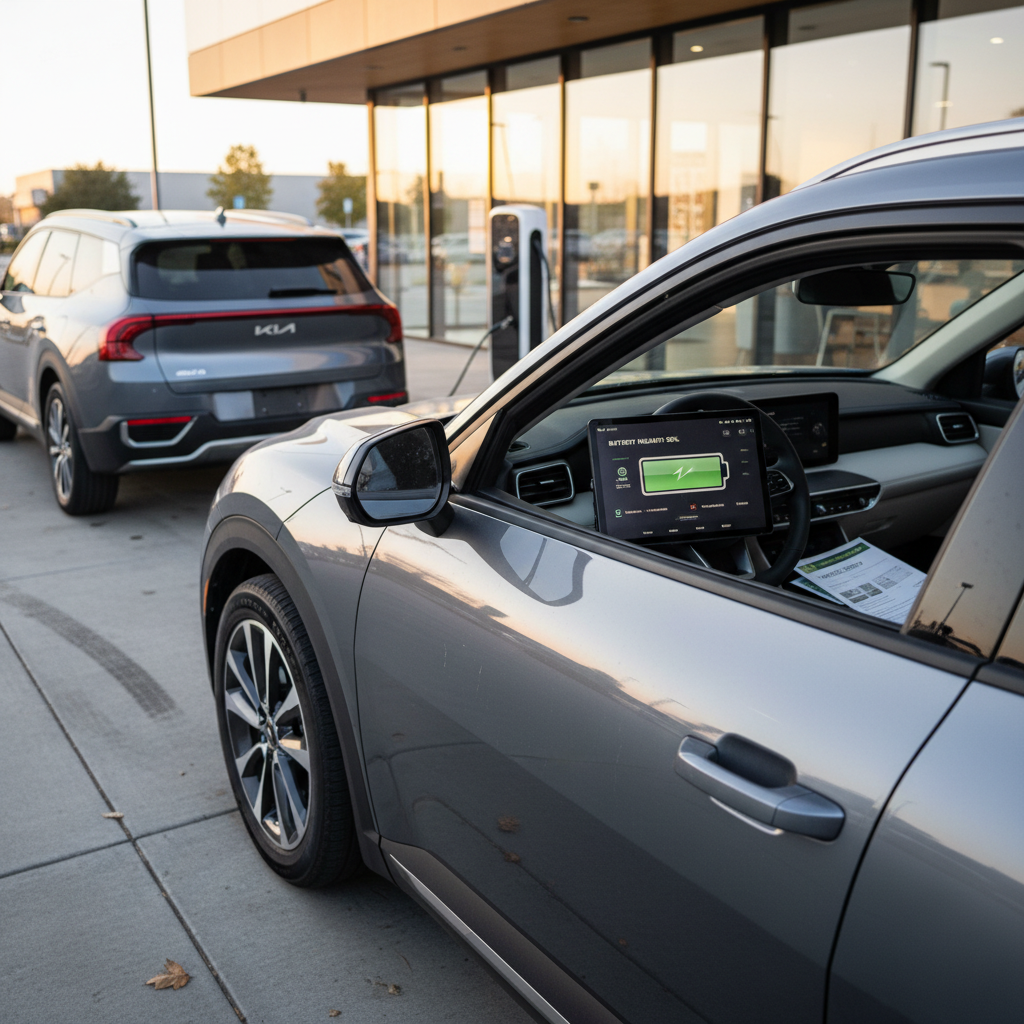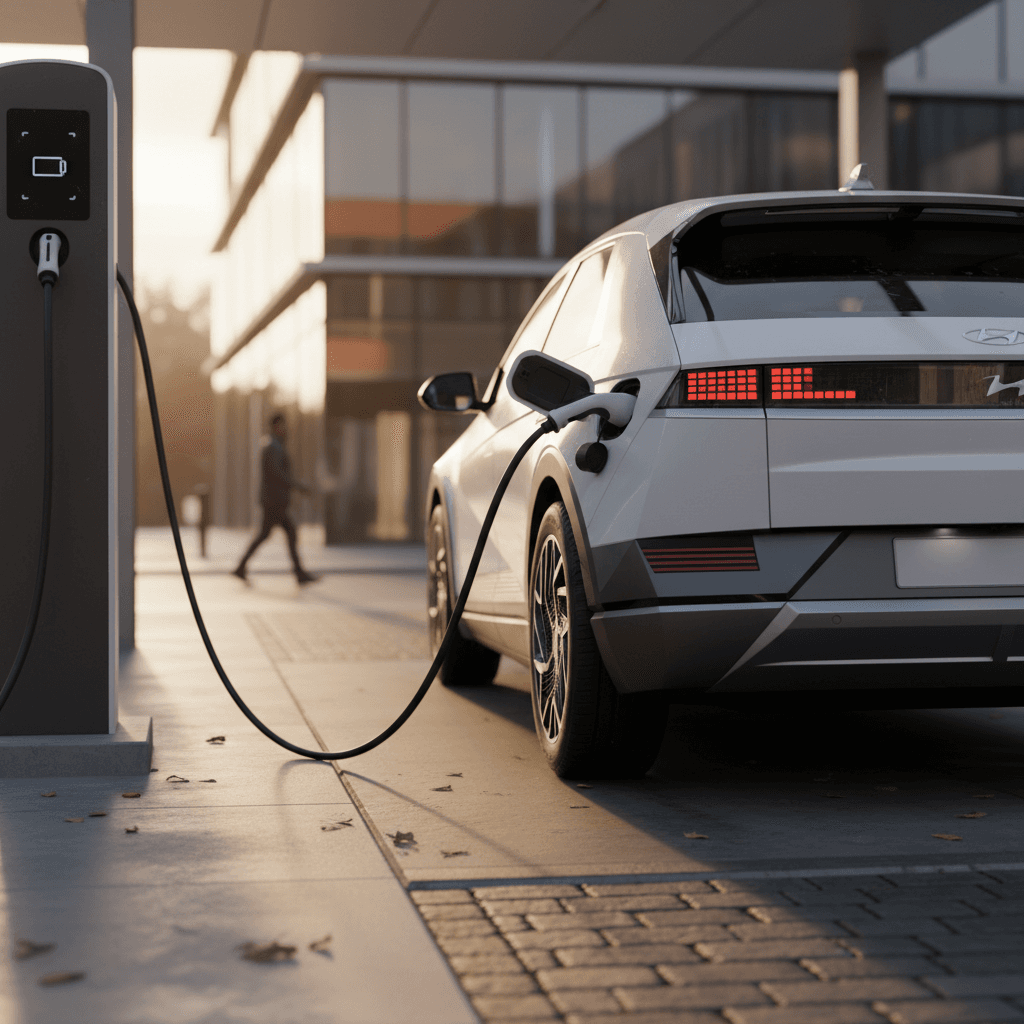
If you’re cross-shopping the Hyundai IONIQ 5 vs Toyota bZ4X, you’re looking at two of the most mainstream electric SUVs on the market. Both offer five-seat practicality, usable range, and strong safety tech, but they take very different approaches to design, charging, and value, especially on the used market.
Who this comparison is for
Hyundai IONIQ 5 vs Toyota bZ4X: big-picture overview
Where the Hyundai IONIQ 5 shines
- Stronger real-world range on most trims, especially RWD long range.
- Ultra-fast charging on an 800-volt architecture, among the quickest DC fast charging in its class.
- Distinctive, roomy interior with a long wheelbase and clever packaging.
- Generally more engaging to drive, with brisk acceleration in AWD trims.
- As a used buy, wide availability and attractive pricing thanks to higher initial sales.
Where the Toyota bZ4X (bZ) stands out
- Comfortable, quiet ride tuned more for easy commuting than sportiness.
- Conservative but familiar Toyota ergonomics and a straightforward cabin.
- Standard dual-voltage portable charger on recent models simplifies home charging.
- Toyota’s reputation for long-term reliability and conservative battery management.
- Updated versions gain better range and charging behavior versus early builds.
Model-year caveat
Quick specs: IONIQ 5 vs bZ4X at a glance
Core specs comparison (typical U.S. trims)
Approximate headline numbers for popular 2024–2025 model-year IONIQ 5 and bZ4X/bZ variants. Exact numbers vary by wheel size, options, and test cycle.
| Spec | Hyundai IONIQ 5 (RWD Long Range) | Hyundai IONIQ 5 (AWD Long Range) | Toyota bZ4X (FWD) | Toyota bZ4X (AWD) |
|---|---|---|---|---|
| Battery capacity (usable est.) | ~77 kWh | ~77 kWh | ~64 kWh (early), ~69 kWh (updated) | ~64–69 kWh |
| EPA / WLTP range* | Up to ~303 miles | ~260 miles | ~252–276 miles (region-dependent) | ~228–286 miles (region/WLTP-dependent) |
| 0–60 mph (manufacturer/tests) | ~7.0 sec | ~4.4 sec | ~7.0–7.5 sec | ~6.5–7.0 sec |
| Max DC fast-charge power | Around 230–240 kW | Around 230–240 kW | Up to ~150 kW | Up to ~150 kW |
| DC fast-charge 10–80% (ideal) | ≈ 18–20 min | ≈ 18–20 min | ≈ 30–35 min | ≈ 30–35 min |
| Onboard AC charger | 10.9–11 kW | 10.9–11 kW | 6.6–11 kW (earlier), 11–22 kW (recent EU trims) | 6.6–11 kW (earlier), 11–22 kW (recent EU trims) |
Always verify the exact specs for the specific VIN you’re considering, especially on the used market.
About range numbers
Range, battery size, and efficiency
Range anxiety is still the number-one concern for many first-time EV buyers, so let’s start with how far each of these SUVs can realistically go on a charge.
Range strengths and weaknesses
Hyundai IONIQ 5 range
- Standard-range battery around 58 kWh with roughly 220 miles EPA range.
- Long-range battery around 77 kWh with up to ~303 miles in RWD form.
- AWD long-range trims land closer to 250–260 miles, depending on wheels.
- Owners and tests often report the IONIQ 5 getting solid real-world highway range versus its ratings when driven sensibly.
Toyota bZ4X / bZ range
- Early bZ4X models used a ~64 kWh pack, with rated range in the 230–250-mile ballpark depending on drive and wheel size.
- Updated versions introduce ~57–69 kWh packs with claimed ranges well into the 270–350+ mile WLTP range in some markets.
- Real-world testing has shown that efficiency often falls short of paper numbers, especially in cold weather.
- Toyota favors conservative battery management, which can help longevity but trims usable capacity.
How to think about range when buying used
Typical real-world highway range (adult-driven, mixed conditions)
Charging speed and charging networks
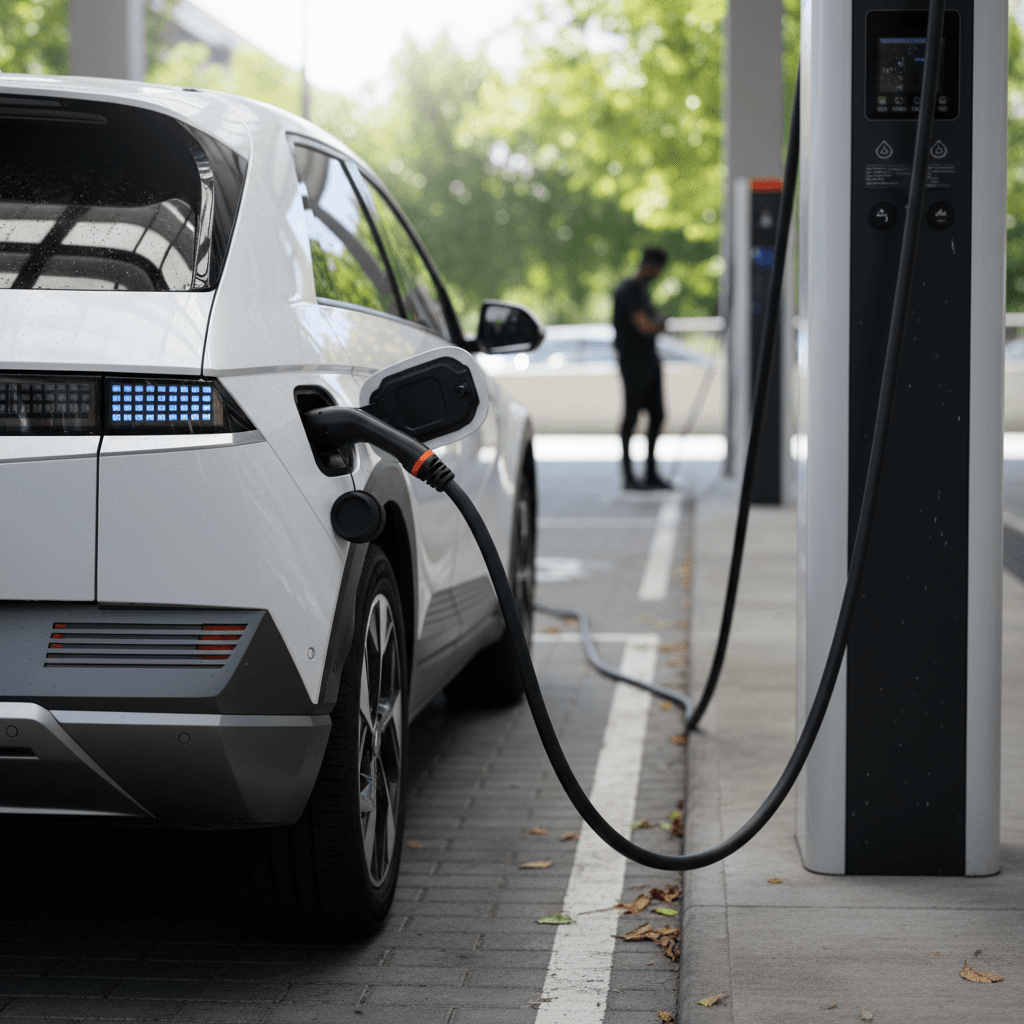
Charging is where the Hyundai IONIQ 5 has had a clear edge since launch, but Toyota has been working hard to close the gap with updates and by joining more public networks.
DC fast charging on the road
- The IONIQ 5 rides on an 800-volt electrical architecture, allowing extremely high DC fast-charge rates, often around 230 kW peak.
- In ideal conditions, you can go from 10–80% in roughly 18–20 minutes, adding well over 150 miles of range in the time it takes for a coffee and restroom stop.
- Toyota rates the bZ4X / bZ at up to about 150 kW, with a 10–80% session landing closer to 30–35 minutes in good weather.
- Early bZ4X models struggled with cold-weather fast charging; updated thermal systems and preconditioning help, but the IONIQ 5 still feels more road-trip friendly.
Home and workplace charging
- Both vehicles use the common J1772/CCS connector on earlier U.S. models, and newer versions are transitioning to the North American Charging Standard (NACS) for broader Tesla Supercharger access.
- The IONIQ 5 offers an onboard AC charger around 10.9–11 kW, ideal for a 48-amp Level 2 wall unit, full charges overnight are easy.
- Early bZ4X models used a 6.6 kW onboard charger on some trims; later and overseas updates jump to 11–22 kW, which shortens AC charge times.
- Toyota includes a dual-voltage portable Level 1/2 cable on recent bZ4X models, which is a nice perk if you don’t want to install a dedicated wall box immediately.
Good news on fast charging access
Ready to find your next EV?
Browse VehiclesCharging questions to ask before you choose
Confirm your home charging situation
Do you have a garage or driveway and access to a 240V circuit, or will you rely heavily on public fast charging? The IONIQ 5’s faster DC charging pays off most if you road-trip often.
Ask about fast-charge history
Frequent DC fast charging isn’t necessarily bad, but on a used EV you want to see balanced use between AC home/work charging and DC fast charging. Recharged Score reports summarize this where data is available.
Check connector type and adapters
Earlier models use CCS; newer ones are moving to NACS. Make sure you know which connector your car uses and what you’ll need to use your local networks.
Look at your local networks
In some regions, Electrify America or EVgo coverage is great; in others, Superchargers dominate. Map the stations near your home, office, and favorite weekend spots before you pick a vehicle.
Space, comfort, and everyday practicality
Both of these EVs are roughly the size of compact-to-midsize crossovers on the outside, but the way they use their space is very different. This is where your personal taste and family needs really come into play.
Interior space and practicality
Hyundai IONIQ 5 cabin
- Very long wheelbase gives the IONIQ 5 a surprisingly airy cabin, closer to a midsize SUV’s legroom.
- Flat floor and sliding rear seats help you trade cargo space for rear legroom as needed.
- Available reclining rear seats and a sliding center console make road trips comfortable.
- The design is minimalist and tech-forward, clean lines, ambient lighting, and a living-room feel.
Toyota bZ4X cabin
- More conventional crossover seating position, with an upright dash and a higher cowl.
- Rear legroom is good but not as limo-like as the IONIQ 5; cargo area is competitive for the class.
- Interior materials are durable and straightforward rather than flashy.
- Some drivers like Toyota’s elevated instrument cluster, others find the wheel blocks the view, be sure to test the seating position yourself.
Family test: car seats and cargo
Tech, safety features, and driving feel
On paper, both the IONIQ 5 and bZ4X are loaded with safety and driver-assistance tech. The differences you’ll notice day to day are more about interface design and how each brand tunes steering, acceleration, and ride comfort.
Infotainment and driver assistance
- Each SUV offers a large central touchscreen, digital instrument cluster, and the usual smartphone mirroring. Newer bZ models move to a simpler 14-inch screen with wireless Apple CarPlay and Android Auto.
- Hyundai’s system is snappy and intuitive, with clear EV energy and route-planning tools.
- Toyota’s latest software is a big step up from older systems but still more conservative in look and feel.
- Both feature advanced driver-assist suites (Hyundai SmartSense, Toyota Safety Sense) with lane centering, adaptive cruise, and automatic emergency braking.
Driving experience
- The IONIQ 5, especially with the larger battery and AWD, feels noticeably quicker than the average compact SUV. The 320 hp dual-motor setup delivers punchy acceleration, yet ride comfort remains good.
- Steering is light but precise enough for confident highway driving; one-pedal driving modes make city traffic less tiring.
- The bZ4X focuses on smooth, relaxed progress. It’s quiet, composed, and easy to drive, but not eager. Think of it as an electric RAV4 in temperament.
- All-wheel-drive bZ4X versions add extra traction, especially useful in snow-belt states, but they’re still tuned for comfort, not thrills.
When you’re picking between these two, you’re not choosing between good and bad, you’re choosing between two different philosophies of what an everyday electric SUV should feel like.
Reliability, battery health and used-EV considerations
New-vehicle shoppers often lean toward Toyota because of its long-standing reliability reputation, while Hyundai has made big gains in the last decade. In the EV world, what matters most is battery and high-voltage system health, not just traditional mechanical reliability.
- Both models use liquid-cooled battery packs with manufacturer warranties typically around 8 years / 100,000 miles (check the exact terms for the year and region).
- Toyota tends to run its packs with conservative buffers to protect longevity, good for long-term health, but sometimes at the cost of usable range and charging speed.
- Hyundai has pushed harder on performance and charging speed, yet field data so far suggests the packs are holding up well when properly cooled and managed.
- Early bZ4X models had a recall related to wheel hub bolts and saw cold-weather fast-charging limitations; these issues were addressed, but they underline why individual-vehicle history matters on the used market.
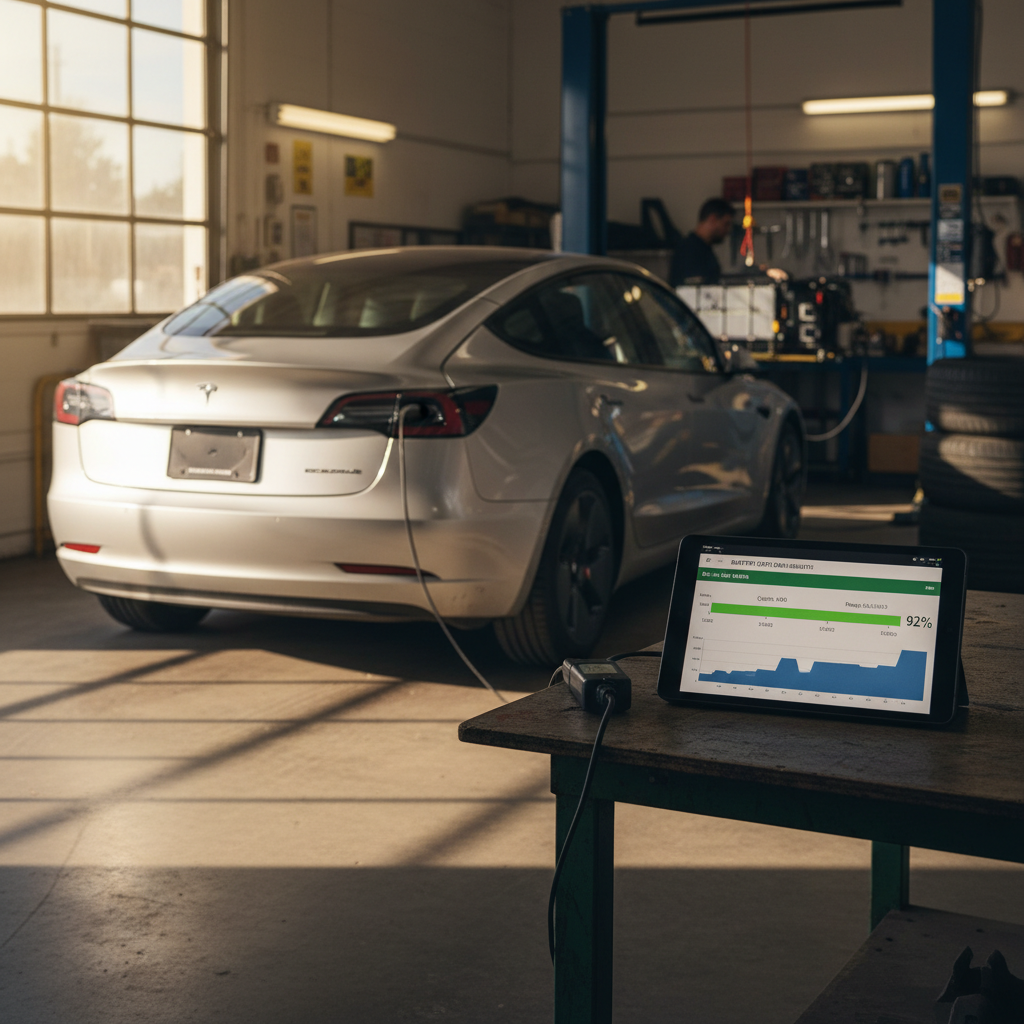
Don’t guess on battery health
Used IONIQ 5 or bZ4X? What to verify
Battery state of health (SOH)
Look for objective data rather than seller anecdotes. On Recharged, SOH is front and center in the Score Report for every car.
DC fast-charging behavior
If possible, review charging logs or ask how the car behaves on a DC fast charger. Sudden throttling or erratic curves can indicate thermal issues.
Software and recall history
Both Hyundai and Toyota have issued updates that improve charging, efficiency, and safety behavior. Confirm recalls and key software updates are done.
Tire wear and alignment
Heavy EVs are tough on tires and suspension. Uneven wear on a used example can hint at a rough life or curb hits that may affect alignment and range.
Ownership costs, pricing, and value
Pricing has been volatile since 2024, especially in the U.S. after federal EV tax credits changed and demand cooled. That’s actually good news if you’re shopping a used IONIQ 5 or bZ4X today.
How the market has been shifting
Hyundai IONIQ 5 value picture
- Substantial recent price cuts on new models put downward pressure on used pricing, which benefits savvy shoppers.
- Higher original sales volume means more used inventory, giving you better choice on color, trim, and mileage.
- Resale values have softened with broader EV demand, but that means a well-priced used IONIQ 5 can be a lot of car for the money.
- Hyundai’s long warranties (including on electric components) add peace of mind if plenty of term is left.
Toyota bZ4X value picture
- Slower early sales mean fewer used examples, but also some motivated sellers, especially of early-build cars with less desirable charging behavior.
- Toyota’s brand strength helps residual values, but within EVs, the bZ4X has had to work to overcome its rocky start.
- Incentives like complimentary fast charging and bundled home chargers mainly helped first owners; on the used side, you’re shopping more on condition and battery health than perks.
- Long-term, Toyota’s conservative battery strategy may pay off in lower degradation, which can stabilize resale for well-kept vehicles.
Which should you buy: IONIQ 5 or Toyota bZ4X?
Best fit by buyer type
Match the SUV to how you actually drive
Highway commuters & road-trippers
City and suburban families
Conservative buyers focused on durability
How Recharged can help you decide
If you want the sportier, more future-forward EV with standout charging tech and road-trip range, the Hyundai IONIQ 5 is hard to beat. If you’d rather slide into something that feels like a familiar Toyota crossover that just happens to be electric, a carefully chosen Toyota bZ4X can still be a smart, comfortable choice, especially as updated models reach the used market. Either way, the key is buying the specific car in front of you, not just the badge. That means paying attention to battery health, software version, and price relative to the broader EV market, exactly what Recharged was built to help you do.
Frequently asked questions: Hyundai IONIQ 5 vs Toyota bZ4X
FAQ: Hyundai IONIQ 5 vs Toyota bZ4X
The right answer in the Hyundai IONIQ 5 vs Toyota bZ4X debate isn’t the same for everyone. The IONIQ 5 is the EV for drivers who want fast charging, long-range confidence, and a bold design statement. The bZ4X suits shoppers who prioritize comfort, familiarity, and Toyota’s cautious engineering approach. If you’re ready to see how they compare in the real world, browse Recharged’s inventory of used IONIQ 5 and bZ4X models, where every listing includes a Recharged Score Report and access to EV experts who can help you make the call with confidence.