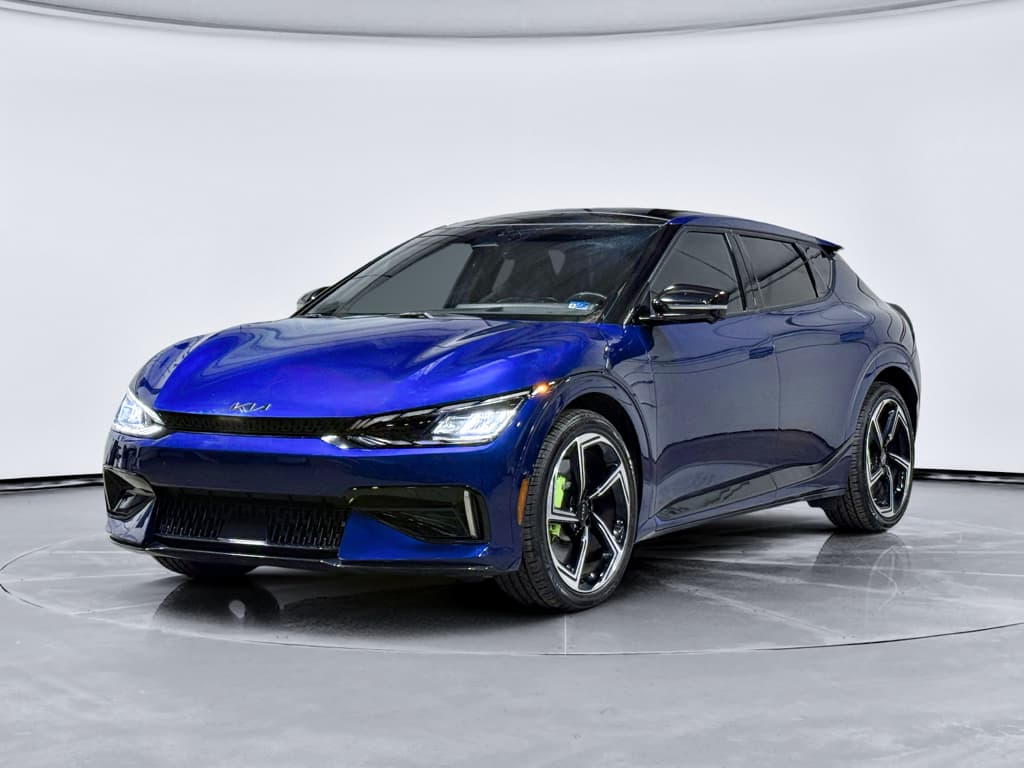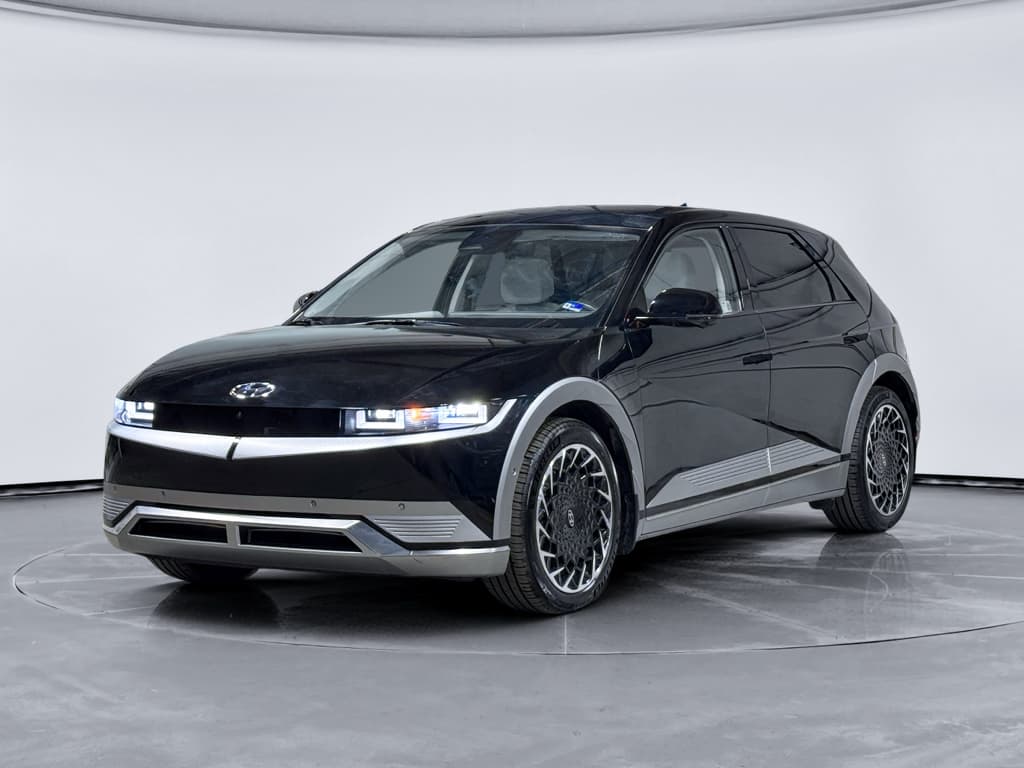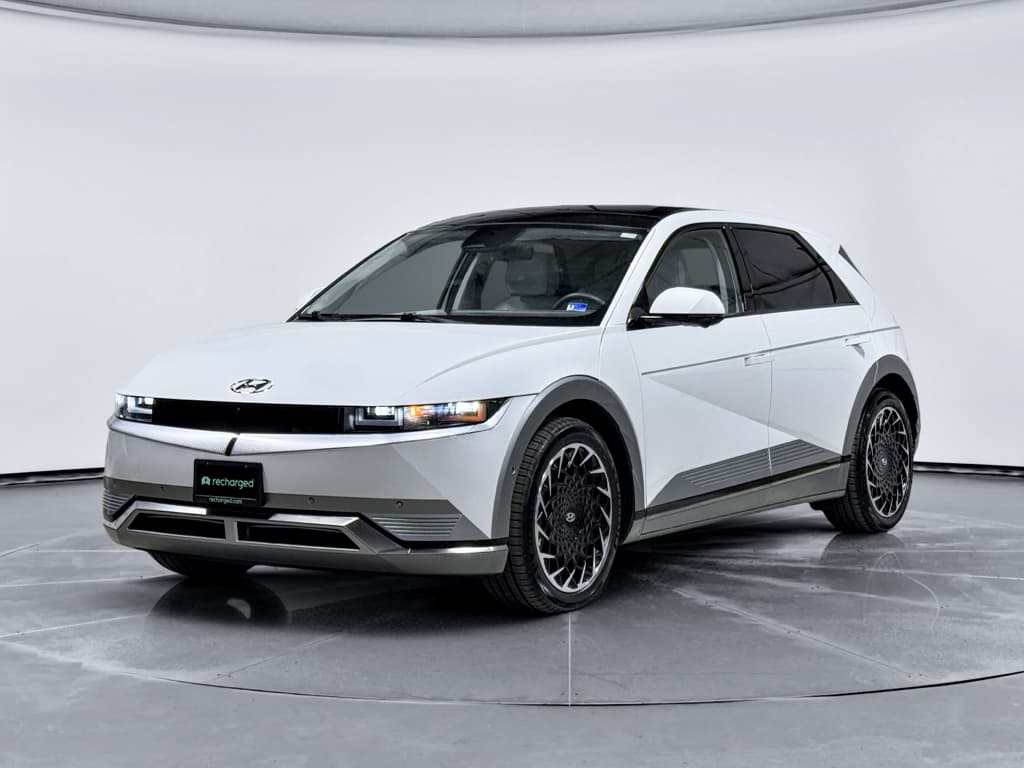
The Hyundai IONIQ 5 vs Kia EV6 debate is one of the toughest choices in today’s EV market. They share the same E-GMP platform and similar batteries, yet they feel completely different to live with. One leans toward relaxed, family-friendly comfort; the other chases sporty dynamics and style. If you’re trying to pick the right one, especially on the used market, this guide walks you through the differences that actually matter.
Same bones, very different personalities
Hyundai IONIQ 5 vs Kia EV6: quick overview
At a glance: how the IONIQ 5 and EV6 differ
Same platform, but tuned for different types of drivers
Hyundai IONIQ 5
- Shape: Boxy, hatchback-meets-SUV, very roomy.
- Vibe: Relaxed, retro-futuristic, family-friendly.
- Best for: Space, comfort, easy commuting, road trips.
- Range: Up to low‑300‑mile EPA in RWD long-range trims.
- Charging: Among the fastest DC fast chargers on the market.
Kia EV6
- Shape: Lower, sportier crossover with coupe-like roofline.
- Vibe: Driver-focused, edgy styling, firmer ride.
- Best for: Enthusiasts, style-conscious buyers, smaller families.
- Range: Up to about 310 miles EPA in RWD long-range trims.
- Charging: Same ultra-fast 800‑V architecture as IONIQ 5.
Key spec snapshot (recent U.S. model years)
Powertrain, range, and charging compared
Under the skin, the Hyundai IONIQ 5 and Kia EV6 offer very similar menus: single‑motor rear‑wheel drive for efficiency and dual‑motor all‑wheel drive for traction and performance. Both started in the U.S. with 58 kWh and ~77.4 kWh batteries, with newer IONIQ 5 models adding an 84 kWh pack. Depending on model year and trim, you’ll see EPA ranges roughly in the 220–320 mile window for both lineups.
Range and battery comparison (typical recent U.S. specs)
Exact numbers vary by wheel size and model year, but this gives a realistic cross‑shop baseline.
| Model/Trim (illustrative) | Drive | Battery | EPA-est. range |
|---|---|---|---|
| IONIQ 5 Standard Range | RWD | 58 kWh | ~220 mi |
| IONIQ 5 Long Range | RWD | 77.4–84 kWh | ~300–318 mi |
| IONIQ 5 Long Range | AWD | 77.4–84 kWh | ~260–290 mi |
| Kia EV6 Light SR | RWD | 58 kWh | ~232 mi |
| Kia EV6 LR (Wind/GT-Line) | RWD | 77.4 kWh | ~310 mi |
| Kia EV6 LR (Wind/GT-Line) | AWD | 77.4 kWh | ~252–282 mi |
Always confirm the specific EPA rating for the exact trim and wheel size you’re considering, especially on the used market.
Real-world range tip
On paper, the EV6 tends to post slightly higher efficiency scores, but the difference is modest. The IONIQ 5 counters with a bit more range on newer 84 kWh RWD models. For most drivers, range alone shouldn’t be the tiebreaker, both lineups easily cover typical commuting, and either can handle road trips with a sensible charging plan.
Charging speed
- Both use an 800‑volt electrical architecture, rare in this price class.
- On a 250–350 kW DC fast charger, either model can go from about 10–80% in roughly 18–20 minutes in ideal conditions.
- Home charging with a 240‑V Level 2 setup typically takes 7–8 hours for a full charge on long‑range batteries.
Connector & network access
- Earlier model years use CCS; newer IONIQ 5 and EV6 examples in North America are adding support for the Tesla NACS plug and access to the Supercharger network via adapters.
- Both brands partner with major public networks; some new EV6s came with early charging credits on DC fast chargers, which may or may not transfer on used sales.
Fast-charging caveat
Interior space, comfort, and practicality
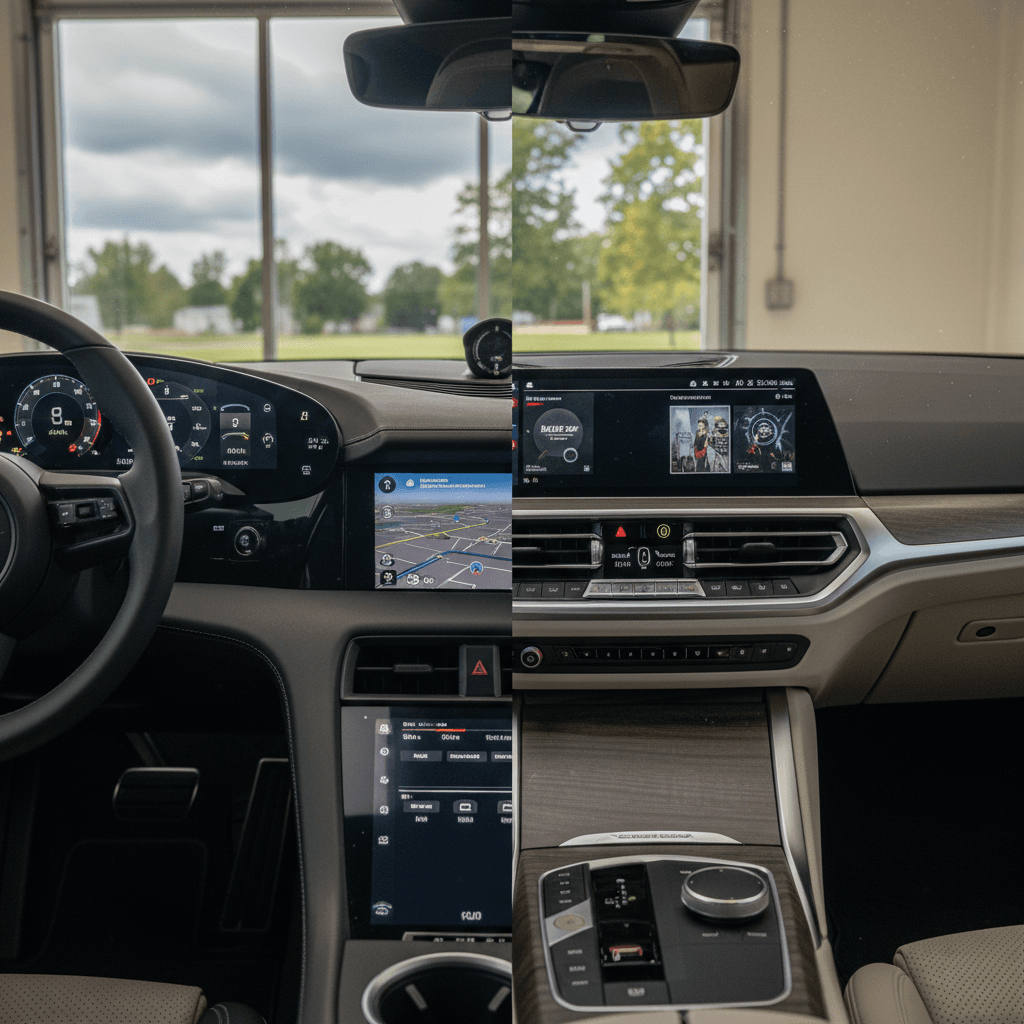
This is where the Hyundai IONIQ 5 vs Kia EV6 comparison stops being academic and starts to feel very real. The IONIQ 5 rides on a slightly longer wheelbase and uses a tall, boxy profile. That pays off in adult-friendly rear-seat space, easier ingress/egress, and generous cargo height. The EV6’s lower roofline and sportier silhouette cut into rear headroom and cargo vertical space, but you gain a more intimate, driver‑centric cockpit.
Space and practicality: strengths of each
Think about your passengers, pets, and luggage more than the spec sheet.
Hyundai IONIQ 5 strengths
- More upright seating that’s easier for kids and older passengers.
- Wide, sliding rear bench with lots of legroom.
- Boxier cargo area makes it simpler to load strollers, crates, and bulky items.
- Flat floor and sliding center console on some trims add flexibility.
Kia EV6 strengths
- Sportier driving position that many enthusiasts prefer.
- Cabin feels more cocooned and premium in higher trims.
- Still plenty of space for a small family, but better suited to 2–3 regular passengers than 5 full‑size adults.
- Slightly more driver-focused dash and controls.
Family-usage lens
Driving experience: calm cruiser vs sporty crossover
Same platform, different personalities. The IONIQ 5 tends to drive like a relaxed, refined family EV: quiet, stable, and composed, with light steering and a soft-ish ride. The EV6 feels tighter and more athletic, with firmer suspension tuning and sharper steering response, especially in sport‑oriented trims.
- Single‑motor RWD versions of both feel quick enough for daily use, with 0–60 mph times in the 7–8 second range.
- Dual‑motor AWD trims drop that closer to the mid‑4‑second bracket, which already feels very fast in a family vehicle.
- Regenerative braking is adjustable in both models, including strong "one‑pedal" style driving once you get used to it.
Test drive both back to back
Tech, safety, and everyday usability
Hyundai and Kia share most of their major tech and driver‑assist systems, so there’s far more overlap than difference. Both offer dual 12.3‑inch displays on many trims, robust smartphone integration, over‑the‑air update support on newer model years, and a deep suite of active safety tech, including lane‑keeping assist, adaptive cruise, blind‑spot monitoring, and automatic emergency braking.
Where the IONIQ 5 stands out
- Many trims emphasize clean, minimalist design with simple physical controls.
- Interior materials often feel airy and bright, which some drivers find less claustrophobic on long trips.
- Certain trims add practical touches like a sliding console and flat floor that make the cabin feel lounge-like.
Where the EV6 stands out
- More dramatic, wraparound dash and center console for a "cockpit" feel.
- Some trims lean heavily into ambient lighting and sporty accents that feel more premium.
- Historically strong feature-per-dollar content on mid and upper trims, though this varies with incentives and model years.
Safety confidence
Performance trims: IONIQ 5 N vs EV6 GT
If you’re the sort of shopper cross‑shopping a Mustang Mach‑E GT or Tesla Model Y Performance, the Hyundai IONIQ 5 N and Kia EV6 GT turn this comparison into a hot‑hatch fight. Both crank output to roughly the mid‑600‑horsepower range and deliver 0–60 mph times in the low‑3‑second neighborhood, genuine sports‑car territory in an electric crossover shell.
Performance models compared (recent U.S. specs)
Exact figures vary by test and model year, but this gives a realistic picture of what the halo trims can do.
| Model | Drive | Approx. power | 0–60 mph (approx.) | EPA range (approx.) |
|---|---|---|---|---|
| IONIQ 5 N | Dual‑motor AWD | ~641 hp | ~3.3 sec | Low‑220‑mile range |
| Kia EV6 GT | Dual‑motor AWD | ~641 hp | ~3.3–3.4 sec | Low‑220‑mile range |
These aren’t just quicker versions; they come with substantial suspension, brake, and tire upgrades over regular trims.
Performance comes at a cost
Pricing, incentives, and used-market realities
New, the Hyundai IONIQ 5 and Kia EV6 have largely marched in lockstep on price, with base trims landing in the low‑to‑mid‑$40,000s and well‑optioned or performance versions climbing into the $60,000s. What has changed the game for many U.S. shoppers is the expiration and reshaping of federal EV tax credits, which has hit Korean automakers particularly hard and pushed more price‑sensitive shoppers toward the used market.
Market context: why the used IONIQ 5 and EV6 are hot
How Recharged can help
Which EV fits you best? Key buyer profiles
Match the right EV to your life
1. Growing family or frequent passengers
You’ll likely be happier in the <strong>Hyundai IONIQ 5</strong>. Its boxier shape, easier access, and more upright seating make life easier for kids, car seats, and grandparents. The cargo area also plays nicer with bulky items.
2. Enthusiast driver or style-first shopper
The <strong>Kia EV6</strong> feels more like a sporty hatchback. If you care more about steering feel, a planted stance, and standout styling than max headroom, the EV6 will probably speak your language.
3. Road-trip regular
Both are excellent here thanks to fast charging and competitive range. Give the <strong>edge to whichever offers better front-seat comfort</strong> for your body and more intuitive route planning in the infotainment system. A test trip of 90–120 minutes can be revealing.
4. City dweller with tight parking
Either will work, but the EV6’s slightly lower roof and sleeker profile can feel easier to thread into older garages. Check turning radius and camera quality on the specific car you’re considering.
5. Budget-conscious used buyer
Focus on <strong>condition, battery health, and equipment</strong>, not just brand. A well‑cared‑for EV6 with the features you want can be a smarter buy than a base IONIQ 5, and vice versa. That’s where tools like a Recharged Score Report earn their keep.
Buying used: IONIQ 5 vs EV6
On the used market, the Hyundai IONIQ 5 vs Kia EV6 question becomes less about MSRP and more about how a specific example has been used and maintained. Battery health, software updates, previous charging habits, and accident history matter more than which logo is on the steering wheel.
Checklist for any used IONIQ 5 or EV6
- Review a battery health report to see usable capacity vs. original.
- Confirm fast‑charging behavior on a real DC charger if possible.
- Check for uneven tire wear or suspension damage, especially on performance or large‑wheel trims.
- Verify all recalls and software updates have been completed.
- Look closely for prior collision repairs on the unique front and rear structures.
How Recharged streamlines this
Recharged specializes in used EVs, including the IONIQ 5 and EV6. Every vehicle we sell comes with:
- A Recharged Score with detailed battery diagnostics.
- Transparent, fair‑market pricing informed by EV-specific depreciation trends.
- Financing options designed for EV buyers and nationwide delivery.
- EV‑savvy specialists who can help you weigh IONIQ 5 vs EV6 for your situation.
Don’t skip the battery check
Frequently asked questions: Hyundai IONIQ 5 vs Kia EV6
Hyundai IONIQ 5 vs Kia EV6 FAQ
Bottom line: you can’t go wrong, here’s how to decide
When you strip away the badges, the Hyundai IONIQ 5 vs Kia EV6 matchup is really a question of personality and packaging. The IONIQ 5 is the more practical, upright, and family‑friendly choice, with space and comfort as its calling cards. The EV6 trades some of that utility for a sleeker shape and a more engaging feel from behind the wheel. Both charge quickly, both offer competitive range, and both have performance variants that punch far above their weight.
If you’re buying used, prioritize the individual car, its battery health, equipment, and condition, over nameplates. That’s exactly what Recharged was built for: giving you transparent battery diagnostics, fair‑market pricing, and EV‑savvy support so your next IONIQ 5 or EV6 is a confident buy, not a gamble.