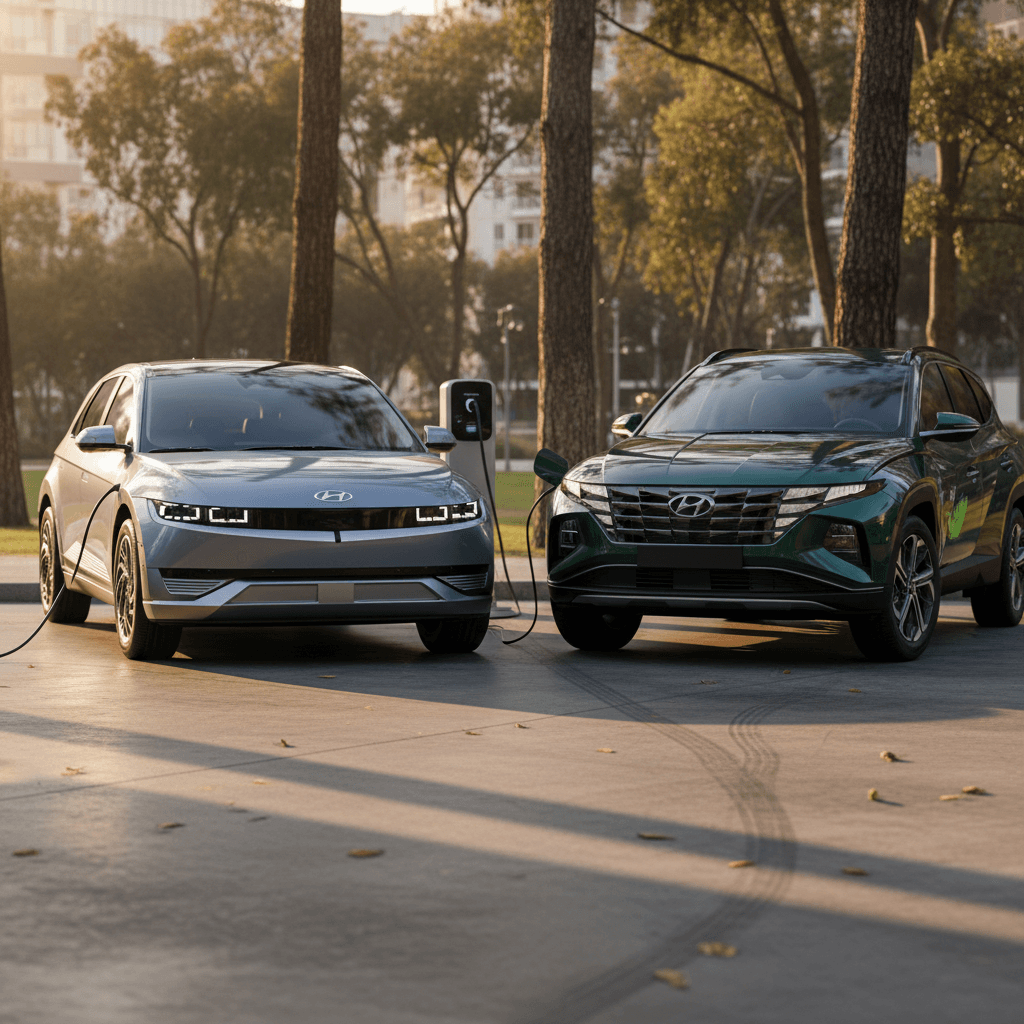
You’re standing on a Hyundai lot, or more likely scrolling listings on your phone, torn between two very different takes on the compact SUV: the all‑electric Hyundai IONIQ 5 and the Hyundai Tucson Hybrid. One promises silent, spaceship torque and zero tailpipe emissions; the other offers easy road‑trip range and gas‑station familiarity. This guide walks you through Hyundai IONIQ 5 vs Hyundai Tucson Hybrid in plain English so you can pick the one that actually fits your life, your driveway, and your budget.
Same badge, very different hearts
Hyundai IONIQ 5 vs Hyundai Tucson Hybrid: Overview
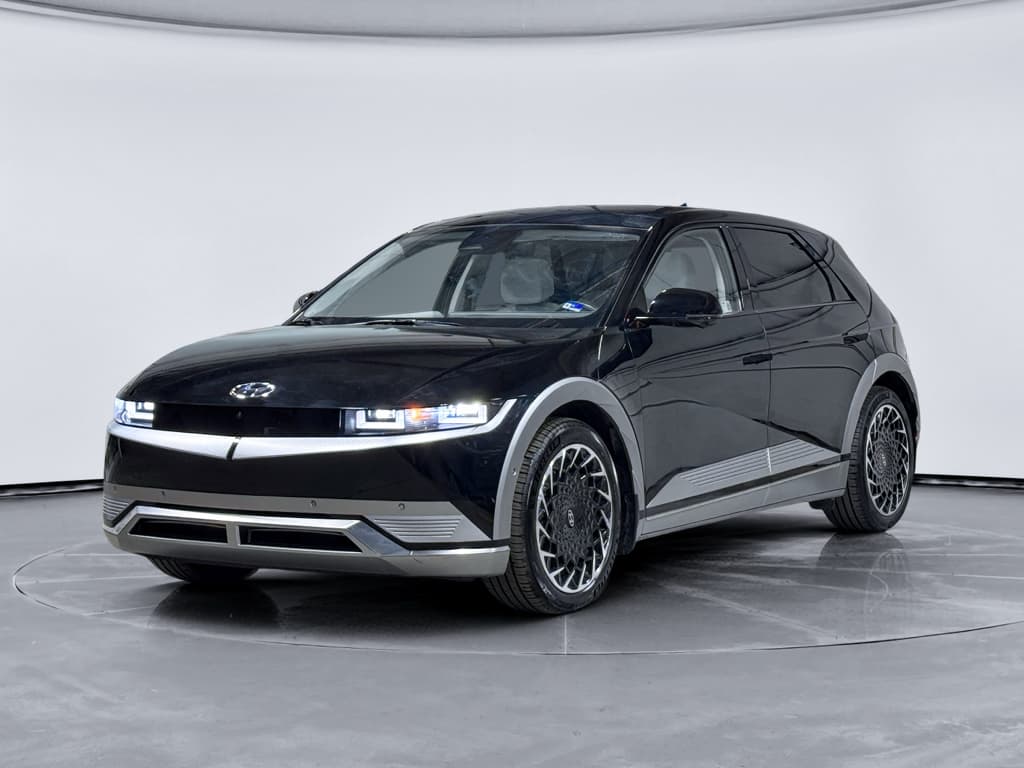
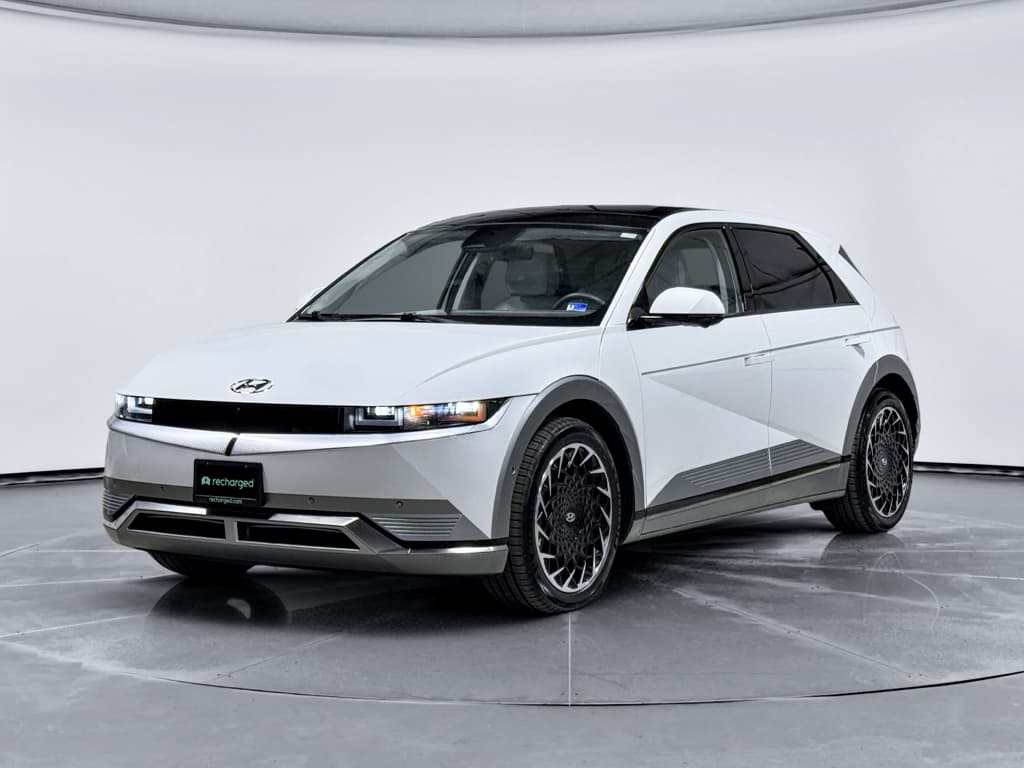
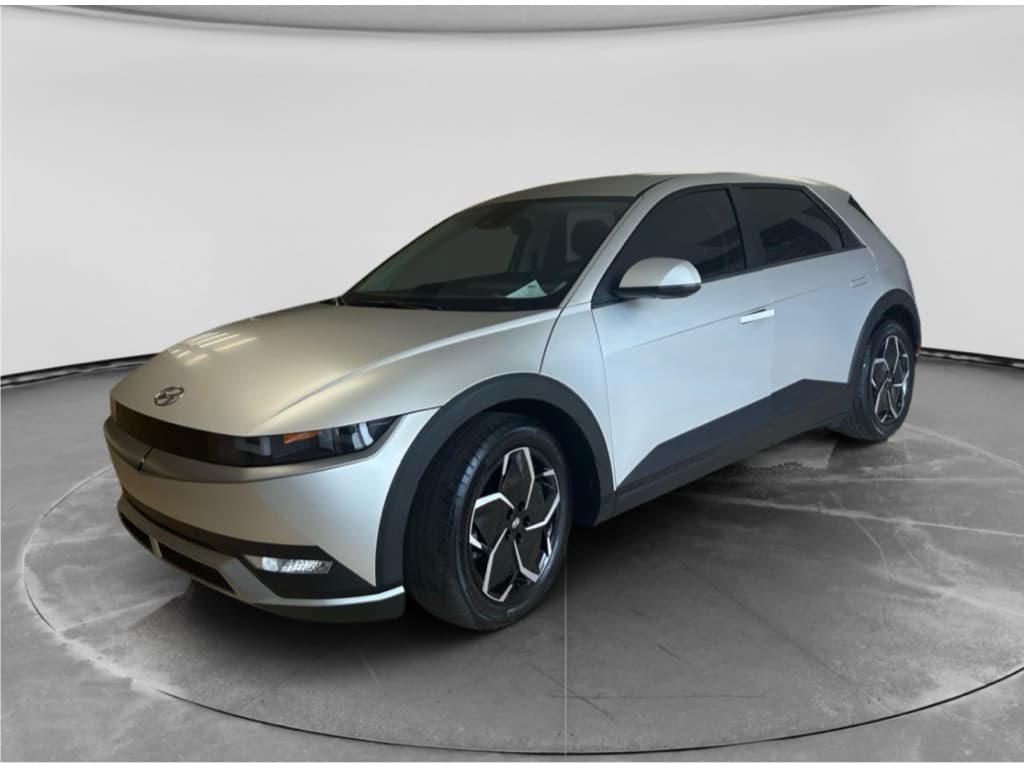
Think of the IONIQ 5 as Hyundai’s design‑studio concept car that somehow escaped into showrooms. It’s a pure electric crossover with a large battery (up to about 77 kWh usable on most trims), ultra‑fast DC charging, and an interior that feels more lounge than SUV. EPA‑rated range for recent U.S. models runs from around 220 to 303 miles, depending on battery and drivetrain configuration.
The Tucson Hybrid takes the same basic shell as the gasoline Tucson and swaps in a turbo‑four plus electric motor and battery. Recent model years make about ~226–231 hp and deliver an EPA‑combined fuel economy around 37–38 mpg for front‑ or all‑wheel‑drive hybrids, with plug‑in variants adding short electric‑only range. You still fuel up at the pump; the electricity is mostly invisible to you, working in the background to cut fuel use and add low‑speed torque.
Rule of thumb
Key Specs: IONIQ 5 vs Tucson Hybrid at a Glance
Core Numbers Compared
Approximate specs for recent U.S. models (2024–2025). Always double‑check exact figures for the model year and trim you’re shopping.
| Spec | Hyundai IONIQ 5 (EV) | Hyundai Tucson Hybrid |
|---|---|---|
| Power output | 168–320 hp (most trims) | ~231 hp (recent models) |
| Drivetrain | RWD or AWD | FWD or AWD |
| Battery / fuel | 58–77.4 kWh battery (usable varies) | Gasoline tank + hybrid battery |
| Rated range / mpg | ~220–303 miles EPA range | ~37–38 mpg EPA combined |
| 0–60 mph (approx.) | 4.5–7.5 seconds depending on trim | ~7.5–8 seconds |
| Max DC fast‑charge rate | Up to ~230 kW (800V system) | Not applicable (no DC charging) |
| Max Level 2 AC rate | Up to 11 kW | N/A (12V accessory charging only) |
| Towing (when equipped) | Up to ~2,300–3,500 lbs (region‑dependent) | Up to ~2,000 lbs (hybrid) |
| Cargo space (behind 2nd row) | Roughly low‑to‑mid 20s cu ft | Around 38–40 cu ft |
| Seats | 5 | 5 |
The IONIQ 5 prioritizes electric range and fast charging; the Tucson Hybrid optimizes MPG and conventional utility.
Specs shift year to year
Driving Experience: Electric Glide vs Quiet Conventional
Hyundai IONIQ 5: Calm, instant, a bit sci‑fi
If you’ve never driven an EV, the IONIQ 5 will reset your expectations. There’s no engine start‑up drama, just a ready light. Torque is instant, especially on dual‑motor AWD trims, which can deliver sports‑sedan acceleration in a chunky family shell. Around town, it’s whisper‑quiet and effortlessly quick away from lights.
The low center of gravity from that big battery keeps body roll in check. Steering is light and accurate if not brimming with feedback. It’s the kind of car that makes traffic less annoying because everything is smooth and linear: one‑pedal driving, regen braking, and no gear hunting.
Hyundai Tucson Hybrid: Familiar, relaxed, less drama
The Tucson Hybrid drives like a very well‑sorted conventional SUV that happens to sip fuel. At low speeds, the electric motor smooths out city driving, helping the gas engine stay in the background. When you ask for full power, you’ll hear the four‑cylinder wake up and the automatic gearbox shuffle, but it’s more refined than the average compact SUV.
On the highway, the Tucson settles into that familiar rhythm: engine hum, conventional cruise control, predictable braking. Unlike the IONIQ 5, there’s no EV novelty here, and that’s exactly what some buyers want.
Performance verdict
Range vs MPG: How Far Will You Really Go?
On paper, the IONIQ 5’s EPA range, roughly 220 to 303 miles depending on battery and drivetrain, looks like a direct stand‑in for a gasoline tank. In practice, range swings with weather, speed, and climate control use. Hammer down an I‑95 corridor in winter and you can see real‑world range dip below the sticker, like virtually any EV.
The Tucson Hybrid plays a different game. With EPA‑combined fuel economy around high‑30s mpg, you’re typically seeing consistent range as long as you keep fuel in the tank. Range anxiety is replaced by the old‑fashioned anxiety of gas prices. But you can leave Boston at dawn and hit D.C. by dark with nothing more exotic than a highway rest‑stop fill‑up.
Real‑World Range & Efficiency Snapshot
Ask yourself two questions
Space, Cargo & Family Practicality
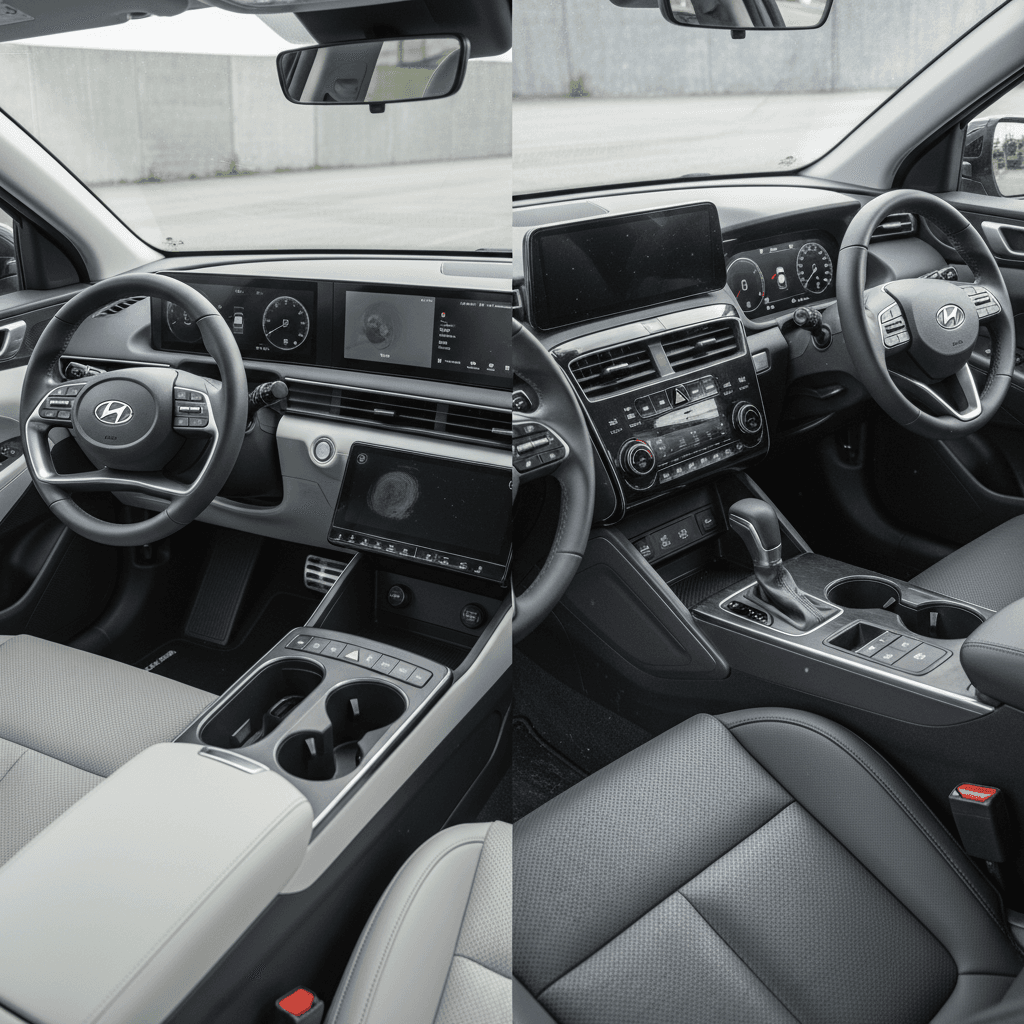
Cabin space is where the IONIQ 5 quietly wins hearts. The flat floor, sliding rear bench, and minimalist dash make it feel more like a modern loft than a crossover. Rear‑seat passengers get generous legroom, and the ability to slide and recline the second row means you can prioritize people or cargo on the fly. The drawback: the sleek roofline and EV packaging nibble into cargo volume compared with boxier rivals.
The Tucson Hybrid, meanwhile, is the kid‑hauler that remembers soccer balls, strollers, and Costco runs. It offers noticeably more cargo room behind the second row than the IONIQ 5, plus familiar SUV proportions that make loading gear painless. With seats folded, it’s the one you want if your weekends look like Home Depot plus a Craigslist dresser run.
Practical Pros and Cons
How each Hyundai handles everyday life
IONIQ 5 Practical Highlights
- Flat floor makes the cabin feel huge for its footprint.
- Sliding rear bench lets you trade legroom for cargo space.
- Vehicle‑to‑load (V2L) outlet (on many trims) can power tools, camping gear, or a laptop.
- Ideal for city garages thanks to shorter overall length than many SUVs.
Tucson Hybrid Practical Highlights
- More cargo volume behind the rear seats for strollers, pets, and luggage.
- Higher roofline and wider hatch opening for bulky items.
- Available roof rails and tow rating make it road‑trip friendly.
- Cabin layout suits families used to conventional SUVs, no relearning needed.
Car seats & kid duty
Charging vs Fueling: How They Fit Into Your Routine
Living with an EV or a hybrid isn’t just about specs; it’s about daily rituals. The IONIQ 5 wants you to think of energy the way you think of your phone: you plug in at home or work, wake up to a “full tank,” and only see public chargers on road trips. With a Level 2 home charger (240V), most trims can go from low to full overnight in roughly 7–8 hours, and DC fast charging can take you from 10% to 80% in about 18–20 minutes in ideal conditions.
The Tucson Hybrid barely asks you to change anything. You stop at gas stations, maybe a bit less often than you’re used to. There’s no plugging in, no apps, no thinking about kilowatts. That simplicity is both its superpower and its ceiling: you save fuel, but you never quite graduate to the silent, low‑maintenance life of full electric.
Daily Routine Fit: A Quick Self‑Audit
1. Where will the car sleep?
If you have a garage, driveway, or assigned parking spot with access to electricity, the IONIQ 5 becomes far more compelling. Apartment street parking with no outlets makes a hybrid the path of least resistance.
2. How often do you road‑trip?
If you’re doing 500‑mile weekends every other week, the Tucson Hybrid’s gas tank will out‑convenience even the best DC fast chargers. Occasional trips a few times a year are very manageable in the IONIQ 5 with some route planning.
3. Are you willing to learn a new routine?
EV ownership comes with apps, charge planning, and rate schedules. Some drivers love the game; others just want to turn a key and go. Be honest about your appetite for change.
4. How sensitive are you to gas prices?
If you grit your teeth every time fuel spikes, the idea of skipping gas stations altogether in an IONIQ 5 can be a powerful draw.
Public charging reality check
Ownership Costs: Electricity, Gas, Maintenance & Depreciation
Over a 5–8‑year span, the IONIQ 5 and Tucson Hybrid tell very different cost stories. The IONIQ 5 trades higher purchase price for lower energy and maintenance bills; the Tucson Hybrid keeps the sticker more approachable and sips fuel, but still relies on oil changes, exhaust systems, and the usual gasoline‑era hardware.
Cost Categories Compared
Where each Hyundai wins or loses over time
Up‑Front Price
New IONIQ 5s typically sticker higher than Tucson Hybrids when similarly equipped, especially in dual‑motor trims. On the used market, early‑run IONIQ 5s have already seen EV‑style depreciation, creating opportunities if you’re shopping pre‑owned.
Fuel vs Electricity
If you can charge at home at a reasonable electricity rate, per‑mile energy cost in the IONIQ 5 often undercuts even a 38‑mpg hybrid. Public DC fast charging narrows or even erases that advantage, depending on pricing.
Maintenance
The IONIQ 5 has no oil, no timing belt, no exhaust, and fewer moving parts. The Tucson Hybrid still needs regular engine service, though less often than a non‑hybrid Tucson. Over 100,000 miles, the EV usually wins this category.
Don’t ignore depreciation
This is where a platform like Recharged is built to help. Every used IONIQ 5 we list includes a Recharged Score Report with verified battery health, so you’re not guessing about degradation or range loss. You also get fair market pricing and EV‑specialist support that can walk you through real projected ownership costs vs a comparable hybrid.
Which Hyundai Is Better for You? Use-Case Scenarios
Choose Your Path: Real‑World Driver Profiles
Urban / Suburban Commuter (Under 50 Miles/Day)
You park off‑street and can install (or already have) a Level 2 charger.
Most driving is to work, errands, and school runs with occasional regional trips.
IONIQ 5 advantage: You wake up to a full battery, pay less per mile on energy, and enjoy blissfully quiet city driving.
Verdict: <strong>IONIQ 5</strong> is the better long‑term play if home charging is realistic.
Frequent Road‑Tripper or Rural Driver
You regularly do 300–600‑mile days or drive in regions with patchy fast‑charging coverage.
Your schedule or family obligations don’t leave much room for 20–40‑minute charging stops.
Tucson Hybrid advantage: Simple gas stops, consistent range, minimal planning.
Verdict: <strong>Tucson Hybrid</strong> offers less stress and fewer variables.
Apartment Dweller With Limited Charging
You rely on street parking or a shared lot with no guaranteed outlets.
Public charging near you is either scarce or frequently busy.
Hybrid advantage: You gain much of the fuel‑savings benefit without gambling on infrastructure you don’t control.
Verdict: <strong>Tucson Hybrid</strong> is usually the saner choice, unless your building is actively adding chargers.
Tech‑Forward Early Adopter
You like being on the leading edge, care about emissions, and are comfortable with apps and planning.
You’re intrigued by features like over‑the‑air updates, EV‑only driving, and vehicle‑to‑load power for camping or outages.
IONIQ 5 advantage: Feels like the future, not a compromise.
Verdict: <strong>IONIQ 5</strong> all day, just be honest about your charging access.
Simple decision snapshot
Shopping Used IONIQ 5 or Tucson Hybrid with Recharged
Whether you lean EV or hybrid, the smartest money in 2026 is often on the used market. Early‑run IONIQ 5s have already taken their initial depreciation hit; well‑kept Tucson Hybrids are proving to be the sweet spot for buyers who want efficiency without new‑car prices.
At Recharged, we focus specifically on used electric vehicles like the Hyundai IONIQ 5. Every vehicle comes with a Recharged Score Report covering battery health, range expectations, and pricing transparency. Our EV‑specialist advisors can also help you sanity‑check whether a car like the Tucson Hybrid might still be the right bridge step if you’re not quite ready to go fully electric.
- Expert guidance on whether an IONIQ 5 fits your driving and charging profile.
- Transparent, test‑backed battery health data, no hand‑waving about “should be fine.”
- Digital‑first buying process with nationwide delivery and an Experience Center in Richmond, VA if you’d like to see cars in person.
- Options for trade‑in, instant offer, consignment, and financing to match your budget.
Leaning hybrid today? Think about your next move
FAQ: Hyundai IONIQ 5 vs Hyundai Tucson Hybrid
Frequently Asked Questions
Bottom Line: EV Future vs Hybrid Familiar
Choosing between the Hyundai IONIQ 5 and the Hyundai Tucson Hybrid isn’t about which is objectively “better.” It’s about which powertrain fits the way you actually live. If you have somewhere to plug in and your driving is mostly local, the IONIQ 5 delivers an effortlessly quick, almost eerily calm driving experience with the potential for lower long‑term costs. If your world is long highway days, unpredictable parking, or shared chargers, the Tucson Hybrid offers a softer landing: vastly better fuel economy than a standard SUV, with all the familiarity of gas‑station life.
Whichever direction you’re leaning, take a beat to match the car to your real mileage, parking situation, and budget. And if an IONIQ 5 is on your short list, consider shopping used through Recharged, where every car comes with verified battery health, fair market pricing, and EV‑specialist guidance from your first search to delivery in your driveway.