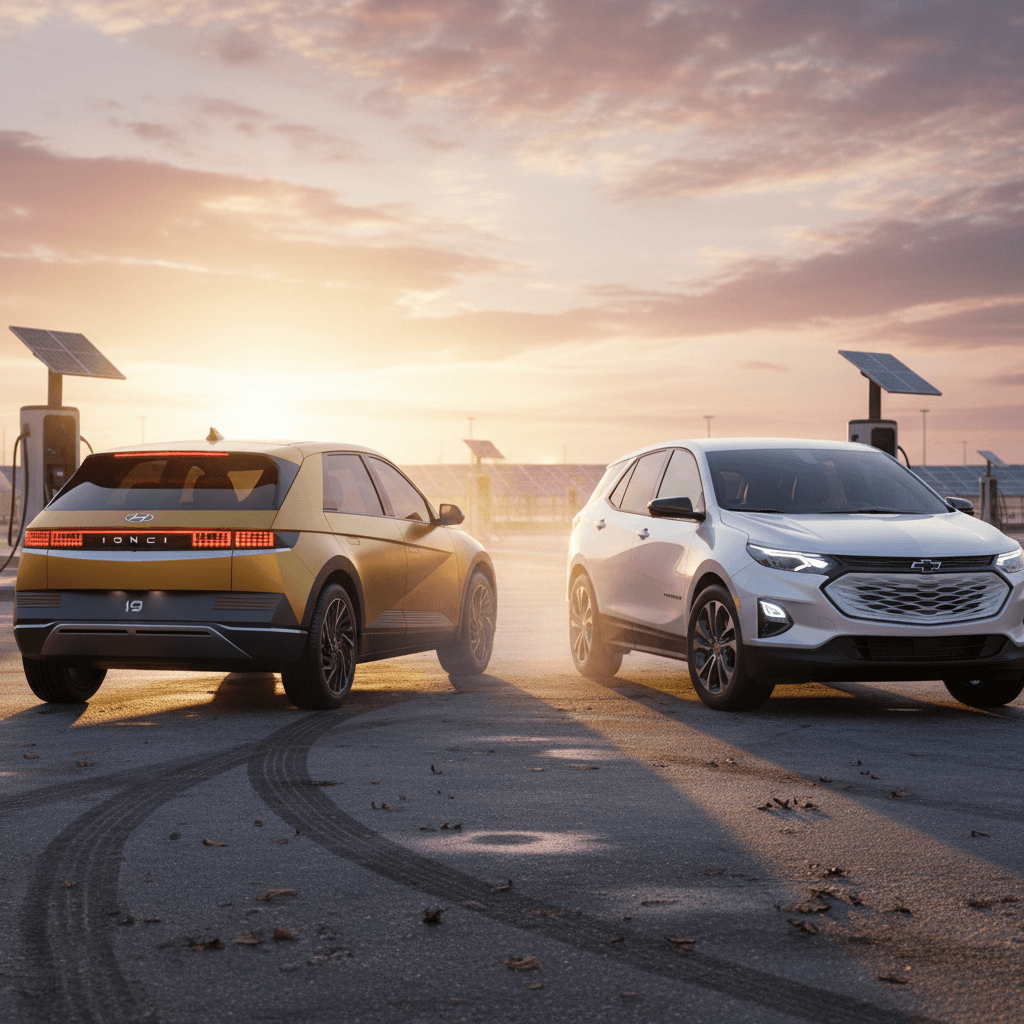
If you’re shopping for an electric SUV, the **Hyundai Ioniq 5 vs Chevrolet Equinox EV** matchup is probably on your radar. Both promise mainstream pricing, solid range, and family-friendly versatility, yet they go about it in very different ways. One is already a proven favorite; the other is a newer entry aiming squarely at value-conscious buyers.
Two compact EV SUVs, two different personalities
Hyundai Ioniq 5 vs Chevrolet Equinox EV: overview
The **Hyundai Ioniq 5** arrived in the U.S. for the 2022 model year and has quickly become one of the benchmark compact EVs. Built on Hyundai’s E-GMP platform, it offers 800‑volt architecture, very fast DC fast charging, and a design that turns heads in any parking lot. For 2025 and 2026, Hyundai has refined the lineup, increased battery capacity and range, and adopted the **NACS** (Tesla) charging port on new U.S. models, making it even easier to use Tesla Superchargers.
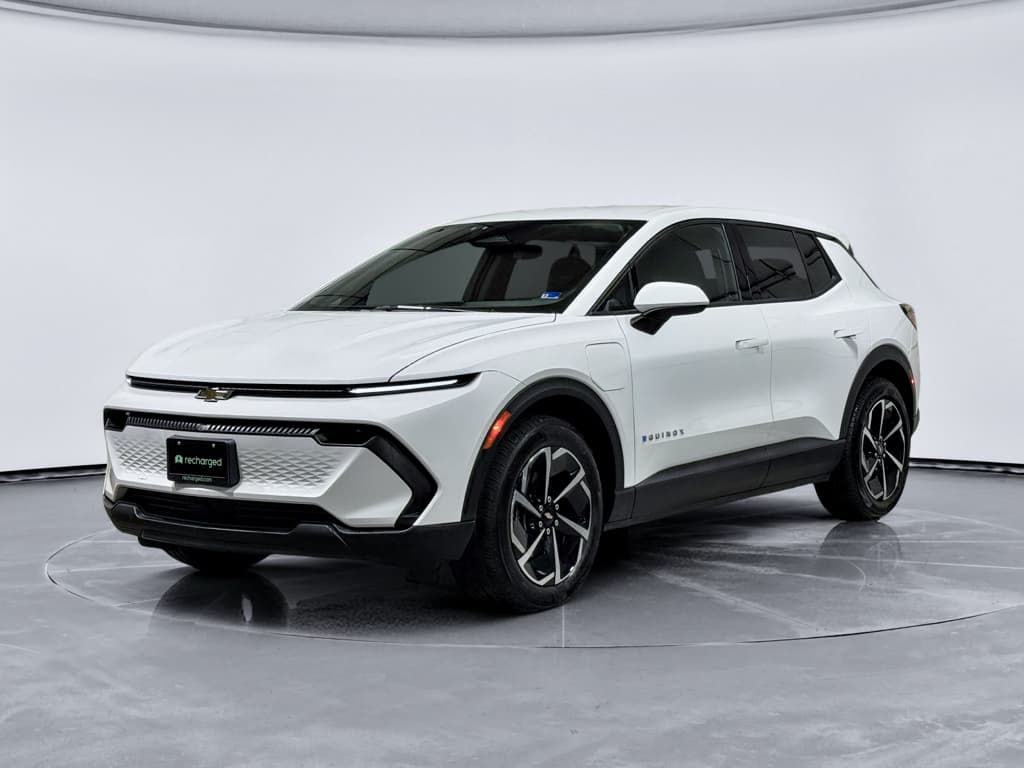
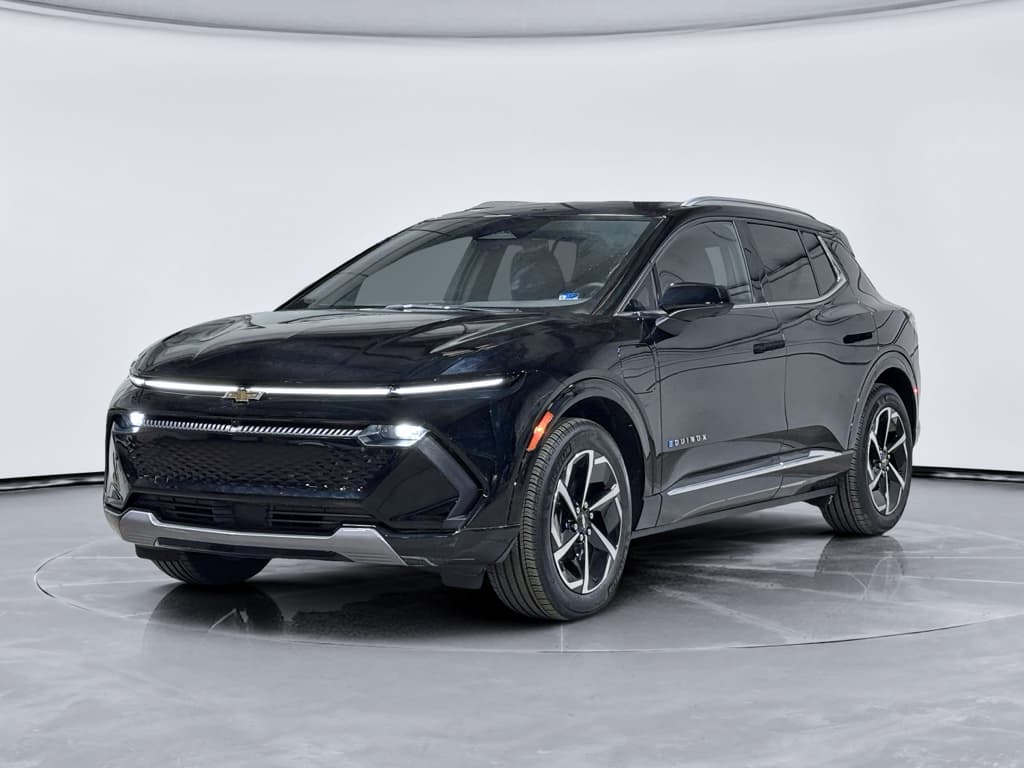
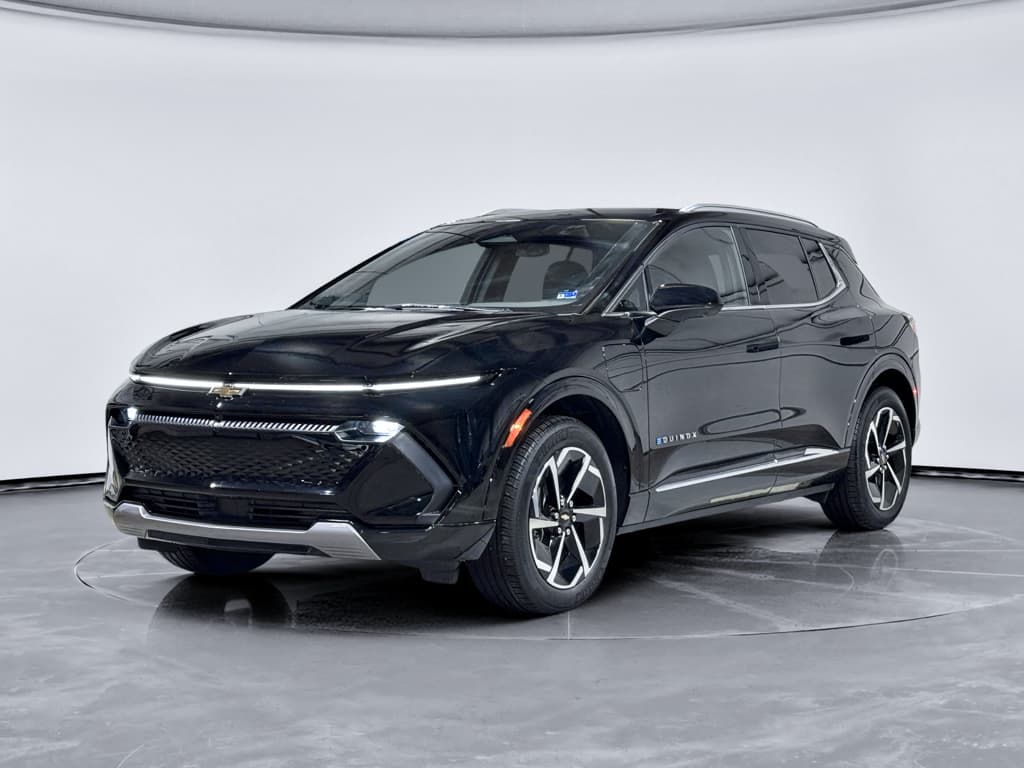
The **Chevrolet Equinox EV** is GM’s answer: an Ultium-based compact SUV sized between a traditional Equinox and Blazer, but with a stronger eye on affordability. It launched for the 2024–2025 model years with a single large battery, front‑wheel drive or eAWD, and an emphasis on range-per-dollar. Chevy positions it as the “EV for everyone” with simple trims and familiar Chevy controls rather than a radical reinvention.
New vs proven – what that means for you
Key specs: Hyundai Ioniq 5 vs Chevrolet Equinox EV
Hyundai Ioniq 5 vs Chevrolet Equinox EV: core specs
Approximate U.S. specs for 2025 model-year vehicles. Exact numbers vary slightly by trim and wheel choice.
| Spec | Hyundai Ioniq 5 (2025) | Chevrolet Equinox EV (2025) |
|---|---|---|
| Platform / class | Compact 2-row crossover | Compact 2-row crossover |
| Battery (usable, approx.) | Standard ~58 kWh; Long-range ~77–84 kWh | Single pack ~85 kWh |
| Drive | RWD or AWD | FWD or eAWD |
| Max EPA range (best trims) | Up to about 318 miles (RWD, 19" wheels) | Around low-to-mid‑300s (FWD, long-range battery) |
| Onboard AC charging | Up to 10.9 kW | 11.5 kW |
| Max DC fast-charging | Up to ~235–240 kW on 800‑V E‑GMP | Up to 150 kW on Ultium platform |
| DC 10–80% charge time (ideal conditions) | ~18–20 minutes on a 350 kW charger | ~30–35 minutes on a 150 kW charger |
| Connector (new models) | NACS port in U.S. (adapter for CCS) | CCS1 currently; NACS promised in future model years |
| Towing (select trims) | Up to 2,300 lbs (when properly equipped) | Up to 1,500 lbs (when properly equipped) |
| Seating | 2 rows, 5 passengers | 2 rows, 5 passengers |
Always verify final specs and EPA ratings on the window sticker for the specific vehicle you’re considering.
Specs can change by trim and year
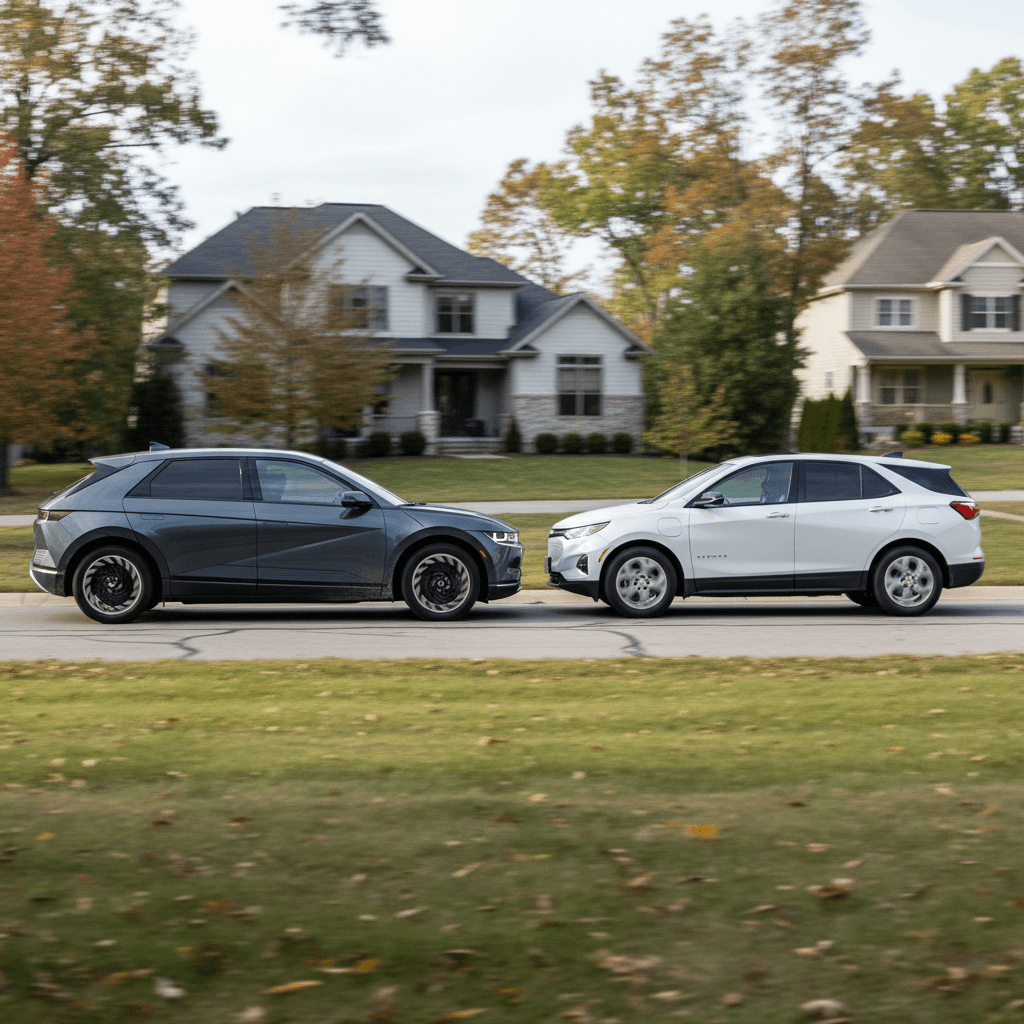
Range and battery: how far will they really go?
Ioniq 5 range in the real world
The Ioniq 5’s larger battery trims (typically SE/SEL/Limited RWD) deliver **around 300 miles of EPA-rated range**, with some 2025 models rated slightly above that mark. AWD and bigger wheels bring the official numbers down into the mid‑200s.
- Standard-range RWD: better for city drivers with frequent charging
- Long-range RWD: sweet spot for highway commuters and road‑trippers
- AWD: more traction, slightly less range
Owners routinely report that highway driving at 70–75 mph and cold weather can trim range by 20–30%, which is par for the course among EVs.
Equinox EV range in the real world
The Equinox EV launches with one ~85 kWh pack across trims, pairing it with either FWD or eAWD. FWD versions are designed to be **range leaders**, with EPA figures that compete directly with the Ioniq 5’s long‑range trims.
- FWD long-range trims: roughly low-to-mid‑300‑mile EPA estimates
- eAWD trims: expected to land nearer the mid‑200s
Because the Equinox EV is newer, there’s less long-term owner data. But early tests suggest its Ultium pack delivers predictable range if you’re not constantly at interstate speeds.
How much range do you actually need?
Charging: speed, connectors, and real-world convenience
Charging highlights: Ioniq 5 vs Equinox EV
On paper, the **Ioniq 5 is the clear DC fast‑charging winner**. Its 800‑V architecture lets it sustain high charge power from roughly 10–80%, often completing a road‑trip stop in about 20 minutes under ideal conditions. That’s among the best in the segment, even compared with some premium EVs.
The **Equinox EV** tops out around **150 kW on DC fast chargers**, respectable, but not as headline-worthy. In practice, you’re usually looking at 30–35 minutes for a similar 10–80% stop. For many families, that’s still perfectly acceptable: enough time for bathroom breaks and snacks, not a full lunch stop every time.
Connectors and charging access
Your life with each EV depends heavily on which fast‑charging network you can use.
Hyundai Ioniq 5 (NACS)
Recent U.S. Ioniq 5 models ship with the **NACS (Tesla-style) port**, giving you direct access to many Tesla Superchargers without an adapter.
Earlier CCS‑only Ioniq 5s can often use an OEM or third‑party adapter to reach the same network, plus Electrify America, EVgo, and others.
Chevy Equinox EV (CCS, NACS coming)
The Equinox EV currently uses **CCS1** for DC fast charging, with GM planning a transition to NACS on future model years and offering adapters for existing Ultium vehicles.
Today, that means relying more on non‑Tesla networks, which can be less consistent by region.
Home and workplace charging
Both SUVs are happiest when you charge at **Level 2 (240 V)** at home or work. The Equinox’s 11.5 kW onboard charger is slightly stronger on paper, but in day‑to‑day use both will easily refill overnight.
If you’re moving from gas to EV, plan your charging setup before you buy.
Don’t skip the charging conversation
Interior space, comfort, and practicality
Hyundai Ioniq 5: lounge on wheels
The Ioniq 5 doesn’t look huge from the outside, but step in and you quickly see how the long wheelbase pays off. The rear seats slide and recline, the floor is nearly flat, and the minimalist dash with twin 12.3‑inch screens gives an airy, modern feel.
- Excellent rear legroom for adults
- Comfortable front seats, available relaxation and memory features
- Cargo area is competitive with other compact SUVs
Families with car seats appreciate the square door openings and generous back‑seat space. The trade‑off is slightly less cargo height than a more conventional SUV shape.
Chevrolet Equinox EV: familiar and functional
The Equinox EV’s cabin will feel immediately familiar if you’re coming from a recent Chevy crossover. Physical controls are more conventional than the Ioniq 5’s, and the layout emphasizes **ease of use over design drama**.
- Good headroom and legroom for four adults
- Large center display paired with a digital gauge cluster
- Cargo space tuned for daily family duty and Costco runs
If you’re hesitant about futuristic interiors, the Equinox EV offers a gentler learning curve.
Practical questions to ask in a test drive
1. Can rear passengers stretch out?
Sit in all four outboard seats with the front adjusted to your driving position. The Ioniq 5’s long wheelbase gives it an edge here, but the Equinox EV should still feel comfortable for adults.
2. How easy is car-seat installation?
If you have kids, bring your actual car seats. Check how accessible the LATCH anchors are, whether the rear doors open wide enough, and whether the hatch opening is tall enough for strollers.
3. Is the cargo area shaped for your stuff?
Fold the second row and see if your bikes, golf bags, or pets will fit. The Ioniq 5’s flat floor is handy, while the Equinox EV’s more conventional shape can help with bulky items.
4. Do you like the control layout?
Spend time with the climate controls, drive modes, and infotainment. If the Ioniq 5’s more digital interface feels fiddly, the Equinox EV’s analog knobs and buttons might be more your style.
Performance and driving feel
Both of these EVs are tuned for everyday comfort rather than track days, but their personalities do differ behind the wheel.
How they drive
Power figures vary by trim, but these general impressions hold across the lineups.
Hyundai Ioniq 5
- RWD trims feel brisk, and dual‑motor AWD models can be genuinely quick off the line.
- Ride quality is compliant but not floaty, with a slightly sportier edge than the Equinox EV.
- Low center of gravity and long wheelbase give a planted highway feel.
Enthusiasts may gravitate toward the Ioniq 5, especially with newer performance‑oriented variants arriving in other markets.
Chevrolet Equinox EV
- FWD models prioritize smooth, predictable acceleration; eAWD adds extra shove without being neck‑snapping.
- Steering and suspension are tuned for **familiar Chevy crossover comfort**, which many buyers will appreciate.
- Generally quieter and more refined than older compact SUVs, thanks to the EV powertrain.
If you liked the way your gas Equinox or similar Chevy drove, you’ll feel right at home.
Road-trip worthy either way
Tech, safety, and driver-assistance
The tech story is less about who has a longer options list and more about which ecosystem you prefer. Hyundai and GM both load these EVs with advanced driver‑assistance, over‑the‑air update capability, and large touchscreens.
Technology and safety highlights
Both SUVs offer strong standard safety equipment and advanced driver aids.
Infotainment
Ioniq 5: Twin 12.3‑inch screens, modern graphics, and Hyundai’s latest software. Wireless phone integration may vary by trim and model year.
Equinox EV: Large central display with Google‑based software on some trims, plus a digital driver display. Straightforward menus for EV information.
Safety and driver aids
Both vehicles include features like automatic emergency braking, lane‑keeping assist, and blind‑spot monitoring on most trims. Higher trims add highway driving assist / Super Cruise–style functionality depending on model year and option package.
Software and updates
Hyundai has increasingly leaned on **over‑the‑air updates** for improvements, and GM’s Ultium platform is designed from the start for OTA enhancements.
In the used market, ask if prior owners kept software up to date and whether any recalls or updates are outstanding.
Ownership costs, incentives, and used-EV value
Sticker price only tells part of the story. Depreciation, incentives, tax credits, and charging costs can easily swing thousands of dollars over a few years.
Hyundai Ioniq 5: strong used value and long warranty
Early Ioniq 5s have already reached the used market in meaningful numbers, which means you can often find **2–3‑year‑old examples at a substantial discount** versus new pricing. Hyundai’s long battery warranty (typically 10 years/100,000 miles on the high‑voltage pack for original owners) is a major confidence booster, and even second owners may retain significant coverage depending on year and region.
Depreciation has been moderate by EV standards thanks to strong reviews and fast‑charging capability. On the flip side, some newer model years have seen MSRP adjustments as the EV market evolves, so shop carefully across years and trims.
Chevy Equinox EV: incentives and lease deals
The Equinox EV benefits from GM’s aggressive **Ultium rollout strategy**, which has often included attractive lease programs and, depending on final-assembly and battery sourcing, potential federal tax credit eligibility in certain years.
Because the model is newer, used inventory is limited today but will grow quickly. That can mean steeper early depreciation, but also excellent **value buys** if you’re shopping 2–4 years down the road.
How Recharged can simplify the numbers
Checklist for comparing used Ioniq 5 and Equinox EV deals
1. Verify battery health and warranty
Ask for a battery health report or diagnostic scan. Confirm remaining high‑voltage battery warranty coverage based on model year, mileage, and whether you’re the first or subsequent owner.
2. Compare real, not theoretical, range
Look at wheel size, drivetrain (RWD/FWD vs AWD), and any roof racks or accessories that affect efficiency. A lower‑trim, smaller‑wheel Ioniq 5 can out‑range a heavily optioned model.
3. Look at total cost, not just payment
Include insurance, expected charging costs, and potential tax credits or state incentives. Sometimes a slightly more expensive vehicle with better efficiency and incentives is cheaper to own overall.
4. Evaluate charging fit for your life
If your region has many Tesla Superchargers, a NACS‑equipped Ioniq 5 or an Equinox EV with the appropriate adapter may be more convenient than relying solely on CCS networks.
Which EV SUV is right for you?
Match the EV to your priorities
You want the best charging experience and bold design
Prioritize the **Hyundai Ioniq 5**, especially newer NACS‑equipped model years.
Look for long‑range RWD trims if maximum road‑trip range and efficiency matter most.
If you live near many Tesla Superchargers, the Ioniq 5’s fast charging dramatically shortens highway stops.
You want maximum value and familiar feel
The **Chevrolet Equinox EV** is the better fit if you prefer conventional controls and Chevy’s driving feel.
Focus on FWD long‑range trims for the strongest range‑per‑dollar story.
Watch for attractive leases and purchase incentives, especially as GM continues to scale Ultium production.
You’re a used-EV value hunter
Shop **used Ioniq 5** inventory first; it’s more plentiful today and already through the steepest depreciation.
Compare any emerging **used Equinox EV** listings carefully, early leases coming off term can represent strong bargains.
Use a platform like <strong>Recharged</strong> to see battery‑health data and transparent pricing across both models before you commit.
You care most about daily comfort and family usability
Test‑drive both with your whole family. The Ioniq 5’s sliding rear seats and flat floor are hard to beat for versatility.
If tech‑forward cabins feel overwhelming, the Equinox EV’s more traditional layout may make every drive easier.
Pay attention to seat comfort and noise at highway speeds, small differences are magnified on long trips.
There’s no outright winner in the **Hyundai Ioniq 5 vs Chevrolet Equinox EV** debate, only the EV that better fits your priorities. If you’re drawn to cutting‑edge charging performance, distinctive design, and a proven ownership track record, the Ioniq 5 is a standout. If you value straightforward controls, strong range, and potentially aggressive lease or incentive programs, the Equinox EV makes a compelling case. The smart move is to drive both, run the numbers over at least three to five years, and choose the one that will make you happiest to walk up to every morning.
When you’re ready to shop used, Recharged can help you compare specific Ioniq 5 and Equinox EV listings with verified battery diagnostics, transparent pricing, and EV‑specialist support from first click to delivery. That way, you’re not just picking the right model, you’re getting the right car.