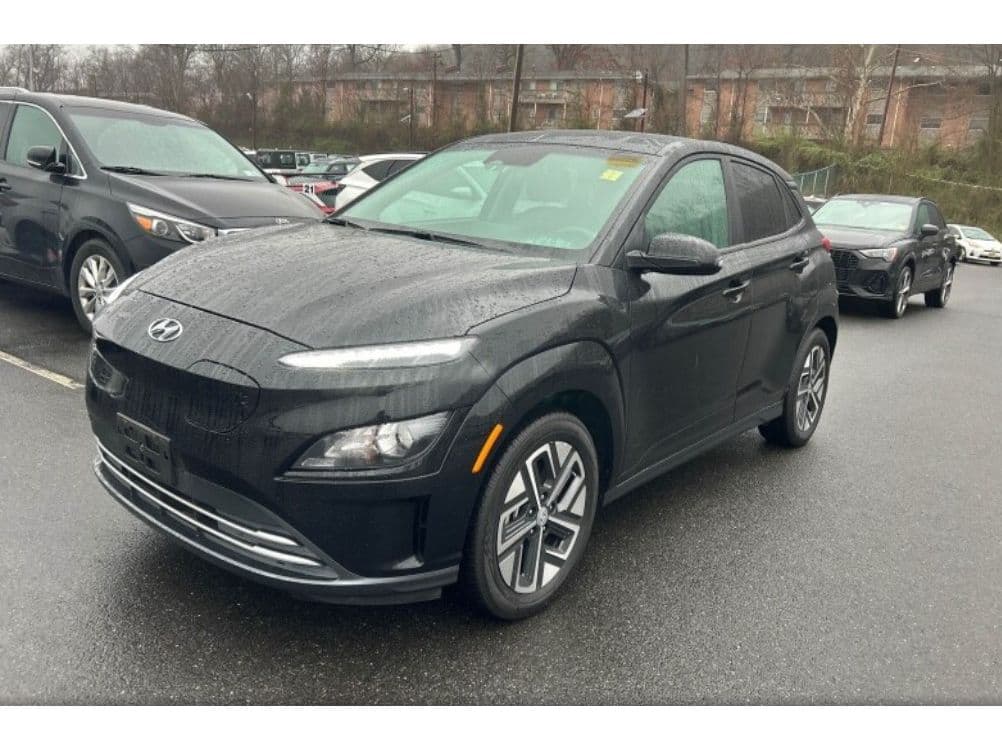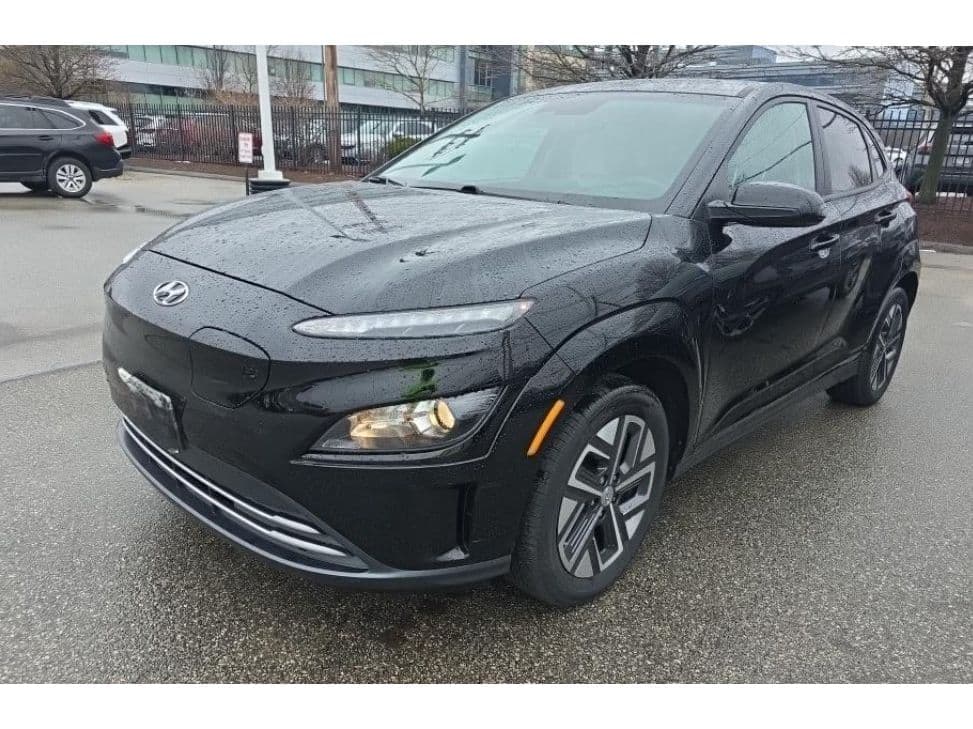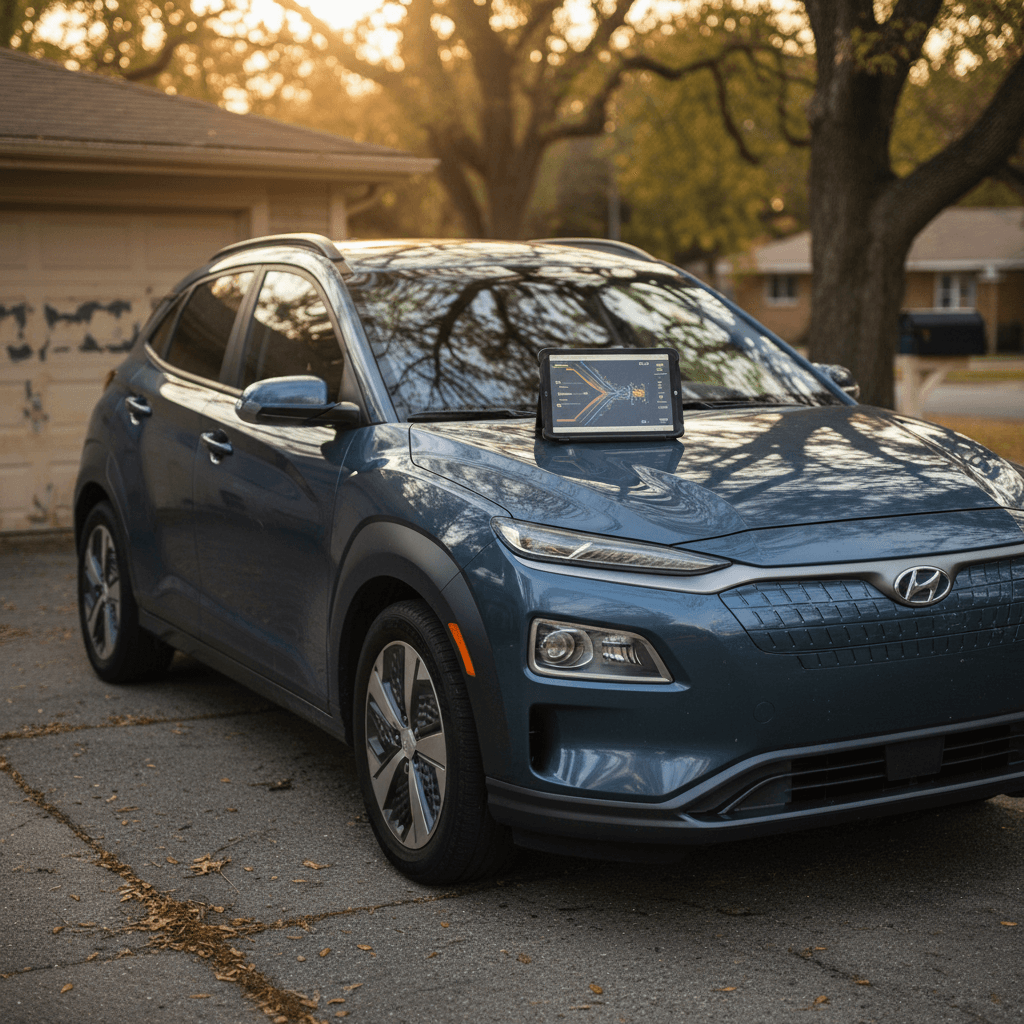
If you’re eyeing a used 2021 Hyundai Kona Electric, you’ve probably noticed a split personality in its reputation. On one hand, it delivers strong range, low running costs and happy owners. On the other, you’ll see headlines about Kona EV battery fires, recalls, and a sometimes-confusing reliability rating from Consumer Reports and other outlets. This guide untangles that picture so you know exactly what you’re buying.
Quick takeaway
Overview: 2021 Kona Electric reliability rating at a glance
2021 Hyundai Kona Electric: headline reliability signals
Different outlets slice reliability in different ways. When people ask about the 2021 Hyundai Kona Electric reliability rating, they’re usually referring to a mix of: - Lab and road testing from independent reviewers (Consumer Reports, Edmunds, etc.) - Safety and recall data from regulators - Real-world owner scores on sites like Kelley Blue Book, Cars.com and SureCritic Taken together, those sources paint a picture of a small EV that’s mechanically robust, with most headaches living in software, electronics and a complicated coolant/thermal system rather than the motor or battery cells themselves.
How major sources rate 2021 Kona Electric reliability
Ratings snapshot for 2021 Hyundai Kona Electric
How different sources talk about reliability and owner satisfaction
Consumer-oriented testing
Independent testers describe the 2021 Kona Electric as more reliable than the average 2021 vehicle, even while flagging earlier Kona EV model years (2019–2020) for battery-fire recalls and a lower predicted reliability score.
Most issues cluster in in-car electronics and minor hardware, not core powertrain failures.
Owner review sites
On Kelley Blue Book, 2021 Kona Electric owners give the car an overall rating around 3.9/5 with reliability scoring close to that mark and about 73% of owners recommending the vehicle.
Cars.com and other review platforms tell a similar story: many 5‑star reviews praising efficiency and value, with a smaller group of 1‑ and 2‑star reviews focused on isolated failures or dealer support frustrations.
Regulators & safety data
The 2021 model year shows fewer U.S. safety recalls than the heavily publicized 2019–2020 Kona Electric, though it lives in the shadow of those earlier fires and battery replacements.
That history colors how many buyers interpret any reliability rating, even if the 2021 cars themselves have seen fewer confirmed defects.
How to read a “mixed” reliability rating
Recalls, battery history and fire risk context
You can’t talk about Kona Electric reliability without addressing the elephant in the room: high‑profile battery fires and recalls on early build years. For shoppers considering a 2021 model, it’s important to separate what applied mainly to 2019–2020 cars from what’s still relevant today.
2019–2020: the big global battery recall
Earlier Kona Electrics built with certain LG-supplied battery packs were recalled worldwide due to a defect that could cause internal short circuits and, in rare cases, fires while parked at high state of charge.
- Roughly 77,000 Kona EVs were eventually implicated worldwide.
- Many owners received full battery pack replacements under warranty.
- Software updates and charging limits were used as stopgaps while parts were sourced.
Those recall actions overwhelmingly focused on 2019–2020 vehicles. They shape the model’s reputation but don’t automatically condemn every later car.
2021: updated hardware and narrower recalls
By the 2021 model year, Hyundai had revised production and battery supply. U.S. 2021 cars haven’t seen the same blanket pack-replacement recall, but they still share some components with earlier cars and are covered by relevant software updates and thermal-system campaigns.
- Fewer, more targeted recalls in the U.S. market.
- Continued monitoring of coolant leaks and thermal control issues.
- Some isolated later-model fires reported abroad, though not at the same scale.
For a used buyer, the key question isn’t “Was it part of the 2019–2020 fire recall?” but rather “Is the specific car I’m looking at fully updated and inspected?”
Always run a VIN recall check
Most common 2021 Kona Electric problems
Mechanical failures are relatively rare on the 2021 Kona Electric. Instead, the trouble spots you’re most likely to run into are related to software, electronics and the complex system that keeps the battery at the right temperature. Here are the patterns that show up again and again in owner reports and shop data.
Typical 2021 Hyundai Kona Electric trouble spots
These are the issues most often reported by owners and service departments. Not every car will have them, but they’re worth checking.
| System / component | What owners report | Why it matters | What to ask about |
|---|---|---|---|
| High-voltage battery cooling & coolant leaks | Warnings about the EV system, low coolant messages, or evidence of coolant seepage at the battery chiller or lines. | The Kona’s thermal system is critical to both battery health and DC fast-charging performance. Leaks or trapped air can trigger faults or limit rapid charging. | Ask if any technical service bulletins (TSBs) or coolant-related repairs have been done, and whether the car has ever shown EV-system warnings. |
| On-board charger / DC fast-charging behavior | Some owners report charging sessions that stop early, slow unexpectedly, or trigger error messages on certain fast chargers. | These issues can be frustrating on road trips and may point to software quirks, cable issues, or, more rarely, hardware faults. | Test DC fast charging before you buy if possible, and review any repair records related to the charging port or charger electronics. |
| Infotainment & driver-assistance electronics | Occasional glitches with the head unit, CarPlay/Android Auto, backup camera, or driver-assist features like lane keeping. | Most issues are annoyances rather than safety-critical, but repeated failures can sour ownership and affect resale value. | Check that all screens, cameras and active safety systems function normally on a long test drive. |
| 12‑volt battery and warning lights | Random warning lights or no‑start conditions that trace back to a weak 12‑volt battery rather than the main pack. | Like many EVs, the Kona Electric relies heavily on its low-voltage system. A weak 12‑volt battery can cause strange behavior. | Find out if the 12‑volt battery has been replaced; if not, budget for it during ownership. |
| Interior hardware & trim | Reports of squeaks, rattles, broken cargo hooks or minor trim pieces wearing early. | These are quality-of-life issues more than reliability emergencies, but they can hint at how carefully a car has been used. | Inspect the interior closely and test moving parts like seat adjusters, latches and cargo floor panels. |
Use this as a conversation starter with a seller or service advisor when you evaluate a used Kona Electric.
What about fires on newer Konas?
Battery health, degradation and warranty coverage
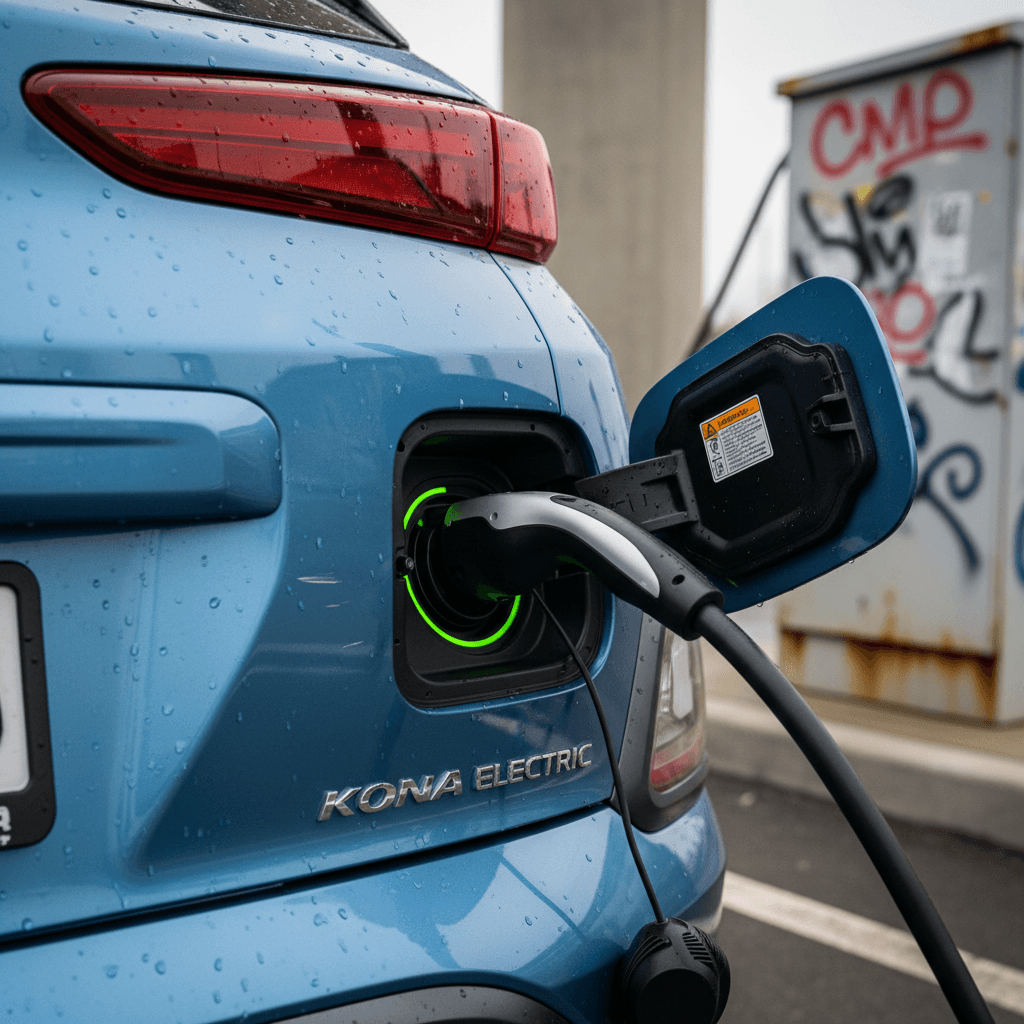
Under the skin, every 2021 Hyundai Kona Electric sold in the U.S. uses a 64 kWh lithium-ion battery paired with a front motor making 201 hp and 291 lb‑ft of torque. From a reliability standpoint, three questions matter most: how quickly the pack degrades, how well it’s protected, and what happens if something does go wrong.
- Degradation: In normal use, mixed DC fast charging and AC home charging, most 2021 Kona Electric owners report modest capacity loss over the first 3–5 years. It’s common to see usable range still near 230–250 miles if the car started with the EPA-rated 258 miles and hasn’t lived its life at 100% state of charge in extreme heat.
- Thermal management: The Kona’s liquid-cooled battery helps keep degradation in check, but it also introduces the coolant-leak and air-trap quirks that show up in service bulletins. A properly bled and leak-free system is critical.
- Warranty coverage: Hyundai’s high-voltage battery warranty on the Kona Electric is typically 10 years / 100,000 miles against excessive capacity loss for the original owner. Coverage for second owners in the U.S. can vary by state and build date, so it’s important to confirm what applies to the specific VIN you’re considering.
How Recharged looks at Kona battery health
Owner experience: what 2021 Kona Electric drivers report
Numbers are helpful, but used shoppers also want to know what living with a 2021 Kona Electric actually feels like. Reading through long-form owner reviews and forum posts, a few consistent themes emerge.
Real-world reliability themes from 2021 Kona Electric owners
Where the car shines, and where it can frustrate
High satisfaction with daily usability
- Many owners call the 2021 Kona Electric fun to drive, especially around town thanks to its instant torque.
- Real-world energy efficiency is a standout, often beating EPA range in moderate weather.
- For drivers who stay within its range envelope, it becomes an easygoing, low-maintenance appliance.
Frustrations center on repairs and communication
- Negative reviews often cite wait times for parts or mixed experiences with dealer EV expertise.
- A small but vocal group report one-off failures (e.g., a failed module or drivetrain issue) that turned into drawn-out warranty sagas.
- Some buyers say the drumbeat of recall news hurt their confidence, even if their own car has been trouble-free.
“This is my daily driver and it makes the commute so very exciting… Not many on the road makes this a rare find and I love when people ask what it is so I get to talk about it.”
How reliable is a used 2021 Kona Electric today?
The upside
- Mature hardware: By 2021, Hyundai had several years of Kona EV experience, and many early-pack defects had been addressed in production.
- Solid powertrain record: Catastrophic motor or gearbox failures are rare compared with some early EVs, and the car’s simple single-speed layout means fewer moving parts than a gas SUV.
- Strong efficiency: Because the Kona Electric sips energy, most owners fast-charge less often, which helps battery longevity and lowers stress on the pack.
The caveats
- Thermal-system quirks: Coolant level issues, trapped air and sensor faults can trigger worrying dash messages, even if they’re fixable under warranty.
- Electronics hiccups: Infotainment resets or random warning lights sometimes trace back to the 12‑volt battery or software bugs rather than true component failure, but they still rattle owners.
- Brand-wide baggage: Even if a specific 2021 car has a clean history, the model line still carries the memory of earlier battery fires and buybacks, which affects perception and resale value.
Big picture reliability verdict
Inspection checklist for used 2021 Kona Electric buyers
If you’re shopping in the used market, whether from a dealer, private seller, or a digital marketplace like Recharged, go beyond generic used-car advice. The 2021 Kona Electric has a few EV‑specific boxes you’ll want to tick before you commit.
Used 2021 Kona Electric reliability checklist
1. Pull a full history and recall report
Start with a vehicle history report plus a <strong>VIN check for open recalls</strong>. Confirm that any software updates, battery or coolant-related campaigns, and charging system bulletins have been completed, with paperwork to back it up.
2. Evaluate battery health and real-world range
On a long test drive, reset a trip meter and note <strong>energy consumption</strong> and projected range at common highway speeds. If the car shows dramatically less than ~230–250 miles at a full charge in mild weather, ask for a deeper battery health test.
3. Inspect coolant levels and underbody
With the car parked and cooled, look for signs of <strong>coolant seepage</strong> around the front of the vehicle and, if possible, beneath the battery case area. Any stains, drips or sweet smells are worth a pre-purchase inspection at an EV-savvy shop.
4. Test AC home charging and DC fast charging
If you can, test both <strong>Level 2 AC charging</strong> (at 32–40 amps) and a DC fast charge session. You’re looking for stable charging speeds, no error messages and a lack of sudden disconnects or reduced charging limits.
5. Check electronics and driver aids
Cycle through the <strong>infotainment system</strong>, smartphone mirroring, cameras, and driver-assistance features like adaptive cruise and lane keeping. Glitches might be fixable, but repeated faults could signal deeper electronic issues.
6. Confirm warranty and service support
Call a Hyundai dealer with the VIN to verify remaining <strong>high-voltage battery and powertrain warranty</strong>, and ask whether they have an EV-trained technician on staff. Strong local support reduces the risk of long downtimes if something goes wrong.
Be cautious with cars lacking documentation
How Recharged evaluates 2021 Kona Electric reliability
The challenge with any EV, including the 2021 Kona Electric, is that the most expensive component, the battery pack, can hide its true condition behind a simple percentage gauge. That’s why Recharged builds more data into every used EV listing.
What you get with a Recharged 2021 Kona Electric
Transparency around the things that matter most for reliability
Recharged Score battery diagnostics
Verified history & campaigns
EV-specialist guidance
Ready to find your next EV?
Browse VehiclesBecause Recharged operates as a used EV marketplace and retailer, we also handle financing, trade-ins, and even nationwide delivery. That means if a 2021 Kona Electric looks right on paper and in diagnostics, we can help you complete the entire purchase digitally, then deliver it to your driveway from our Richmond, VA Experience Center or partner locations.
FAQ: 2021 Hyundai Kona Electric reliability rating
Frequently asked questions about 2021 Kona Electric reliability
Bottom line: Should you buy a used 2021 Kona Electric?
If you strip away the headlines and look at hard data, the 2021 Hyundai Kona Electric reliability rating lands in a reassuring place: generally better than the average 2021 car, with most headaches living in the margins rather than in catastrophic failures. Its complicated recall history from earlier years means you do need to be more careful than usual as a used buyer, but that homework is rewarded with one of the most efficient small EVs on the road.
The smart move is to treat each car as an individual: verify campaigns, probe battery health, test charging behavior, and buy from a seller who understands EVs rather than just listing them. If you’d rather not do that legwork alone, a Recharged-listed 2021 Kona Electric comes with a Recharged Score battery report, verified history, EV-specialist guidance, and options for financing, trade‑in and nationwide delivery. That turns a complicated reliability story into a straightforward decision: does this specific Kona Electric fit your driving, your risk tolerance, and your budget?