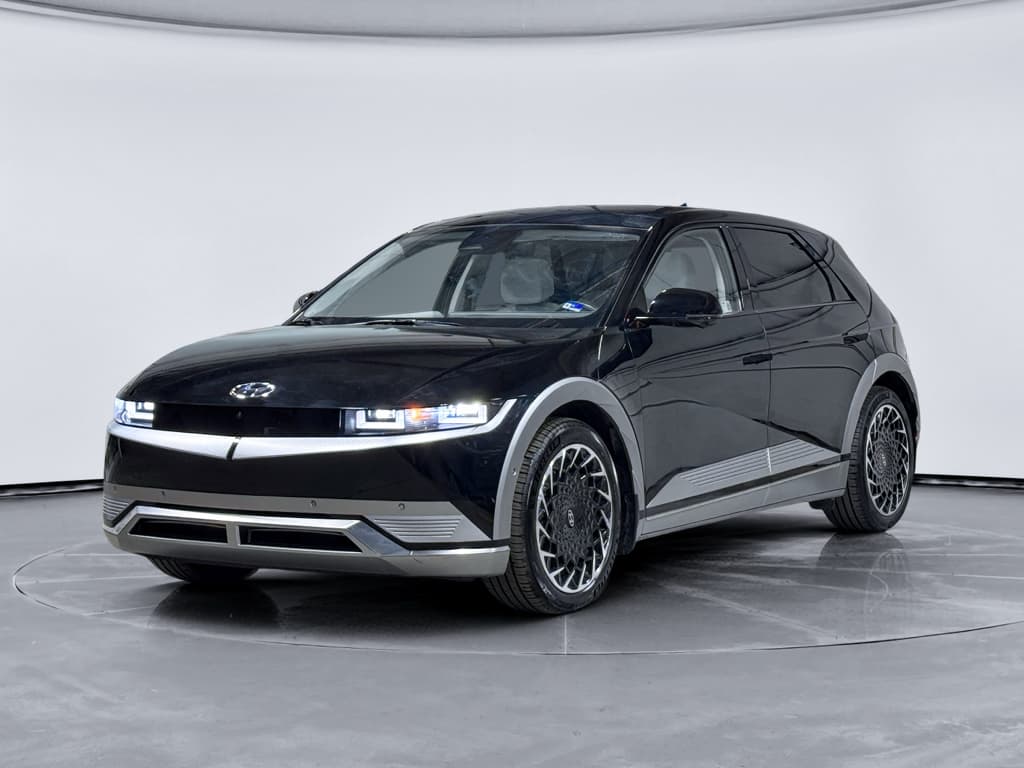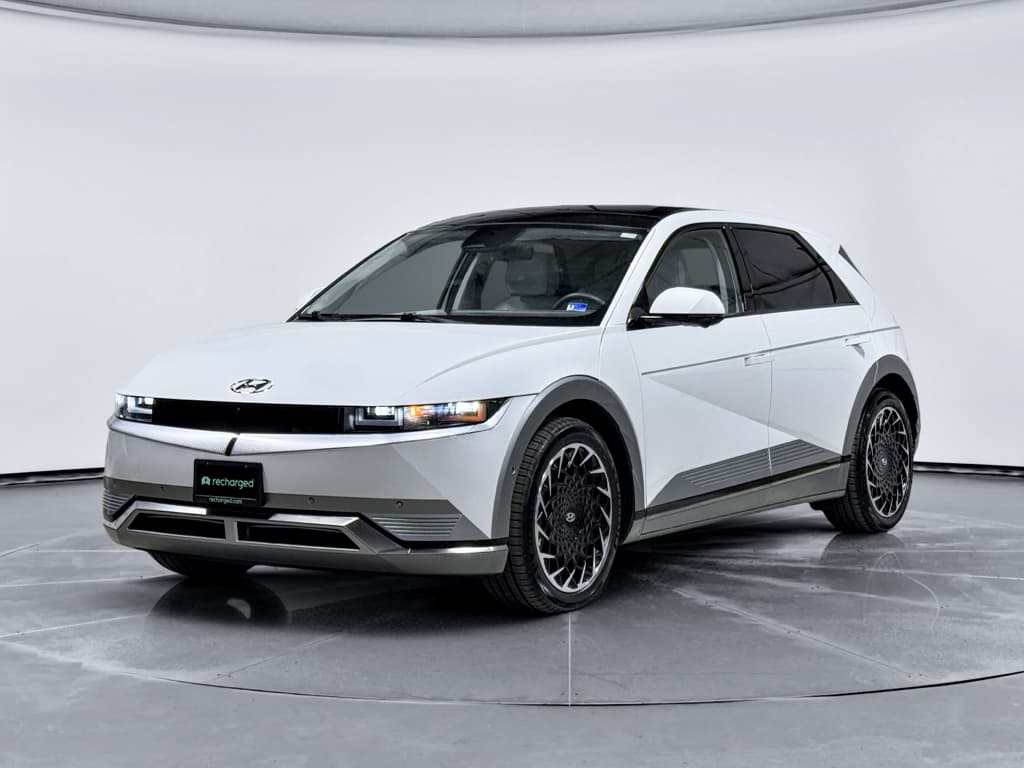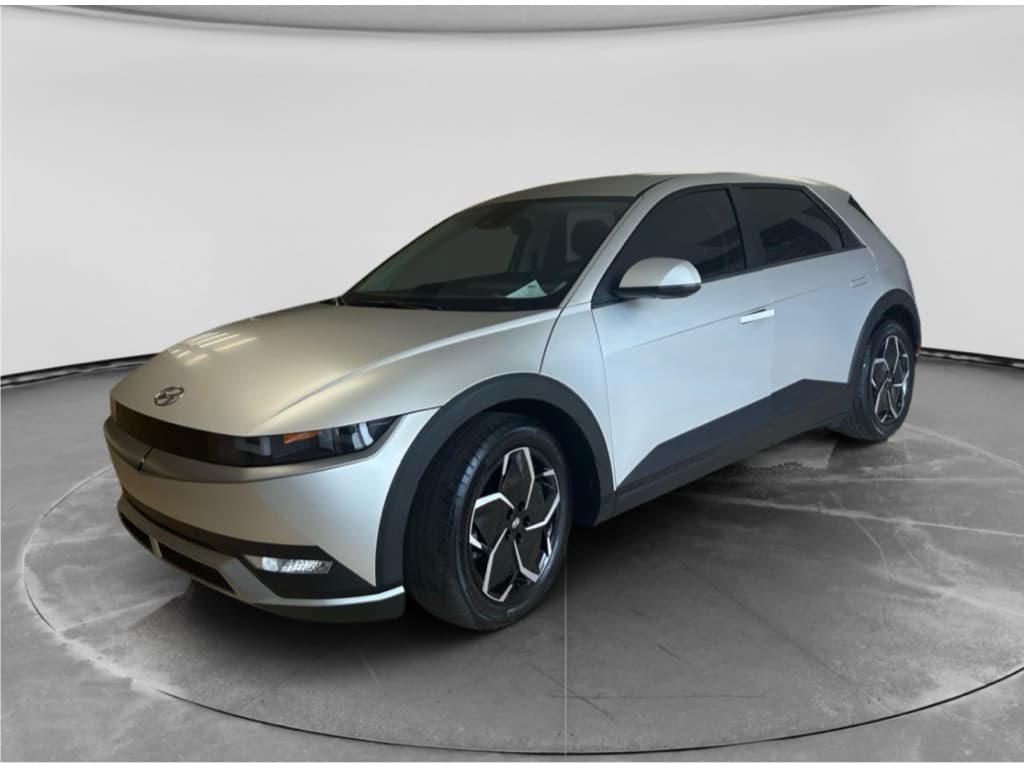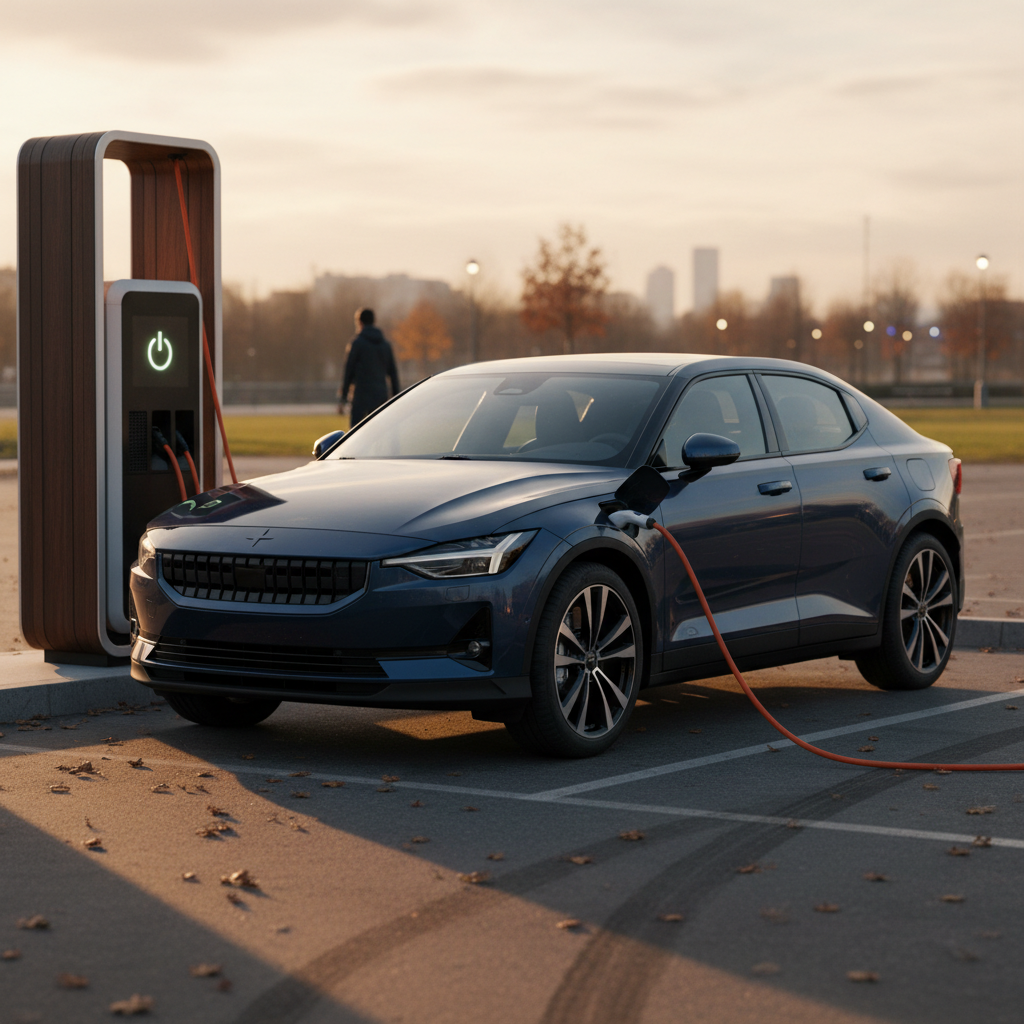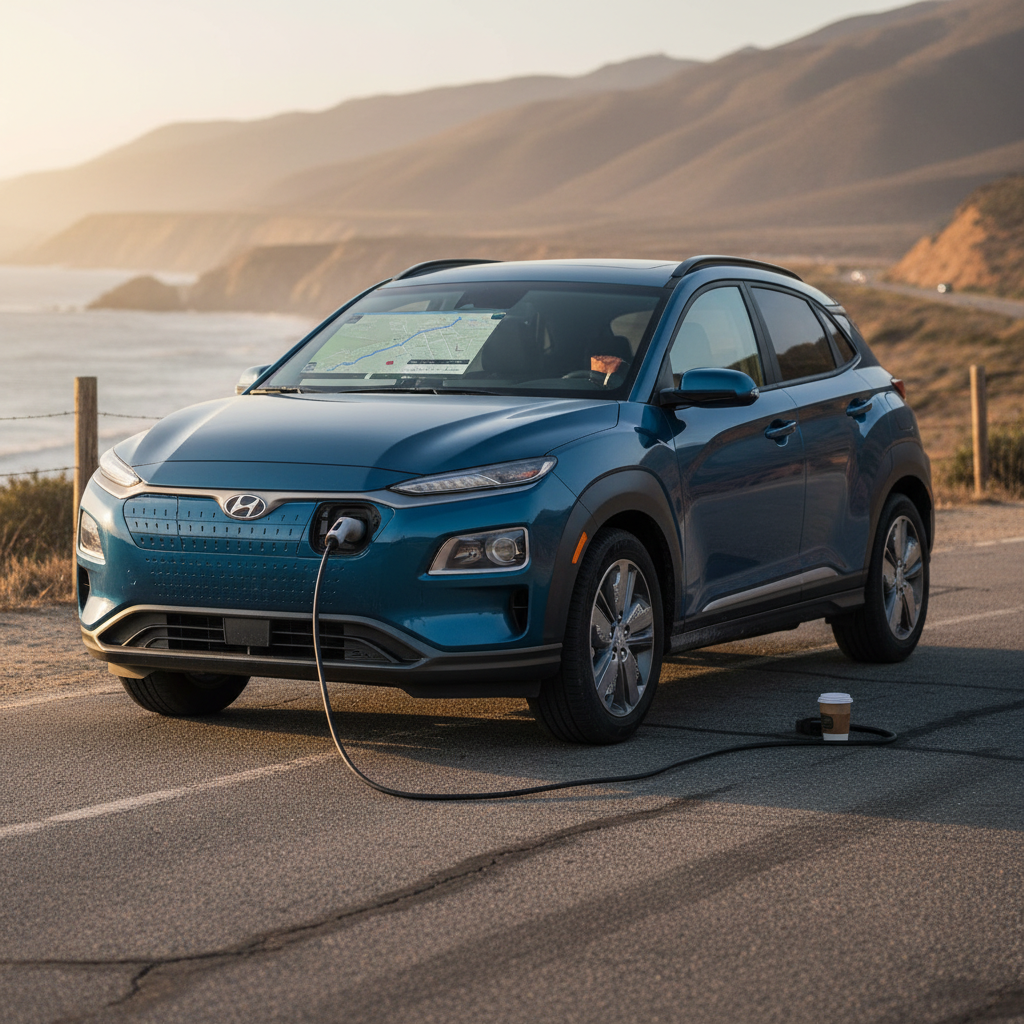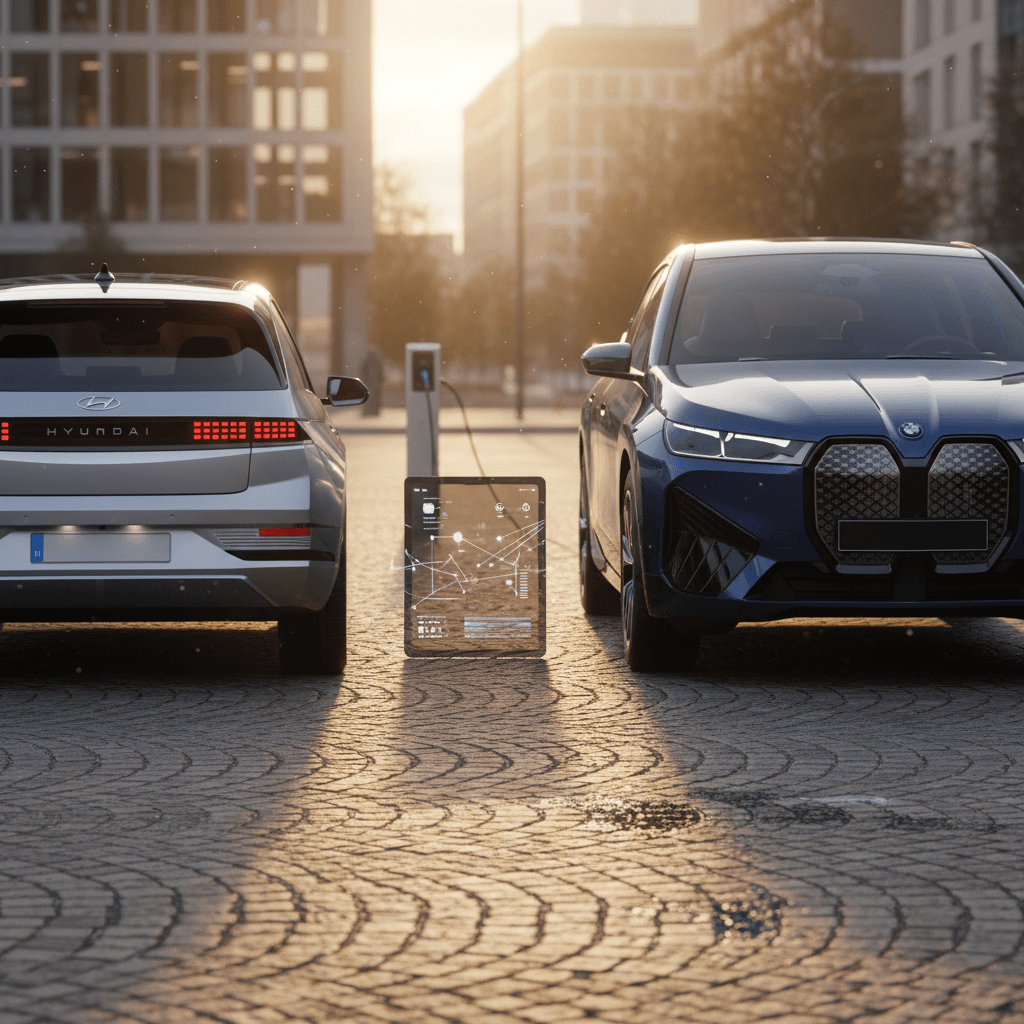
If you’re cross‑shopping the Hyundai IONIQ 5 vs Cadillac Lyriq, you’re probably deciding between a smart, value‑packed family EV and a full‑blown luxury electric SUV. On paper they both offer strong range, fast charging and striking design, but they solve different problems, at very different price points. Let’s break down how they really compare so you can match the right EV to how you drive and what you want to spend, especially if you’re considering a used example through a marketplace like Recharged.
Segment check
IONIQ 5 vs Lyriq: who each EV is for
Hyundai IONIQ 5: best for pragmatic EV buyers
- Budget-conscious shoppers who still want long range and fast charging.
- Drivers who value quirky design, a roomy cabin, and easy city maneuverability.
- Owners who do a mix of commuting and occasional road trips, and want top-tier DC fast charging for the money.
- Buyers looking at used EVs where pricing and battery health transparency (via tools like the Recharged Score) really matter.
Cadillac Lyriq: best for luxury and long-haul comfort
- Shoppers coming from luxury gas SUVs (Audi, BMW, Lexus) who want similar comfort and presence.
- Drivers who prioritize a quiet, refined ride and a high-end interior over maximum efficiency.
- Frequent highway travelers who’ll appreciate Super Cruise and a large, relaxed cabin.
- Buyers comfortable with higher purchase price, insurance and tire costs in exchange for a more upscale experience.
Key specs: Hyundai IONIQ 5 vs Cadillac Lyriq
Core specs comparison
High-level specs for mainstream trims as of the 2024–2026 model years. Exact numbers vary slightly by configuration.
| Spec | Hyundai IONIQ 5 (most trims) | Cadillac Lyriq (most trims) |
|---|---|---|
| Size class | Compact/midsize crossover | Midsize luxury SUV |
| Battery (usable / rated) | ~77–80 kWh usable (77.4–84 kWh pack) | ~102 kWh rated Ultium pack |
| Max EPA range | Up to ~303 miles (RWD, 77.4 kWh) | ~308–326 miles depending on year & drive |
| DC fast charge peak | ~230–260 kW on 800V architecture | Up to 190 kW DC |
| Home AC charging | Up to 11 kW onboard | 11.5 kW standard, 19.2 kW available |
| Drivetrain | RWD or AWD | RWD or AWD |
| Power (non‑N trims) | 168–320 hp typical | ~340 hp RWD / ~500+ hp AWD |
| Towing | Up to ~2,300–3,500 lb (market dependent) | 3,500 lb |
| Starting MSRP new (recent) | Mid–$30Ks for 2026 SE Std Range after price cuts | Typically upper‑$50Ks and up |
| Body style vibe | Retro-futurist, edgy | Sculpted, unmistakably luxury |
Specs focus on volume trims, not performance variants like IONIQ 5 N or Lyriq-V.
Price and value: new vs used
In the U.S. market, pricing is where the Hyundai and Cadillac clearly diverge. Recent updates have made the 2026 IONIQ 5 significantly more affordable, with Hyundai cutting prices by roughly $7,600–$9,800 depending on trim and positioning the base SE Standard Range around the mid‑$30,000s before destination and incentives. The Lyriq, by contrast, still plays squarely in luxury territory, typically listing in the upper‑$50,000s to $70,000s+ depending on trim, drive layout and options.
Used market perspective
- IONIQ 5 value play: Lower entry price, strong standard equipment and excellent charging make it one of the best price-to-capability EVs, especially used.
- Lyriq value play: You’re paying a premium for size, luxury and performance, but compared with gas luxury SUVs, running costs and smoothness are compelling.
Range, battery and real‑world efficiency
Both EVs deliver range that works for real‑world American driving, but they get there with different hardware and priorities.
Range and battery overview
How far you’ll actually go between charges
Hyundai IONIQ 5
- Standard-range battery around 58–63 kWh with lower range, mainly for budget trims.
- Most popular 77.4/84 kWh packs deliver up to ~303 miles EPA in RWD form.
- Highly efficient at highway speeds thanks to its 800‑volt architecture and slippery shape.
- Real‑world: many owners see ~240–280 miles at U.S. highway speeds, less in cold climates.
Cadillac Lyriq
- All trims use GM’s ~102 kWh Ultium battery pack.
- EPA estimates typically around ~308 miles (RWD) and a bit less for AWD, with newer model years sometimes stretching further.
- Heavier and more powerful than the Hyundai, so efficiency is lower, but range remains competitive.
- Real‑world: expect roughly 250–290 miles depending on driving style, wheels and weather.
Cold weather reality check
For most households with home charging, both vehicles offer more than enough range. The IONIQ 5 squeezes strong range out of a smaller battery, which pays off in efficiency and (usually) lower upstream cost. The Lyriq uses sheer battery size to deliver distance while keeping performance and refinement high.
Charging speed, home setup and road‑trip experience
This is one of the clearest technical splits between these two EVs, and it matters a lot if you’re planning road trips or relying heavily on public DC fast charging.
Fast-charging highlights
Home charging
- IONIQ 5: 11 kW onboard AC charger pairs well with a 40A or 48A Level 2 wall unit. Overnight full charges are straightforward for most U.S. drivers.
- Lyriq: 11.5 kW onboard is standard; with the available 19.2 kW hardware and matching home charger, you can add roughly 50 miles of range per hour of charging, great if you drive a lot and have higher-amperage service.
- Both are happiest if you can charge at home; that’s where your cost per mile is lowest and your ownership experience is simplest.
DC fast charging and road trips
- IONIQ 5: One of the best-charging non‑Tesla EVs on the market. On a 250–350 kW station it can go 10–80% in roughly 18–20 minutes and add well over 150 miles in that window.
- Lyriq: Peaks around 190 kW and can add about 86 miles in 10 minutes. Its curve is solid, but not class‑leading.
- With GM and Hyundai both adopting the NACS (Tesla) connector, future model years and adapters will increasingly tap into Tesla’s Supercharger network. If you’re buying used, check what connector and adapters are included.
How Recharged helps with charging questions
Performance and driving character
Both of these EVs are quick compared to the gas crossovers they replace, but they’re tuned for different personalities.
How they feel from behind the wheel
Not just 0–60 numbers, overall character matters
Hyundai IONIQ 5
- RWD models with the larger battery make ~225 hp; AWD versions step up to roughly 320 hp.
- 0–60 mph can be down in the mid‑4‑second range on dual‑motor trims, hot‑hatch quick.
- Short wheelbase look but long wheelbase underneath gives a planted, comfortable ride with agile responses.
- The IONIQ 5 N cranks things into genuine performance territory, but it’s a specialized, more expensive variant.
Cadillac Lyriq
- Single‑motor RWD Lyriqs deliver around 340 hp and 325 lb‑ft of torque.
- Dual‑motor AWD versions jump to roughly 500+ hp and 450 lb‑ft, with 0–60 mph in the mid‑4‑second range.
- Ride quality leans toward quiet, composed and heavy rather than playful.
- Performance‑oriented Lyriq‑V trims push power and handling further, with a small trade‑off in range and price.
If you’re coming from a German luxury SUV, the Lyriq’s refinement will feel familiar. If you’re coming from a compact hatch or crossover, the IONIQ 5’s playful character will be the easier transition.
Space, comfort and utility
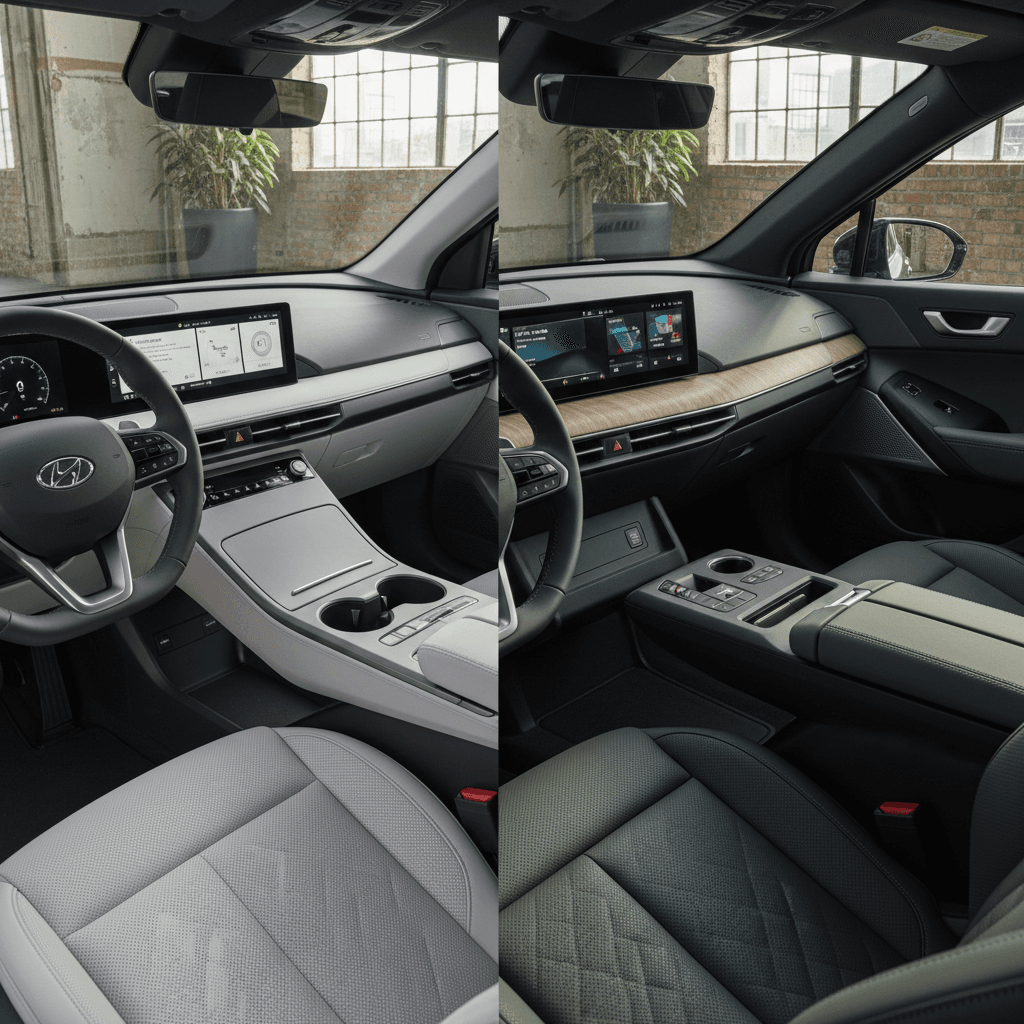
Cabin experience is where these two diverge philosophically. One is a design‑forward family shuttle; the other is a rolling luxury lounge.
Hyundai IONIQ 5: clever and airy
- Boxy‑yet‑futuristic shape with a very long wheelbase gives huge rear legroom for its footprint.
- Flat floor and sliding center console in earlier years make it feel like a modern living room.
- Cargo space is solid for a compact‑midsize crossover, though not as cavernous as larger SUVs.
- Interior materials are good but not ultra‑lux, which is reasonable at its price point.
Cadillac Lyriq: upscale and spacious
- Larger exterior translates into more shoulder room and cargo volume, especially behind the second row.
- High‑quality materials, dramatic lighting and a sweeping curved display reinforce the luxury feel.
- Ride quality is tuned for quiet comfort; road and wind noise are impressively suppressed.
- If you regularly carry adults in both rows and lots of luggage, the Lyriq’s extra size and refinement are noticeable.
Towing and utility
Tech, safety and driver assistance
Both SUVs lean heavily on software and driver assistance, but they approach it differently, Hyundai from a mainstream tech angle, Cadillac from a luxury, semi‑automated driving perspective.
Infotainment and driver-assist highlights
What it’s like to live with the tech every day
IONIQ 5 tech
- Dual screens for cluster and infotainment, with straightforward menus and solid smartphone integration.
- Hyundai SmartSense safety suite with adaptive cruise, lane keeping and available highway assist features.
- Vehicle‑to‑load (V2L) lets you power tools, camping gear or even another EV from the car.
- Software and feature updates have improved charging logic and route planning over time.
Lyriq tech
- Massive curved display with a more dramatic luxury presentation.
- Super Cruise (on compatible roads) enables hands‑free highway driving with automatic lane changes on some trims, one of the best systems in the market.
- Rich audio options, including high‑end multi‑speaker systems tuned for a premium experience.
- Software ecosystem leans into GM’s in‑house app and subscription strategy, which some owners love and others find too locked‑down.
Tech caveat on used Lyriqs
Ownership costs and resale
Sticker price is only one piece of the puzzle. Charging costs, maintenance, insurance and depreciation all shape your real cost of ownership over 5–10 years.
Cost factors to compare
1. Energy cost vs gas
Both EVs will be dramatically cheaper per mile than comparable gas SUVs if you primarily charge at home, especially off‑peak. The IONIQ 5’s higher efficiency means it squeezes more miles out of each kWh.
2. Insurance and tires
The Lyriq’s higher purchase price, luxury classification and often larger wheels can push insurance and tire replacement costs higher than an IONIQ 5.
3. Depreciation curve
Early luxury EVs typically see steeper initial depreciation than mainstream models. That’s painful if you buy new, but a huge opportunity if you buy used, especially with transparent battery health data from a Recharged Score Report.
4. Maintenance profile
Neither EV needs oil changes, and both simplify many traditional maintenance items. But complex features (air suspension on some luxury EVs, large wheels, advanced driver‑assist) can add cost as they age.
5. Incentives and financing
Federal and state incentives vary by year and income. Marketplaces like Recharged can also help you <strong>finance a used IONIQ 5 or Lyriq</strong>, value your trade‑in and handle paperwork digitally, which smooths out the buying process.
Which should you buy: Hyundai IONIQ 5 or Cadillac Lyriq?
There’s no universal winner in the Hyundai IONIQ 5 vs Cadillac Lyriq matchup, only the EV that best fits your budget, driving pattern and expectations for comfort and tech. But some clear rules of thumb do emerge.
Choose the Hyundai IONIQ 5 if…
- You want maximum value and aren’t trying to make a luxury statement.
- You care a lot about charging speed and efficiency, especially on road trips.
- Your household mainly does commuting, errands and a few long drives a year.
- You’re shopping used and want an EV that balances range, price and tech extremely well.
In practice, the IONIQ 5 gives you most of what people actually use in daily driving, with lower costs and simpler packaging.
Choose the Cadillac Lyriq if…
- You’re replacing a premium SUV and expect luxury cabin quality and a plush ride.
- You regularly carry adults and luggage and want the extra size and presence.
- You’re excited about features like Super Cruise and high‑end audio.
- You’re comfortable paying more up front in exchange for a more opulent EV experience.
The Lyriq is best seen as a full luxury SUV that happens to be electric, not simply an electric alternative to a mainstream crossover.
How Recharged fits into your decision
Ready to find your next EV?
Browse VehiclesIf your priority is smart, efficient, future‑proof electric driving at a reasonable price, the Hyundai IONIQ 5 is hard to beat. If you want a serene, tech‑saturated luxury SUV that just happens to be electric, the Cadillac Lyriq earns its premium. The next step is to narrow down trims, battery sizes and feature sets that match your budget, then look for a used example with documented battery health and fair‑market pricing so your first (or next) EV is a confident purchase, not an experiment.