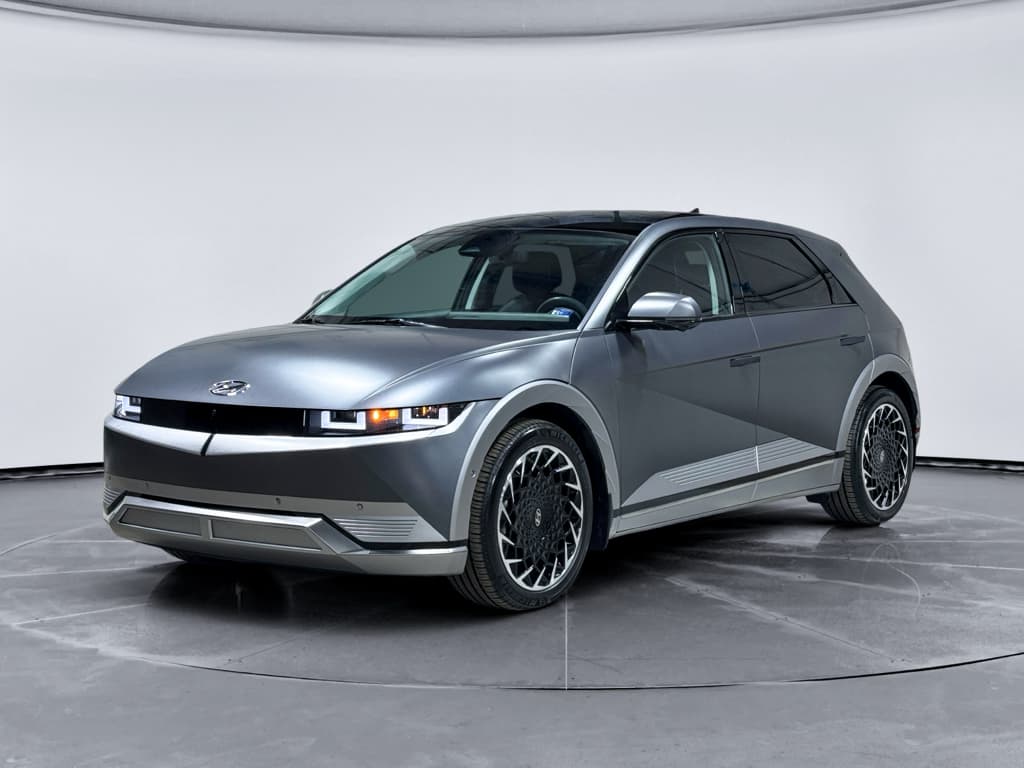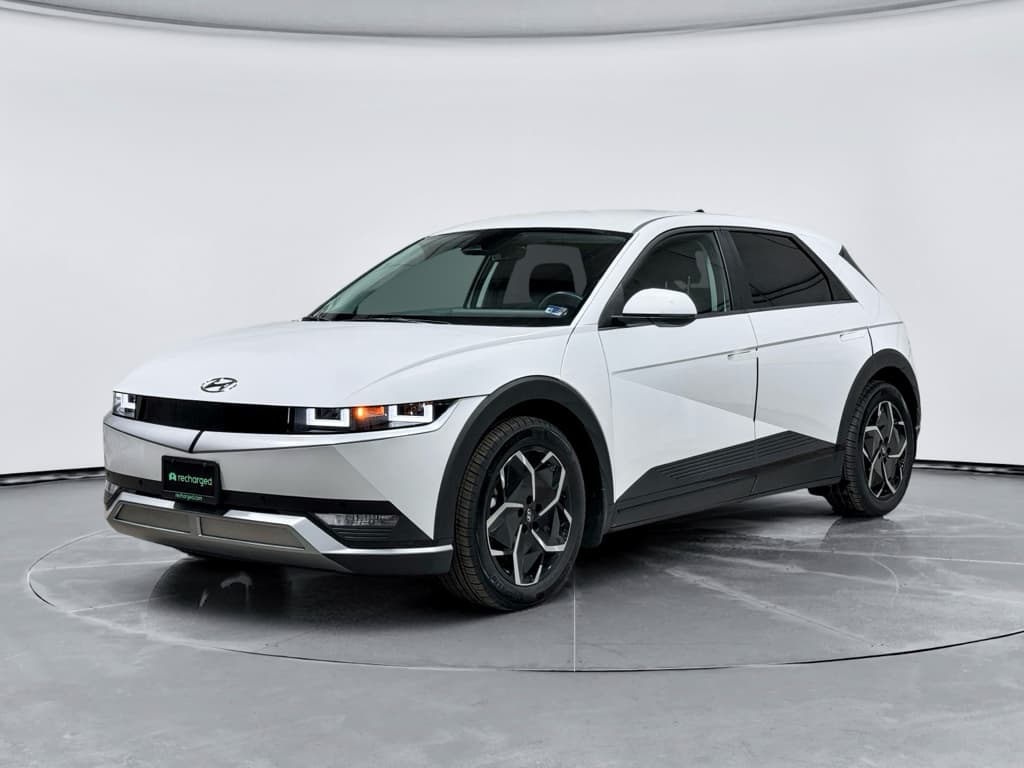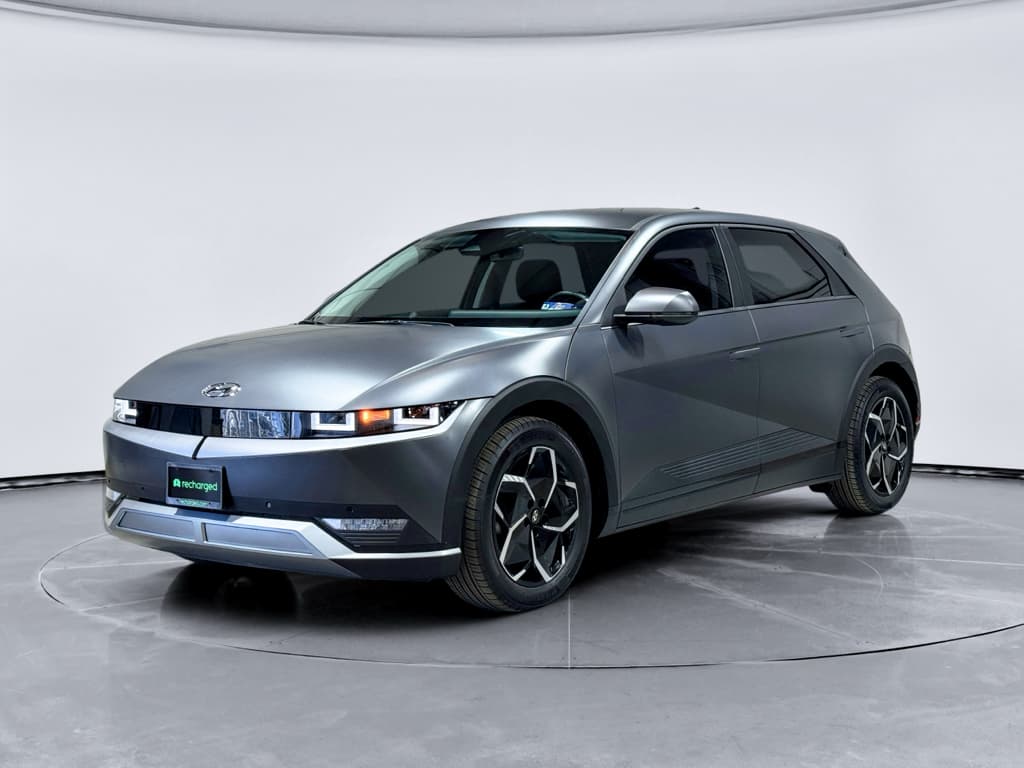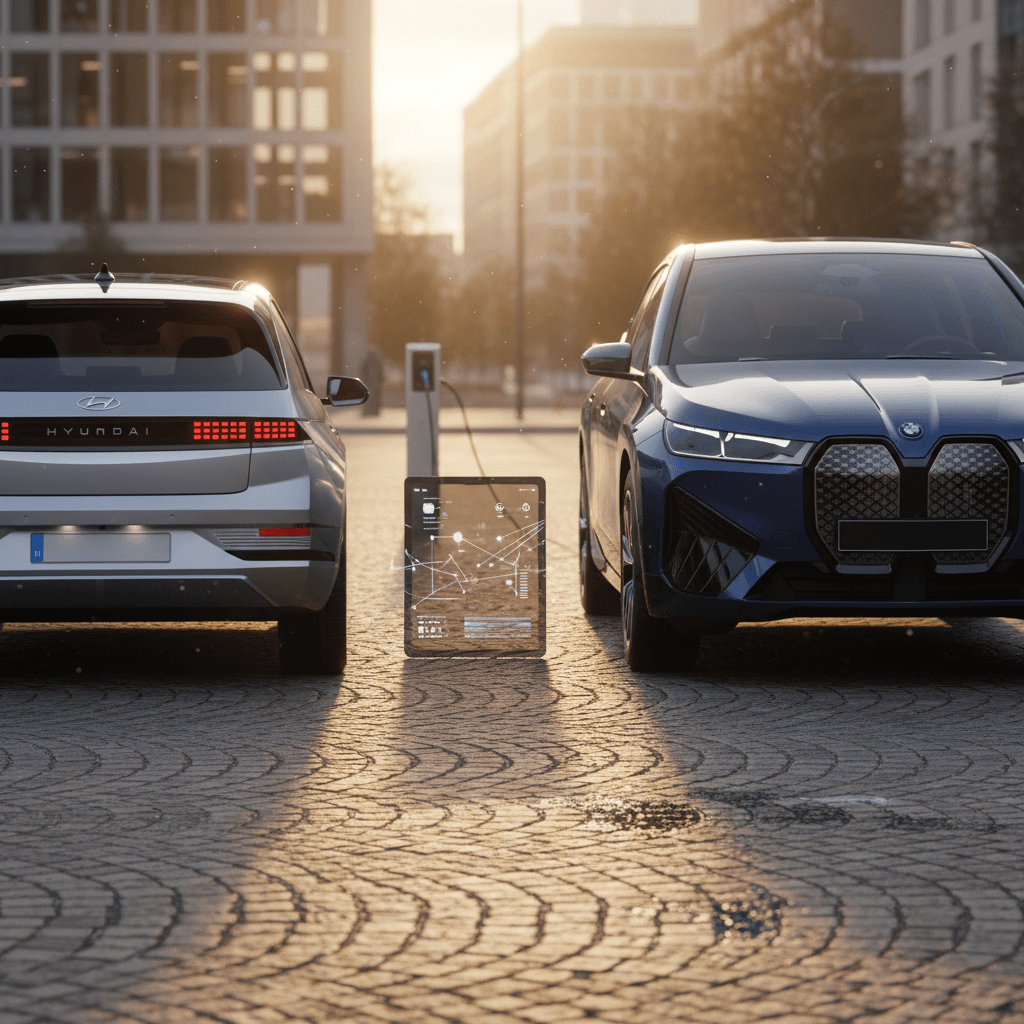
If you’re cross-shopping the Hyundai IONIQ 5 vs BMW iX, you’re not just comparing specs, you’re deciding between two very different visions of what an electric SUV should be. One is a high-value, ultra-efficient family EV; the other is a full-on luxury flagship with a battery pack to match its footprint and price tag.
Two very different EVs
Hyundai IONIQ 5 vs BMW iX: who each EV is really for
Choose your character: value innovator vs luxury flagship
Same battery tech revolution, very different missions
Hyundai IONIQ 5: pragmatic early adopter
The IONIQ 5 is for you if you want:
- Fast charging and solid range without six‑figure pricing
- A roomy, efficient family EV with hatchback practicality
- Futuristic design and smart tech at a relatively accessible cost
- Lower insurance, tax, and maintenance costs than a luxury SUV
BMW iX: electric luxury flagship
The iX is for you if you want:
- True luxury-SUV comfort and refinement
- Massive battery, strong performance, and quiet, long‑legged cruising
- Premium materials, advanced driver aids, and brand cachet
- Space and presence comparable to an X5 or Audi Q8 e-tron
Start with your use case, not the badge
Quick specs: Hyundai IONIQ 5 vs BMW iX
Key specs at a glance
Representative U.S.‑market trims: mainstream IONIQ 5 with larger pack vs BMW iX xDrive50.
| Spec | Hyundai IONIQ 5 (long‑range RWD/AWD) | BMW iX xDrive50 |
|---|---|---|
| EPA range (approx.) | 220–303 miles depending on battery and drivetrain | Around 305–324 miles depending on wheels |
| Usable battery capacity | ~72–77 kWh on most long‑range models | ~105 kWh usable (≈111 kWh gross) |
| DC fast charge peak | ≈230–250 kW on 800V architecture | Up to ≈195 kW on 400V pack |
| DC 10–80% time (best case) | ~18–20 minutes on a 250–350 kW station | ~30–35 minutes on a 200 kW station |
| 0–60 mph | ~7.3 s (RWD), ~4.4–4.5 s (AWD) | ~4.4–4.6 s (xDrive50), quicker for M60 |
| Drive layout | RWD or AWD | Always dual‑motor AWD |
| Size class | Compact/midsize crossover | Midsize luxury SUV (X5‑like footprint) |
| New‑car MSRP band (recent years) | Roughly mid‑$40Ks to high‑$50Ks before incentives; high‑performance N ~mid‑$60Ks | Commonly $85K–$110K+ depending on spec |
| Charging port (North America) | CCS now, NACS support rolling in on newer model years | CCS (NACS adapters/start to roll out via network partners) |
Exact numbers vary by model year, wheels, and options, but this table captures the core differences.
Price and value: new vs used
Hyundai IONIQ 5: value play getting stronger
Hyundai has been aggressive on pricing. Recent model years of the IONIQ 5 have seen MSRPs come down as much as several thousand dollars while equipment and battery tech improved, especially around the 2025–2026 refresh. That’s unusual in a segment where many EVs launched expensive and have had to discount later.
On the used market, that downward pull on new pricing means you can often find a well‑equipped IONIQ 5 SEL or Limited at a substantial discount versus original sticker. For many shoppers, a 1–3‑year‑old IONIQ 5 is the pricing sweet spot, where you still have plenty of battery warranty coverage but avoid the steepest early‑year depreciation.
BMW iX: luxury pricing, luxury depreciation
The iX comes from the other direction: new examples commonly list from the mid‑$80Ks well into six figures, especially for M60 trims with big wheels and options. That high entry price creates dramatic depreciation in the first 3–4 years.
The upside for a value‑minded buyer is that a used iX can undercut new prices by tens of thousands of dollars. The downside is that running costs, tires, insurance, repairs out of warranty, still reflect that original luxury positioning.
Watch how new price cuts impact used values
Range and efficiency in the real world
On paper, both the Hyundai IONIQ 5 and BMW iX offer comfortably more than 250 miles of rated range in their most common trims. The difference is how they get there: the BMW simply carries a much larger battery, while the IONIQ 5 leans harder on efficiency and 800‑volt fast‑charging tech.
Range comparison: what you can actually expect
EPA labels are a starting point, not gospel.
Hyundai IONIQ 5
- Standard‑range pack around 220 miles EPA.
- Most long‑range RWD trims cluster around 300 miles EPA with the mid‑70s‑kWh battery.
- Dual‑motor AWD trims drop to the mid‑200s, but still competitive for the class.
- Relatively light and efficient; highway range holds up well given the battery size.
BMW iX
- xDrive50 uses a ~105 kWh usable battery with EPA range roughly in the low‑300‑mile band.
- High‑performance M60 sacrifices a bit of rated range for power but still lands close to 300 miles.
- Heavier, with a big frontal area, so consumption is higher, but massive battery masks that.
- At 75–80 mph, the iX often retains more absolute miles of range thanks to sheer capacity.
Efficiency vs buffer
Charging speed and road-trip ability
Both SUVs fast‑charge quickly, but the Hyundai IONIQ 5 is one of the few non‑Tesla EVs that can genuinely embarrass competitors at a good DC fast charger. Its 800‑volt architecture lets it claw back a lot of time on road trips, even versus bigger‑battery vehicles like the BMW iX.
Charging headline numbers
Hyundai IONIQ 5 on road trips
- Charges extremely quickly when the battery is warm and the station can deliver.
- Best used by charging from ~10–70% repeatedly rather than sitting to 100%.
- Smaller pack means you’ll stop a bit more often than an iX, but each stop is short.
- Newer model years add support for Tesla’s NACS hardware, expanding your DC options as networks catch up.
BMW iX on road trips
- Not quite as dramatic on the charging curve, but the big battery means fewer stops.
- Comfort tuning, sound insulation, and seat quality make long hours on the highway easier.
- With CCS, you’ll be dependent on non‑Tesla networks unless you use an adapter as NACS access rolls out.
- Preconditioning and built‑in route planning help the iX hit its best charging speeds.
Road-trip strategy matters more than the brochure claim
Space, comfort, and practicality
This is where the BMW iX’s size and luxury‑SUV bones justify part of its price premium, but the Hyundai IONIQ 5 isn’t far behind for most families, especially if you’re used to compact crossovers rather than three‑row SUVs.
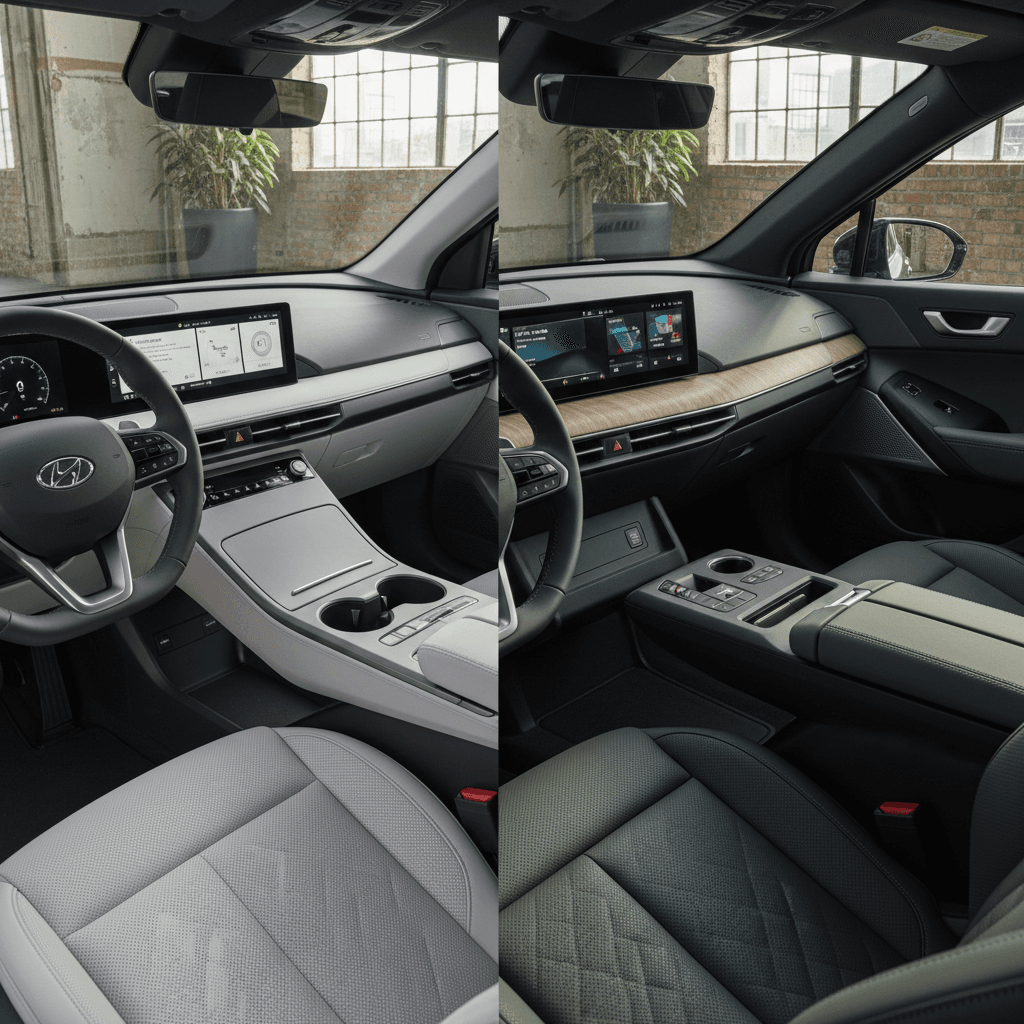
Interior and cargo: how they really feel
Think in terms of use cases, not cubic‑feet decimals.
Hyundai IONIQ 5 practicality
- Very long wheelbase for its size; excellent rear legroom and flat floor.
- Sliding rear bench in many trims lets you trade legroom for cargo space.
- Cargo area is more in line with a compact SUV; fine for strollers, gear, Costco runs.
- Interior design is minimalist and bright, with good visibility and family‑friendly materials.
BMW iX practicality
- Wider and longer overall, with more shoulder room and a more lounge‑like rear seat.
- Cargo capacity is closer to a midsize SUV; better if you regularly haul bulky items.
- Seats are softer and more supportive on long drives, especially with upgraded upholstery.
- Ride quality and noise suppression are noticeably more premium than IONIQ 5.
Family EV sweet spot
Tech, driving feel, and safety
Both SUVs are deeply modern EVs, but they express that modernity differently. The IONIQ 5 is about clever packaging and intuitive interfaces; the BMW iX is about immersion, big screens, advanced driver assistance, and a level of refinement that makes it feel more like an electric lounge than a conventional SUV.
How they drive
- IONIQ 5: Light on its feet, quick off the line, and surprisingly fun in dual‑motor form. Steering isn’t sports‑car sharp, but it’s easy to place in town and composed on the highway.
- BMW iX: Heavier and more substantial. Even the xDrive50 feels powerful, with effortless passing power and highly polished ride quality. The M60 cranks this up into genuine performance‑SUV territory.
Tech and safety
- Both offer robust driver‑assistance suites (lane centering, adaptive cruise, blind‑spot monitoring, etc.) and high crash‑safety expectations.
- BMW leans harder into augmented reality, advanced displays, and configurable assists that can reduce fatigue on long drives, but come with more menus and settings to learn.
- Hyundai’s system is simpler and generally easier to live with day to day, especially if multiple drivers share the car.
The real story with modern EVs isn’t just 0–60 times, it’s how quietly, predictably, and stress‑free they cover routine miles. On that score, both of these SUVs are worlds better than the average gas crossover, just at very different price points.
Ownership costs and depreciation
Electric powertrains eliminate oil changes and reduce wear items, but they don’t erase the economics of vehicle class. A used IONIQ 5 and a used BMW iX may both be EVs, yet they behave very differently as financial assets.
Key cost factors to compare
1. Purchase price and depreciation
The iX sheds more absolute dollars in its first years but often remains more expensive to buy than a similar‑age IONIQ 5. The Hyundai starts cheaper and continues to be the lower‑cost way into long‑range EV ownership.
2. Insurance and taxes
Insurance premiums and registration fees tend to track original MSRP and repair costs. Expect the BMW to run noticeably higher here, especially in states that tax vehicle value annually.
3. Tires and wear items
The iX’s weight and wide, performance‑oriented tires can mean expensive tire replacements. The IONIQ 5 is lighter and usually runs more modest wheel/tire packages, which keeps consumables cheaper.
4. Out-of-warranty risk
BMW parts, labor, and complex features can make out‑of‑warranty repairs painful on the wallet. The IONIQ 5 is simpler and backed by Hyundai’s long EV component warranties, making it easier to budget for.
5. Charging costs
Electricity rates don’t care what badge you drive, but energy consumption does. The iX’s larger, thirstier battery will typically cost more per mile if you’re mostly using DC fast charging; on home Level 2, the difference is smaller but still present.
Don’t ignore battery health on either model
Which should you buy: Hyundai IONIQ 5 or BMW iX?
Bottom-line recommendations
Use your budget and lifestyle as the tiebreakers.
Choose the Hyundai IONIQ 5 if…
- You want maximum value per dollar in a modern EV SUV.
- Most of your driving is commuting, errands, and regional trips under 250 miles.
- You care about fast charging but don’t need a huge battery.
- You’d rather keep monthly payments modest and running costs predictable.
Choose the BMW iX if…
- You want a true luxury SUV experience with an EV powertrain.
- Highway refinement, seat comfort, and interior ambiance matter more than sticker price.
- You tend to drive long distances at high speeds and want extra range buffer.
- You’re comfortable budgeting for luxury‑segment insurance, tires, and repairs.
Considering both as used EVs
- Evaluate battery health, warranty status, and charging compatibility first.
- Compare real out‑the‑door costs, including sales tax, registration, and insurance.
- Test‑drive both on the same route if you can, noise, ride, and seating feel are hard to see on a spec sheet.
- Use marketplaces like Recharged to get transparent pricing, battery diagnostics, and nationwide delivery if local options are thin.
If you strip away the badges, the Hyundai IONIQ 5 is the rational choice for most EV buyers: quick charging, strong efficiency, and genuinely useful space at a price that doesn’t assume you’re shopping in the German‑luxury tax bracket. The BMW iX, meanwhile, proves that a big, comfortable luxury SUV can go electric without losing the effortless long‑legged feel that made its ICE predecessors popular. The right answer isn’t which spec sheet wins; it’s which ownership experience fits your life, and your spreadsheet, over the next 5–10 years.
How Recharged can help you choose
Ready to find your next EV?
Browse Vehicles