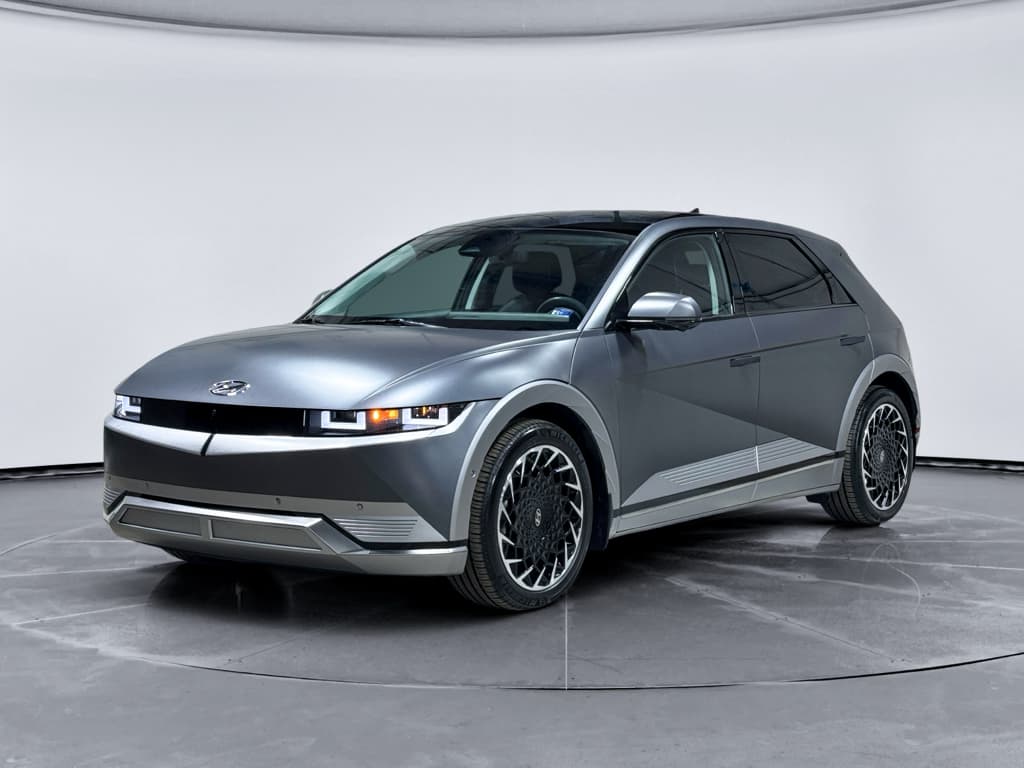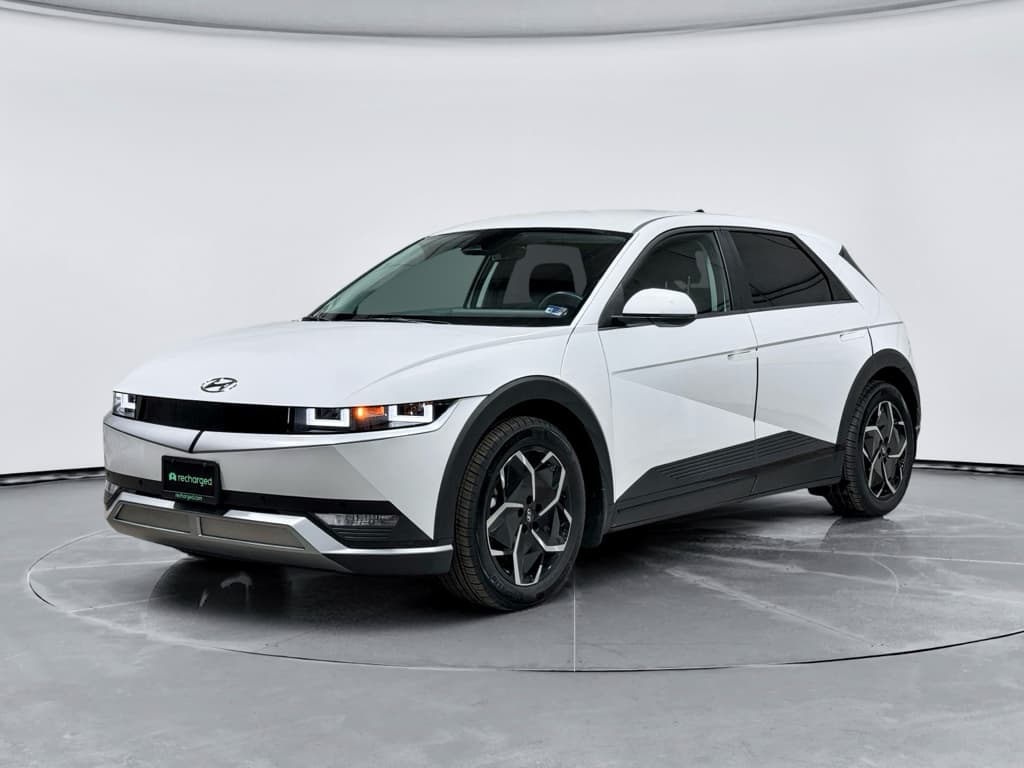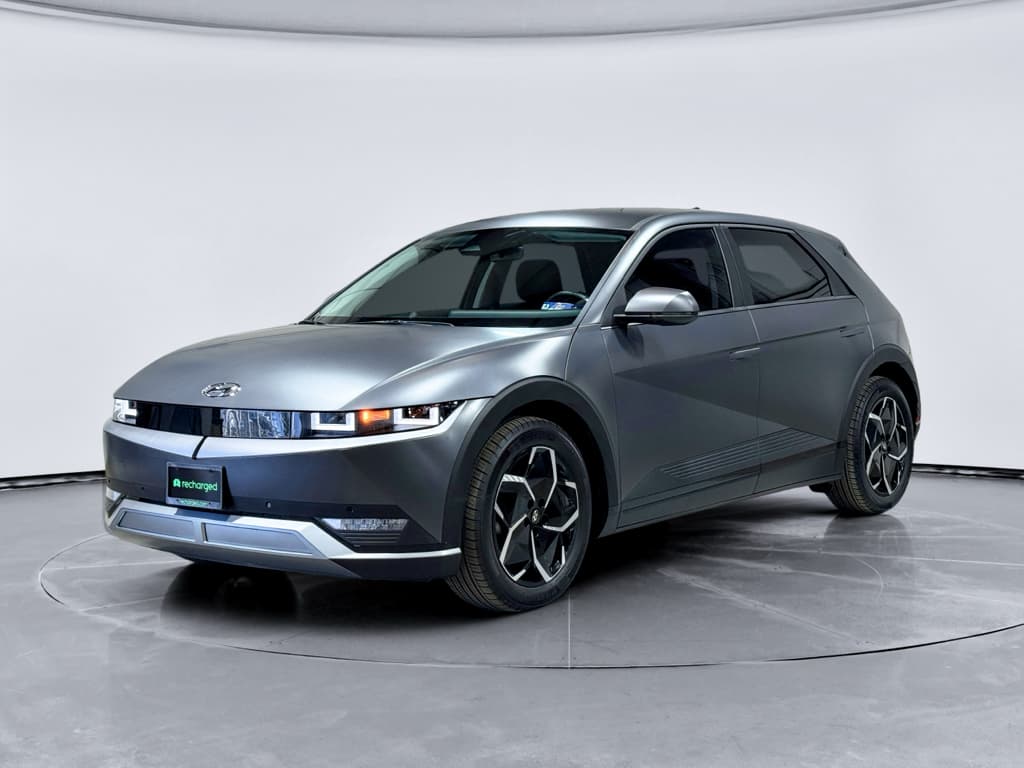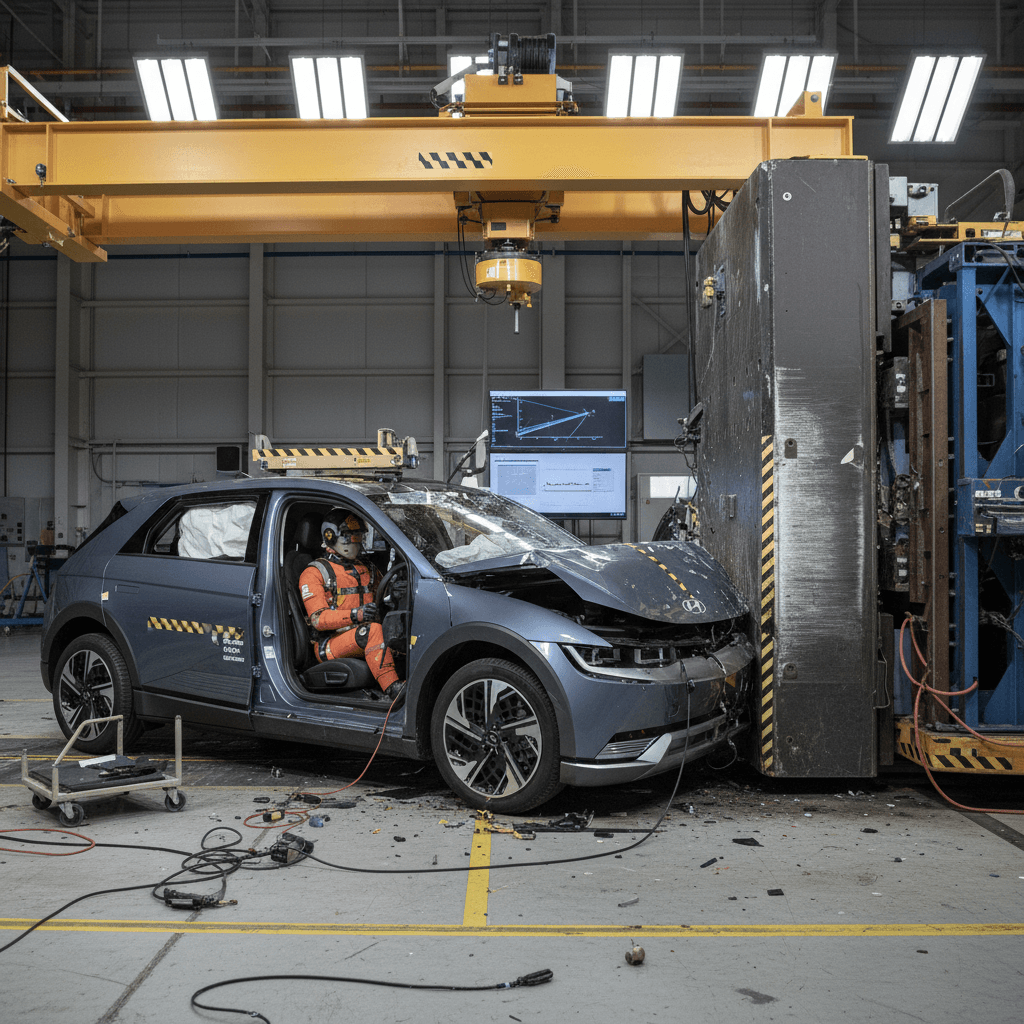
If you’re eyeing a Hyundai IONIQ 5, especially on the used market, its safety rating and crash test performance are just as important as range and charging speed. The good news: independent labs have pushed this EV hard into barriers, poles, and sleds, and the IONIQ 5 has come away with some of the strongest scores in the small SUV segment.
Quick safety snapshot
Hyundai IONIQ 5 safety overview
The IONIQ 5 rides on Hyundai’s dedicated Electric‑Global Modular Platform (E‑GMP), the same basic architecture used by the IONIQ 6, Kia EV6 and other EVs that have also scored well in crash testing. Structurally, that gives the IONIQ 5 a rigid battery floor and long wheelbase, which help with crash energy management and occupant protection.
Hyundai IONIQ 5 safety at a glance
Starting for the 2024 model year, IIHS raised the bar on its crash tests, especially for rear‑seat protection and side impacts. The IONIQ 5 not only kept up; it improved its rating to secure the top award.
Model years covered
IIHS crash tests: Top Safety Pick+ explained
IIHS (the Insurance Institute for Highway Safety) is the source most shoppers think of first when they search for “Hyundai IONIQ 5 safety rating crash test.” For 2024, the IONIQ 5 earned Top Safety Pick+, and for 2025 it continues as a Top Safety Pick+ winner in the small SUV category.
IIHS crash-test results for Hyundai IONIQ 5 (2024–2025)
How the IONIQ 5 performs in the key IIHS crash tests under the updated criteria.
| Test | What it measures | IONIQ 5 rating |
|---|---|---|
| Small overlap front (driver & passenger side) | Front‑corner impact into a rigid barrier | G (Good) |
| Updated moderate overlap front | Frontal crash with focus on rear‑seat safety | G (Good) |
| Side impact (updated) | Impact from a heavier, higher‑riding vehicle | G (Good) |
| Roof strength & head restraints | Protection in rollovers and rear impacts | G (Good) |
| Headlights | Quality and coverage of standard lighting | G (Good) on most trims |
| Front crash prevention: vehicle‑to‑vehicle | Automatic emergency braking with other cars | G (Good) |
| Front crash prevention: vehicle‑to‑pedestrian (day & night) | Automatic braking when people cross or walk along the road | G (Good) or A (Acceptable), depending on trim/software |
Ratings use the IIHS scale: G = Good, A = Acceptable, M = Marginal, P = Poor.
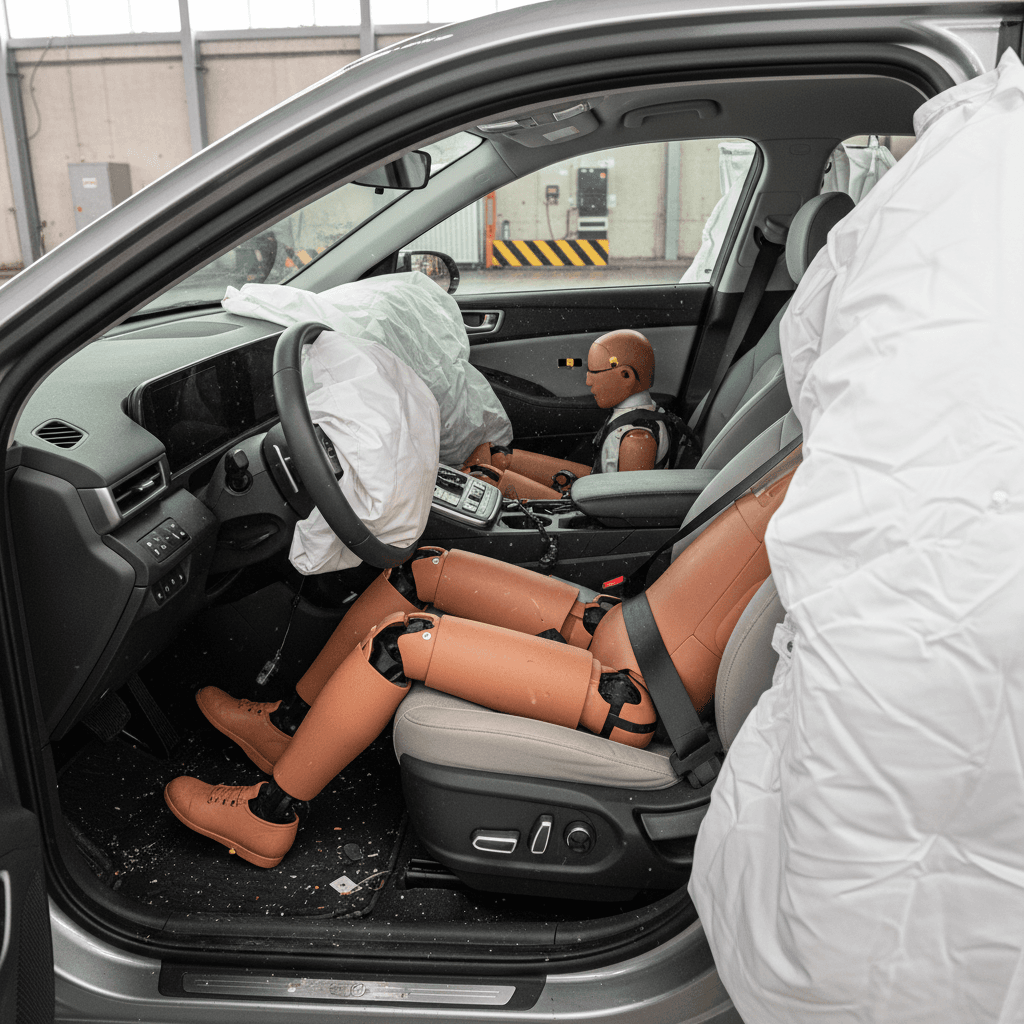
One headline result worth calling out: in the updated moderate overlap front test, designed to expose weak rear‑seat protection, the IONIQ 5 kept the rear dummy’s head and chest loads low, with the dummy staying in a stable position behind the front seat. That’s exactly what you want to see if you’re carrying adults or kids in the second row.
Rear passengers well protected
- Good ratings across all core crashworthiness tests (frontal and side impacts, roof strength, head restraints).
- High marks for its standard automatic emergency braking, including nighttime pedestrian scenarios on recent model years.
- Acceptable or good headlights often standard, avoiding the penalty some competitors face for weak base lighting.
NHTSA crash tests and what we know so far
NHTSA, the federal 5‑Star Safety Ratings program, has started adding the Hyundai IONIQ 5 to its test roster for 2025 and 2026 model years. That means more detailed star ratings (frontal, side and rollover) will be appearing on window stickers and on NHTSA’s site as testing is completed.
Where NHTSA stands today
Even before every configuration is tested, we can take cues from IIHS and Euro NCAP: vehicles that perform this well in those labs usually land at or near a five‑star overall NHTSA rating. Still, the smart move as a shopper is to verify the exact model year you’re considering, since federal tests roll out on a schedule that lags real‑world production.
Check the exact model year
Euro NCAP results for the Hyundai IONIQ 5
For European‑market vehicles, the IONIQ 5 has already cleared one important hurdle: it earned the maximum five‑star overall rating from Euro NCAP. That program grades four main areas, adult occupant, child occupant, vulnerable road user, and safety assist.
How Euro NCAP scored the IONIQ 5
The exact percentages vary slightly by year and market, but the pattern is consistent: strong protection and robust driver assistance.
Adult & child occupants
Euro NCAP testing showed very good protection for adult and child occupants, helped by the stiff EV floor and long wheelbase. The cabin maintained its shape well in frontal and side impacts.
Vulnerable road users & safety assist
The IONIQ 5 scored well for pedestrian and cyclist protection and for its SmartSense driver‑assistance suite, which includes AEB, lane support and intelligent speed assistance on many trims.
While specific percentage scores differ between Euro NCAP and U.S. testing, the takeaway is straightforward: in independent crash labs on both sides of the Atlantic, the IONIQ 5 behaves like a well‑engineered, structurally solid EV.
Real-world safety: strengths and weak spots
Where the IONIQ 5 stands out
- Excellent crash structure: The battery pack forms a stiff part of the floor, helping manage impact forces away from the cabin.
- Rear‑seat focus: Updated crash tests show strong protection for rear passengers, an area where some rivals lag.
- Standard active safety: Automatic emergency braking, lane-keeping assistance and blind‑spot monitoring are widely available, not just on top trims.
- Low center of gravity: The battery’s placement reduces rollover risk compared with many gasoline SUVs.
Known concerns and recalls
- Software‑related recalls: Like many modern EVs, the IONIQ 5 has seen software updates for braking and instrument‑panel displays on some model years.
- Power electronics issues: Some owners have reported failures of charging or power‑conversion components that can disable the vehicle, usually addressed under warranty.
- Keyless‑entry theft risk (select markets): U.K. reports have flagged vulnerabilities to relay or key‑emulation theft devices, an issue that doesn’t change crashworthiness but matters for overall ownership risk.
These issues are typically fixable with dealer or over‑the‑air updates. When you shop used, confirm recall and software update status.
Safety vs. reliability
Key Hyundai IONIQ 5 safety features
Beyond star ratings, the day‑to‑day protection you get from a Hyundai IONIQ 5 depends on which SmartSense features and options the vehicle carries. Many of these were standard or widely available from launch, with additional refinements in later model years.
Core crash and active‑safety features on the IONIQ 5
Exact equipment varies by trim and package, but this is the core safety tech you’ll see on most U.S. IONIQ 5s.
Airbags & structure
- Front, side, and side‑curtain airbags
- Driver knee airbag on many trims
- Rigid passenger cell with engineered crumple zones
Crash avoidance tech
- Forward Collision‑Avoidance Assist (AEB)
- Pedestrian & cyclist detection (day, and on newer models, night)
- Available junction‑turning assist for oncoming traffic
Keeping you in your lane
- Lane Keeping Assist
- Lane Following Assist (centers the car in its lane)
- Driver attention warning systems
Blind‑spot and rear‑view aids
- Blind‑Spot Collision‑Avoidance Assist
- Rear Cross‑Traffic Collision‑Avoidance Assist
- Available Blind‑View Monitor (camera in the cluster)
Speed & distance management
- Smart Cruise Control with stop‑and‑go on many trims
- Available Highway Driving Assist for lane‑centered cruising
- Intelligent speed‑limit guidance in some markets
Family‑friendly details
- ISOFIX/LATCH anchors for child seats
- Wide‑opening rear doors for easier installation
- Flat floor for more flexible seating positions
Feature checklist for test drives
What IONIQ 5 safety ratings mean for used buyers
If you’re shopping the used market, the IONIQ 5’s crash‑test report card is a strong starting point, but not the final word. Year‑to‑year tweaks, software campaigns and real‑world wear all affect how protected you’ll be in everyday driving.
Used Hyundai IONIQ 5 safety checklist
1. Verify IIHS/NHTSA results for your model year
Use the VIN or model year to cross‑check IIHS and NHTSA ratings. A 2024 IONIQ 5 has the updated Top Safety Pick+ results; older years may have slightly different award labels but similar underlying crash performance.
2. Confirm all safety recalls and software updates
Ask for documentation that open recalls and important software updates (especially brake, instrument‑cluster and driver‑assistance updates) are complete. This can usually be verified through a dealer or official recall lookup tools.
3. Inspect ADAS sensors and cameras
On a walk‑around, look closely at the front radar panel, windshield camera area and rear bumper. Previous repairs or minor collisions can misalign sensors, which can quietly degrade safety system performance.
4. Evaluate tire and brake condition
Top crash‑test scores assume healthy tires and brakes. Uneven tire wear or worn pads can lengthen stopping distances and undermine the benefits of strong crash avoidance tech.
5. Review repair history for structural work
A prior major collision with frame or structural repairs can change how any vehicle behaves in a future crash. Ask for body‑shop invoices or a third‑party inspection if the history report shows accident damage.
6. Consider battery and high‑voltage system health
While not a crash test metric, battery or power‑electronics failures can create unsafe roadside situations if they occur at speed. A platform like Recharged’s <strong>Score Report</strong> can help you understand battery and system health before you buy.
How Recharged approaches IONIQ 5 safety
How the IONIQ 5 compares to other EV SUVs
In the compact EV SUV space, the IONIQ 5 isn’t the only model with strong safety credentials, but it’s firmly in the top tier. Here’s a quick snapshot of how it stacks up against some familiar names.
IONIQ 5 vs. key EV SUV competitors (safety lens)
High‑level comparison of safety recognition and key strengths. Always check the latest data for specific model years.
| Model | Notable safety awards | Key safety strengths |
|---|---|---|
| Hyundai IONIQ 5 | IIHS Top Safety Pick+ (small SUV); 5‑star Euro NCAP | Strong rear‑seat protection, robust ADAS suite on most trims, rigid EV platform |
| Kia EV6 | IIHS Top Safety Pick+ in many trims | Similar E‑GMP platform, sporty tuning, strong crash performance |
| Tesla Model Y | Previously earned high ratings from both IIHS and NHTSA | Very low rollover risk, frequent software updates, but varying build quality reports |
| Volkswagen ID.4 | IIHS Top Safety Pick+ on certain trims | Solid crash performance, good front crash prevention and standard safety tech |
| Ford Mustang Mach‑E | IIHS Top Safety Pick or Top Safety Pick+ depending on trim/year | Good occupant protection, strong ADAS, but some trims dinged for headlight performance |
All references are for recent model years under updated IIHS criteria.
Bottom line on comparisons
FAQ: Hyundai IONIQ 5 safety ratings & crash tests
Frequently asked questions
Bottom line: Is the Hyundai IONIQ 5 a safe EV?
Taken together, the independent data paint a clear picture: the Hyundai IONIQ 5 is one of the safest small electric SUVs on the road today. It combines a rigid EV platform, excellent front and side crash performance, strong rear‑seat protection and a deep roster of active‑safety tech.
If you’re cross‑shopping EVs, that means you don’t have to trade safety to get the IONIQ 5’s design and fast‑charging capability. And if you’re considering a used IONIQ 5, the key is due diligence, verifying recalls, software updates, and high‑voltage system health so the crash‑test lab results translate into real‑world peace of mind.
Recharged’s model‑specific Score Report, battery diagnostics and expert EV support are designed to make that process simpler. You get transparent safety and battery insights on every IONIQ 5 we list, plus digital‑first buying, financing and trade‑in options if you decide this EV matches your safety and ownership expectations.