If you’re Googling “Hyundai Ioniq 5 reliability 2026”, you’ve probably seen two very different stories: ecstatic owners who adore their car and horror stories about dead batteries and tow trucks. The truth, as usual, lives somewhere in the messy middle. In 2026 the Ioniq 5 is neither a ticking time bomb nor an indestructible appliance, it’s a charismatic early‑wave EV with a few very specific weak spots you should understand, especially if you’re shopping used.
Snapshot verdict
Hyundai Ioniq 5 reliability in 2026 at a glance
Hyundai Ioniq 5 reliability signals in 2026
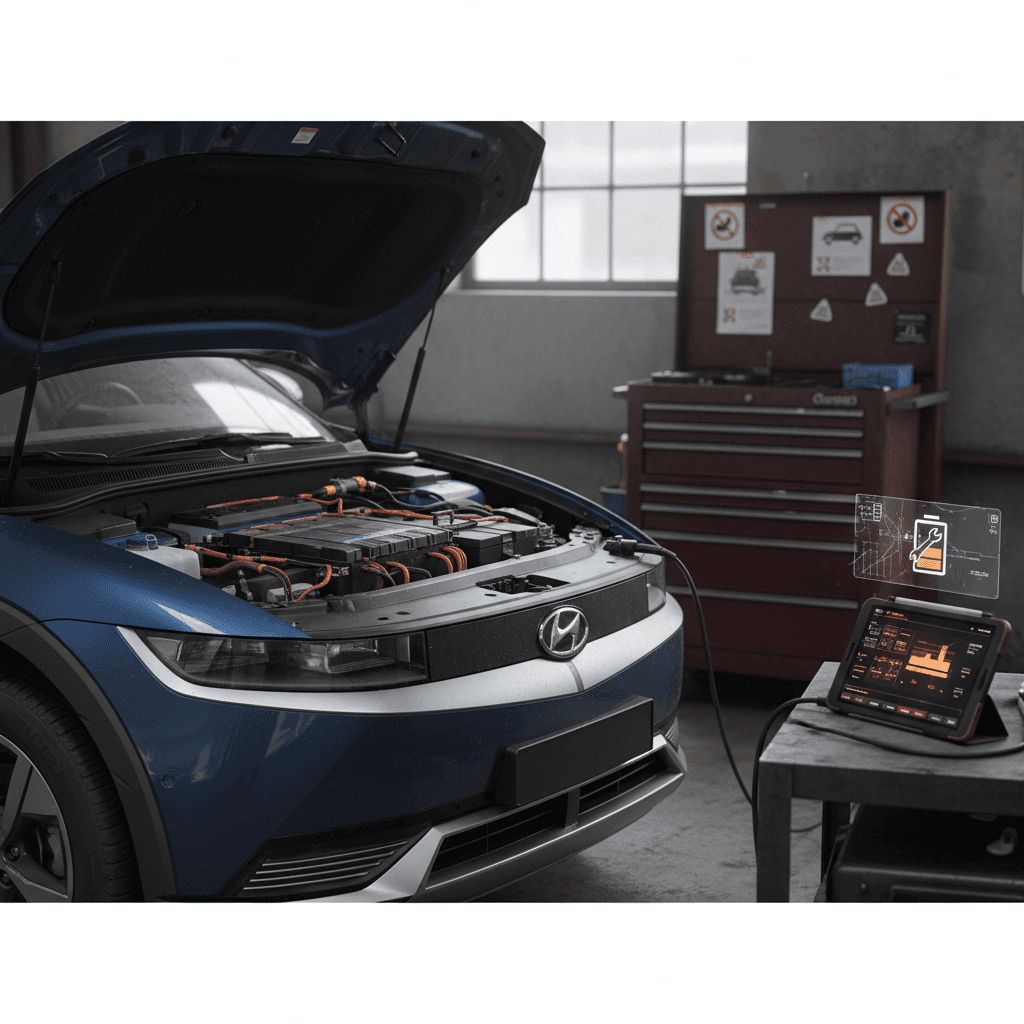
From a high level, the Ioniq 5 lands in the “good but fussy” camp. The core hardware, battery pack, motors, fundamental chassis, has not shown a pattern of catastrophic failures. Where the story gets complicated is in the supporting cast: charging electronics, 12‑volt systems, and software. Those systems have generated enough incidents to dent confidence, especially among early adopters.
How the Ioniq 5 is scoring in studies and owner reviews
What the data and drivers are saying in 2026
Surveys, road tests, and real‑world owners paint a nuanced picture.
Quality & reliability studies
Independent quality studies show mixed reliability for Hyundai’s recent EVs. Early Ioniq 5 years were dinged for charging‑related faults, software glitches, and 12‑volt failures, even as overall build quality and driving experience scored well.
Owner satisfaction
Owner reviews tend to polarize: many report trouble‑free, joyful ownership and brilliant road‑trip charging, while a smaller but vocal group describes repeated dealer visits for electrical gremlins and recalls.
Warranty safety net
Hyundai’s long powertrain and EV component warranties act as a big safety net, softening the financial blow when something goes wrong, but they don’t erase the hassle of downtime or inconsistent dealer support.
How to read the reliability noise
Biggest Hyundai Ioniq 5 problems to know about
If you’re trying to understand Hyundai Ioniq 5 reliability in 2026, forget vague star ratings. You want to know the exact failure modes that show up again and again, and how worried to be about each. Here are the ones that matter most for used‑car shoppers.
Common Hyundai Ioniq 5 issues by type
Not every car will see these problems, but these are the patterns that show up most often in owner reports and recall campaigns.
| Issue | What happens | Severity for owner | How Hyundai fixes it |
|---|---|---|---|
| ICCU charging failure | Car stops DC or AC charging, may show errors and enter reduced‑power or no‑start mode. | High – can leave you stranded and require towing. | Updated ICCU hardware/software and related components under warranty. |
| 12‑volt battery drain | Car won’t “wake up” or shift into gear; may appear completely dead after sitting. | Medium – annoying and confidence‑sapping, but fixable. | 12‑V battery replacement, software updates, and sometimes updated low‑voltage hardware. |
| On‑board charger / inverter faults | Charging cuts out or throws error codes when plugged in, especially at Level 2. | Medium to high – usually fixable but can mean long dealer stays. | Component replacement and software refresh, typically under EV warranty. |
| Software & driver‑assist glitches | Random warning lights, lane‑keeping weirdness, frozen infotainment, wireless CarPlay/Android Auto drops. | Low to medium – unnerving but rarely dangerous. | Over‑the‑air or dealer‑applied software updates, module resets. |
| Brake‑system software (Ioniq 5 N) | Performance N models had specific left‑foot braking issues that could reduce stopping effectiveness. | High for affected cars – safety‑critical, hence recall. | Recall software updates addressing braking logic and system behavior. |
Use this as a risk map when you’re test‑driving or reviewing service history for a used Ioniq 5.
Don’t ignore charging weirdness
2026 Hyundai Ioniq 5 recalls and software fixes
By 2026, the Ioniq 5 has accumulated a modest but meaningful stack of recalls and service campaigns, most centering on software and electronic controls rather than rust‑belt mechanical failures. That’s good in the sense that these issues are often fixable with updates. It’s less good in the sense that many owners only learn about a campaign after something has gone wrong.
- Braking‑system software (Ioniq 5 N, 2025MY): Performance N variants built for 2025 were recalled for left‑foot braking logic that could reduce braking performance. It’s software, but it’s also safety‑critical.
- Charging‑system and ICCU updates: Multiple campaigns address the Integrated Charging Control Unit and related components that manage AC and DC charging. These aim to reduce sudden charging loss or power‑loss events.
- Assorted software updates: Everything from instrument‑cluster logic to driver‑assist calibration has seen updates as Hyundai chases down edge‑case bugs in a first‑generation EV platform.
- Broader multi‑model recalls: Some 2026 Ioniq 5s are swept into Hyundai’s multi‑model safety campaigns (for example, certain control‑module issues shared with hybrid and ICE platforms).
If you own one now
Battery health and charging reliability
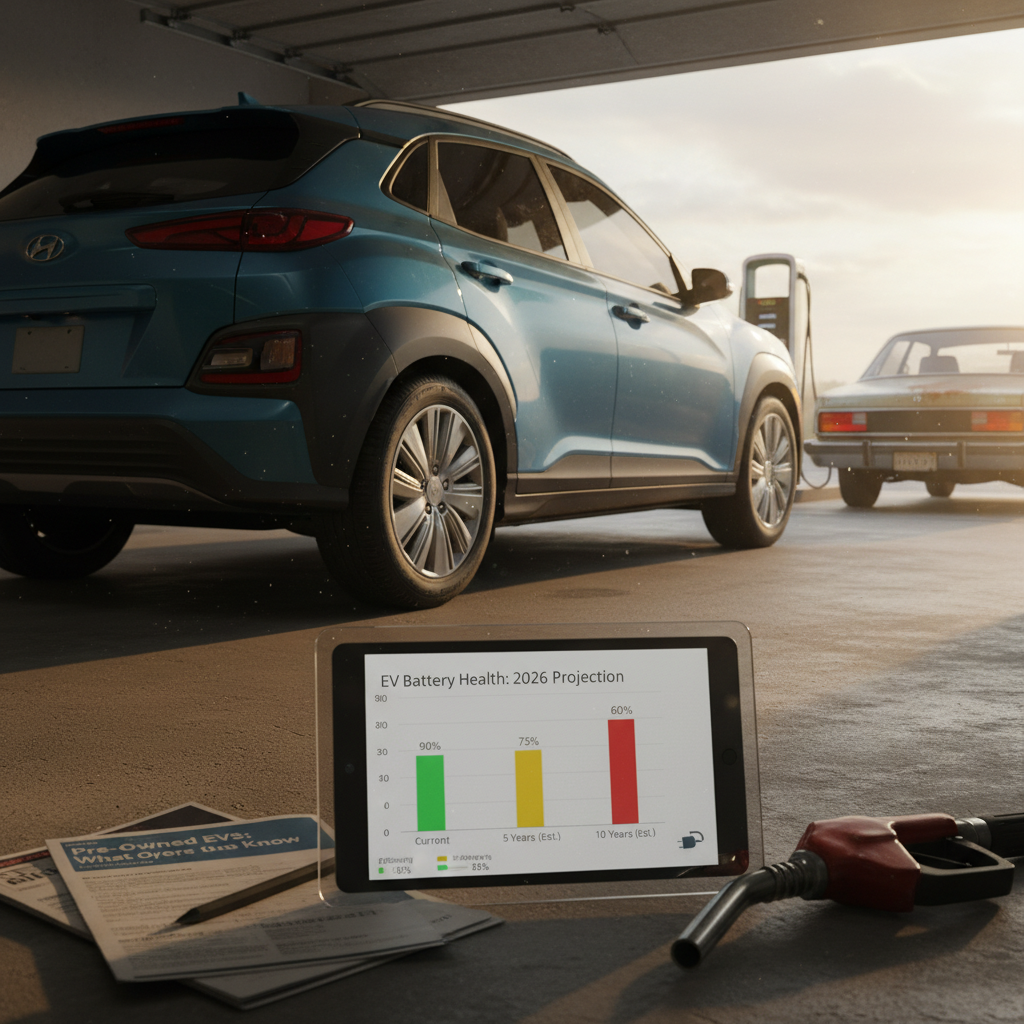
Here’s the good news in the Hyundai Ioniq 5 reliability story: the high‑voltage battery packs themselves have aged surprisingly well so far. We’re now several years into real‑world use of 2022–2023 cars, and widespread reports of packs falling off a cliff simply haven’t materialized. Range loss is present, as it is on any EV, but typically modest for mileage and age.
Battery longevity
- The 77.4 kWh pack on most U.S. Ioniq 5s is proving durable, with many owners reporting minor, gradual range loss rather than sudden degradation.
- Hyundai backs the pack and drive motor with a 10‑year/100,000‑mile warranty in the U.S., which is competitive even by EV standards.
- Heat management on the E‑GMP platform is solid; you don’t see the same pattern of rapid capacity loss that plagued some early‑generation EVs.
Charging electronics
- The headline issue is the ICCU, the brain that orchestrates charging. When it fails, the car may refuse to DC fast charge, charge slowly, or in some cases not move at all.
- There have also been on‑board charger and inverter faults that show up as repeated Level 2 charging failures or errors at public stations.
- These problems are typically covered under warranty, but parts availability and dealer expertise can mean weeks of downtime when things go wrong.
How to stress‑test charging on a test drive
Everyday ownership: what it’s like to live with
So what does Hyundai Ioniq 5 reliability feel like from behind the wheel, day in and day out? When it’s behaving, fantastic. The ride is supple, the cabin is airy and cleverly laid out, and the 800‑volt architecture makes road‑trip charging genuinely easy in much of the U.S. The trouble is that a handful of owners don’t get to enjoy that serenity because they’re busy fighting electrical ghosts.
Real‑world pros and cons that affect perceived reliability
Not every “problem” shows up as a fault code.
Quiet, relaxed cabin
When it’s working, the Ioniq 5 is a refuge: quiet, comfortable, and stress‑reducing. That takes the edge off small issues; people forgive a lot when a car is this pleasant to drive.
Software quirks
Glitchy wireless phone integration, random driver‑assist warnings, or a frozen infotainment screen won’t strand you, but they do create a sense that the car is a little unfinished.
Dealer experience
Hyundai’s EV dealer expertise is uneven. Some owners report excellent, proactive care; others describe long waits and staff who are clearly learning on the job.
Where the Ioniq 5 shines long‑term
Used Ioniq 5 buying checklist for 2026
In 2026, the Hyundai Ioniq 5 is a tempting used buy: depreciation has done its work, and supply is finally catching up with demand. But this is not the kind of EV you buy purely on paint color and monthly payment. Here’s a structured way to separate the keepers from the potential headaches, exactly the approach we use at Recharged when we score used Ioniq 5s.
Critical checks before you buy a used Hyundai Ioniq 5
1. Scan for recalls and campaigns
Run the VIN through NHTSA and Hyundai’s owner site and confirm that all open recalls and service campaigns, especially anything related to the ICCU, brake software, or high‑voltage components, have been completed.
2. Review charging and electrical history
Ask directly about any past no‑start, dead‑12‑volt, or charging issues. Look for service records that mention the ICCU, on‑board charger, or repeated 12‑volt battery replacements. A car that’s had a major fix once and has been stable since can be fine; a car that’s been back three times for mysterious electrical issues is one to walk away from.
3. Test both Level 2 and DC fast charging
On your pre‑purchase drive, plug into a 240‑volt Level 2 station and then a DC fast charger. Verify that the car charges near expected speeds, doesn’t drop out unexpectedly, and recovers cleanly if you stop and restart a session.
4. Check battery health and range realism
Compare the displayed range at a given state of charge with EPA numbers and owner reports. A little loss is normal; dramatically low range for the mileage deserves investigation. A third‑party battery health report, like the Recharged Score, gives you more than just a guess.
5. Inspect tires, brakes, and suspension
The Ioniq 5 is quick and heavy. Uneven tire wear, noisy suspension components, or spongy brakes can show that a prior owner drove it hard and skimped on maintenance. None of this is unique to EVs, but it’s your chance to spot abuse.
6. Evaluate dealer and warranty situation
Confirm that the car still qualifies for Hyundai’s EV component and battery warranty based on age and mileage, and get a feel for your local dealer’s EV competence. A generous warranty is worth less if the nearest knowledgeable shop is three states away.
How Recharged vets Ioniq 5 reliability
When the Ioniq 5 is a great used buy, and when to walk
Smart scenarios to buy
- A 2023–2025 Ioniq 5 with a clean charging history, all recalls done, and documented ICCU/12‑V updates where applicable.
- A car with slightly higher miles but a stack of detailed service records, showing one early electrical issue that was fixed and never returned.
- A used example that’s been independently tested, battery, charging, and software, by a specialist like Recharged, with transparent reporting.
Good reasons to walk away
- Repeated no‑start or dead‑car incidents with vague service documentation or multiple “could not replicate” notes.
- Current or recent charging failures on either Level 2 or DCFC that the seller dismisses as “probably the station.”
- A car that’s been sitting for long periods with a discharged 12‑volt battery and no record of proper diagnosis. Cheap jump‑starts can hide expensive underlying faults.
Don’t romanticize the good deal
FAQ: Hyundai Ioniq 5 reliability in 2026
Frequently asked questions about Hyundai Ioniq 5 reliability (2026)
Bottom line: is the Hyundai Ioniq 5 reliable in 2026?
In 2026, the Hyundai Ioniq 5 is best understood as a brilliant first‑generation EV with a few sharp edges. If you roll the dice blindly, you might land an example that spends too much time on a flatbed. If you buy carefully, checking recalls, interrogating its charging history, and verifying battery health, you can end up with one of the most charming, livable EVs on the road for the money.
That’s where a data‑driven marketplace like Recharged earns its keep. Every used Ioniq 5 we list comes with a Recharged Score Report covering battery health, charging performance, and known Ioniq 5 pain points, so you’re not relying on guesswork or a seller’s optimism. Whether you buy through Recharged or not, use the same standard: prove that the car charges properly, has its software and recalls current, and hasn’t developed a taste for 12‑volt batteries. Do that, and the Ioniq 5 can be a reliable, thoroughly modern companion well into the 2030s.