If you own, or are eyeing, a Rivian R1T, you’re probably wondering what happens when the factory warranty runs out. Electric pickups promise lower maintenance than gas trucks, but the Rivian R1T after-warranty costs you might face are still real money. The good news: with a bit of planning and the right information, you can avoid being blindsided.
Key takeaway
Why Rivian R1T after-warranty costs matter
The Rivian R1T is an all-electric, adventure-focused pickup with premium pricing and complex engineering, quad motors, air suspension, sophisticated software, and a massive high-voltage battery. Once warranty coverage ends, you, not Rivian, are responsible for any surprises. Because the R1T is relatively new, long-term data is limited, but we can already see patterns in wear items, insurance, and repairability that affect total cost of ownership.
Rivian R1T long-term ownership snapshot (big picture)
Rivian R1T warranties: what’s covered and when it ends
Before you can predict after-warranty costs, you need to know exactly when each part of your R1T stops being covered. While details can vary slightly by model year, here’s the general structure most owners will see in the U.S.
Typical Rivian R1T warranty coverage by component
Approximate coverage periods for major components on most Rivian R1T trucks in the U.S. Always confirm specifics for your VIN and model year.
| Component | Typical Coverage | What It Includes | What Happens After |
|---|---|---|---|
| Basic (bumper-to-bumper) | 4 years / 50,000 miles | Electronics, interior, HVAC, many suspension parts, most defects | Owner pays for diagnostics and repairs. |
| Powertrain / Drive Units | Often 5–8 years / 60,000–175,000 miles | Motors, gearboxes, some high-voltage components | Out-of-warranty motor or gearbox repairs can run into the thousands. |
| High-voltage Battery | Typically 8 years / ~175,000 miles (capacity guarantee) | Battery pack defects and severe capacity loss thresholds | Major battery work becomes a large out-of-pocket risk if it fails outside warranty. |
| Corrosion / Perforation | Often 8–12 years (limited) | Rust-through on body panels (not surface rust) | Severe rust repairs are unlikely but costly. |
Knowing which components age out first helps you anticipate when you’ll be on the hook for repairs.
Don’t guess, check your truck’s exact coverage
Common after-warranty expenses on a Rivian R1T
Most R1T owners won’t immediately face a failed battery pack the day the warranty ends. Instead, day-to-day after-warranty costs tend to come from the same places they do on any heavy, high-performance truck: suspension, alignment, tires, brakes, and cosmetic repairs. Here’s where you’re most likely to spend money once the basic coverage expires.
Four main buckets of Rivian R1T after-warranty costs
Understanding where costs come from helps you budget realistically.
Wear-and-tear mechanical items
Expect periodic spending on:
- Alignment (especially if you off-road)
- Air suspension components as the truck ages
- Steering and control-arm bushings
Tires and brakes
The R1T is heavy and powerful, so:
- Performance all-terrain tires wear faster
- High load-index tires cost more than half-ton truck rubber
- Brake pads and rotors still age, even with regen
Collision and bodywork
Aluminum panels, cameras, radar, and sensors make crash repairs expensive, especially out of warranty.
Electronics and accessories
Window regulators, seat motors, HVAC controls, powered tonneau covers, and lighting can fail outside coverage and often require specialized service.
Plan for a yearly “truck fund”
Battery and drivetrain failures: the big-ticket risks
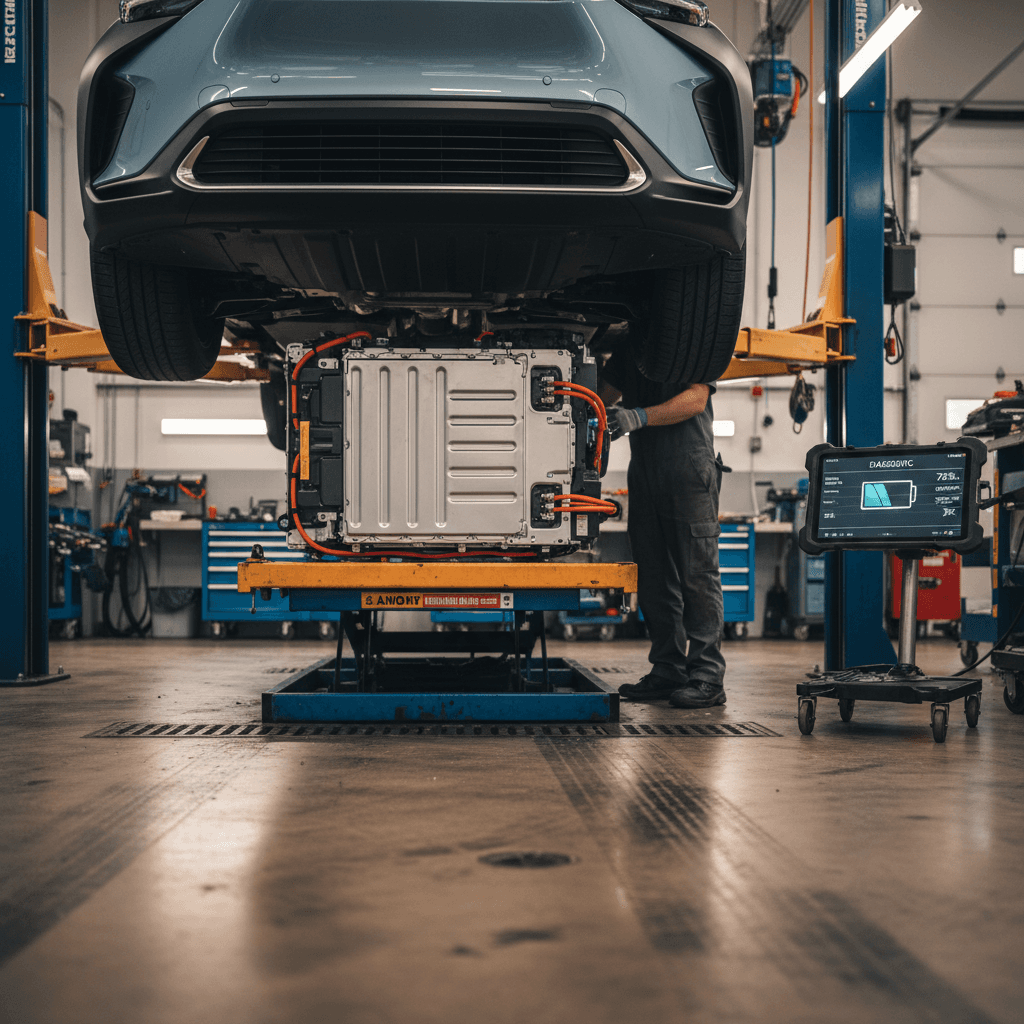
The question every EV truck owner asks is: “What happens if the battery or motors fail when I’m out of warranty?” The reality is that complete pack failures are still uncommon, but if they occur with no warranty support, they are expensive enough to change the math on keeping, or buying, a truck.
High-voltage battery pack
- Full pack replacement can easily reach five figures. With most R1T trucks still under battery warranty, hard data is limited, but large-pack EV replacements elsewhere often run well above $10,000 at OEM service rates.
- Module-level repairs may cost less if Rivian offers them out of warranty, but you should still think in terms of several thousand dollars, not a couple hundred.
- Degradation vs. failure: Gradual range loss is normal; a sudden dramatic drop or inoperable pack is what generates large invoices.
Drive units and power electronics
- The quad-motor layout means you have four separate drive units. A failure of one unit or its associated inverter can cost several thousand dollars when not covered.
- Because access and calibration are complex, these are not typical independent-shop jobs yet in most markets.
- Your best hedge is to make sure any used R1T you buy has documented service history and, ideally, remaining powertrain coverage.
Why battery health data matters on a used R1T
Suspension, brakes, tires, and bodywork
Rivian markets the R1T as an adventure machine, and many owners use it that way: off-road, towing, and hauling. All of that is fun, but it’s also hard on a 7,000+ pound truck. Once your basic warranty expires, these are the systems most likely to tap your wallet.
Typical out-of-warranty wear costs for Rivian R1T owners (ballpark ranges)
These are illustrative estimates to help you budget mentally; actual pricing will vary by region, shop, and model year.
| Item / Service | When It’s Likely Needed | Typical Cost Range | Notes |
|---|---|---|---|
| Four-wheel alignment | Every 12–24 months, sooner if off-roading | $200–$350 | Vital for tire life and stable highway manners. |
| Set of 4 tires (20–22 in) | 30,000–45,000 miles depending on use | $1,200–$2,000+ installed | All-terrain and high-load EV-spec tires cost more than light-duty truck tires. |
| Brake pads & rotors (axle) | 60,000+ miles is common with regen, but depends on driving | $500–$1,200 per axle | Rust and heavy towing can shorten life, even with regenerative braking. |
| Air suspension component (single air spring, sensor, or valve block) | 5–8+ years, or earlier on rough use trucks | $800–$2,000+ depending on part and labor | Failures aren’t inevitable, but when they occur they’re not cheap. |
| Minor cosmetic repair (scratch, small dent) | Anytime | $400–$1,500 | Modern paint systems and aluminum panels raise the price vs. basic trucks. |
| Collision repair (multi-panel, structural, sensors) | After a notable accident | Several thousand to tens of thousands | Out-of-warranty crash repairs are where many owners feel real sticker shock. |
Treat these numbers as planning tools, not quotes, always get estimates from your local Rivian service center or qualified EV shop.
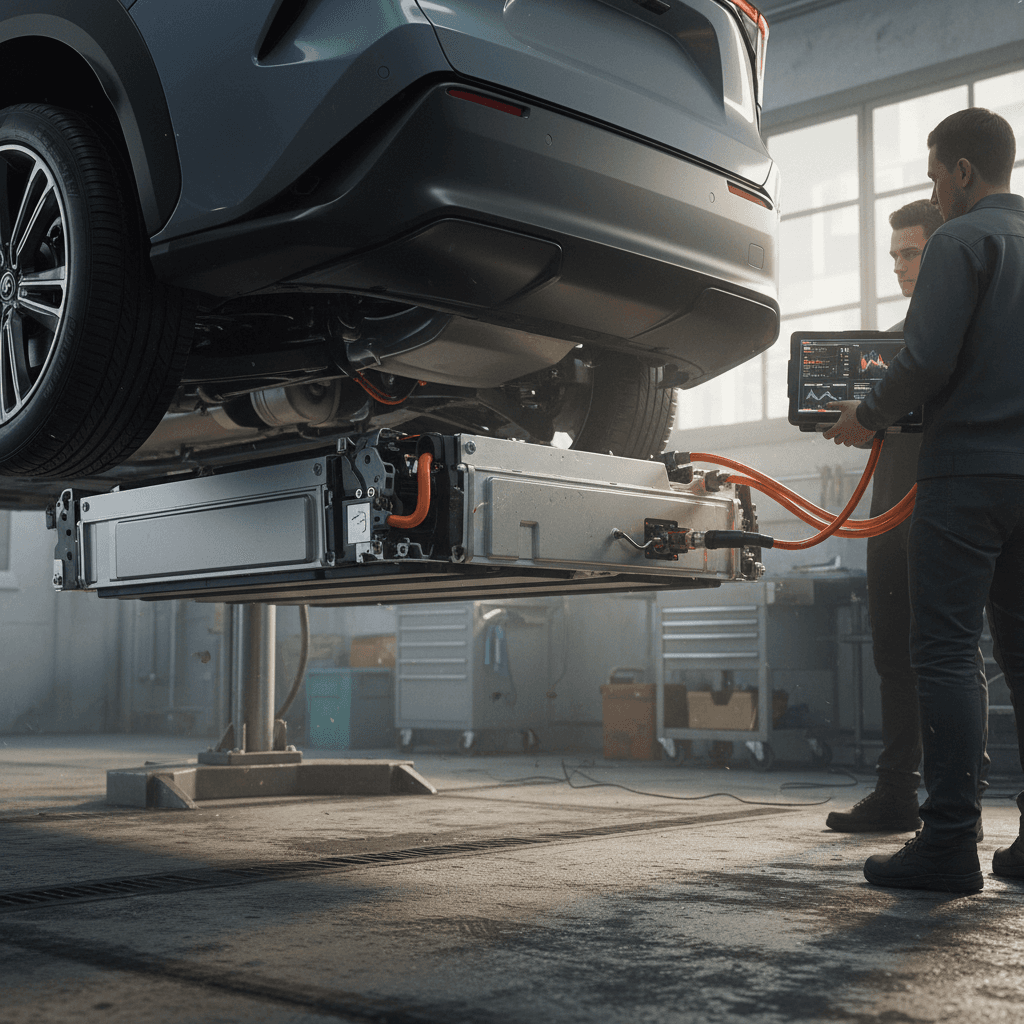
Protect your tires to protect your wallet
Software, connectivity, and subscription costs
Unlike a traditional pickup, your Rivian R1T’s experience depends heavily on software and connectivity. Over-the-air updates are a huge perk, but they also mean some features can move into subscription territory over the truck’s life, especially as Rivian refines its business model.
- Connectivity and data: Long-term, expect to pay some form of connected-services fee if you want live traffic, app-based controls, and some remote features once any initial free period ends.
- Driver-assistance and navigation: If Rivian ever splits advanced driver assistance or premium navigation into paid tiers, you’ll want to budget for that if those features matter to you.
- Out-of-warranty module failures: Failing screens, stereo amps, or body-control modules are uncommon on a young fleet but can result in four-figure repair orders when replacement requires OEM parts and calibration.
The upside of software-heavy trucks
Insurance and depreciation: the hidden costs
Many owners focus on repair bills and forget that insurance and depreciation are often the biggest line items in the cost-of-ownership spreadsheet, especially on a high-value EV truck like the R1T.
Insurance premiums
- R1T insurance can cost more than a similarly priced gas truck because of repair complexity and the need for specialized body shops.
- Advanced driver-assistance systems can help avoid accidents but make repairs more expensive when crashes do occur.
- Shopping coverage annually, considering telematics-based policies, and increasing deductibles are all levers you can pull to control the monthly bite.
Depreciation and resale value
- EVs tend to depreciate faster than many traditional trucks early in their life, especially as new tech and range improvements arrive.
- The flip side: buying a used R1T that has already taken its biggest depreciation hit can substantially reduce your lifetime cost per mile.
- Battery health, accident history, and remaining warranty are the three biggest drivers of resale value on an electric pickup.
How Recharged helps on depreciation
How buying used can reduce R1T after-warranty risk
Buying a used Rivian R1T can actually be a smart way to manage after-warranty costs, if you choose carefully. Instead of paying top dollar for a brand-new truck and absorbing the steepest curve of depreciation yourself, you let the first owner take that hit and focus on finding a well-documented, well-cared-for example.
Advantages of a carefully chosen used Rivian R1T
You’re not just saving on purchase price, you’re managing long-term risk.
Lower capital cost
A used R1T typically costs substantially less than new, so your depreciation per year is often much lower.
Real-world track record
A truck with a couple of years and tens of thousands of miles on it has had time to reveal early defects, which should already be addressed under warranty.
Verified battery health
With tools like the Recharged Score, you get measured battery health and range expectations based on real diagnostics, not guesses.
Why a scored, inspected truck matters
Checklist before your Rivian R1T leaves warranty
If you already own an R1T that’s creeping up on the end of its basic or powertrain warranty, you still have time to shift potential future costs back onto coverage. Use this checklist six to twelve months before your truck ages out.
Pre-expiration checklist to minimize R1T after-warranty surprises
1. Confirm exact warranty end dates
Log into your Rivian account or call support with your VIN to confirm the in-service date and the expiration mileage and dates for your basic, powertrain, and battery warranties.
2. Schedule a comprehensive inspection
Ask a Rivian service center, or a qualified independent EV specialist, to check suspension components, bushings, alignment, tires, brakes, and any minor leaks or noises while you’re still under coverage.
3. Document any odd behavior now
Strange noises, intermittent warning lights, inconsistent charging behavior, or phantom battery drain all deserve attention while Rivian is still on the hook for diagnostics and many repairs.
4. Verify software and recall status
Make sure your truck is fully updated and that all recalls or service campaigns have been completed. These can address known issues at no cost to you.
5. Evaluate your tire and brake timeline
If you’re close to needing tires or brakes, budget for them now. Don’t wait to hit cords or metal-on-metal; emergency replacements are always more expensive.
6. Get a battery health snapshot
Even if your high-voltage warranty still has years left, knowing your current state-of-health gives you a baseline. If you ever sell the truck, or buy one used, that data is extremely valuable.
FAQ: Rivian R1T after-warranty costs
Frequently asked questions about R1T after-warranty ownership
Bottom line on R1T after-warranty ownership
The Rivian R1T is a remarkable truck, quick, quiet, capable, and a genuinely new take on what a pickup can be. But like any complex, premium vehicle, it’s not immune to after-warranty costs. Your day-to-day expenses will likely center on tires, alignments, brakes, and the occasional suspension or electronic repair, while the true financial outliers are rare but expensive failures of the battery, drive units, or body structure.
If you’re shopping used, the smartest play is to buy a truck with clear service history, remaining coverage where possible, and verified battery health. That’s exactly what Recharged was built for: every EV we offer, including trucks like the R1T, comes with a Recharged Score battery-health report, transparent pricing, and EV‑specialist support from test drive to delivery. With the right truck and the right information, Rivian R1T ownership past the warranty period doesn’t have to be a gamble, it can simply be the next confident chapter in your EV journey.