Buy an EV

  • EVs for sale
  • Learn about EVs
  • Articles
  • Charging

Sell or trade

  • How it works

Financing

  • Get pre-qualified
  • Credit application

Contact us

  • Book a consultation
  • Call us at (804) 390-5910
  • Email us at hello@recharged.com
  • Visit our Experience Centers
    • Richmond, VA
    • Fairfax, VA
    • Charlotte, NC

© 2025 Recharged. All Rights Reserved.

7-Day Return Policy·Privacy Policy·SMS Opt-In·Do Not Sell or Share My Information·
TikTokYouTubeInstagramLinkedInFacebook
    Hyundai Ioniq 5 Range in Cold Weather: Real Numbers & Winter Tips
    Battery & Range·9 min read·By Recharged Editorial Team

    Hyundai Ioniq 5 Range in Cold Weather: Real Numbers & Winter Tips

    hyundai-ioniq-5cold-weather-rangewinter-drivingbattery-healthev-rangeheat-pumpbattery-preconditioningused-evsdc-fast-charging

    Table of Contents

    • Hyundai Ioniq 5 EPA range: your starting point
    • How much range you’ll lose in winter
    • Why cold weather cuts Ioniq 5 range
    • Ioniq 5 features that help in the cold
    • Real-world Ioniq 5 winter range examples
    • Driving habits that make or break winter range
    • Winter range checklist for Ioniq 5 drivers
    • Shopping used? Winter range questions to ask
    • Hyundai Ioniq 5 cold weather range: FAQ
    • Bottom line: how worried should you be?

    If you own a Hyundai Ioniq 5 or you’re thinking about buying one, you’ve probably heard the horror stories about EV range in cold weather. The good news is that the Hyundai Ioniq 5 actually holds up better than many electric SUVs in winter. The key is knowing what its range looks like once the temperature drops, and how to use the car’s tech to your advantage instead of fighting it.

    Quick take: Ioniq 5 range in cold weather

    Most Hyundai Ioniq 5 drivers see about 10–20% winter range loss around freezing and closer to 25–30% in deep cold, especially with short trips and high speeds. For a long-range Ioniq 5 rated around 260–318 miles, that usually means roughly 180–230 miles of practical winter range on the highway when you plan ahead.

    Hyundai Ioniq 5 EPA range: your starting point

    Before you can make sense of Hyundai Ioniq 5 range in cold weather, you need a baseline. That’s the EPA range number printed on the window sticker and in the spec sheet. Think of it as a best‑case, mild‑weather estimate on relatively gentle driving. Real life, especially winter, will chip away at it.

    Hyundai Ioniq 5 EPA-estimated range by battery and drivetrain

    These are representative EPA range ratings for recent U.S. Ioniq 5 model years. Exact numbers vary slightly by year and trim, but the pattern is the same: rear‑wheel drive models go farthest; standard range and AWD trims trade some range for cost or traction.

    Battery / DrivetrainExample trims (2025–2026)EPA range (mi)
    Standard Range RWD (smaller pack)SE RWD (Standard Range)~220–245
    Long Range RWD (large pack)SE / SEL / Limited RWD~303–318
    Long Range AWDSE / SEL AWD~269–290
    Long Range AWD (off-road style)XRT AWD~259–269

    Use these EPA numbers as your summer benchmark, then apply winter‑weather discounts in later sections.

    Don’t compare yourself to the wrong number

    Your Ioniq 5’s **EPA rating is not a guarantee**, especially in winter. Treat it as a sunny‑day, mixed‑driving benchmark. For cold‑weather planning, assume you’ll get 70–85% of that EPA number depending on how harsh your conditions are.

    How much range you’ll lose in winter

    Typical Hyundai Ioniq 5 winter range impact

    10–20%
    Typical loss
    Common in light winter use around freezing (25–35°F) with mixed city/highway driving.
    25–30%
    Deep-cold loss
    Possible below about 15°F, with highway speeds, wind, snow, and frequent short trips.
    ~85%
    Cold-weather retention
    The Ioniq 5 tends to hold roughly 80–85% of its ideal range in freezing conditions, slightly better than many EVs.
    180–230 mi
    Real winter range
    What many long‑range Ioniq 5 owners see on cold‑weather highway trips from a 260–318‑mile EPA rating.

    Put simply, if your trim is rated for about 300 miles, a realistic cold‑weather plan is to treat it like a 210–240‑mile car, especially on the highway. On short, stop‑and‑go city trips in the cold with a warm cabin, it can feel more like 180–200 miles between charges because you’re paying a bigger penalty to keep the cabin comfortable.

    A simple winter planning rule

    Take your Ioniq 5’s EPA range and multiply by **0.7 for worst‑case winter highway** and **0.8–0.85 for typical cold‑weather driving**. If that number still fits your daily routine with 15–20% battery left at the end, you’re in good shape.

    Why cold weather cuts Ioniq 5 range

    Cold weather doesn’t single out the Ioniq 5, every EV loses range when temperatures drop. But understanding the “why” helps you figure out how much of that loss you can control and how much is just physics doing its thing.

    The main culprits behind winter range loss

    Some you can manage, some you simply plan around.

    Colder battery chemistry

    Lithium‑ion batteries are less efficient when cold. Internal resistance goes up, so the pack can’t easily accept or deliver as much energy. Your Ioniq 5 uses some of its own energy to warm the pack, good for performance, but it eats into range.

    Cabin heating draw

    Unlike a gas car that gets free cabin heat from a wasteful engine, an EV has to power its heater from the battery. The Ioniq 5’s heat pump is efficient, but on very cold days the heater can sip several kilowatts just to keep the cabin comfortable.

    Air density & rolling resistance

    Cold air is denser, and snow, slush, or winter tires all add drag. Highway speeds that were easy on the battery at 70°F become noticeably harsher at 20°F, even before you turn the heat on.

    How this feels from the driver’s seat

    You’ll notice three things first: your projected range drops as soon as the car is cold‑soaked, the **first few miles** of a drive are surprisingly inefficient, and cabin heat seems to nibble away at your range more than the A/C ever did in summer.

    What you can and can’t fix

    You can’t change physics, but you can change how much range you waste on warm‑up cycles, unnecessary high speeds, and blasting the cabin like a sauna. The rest of this guide is about stacking small wins so your winter range looks a lot less scary.
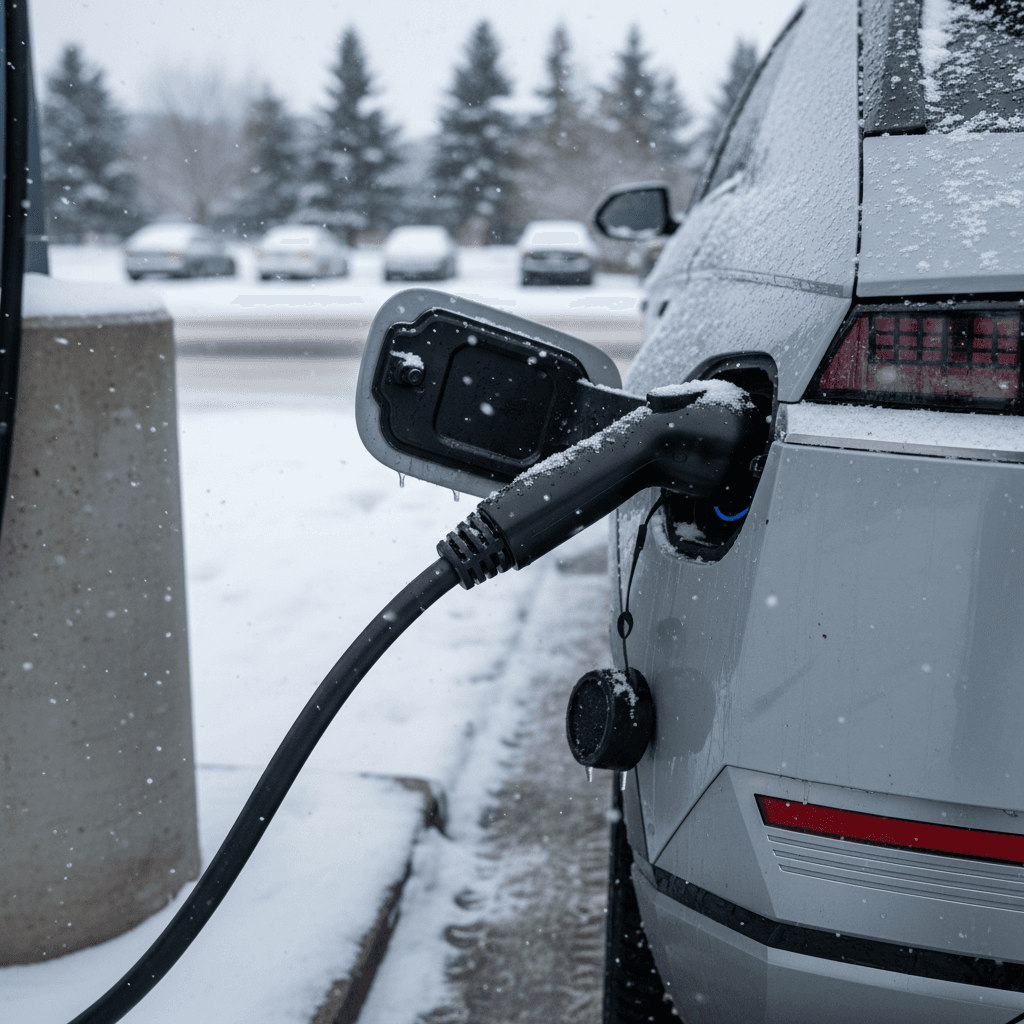
    Hyundai Ioniq 5 charging at a public fast charger while light snow falls, illustrating winter EV charging conditions
    Fast charging a cold battery will be slower unless the Ioniq 5 has time to warm the pack first. Preconditioning and smart routing make a big difference in winter.

    Ioniq 5 features that help in the cold

    Hyundai didn’t leave you defenseless. The Ioniq 5 comes with a **heat pump**, clever battery‑warming tech, and software updates that have quietly made cold‑weather behavior better since the 2022 launch. The exact features you have will depend on model year and options, which matters if you’re shopping used.

    Key Ioniq 5 winter-friendly features

    Know what your car can do, and how to use it.

    Heat pump HVAC

    Most U.S. Ioniq 5s include a heat pump, which scavenges waste heat from the power electronics and battery. That means far more efficient cabin heating from about 20–40°F than an EV with only a resistive heater.

    Battery warming / winter mode

    Earlier Ioniq 5s used a "Winter Mode" and background battery conditioning to bring the pack up to temperature when it was very cold. Later software updates refined this behavior so the car quietly warms the battery when needed for driving and charging.

    Battery preconditioning for DC fast charging

    Newer Ioniq 5s, and earlier cars that have had the software update, offer battery preconditioning. When you navigate to a supported fast charger, the car warms the battery before you arrive so you can charge closer to its 230 kW peak instead of crawling at low power.

    Model years and preconditioning, in plain English

    Early 2022 Ioniq 5s in North America launched without user‑visible battery preconditioning for fast charging. Hyundai later rolled out updates and newer model years baked it in. If you’re looking at a used Ioniq 5, ask the seller which software version it’s on and whether battery preconditioning is available and enabled.
    • Use the **hybrid heated seat + mild cabin temp** combo instead of cranking the cabin to 75°F; it’s much more efficient.
    • Turn on **steering‑wheel heat** when you have it; keeping your hands and core warm matters more than heating unused space.
    • If your car offers scheduled climate, **pre‑heat while plugged in** so the cabin (and battery, indirectly) warm up on shore power instead of from the high‑voltage pack.

    Real-world Ioniq 5 winter range examples

    Numbers are comforting, but what you really want to know is, “What will my day look like?” Here are some realistic scenarios that line up with what Ioniq 5 owners and independent tests report in cold climates.

    Sample Ioniq 5 winter range scenarios

    These are illustrative, not guarantees, but they give you a grounded sense of what to expect when temperatures drop.

    ScenarioConditionsTrim typeRealistic usable winter range
    Suburban commute, light winter25–35°F, mix of city and 45–60 mph, cabin at 68°F, some pre‑heat on plugLong Range RWD (~303–318‑mi EPA)~220–250 miles
    Cold highway road trip10–25°F, 70–75 mph, dry roads, cabin at 70°FLong Range AWD (~269–290‑mi EPA)~185–220 miles
    Short-hop errands all day15–30°F, 2–5 mile trips with cool‑downs between, cabin always warmAny long‑range trimFeels like ~150–190 miles between charges
    Deep‑cold ski weekend0–15°F, climb to elevation, snow tires, loaded with gearLong Range AWD or XRTPlan around ~65–70% of EPA rating

    Assumes a healthy battery and tires properly inflated for winter.

    Why short trips are range killers

    An EV is least efficient when it’s working to warm a cold battery and cabin. If you do three 5‑mile drives with long gaps in between, your Ioniq 5 has to warm itself up three separate times. Whenever you can, **combine errands into one longer loop** in winter and you’ll see your efficiency jump.

    Driving habits that make or break winter range

    The Hyundai Ioniq 5’s hardware is excellent; your right foot and your climate‑control habits decide the rest. A few changes in how you drive and charge can give you back dozens of miles of range on a cold day.

    High-impact habits for better cold weather range

    None of these are painful, together they add up.

    Tame your highway speed

    Above about 65 mph, aerodynamic drag increases quickly, more so in cold, dense air. Dropping from 75 mph to 65 mph on the highway can easily save **10–15% of your consumption**, which is the difference between one more fast‑charge stop or not.

    Choose Eco or Normal, not Sport

    Sport mode wakes up the throttle and encourages rapid acceleration. In winter, that’s wasted energy and more wheelspin. Eco or Normal mode with a steady foot keeps the Ioniq 5 comfortable while letting the car’s efficiency tuning do its job.

    Charge smart between 10–80%

    In winter, try to stay between about 10–80% state of charge on road trips. Below 10%, the car may slow power to protect the pack, and above 80% charging slows sharply, so you sit longer in the cold for very little extra range.

    Use regen paddles wisely

    The Ioniq 5’s adjustable regenerative braking can recapture a lot of energy in stop‑and‑go traffic. In slippery conditions, step regen down a notch if it feels grabby, but otherwise let the car harvest that free energy instead of burning it as heat in the friction brakes.

    Plan winter routes around chargers, not the other way around

    On a bitter day, it’s worth choosing a route that passes a reliable fast charger, even if it adds 5–10 minutes. That keeps your **buffer above 15–20%**, reduces stress, and gives the car more opportunities to warm the battery with DC power instead of nibbling at your remaining range.

    Winter range checklist for Ioniq 5 drivers

    Cold-weather game plan for your Ioniq 5

    1. Start with realistic range math

    Take your trim’s EPA range and multiply by 0.8 for typical winter, 0.7 for worst‑case highway in deep cold. Plan trips around that number, not the big headline on the window sticker.

    2. Warm the car while plugged in

    Whenever possible, schedule cabin pre‑heat while connected to a Level 2 charger at home or work. You arrive to a comfortable cabin and a battery that’s already easing toward its happy temperature.

    3. Use seat and wheel heat first

    Set the cabin to a modest temperature (66–70°F) and lean on heated seats and steering wheel. They use far less energy than constantly reheating cold cabin air.

    4. Combine short trips

    Instead of three cold starts for separate errands, bundle them into a single loop. That way the Ioniq 5 only has to pull itself (and you) out of the deep‑freeze once.

    5. Check your tires and pressures

    Cold weather knocks several PSI out of your tires. Under‑inflated or aggressive winter tires can steal range. Keep pressures at the door‑jamb spec and consider low‑rolling‑resistance winter options if you drive in snow all season.

    6. Learn and use battery preconditioning

    If your Ioniq 5 supports it, get comfortable using navigation‑triggered battery preconditioning for DC fast charging. You’ll spend far less time at the charger when the pack is already warm.

    Shopping used? Winter range questions to ask

    If you’re considering a used Hyundai Ioniq 5, winter range should be part of your shopping conversation, especially if you live in the Snow Belt or do regular ski trips. The good news: the Ioniq 5’s battery chemistry has held up well so far, and smart shoppers can find cars that are already updated with the latest cold‑weather software.

    Key winter questions for used Ioniq 5 shoppers

    These help you understand how the car will behave once the temperature drops.

    Which battery and drivetrain?

    Ask whether it’s Standard Range or Long Range, RWD or AWD. A long‑range RWD car will always have the best winter buffer; AWD trims trade some range for traction and performance.

    What software is it running?

    Ask the seller or dealer which software version is installed and whether **battery preconditioning for fast charging** is available and enabled. This makes a big difference in both winter charging time and day‑to‑day convenience.

    How’s the battery health?

    A healthy pack means your winter range loss is mostly about weather and driving habits, not hidden degradation. At Recharged, every Ioniq 5 comes with a Recharged Score battery health report so you can see how much capacity the car still has before you buy.

    Where Recharged fits in

    If you’re nervous about buying a used EV and then discovering it’s weak in winter, Recharged can help. We provide a **full digital buying experience** with expert EV support, verified battery health via our Recharged Score, fair pricing, financing, and even trade‑in options, plus nationwide delivery from our Experience Center in Richmond, VA. You get a clear picture of how an Ioniq 5 will fit your real‑world (and real‑winter) life before you commit.

    Ready to find your next EV?

    Browse Vehicles

    Hyundai Ioniq 5 cold weather range: FAQ

    Frequently asked questions about Ioniq 5 range in cold weather

    Bottom line: how worried should you be?

    If you’re eyeing a Hyundai Ioniq 5 and winter is a fact of life where you live, you don’t need to panic, you just need to be realistic. Expect your **Hyundai Ioniq 5 range in cold weather** to land around 70–85% of its EPA rating depending on temperature, speed, and how you use the heat. The car’s heat pump and battery‑warming tech put it ahead of plenty of rivals, but no EV is immune to physics.

    Treat the EPA range as a summer best case, plan your winter drives around a slightly smaller number, and lean on tools like cabin pre‑heat, seat heaters, and battery preconditioning for fast charging. Do that, and the Ioniq 5 becomes a confident, comfortable all‑weather companion, not just a fair‑weather commuter. And if you’re shopping used and want a clear, data‑backed view of battery health before you sign, a Recharged Ioniq 5 with a full Recharged Score report can take a lot of the guesswork, and winter‑range anxiety, out of the equation.
    Hyundai IONIQ 5 on Recharged

    See all →
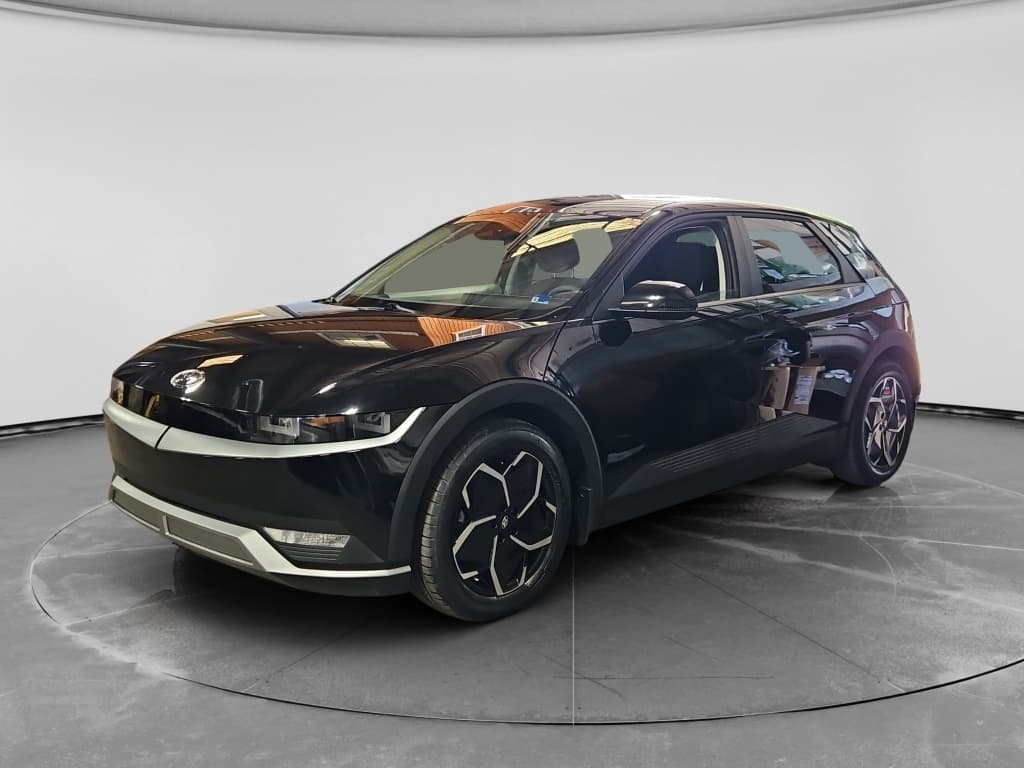
    2024 Hyundai IONIQ 5

    2024 Hyundai IONIQ 5

    SE•9K mi•252 mi range
    4.6/5Recharged Score
    $26,997
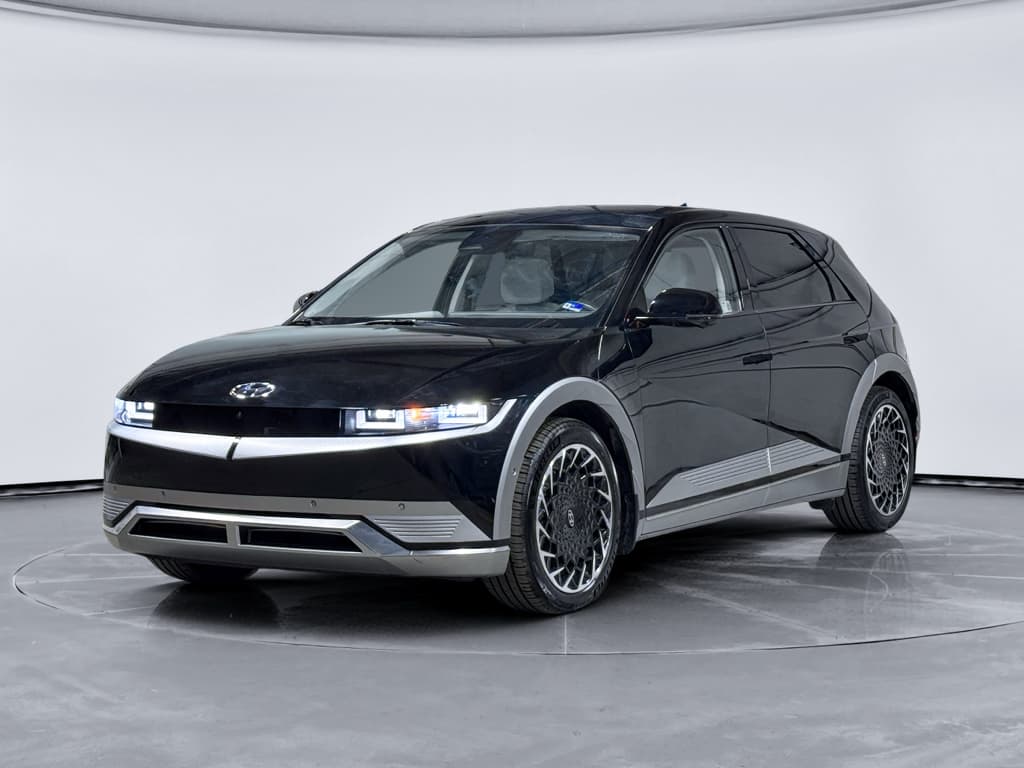
    2024 Hyundai IONIQ 5

    2024 Hyundai IONIQ 5

    Limited•30K mi•260 mi range
    4.8/5Recharged Score
    $31,997
    2024 Hyundai IONIQ 5

    2024 Hyundai IONIQ 5

    SEL•21K mi•303 mi range
    Pending Recharged Score
    $24,996

    Related Articles

    How Long Does It Take to Charge a Nissan Leaf? Real-World Guide
    Charging·9 min

    How Long Does It Take to Charge a Nissan Leaf? Real-World Guide

    Wondering how long it takes to charge a Nissan Leaf? Compare Level 1, Level 2, and DC fast charging times for 24–62 kWh Leafs, plus tips to speed things up.

    nissan-leafleaf-chargingev-charging
    BMW i4 Long-Term Ownership Cost: What You’ll Really Spend
    Ownership & Costs·10 min

    BMW i4 Long-Term Ownership Cost: What You’ll Really Spend

    See the true long-term ownership cost of the BMW i4, depreciation, charging, maintenance, insurance and repairs, plus tips to save with a used i4.

    bmw-i4ev-ownership-costsused-ev-buying
    Kia EV9 vs. Kia Telluride: True Cost Comparison for 2026
    Reviews & Comparisons·11 min

    Kia EV9 vs. Kia Telluride: True Cost Comparison for 2026

    See how the 2026 Kia EV9 and Kia Telluride really compare on price, fuel, maintenance, and resale in 2026. Understand total ownership costs before you buy.

    kia-ev9kia-telluridecost-of-ownership