If you’re searching for a Hyundai IONIQ 5 owner review after 2 years, you’re probably past the launch hype and wondering what this EV is like to actually live with, especially if you’re eyeing one used. After a couple of years on the road, real‑world range, charging quirks, software bugs, and long‑term comfort matter more than concept‑car styling or 0–60 times.
The short version
Overview: 2 years with the IONIQ 5
The first IONIQ 5s hit U.S. driveways in early 2022, so we now have plenty of owners past the 2‑year mark with 20,000–50,000 miles. Broadly, feedback clusters into three buckets:
- Big wins: Styling that still turns heads, ultra‑fast DC charging on road trips, quiet and comfortable highway manners, and a genuinely roomy cabin.
- Minor annoyances: Quirky software, inconsistent route planning for charging, and range that can swing a lot in cold weather or at high speeds.
- Real concerns (for some owners): 12V battery failures, ICCU and charging‑system recalls, and a handful of infotainment or climate‑control issues.
Hyundai IONIQ 5 ownership snapshot
In other words: still a strong EV with a few very specific weak spots. The key for you as a buyer, especially of a used IONIQ 5, is understanding which issues are random noise and which are patterns you can proactively check for. That’s exactly what we’ll unpack in the sections below, along with how tools like a Recharged Score battery health report can de‑risk a used purchase.
What Hyundai IONIQ 5 owners still love after 2 years
IONIQ 5 strengths that hold up long‑term
Where this EV still feels ahead of the pack after 2 years
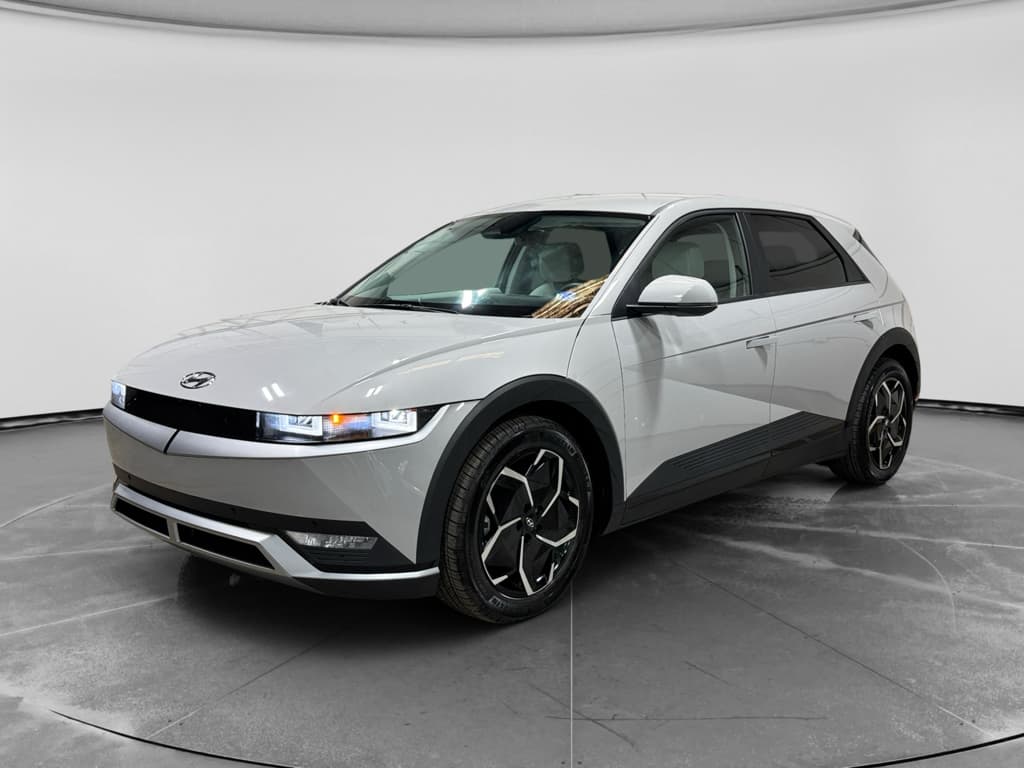
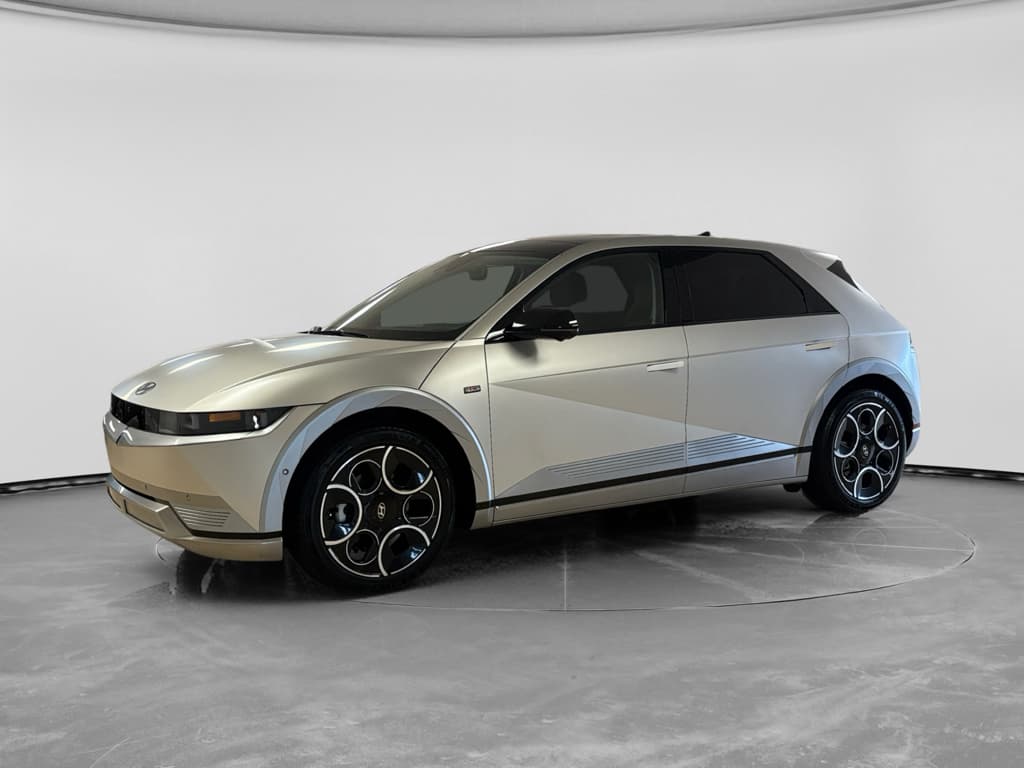
Design that still looks fresh
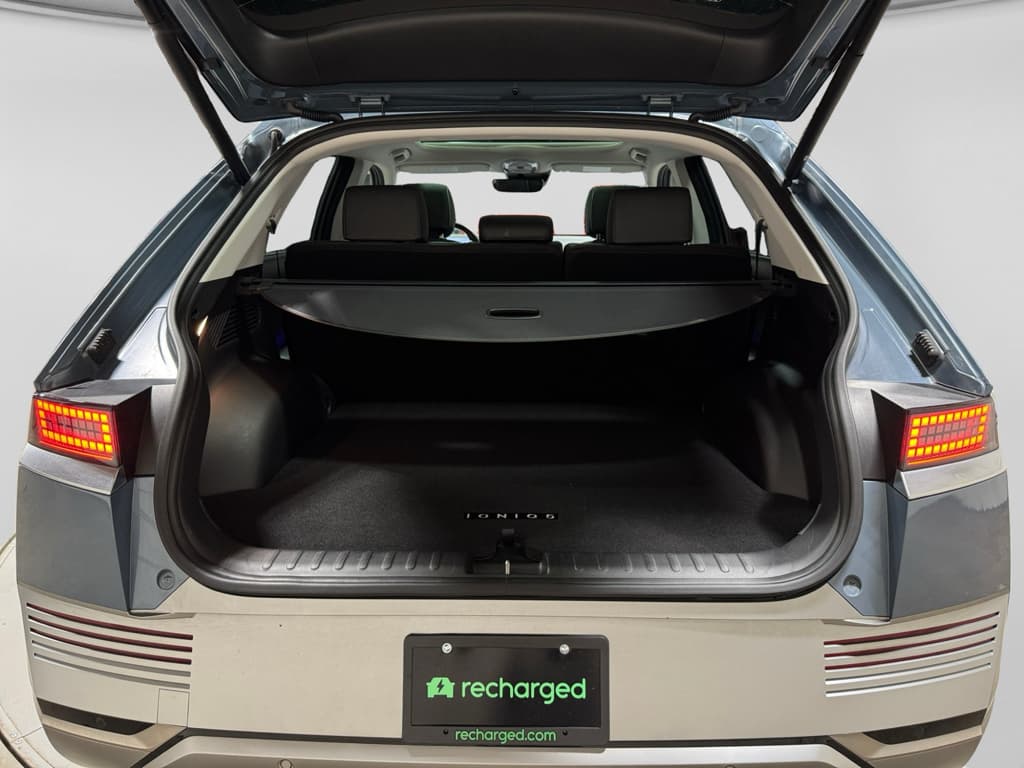
Spacious & comfortable cabin
Fast DC charging
Easy daily charging
Safety & driver assistance
Low running costs
Tip for cross‑shoppers
Real‑world range and efficiency after 2 years
Battery‑electric vehicles tend to lose a small amount of range over time, but for most IONIQ 5 owners at the 2‑year mark, the bigger story is how conditions affect range rather than outright battery wear. Here’s what long‑term drivers actually see day‑to‑day:
Typical real‑world range after 2 years
Approximate owner‑reported ranges for long‑range battery trims in mixed driving.
| Driving scenario | RWD long‑range (77 kWh) | AWD long‑range (77 kWh) | Notes |
|---|---|---|---|
| Mild weather, mixed city/highway | 260–290 mi | 230–260 mi | Close to EPA when driven moderately. |
| 70–75 mph highway, temperate | 220–250 mi | 200–230 mi | Speed is the biggest range killer. |
| Cold weather highway (below freezing) | 170–210 mi | 150–190 mi | Cabin heat + cold battery can cut range sharply. |
| Urban / suburban commuting | 270+ mi | 240+ mi | Low‑speed driving favors the IONIQ 5’s efficiency. |
Numbers below assume healthy batteries and moderate driving; your results will vary with speed, temperature, wheel size, and terrain.
Cold‑weather reality check
After two years, most owners report that the guess‑o‑meter (the in‑car range estimate) is conservative, sometimes leaving them at a charger with more energy remaining than the car predicted. That’s annoying in the short term but reassuring if you’re looking at the car’s long‑term usefulness as a daily driver.
Charging experience: home and public
Charging is where the IONIQ 5 can feel brilliant one day and merely average the next. The underlying 800‑volt hardware is strong; the variance comes from charging networks, software, and how well the previous owner set things up.
Home charging after 2 years
- Most owners rely on Level 2 at 32–48 amps, either via a wallbox or a 14‑50 outlet. A full charge from 10–80% overnight is easy.
- Scheduling & off‑peak rates work well once configured, but some early software versions had buggy timers. Make sure any used car is on the latest firmware.
- Bi‑directional V2L (vehicle‑to‑load) remains a quietly beloved feature, running tools, camping gear, or even a fridge during an outage using the external adapter.
Public & road‑trip charging
- Best case: Plug into a healthy 150–350 kW DC fast charger, arrive warm and low on charge, and you can see very fast charging curves that rival or beat most competitors.
- Worst case: Older or unreliable stations may limit power or fail handshakes. That’s a station problem, but it still affects your experience.
- Upcoming NACS support: Newer Hyundai EVs are transitioning to the Tesla‑style NACS connector, and adapters expand your options. If you plan a lot of road‑tripping, this is worth paying attention to on later‑build used cars.
Home‑charging tip
Battery health and degradation expectations
The IONIQ 5’s high‑voltage pack has generally held up well in its first few years on the road. Most 2‑year owners report only modest drops in usable range, often small enough that it’s hard to separate from day‑to‑day variability in weather and driving style.
- Degradation so far looks modest. For typical use (mixed driving, home charging to 70–80%, few deep discharges), many owners report capacity losses in the mid‑single digits after 2 years, if they can see battery data at all.
- Hyundai’s warranty is generous on paper. The high‑voltage battery is covered for 10 years/100,000 miles in the U.S., with minimum capacity thresholds. That’s reassuring, but it’s also calibrated to catch major failures, not minor losses you might feel in real‑world range.
- Usage patterns matter. Constant 100% charges, frequent DC fast charging from high states of charge, and extreme heat can all accelerate wear. A one‑owner car that was mostly home‑charged and garaged is worth more than a spec sheet suggests.
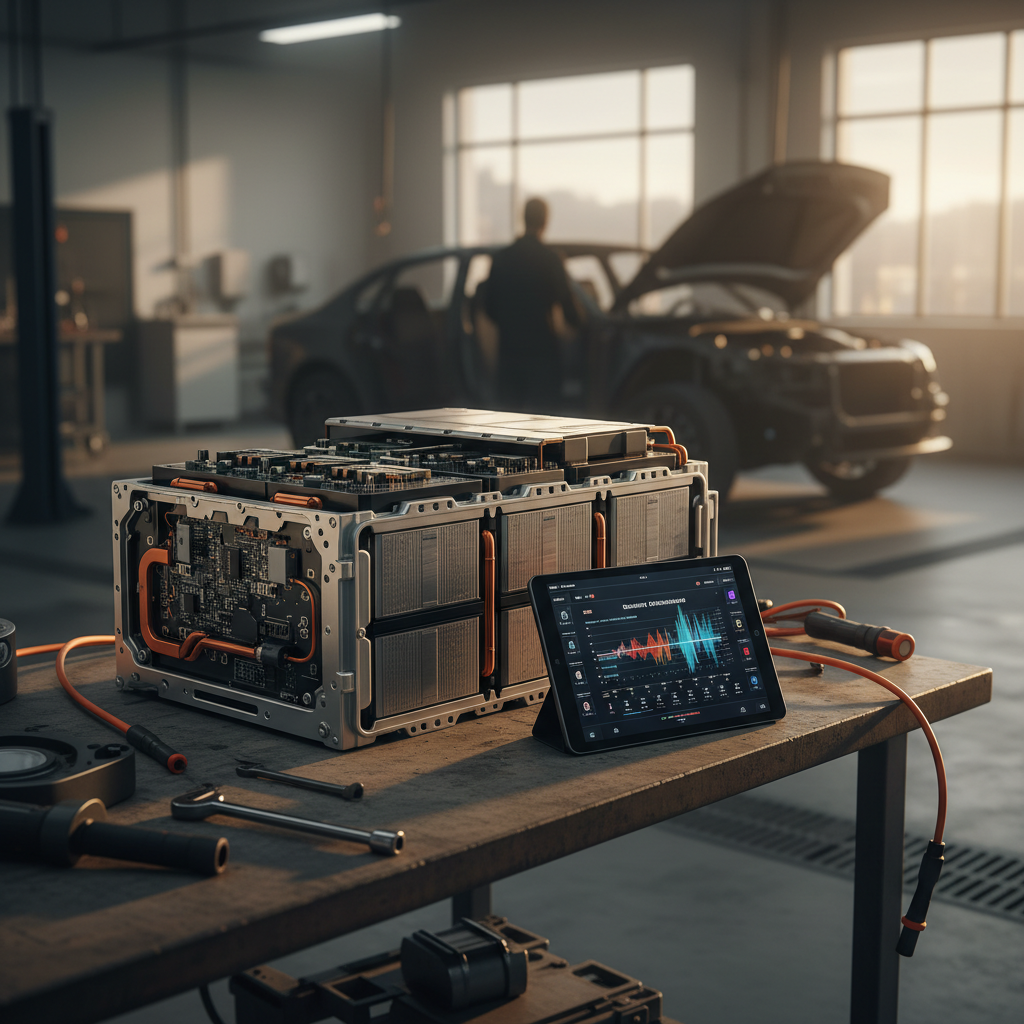
How Recharged measures battery health
Reliability and common issues to watch
No EV is perfect, and the IONIQ 5 is no exception. Overall satisfaction is high, but there are patterns in the repair stories that any 2‑year owner, or used‑car shopper, should understand.
Most frequently reported IONIQ 5 issues
Not every car is affected, but these are the problem areas you’ll see come up repeatedly in owner reports and recall notices.
12V battery failures & drains
ICCU / charging‑system issues
Climate control & heat pump quirks
Infotainment & instrument cluster bugs
Keyless entry & security concerns
Dealer EV expertise is uneven
Non‑negotiable checks on a used IONIQ 5
Comfort, practicality, and tech in daily use
Two years in, the IONIQ 5’s strengths as a family and commuting vehicle are holding up well. If you’re coming from a traditional compact SUV, this will feel roomier inside than the exterior footprint suggests.
Day‑to‑day comfort
- Seats: Most owners find the seats comfortable over long stretches, though a few wish for more thigh support. Limited models with reclining relaxation seats get especially positive reviews.
- Ride quality: RWD trims on smaller wheels ride best. Big‑wheel AWD models can feel a bit firmer and more sensitive to rough pavement.
- Noise: Wind and road noise are well‑controlled for the class; the IONIQ 5 is quieter than many ICE crossovers and about on par with other modern EVs.
Usability & tech
- Storage: The sliding center console, flat floor, and large under‑console area make the cabin surprisingly flexible for bags, laptops, and kid gear.
- Infotainment: Dual 12‑inch screens look modern, and wired CarPlay/Android Auto are standard. Over‑the‑air updates have tackled some early quirks, but don’t expect smartphone‑level polish.
- Driver assists: Highway Driving Assist, adaptive cruise, and lane centering make the IONIQ 5 an easy highway tool, though the lane‑keeping can feel a bit assertive for some tastes.
Where the IONIQ 5 quietly excels
Cost of ownership and depreciation after 2 years
Talking about a "2‑year owner review" without cost is like reviewing a smartphone without mentioning the price drop a year later. On that front, the IONIQ 5 has moved from early‑adopter darling to a quietly attractive used‑EV value.
Typical 2‑year cost picture for an IONIQ 5
High‑level view of what a first owner might see over 24 months; useful context when you’re buying that car used.
| Cost area | What 1st owner likely paid | What it means for you as 2nd owner |
|---|---|---|
| Depreciation | Roughly $15k–$22k drop from new MSRP to 2‑year‑old used pricing | You’re skipping the steepest depreciation while still getting a modern EV platform. |
| Fuel / energy | Often 60–75% less than a similar gas SUV, depending on rates | You inherit the same low energy costs, especially with off‑peak home charging. |
| Maintenance | Tires, cabin filters, brake fluid; no oil changes or exhaust | Service history should be simple. Irregular or heavy repair records are a red flag. |
| Insurance | Comparable to similar‑priced crossovers, sometimes a bit higher due to parts costs | Get quotes on specific VINs; driver profile matters more than the badge here. |
Numbers are generalized U.S. estimates; your local energy prices, incentives, and insurance will differ.
Why depreciation can work in your favor
Is a used Hyundai IONIQ 5 a good buy today?
If you’re looking at a Hyundai IONIQ 5 after 2 years of real‑world use, the answer is: it can be an excellent buy, provided you treat it like the sophisticated EV it is, not just a stylish crossover at a discount.
Who a 2‑year‑old IONIQ 5 fits best
Use this to sanity‑check your own situation before you start test‑driving.
Perfect fit
- Can install or already have Level 2 home charging.
- Mostly drive under ~200 miles/day.
- Value comfort, space, and DC fast‑charging speed.
- Live near at least one competent Hyundai EV service center.
Depends on your use case
- Regularly tow or carry max loads.
- Do frequent long‑distance winter road trips.
- Rely on patchy public charging networks.
- Need rock‑solid app/infotainment performance.
Probably not ideal
- Can’t install home charging and rely solely on DC fast charging.
- Live far from any Hyundai dealer with EV experience.
- Need 300+ miles of reliable winter highway range.
At Recharged, we see IONIQ 5s perform especially well for buyers moving out of compact SUVs or crossovers who want an EV that feels familiar, but better. The key is buying with eyes open about recalls, 12V history, and battery health, rather than gambling on the cheapest listing you can find.
Pre‑purchase checklist for a used IONIQ 5
Essential checks before you commit to a used IONIQ 5
1. Confirm software & recall completion
Ask for a printout or screenshot of all completed recalls and service campaigns, especially around the ICCU, instrument‑cluster software, and any charging or preconditioning updates. Don’t rely on “the dealer said it’s all done.”
2. Test DC fast charging from a low state of charge
If possible, start with the battery around 10–20% and plug into a reputable fast charger. Watch for rapid ramp‑up in charging speed, stable operation, and the absence of error messages. Slow, erratic charging can hint at deeper issues.
3. Inspect the 12V battery history
Has the 12V already been replaced? With what (OEM, AGM, lithium)? Repeated 12V failures or unexplained drains are a red flag. A single replacement on an early car, followed by years of stability, is less worrying.
4. Evaluate battery health, not just miles
Mileage alone doesn’t tell you how the pack is doing. Use objective diagnostics, like the Recharged Score, to see estimated capacity and charging behavior instead of guessing from age and an EPA sticker.
5. Check for unusual noises from the driveline & HVAC
On a quiet EV, faint whines and clunks are easier to hear. Listen for grinding, shuddering, or loud compressor noises in both drive and Park, with A/C and heat on and off. Anything that sounds abnormal should be inspected before purchase.
6. Drive it the way you’ll actually use it
If you mostly do highway commuting, spend at least 20–30 minutes at highway speeds. Pay attention to ride comfort, wind noise, lane‑keeping behavior, and energy consumption. Make sure you can live with the real‑world range and feel.
How Recharged simplifies this checklist
FAQ: Hyundai IONIQ 5 after 2 years
Frequently asked questions about 2‑year‑old IONIQ 5s
Bottom line: Who the 2‑year‑old IONIQ 5 fits best
Two years in, the Hyundai IONIQ 5 has settled into its real role: not as a design‑studio showpiece, but as a comfortable, fast‑charging family EV with a few software and service‑department caveats. For the right driver, someone with home charging, realistic range expectations, and access to a competent Hyundai service center, a used IONIQ 5 can be one of the most rational EV buys on the market right now.
If you’d rather not navigate battery reports, recall bulletins, and dealer printouts alone, consider shopping through Recharged. Every IONIQ 5 we list comes with a Recharged Score Report, verified battery‑health diagnostics, transparent pricing, and EV‑specialist support from first search to delivery. That way, your "Hyundai IONIQ 5 owner review after 2 years" can be about enjoying the car, not second‑guessing the purchase.