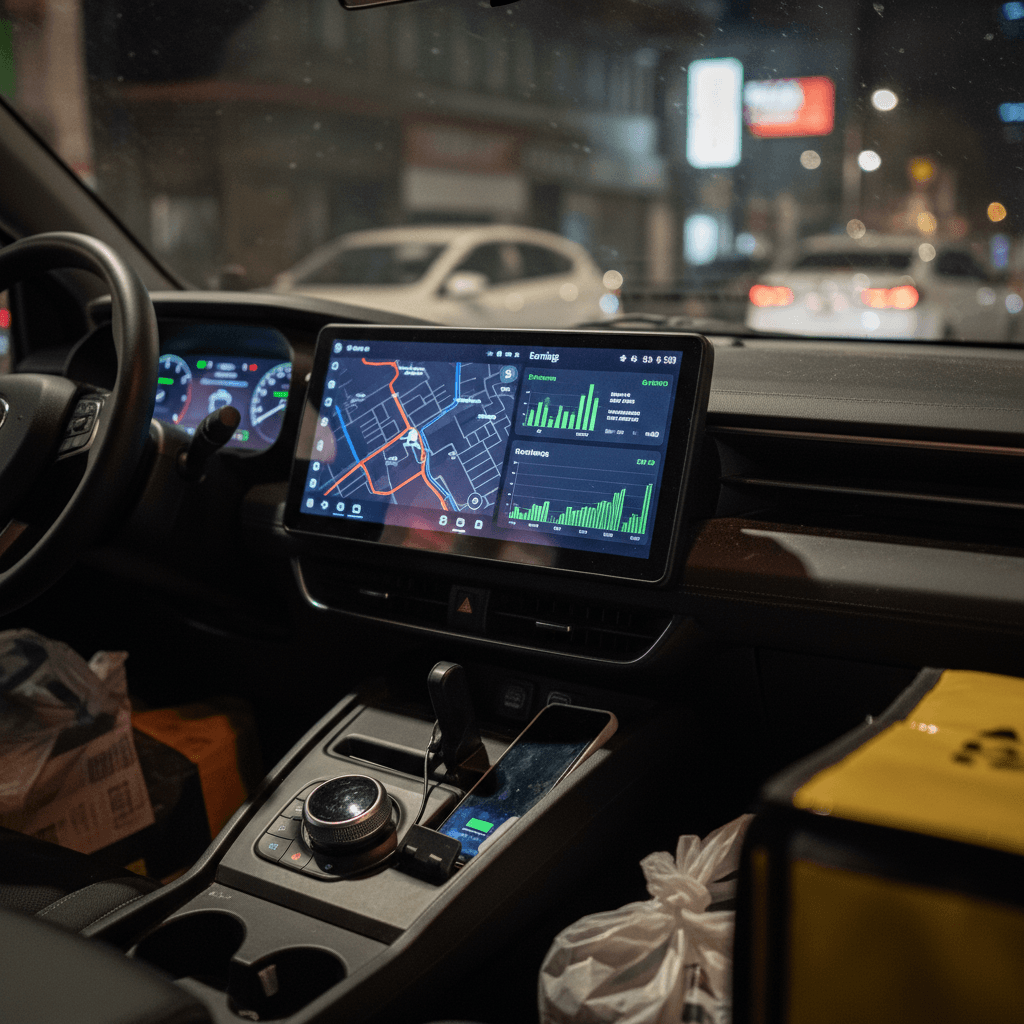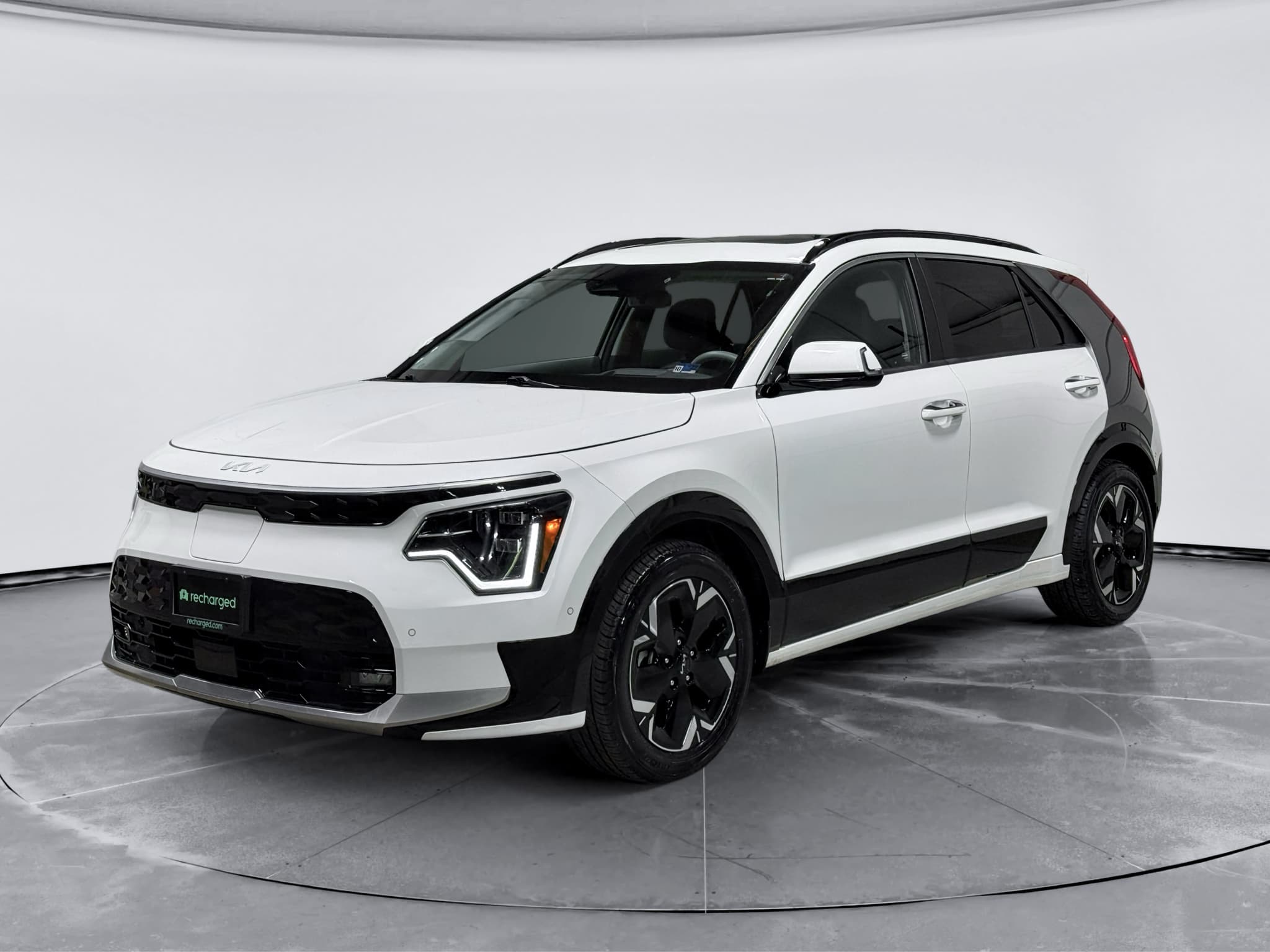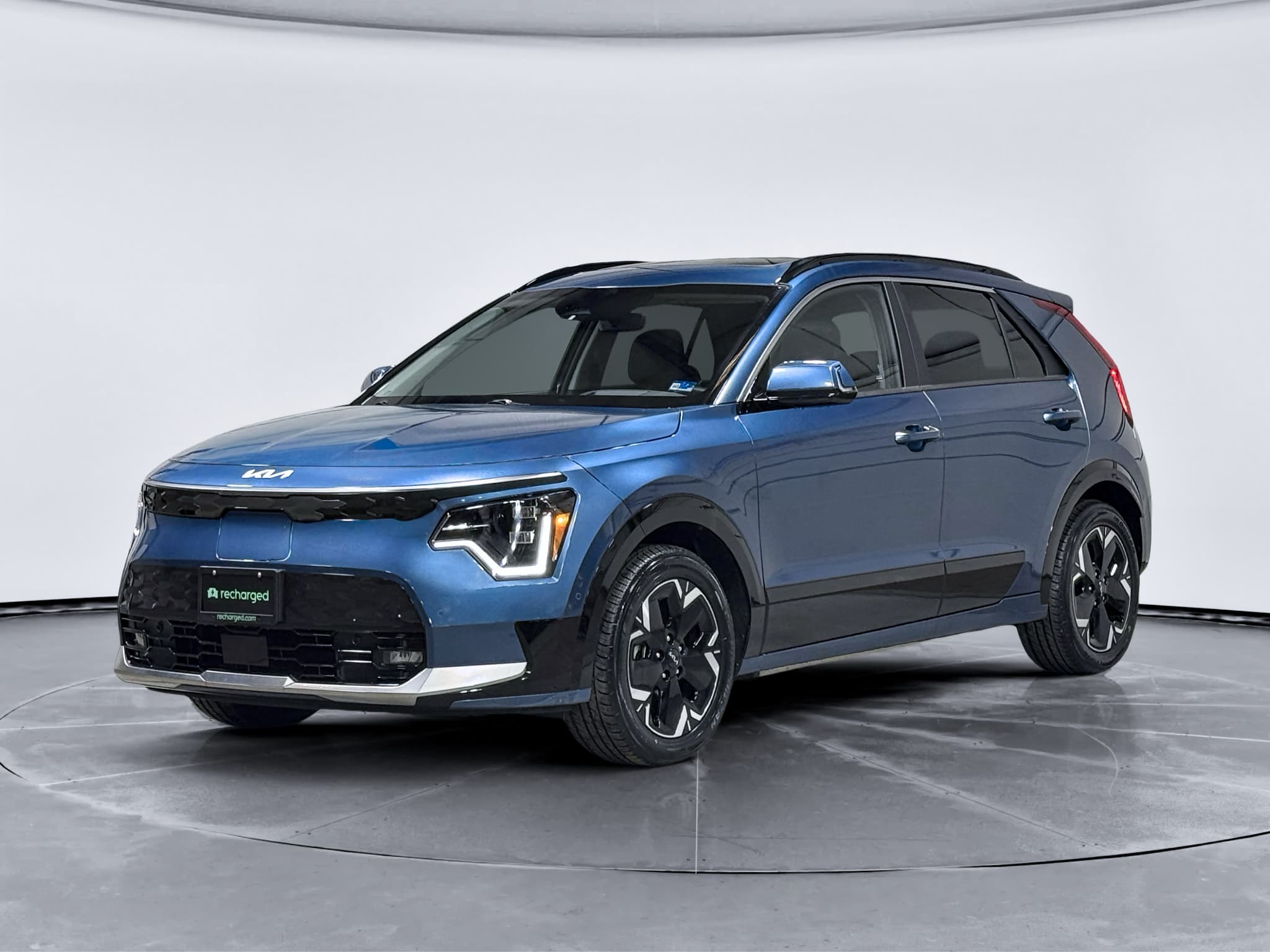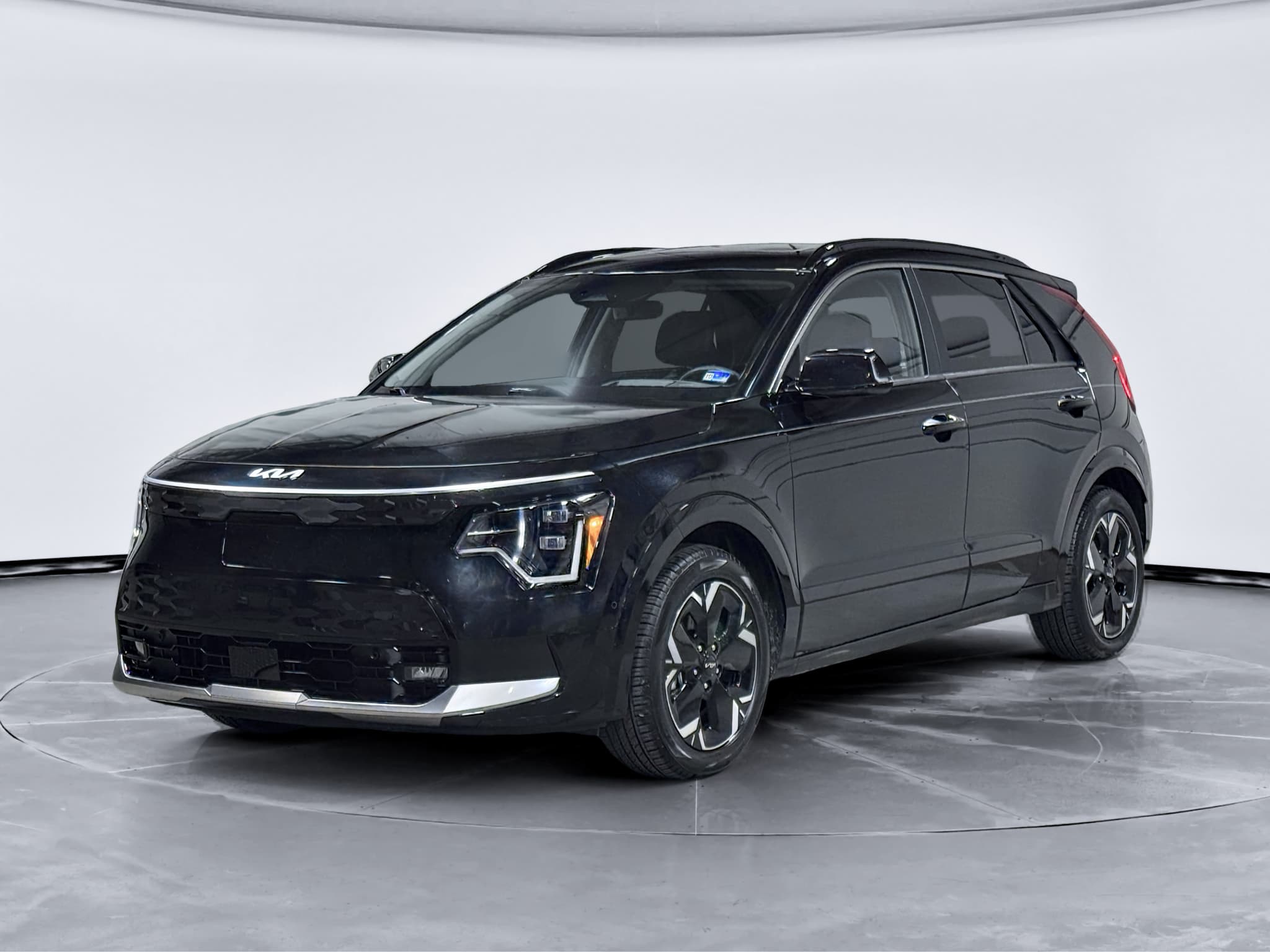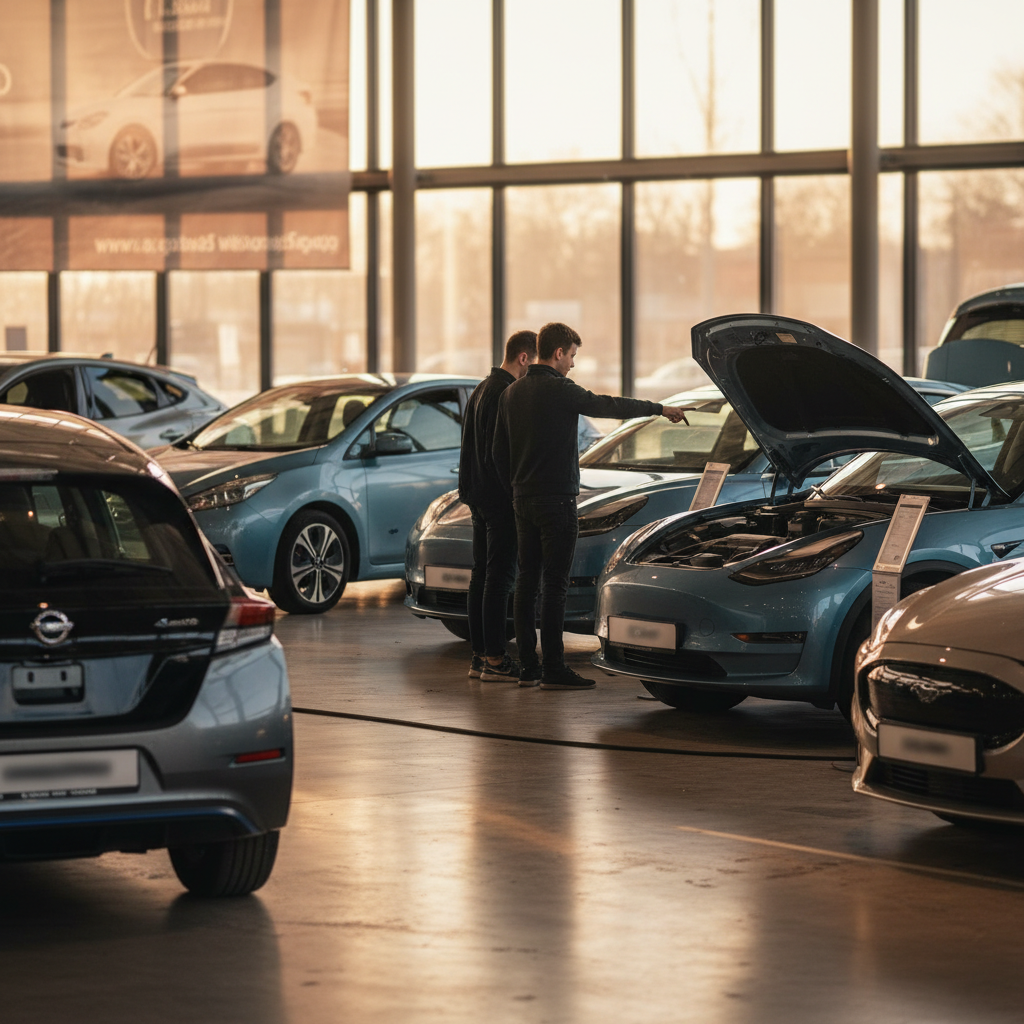
If you’re spending your evenings hustling for DoorDash, Uber Eats, Instacart, or local courier work, the best electric car for delivery drivers in 2026 isn’t the one with the most screens, it’s the one that quietly turns miles into money. This guide cuts through the marketing to show you which EVs actually work for delivery in the real world, and how to pick the right one for your routes and budget.
Who this guide is for
Why EVs make sense for delivery in 2026
Why more delivery drivers are going electric
Delivery driving is a worst‑case scenario for a gas car: endless cold starts, short trips, and idling in drive‑thru lines. For an EV, that same stop‑and‑go routine is home turf. Regenerative braking recovers energy every time you slow down, and you only pay for the miles you actually roll, not the minutes you spend waiting for fries.
Think cost per shift, not cost per gallon
Key features delivery drivers should prioritize
- Real‑world range, not brochure range. Aim for at least 150 miles of realistic city range after degradation; 200+ miles if you work long suburban routes or multiple apps.
- Efficiency (mi/kWh). An efficient compact EV that gets 3.5–4.5 mi/kWh will cost far less to run than a large SUV, even if both claim similar EPA range.
- Cargo access. Hatchback or small crossover beats a sedan when you’re juggling stacked orders, cases of water, or catered trays.
- Ride comfort. You’ll spend hours in the seat. Look for supportive seats, quiet cabin, and compliant suspension over 21‑inch vanity wheels.
- Fast, simple charging. At minimum, Level 2 at home or your apartment; DC fast‑charging capability if you regularly drive 150+ miles per day.
- Durability and warranty. High‑mileage gig work will expose cheap interiors quickly. Prioritize solid build quality and strong battery/drivetrain coverage.
- Smart driver‑assist. Adaptive cruise and lane‑keeping are luxuries in traffic, but they reduce fatigue on long highway stretches between zones.
Watch the fine print on platform rules
Best electric cars for city delivery 2026 (budget-focused)
If most of your work is dense urban delivery, short trips, lots of stops, parking warfare, compact, efficient hatchbacks and small crossovers give you the best blend of cost, range, and maneuverability. For many drivers, the right used EV is where the math really sings.
Top budget EV picks for city delivery
These models prioritize low running costs and tight‑city usability over flash.
Chevy Bolt EV / EUV (Used)
Why it works: Tiny footprint, big efficiency. The Bolt has become a cult favorite among high‑mileage gig drivers because it offers 230–259 miles of original EPA range in a package that parks like a subcompact.
- Realistic city range (used): ~160–200 miles depending on year and degradation.
- Excellent efficiency (often 3.5–4.0 mi/kWh).
- Upright hatch design swallows multiple hot bags plus groceries.
Best for: City‑centric DoorDash/Uber Eats drivers doing one long shift per day with home or workplace charging.
Hyundai Kona Electric (Used)
Why it works: Subcompact crossover stance with real‑world frugality. Earlier Konas delivered 258 miles EPA range and are known for strong efficiency, great when every kWh matters.
- Realistic mixed‑route range: ~170–210 miles used.
- Comfortable, quiet ride for the size.
- Plenty of vertical space for grocery orders with rear seats folded.
Best for: Mixed urban/suburban routes where you need efficiency plus a bit more ground clearance in bad weather.
Nissan Leaf (2nd‑Gen, 40–62 kWh)
Why it works (and when it doesn’t): The Leaf is often the cheapest way into EV delivery, especially used. The 40 kWh version can work well for urban, low‑mileage shifts; the 62 kWh cars are better for longer routes.
- Realistic city range: ~100–130 miles (40 kWh), ~150–190 miles (62 kWh) depending on age.
- Simple, comfortable interior; lots of Leafs have lived easy commuter lives.
- But: Older Leafs lack liquid battery cooling, so high‑heat, high‑mileage use can accelerate degradation.
Best for: Budget‑first drivers in moderate climates who can live with modest range and mostly city routes.
Heat + high mileage can punish some batteries
Best electric cars for suburban and mixed routes 2026
If your delivery life is a patchwork of neighborhoods, highway connectors, and the occasional 30‑mile out‑and‑back, you want more range headroom and a calmer highway ride. Compact crossovers and efficient sedans shine here.
Top EVs for suburban & mixed delivery routes
These models balance range, comfort, and total cost of ownership for drivers who regularly see 120–200 miles per day.
| Model | Typical Market Position (2026) | Real‑World Usable Range (Mixed Driving) | Why It’s Good for Delivery |
|---|---|---|---|
| Kia Niro EV (1st or 2nd gen used) | Value‑oriented compact crossover | ~190–230 miles | Efficient, spacious hatch with upright driving position and lots of cargo space for multi‑stop grocery or parcel loads. |
| Hyundai Ioniq 5 (lower‑spec trims) | Mid‑priced compact crossover | ~210–260 miles | Comfortable, airy cabin; ultra‑fast DC charging if you need a top‑off between lunch and dinner shifts. |
| Volkswagen ID.4 (RWD) | Often discounted new and used | ~180–230 miles | Soft ride, roomy cargo area, and plenty of rear‑seat space for bulkier items; good choice if you prioritize comfort. |
| Tesla Model 3 RWD (used) | Mainstream long‑range sedan | ~220–260 miles | Supercharger access, strong efficiency, and excellent nav/charging integration; just remember the trunk opening is smaller than a hatch. |
Approximate ranges are real‑world estimates for a healthy battery in mild weather; your results will vary by climate, load, and driving style.
When a sedan makes sense
- You mostly carry food and small parcels, not cases of water or bulky pet food.
- You value low energy costs and quieter aerodynamics at highway speed.
- You already own heavy‑duty delivery bags that fit through a sedan opening.
When a crossover is worth it
- You routinely stack multiple large grocery orders or warehouse‑club runs.
- You’re in a region with bad roads, snow, or steep driveways.
- You want a higher driving position and easier loading height.
Best EVs for heavy‑mileage "pro" delivery drivers
If delivery is your full‑time job and you’re chasing every surge, you need an EV that behaves more like a work truck than a commuter toy. Think robust charging, long range, and a cabin you can live in for 8–10 hours.
Heavy‑use EVs that can take a beating
Great for drivers racking up 25,000–40,000 miles per year across multiple apps.
Tesla Model Y (Long Range, used or CPO)
Why it works: The Model Y has become the default choice for many high‑mileage rideshare and delivery drivers for a reason, strong real‑world range, expansive cargo space, and unmatched fast‑charging network access in most of the U.S.
- Realistic range: ~230–280 miles with a healthy pack.
- Huge hatch opening for stacked hot bags and large grocery orders.
- Supercharger network fills in the gaps if you can’t charge at home.
Watch for: Tire wear and suspension components on high‑mileage examples; these cars work hard when used for gig driving.
Hyundai Ioniq 5 / Kia EV6
Why they work: 800‑V architecture means truly fast DC charging, perfect if you need to add 60–80 miles during a quick coffee stop between lunch and dinner shifts.
- Realistic range: ~220–270 miles depending on battery and trim.
- Excellent ride comfort and tech; fatigue matters on 10‑hour days.
- Good mix of cargo room and efficiency, especially in RWD trims.
Best for: Suburban and exurban routes where you lean on highway speeds and need quick top‑ups rather than giant batteries.
Chevy Equinox EV & similar new compacts
Why they’re interesting in 2026: Newer mainstream crossovers like the Chevy Equinox EV and upcoming rivals are targeting 280–320 miles of range at relatively accessible prices, with fast charging and familiar SUV form factors.
- Range headroom lets you handle morning and evening shifts without charging in between.
- Modern safety and driver‑assist suites reduce daily fatigue.
- Still early days for used pricing, but worth watching if you plan to keep the car for many years.
Best for: Drivers who want a single do‑everything family vehicle that also earns its keep on the apps.
A simple rule of thumb
Running the numbers: EV vs gas for delivery work
Let’s put some back‑of‑the‑envelope math to this. Assume you’re doing 120 miles on an average day between food and grocery apps, 5 days per week, 50 weeks per year, 30,000 miles annually. That’s conservative for many full‑timers.
Sample annual cost comparison: efficient EV vs efficient gas compact
Illustrative example for a U.S. driver in 2026; adjust with your local electricity and fuel prices.
| Cost Item | Efficient EV (e.g., Kona Electric) | Efficient Gas Compact (e.g., Civic/Corolla) |
|---|---|---|
| Energy/fuel cost per mile | ≈ $0.035 (home charging, 4.0 mi/kWh @ $0.14/kWh) | ≈ $0.115 (35 mpg @ $4.00/gal) |
| Annual energy/fuel cost @ 30,000 miles | ≈ $1,050 | ≈ $3,450 |
| Oil changes, fluids, exhaust, etc. | Minimal (tire rotations, cabin filter) | $300–$600/year |
| Brake wear | Low (regen braking) | Moderate (urban stop‑and‑go) |
| Total running‑cost advantage | EV saves roughly $2,500–$3,000 per year in this scenario | – |
Energy costs are rounded estimates; actual results depend on climate, driving style, and your charging mix.
How to plug in your own numbers
Battery health and buying used for delivery
Buying used is usually the smartest play for delivery drivers: you let someone else eat the steepest depreciation, and you treat the car like the machine it is, not a shrine to new‑car smell. But with EVs, battery health is the ballgame, especially when you’re stacking miles for money.
Used EV battery checklist for delivery work
1. Prioritize liquid‑cooled batteries
Models from Tesla, Hyundai/Kia, GM (Bolt, Equinox EV), VW, and others use liquid‑cooled packs that better tolerate high heat and repeated fast‑charging, exactly what heavy delivery duty throws at them.
2. Look for at least 70–80% of original capacity
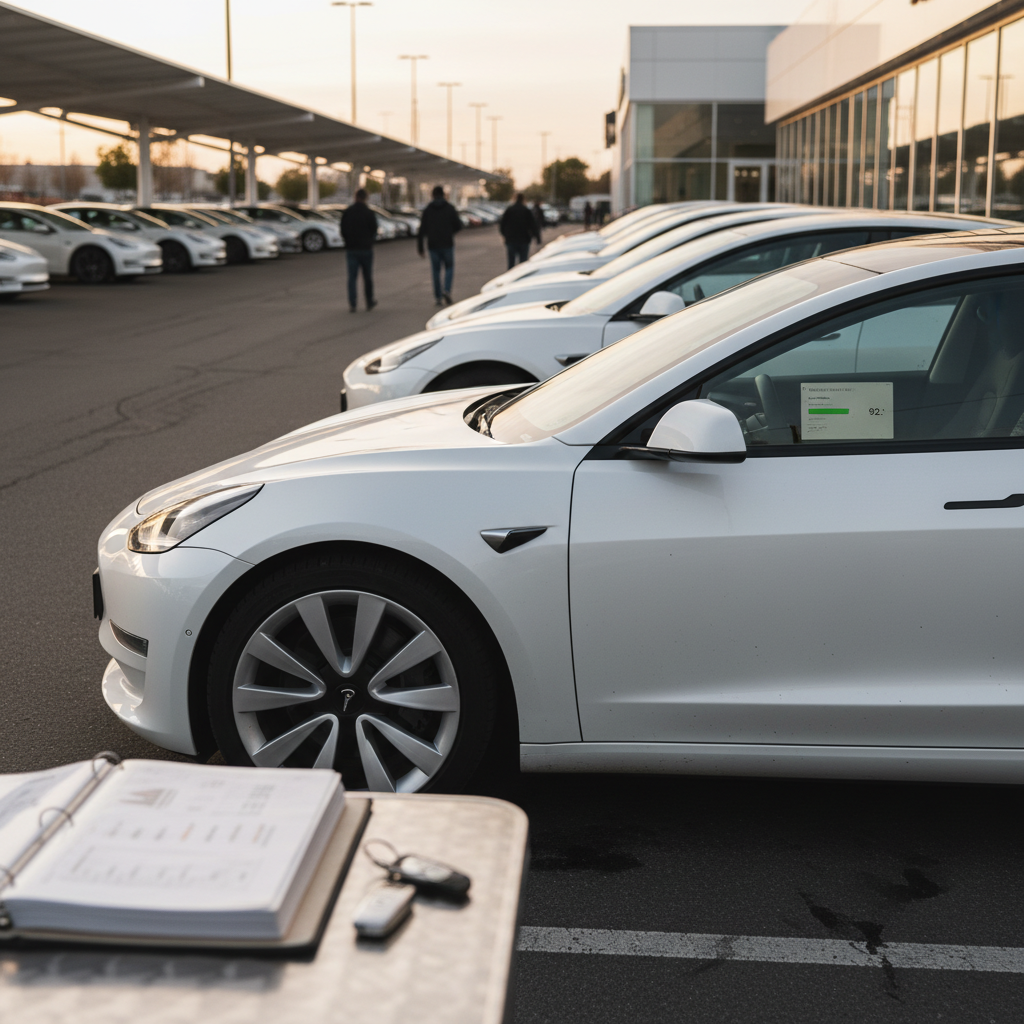
For delivery use, you don’t want to start with a pack already on its knees. A healthy used battery should still deliver the majority of its original EPA range; tools like the Recharged Score estimate this for you before you sign anything.
3. Check remaining battery warranty
Many EVs carry 8‑year/100,000‑mile (or more) battery and drivetrain warranties. A 4‑year‑old car with 40,000 miles can give you several high‑mileage delivery years still under coverage.
4. Study the car’s prior life
High‑mileage highway commuters often age batteries more gently than low‑mileage city cars that have lived on DC fast charging alone. Service records and charging history (when available) tell a story.
5. Test your real‑world range early
In your first week, fully charge, reset a trip meter, and run a normal delivery day. Note how many miles you get and what percentage you use, that’s far more useful than the number on the window sticker.

Charging strategy for delivery drivers
An EV only really works for delivery if your charging plan fits your schedule. The best car on paper becomes a headache if you’re fighting for a DC fast‑charger every night just to limp home.
Three practical charging setups for delivery work
Pick the one that actually fits your housing and schedule, then choose an EV that supports it.
Level 2 at home (ideal)
What it looks like: A 240‑V Level 2 charger in your driveway or garage, typically adding 25–40 miles of range per hour.
- Top off after each shift; wake up full.
- Cheapest energy if your utility offers off‑peak EV rates.
- Minimal time overhead, you charge while you sleep.
Best for: Suburban homeowners or anyone with reliable dedicated parking.
Apartment + workplace charging
What it looks like: Shared chargers at your complex or workplace plus occasional public stops.
- Plan around available hours; plug in any time the car would sit anyway.
- Look for EVs with good efficiency so you’re less dependent on scarce plugs.
- Use DC fast‑charging mainly for emergencies or unusual mega‑days.
Best for: Urban drivers without private parking but with predictable daily routines.
Public fast‑charging dependent
What it looks like: You rely on DC fast chargers (and maybe some Level 2) along your routes.
- Choose EVs with strong fast‑charge speeds (Ioniq 5/EV6, Tesla, newer GM models).
- Factor wait time + charging time into your earnings calculations.
- Know where chargers are near your busiest zones before you accept long‑distance orders.
Best for: Drivers with no home charging options in areas with dense, reliable fast‑charging networks.
Beware the fast‑charge trap
How Recharged helps delivery drivers pick the right EV
Shopping for a delivery car is different from shopping for a weekend toy. You care less about 0–60 and more about cents per mile, repair risk, and how many stacked orders fit behind the seats. That’s exactly the grain of detail Recharged is built for.
- Verified battery health with the Recharged Score. Every EV on Recharged comes with a battery‑health diagnostic so you can see estimated remaining capacity and projected range before you ever schedule delivery.
- Fair‑market pricing and TCO transparency. Listings are benchmarked against the market, and our EV specialists can walk you through energy and maintenance cost expectations for your mileage and location.
- Financing that understands high‑mileage use. Recharged offers financing options suitable for drivers planning to rack up serious miles, plus trade‑in and instant offer options if you’re moving out of an old gas sedan or hybrid.
- Nationwide delivery and digital buying. You can shop, finance, and arrange delivery to your driveway online, or visit the Recharged Experience Center in Richmond, VA if you want to sit in a few contenders before you commit.
- Human EV specialists, not generic salespeople. If you say “I do 150 miles a day for DoorDash and Instacart,” our team will talk range buffers and charging realities, not floor‑mat colors.
FAQ: Best EV for delivery drivers in 2026
Frequently asked questions about EVs for delivery work
Bottom line: choosing your 2026 delivery EV
For delivery drivers, the best electric car in 2026 is less about brand tribalism and more about cold arithmetic. A modestly priced, efficient EV with honest range, solid battery health, and the right cargo shape will do more for your bottom line than any halo SUV with a viral launch video.
If you’re mostly running city routes, a used Chevy Bolt EV/EUV, Hyundai Kona Electric, Kia Niro EV, or similar compact hatchback is usually your smartest starting point. If your map looks more like a spiderweb of suburbs and highways and you’re flirting with 200‑mile days, a Tesla Model 3 or Y, Hyundai Ioniq 5, Kia EV6, or VW ID.4 gives you more range and comfort without destroying your cost per mile.
The real key is to treat the car like the tool that it is: run the numbers, understand your routes, and buy the EV that works for your workload, not someone else’s Instagram. And if you’d like help making those numbers real, Recharged can pair you with used EVs that have verified battery health, fair pricing, and financing tailored to drivers who make their living one delivery at a time.