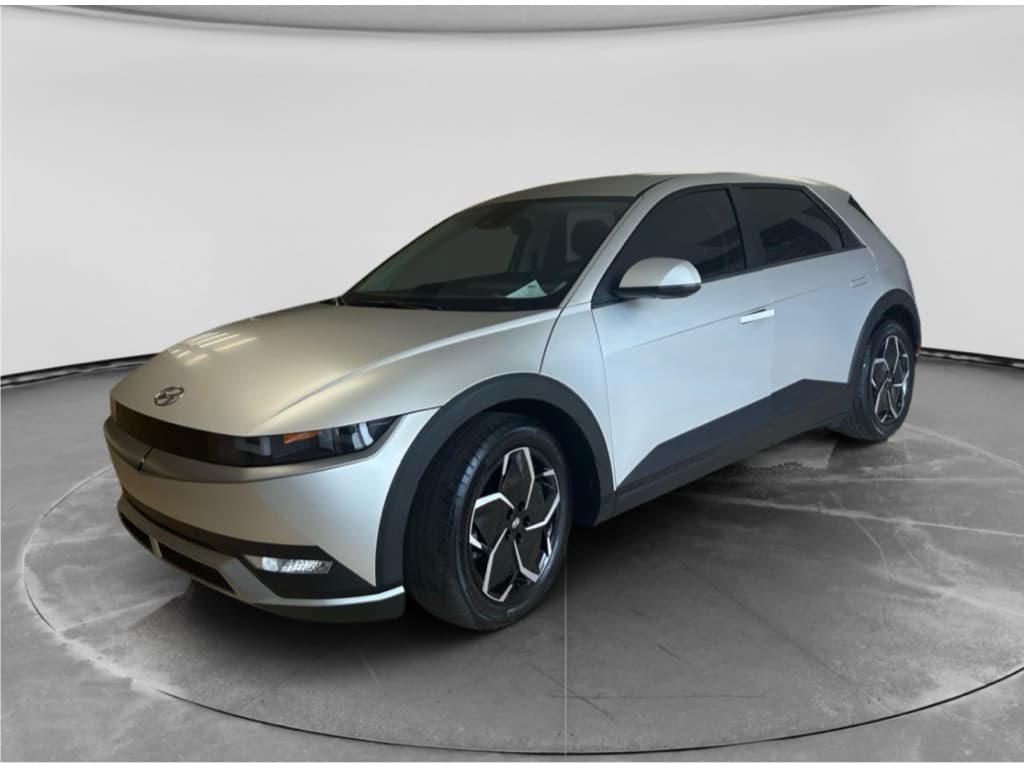
If you’re cross‑shopping the Hyundai IONIQ 5 against a gas SUV, the big question is simple: how much will maintenance actually cost me? Electric vehicles are supposed to be cheaper to own, but line‑item reality, tires, brake service, battery checks, matters more than brochure promises.
Quick take
Hyundai IONIQ 5 maintenance cost at a glance
Typical IONIQ 5 maintenance snapshot (estimate)
About the numbers
Why EV maintenance is different (and cheaper)
What your IONIQ 5 doesn’t need
- No oil changes or oil filters, ever.
- No spark plugs, timing belts, fuel filters, or exhaust system repairs.
- No transmission fluid service for a conventional multi‑speed gearbox.
- Far fewer moving parts than a turbo gas engine.
What still matters a lot
- Tires – EV torque and weight can chew through rubber faster if you’re heavy‑footed.
- Brakes – They last longer thanks to regen, but calipers still need lubrication and checks.
- Fluids – Coolant for the battery/drive units and brake fluid need periodic attention.
- Software – Updates can happen over‑the‑air, but some require a dealer visit.
The joy of regenerative braking
Hyundai IONIQ 5 service schedule & typical costs
Hyundai’s official maintenance schedule for the IONIQ 5 looks almost boring compared with a gas sibling. The headlines: rotate tires regularly, replace cabin air filters as they clog with life, inspect brakes and suspension, and refresh a couple of fluids on a long horizon.
Typical IONIQ 5 service items & rough cost ranges
Illustrative U.S. pricing for routine maintenance at independent shops or dealers. Actual prices vary by region and model year.
| Interval / Item | What Happens | Typical Cost |
|---|---|---|
| Every 7,500–10,000 mi | Tire rotation, basic inspection | $40–$80 |
| Every 15,000–20,000 mi | Cabin air filter replacement | $60–$120 |
| Every 30,000–40,000 mi | Brake inspection, caliper service if needed | $100–$200 |
| Every 60,000 mi+ | Brake fluid change | $120–$200 |
| Every 60,000–100,000 mi | Coolant service for battery/drive units (check manual) | $200–$400 |
| As needed | Wheel alignment | $120–$200 |
| As needed | Key fob battery, wipers, bulbs | $10–$80 |
All costs are ballpark estimates in USD assuming out‑of‑warranty service.
Don’t worship the odometer
Big‑ticket items: tires, brakes, battery & cooling
High‑impact maintenance costs on an IONIQ 5
These are the line items that move your ownership math, especially after year three.
Tires
The IONIQ 5 is heavy, quick off the line, and quiet, so you notice tire noise and wear sooner than you would in a budget hatchback.
- Life: 25,000–40,000 miles is common, depending on brand and driving style.
- Cost: Expect roughly $800–$1,200 for a set of quality all‑season EV‑rated tires installed.
- Tip: Regular rotations every 7,500–10,000 miles are the cheapest tire insurance you can buy.
Brakes
Regenerative braking does the heavy lifting, but hardware still ages.
- Pads & rotors: Many IONIQ 5s won’t need them until well past 60,000 miles.
- Cost: A full axle (pads + rotors) might run $400–$700 installed at typical U.S. shops.
- Watch for: Sticky calipers on cars that sit a lot in wet climates, cheap to catch early, expensive to ignore.
High‑voltage battery
The traction battery is the heart of the IONIQ 5 and the part everyone worries about, and rarely has to touch.
- Warranty: Typically 10 years/100,000 miles for capacity and defects in the U.S. Check your specific model year.
- Degradation: Most owners see gradual, single‑digit percentage losses over many years, not a sudden collapse.
- Replacement cost: Out‑of‑warranty pack replacement is expensive enough that it’s usually a total‑loss discussion, not a casual line item.
Cooling, electronics & 12‑volt system
EVs don’t drown in fluids the way gas cars do, but they’re not fluid‑free.
- Coolant: The battery and power electronics share a thermal system that will need service on a long interval.
- 12‑volt battery: Like any car, there’s a small battery that runs accessories; plan on replacement around 4–6 years.
- Cost: Think a few hundred dollars at a time, not four‑figure bills, unless you’re spectacularly unlucky.

IONIQ 5 maintenance cost vs a gas SUV
Think of the IONIQ 5 not as a spaceship, but as a very modern family crossover that happens to be electric. In size and mission it lines up against vehicles like the Hyundai Tucson, Toyota RAV4, Volkswagen Tiguan, or Honda CR‑V. The maintenance difference is where the EV earns its keep.
Rough 5‑year maintenance comparison: IONIQ 5 vs gas SUV
High‑level illustration for a typical U.S. driver at 12,000 miles per year.
| Item | Hyundai IONIQ 5 (EV) | Comparable gas SUV |
|---|---|---|
| Oil & filter changes | $0 | $400–$800 |
| Engine / ignition service | $0 | $300–$600 |
| Transmission service | $0 | $300–$600 |
| Brake service | $200–$600 (light use) | $400–$900 |
| Tires | $800–$1,600 | $700–$1,400 |
| Fluids, filters, inspections | $400–$800 | $600–$1,200 |
| Estimated 5‑yr total | ~$1,400–$3,000 | ~$2,700–$5,500 |
Fuel costs are not included, this is strictly maintenance and routine service.
Where the savings come from
Warranty, free maintenance & recalls
Hyundai has spent the better part of a decade marketing peace of mind, and the IONIQ 5 benefits from that strategy. New‑car buyers get a safety net that knocks down early‑year maintenance cost and shields the expensive bits while the car is young.
- New‑vehicle limited warranty: typically 5 years/60,000 miles on most components.
- High‑voltage battery warranty: commonly 10 years/100,000 miles in the U.S. against defects and often excessive capacity loss.
- Free maintenance: many new Hyundai models include a period of complimentary maintenance (oil changes don’t apply to the IONIQ 5, but tire rotations and inspections often do).
- Recalls & service campaigns: software updates and hardware fixes for safety issues are performed at no cost at Hyundai dealers.
Used IONIQ 5? Check the recall history
Real‑world savings for daily drivers and families
On paper, EV maintenance savings look neat and tidy. On the ground, life is messier: potholes, curb rash, forgotten tire rotations, and kids kicking seat backs. But even through that lens, the IONIQ 5’s maintenance cost profile is reassuringly flat.
How IONIQ 5 maintenance costs play out for different drivers
These aren’t lab cycles; they’re the way people actually use cars.
Suburban commuter
12,000–15,000 miles/year of mostly highway driving.
- Tires last closer to the high end of the range.
- Brakes barely break a sweat.
- Expect routine service, tire rotations, and maybe one brake fluid change in the first 5 years.
Urban errand‑runner
Short trips, lots of stop‑and‑go, and the occasional parallel‑parking “oops.”
- Cabin filters clog faster, budget to replace them a bit more often.
- Wheel alignments may be needed if potholes are part of your daily commute.
- Regen braking still saves pads, but rust on rotors is worth watching.
Road‑trip family
Long drives, loaded cargo area, and maybe a roof box.
- Tires work harder; rotations are non‑negotiable.
- Brake inspections are cheap peace of mind before big trips.
- High mileage brings you to coolant and brake fluid intervals sooner, but you’re also amortizing the car faster.
Buying used? Maintenance & inspection checklist
A used Hyundai IONIQ 5 can be a sweet spot: most of the depreciation is gone, but you still have years of battery warranty ahead. The catch is making sure the previous owner didn’t treat the car like a rental scooter with doors.
Used Hyundai IONIQ 5 maintenance checklist
1. Review service history
Ask for documented service records: tire rotations, brake inspections, coolant and brake‑fluid changes when due. A clean, consistent paper trail is a strong sign of a well‑cared‑for EV.
2. Inspect tires and alignment
Uneven tire wear can hint at misalignment, curb impacts, or suspension issues. Expect to replace worn tires soon; use that to negotiate price.
3. Check brakes for rust or noise
On a test drive, listen for grinding or squealing and feel for pulsation in the pedal. Long‑parked EVs can develop rusty rotors that need attention.
4. Test all drive modes & regen levels
Make sure the car transitions smoothly between regen levels, doesn’t shudder under heavy regen, and accelerates consistently. Noise or vibration under load is a red flag.
5. Verify software and recall status
Confirm that the car is up‑to‑date on Hyundai software updates and that all safety recalls are complete. This is free to address at a dealer but matters for reliability.
6. Get a battery health report
A proper high‑voltage battery assessment, like the <strong>Recharged Score</strong>, tells you how much capacity remains and whether the car has been fast‑charged or abused excessively.
Don’t buy blind on battery health
How Recharged helps you predict maintenance cost
Maintenance cost isn’t just about how reliable the Hyundai IONIQ 5 is on average; it’s about this specific car in front of you. Two IONIQ 5s with the same odometer reading can have very different futures depending on how they were driven, charged, and serviced.
What you get with a Recharged IONIQ 5
We try to make EV ownership less of an improv routine and more of a plan.
Recharged Score battery report
Every EV on Recharged comes with a Recharged Score, including verified battery health and charging history signals. That gives you a much clearer picture of range today and likely degradation down the road.
Condition & pricing transparency
We benchmark pricing against fair‑market data and inspect wear‑items like tires and brakes, so you’re not guessing what your first year of maintenance might look like.
EV‑specialist support & delivery
From financing and trade‑in to nationwide delivery and our Richmond, VA Experience Center, Recharged is built to support EV ownership end‑to‑end, not just hand you keys and disappear.
Ready to find your next EV?
Browse VehiclesPlan your costs up front
Hyundai IONIQ 5 maintenance cost FAQ
Frequently asked questions about IONIQ 5 maintenance cost
Bottom line: what you should budget
The Hyundai IONIQ 5 doesn’t just undercut gas SUVs at the pump; it quietly wins the long game on maintenance as well. No oil changes, no engine drama, and brakes that seem to last forever if you lean on regen, it all adds up to a flatter, more predictable cost curve.
If you’re buying new, the early years are cushioned by warranty and, in many cases, free scheduled service. If you’re shopping used, the smart play is to focus on battery health, tires, brakes, and recall status so you aren’t surprised in year one. That’s exactly the homework Recharged bakes into every EV we list, from detailed Recharged Score reports to expert guidance on what the next few years of ownership will realistically cost you.