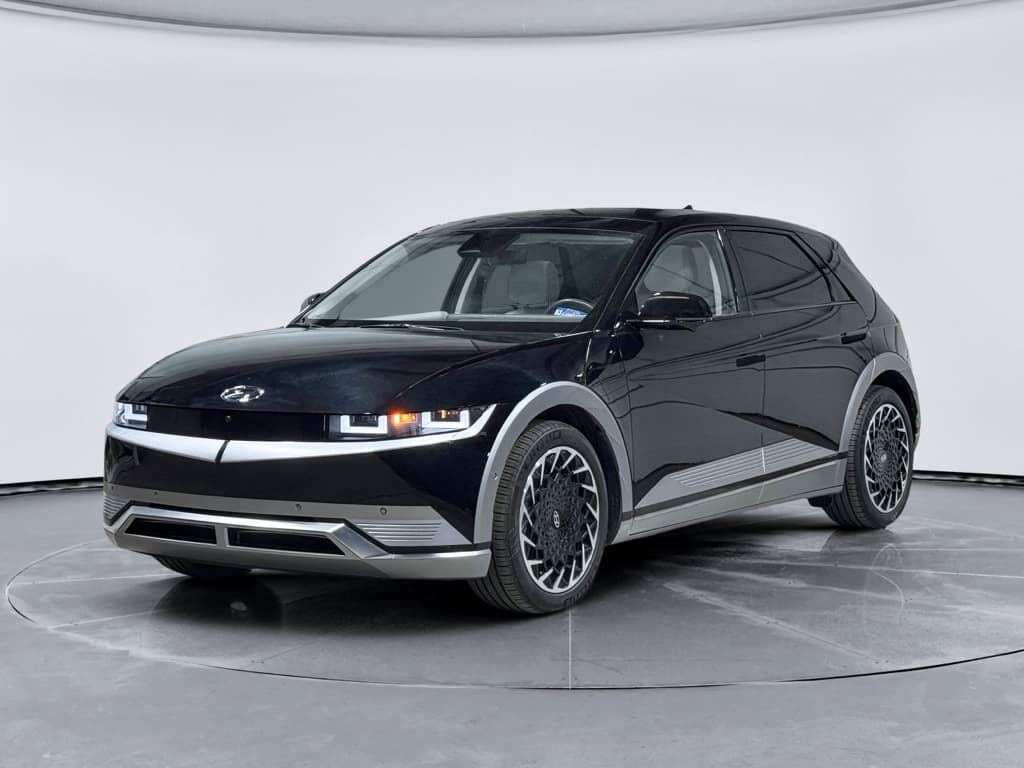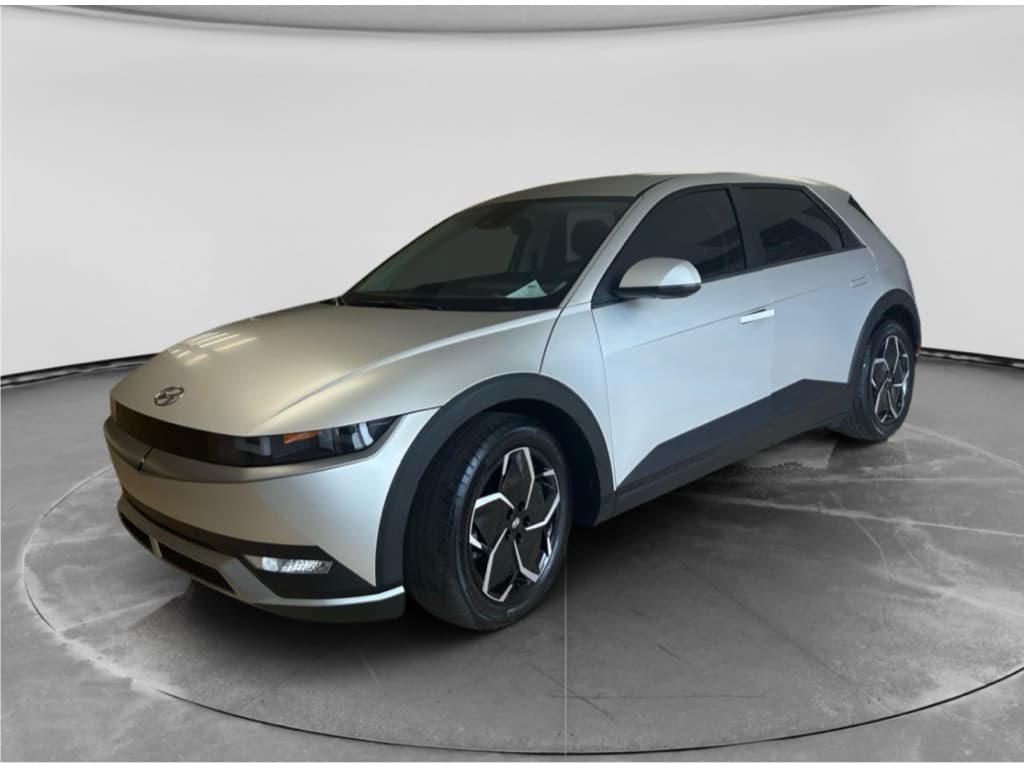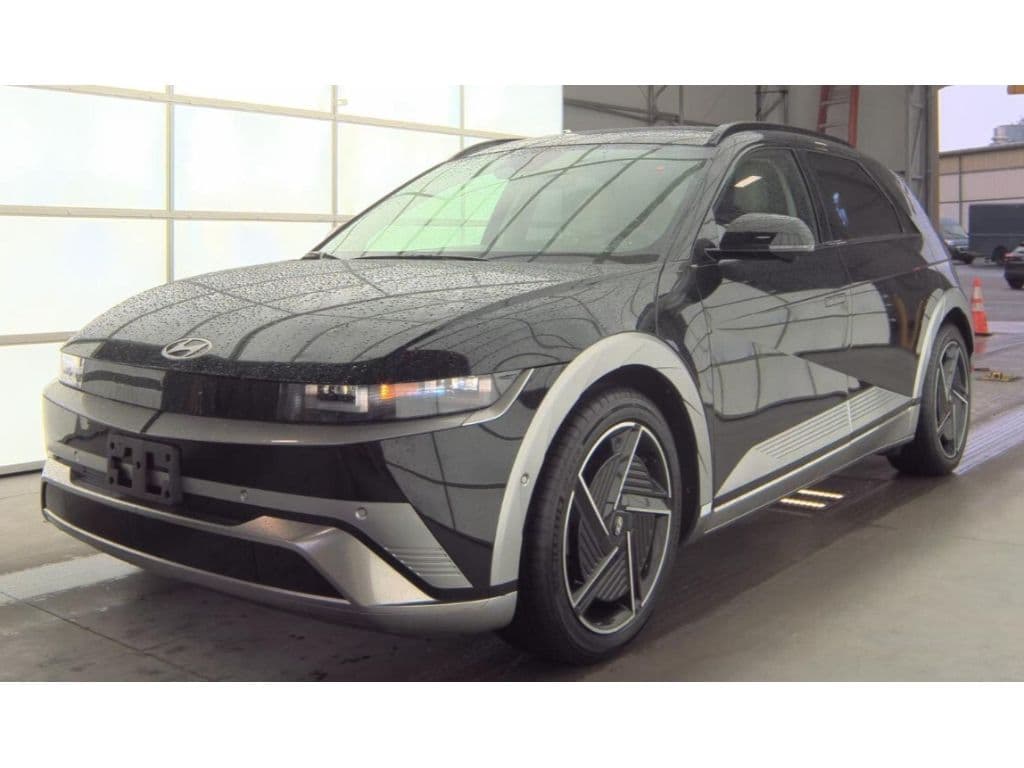
If you own a Hyundai Ioniq 5, you’re sitting on one of the best long‑distance EVs on the market. Its 800‑volt charging system, roomy cabin, and relaxed highway manners make it a natural road‑trip machine, as long as you understand a few Ioniq‑specific long‑distance driving tips and how to plan around charging.
Ultra-fast DC charging is your superpower
Why the Ioniq 5 Makes a Great Road-Trip EV
Ioniq 5 strengths that matter on long drives
You feel these benefits after hour three, not just on the test drive.
Fast DC charging
The Ioniq 5’s 800 V architecture lets it pull very high power on capable stations, dramatically cutting stop times compared with many rivals.
Quiet, stable ride
A long wheelbase, relaxed steering, and a quiet cabin keep you fresher after back‑to‑back hours at highway speeds.
Spacious interior
Plenty of legroom and storage, plus a flat floor and reclining rear seats, make it easy for families or friends to settle in for a full day on the road.
Those are the ingredients. The rest of this guide is about how you use them: how far you can realistically go on a charge, how to time your stops, how to treat the battery kindly, and how to avoid the kind of charging surprises that can sour an otherwise fantastic trip.
Know Your Ioniq 5’s Real-World Range
Before you can plan smart stops, you need a realistic sense of your Ioniq 5’s highway range. EPA numbers are a starting point, but long‑distance driving is done at 70–80 mph, often with cargo, passengers, and weather that doesn’t care about lab tests.
Typical Ioniq 5 highway range expectations
Approximate real‑world highway ranges in good conditions, starting near full and cruising around 70–75 mph. Treat these as planning baselines, not promises.
| Battery & drivetrain | EPA rated range (mi) | Comfortable highway planning range (mi) |
|---|---|---|
| Standard Range (58–63 kWh) RWD | ~220 | 150–170 |
| Long Range (77–84 kWh) RWD | ~300–320 | 210–240 |
| Long Range AWD | mid‑260s–280s | 190–210 |
Always leave yourself at least 10–15% battery as a safety buffer, especially in unfamiliar territory.
Highway speed is the range killer
- For your first long trip, plan legs of 120–160 miles even if the car says you can go farther.
- Watch the “distance to empty” estimate, but always confirm with the projected arrival percentage in the navigation screen.
- In bad weather (cold, heavy rain, strong headwinds), mentally knock another 10–20% off your expected range.
Smart Charging Strategy for Long Trips
Long‑distance EV driving is all about rhythm. In the Ioniq 5, that rhythm is built around quick 10–80% fast charges, spaced so you’re never white‑knuckling the last stretch. Think in terms of more frequent, shorter stops, not running down to 3% and then waiting forever to reach 100%.
Ioniq 5 DC fast-charging sweet spot
Best charging habits for Ioniq 5 road trips
Aim for 10–20% arrival at chargers
You’ll see the highest charging power at lower states of charge. Try to arrive with 10–20% remaining, not 40–50%, to take full advantage of the Ioniq 5’s hardware.
Stop at 70–80% unless you need more
Above ~80%, the charging curve slows way down. It’s usually faster overall to unplug, get back on the road, and charge again later than to sit waiting for 90–100%.
Prefer 150–350 kW stations
Your Ioniq 5 can still charge on 50 kW DC, but the magic happens on 150 kW+ units. In trip planners, sort or filter for high‑power sites whenever you can.
Charge while you eat
Match your charging stops to natural breaks: restroom, snack, or full meal. The Ioniq 5’s quick 10–80% window often syncs nicely with a 20–30‑minute stop.
Let the car pick smarter stops
Use Battery Conditioning to Protect Speed
Fast charging isn’t just about the number on the charger. Your Ioniq 5 wants its battery in a comfortable temperature range before it really pours on the power. That’s what battery conditioning is about: gently warming or cooling the pack before a DC fast‑charge session.
Why conditioning matters
- In cold weather, a cold pack can slash your charging speed, turning a 20‑minute stop into a 45‑minute one.
- Conditioning helps the car reach and hold its best charging curve more consistently.
- That stability matters on days when you’re stacking several fast‑charge sessions.
How to use it effectively
- Whenever possible, set the fast charger as your destination in the built‑in nav, not just in a phone app.
- Leave at least 20–30 minutes of driving time before the charger so the system has time to work.
- If your car supports manual pre‑conditioning to a charger, use it for the first stop of the day in cold conditions.
Cold batteries charge slowly
Plan Your Route Like an EV Driver, Not a Gas Driver
Gas drivers pick a highway, drive until the light comes on, and take the next exit. EV drivers get to be a little more deliberate, which, in an Ioniq 5, usually means the trip ends up calmer, not more complicated.
Essential tools for planning an Ioniq 5 road trip
Combine a good planner with your Ioniq 5’s built‑in tools for the least drama.
ABRP or similar planner
Apps like A Better Routeplanner let you plug in your Ioniq 5’s battery size, expected speed, and weather so they can estimate energy use and route you around reliable chargers.
Charging network apps
If you’ll rely on networks like Electrify America, EVgo, or ChargePoint, install their apps in advance, create accounts, and add a payment method. That’s one less thing to fiddle with at a dark parking lot.
Built‑in Hyundai navigation
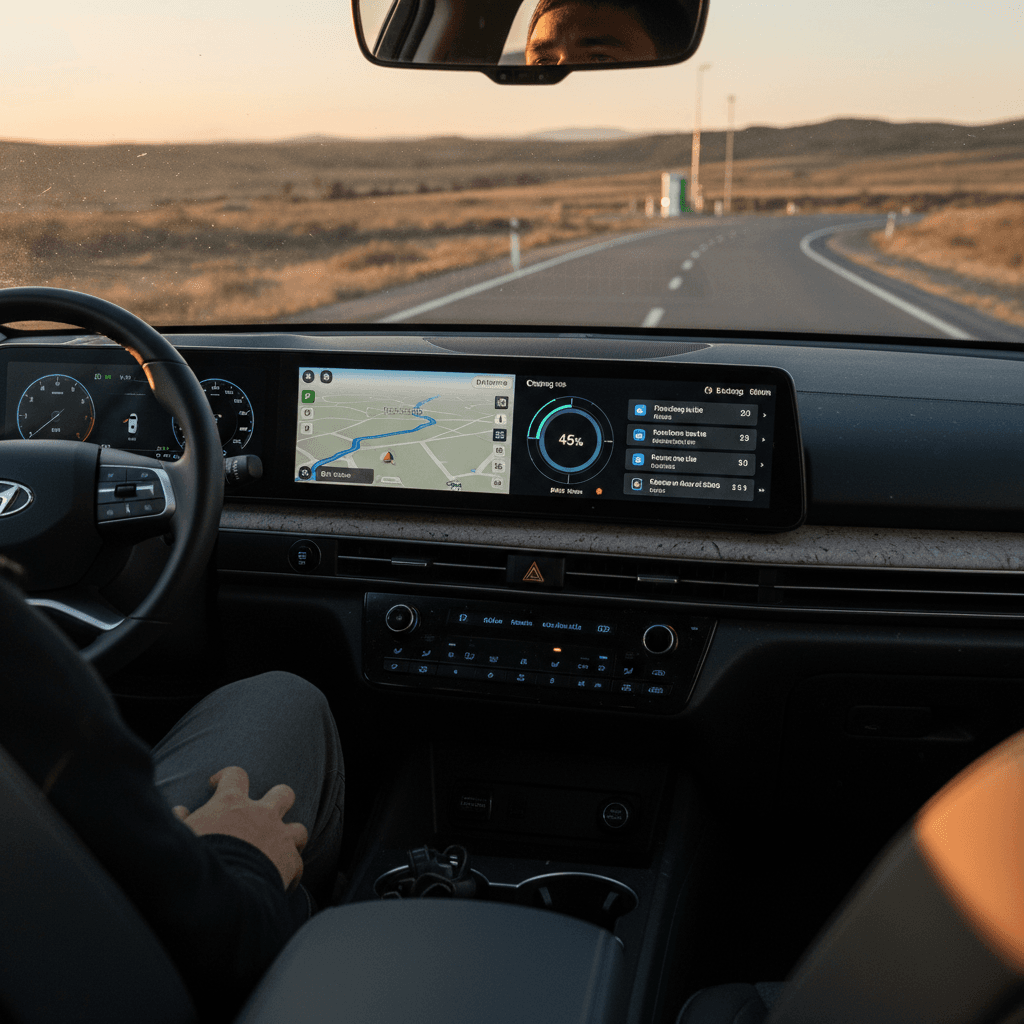
Your Ioniq 5’s nav knows your battery percentage and can suggest stops automatically. It also shows your predicted arrival charge, one of the single best confidence builders on a new EV trip.
- Start your planning with a conservative assumption: use the "comfortable highway planning range" from the table above, not the EPA number.
- Lay out chargers so you generally arrive with 10–20% and leave with 70–80%. This will naturally space your breaks about every 120–160 miles in many Ioniq 5 trims.
- Always have a backup charger within 20–30 miles of your main stop, in case your first choice is down or crowded.
- If you’re new to EVs, avoid scheduling your first road‑trip day as a 12‑hour marathon. Let yourself get comfortable with the rhythm first.
Trust, but verify charger info
Optimize Your Driving Style for Better Range
The Ioniq 5 is perfectly happy running at U.S. highway speeds all day, but how you drive can stretch or shrink your usable range by dozens of miles. You don’t have to baby it, you just have to be intentional.
Speed and lane choice
- Set the cruise control or Highway Driving Assist a few mph over the limit instead of trying to keep up with the fastest traffic.
- Sticking to 70–75 mph instead of 80+ mph is often worth an extra 20–30 miles of range per charge.
- Use the middle or right lane where you can drive smoothly without constant speed changes.
Use regen and drive modes wisely
- On long, steady highway stretches, heavy regen doesn’t help much, you’re not stopping and starting. Focus more on smooth inputs.
- On rolling terrain, lifting early and letting mild regen scrub speed can save energy versus late, hard braking.
- Eco mode softens throttle response and can help rein in heavy feet on long days.
Don’t obsess over every kWh
Climate Control and Comfort Tips
Comfort is part of range. Staying warm (or cool) without wasting energy keeps you sharper at the wheel and helps your Ioniq 5 do its best work between chargers.
Energy-smart comfort settings
Small tweaks that make a meaningful difference in real‑world range.
Use seat & wheel heaters
In cold weather, heated seats and steering wheel use much less energy than cranking cabin heat. Keep the air temp a little lower and rely on direct heat to stay comfortable.
Precondition while plugged in
Use scheduled climate or remote climate while the car is on the charger so you start the day with the cabin already at temperature, without dipping into your driving range.
Auto climate on long hauls
Set a realistic temperature (around 68–72°F) and use Auto mode. Constant fiddling usually wastes more energy than just letting the system manage airflow and compressor speed.
Weather is range you can’t see
Charging Etiquette and Backup Plans
Good road trips rely on other people’s good behavior, and yours. A little etiquette and a solid Plan B keep tempers and batteries from running low at the same time.
- Only occupy a DC fast charger while you’re actively charging, and move your Ioniq 5 when you’ve reached your target state of charge.
- If a station is busy and you can safely share cables between stalls, do it, especially if you’re already above 60–70% and just topping up.
- Avoid blocking access for trailers or other EVs while you’re parked to charge; think about how someone else would maneuver around you.
- If your main station looks crowded when you arrive, don’t panic. Check your remaining range and nearby alternatives before you jump in line.
Always have a Plan B charger
Taking Care of Your Battery on Long Trips
Road trips are actually pretty easy on modern EV batteries if you’re not hammering them from 0 to 100% and back all day. The Ioniq 5’s pack is designed for regular DC fast charging, but a few habits will help preserve long‑term health, especially if you take a lot of long drives.
Healthy long-trip patterns
- Live in the 10–80% window on the road whenever possible.
- Use DC fast charging on trips, but rely on Level 2 at home for everyday top‑ups.
- If you must charge to 100% for a long, rural stretch, drive off soon after instead of letting the car sit at max charge for hours.
Know your battery’s story
- If you’re shopping used, look for objective battery‑health information, not just what the guess‑o‑meter says.
- A report like a Recharged Score can show how the Ioniq 5’s pack has aged and how it compares to similar vehicles.
- Understanding your battery’s condition lets you plan honest road‑trip ranges, not wishful‑thinking ones.
Road trips are what this car was built for
Hyundai Ioniq 5 Road-Trip Checklist
Quick pre-trip checklist for your Ioniq 5
1. Update your apps and maps
Make sure your Ioniq 5’s navigation data is current and your favorite charging apps (and accounts) are set up with payment info before you set off.
2. Test a DC fast charger at home
If this is your first EV road trip, do a practice session at a DC fast charger near home so your first attempt isn’t with low battery in an unfamiliar place.
3. Plan conservative first legs
For your first long day, keep legs to 120–150 miles, even if the route planner says you can push farther. Build trust, then stretch out later if you’re comfortable.
4. Pack cables and essentials
Bring your included Level 1/Level 2 cable (if supplied), any adapters you own, a flashlight or headlamp, and weather‑appropriate clothing for late‑night stops.
5. Set realistic arrival buffers
Aim to arrive at chargers with at least 10–15% remaining until you know the route and charging network well. That buffer is your stress relief valve.
6. Align charging with meals
Look for stops near food, restrooms, or short walks. You’ll resent charging time a lot less when you’re doing something you’d have stopped for anyway.
Hyundai Ioniq 5 Long-Distance Driving FAQ
Frequently Asked Questions
How Recharged Can Help With Your Next Ioniq 5
The Hyundai Ioniq 5 is one of those rare EVs that feels absolutely in its element when you point it at the horizon. Learn its range, respect its charging rhythm, and plan like an EV driver instead of a gas‑station gambler, and long‑distance days become something you look forward to, not something you endure.
If you’re shopping for an Ioniq 5, or wondering whether your current one is up for serious road‑trip duty, Recharged is built to make that decision simple. Every used EV we list comes with a Recharged Score battery health report, transparent pricing, and EV‑savvy support, so you know exactly what kind of range and charging performance you’re buying. You can browse vehicles online, explore financing, get an instant offer for your trade‑in, or even handle the entire deal digitally and have your next Ioniq 5 delivered to your driveway.
When you’re ready to turn these Hyundai Ioniq 5 long‑distance driving tips into your next great road‑trip story, having the right car, and the right information, makes all the difference.