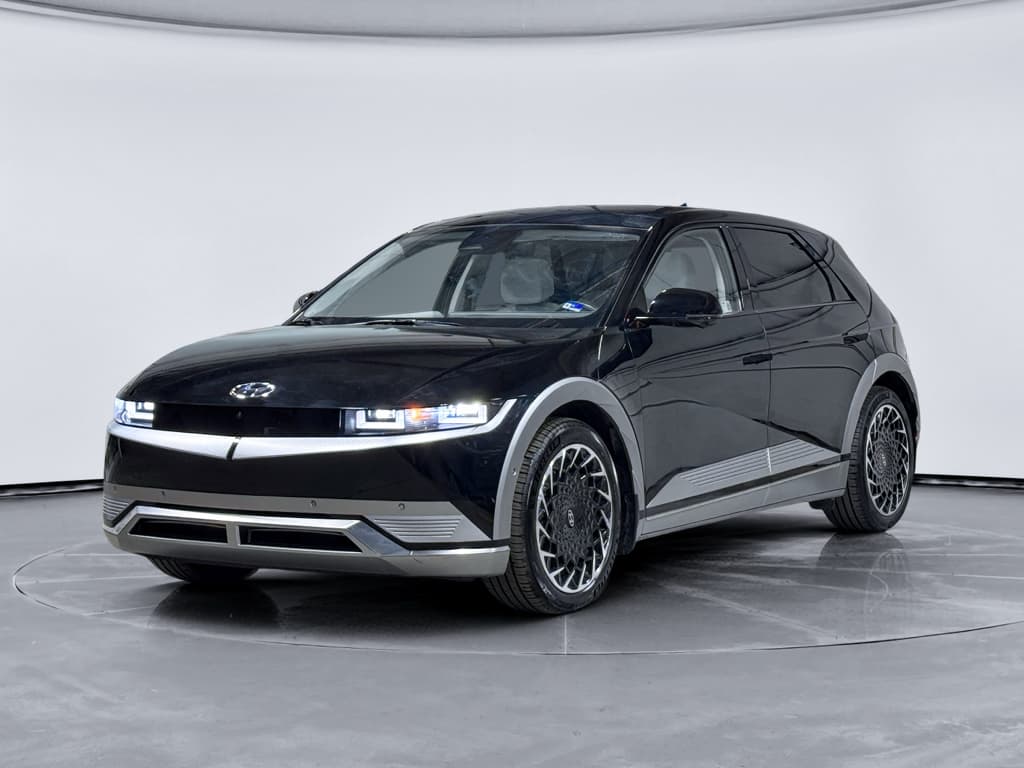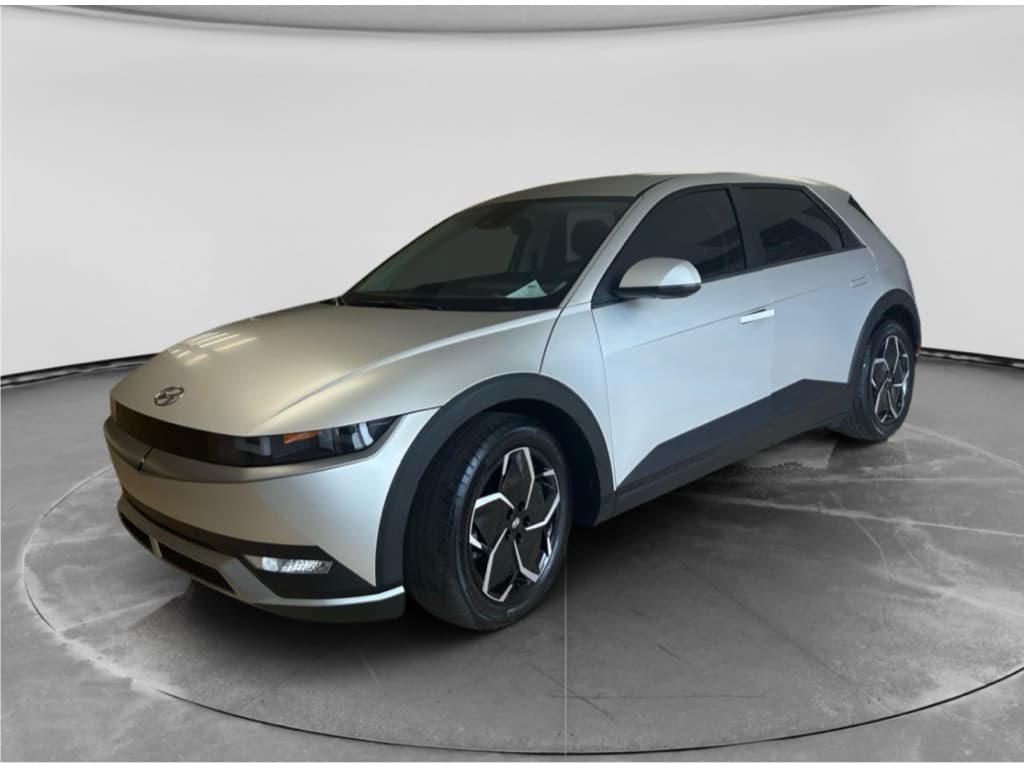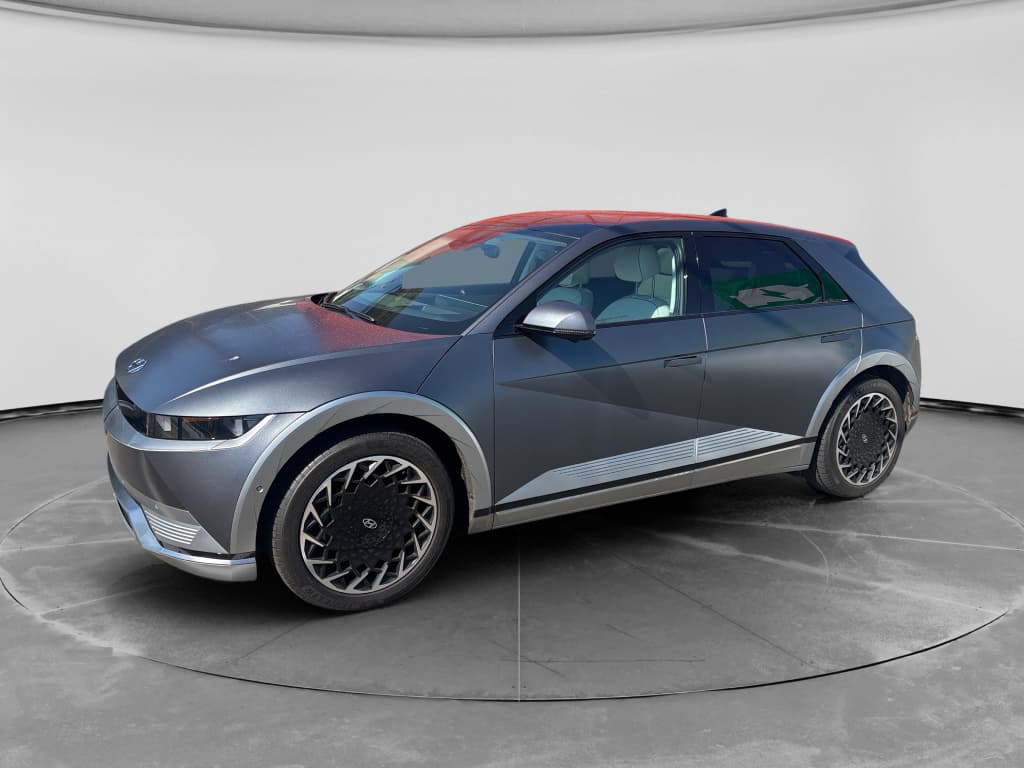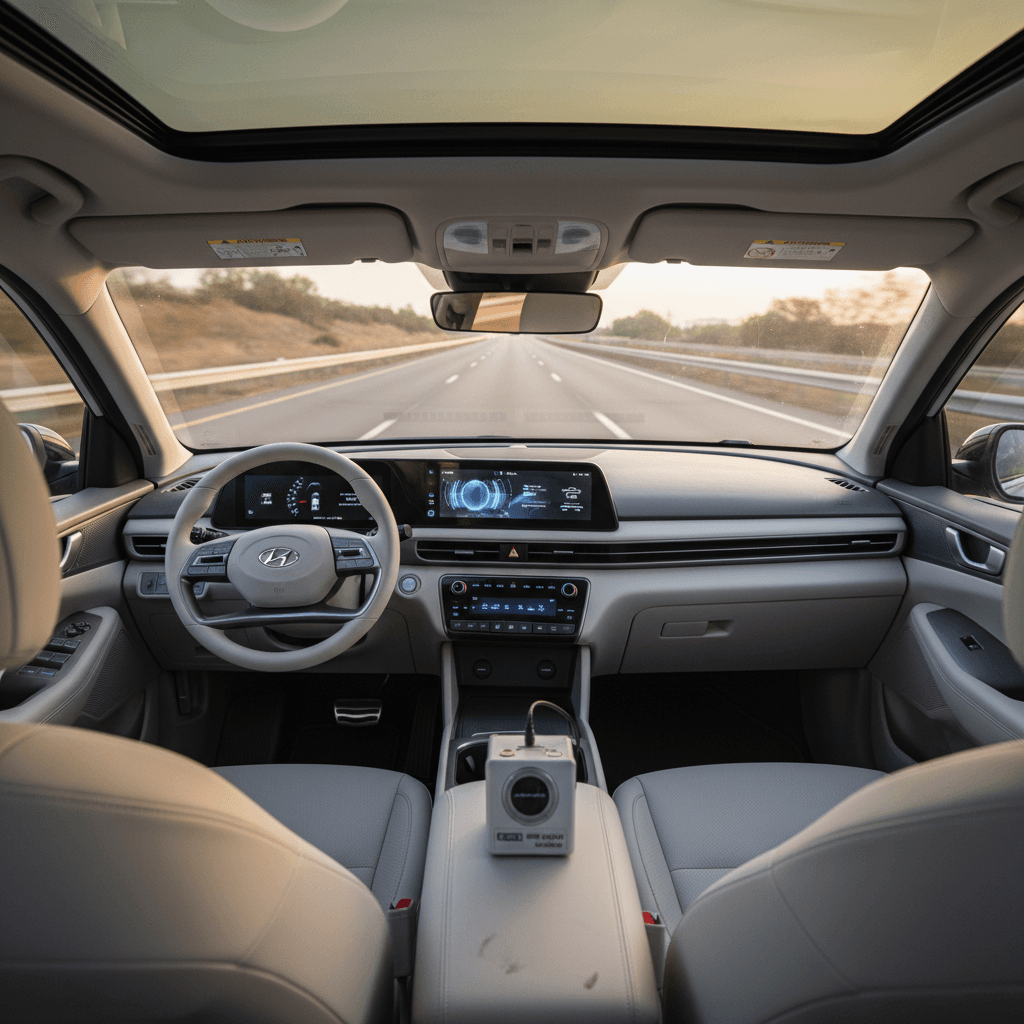
If you’re shopping for a Hyundai IONIQ 5, you’ve probably heard two very different stories: some owners say it’s **exceptionally quiet**, others complain about **highway vibration, wind noise, or tire roar**. So where does the truth land, and what does “Hyundai IONIQ 5 highway noise level” really feel like in the real world?
Quick Take
Overview: Is the Hyundai IONIQ 5 Quiet on the Highway?
Big picture: the Hyundai IONIQ 5 is **on the quiet side of the EV pack** at highway speeds, but it’s not a bank-vault luxury car. Reviewers and owners consistently describe it as calmer and more refined than many compact crossovers (and notably more comfortable than early Teslas), yet a bit noisier than the quietest premium EVs from brands like BMW or Mercedes.
Hyundai IONIQ 5 Highway Noise in Context
Why Your Test Route Matters
How Quiet Is the IONIQ 5 Compared to Other EVs?
Noise is subjective, but comparisons to familiar benchmarks help. The IONIQ 5 sits in an interesting middle ground: more refined than budget EVs and many compact gas crossovers, slightly behind the very best luxury EVs when it comes to **wind and tire isolation**.
IONIQ 5 Highway Noise vs Other Popular EVs
Where it shines, and where it merely keeps up
Tesla Model Y
Perceived loudness: Often noisier
- Many cross‑shoppers report more suspension thump and road noise in the Model Y, especially on rough pavement.
- Recent refreshes have improved refinement, but the IONIQ 5 still tends to feel softer and calmer over broken surfaces.
Chevy Bolt & Kona EV
Perceived loudness: IONIQ 5 is quieter
- Owners moving up from these cars typically note a big step in wind and road isolation.
- Long wheelbase and better sound insulation help the IONIQ 5 feel more relaxed on long trips.
Premium EVs (BMW i4, EQE, etc.)
Perceived loudness: Slightly noisier
- Luxury EVs with laminated glass all around and extra underbody insulation will still beat the IONIQ 5 on sheer hush.
- If your reference point is a quiet German luxury sedan, expect the Hyundai to feel good, but not quite in the same league.
Where the IONIQ 5 Wins

What Types of Noise Will You Hear in an IONIQ 5?
Every EV has its own acoustic “signature.” In the IONIQ 5, you’ll mostly notice three things at highway speeds: **tire noise, wind noise around the mirrors and roofline, and occasional EV‑specific sounds** like light motor whine or the low‑speed pedestrian alert.
- Tire roar: The dominant sound above 55 mph. On smooth asphalt, it’s a low, distant whoosh. On coarse concrete or worn surfaces, especially with aggressive tires, it can become a steady hum in the background.
- Wind noise: Typically well‑controlled, but some owners notice a mild rush from the mirrors and A‑pillars, and occasional whistling at certain speeds if a seal or trim piece is slightly off.
- Motor & drivetrain sounds: At steady highway speeds, the motors are mostly a faint background whir. Some cars exhibit a quiet high‑pitched tone at low speeds (5–20 mph) that fades as you accelerate.
- Interior squeaks & rattles: Like any modern crossover, build tolerances aren’t perfect. A handful of owners report hatch, tailgate, or interior trim rattles that become more noticeable on rough highways.
Listen With the Radio Off First
Common Highway Noise Complaints – and When to Worry
Most IONIQ 5s cruise quietly and drama‑free. But a minority of owners, especially on 2023–2024 cars, report **specific noise or vibration issues that you’ll want to screen for**, particularly if you’re considering a used example.
Common IONIQ 5 Highway Noise Complaints
What owners report, what usually causes it, and how serious it is.
| Symptom | Speed Range | Likely Source | Should You Walk Away? |
|---|---|---|---|
| Steady vibration felt in seat or steering wheel | 65–75 mph | Wheel balance, tire foam coming loose, or alignment issues | Maybe – if dealer can’t fix or calls it a “characteristic,” consider another car |
| Rotational humming or droning that rises/falls with speed | 40–75 mph | Tire pattern noise, cupping, or early wheel bearing wear | Depends – noisy tires are easy to fix, bearings are more serious |
| Whistling wind noise from front or A‑pillars | 40–65 mph | Door/window seal alignment, windshield trim, roof accessories | Usually fixable – but make dealer commit in writing |
| Clicking or rattling over bumps from rear hatch area | Any speed, more obvious on rough roads | Tailgate or interior trim rattle, common enough that some dealers have tried multiple fixes | Annoying but not typically dangerous – decide how sensitive you are |
| General “whoosh” and roar on coarse concrete | 55–80 mph | Normal tire and surface noise, especially on larger wheels and stickier tires | Normal – compare to other vehicles on the same road |
Use this table as a checklist during your highway test drive.
Red Flags on a Used IONIQ 5
Tires: The Biggest Variable in IONIQ 5 Highway Noise
Because the IONIQ 5’s powertrain is so quiet, tires become the star of the show at 65–80 mph. Both **tire type** and **tire condition** can dramatically change your impression of the car’s refinement.
1. OEM Tires & Noise-Reducing Foam
Many IONIQ 5 trims ship with eco‑oriented tires, some of which include foam liners inside the tire carcass to cut cabin noise. When everything is new and properly balanced, this setup can be impressively quiet.
However, loose or degraded foam, or poor factory balance, has been linked to vibrations and noise at highway speeds on some vehicles. In those cases, shops often remove the foam or replace the affected tire entirely.
2. Replacement Tires & Aggressive Tread
On used cars, the original tires are frequently replaced with conventional all‑seasons or even all‑terrains. These can track better in bad weather but add a lot more roar on rough highways.
- Blocky tread patterns and stiff sidewalls = more drone.
- Cheap replacements may get noisy long before they wear out.
- Uneven wear or cupping can create a rhythmic hum that sounds mechanical but is really just tire geometry.
Easy Tire Check on a Test Drive
Highway Test-Drive Checklist for an IONIQ 5
You don’t need decibel meters to evaluate the Hyundai IONIQ 5’s highway noise level. What you do need is a **structured test drive that mimics how you actually use the car**. Here’s a focused checklist you can follow in 10–15 minutes on a nearby freeway.
Step-by-Step Highway Noise Test
1. Start on Smooth Asphalt
Merge onto the highway and settle at 65–70 mph on the smoothest pavement you can find. Turn off the HVAC fan and stereo. The cabin should feel calm, with only a soft tire and wind whoosh in the background.
2. Add Lane Changes & Gentle Braking
While cruising, change lanes and apply light to moderate braking. Listen for rhythmic thumps, scrubbing sounds, or steering vibrations that could point to tire or alignment issues.
3. Try Coarse Concrete or Worn Pavement
If possible, include a stretch of rougher surface. Expect more noise, but pay attention to <strong>how much louder it gets</strong> and whether it turns into an intrusive drone or buzz in the cabin.
4. Vary Speed Between 60–80 mph
Slowly sweep your speed up and down. Does a vibration or hum appear at a specific range (for example 65–72 mph) and then fade? That kind of speed‑specific behavior often points to tire balance or wheel issues.
5. Listen Around the Mirrors and A‑Pillars
Focus on the area near your left ear and the windshield base. A gentle rush is normal; a sharp whistle or high‑pitched hiss, especially in crosswinds, can indicate misaligned seals or trim.
6. Test With and Without Passengers
If you can, bring another person and ask them to listen from the back seat. Some hatch rattles and rear suspension noises only show up clearly from the second row.
Don’t Be Afraid to Walk Away
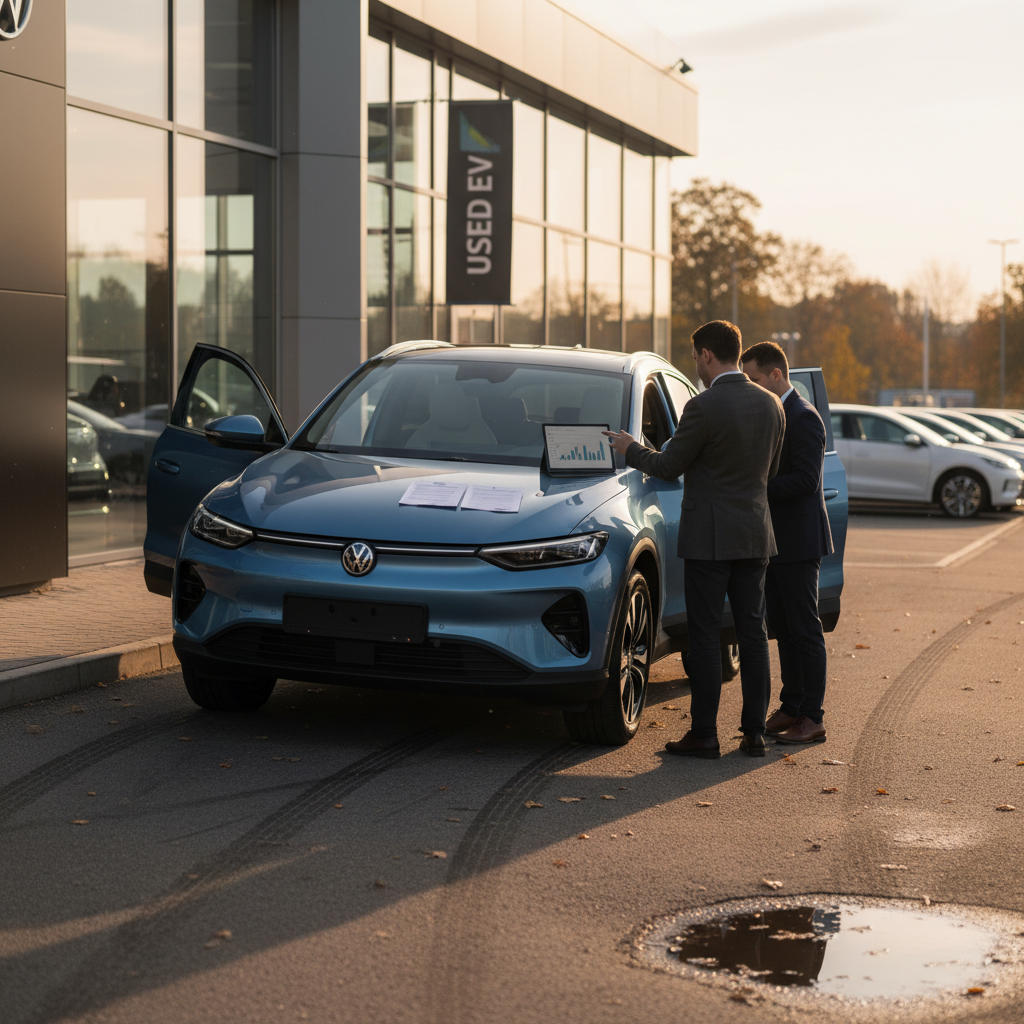
Buying a Used IONIQ 5: Noise-Specific Tips
Highway noise won’t show up on a window sticker, but it will shape how you feel about the car every day. If you’re cross‑shopping used IONIQ 5s, here’s how to factor noise and refinement into your decision.
Noise & Refinement Checks for a Used IONIQ 5
What to look for before you sign
Inspect Tires & Wheels
- Look for even tread wear and name‑brand tires.
- Check for any obvious flat spots, sidewall bubbles, or bent rims.
- Ask if the tires are original and whether they include noise‑reducing foam.
Ask for Service History
- Look for past visits mentioning vibration, alignment, or balance.
- Multiple attempts to fix the same noise could explain a lower price, but also signal a chronic issue.
- On a platform like Recharged, you can review history alongside the vehicle’s battery health report.
Confirm Highway Behavior
Around‑the‑block drives are meaningless. If a dealer won’t let you take the car to 65–75 mph, that’s a red flag. At Recharged’s Richmond Experience Center, test routes are designed to include highway speeds so you can judge refinement for yourself.
Balance Noise vs. Value
Some issues (noisy budget tires) are cheap fixes. Others (persistent vibration, wind leaks the dealer can’t pin down) are harder to resolve. Factor expected repair or tire replacement costs into your offer price.
How Recharged Helps
Ready to find your next EV?
Browse VehiclesHow to Reduce Highway Noise in an IONIQ 5 You Already Own
If you already own an IONIQ 5 and aren’t thrilled with its highway noise level, you’re not stuck with it. Some changes are inexpensive and straightforward; others require more effort but can transform the way the car feels on the interstate.
- Upgrade to quieter tires: When it’s time to replace rubber, prioritize tires marketed for “touring,” “comfort,” or “quiet ride” instead of ultra‑high‑performance patterns. A good set can shave several decibels of harshness at 70 mph.
- Get a precision balance and alignment: Ask a reputable shop for a road‑force balance rather than a quick spin balance. This helps catch tire construction issues (like shifted foam liners) that cause vibration at specific speeds.
- Inspect door and hatch seals: Look for flattened or damaged weatherstripping around doors, the hatch, and the charge port. Replacing a compromised seal is relatively cheap compared with living with a persistent whistle or hiss.
- Add targeted sound deadening: Enthusiasts often add butyl mats or foam under the cargo floor, wheel wells, and rear hatch trim. Done thoughtfully, this can cut some of the droning over coarse pavement without adding huge weight.
- Adjust expectations vs. reference car: If you’re coming from a full‑size luxury sedan, no compact crossover is going to match that hush. Calibrating expectations matters just as much as hardware tweaks.
Start With the Simple Stuff
Hyundai IONIQ 5 Highway Noise: FAQ
Frequently Asked Questions About IONIQ 5 Highway Noise
Bottom Line: Who the IONIQ 5’s Noise Profile Is Right For
If you’re stepping into a Hyundai IONIQ 5 from a typical compact SUV, you’ll likely find its **highway noise level pleasantly low**: a smooth, stable ride, relatively little wind rush, and the absence of any engine thrash. If you’re coming from a modern German luxury sedan, you’ll notice more tire texture and the occasional bump‑thump, but the IONIQ 5 still feels composed and relaxed on long drives.
The key is recognizing how much of what you’re hearing comes from **wear items like tires and alignment** versus the vehicle’s inherent design. With a clean bill of health and the right rubber, the IONIQ 5 is a genuinely comfortable road‑trip EV. And if you’re shopping used, working with a specialist retailer like Recharged, where battery condition, pricing, and overall vehicle health are laid out transparently, can help you land on an example that sounds as good on the highway as it looks on the driveway.