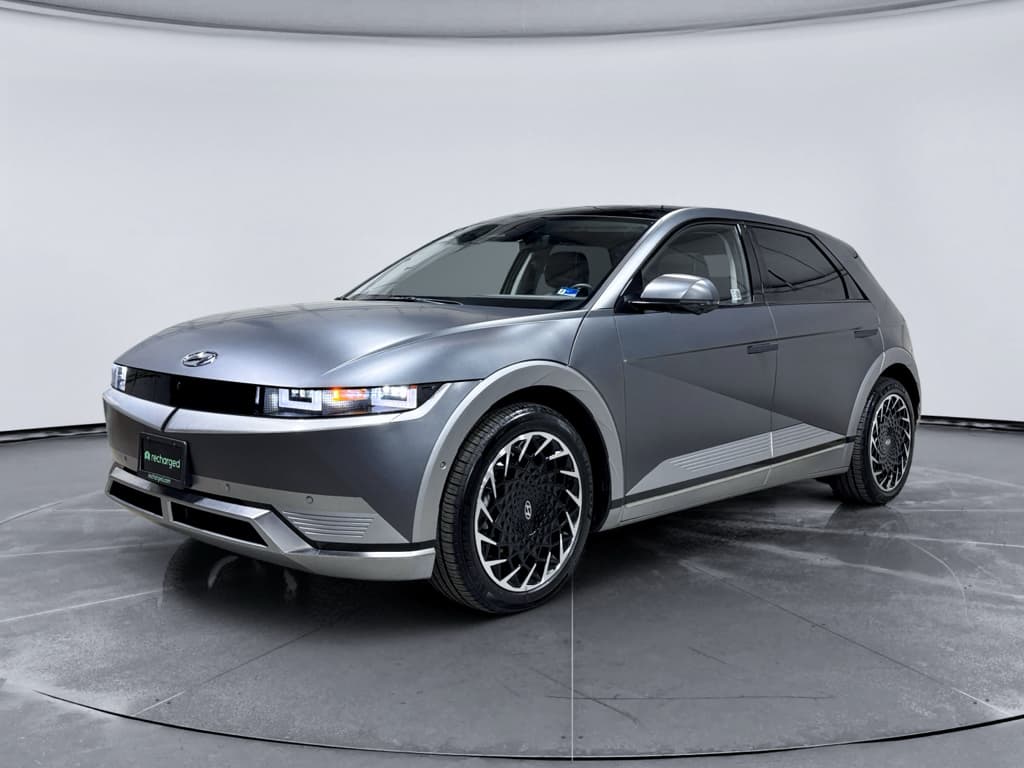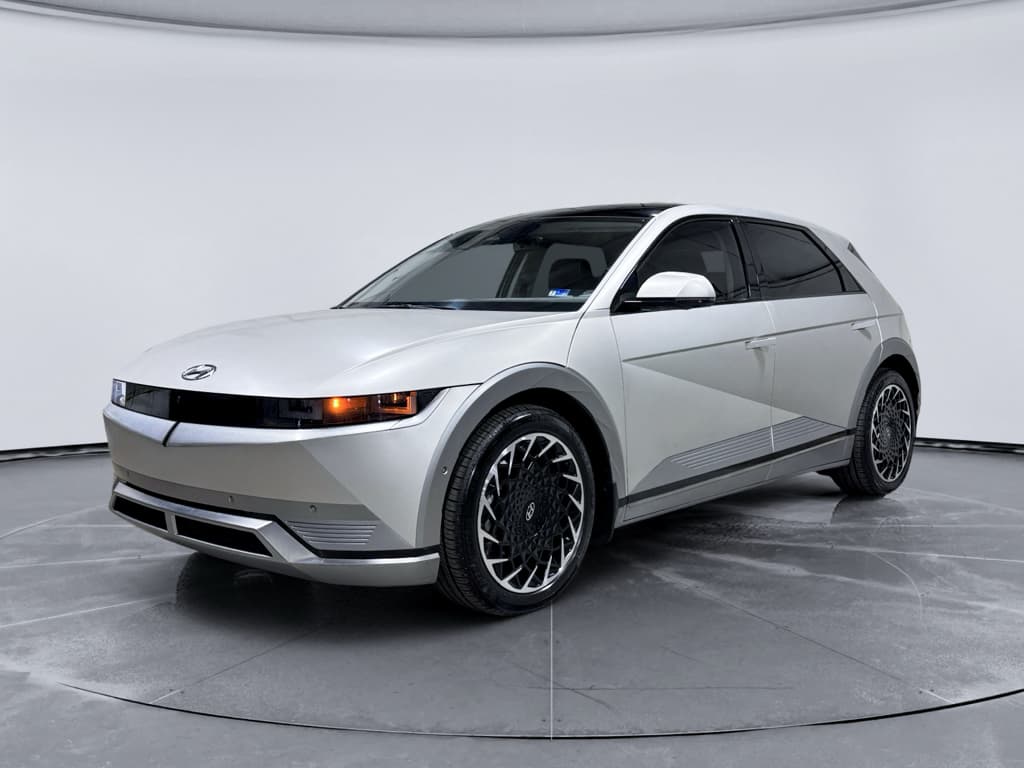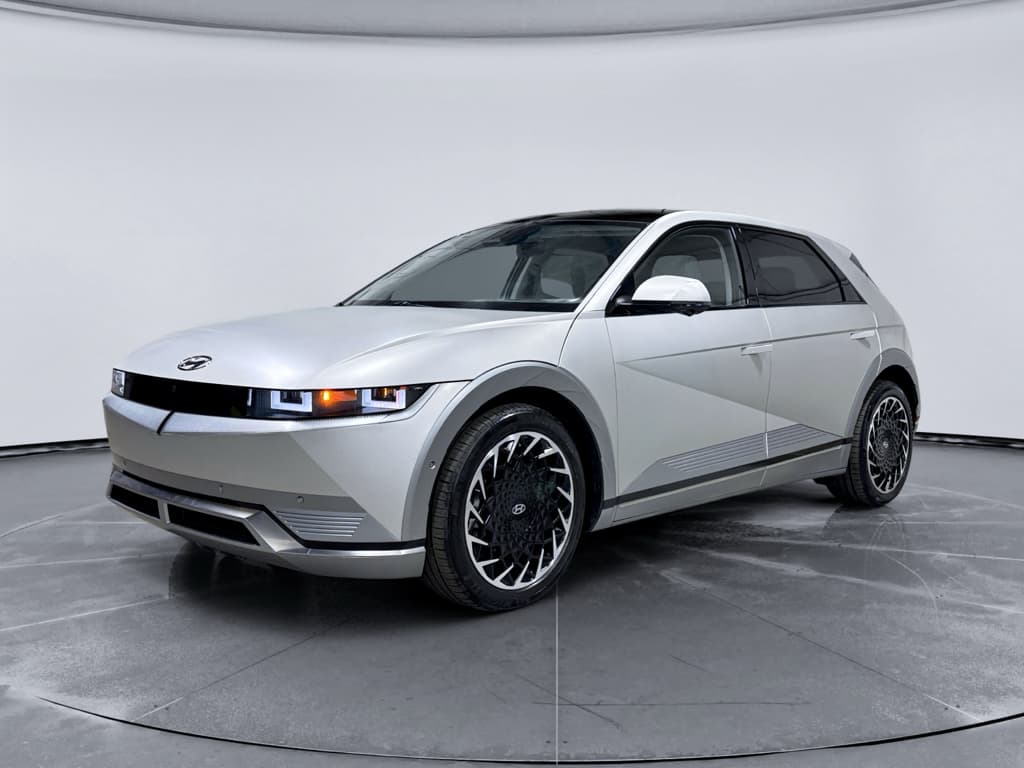
If you’re eyeing a Hyundai IONIQ 5, you’re probably wondering what really happens to its value after you drive it off the lot. EV prices have been a roller coaster, and the Hyundai IONIQ 5 depreciation rate is front‑and‑center for shoppers deciding between new and used. Let’s unpack how this futuristic hatchback-SUV actually holds up in the real world, and how to use depreciation to your advantage.
A quick note on numbers

Why Hyundai IONIQ 5 depreciation matters
Depreciation is the single biggest cost of owning almost any vehicle, and EVs are no exception. Insurance, charging costs, and maintenance nibble at the edges. Depreciation takes the big bite. For a technology‑forward EV like the IONIQ 5, it matters even more because battery tech, charging standards, and incentives can all swing used values faster than we’ve been used to with gas cars.
- It tells you whether it’s smarter to buy new or used.
- It helps you estimate your 5–8 year cost of ownership.
- It signals how easy it might be to resell or trade in later.
- It highlights which trims and option packages are actually worth paying for.
Depreciation can work in your favor
How fast does the IONIQ 5 depreciate?
Hyundai launched the IONIQ 5 in the U.S. for the 2022 model year. That gives us several model years’ worth of real‑world data. While numbers move month to month, the broad pattern is becoming clear: the IONIQ 5 has depreciated faster than many comparable gas SUVs, but is holding value better than some early mass‑market EVs that flooded the market and saw heavy price cuts.
Hyundai IONIQ 5 depreciation snapshot (typical U.S. market)
Those ranges assume a clean history, average mileage, and no major cosmetic issues. High‑demand markets, think West Coast EV hubs, often sit at the stronger end of the range, while regions with limited charging infrastructure or weak EV incentives tend to be softer.
Why early EVs fell harder
Factors that shape the Hyundai IONIQ 5 depreciation rate
The IONIQ 5’s value curve isn’t just about age and miles. EV‑specific details, battery health, charging speed, and even software features, play a much bigger role than they would in a conventional SUV. Here are the big levers that move the needle.
Key drivers of IONIQ 5 depreciation
Why two otherwise similar IONIQ 5s can be worth very different money
Model year & incentives
Later model years often came with different incentives and MSRP changes. A 2023 bought with a big rebate may be listed used for less than a 2022 that sold with little or no discount.
Mileage & usage
Like any car, higher miles hurt value, but EV buyers also look for signs of heavy DC fast‑charging, rideshare use, or long‑distance commuting that might have stressed the battery.
Battery health
This is the heart of EV value. A car with documented strong battery health and balanced cells can be worth thousands more than one with unexplained range loss.
Charging performance
The IONIQ 5 is famous for its fast DC charging. If real‑world charging logs show it still hits strong peak speeds, that supports a higher resale number.
Region & climate
Cold‑weather states and hot‑sun regions treat batteries differently. Well‑cared‑for cars from moderate climates typically command a premium.
Warranty & history
Transferable warranties, clean accident history, and documented service records all make a used IONIQ 5 easier to sell and less likely to be discounted.
How Recharged evaluates value
IONIQ 5 vs other EVs and gas SUVs
So where does the IONIQ 5 sit in the broader field? Compared with gas‑powered compact SUVs from mainstream brands, it has higher early‑year depreciation in dollar terms, mainly because its MSRP is higher and incentives can be generous. But compared with other EVs launched around the same time, it’s holding its own.
Depreciation comparison: IONIQ 5 vs common alternatives
High‑level snapshot of how the IONIQ 5 stacks up against similar vehicles after roughly three years of ownership.
| Vehicle | Type | Approx. 3‑year depreciation | Notes |
|---|---|---|---|
| Hyundai IONIQ 5 | EV | 30–35% | Competitive range and fast‑charging help support resale. |
| Mainstream compact SUV (gas) | Gas | 25–30% | Lower new prices, steady demand, less incentive volatility. |
| Early mass‑market EV (short range) | EV | 40–50%+ | Older tech and limited range have dragged values down. |
| Luxury EV crossover | EV | 35–45% | High MSRPs and rapid tech changes create steep dollar drops. |
Illustrative comparison based on typical U.S. market behavior; individual vehicles will vary.
The important thing isn’t whether the IONIQ 5 wins every comparison on paper; it’s that it offers a sweet spot of modern tech, usable range, and reasonable pricing. That combination tends to protect resale value better than either bargain‑bin EVs or ultra‑luxury experiments.
Battery health and IONIQ 5 resale value
Battery health is where EV depreciation either settles down or goes off a cliff. The IONIQ 5 ships with a robust battery warranty, but buyers still want to see evidence that real‑world capacity and charging behavior match the promise on paper.
Why battery health matters so much
- Range confidence: A battery that’s lost meaningful capacity shortens the car’s useful life for commuting and road trips.
- Charging behavior: Degraded packs can charge more slowly, undermining one of the IONIQ 5’s best features.
- Future buyers: If you plan to sell or trade later, your buyer will be asking the same questions you are now.
Signs of a healthy IONIQ 5 battery
- Range that’s still close to rated figures in mild weather.
- Consistent DC fast‑charging curves when logged over time.
- No warning lights, software limits, or unexplained service notes.
Objective diagnostics are better than guesses, which is why tools like the Recharged Score battery health report are becoming the new Carfax for EVs.
How Recharged reports battery health
Ready to find your next EV?
Browse VehiclesTrims, model years, and options: what holds value best
Not all IONIQ 5s age the same. Trim level, drivetrain, and option packages can nudge the depreciation curve up or down. Think of these as levers, not switches; none of them completely breaks the car, but they absolutely show up in asking prices.
How common IONIQ 5 configurations affect value
Broad tendencies we see in the used‑EV market
RWD vs AWD
AWD models usually cost more new and used, and hold value well in snow‑belt states. RWD cars can be bargains if you don’t need all‑wheel traction.
Standard vs Long Range
Long‑range batteries tend to depreciate more slowly because extra range stays desirable as the car ages.
Feature packages
Convenience and tech packages (HUD, premium audio, advanced driver assistance) typically help resale, especially on higher trims where buyers expect them.
Heat pump & cold‑weather kit
In colder climates, factory heat pump systems and winter packages can make a car easier to sell and command a small premium.
Colors & interiors
Neutral exteriors (gray, white, black) and tidy interiors tend to move faster on the used market than very bold colors, even when new buyers fell in love with them.
Accidents & repairs
EV‑specific collision repairs can be expensive. Clean history reports and quality repairs with documentation protect the car’s value.
Don’t overpay for the wrong options
How to shop smart for a used Hyundai IONIQ 5
If depreciation has already taken a healthy bite out of the sticker price, you’re in a strong position, as long as you don’t buy someone else’s problem child. Here’s how to let depreciation work for you, not against you.
Used IONIQ 5 buying checklist
1. Focus on total cost, not just price
Compare similar IONIQ 5s on purchase price, estimated remaining warranty, expected battery health, and your annual mileage. A slightly higher price for a healthier car can be cheaper long‑term.
2. Get objective battery and charging data
Ask for battery‑health diagnostics and, if possible, a log of recent DC fast‑charging sessions. On Recharged, this is bundled into the Recharged Score Report so you’re not guessing.
3. Cross‑shop trims thoughtfully
Decide if you really need AWD and every tech package. A well‑equipped RWD long‑range model often represents the sweet spot of price, efficiency, and resale.
4. Look at local charging infrastructure
If public fast‑charging is scarce where you live, buyers in your region may be more cautious about EVs, which can soften resale. Factor that into how aggressive a deal you demand.
5. Weigh new vs used with incentives
In some cases, new EV purchase incentives or tax credits narrow the gap between new and used. Run the math for your situation instead of assuming used is always cheaper overall.
6. Consider where you’ll sell later
If you plan to move or know you’ll resell in a hot EV market, a slightly higher‑spec IONIQ 5 might make sense because demand (and values) could be stronger there.
Let the market work for you
Ways to reduce your total cost of ownership
You can’t stop depreciation, but you can manage it. Think in terms of total cost of ownership: what you pay, what it costs to run, and what you’re likely to get back when you sell or trade.
Strategies for current or future owners
- Take care of the battery: Avoid living at 100% charge, don’t constantly fast‑charge from very low states of charge, and protect the car from extreme heat where possible.
- Stay on top of software updates: Some updates refine charging behavior or efficiency, which keeps the car competitive in the used market.
- Keep good records: Service receipts, charging logs, and even home‑charging setup details reassure future buyers.
Financial tactics that help
- Buy at the right point in the curve: Let the first owner eat the biggest depreciation hit, then buy in years 2–4.
- Consider financing length: A loan that outlasts the car’s practical life can leave you upside‑down; match term to how long you plan to keep it.
- Use tools like Recharged: Transparent pricing, trade‑in options, and expert EV advisors make it easier to understand the real numbers before you commit.
Avoid going upside‑down
Hyundai IONIQ 5 depreciation FAQ
Frequently asked questions about IONIQ 5 depreciation
Bottom line: should you worry about IONIQ 5 depreciation?
You should respect depreciation, but you don’t need to fear it. The Hyundai IONIQ 5 depreciation rate is very much in line with what you’d expect from a well‑engineered, tech‑forward EV that launched with competitive range and charging speeds. Early buyers have absorbed the steepest drop, and the used market is maturing into a sweet spot for shoppers who do their homework.
If you’re buying used, depreciation is your ally: it brings a futuristic, comfortable, fast‑charging EV into reach at a price that would have seemed impossible a few years ago. If you’re buying new, go in with clear expectations about how long you’ll keep the car and what it will likely be worth on the other side.
Either way, the key is information. Understanding how age, battery health, trim, and incentives shape the IONIQ 5’s value, and using tools like the Recharged Score battery health and pricing report, lets you make a calm, confident decision instead of riding the EV‑market roller coaster blindfolded.