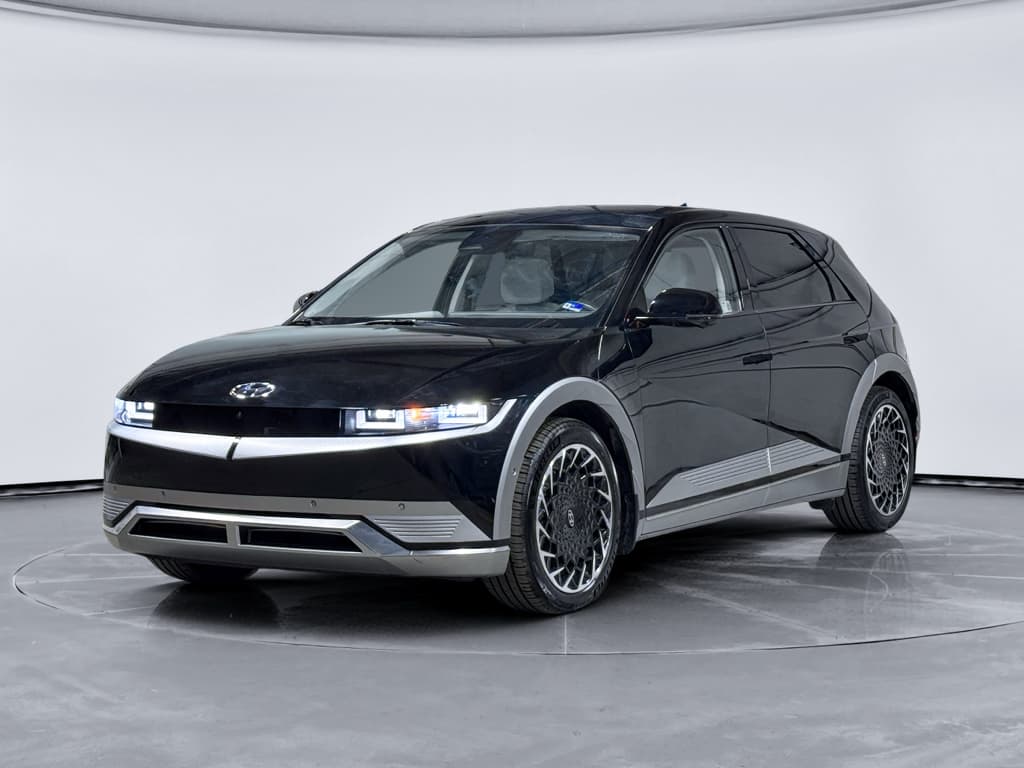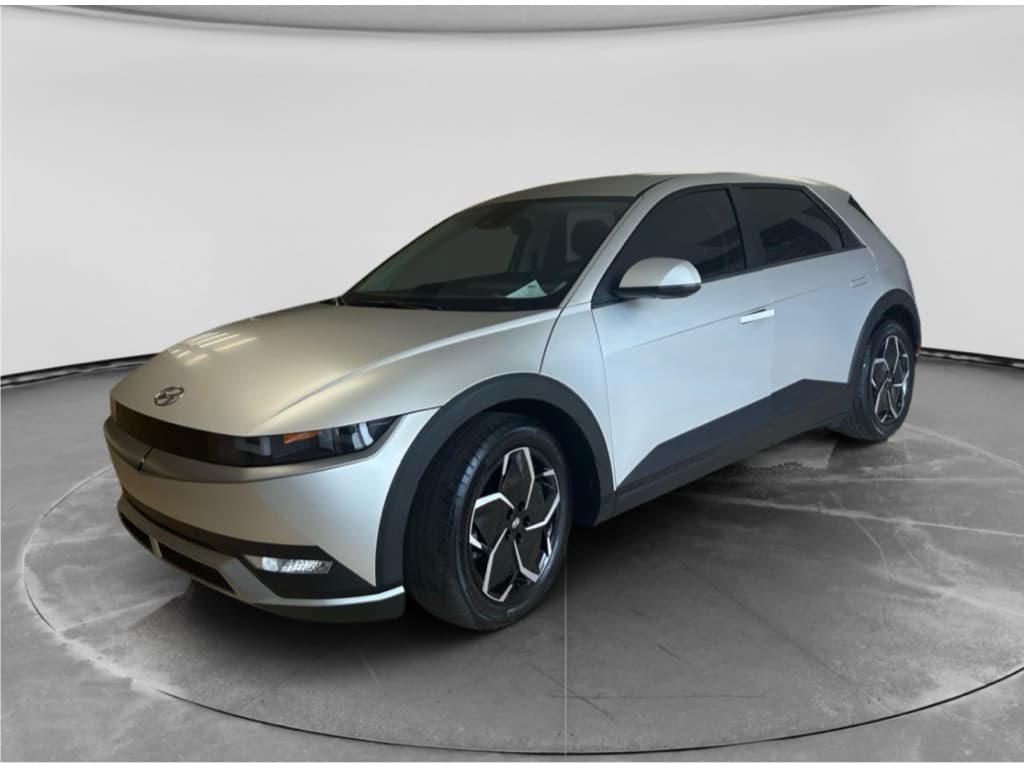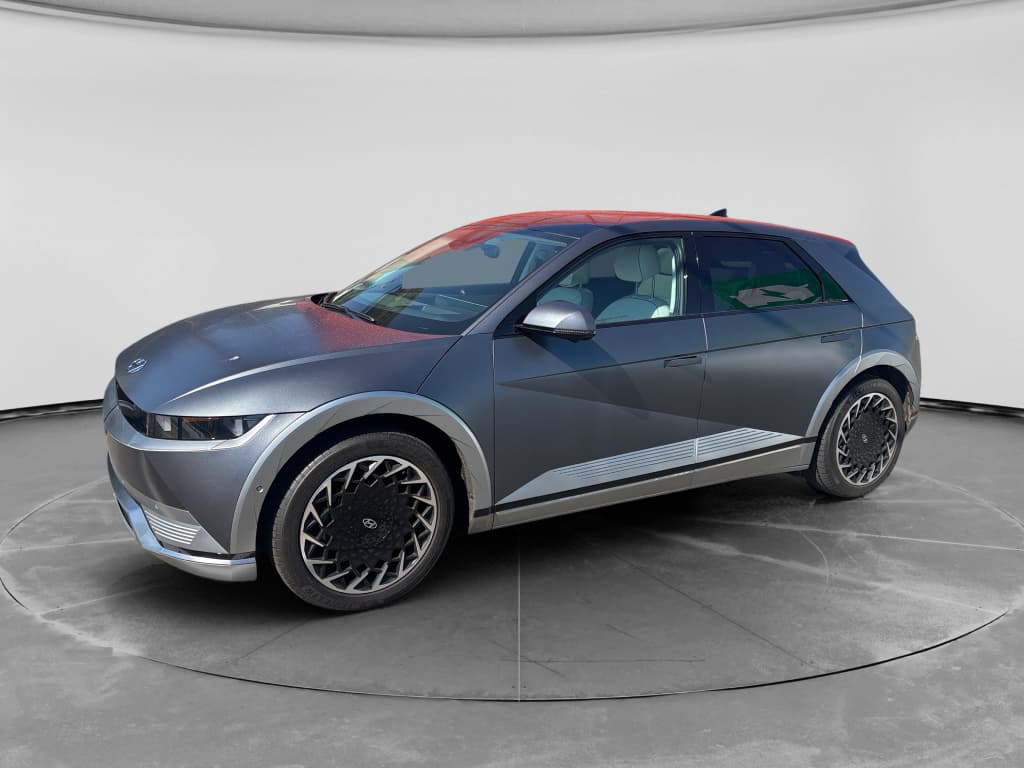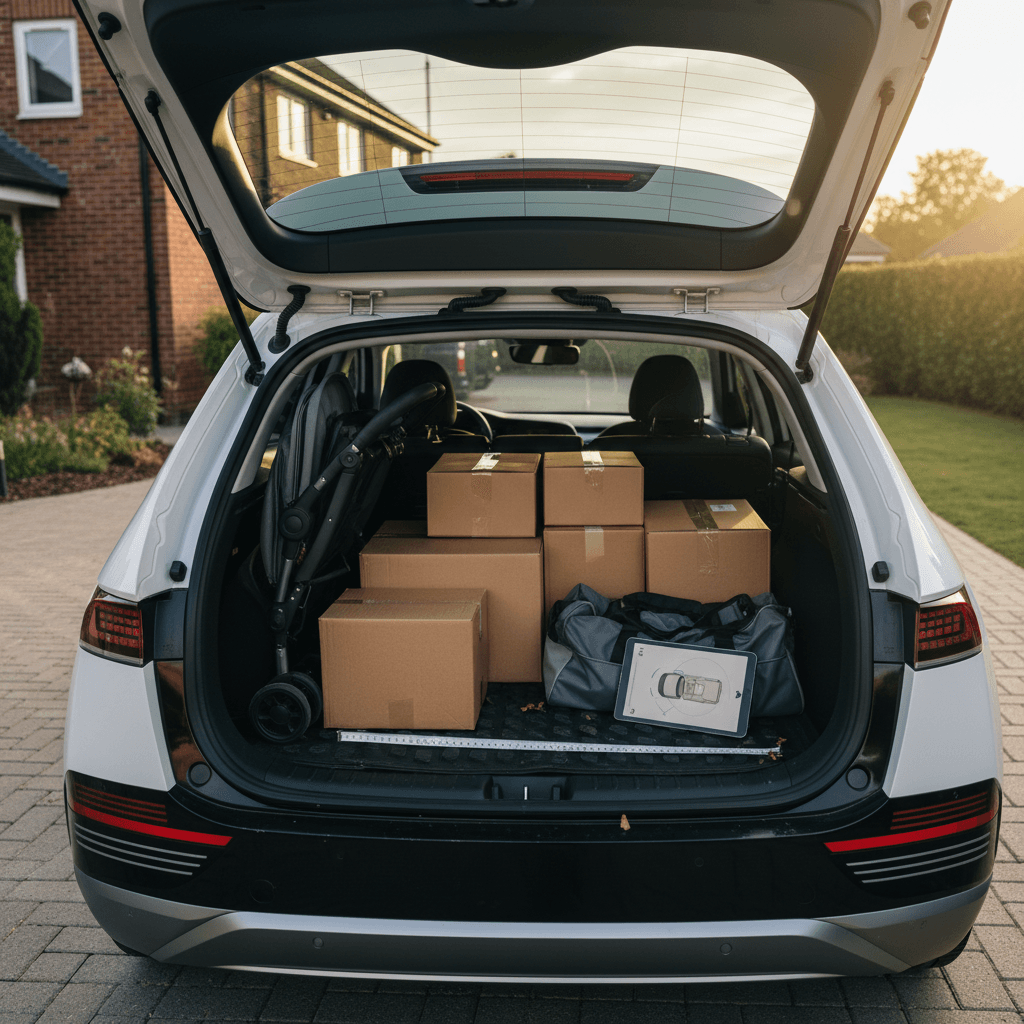
If you’re cross‑shopping electric crossovers, Hyundai IONIQ 5 cargo space dimensions are probably near the top of your list. The good news: this EV looks like a hatchback but behaves like a compact SUV, with enough room for family gear, Costco runs, and road‑trip luggage, if you know how to use the space.
Quick takeaway
Hyundai IONIQ 5 cargo space dimensions at a glance
Key Hyundai IONIQ 5 cargo and interior numbers
Exact numbers can vary slightly by model year and trim, but whether you’re looking at a 2022 launch model or a 2025 refresh, the overall cargo and interior volume story is the same: the IONIQ 5 punches above its size class for passenger comfort and offers solid, if not class‑leading, cargo room.
IONIQ 5 trunk space with seats up vs. down
Let’s start with the rear hatch, because that’s where most of your everyday hauling happens. Multiple spec sheets for recent model years show nearly identical numbers, so we’ll use rounded figures that reflect what you’ll actually see when shopping new or used.
Hyundai IONIQ 5 rear cargo volume
Approximate trunk space figures for most 2022–2025 Hyundai IONIQ 5 models.
| Configuration | Cargo Volume (cu ft) | What it means in real life |
|---|---|---|
| Behind rear seats (seats up) | ~26–27 | Everyday space for groceries, a stroller, or 3–4 carry‑on suitcases. |
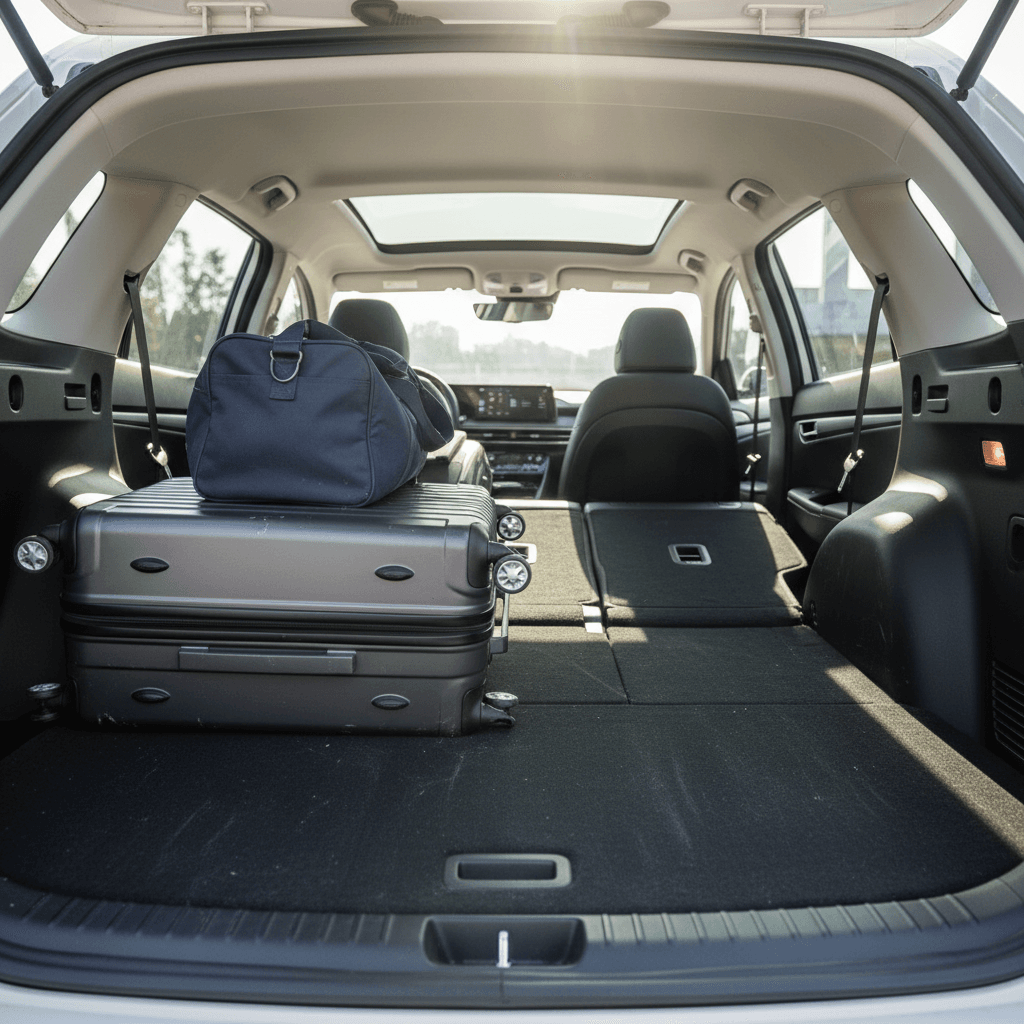
| Seats folded (to seatbacks) | ~58–59 | Big‑item mode: think flat‑pack furniture, bikes with front wheels removed, or luggage for a family vacation. |
Specs can vary slightly by trim and testing method, but these numbers are a reliable guide for shopping.
A couple of quirks matter when you’re planning how to use that space:
- The cargo floor is relatively low and flat, making it easy to load heavier items.
- The rear opening is wide and almost square, which helps with boxy items like coolers and storage bins.
- Rear seats split 60/40, so you can carry a long item on one side and still keep one or two rear passengers buckled in.
Pro shopping tip
Frunk space: How big is the IONIQ 5’s front trunk?
Unlike some legacy automakers that stuffed power electronics under the hood, Hyundai carved out a small front trunk (frunk) in the IONIQ 5. You won’t be tossing a suitcase up there, but it’s handy storage that keeps your main cargo area tidier.
IONIQ 5 frunk volume
Most documentation and dealer spec sheets list the IONIQ 5 frunk at around 0.8–0.85 cubic feet. Think shoeboxes, not coolers: it’s just enough for charging cables, a portable tire inflator, or a compact emergency kit.
Why it still matters
- Lets you keep charging gear and dirty items separate from luggage.
- Frees up under‑floor bins in the rear for things you grab more often.
- Useful hideaway spot when you’re parking in public and don’t want valuables visible in the cabin.
Don’t overestimate the frunk
Interior dimensions, passenger room, and cargo flexibility
Cargo space doesn’t tell the whole story. A big reason the IONIQ 5 works so well as a daily family hauler is how roomy the cabin feels, front and back, and how easily the second row can be adjusted to balance people vs. stuff.
Hyundai IONIQ 5 interior dimensions (typical U.S. models)
Figures are similar across 2022–2025 model years, with minor trim variations.
Legroom
Front: ~41.7 in
Rear: ~39.4 in
Plenty of stretch‑out room; adults can sit behind adults comfortably, even on longer trips.
Head & shoulder room
Front headroom: ~39.8 in
Rear headroom: ~38.7 in
The long wheelbase and boxy roofline give the cabin an airy, "mini‑living‑room" feel.
Passenger volume
Total: ~106–107 cu ft
On paper and in real life, this is roomy for the IONIQ 5’s footprint, rivaling some larger crossovers.
The rear seats can recline and slide fore‑aft, so you can trade a couple inches of rear legroom for a bit more cargo depth when you need it. That flexibility is worth testing in person if you routinely carry tall passengers and a lot of gear at the same time.
Real‑world scenarios: What actually fits in an IONIQ 5?
Specs are helpful, but you’re probably wondering whether the IONIQ 5 will handle your life: car seats, pets, sports, road trips, maybe even light DIY projects. Here’s what those cargo numbers translate to in practice.
Common cargo use cases for the IONIQ 5
1. Weekly grocery and Costco runs
With seats up, the ~26–27 cu ft trunk handles a full family grocery trip plus bulk items. The low liftover makes heavier cases of water or cat litter much easier to maneuver than in a taller SUV.
2. Strollers and kid gear
Most mid‑size strollers fit lengthwise behind the second row. You’ll still have room for a diaper bag, soft cooler, and a couple of backpacks. Taller jogging strollers may require folding a wheel or reclining the rear seats slightly.
3. Bikes and outdoor gear
Fold the rear seats and you can slide in one or two bikes with front wheels removed, plus camping gear stacked to the window line. The nearly flat load floor helps keep everything stable on the move.
4. Airport runs and road‑trip luggage
Think <strong>3–4 carry‑on suitcases plus duffels</strong> with seats up, or a full family’s worth of vacation luggage with seats folded. If you’re regularly hauling four adults plus big checked bags, you may want to step up to a larger SUV.
5. Moving day & DIY projects
Boxes, lamps, and flat‑pack furniture are the IONIQ 5’s sweet spot. The wide hatch and fold‑flat rear seats make it easier to haul narrow but long items from your local home‑improvement store.
How Recharged helps
Ready to find your next EV?
Browse VehiclesIONIQ 5 vs rivals: How its cargo space stacks up
The IONIQ 5 competes with some heavy hitters: Tesla Model Y, Ford Mustang Mach‑E, Volkswagen ID.4, Kia EV6. All offer hatchback practicality with varying degrees of rear‑trunk and frunk space.
Approximate cargo space comparison: IONIQ 5 vs key rivals
Figures are rounded and can vary by model year and trim; use this as a directional guide, not a VIN‑specific spec sheet.
| Model | Cargo Behind Rear Seats (cu ft) | Max Cargo (Seats Folded, cu ft) | Frunk? |
|---|---|---|---|
| Hyundai IONIQ 5 | ~26–27 | ~58–59 | Yes, small (~0.8 cu ft) |
| Tesla Model Y | Low‑mid 30s | Mid 70s+ | Yes, larger |
| VW ID.4 | Low‑mid 30s | Low 60s | No traditional frunk |
| Ford Mustang Mach‑E | High 20s | Low‑mid 60s | Yes, medium |
| Kia EV6 | Mid 20s | High 50s | Small frunk on RWD models |
If cargo is your top priority, Model Y and ID.4 hold a bit more, but the IONIQ 5 is comfortably in the mix for everyday family use.
On raw numbers, the IONIQ 5 isn’t the class leader, but it’s far from cramped. Its real strength is the combination of roomy passenger space, ultra‑fast charging, and usable cargo area in a footprint that’s easy to park and live with day‑to‑day.
Tips to maximize cargo space in your IONIQ 5
Whether you already own an IONIQ 5 or you’re planning your test drive, a few practical tricks can stretch those cubic‑foot numbers further than you’d expect.
Smart ways to squeeze more from Hyundai IONIQ 5 cargo space
Simple tweaks that make everyday hauling easier.
Use the under‑floor storage
The trunk has under‑floor bins that are perfect for charging cables, emergency kits, or detailing supplies. Moving these out of the main cargo area instantly frees up visible space.
Slide and recline the rear seats
Sliding the second row forward a notch or two can create just enough extra depth for a larger cooler or suitcase while still keeping passengers comfortable.
Pack vertically, but safely
Because the hatch area is tall, stacking soft bags or duffels to just below the window line lets you carry more without blocking rear visibility.
Consider a cargo box or hitch rack
If you’re an avid camper or cyclist, a rooftop box or hitch‑mounted bike rack can move bulky gear outside the cabin and keep the interior open for people and pets.
Safety reminder
Buying a used IONIQ 5: What to check for cargo needs
If you’re considering a used Hyundai IONIQ 5, you’re probably weighing it against similarly priced gas crossovers with big trunks. The trick is making sure the specific EV you’re eyeing still offers the flexibility you need, and hasn’t had its cargo area beaten up by a prior owner.
Cargo‑focused checklist for used Hyundai IONIQ 5 shoppers
Confirm rear seat operation
Fold and unfold the second row several times. Make sure both 60/40 sections latch securely and slide smoothly. Sticky or misaligned mechanisms can be a sign of past damage or heavy use.
Inspect the cargo floor and side panels
Look for deep gouges, cracked trim, stains, or moisture under the floor. Cosmetic wear is normal in a used EV; structural damage or water intrusion is not.
Check the cargo cover and hooks
Verify that the retractable cargo cover (if equipped) extends, retracts, and locks in place, and that tie‑down hooks and seatback anchors aren’t cracked or missing.
Look at rubber seals around the hatch
Hardened, cracked, or misaligned seals can lead to wind noise or water leaks into the cargo area. This is worth addressing before you sign.
Open the frunk and examine the bin
Confirm the frunk latch works smoothly and that the plastic bin isn’t cracked. Make sure there’s a spot for the portable charge cord you plan to carry.
Ask for a battery health report
Cargo space is only half the story. An EV with tired range can limit how you use that space on road trips. Every vehicle on Recharged comes with a <strong>Recharged Score</strong> battery and condition report, so you know how the pack has aged before you buy.
How Recharged fits in
FAQ: Hyundai IONIQ 5 cargo space and dimensions
Frequently asked questions about IONIQ 5 cargo space
Bottom line: Is the Hyundai IONIQ 5 big enough for you?
If you want an EV that feels like a lounge for your passengers but still hauls real‑world cargo, the Hyundai IONIQ 5 hits a sweet spot. You’re getting mid‑20s cubic feet of everyday trunk space, close to 60 cubic feet with the seats down, a small but useful frunk, and one of the roomiest back seats in the segment.
For shoppers moving out of a compact gas SUV, the IONIQ 5 will feel familiar from a cargo perspective, with the bonus of smoother, quieter electric driving. And if you’re hunting for value, a used IONIQ 5 on Recharged can deliver that space, verified battery health, transparent pricing, and expert guidance all in one place, so you’re not just buying cubic feet, you’re buying confidence.