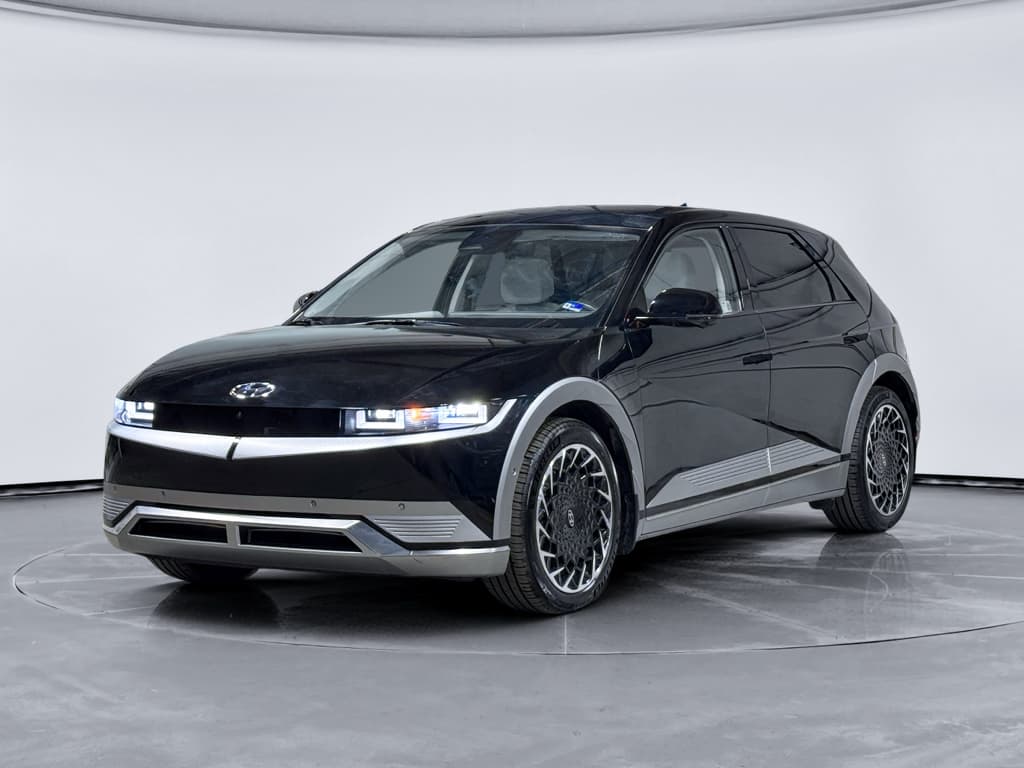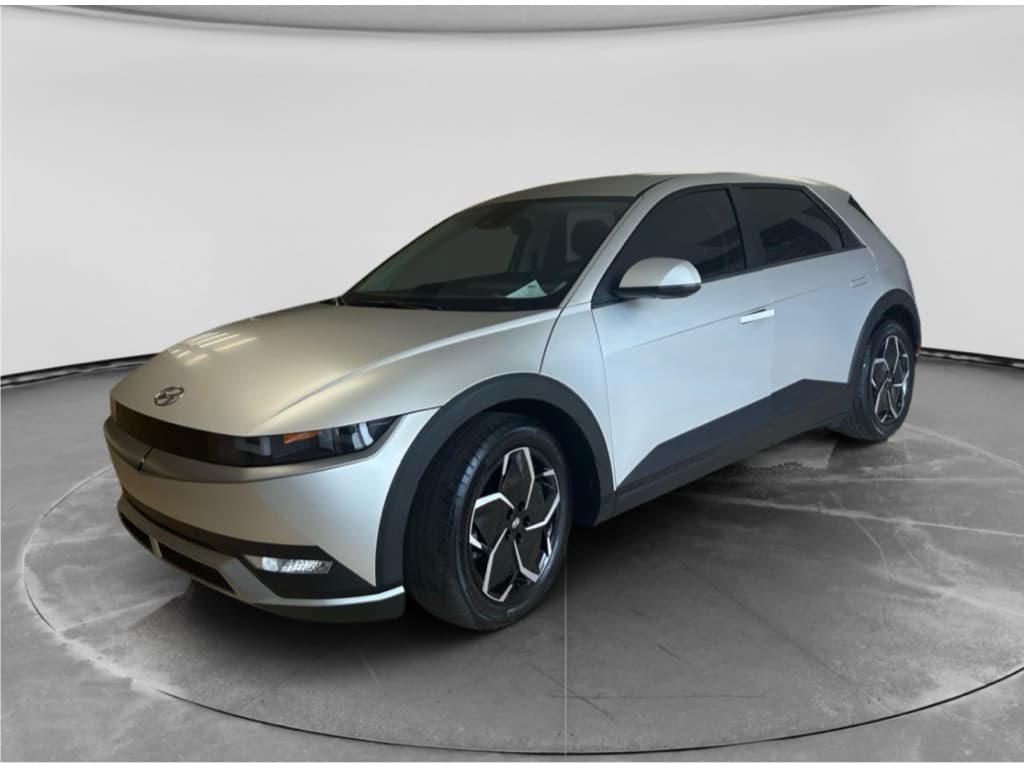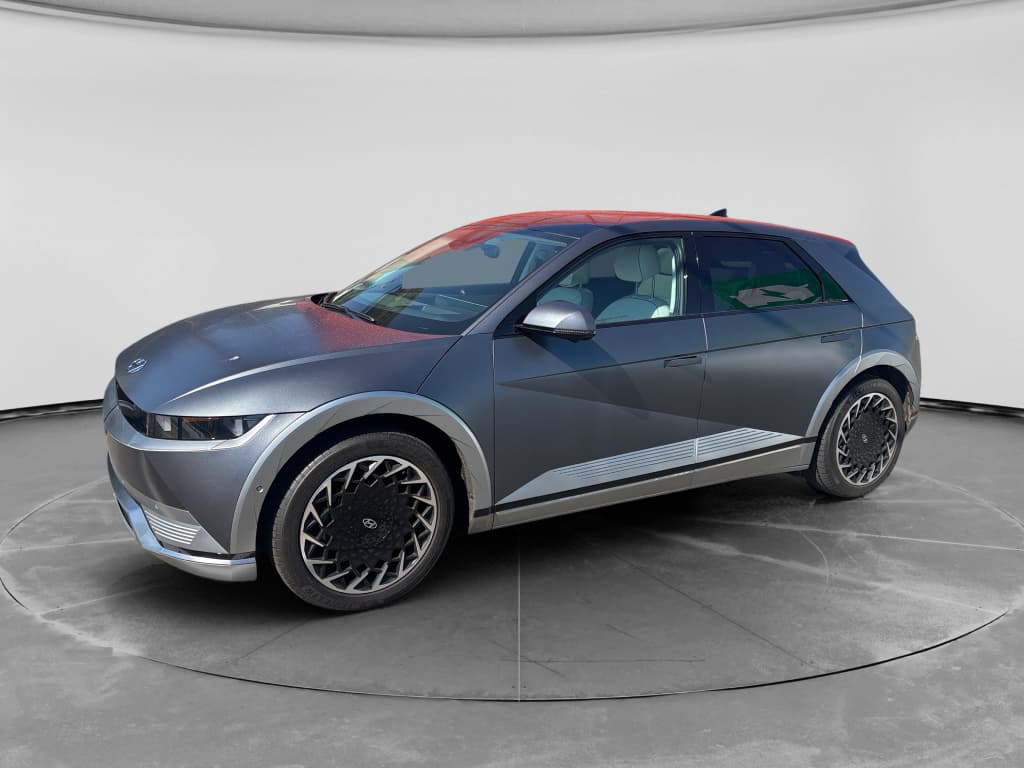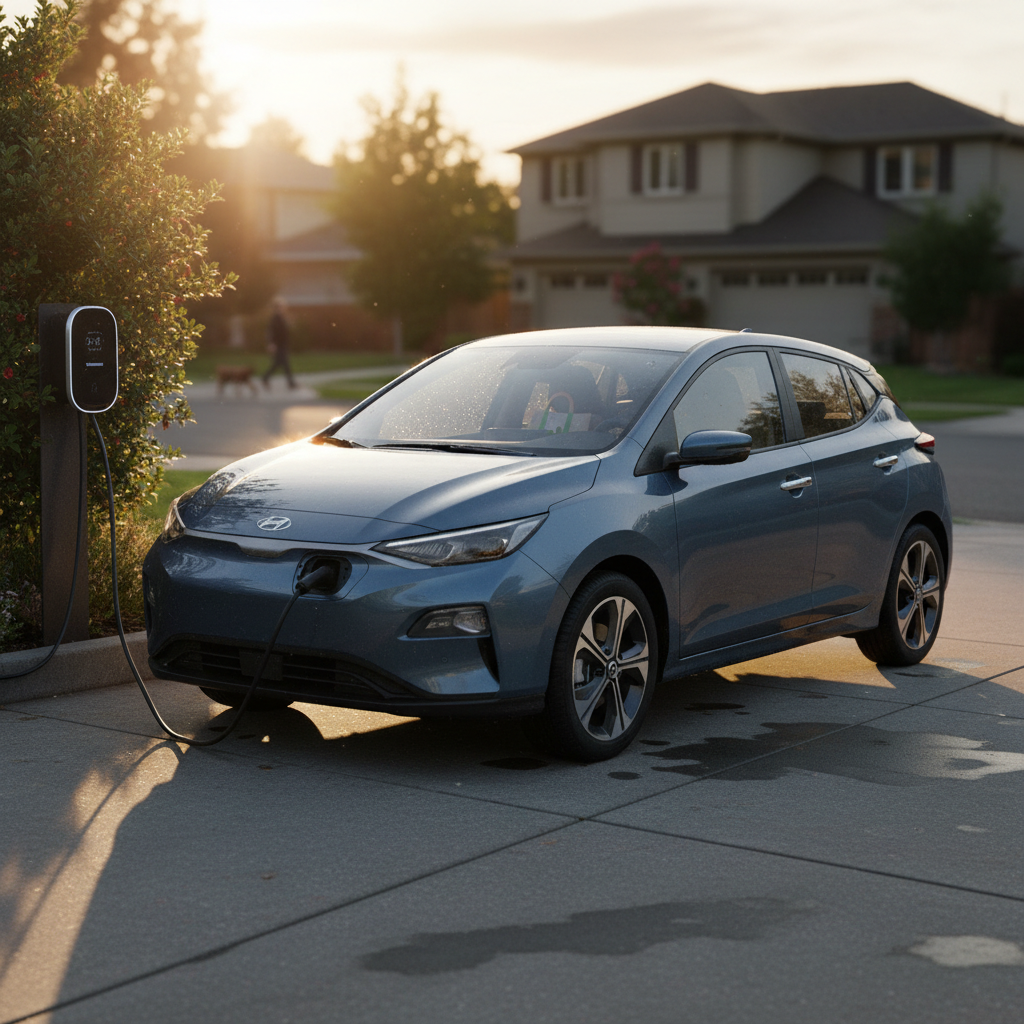
The Hyundai IONIQ 5 is one of the most compelling electric crossovers on the road: sharp styling, a roomy cabin, ultra‑fast 800‑volt charging and solid range. But like any EV, it’s not one‑size‑fits‑all, and when you’re talking about a used IONIQ 5, you also need to think about battery health, software updates and recalls. This Hyundai IONIQ 5 buying checklist walks you through everything to review before you sign the paperwork.
Who this checklist is for
Why a buying checklist matters for the IONIQ 5
The IONIQ 5 launched in the U.S. for the 2022 model year and has evolved quickly, battery sizes, range, charging speeds and even pricing have changed within just a few years. Later models add bigger batteries, access to Tesla’s Supercharger network via NACS, and updated software, while early builds have a track record of **ICCU (charging electronics) issues** and other bugs that you’ll want to screen for. A structured buying checklist keeps you from fixating on the color and forgetting the stuff that actually matters: **how far it goes, how it charges, and how healthy the battery and electronics are.**
How Recharged can help
Step 1: Define how you’ll use your Hyundai IONIQ 5
Daily commuting and family duty
If most of your driving is school runs, commuting and weekend errands, almost any IONIQ 5 trim will feel overbuilt. Your priorities:
- Comfort and space: sliding rear bench, flat floor, easy in/out.
- Short‑trip efficiency: heat pump (in cold climates), smaller wheels.
- Home charging: Level 2 charging so you always leave with a full battery.
Road‑trip and adventure use
If you’ll regularly knock out 200‑ to 400‑mile days, focus on:
- Long Range battery: more miles between stops.
- Fast DC charging: the IONIQ 5’s 800‑V system can go 10–80% in ~18–20 minutes at a powerful charger.
- AWD/XRT or N: for extra traction or performance, with some range trade‑off.
Think in trips, not just miles
Step 2: Choose battery size, drivetrain and real-world range
The IONIQ 5 has been offered with two main battery sizes in North America. Earlier model years use a **58 kWh Standard Range** pack and a **77.4 kWh Long Range** pack. Newer refreshed models move to slightly larger packs (often quoted around 63 kWh and 84 kWh) with modest range and charging‑speed gains. Your choice here is the single biggest driver of how the car fits your life.
Hyundai IONIQ 5 battery, drivetrain and approximate EPA range
Typical EPA range figures for earlier model years. Later 2025–2026 models add a bit of range with updated packs, use these as ballpark numbers and confirm the exact rating for the VIN you’re shopping.
| Battery / Drivetrain | Approx. EPA Range (mi) | Best suited for |
|---|---|---|
| Standard Range RWD (~58 kWh) | 220–245 | Short commutes, second car, mostly city use |
| Long Range RWD (~77.4 kWh) | 300–318 | Maximum range and efficiency; ideal road‑trip spec |
| Long Range AWD (~77.4 kWh) | 260–290 | All‑weather traction and strong acceleration with a small range penalty |
Smaller wheels and rear‑wheel drive generally give you the best range.
Wheel size matters
Hyundai IONIQ 5 range and efficiency highlights
Cold‑weather buyers: be conservative
Step 3: Understand charging speeds, connectors and your home setup
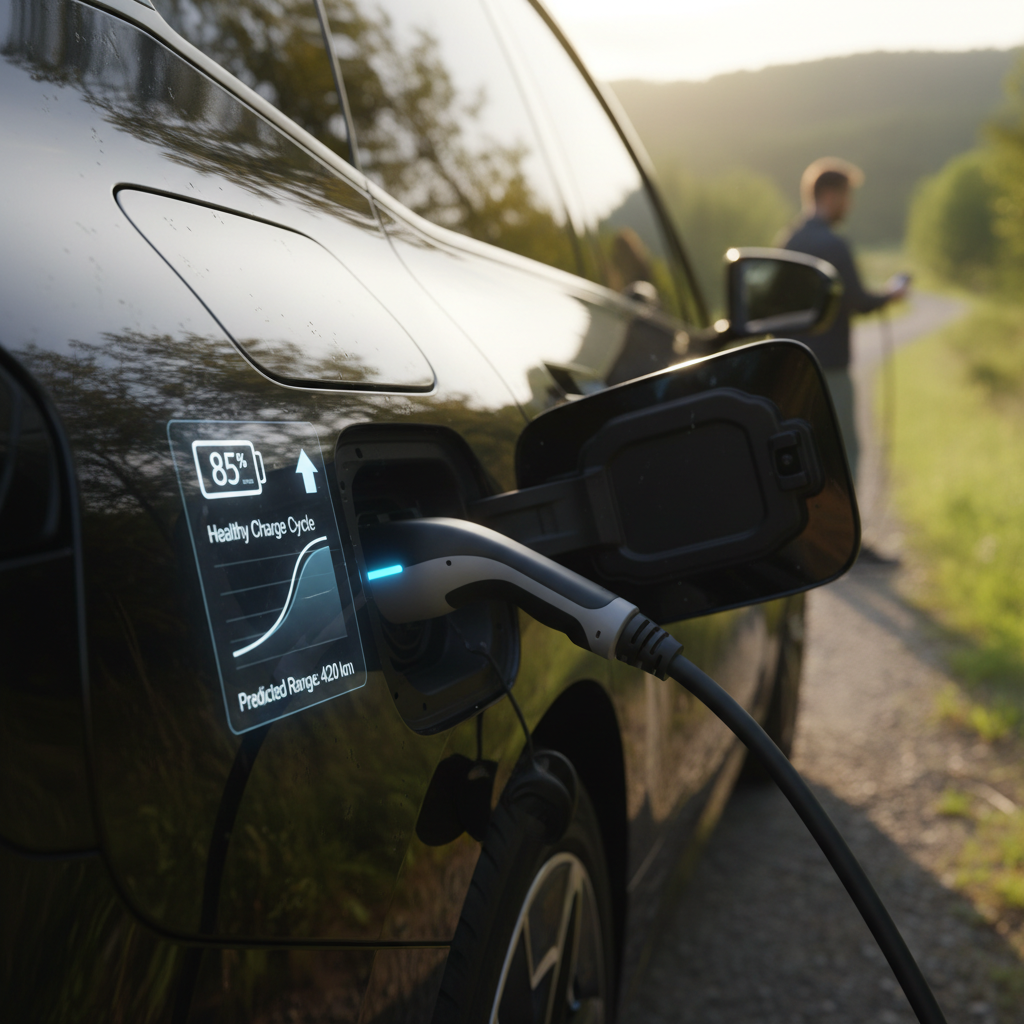
One of the IONIQ 5’s superpowers is its **800‑volt charging architecture**. On a strong DC fast charger it can go from 10–80% in roughly 18–20 minutes, with peak rates over 230 kW on earlier long‑range packs and even higher on refreshed models. That’s elite territory in the EV world and a big reason road‑trippers love this car.
Charging the IONIQ 5: what to check before you buy
Make sure the way you’ll charge lines up with the car’s strengths.
Home charging plan
Must‑check: Do you have (or can you install) a 240‑V outlet or wallbox?
- The IONIQ 5’s onboard charger supports ~11 kW AC charging.
- On a typical 40–48 A Level 2 station, 10–100% usually takes 6–9 hours.
- Level 1 (120 V) is for emergencies only, it’s very slow.
Fast‑charging behavior
On a capable 350 kW DC charger, the IONIQ 5 can add major range in under 20 minutes.
- Ask the seller which networks they use and how consistent speeds have been.
- Look for software updates that improve charging curves and battery preconditioning.
Connectors (CCS vs NACS)
Early U.S. IONIQ 5s use the **CCS** fast‑charge plug. Newer models are beginning to adopt **NACS**, giving direct access to Tesla’s Supercharger network.
- Confirm which connector your car has.
- Ask whether an adapter is included, if applicable.
Have an electrician check your panel
Step 4: Compare IONIQ 5 trims, features and tech
Hyundai has shuffled trims and options slightly over the years, but most U.S. shoppers will run into familiar badges like **SE, SEL, Limited, XRT and the high‑performance N**. Features vary, but the core questions are comfort, driver‑assist tech and whether you want the more playful or rugged versions.
SE / SE Standard Range
- Entry price point, cloth seats.
- Standard driver‑assist and large dual screens.
- Standard Range battery on some SE models, verify pack size.
Great if you mostly drive in town and want maximum value.
SEL
- Often the sweet spot: Long Range battery widely available.
- More comfort features and available heat pump in some markets.
- Popular for families and commuters.
Limited / XRT / N
- Limited: top comfort, ventilated seats, more tech.
- XRT: rugged look, raised suspension and off‑road‑style tires.
- N: high‑performance, track‑oriented version with serious power.
Best if you want flagship features or performance and accept the range hit.
Sit in it like you own it
Step 5: Known issues, recalls and warranties
No modern EV is perfect, and the IONIQ 5 is no exception. Overall reliability has been solid, but owner reports and complaint databases point to **a few specific systems you’ll want to ask about and test** before buying, especially on earlier model years.
Common IONIQ 5 issues to screen for
Use this list as a conversation starter with the seller or dealer service department.
ICCU and charging electronics failures
The Integrated Charging Control Unit (ICCU) manages AC charging and sometimes DC fast charging. Failures can cause:
- Tripped breakers when you start charging.
- Refusal to charge on Level 1 or Level 2.
- Vehicle entering limp mode or shutting down.
Checklist: Ask for service history, verify no outstanding campaigns, and test both home‑style and public charging before you commit.
Battery management and propulsion loss complaints
Some owners have reported sudden loss of power, “turtle mode” activation at higher states of charge, or mismatched state‑of‑charge readings.
- Carefully watch for error messages on the test drive.
- Ask directly whether the high‑voltage battery or related modules have been replaced.
Warranty snapshot (U.S.)
- High‑voltage battery warranty: typically 10 years/100,000 miles (check the specific car’s booklet).
- Powertrain / EV system: often 10 years/100,000 miles for the first owner.
- Basic (bumper‑to‑bumper): commonly 5 years/60,000 miles.
For used cars, confirm **transferability** of these warranties and whether you’re the first or a subsequent owner.
Don’t skip the recall check
Step 6: Battery health checks for used IONIQ 5s
Battery health is the single most important variable when you’re looking at a used IONIQ 5. The chemistry Hyundai uses has aged well so far, but individual cars can see more degradation if they’ve been fast‑charged heavily, stored at high state of charge, or hammered in hot climates.
Used Hyundai IONIQ 5 battery‑health checklist
1. Compare displayed range to original EPA rating
Fully charge the car and note the estimated range in the cluster. Compare it to the original EPA figure for that trim. Some drop over time is normal; a dramatic difference may indicate heavy degradation or out‑of‑whack software estimates.
2. Scan for battery or high‑voltage fault codes
Ask for a recent diagnostic scan from a Hyundai dealer or EV‑specialist shop. You’re looking for stored or pending high‑voltage, cell‑imbalance, or thermal‑management codes.
3. Ask about fast‑charging habits
There’s nothing wrong with using DC fast charging, that’s what this car is built for. But exclusive high‑power DC charging in extreme heat, with the car left at 100% afterward, can accelerate wear. Ask how the previous owner normally charged.
4. Inspect charging‑rate behavior
On a test fast‑charge session, watch how quickly the car ramps up and whether it holds strong speeds. An unusually low plateau, compared to other IONIQ 5s at the same charger, may indicate battery‑health or software issues.
5. Confirm software is up to date
Hyundai has released software updates tied to charging behavior, battery management and driver‑assist systems. Ask the dealer to confirm the car has the latest updates before you take delivery.
6. Get an independent health report (if possible)
Tools like Recharged’s **battery‑health diagnostics and Recharged Score Report** can quantify remaining capacity and flag atypical degradation, giving you a clearer picture than the dash can provide.
Step 7: Pricing, incentives and total cost
New IONIQ 5 pricing has been a moving target. As of the 2026 model year, Hyundai has cut MSRP on many trims by thousands of dollars to offset changing federal incentives and growing competition. For used buyers, that means two things: **rapid depreciation (good for you)** and a need to understand how new‑car price cuts affect used values.
New and nearly new IONIQ 5s
- MSRP changes year‑to‑year; check current pricing for the exact trim you’re considering.
- Manufacturer cash offers or APR deals can make a new car surprisingly close in cost to a late‑model used one.
- Factor in destination, dealer fees and required add‑ons when comparing.
Used IONIQ 5s
- Rapid depreciation means **3‑ to 4‑year‑old cars can be very strong values**.
- Battery and EV‑system warranties often still have plenty of life left.
- Look at total cost: price + taxes + home‑charging install + insurance, not just the monthly payment.
Leverage data, not vibes
Ready to find your next EV?
Browse VehiclesStep 8: Test-drive and physical inspection checklist
Once you’ve narrowed down the right battery, drivetrain and trim, it’s time to make sure the specific IONIQ 5 in front of you is solid. Use this checklist on your test drive and walk‑around, print it, screenshot it or keep it open on your phone.
On‑site Hyundai IONIQ 5 inspection checklist
1. Exterior, wheels and tires
Look for uneven panel gaps, mismatched paint or signs of collision repair. Check the aero wheels for curb rash and inspect tire tread for even wear, cupping or severe inner‑edge wear can hint at alignment or suspension problems.
2. Charging ports and cables
Open the charge port and inspect the pins and seals. They should be clean, straight and free of corrosion. If an OEM portable EVSE or wallbox is included, plug it into a known‑good outlet and verify the car begins charging without tripping breakers.
3. Interior electronics and screens
Cycle every major function: twin screens, climate controls, seat heaters and coolers, steering‑wheel heater, windows, locks and cameras. Make sure the shifter engages smoothly and that you can select all drive modes without warnings.
4. Driver‑assist systems
On a safe road, test adaptive cruise, lane‑keeping and blind‑spot monitoring. The IONIQ 5’s assistance systems should feel confident and consistent, not ping‑ponging in the lane or dropping out without reason.
5. Road test for noises and feel
At neighborhood speeds and on the highway, listen for clunks over bumps, wind whistles around the mirrors, and any grinding or humming from the drivetrain. The car should track straight with the wheel centered, and braking should be smooth and quiet.
6. HVAC and heat pump (if equipped)
Run the A/C on max, then the heat. In cold climates, confirm the car warms up quickly and can maintain cabin temperature, poor heat could indicate HVAC or heat‑pump issues that aren’t cheap to fix out of warranty.
7. Software, apps and keys
Confirm that all keys are present and functional, and that the car can connect to Hyundai’s app (or your preferred EV‑charging apps). Ask the dealer or seller to demonstrate remote climate preconditioning and charging‑schedule settings.
Hyundai IONIQ 5 buying checklist: quick reference
- Clarify your primary use: short‑range commuter, family hauler, or road‑trip rig.
- Pick your battery and drivetrain: Standard Range vs Long Range, RWD vs AWD, wheel size.
- Confirm the EPA range for the exact trim and wheel combination you’re considering.
- Decide how you’ll charge: home Level 2, workplace, public DC fast, or a mix.
- Verify which fast‑charge connector you’ll use (CCS or NACS) and how that fits your local networks.
- Choose the trim that matches your must‑have features (seats, audio, driver‑assist, styling).
- Run a recall and service‑history check, focusing on ICCU or high‑voltage system work.
- Evaluate battery health on used cars: displayed range, charging behavior, scan for codes, and, ideally, an independent health report like the Recharged Score.
- Compare total cost, not just price: financing, insurance, charging installation and expected fuel savings.
- Do a thorough test drive and inspection using the step‑by‑step list above.