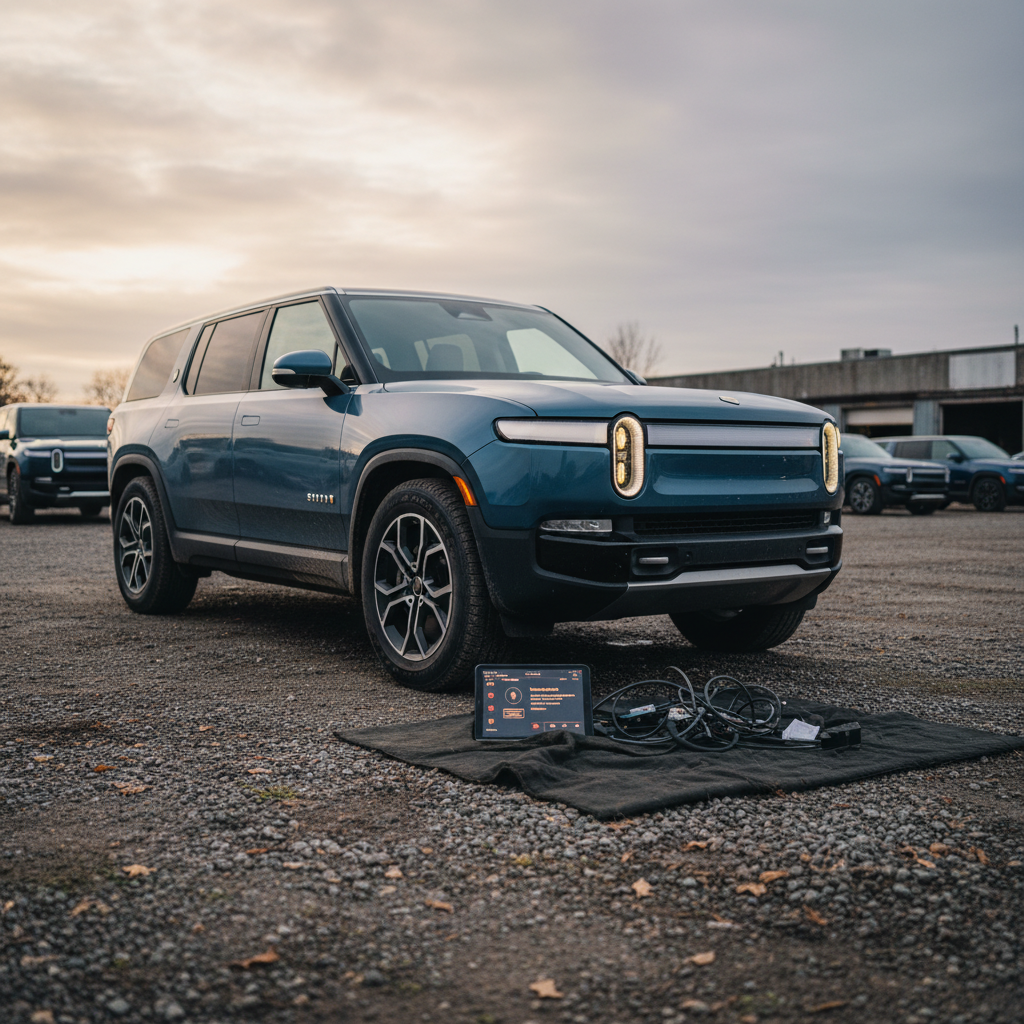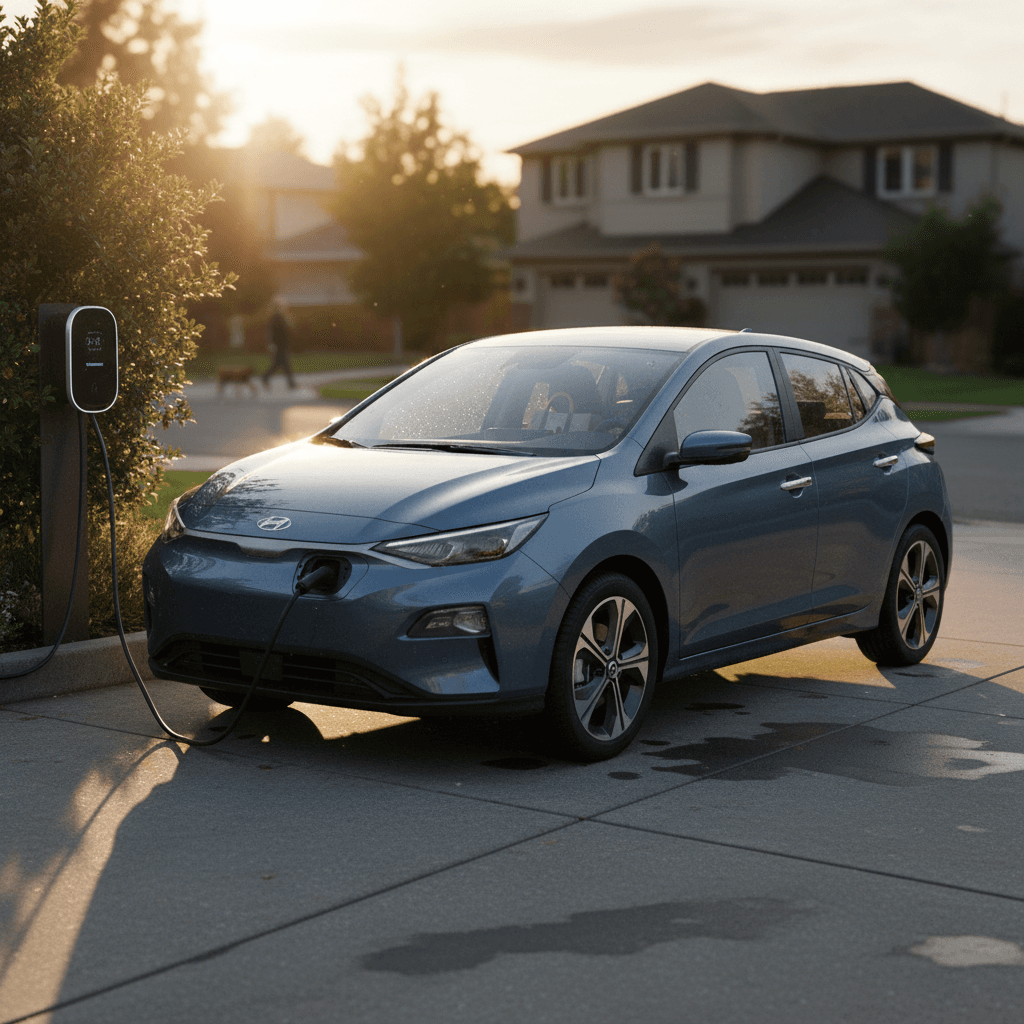
If your daily drive is around 15 miles each way, you’re in the EV sweet spot. The best electric car for a 15 mile commute doesn’t need road-trip range or a huge battery. It needs to be efficient, affordable, easy to park, and cheap to run. This guide walks you through how much range you really need, the best new and used EVs for short commutes, and how to avoid overpaying for capability you’ll rarely use.
Good news for short commuters
Why a 15-Mile Commute Is Perfect for an EV
Most Americans drive less than 40 miles per day on average, and a 15‑mile one‑way commute fits comfortably inside that. For this kind of driving, a small or mid‑size electric car can easily cover your needs with overnight charging at home. You’re using the car exactly how EVs work best: predictable, repeatable trips where you can plug in regularly.
Benefits of an EV on a Short Commute
Why your 15-mile drive plays to an EV’s strengths
Low operating costs
Great in city traffic
Less wear and tear
Think total day, not single trip
How Much Range Do You Really Need for a 15-Mile Commute?
A 15‑mile commute is roughly 30 miles round‑trip. Even if you add errands and an unexpected detour, most drivers in this situation stay under 50 miles in a typical day. That means you don’t need a 300‑mile battery to be comfortable.
Right-Sizing Range for a 15-Mile Commute
Example range needs for a 30‑mile daily round-trip commute.
| Scenario | Daily Miles | Suggested Minimum EPA Range | Why It Works |
|---|---|---|---|
| Light use only | 30 | 120 miles | Plenty of buffer for weather, detours and battery aging. |
| Moderate errands | 40–50 | 150 miles | Coverage for busy days without charging at work. |
| Occasional long days | 60–70 | 180–200 miles | Gives comfort on heavy-use days without anxiety. |
Aim for an EV whose realistic usable range is at least 3–4 times your typical daily driving.
For most 15‑mile commuters, an EV with an EPA range of 120–200 miles is more than enough. If you can charge at home, even older used models with 100–150 miles of real‑world range can be excellent values. The key is building in a buffer for cold weather, battery aging, and the occasional extra trip.
Don’t overbuy on range
Key Features to Look For in a Short-Commute EV
When you’re choosing the best electric car for a 15‑mile commute, the spec sheet matters less than how the car fits your daily routine. Here are the features that make the biggest difference for short‑distance driving.
Must-Have vs. Nice-to-Have Features
1. Realistic range for your climate
Look for owner reports and independent tests, not just the official rating. In cold climates, short trips can eat into range more than long highway drives, so a bit of extra buffer helps.
2. Comfortable seats and quiet cabin
You’ll sit in this car every day. Even with a short commute, supportive seats, good visibility, and low cabin noise make the drive feel upscale.
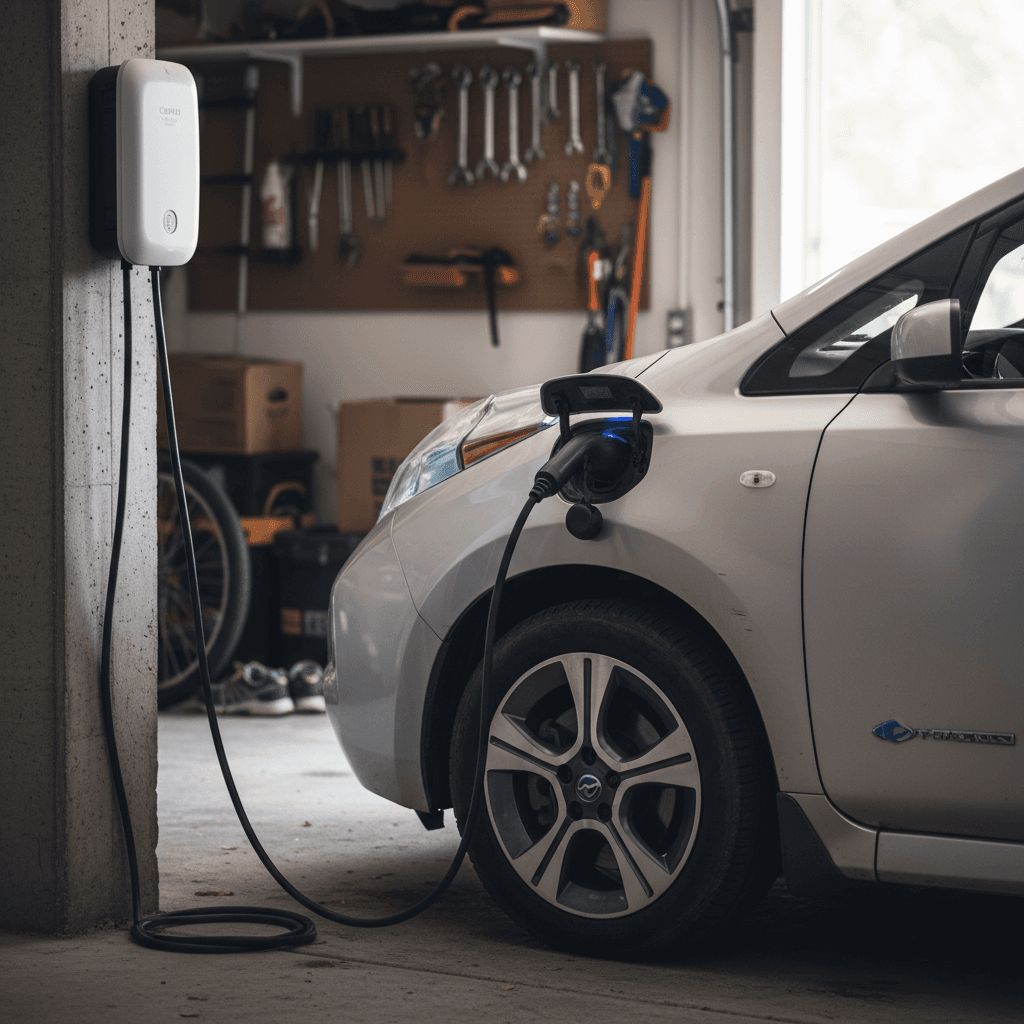
3. Easy home charging
If you have off‑street parking, the ability to add a <strong>Level 2 home charger</strong> (240V) turns your driveway or garage into your personal “gas station.” If not, prioritize workplace or nearby public charging.
4. Efficient heating and cooling
Heat pumps and good climate‑control efficiency matter for short trips, especially in winter, when pre‑conditioning the cabin while plugged in can save a lot of energy.
5. Safety and driver-assist tech
Automatic emergency braking, blind‑spot monitoring, and adaptive cruise are worth having even for brief freeway stints. They also help future‑proof your car for resale.
6. Compact size and easy parking
For urban or suburban commutes, a hatchback or small crossover is often easier to maneuver and park than a large SUV, while still offering plenty of space for daily life.
Best Electric Cars for a 15-Mile Commute: Top Picks
Because your daily mileage is modest, you have a wide range of choices, from older used EVs with shorter range to newer models with extra comfort and tech. Below are categories rather than a single “winner,” so you can match a car to your budget and priorities.
EVs That Fit a 15-Mile Commute Well
Representative new and used EVs that work well for short daily drives.
| Model (Example Year) | Approx. EPA Range (mi) | Body Style | Why It’s a Strong Short-Commute Pick |
|---|---|---|---|
| Chevrolet Bolt EV (2019–2023) | 238–259 | Compact hatchback | Excellent efficiency, affordable used prices, plenty of range for multiple days of commuting. |
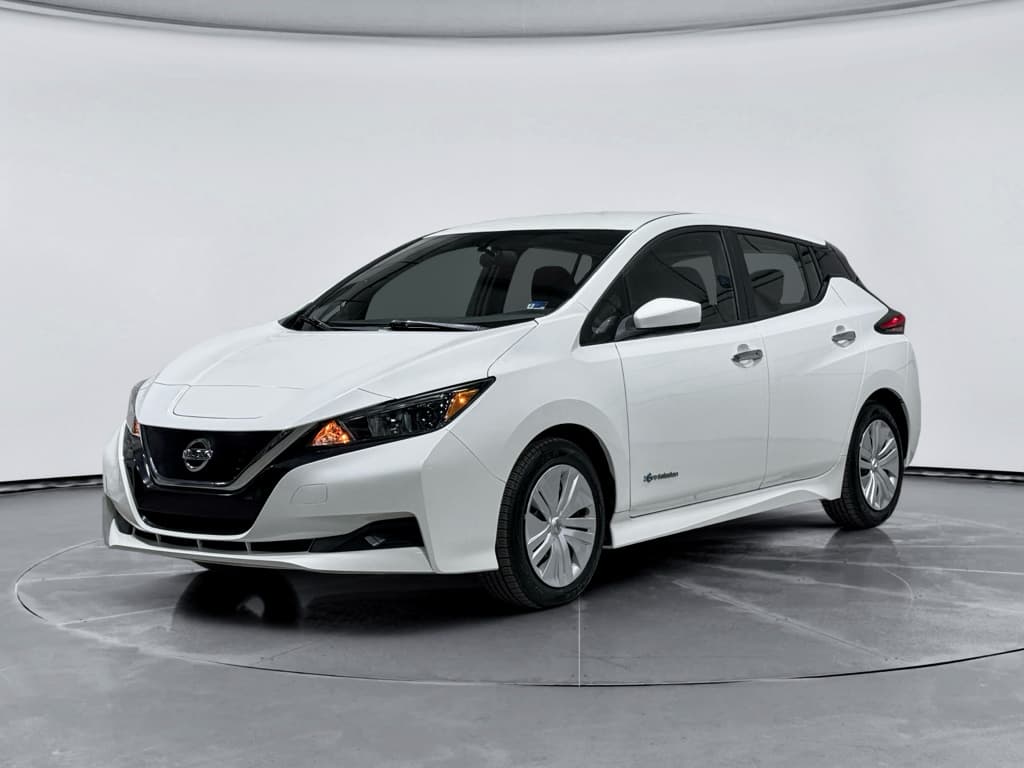
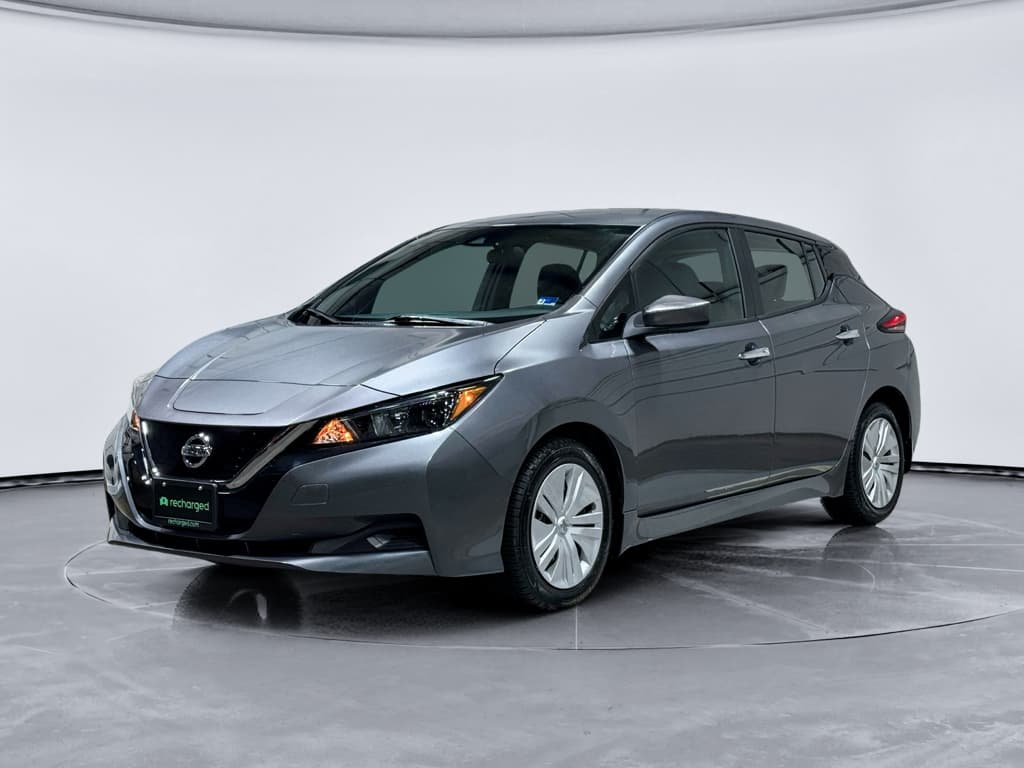
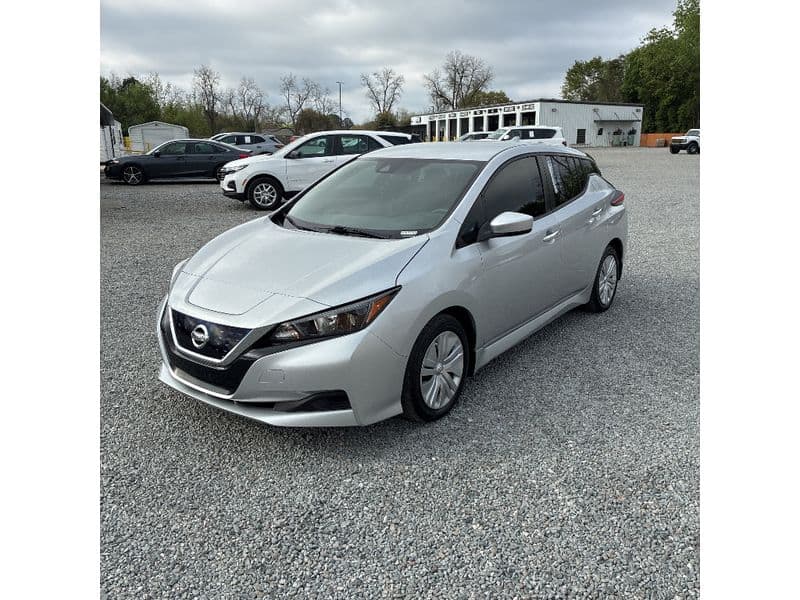
| Nissan Leaf (2018–2022, 40 kWh) | ~150 | Compact hatchback | Ideal if you charge at home, particularly for mild climates and city speeds. |
| Hyundai Kona Electric (2019–2022) | ~258 | Subcompact crossover | Small footprint, long range, and good efficiency make it a stress‑free commuter. |
| Kia Niro EV (2019–2022) | ~239 | Compact crossover | Comfortable ride, practical cargo space, and range that’s overkill (in a good way) for short trips. |
| Tesla Model 3 RWD (2018–2022) | ~220–272 | Sedan | If you want a sportier feel and access to the Supercharger network for occasional road trips. |
| Volkswagen e‑Golf (2017–2019) | ~125 | Compact hatchback | Feels like a normal Golf, with enough range for daily use and attractive used pricing. |
These models illustrate the kinds of EVs that make excellent short‑commute companions, especially on the used market.
Used EV sweet spot for short commuters
New vs. Used EV for a Short Commute
Why a used EV often makes sense
- Depreciation is on your side: The first owner absorbs the biggest value drop, while you still get modern tech.
- Your range needs are modest: Even with some battery aging, a car that started at 150–250 miles of range usually has more than you need.
- Lower insurance and taxes: A lower vehicle value can mean lower ongoing costs in many states.
When a new EV might be better
- Tax credits and incentives: In some cases, federal or state incentives make a new EV surprisingly competitive with used.
- Latest safety and tech: If you care about the newest driver‑assist features, infotainment, or battery tech, new may be worth the premium.
- Long-term ownership: Planning to keep the car for 10+ years? Starting new can give you the full lifespan of the battery and warranty coverage.
How Recharged de-risks used EVs
Charging Strategies for a 15-Mile Commute
With a 30‑mile round‑trip commute, you have flexibility in how you charge. The right setup depends on where you park and how often you want to think about plugging in.
Which Charging Setup Fits Your Life?
All three of these can work for a 15-mile commute
Level 1 at home (120V)
Level 2 at home (240V)
Workplace or public charging
Charge when it’s cheap and convenient
Battery Health and Short Trips: What Really Matters
Modern EV batteries are engineered to last many years, and short‑distance commuting is generally **easy duty** compared to repeated DC fast charging or heavy towing. That said, very short trips in cold weather can temporarily hurt efficiency, since much of the energy goes into warming the cabin and battery instead of moving the car.
- Aim to keep the battery between about 20% and 80% for everyday use when possible, especially if you don’t need full range.
- Use scheduled departure or pre‑conditioning so the car and cabin warm up while plugged in, saving energy on the road.
- Avoid leaving the car parked for weeks at 0% or 100% state of charge.
- Don’t stress about occasional DC fast charging for road trips, your daily short commute is still very gentle use.
Short commuters can relax about degradation
Cost of Ownership: Why Short Commuters Often Win
How a 15-Mile Commute Can Save You Money
Because you’re not piling on highway miles, your EV will likely accumulate mileage slowly. That means you can start with a higher‑mileage used car and still get many years of service before you run into major wear items. Combine that with low “fuel” and maintenance costs, and total cost of ownership for a short‑commute EV can be far lower than a comparable gas car.
Watch out for "cheap" gas cars
How Recharged Helps Short-Commuters Shop Smarter
If you’re shopping for the best electric car for a 15‑mile commute, the hardest part isn’t finding **an** EV, it’s finding the right one at the right price, with a battery you can trust. That’s exactly the problem Recharged was built to solve.
Why Short-Commute Drivers Like Shopping with Recharged
Tools and services tailored to everyday EV use
Recharged Score battery report
Financing and trade-in options
Nationwide delivery & EV specialists
Ready to find your next EV?
Browse VehiclesNot sure which EV fits your commute?
FAQ: Best EV for a 15-Mile Commute
Frequently Asked Questions
The Bottom Line
For a 15‑mile commute, the “best” electric car isn’t the one with the biggest battery or the flashiest 0–60 time. It’s the car that fits your life: enough realistic range to cover your day with a comfortable buffer, simple charging that matches your parking situation, and a price that leaves room in your budget for everything else. That often points to a compact or mid‑size used EV with 120–200 miles of range and documented battery health.
Take a clear look at your daily mileage, climate, and parking, then build a short list of models that meet those needs without overkill. Whether you end up in a Chevy Bolt EV, Nissan Leaf, Hyundai Kona Electric, or something similar, a right‑sized EV can turn your daily drive into the easiest part of your day. And if you want help narrowing it down, browsing battery‑verified used EVs on Recharged is an excellent place to start.