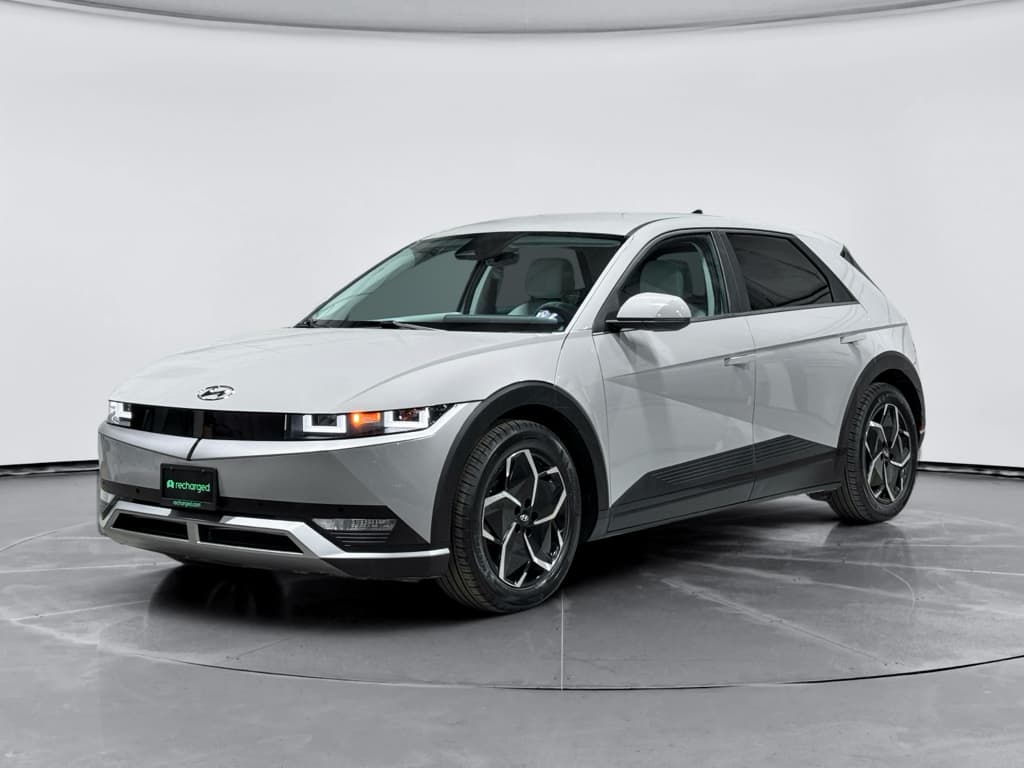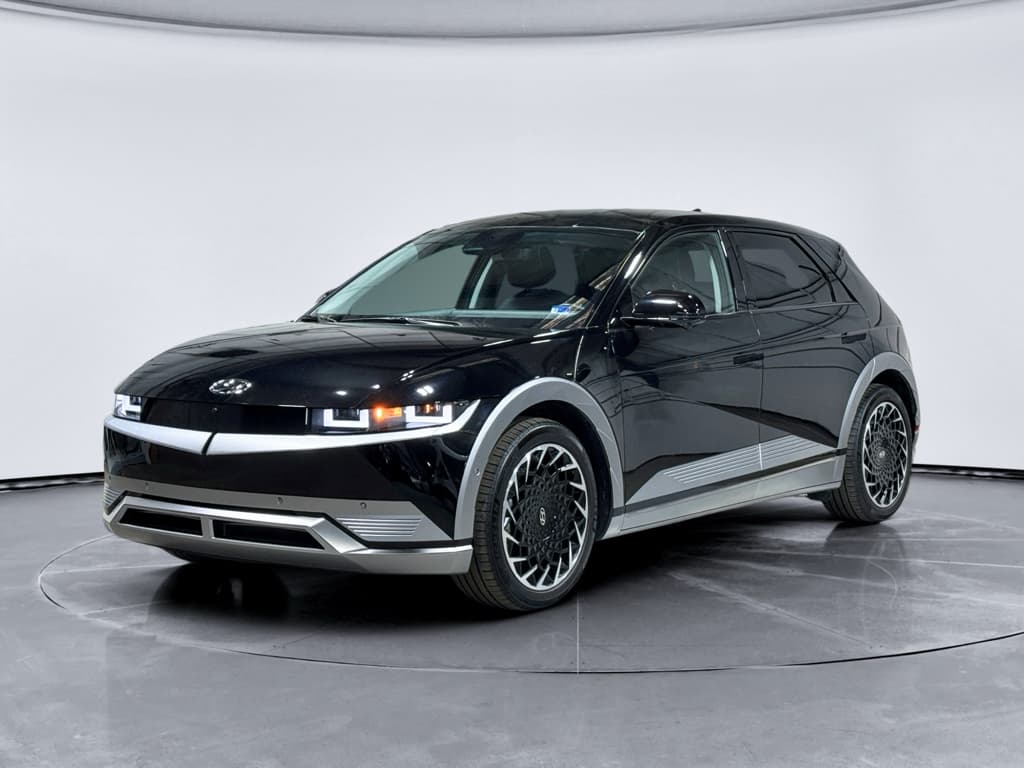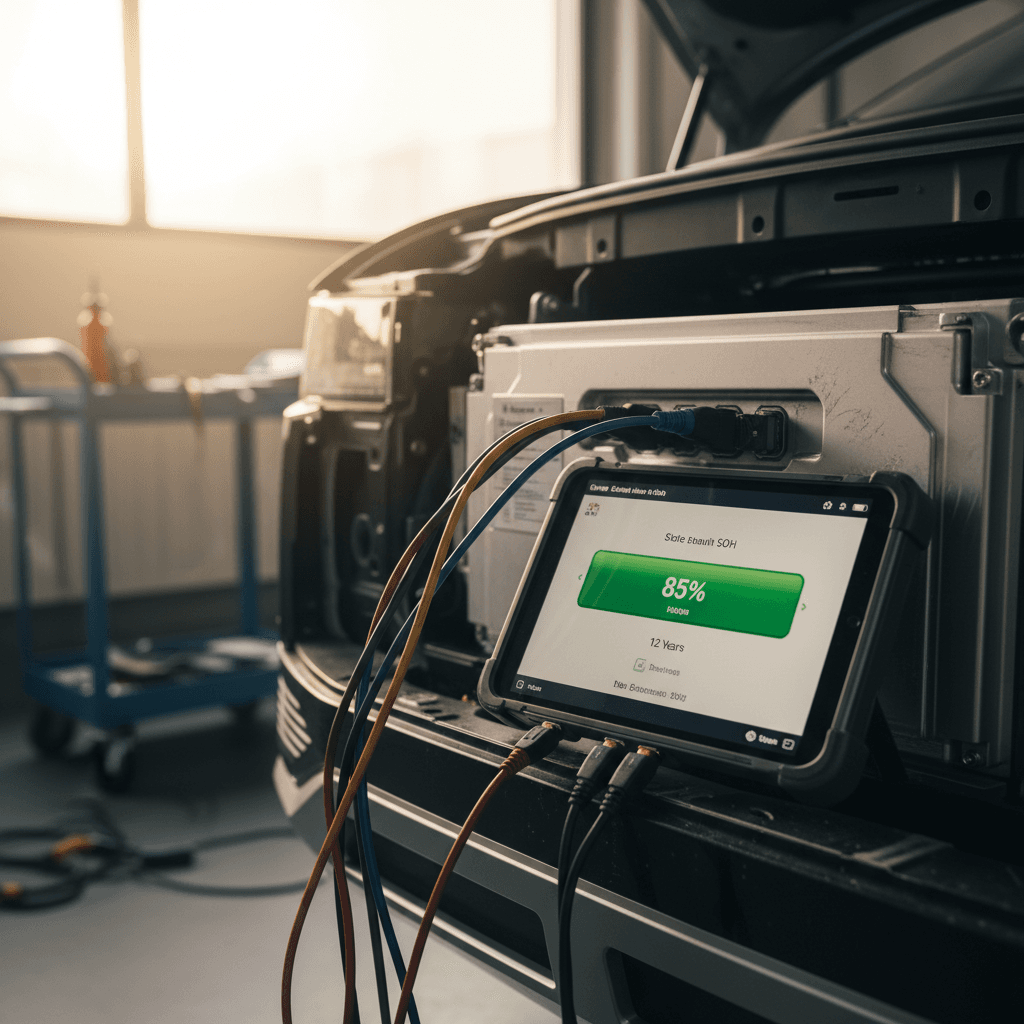
If you’re eyeing a Hyundai Ioniq 5, or already own one, the big question is obvious: how long will the Ioniq 5 battery actually last? Range is great when the car is new; the real game is how much of that range you still have in year 8, 10, or 15.
TL;DR on Ioniq 5 battery life
Do Hyundai Ioniq 5 batteries last? The short answer
Hyundai Ioniq 5 battery longevity at a glance
The headline is that Ioniq 5 batteries are holding up better than many shoppers expect. We now have real‑world cars with hundreds of thousands of miles that haven’t fallen off a cliff. For a typical driver doing 10,000–15,000 miles a year, battery life is far more likely to be measured in decades than in single years.
Think in decades, not years
Ioniq 5 battery basics: packs, chemistry, and warranty
Battery sizes and chemistry
The Hyundai Ioniq 5 uses a liquid‑cooled lithium‑ion pack based on nickel‑rich chemistry similar to other modern EVs. Depending on trim and model year, you’ll typically see:
- Standard Range: ~58 kWh gross battery
- Long Range: ~72.6 kWh on early cars, later ~77.4 kWh
- Performance variants (like Ioniq 5 N): around 84 kWh
All of them sit on Hyundai’s E‑GMP platform with 800‑volt architecture, which enables ultra‑fast DC charging and good thermal control, both important for longevity.
Hyundai’s battery warranty in plain English
Exact terms vary a bit by region, but for U.S. shoppers Hyundai typically offers:
- 8–10 years of coverage on the high‑voltage battery
- Up to 100,000 miles (sometimes more in other markets)
- Protection against manufacturing defects and excessive capacity loss, often defined around 70% remaining capacity
In simple terms, Hyundai is saying the pack should stay within a reasonable degradation window for at least a decade of normal use. Their internal durability targets are even stricter, which is why those high‑mileage test cars are so revealing.
Always read your specific warranty booklet
Real-world Ioniq 5 battery lifespan and degradation
Lab predictions are nice, but the Ioniq 5 has now been on the road long enough to see how the batteries age in the wild. The emerging picture is surprisingly encouraging.
What early data and abuse-testing tell us
From taxi duty to everyday commuting, the Ioniq 5’s pack is proving stout.
Hyundai’s 360k–410k mile cars
Hyundai has shown off Ioniq 5s in Korea used for ride‑hailing that have piled on roughly 360,000 to over 400,000 miles in under three years. Even with heavy DC fast charging, these packs were still around the high‑80% capacity mark, well beyond normal private‑owner use.
Everyday owners & light degradation
Owner reports from early‑build 2021–2022 cars with 30,000–60,000 miles typically show only modest range loss, often in the single‑digit percent range when the car has been mostly AC‑charged and not abused at 100% state of charge.
EV battery research in general
Broader EV studies now suggest modern packs often last 12–15 years or more, especially in moderate climates. The Ioniq 5’s robust thermal management and conservative software appear to put it on the right side of that curve.
The important nuance: those headline‑grabbing 400,000‑mile taxis are extreme edge cases. If you’re driving 10,000–12,000 miles a year and mostly charging at home, you’re simply not going to stress the pack the way a rideshare car does.
Climate matters more than odometer alone
How long your Ioniq 5 battery will likely last
Estimated Ioniq 5 battery lifespan by use pattern
These are realistic big‑picture scenarios, not guarantees, but they track with what we’re seeing from early Ioniq 5s and other modern EVs.
| Owner profile | Annual miles | Charging style | Expected degradation at 8–10 years | Likely usable lifespan |
|---|---|---|---|---|
| Light commuter | 8,000–10,000 | Mostly home AC, 70–80% daily | ~5–10% capacity loss | 15+ years before range feels tight |
| Average driver | 10,000–15,000 | Mix of home AC and occasional DC fast charging | ~10–15% capacity loss | 12–15 years of comfortable use |
| Road‑tripper / rideshare | 20,000–30,000+ | Frequent DC fast charging to ~80–90% | ~15–25% capacity loss | 8–12 years before you really notice the hit |
Assumes battery hasn’t been abused (no chronic 100% DC fast charging, reasonable temperatures).
Notice what’s missing from this table: there’s no scenario where the Ioniq 5 pack turns into a brick in year 9 and strands you. Instead, the battery gradually loses capacity. At some point, the reduced range no longer fits your life, or the car is so old that you’re ready to move on anyway.
Good news for used‑Ioniq 5 shoppers
Ready to find your next EV?
Browse Vehicles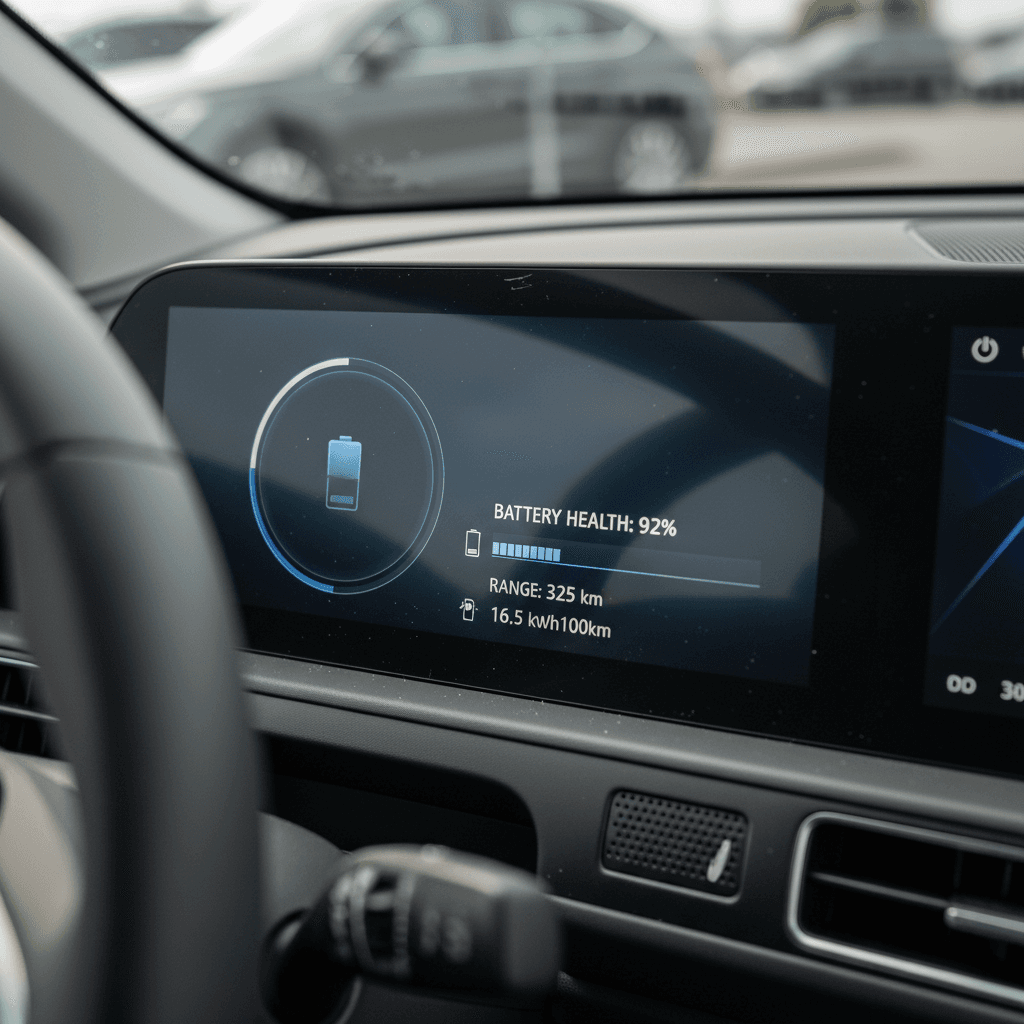
What actually hurts Ioniq 5 battery life?
- Heat + high state of charge: Parking for long periods at or near 100% in hot weather is the classic battery‑aging cocktail.
- Chronic 100% DC fast charging: Occasional road‑trip fast charges to high states of charge are fine. Doing it several times a week as your primary fueling strategy will accelerate wear.
- Deep discharges to near 0%: The car protects itself, but regularly running the pack down into the single digits adds stress over time.
- Poor thermal management: Not an Ioniq 5 problem, but a big reason older or cheaper EVs sometimes degrade faster; Hyundai’s liquid cooling helps here.
- Hard use without balancing: Hyundai recommends occasional full AC charges to allow the battery management system to balance cells and keep estimates accurate. Ignoring this forever isn’t wise.
The one thing not to normalize
8 habits that extend Ioniq 5 battery lifespan
Practical ways to get more years from your Ioniq 5 battery
1. Live in the 20–80% zone for daily use
For commuting and errands, try to keep your state of charge roughly between <strong>20% and 80%</strong>. The car lets you set charge limits; use them. It’s one of the easiest ways to slow degradation.
2. Save 100% charges for trips
Charging to 100% isn’t evil, especially on AC, but it should be the exception, not the rule. Top up fully the night before a road trip, then drive soon after instead of letting the car sit full all day.
3. Prefer AC (Level 2) at home
Home Level 2 charging is gentler on the pack than frequent high‑power DC fast charging. The Ioniq 5 has plenty of range; there’s usually no need to slam it with maximum power every time.
4. Don’t fear DC fast charging, use it smartly
On trips, fast charge from about <strong>10–15% up to 60–80%</strong>, where the car is quickest. Stopping more often for shorter sessions is usually faster for your schedule and kinder to the battery.
5. Avoid baking the pack
Whenever possible, park in the shade or a garage, especially in hot climates. High temperatures plus high state of charge is where the aging really accelerates.
6. Let the car balance occasionally
Hyundai’s guidance and owner experience both support a <strong>full AC charge roughly once a month</strong>. That lets the battery management system run its balancing routines and keep state‑of‑charge estimates honest.
7. Use battery conditioning for fast charging
Later Ioniq 5s can precondition the pack for DC fast charging. Arriving at the charger with the battery in its sweet‑spot temperature window improves charging speed and reduces thermal stress.
8. Keep software and recalls up to date
Battery and charging behavior are heavily software‑controlled. Make sure any relevant software updates or recalls have been performed; they can improve longevity, charging curves, and thermal management.
Home charging is your superpower
Battery health checks when buying a used Ioniq 5
When you’re buying used, “How long will the battery last?” turns into a more pointed question: “How healthy is this specific battery right now?” Here’s how to answer it without guessing.
How to judge a used Ioniq 5’s battery
You don’t need to be an engineer, you just need the right questions and tools.
1. Look beyond the dash range number
The estimated range on the instrument cluster is a guess based on recent driving, not a precise health metric. A careful hyper‑miler and a lead‑footed driver will see wildly different numbers on identical cars.
2. Ask for real battery‑health data
The gold standard is a formal battery‑health report that shows remaining capacity, not just miles. At Recharged, every EV listing includes a Recharged Score with pack‑health metrics so you can see degradation, not just odometer.
3. Ask about charging and use history
Was the car a commuter that mostly lived on Level 2, or a rideshare workhorse on DC fast chargers? Neither is inherently bad, but heavy DC use and hot‑climate storage should price in a bit more degradation risk.
Potential red flags
- Owner can’t or won’t share any charging history or service records
- Car spent its early life in a very hot region and sat parked outside at full charge
- Previous use as a taxi or rideshare car doing high annual mileage
- Big mismatch between advertised range and what multiple test drives show
Reassuring green lights
- Documented service and software‑update history
- Mostly home AC charging at conservative limits (70–80%)
- Battery‑health report showing high remaining capacity
- Transparent, data‑backed pricing, exactly what you get with a used Ioniq 5 from Recharged.
Where Recharged fits in
Hyundai Ioniq 5 battery lifespan FAQ
Frequently asked questions about Ioniq 5 battery life
Key takeaways on Ioniq 5 battery longevity
Hyundai didn’t just build a stylish EV with the Ioniq 5; they built a battery system that appears to age gracefully. Between the long warranty, sophisticated thermal management, and real‑world torture‑test cars racking up hundreds of thousands of miles, the evidence points in one direction: for most owners, the Ioniq 5 battery will outlast their patience with the car, not the other way around.
If you already own an Ioniq 5, the recipe is simple: favor home AC charging, avoid marinating the pack at 100% in summer heat, and let the car balance itself with the occasional full charge. If you’re shopping used, insist on actual battery‑health data, ideally a Recharged Score Report, so you know whether you’re getting a lightly used long‑range hero or paying full price for someone else’s road‑trip warrior.
Either way, an Ioniq 5 with a healthy pack remains one of the most compelling EVs on the used market: fast, efficient, future‑proofed with 800‑volt tech, and, crucially, built around a battery that’s in it for the long haul.